

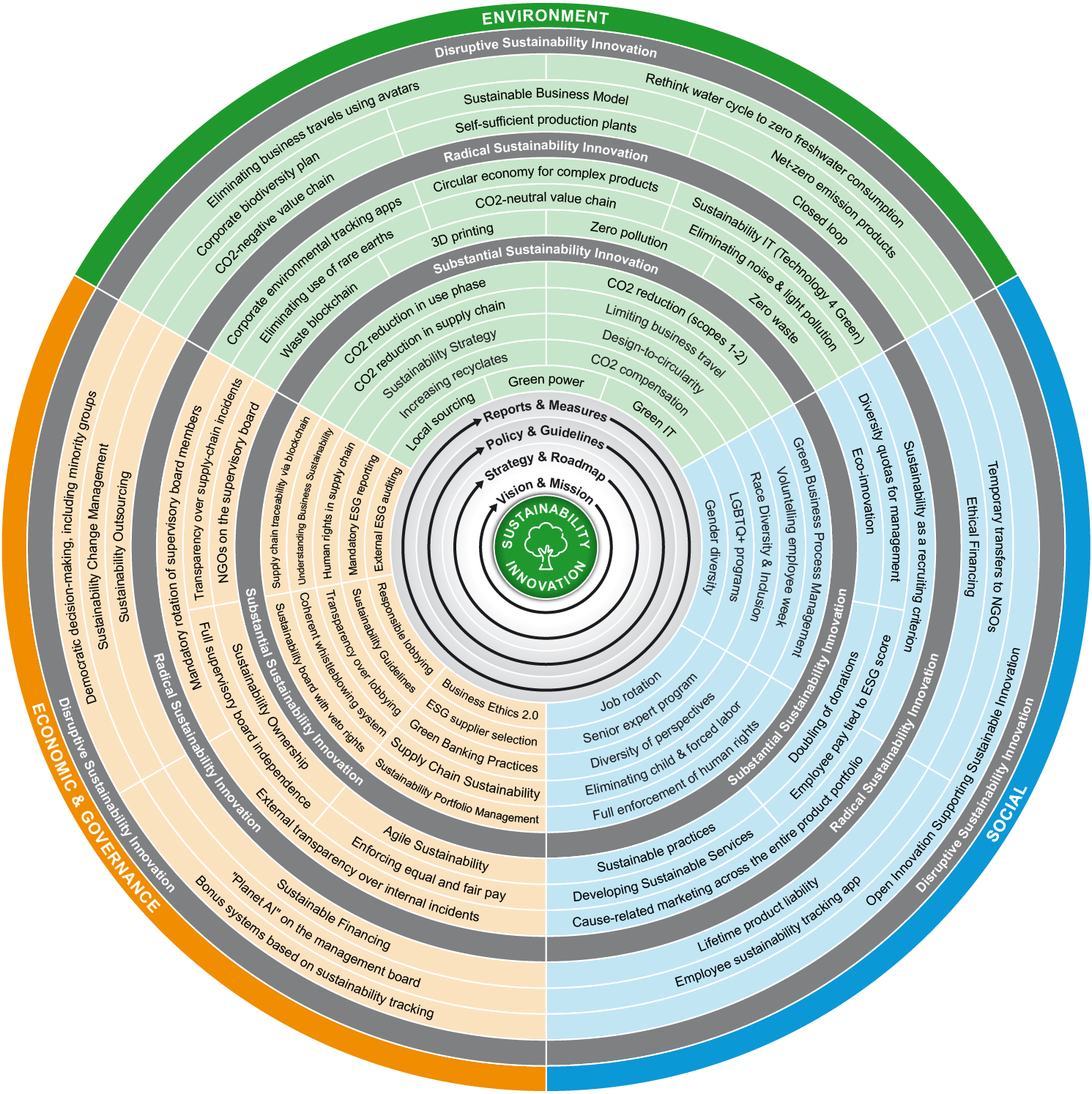
What is Stakeholder Collaboration and Partnerships to Enable Sustainability?
Stakeholder collaboration and partnerships are vital for driving meaningful sustainability progress. These collaborations bring together businesses, governments, NGOs, and communities to tackle complex, interconnected challenges like climate change, inequality, and resource scarcity—issues no single entity can solve alone. By pooling resources, expertise, and perspectives, stakeholders can co-create innovative and holistic solutions that support environmental, social, and economic sustainability. Effective partnerships foster shared value by aligning goals and delivering mutual benefits for both organizations and society. Success in stakeholder collaboration depends on strong governance, open communication, and—most importantly—trust.
When stakeholders trust each other, they are more willing to share information, take collective risks, and invest in long-term outcomes. Tools such as stakeholder mapping and sustainability reporting help organizations engage strategically and transparently, ensuring accountability and continuous improvement. While differences in priorities and motivations can pose challenges, adaptive frameworks and ongoing dialogue enable partnerships to remain flexible and resilient over time. Ultimately, stakeholder collaboration is a powerful driver of sustainability change, unlocking new opportunities through collective action.
Main Components
The 8 Main Components of Stakeholder Collaboration and Partnerships to Enable Sustainability
Driving sustainability through collaboration requires a structured approach built on eight key components. These elements help organizations align strategies, share resources, and co-create impactful solutions with a broad network of stakeholders.
Together, they form a practical framework for building strong, adaptive partnerships that deliver lasting environmental and social outcomes.

These elements form the backbone of a holistic strategy that supports human dignity while advancing sustainability goals:
Stakeholder collaboration and partnerships for sustainability transformation rely on eight core components that create a cohesive and dynamic framework for change. From establishing shared goals and clear governance to fostering innovation and managing risks, these components enable organizations to work collectively and effectively.
By addressing each of these areas, partnerships can maximize their impact, adapt to evolving sustainability demands, and contribute to meaningful, lasting transformation across industries and communities.
Why This Is Relevant
Why is Stakeholder Collaboration and Partnerships to Enable Sustainability So Relevant?
Stakeholder collaboration is essential for driving sustainability transformation in today’s complex and interconnected world. Global challenges like climate change, biodiversity loss, and social inequality cannot be solved by individual organizations alone. Instead, cross-sector partnerships—uniting businesses, governments, NGOs, and civil society—enable the co-creation of solutions that are inclusive, innovative, and system-wide. These collaborations help address the root causes of sustainability issues by combining diverse resources, knowledge, and perspectives. They also support the creation of shared value, where environmental and social impact is aligned with business objectives. This not only enhances long-term organizational success but also builds credibility and trust among stakeholders. Moreover, partnerships serve as platforms for continuous learning and innovation. Through knowledge exchange and shared best practices, organizations can strengthen their capabilities and remain adaptive to emerging sustainability challenges.
Collaborative efforts also improve resilience, offering greater flexibility to respond to shifting environmental and social conditions. Importantly, stakeholder collaboration enhances legitimacy by fostering transparent, inclusive decision-making processes. Trust built through open engagement encourages long-term commitment and shared responsibility. These qualities are increasingly recognized in global frameworks like the United Nations’ Sustainable Development Goals, particularly Goal 17, which emphasizes the role of partnerships in achieving sustainable development. In summary, stakeholder collaboration is not just relevant—it is vital. It unlocks the collective power needed to accelerate sustainability change, making it a foundational strategy for any organization seeking to drive meaningful, long-term impact.
Business/Value Case
The Business/Value Case for Stakeholder Collaboration and Partnerships to Enable Sustainability
In today’s evolving business landscape, the integration of employee well-being with sustainability development is no longer just a moral imperative—it’s a strategic advantage. Organizations that align these two priorities unlock tangible value across multiple dimensions, from enhanced productivity and innovation to stronger stakeholder trust and regulatory compliance.
This section outlines the ten most sought-after benefits of connecting well-being with sustainability, showcasing how this synergy creates lasting value for businesses, their employees, and the broader community.

Here are the 10 most valuable business benefits of stakeholder collaboration for sustainability transformation:
These partnerships help companies future-proof their strategies, enhance performance, and drive measurable environmental and social impact while securing long-term competitive advantage.
Ultimately, stakeholder collaboration is not just a sustainability enabler—it’s a business accelerator.
How-To-Guide
How-To-Guide: Stakeholder Collaboration and Partnerships to Enable Sustainability Framework
The Stakeholder Collaboration and Partnerships Framework is a structured, ten-step roadmap designed to help organizations build effective, transparent, and purpose-driven sustainability partnerships. It guides teams in aligning stakeholders, clarifying responsibilities, and ensuring measurable impact across all stages of a sustainability project.
The framework supports strategic collaboration by offering a clear business case and defined governance, communication, and evaluation practices—reducing complexity and enhancing accountability.

The 10-Step Way Forward:
By offering detailed guidelines on roles, responsibilities, and timelines, the framework ensures swift and effective project start-up, reducing complexity and improving accountability. Equipped with this framework, readers are empowered to begin their own stakeholder collaboration projects with confidence, setting a strong foundation for meaningful and lasting sustainability transformation.
The Stakeholder Collaboration and Partnerships Framework is an invaluable tool for organizations aiming to achieve impactful sustainability goals. This structured, ten-step approach provides a roadmap that empowers teams to initiate, manage, and sustain partnerships with clarity and purpose.
Contact Us
Wanna learn more ? Want to improve your company ?
Projects that require our help ?
Don't waste more time, contact us !
Most Common Pitfalls
The Most Common Pitfalls and Challenges
Many organizations face recurring challenges when trying to align employee well-being with sustainability development. These issues often stem from treating the two as separate priorities, resulting in siloed strategies that limit impact and create disengagement.
Understanding common pitfalls—both worst practices and recurring negative patterns (antipatterns)—can help businesses avoid mistakes and build more effective, integrated approaches.
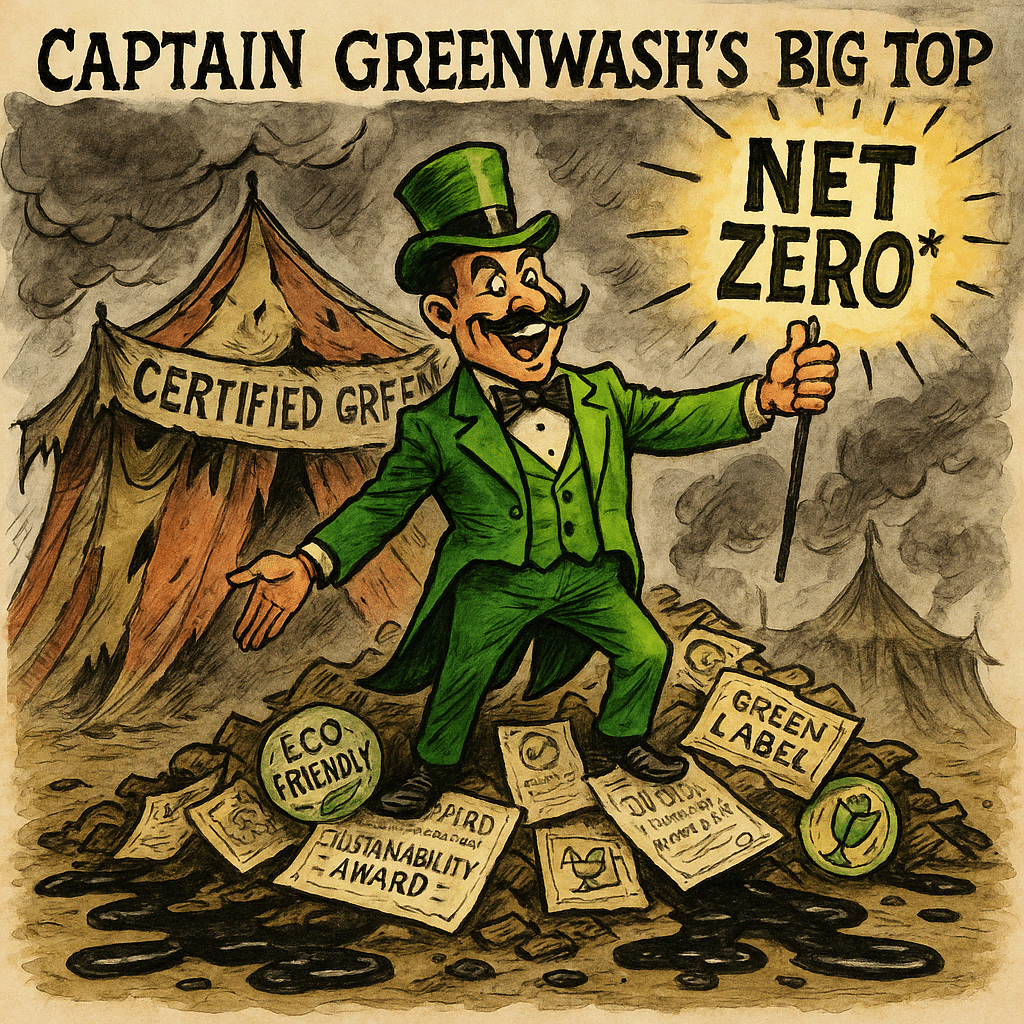
5 Antipattern Examples
- The “Big Player Domination” Antipattern: One powerful actor dominates, sidelining smaller stakeholders and limiting innovation.
- The “Tokenism” Antipattern: Stakeholders are included superficially without real influence, leading to disengagement.
- The “Short-Term Focus” Antipattern: Prioritizing quick wins over long-term sustainability goals weakens systemic impact.
- The “One-Way Communication” Antipattern: Top-down communication restricts dialogue, reducing the value of collaboration.
- The “Rigid Governance Structure” Antipattern: Inflexible frameworks prevent adaptation to evolving sustainability challenges.

5 Worst Practice Examples
- Lack of Clear Objectives: Entering partnerships without defined sustainability goals leads to disjointed efforts and inefficiency.
- Power Imbalances: Dominant stakeholders often steer the agenda, marginalizing smaller voices and damaging trust.
- Ineffective Communication: Irregular or unclear communication disconnects stakeholders from key decisions and progress.
- Overlooking Cultural Differences: Disregarding cross-sector or cross-cultural nuances can trigger conflict and reduce collaboration effectiveness.
- One-Off Engagement: Only involving stakeholders at the project start leads to disinterest and lack of commitment over time.
Lessons Learned
Learning from the Outperformers: Lessons Learned
Stakeholder collaboration is essential for driving sustainable change. Organizations that succeed in this area apply a mix of tested best practices and advanced, leading approaches. These help build strong, inclusive, and adaptable partnerships that can tackle complex sustainability challenges effectively. Leading organizations go a step further by integrating advanced practices. They use digital platforms to streamline communication and coordination, apply clear sustainability metrics to track progress, and engage in public-private partnerships to leverage cross-sector strengths.
A systems-thinking mindset helps them tackle interconnected challenges holistically, while feedback loops enable ongoing learning and improvement. By applying these practices, organizations can build strategic partnerships that are better equipped to create lasting, sustainable outcomes.
5 Best Practice Examples
- Establish a shared vision: Align all stakeholders around a common sustainability goal to build unity and reduce conflict.
- Foster trust and transparency: Promote open communication, regular updates, and shared access to information to strengthen mutual accountability.
- Ensure continuous engagement: Keep all stakeholders actively involved through ongoing dialogue, reviews, and feedback opportunities.
- Adopt flexible governance structures: Combine formal frameworks with informal mechanisms to stay responsive and innovative.
- Address power dynamics: Enable equal participation by mitigating dominance and ensuring all voices are heard through fair decision-making processes.
5 Leading Practice Examples
- Leverage digital collaboration tools: Use technology platforms to streamline communication, track progress, and align stakeholders efficiently.
- Integrate sustainability metrics: Embed measurable goals into the collaboration to maintain focus on environmental and social impact.
- Build public-private partnerships: Combine the strengths of public and private sectors to create more effective, cross-sector solutions.
- Apply systems thinking: Design collaborations with a holistic view, addressing interconnected sustainability issues across sectors.
- Commit to continuous learning: Establish feedback loops to refine strategies based on what works, ensuring long-term relevance and impact.
Most Common Artefacts
The Most Common Artefacts
Successful stakeholder collaboration for sustainability relies on specific tools—called artefacts—that provide structure, clarity, and accountability throughout a partnership.
These artefacts ensure that all participants remain aligned, informed, and empowered to contribute meaningfully toward sustainability outcomes.
| Artefact | Description | How it Can Be Used for Sustainability Transformation |
|---|---|---|
| Stakeholder Mapping | A visual tool that identifies and categorizes stakeholders based on their influence, interest, and role in the partnership. | Helps organizations understand key players, their influence on sustainability outcomes, and how to engage them effectively. Mapping ensures that all relevant stakeholders are included in sustainability efforts. |
| Sustainability Reporting Framework | A structured system for tracking, measuring, and reporting sustainability progress to stakeholders. | Enables transparency by providing regular updates on sustainability goals, performance, and achievements. It fosters accountability and ensures stakeholders are aware of progress and areas needing improvement. |
| Partnership Agreement/Charter | A formal document that outlines the objectives, roles, responsibilities, and governance structure of the partnership. | Establishes clear goals and expectations from the beginning, reducing potential conflicts. It ensures all stakeholders are aligned on their roles, which is crucial for achieving sustainability objectives. |
| Communication Plan | A detailed plan that defines how and when information will be shared among stakeholders, including the channels and methods used for engagement. | Ensures consistent and open communication throughout the partnership, keeping all parties informed and engaged. Effective communication is vital for managing expectations and maintaining momentum in sustainability initiatives. |
| Memorandum of Understanding (MoU) | A non-binding agreement between stakeholders that defines common goals and areas of cooperation. | Sets the stage for collaboration by establishing shared sustainability goals without creating legal obligations. It promotes trust and outlines the framework. |
| Stakeholder Engagement Strategy | A comprehensive plan for how stakeholders will be involved, consulted, and engaged throughout the sustainability initiative. | Helps in building long-term relationships with stakeholders, ensuring continuous input and involvement. It supports the co-creation of sustainable solutions by engaging all relevant voices. |
| Decision-Making Framework | A structured process that guides how decisions will be made within the partnership, ensuring fairness and transparency. | Ensures all stakeholders have a say in key decisions, which is vital for inclusive, sustainable outcomes. It creates clarity on who is responsible for what decisions and avoids power imbalances. |
| Sustainability Impact Assessment | A tool used to evaluate the environmental, social, and economic impacts of a project or partnership before implementation. | Helps identify potential sustainability risks and opportunities, ensuring that all projects align with long-term sustainability goals. It informs stakeholders on how decisions may affect the environment and communities. |
| Collaboration Platform | A digital platform or software that allows stakeholders to communicate, share documents, and track progress in real-time. | Facilitates remote collaboration and ensures that all stakeholders have access to necessary resources and information. It fosters real-time updates and efficient coordination for sustainability actions. |
| Governance Framework | A set of rules and processes that determine how the partnership will be managed and governed, including leadership, accountability, and decision-making. | Provides clarity on how the partnership operates, ensuring that sustainability efforts are well-managed. Clear governance helps mitigate risks and ensures stakeholders adhere to agreed sustainability objectives. |
Overview of the most common artefacts used with stakeholder collaboration and partnerships.
This table outlines the most common artefacts used in stakeholder collaborations to support sustainability transformation efforts.
These artefacts provide structure, transparency, and accountability, which are essential in achieving sustainability goals.
Conclusion
Stakeholder collaboration is not just beneficial—it’s essential for addressing today’s complex sustainability challenges. No organization can solve environmental, social, or economic issues alone. Effective partnerships bring together businesses, governments, NGOs, and communities to share knowledge, pool resources, and co-create innovative solutions. This approach enables broader, systemic impact by aligning diverse interests toward common sustainability goals. Collaborations foster accountability, inclusivity, and adaptability, making initiatives more robust and grounded in reality. However, they also come with challenges like goal misalignment, power imbalances, and communication breakdowns. These risks can be mitigated by adopting best practices: building trust, maintaining continuous engagement, and using flexible governance. Tools such as stakeholder mapping, impact assessments, and governance frameworks are vital.
They provide structure, clarify roles, and ensure transparency, keeping the partnership focused and outcome-driven. Without them, collaborations risk losing direction or collapsing altogether. As climate change, resource scarcity, and inequality intensify, the urgency for coordinated, collaborative action grows. Organizations that embrace stakeholder partnerships are better equipped to act at the scale and speed sustainability demands—and gain trust and credibility in the process. Ultimately, meaningful sustainability transformation requires collective effort. By committing to structured, inclusive, and accountable partnerships, organizations can create lasting, impactful change that benefits both people and the planet.