

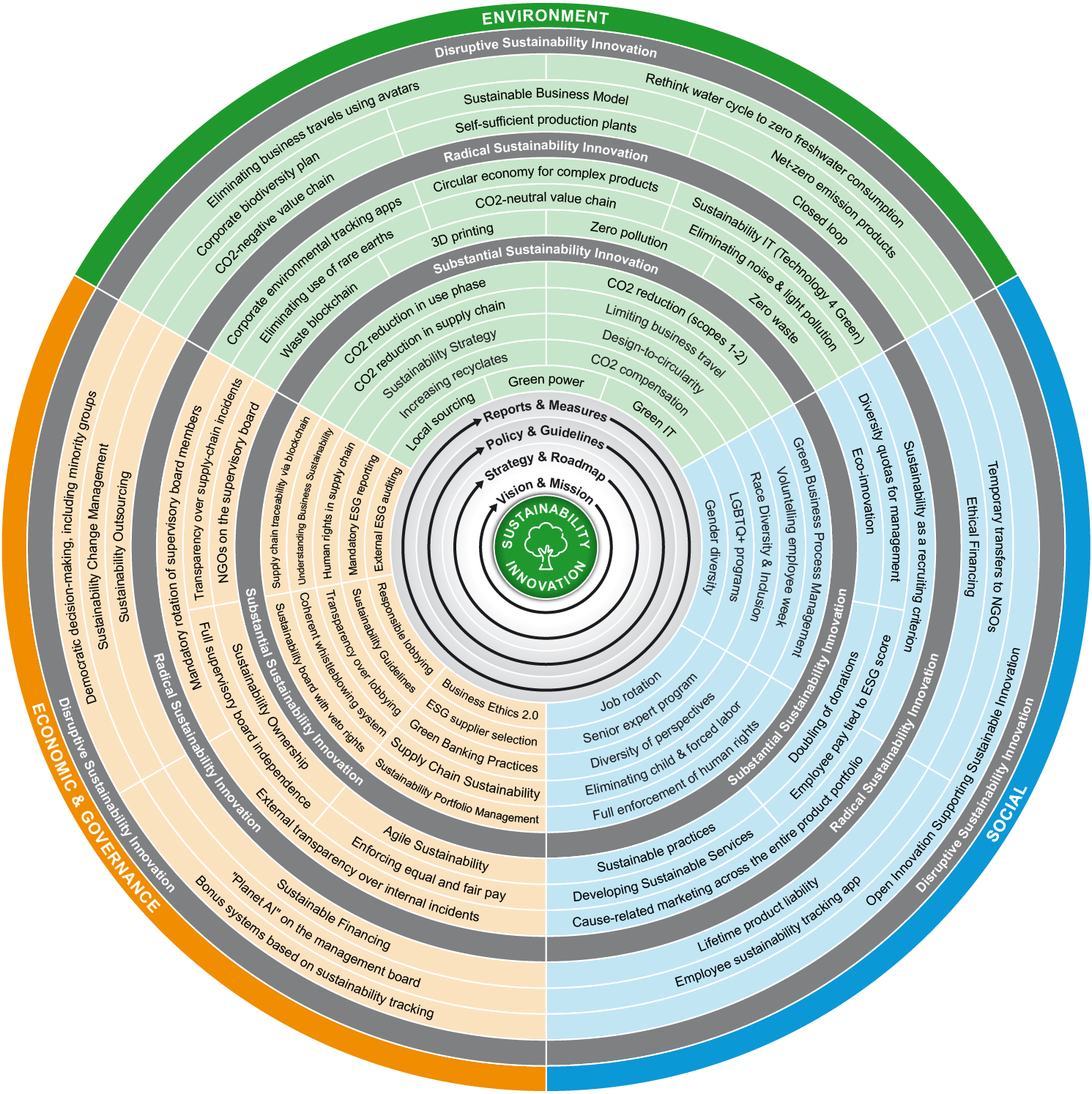
What is Zero Waste?
Zero Waste is a sustainability paradigm that redefines how organizations and societies handle resources. Unlike traditional waste management, which focuses on disposal and recycling, the zero-waste approach aims to prevent waste from being created in the first place. At its heart is the idea that waste is not an inevitable byproduct, but a design flaw in our systems of production, consumption, and disposal. The concept calls for a shift from the linear “take–make–dispose” model to a circular one, where materials continuously flow through cycles of use, recovery, and regeneration. It integrates environmental responsibility with economic opportunity and social value creation.
By minimizing the need for raw resource extraction and reducing greenhouse gas emissions, it directly supports climate action and biodiversity goals. For organizations, embracing Zero Waste means moving beyond compliance to adopt practices that save costs, boost efficiency, enhance reputation, and strengthen stakeholder trust. On a societal level, it empowers communities, reduces environmental health risks, and fosters sustainable lifestyles. Ultimately, Zero Waste is not just an aspiration but a practical and ethical pathway toward building resilient, future-ready systems.
Main Components
The 8 Main Components of Zero Waste
Zero Waste is best understood as a practical framework with interdependent components that together drive systemic change. Each element contributes to shifting organizations and communities away from a linear “produce–consume–discard” model and toward a circular, regenerative system.
These components provide the building blocks to reduce waste at its source, extend product life cycles, recover valuable resources, and embed sustainability in culture and operations. By applying these eight areas in combination, organizations can transform waste management into a driver of innovation, efficiency, and long-term resilience.
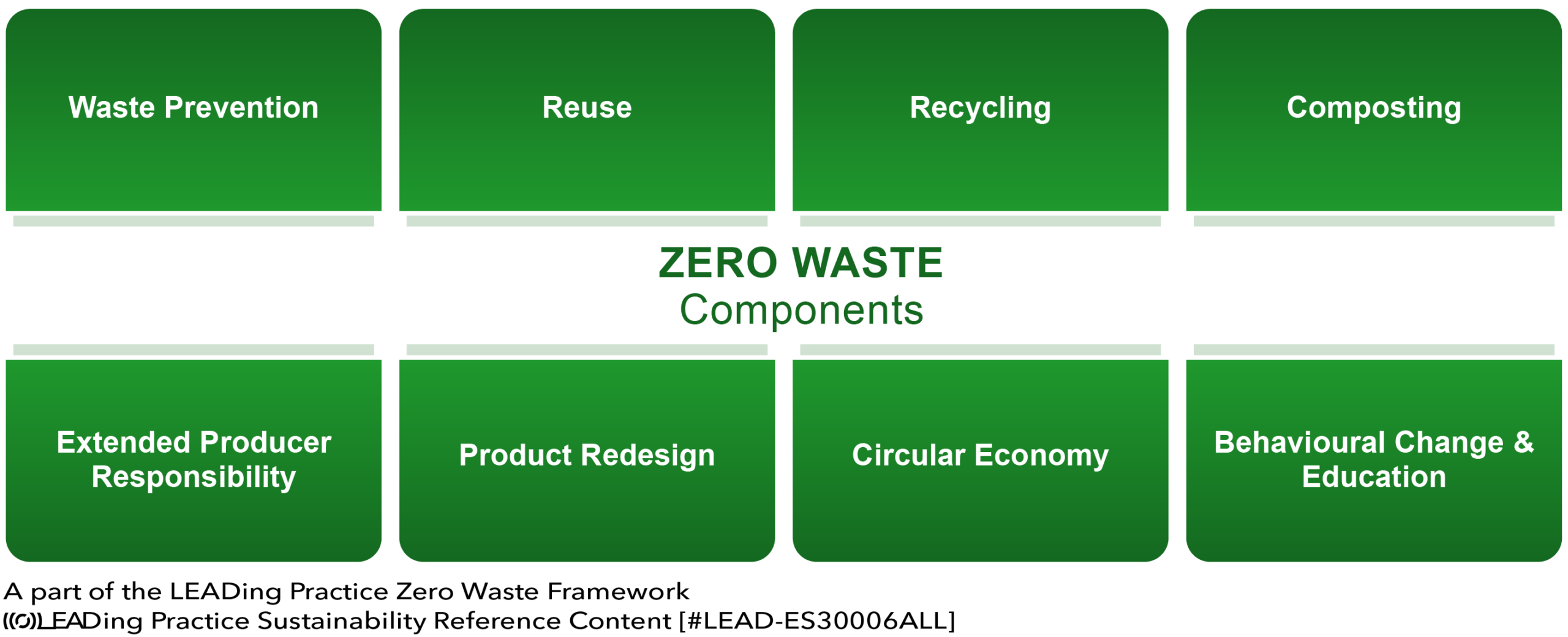
Below are the eight main components of Zero Waste, reflecting both structural patterns and actionable insights for organizations:
The eight components of Zero Waste form a practical roadmap for organizations and societies to eliminate waste at its source while creating positive environmental, economic, and social outcomes.
Together, they establish a culture of prevention, resource efficiency, and shared responsibility. When applied holistically, these components transform waste from an operational burden into a powerful enabler of sustainability-driven innovation and long-term competitiveness.
Why This Is Relevant
Why is Zero Waste so Relevant?
Zero Waste is highly relevant today because it directly addresses some of the most pressing global challenges: climate change, biodiversity loss, resource scarcity, and environmental pollution. Traditional waste management approaches—landfilling, incineration, and uncontrolled disposal—are no longer viable in a world facing escalating environmental crises and stricter regulatory landscapes. Organizations, cities, and individuals are under increasing pressure to find sustainable alternatives that balance ecological responsibility with economic viability. From a business perspective, adopting a zero-waste strategy reduces costs, optimizes resource use, and strengthens resilience against supply chain disruptions. It aligns corporate practices with sustainability frameworks like the UN Sustainable Development Goals, EU Green Deal, and national climate commitments. As investors, regulators, and customers increasingly demand transparency and responsibility, zero-waste practices have become a marker of future-ready organizations.
Socially, Zero Waste is about equity and community well-being. Reducing waste pollution improves public health, creates local jobs in recycling and circular industries, and empowers communities to take ownership of their environmental impact. For consumers, it offers lifestyle choices that reduce clutter, promote mindful consumption, and encourage long-term sustainability. Relevance also stems from the fact that waste is a universal issue—crossing industries, geographies, and cultures. Whether in manufacturing, retail, healthcare, or households, waste management is a shared challenge and opportunity. By shifting to a zero-waste mindset, organizations and individuals not only comply with environmental regulations but also position themselves as leaders in building a regenerative and resilient future.
Business/Value Case
The Business/Value Case for Zero Waste
Adopting Zero Waste is not just an environmental necessity—it is also a strong business and societal opportunity. Organizations that integrate zero-waste principles into their operations benefit from reduced costs, improved efficiency, stronger stakeholder trust, and greater resilience against market and regulatory pressures.
At the same time, communities gain from cleaner environments, job creation, and healthier living conditions. The following ten benefits and advantages demonstrate how Zero Waste delivers tangible value across multiple dimensions, making it a win–win for business, society, and the environment.
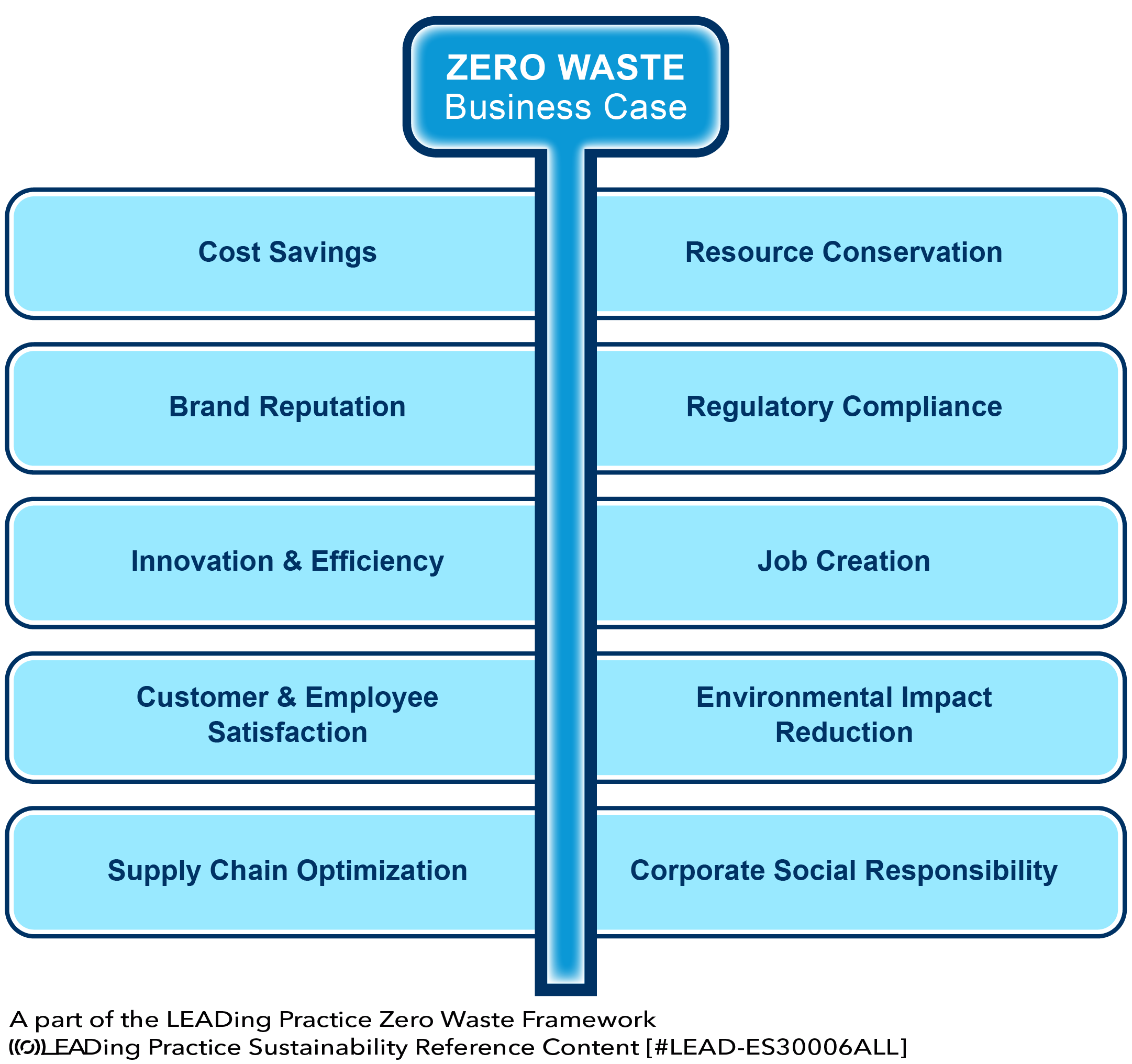
Below are ten key benefits that highlight why this approach is essential for modern organizations:
The business and value case for Zero Waste is both comprehensive and compelling. By delivering benefits across stakeholders—from employees to executives, from communities to customers—Zero Waste becomes a cornerstone of sustainable growth and resilience.
It integrates cost savings, operational efficiency, and compliance with broader goals such as community well-being, innovation, and climate responsibility. Organizations that embrace zero-waste practices not only meet external expectations but also future-proof themselves against risks while unlocking new opportunities.
How-To-Guide
How-To-Guide: The Zero Waste Framework
The Zero Waste Framework provides organizations with a structured pathway to integrate sustainability into everyday operations. Rather than treating waste reduction as a side initiative, the framework embeds ten interconnected steps into business planning, execution, and cultural practices. It also ties in the business case, showing how waste reduction delivers measurable financial, social, and environmental benefits.
By clarifying what needs to be done, when it should happen, where it applies, how it should be executed, and who is responsible, this framework accelerates progress. Most importantly, it unites leaders, employees, and stakeholders in a common mission—transforming waste from a burden into an opportunity for innovation and resilience.
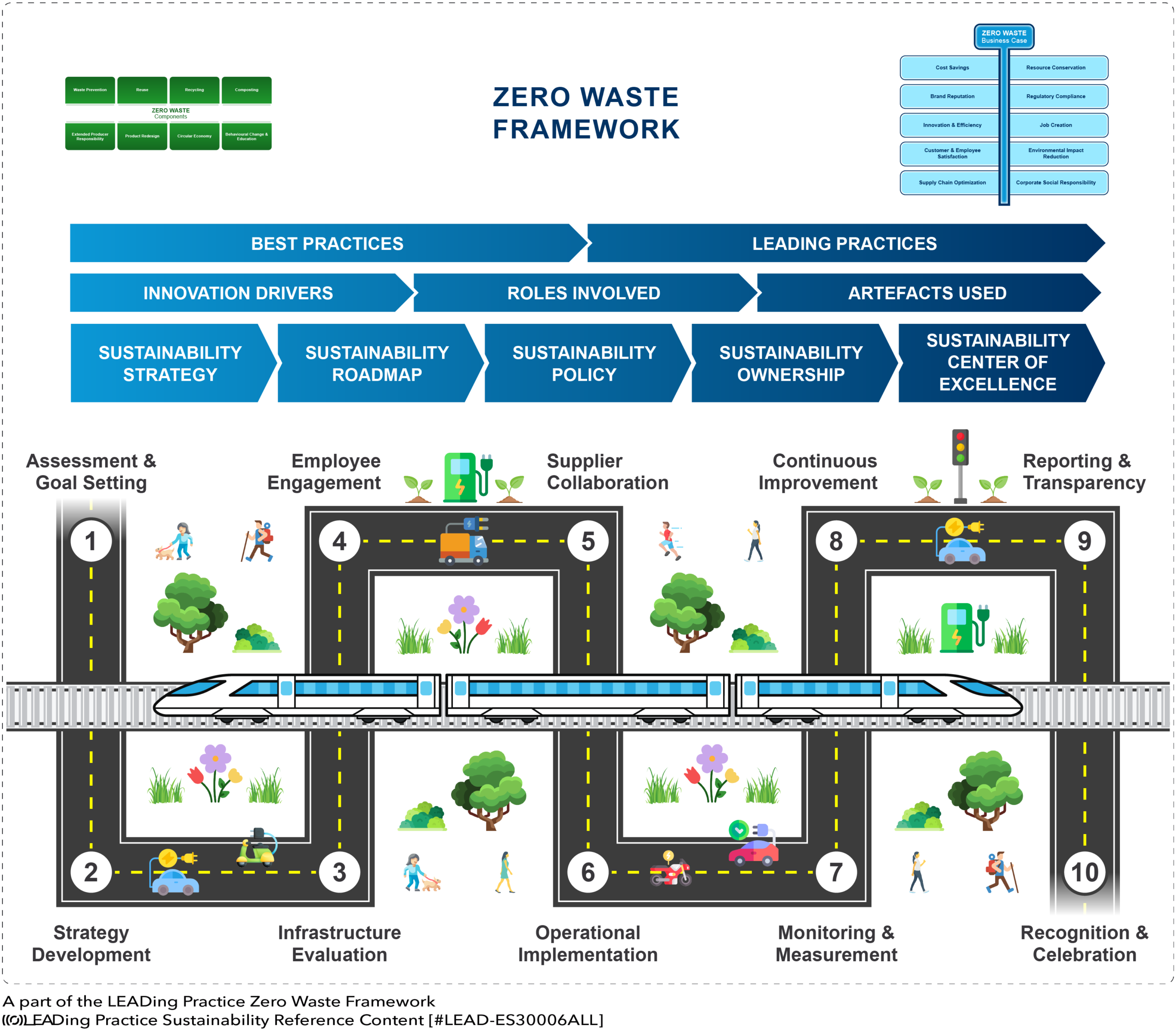
The 10-Step Way Forward:
The Zero Waste Framework gives organizations a clear roadmap to shift from vision to action. This approach not only accelerates results but also builds the cultural foundations needed to sustain progress over time, making zero waste an achievable and impactful goal.
With ten practical steps, it transforms waste reduction into a structured, collaborative, and measurable process. By combining leadership commitment, stakeholder engagement, circular design, and ongoing measurement, organizations create lasting change while delivering immediate benefits.
Contact Us
Wanna learn more ? Want to improve your company ?
Projects that require our help ?
Don't waste more time, contact us !
Most Common Pitfalls
The Most Common Pitfalls and Challenges
While the concept of Zero Waste is powerful and inspiring, its practical implementation often faces obstacles. Organizations sometimes fall into recurring patterns that undermine their progress, either through short-sighted approaches or by replicating common mistakes.
These pitfalls can appear in the form of “antipatterns”—misleading practices that seem helpful but deliver little impact—or as “worst practices”—decisions that actively damage outcomes. Recognizing these traps early is critical for building robust, credible, and effective zero-waste initiatives.
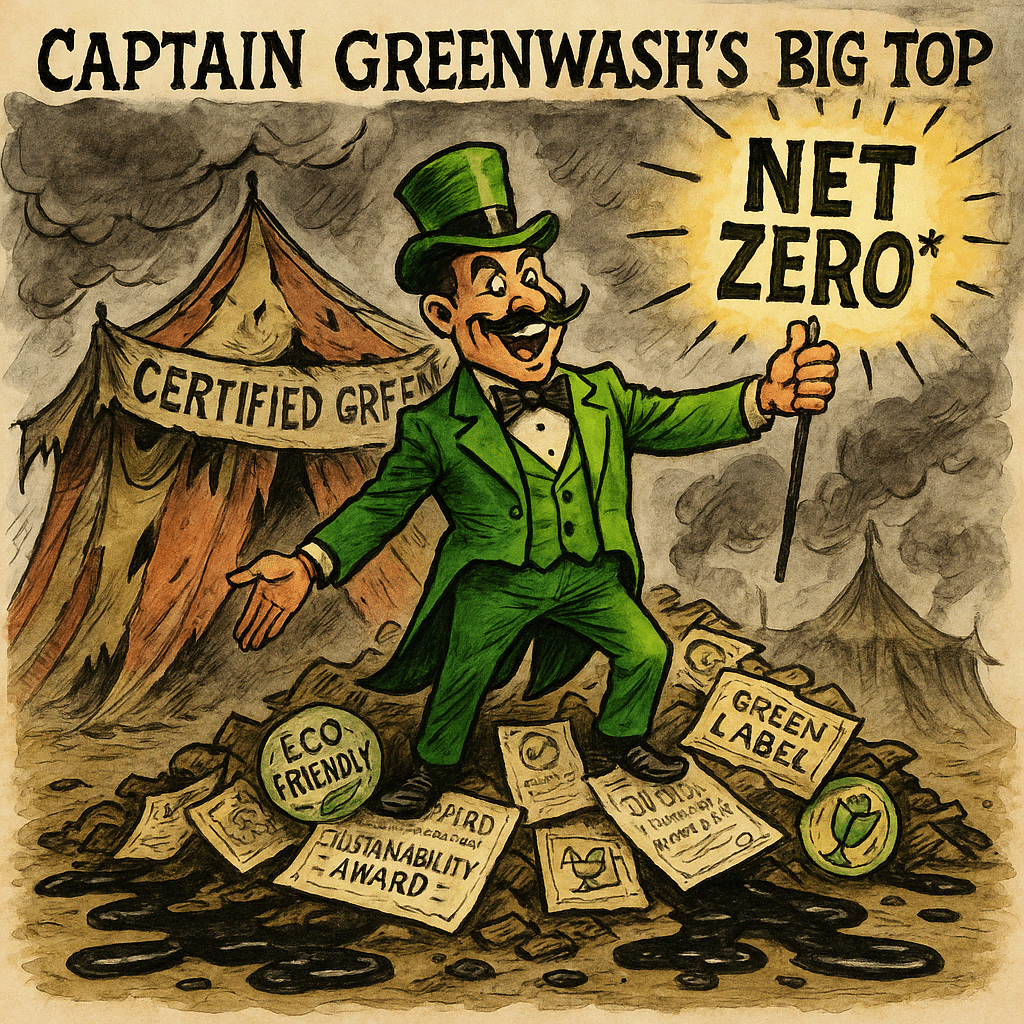
5 Antipattern Examples
- Checklist Mentality: Treating zero waste as a compliance checklist rather than a cultural transformation, leading to superficial results.
- Technology Fixation: Over-relying on expensive technologies while ignoring simpler waste-prevention practices.
- One-Size-Fits-All: Copying solutions from other contexts without tailoring them to local needs and operations.
- Greenwashing: Promoting minor recycling efforts as “zero waste” while ignoring major waste streams.
- Short-Term Campaigns: Running time-limited initiatives without embedding long-term systemic change.
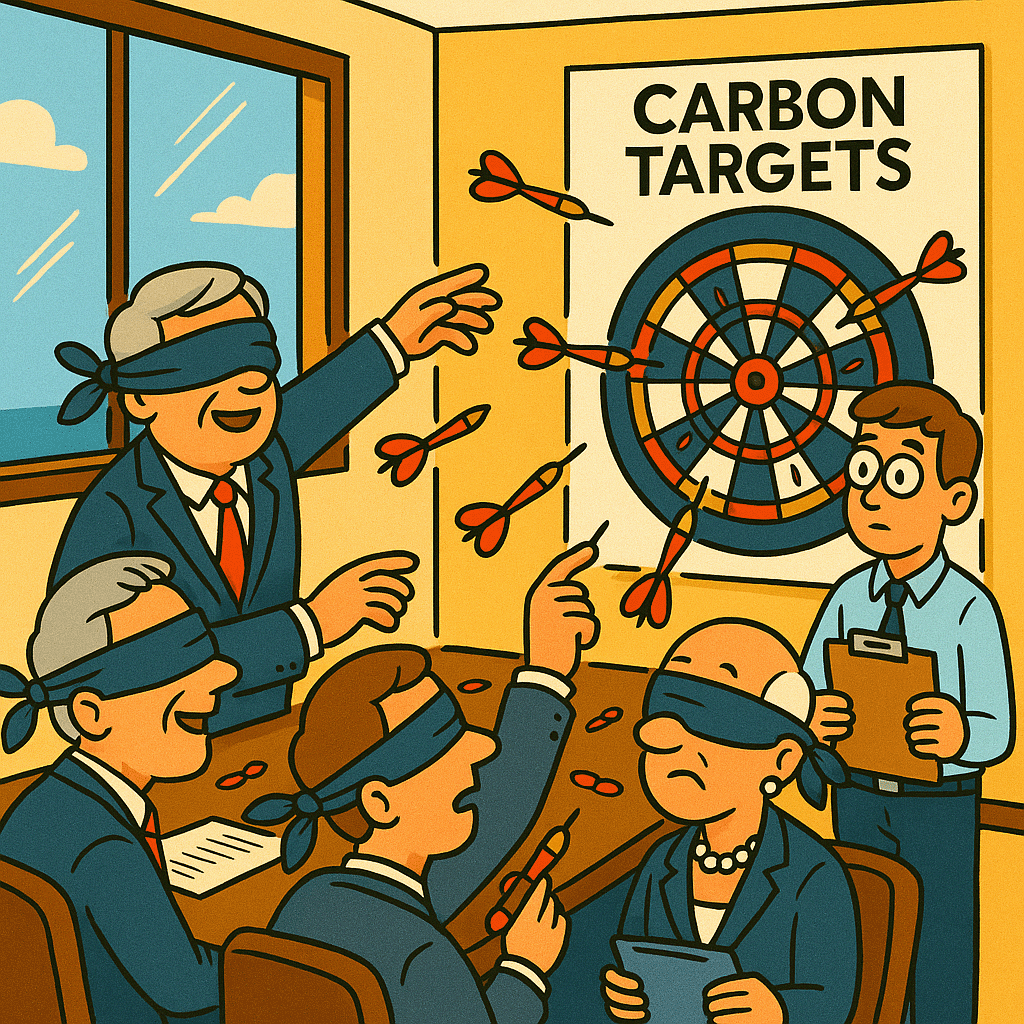
5 Worst Practice Examples
- Ignoring Data: Skipping waste audits and lifecycle assessments, resulting in decisions made without clear evidence.
- Neglecting Stakeholders: Failing to involve employees, suppliers, or communities, creating resistance and weak adoption.
- Displacing Waste: Exporting or outsourcing waste problems instead of addressing them within the system.
- Cutting Corners: Choosing low-cost disposal options that violate environmental or social standards.
- Lack of Continuous Improvement: Celebrating early results without building monitoring systems, leading to stagnation and eventual regression.
Lessons Learned
Learning from the Outperformers: Lessons Learned
Some organizations have successfully distinguished themselves as leaders in the journey Zero Waste. Their experiences demonstrate that outstanding results come not from isolated projects but from integrating zero-waste principles into strategy, culture, and operations.
Outperformers show us what works in practice, proving that innovation, collaboration, and persistence can transform waste from a liability into a driver of value. Their lessons provide both best practices—solid approaches any organization can adopt—and leading practices—advanced strategies that raise the bar for the entire field.
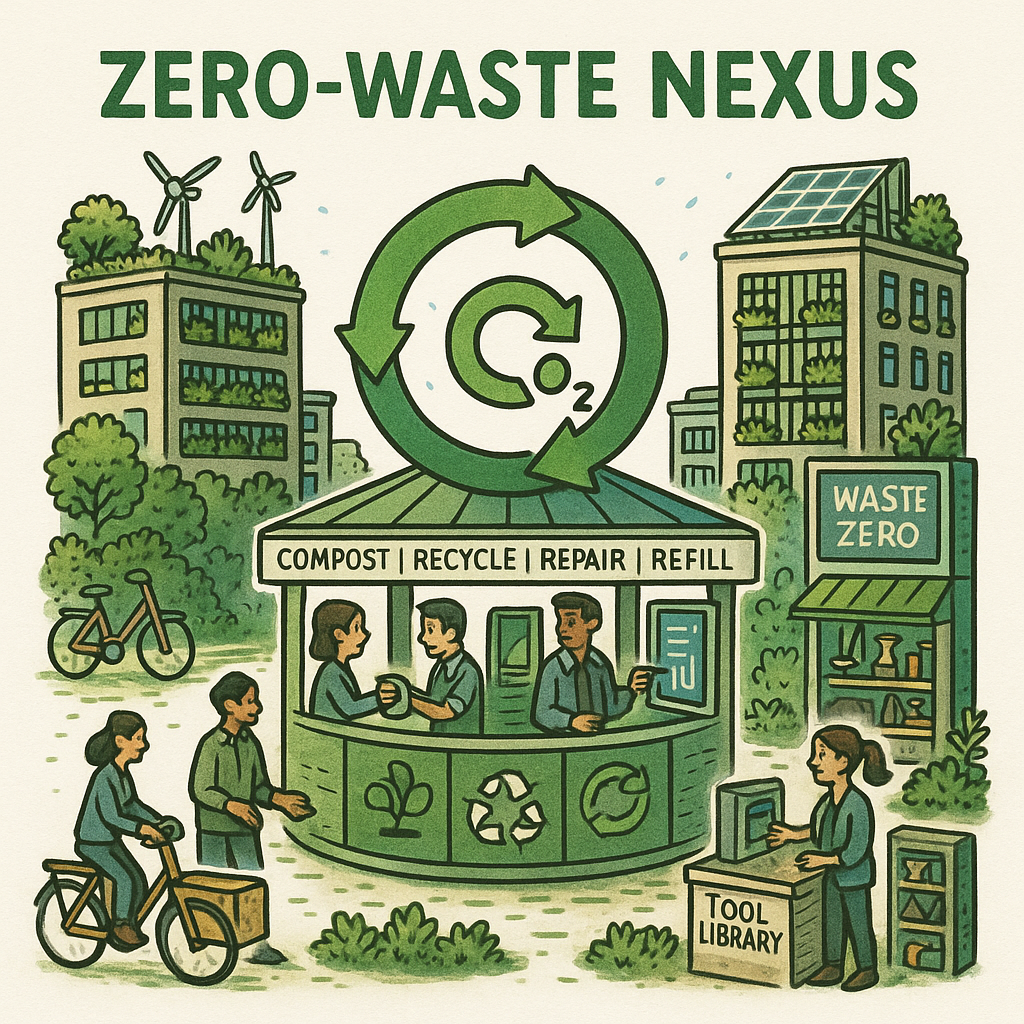
5 Best Practice Examples
- Prioritize Waste Prevention: Address waste at its source by refusing and reducing materials before recycling or disposal is considered.
- Integrate Circular Design: Design products, packaging, and processes with reuse, repair, and recyclability in mind from the start.
- Engage Employees Actively: Provide training, incentives, and platforms for staff to contribute ideas and take ownership of waste reduction.
- Partner with Local Communities: Work with municipalities, NGOs, and citizens to strengthen recycling, composting, and awareness efforts.
- Track and Report Progress: Use regular audits and transparent reporting to monitor success and refine strategies continuously.

5 Leading Practice Examples
- Lifecycle Innovation: Redesign entire value chains using lifecycle assessments to eliminate waste across sourcing, production, use, and end-of-life stages.
- Circular Business Models: Shift from product sales to service-based models (leasing, take-back schemes) that extend product life and enable full material recovery.
- Technology-Driven Optimization: Adopt advanced tools such as AI, IoT, and data analytics for real-time tracking, predictive waste reduction, and performance improvement.
- Collaborative Ecosystems: Form cross-industry alliances to co-create circular supply chains and share resources for greater impact.
- Cultural Embedding: Build a zero-waste mindset into company values, leadership development, and performance metrics to make it a core part of organizational identity.
Most Common Artefacts
The Most Common Artefacts
Artefacts are the practical tools and frameworks organizations use to translate the vision of zero waste into actionable steps. They provide structure, guide implementation, and highlight both progress and gaps.
Each artefact represents a piece of the sustainability puzzle, helping organizations to innovate while avoiding unintended consequences. By using these artefacts effectively, organizations can strengthen accountability, foster engagement, and accelerate the shift to circular and regenerative practices.
| Artefact | Description | How it Can Be Used for Sustainability Innovation |
|---|---|---|
| Zero Waste Roadmap | A comprehensive plan outlining steps and milestones toward zero waste. | Acts as a guiding framework for strategy, aligning teams, timelines, and goals to accelerate progress. |
| Waste Shifting | The unintended transfer of waste burdens to other lifecycle stages. | Encourages organizations to apply lifecycle thinking and ensure waste is reduced holistically rather than displaced. |
| Unintended Material Substitution Consequences | Replacing materials with “greener” options that may have hidden negative impacts. | Promotes thorough lifecycle analysis to ensure material choices truly support sustainability. |
| Neglect of Socioeconomic Impacts | Overlooking how zero-waste strategies can affect jobs, livelihoods, or community well-being. | Inspires inclusive approaches that integrate social and economic resilience alongside environmental goals. |
| Greenwashing and Superficial Change | Adopting symbolic or cosmetic initiatives that create the illusion of progress. | Stresses transparency, authenticity, and embedding real systemic change into business operations. |
| Disregard for Equity and Inclusivity | Failing to address how waste practices may disproportionately burden marginalized groups. | Encourages organizations to apply equity lenses, ensuring benefits and responsibilities are fairly shared. |
Overview of the most common artefacts used with Zero Waste.
The six most common artefacts of zero-waste initiatives highlight both opportunities and risks. From roadmaps that drive clarity to pitfalls like greenwashing or neglect of equity, each artefact points to areas where organizations must act thoughtfully.
By proactively addressing these artefacts, leaders can transform potential challenges into platforms for sustainability innovation—creating systems that are environmentally sound, socially inclusive, and economically resilient.
Conclusion
Zero Waste is more than an environmental initiative—it is a transformative framework that redefines how organizations, communities, and individuals interact with resources. It challenges the outdated linear model of “take–make–dispose” and replaces it with a circular and regenerative system where prevention, reuse, and recovery are at the core. The journey is not without obstacles: pitfalls, worst practices, and unintended artefacts can undermine progress if not addressed with transparency and inclusivity.
Yet, the lessons from outperformers show that when zero waste is embedded into culture, strategy, and innovation, it becomes a catalyst for resilience and growth. By adopting zero-waste practices, organizations not only reduce ecological harm but also create tangible business value and social benefits. The call to action is clear: waste is not inevitable—it is a design choice. Moving Zero Waste is both an ethical responsibility and a strategic opportunity to build a more sustainable, equitable, and prosperous future.