

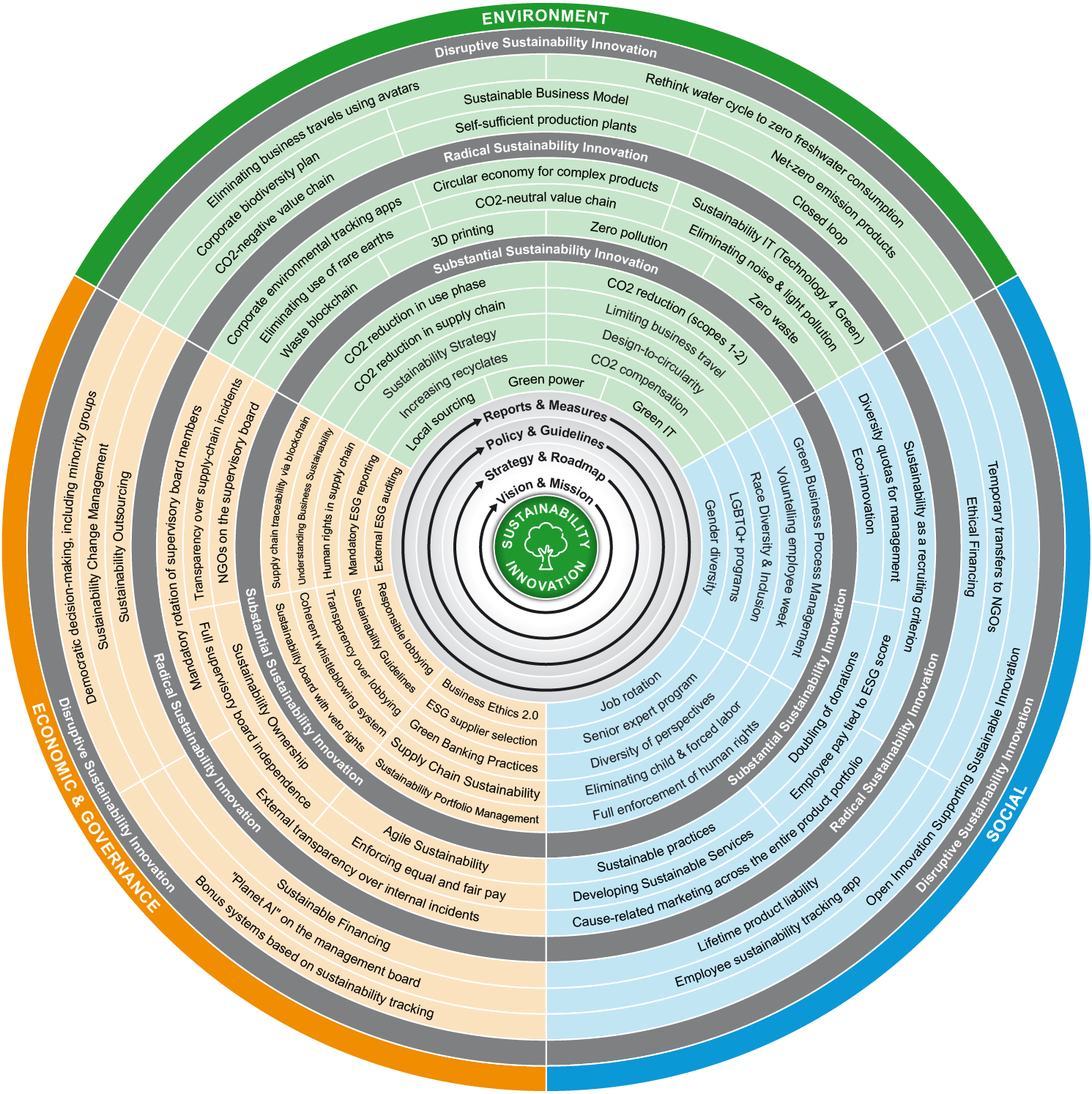
What is Stakeholder Engagement in Sustainability Governance?
Stakeholder engagement in sustainability governance is the process of actively involving individuals and groups affected by or capable of influencing an organization’s environmental, social, and governance (ESG) decisions. These stakeholders may include employees, customers, communities, investors, regulators, NGOs, and government bodies. Effective engagement helps organizations navigate complex sustainability issues by incorporating diverse perspectives, identifying key risks and opportunities, and fostering collaboration and transparency. By integrating stakeholder input into decision-making, companies enhance trust, legitimacy, and accountability—essential traits for long-term sustainability success.
Engagement can take various forms, such as consultations, surveys, public forums, and partnerships. The goal is not just to listen, but to act on stakeholder feedback, ensuring that engagement is meaningful and not symbolic. Challenges like identifying the right stakeholders, managing conflicting interests, or limited resources can hinder the process. However, with the right tools—such as stakeholder mapping and clear communication—organizations can create impactful engagement strategies. Ultimately, stakeholder engagement supports stronger governance, more resilient relationships, and sustainability initiatives that are aligned with societal expectations.
Main Components
The 8 Main Components of Stakeholder Engagement in Sustainability Governance
To ensure participation is meaningful, inclusive, and outcome-driven, organizations should focus on eight key components that form the foundation of strong stakeholder engagement in governance
Effective stakeholder engagement is a strategic process that helps organizations align sustainability efforts with broader societal expectations.
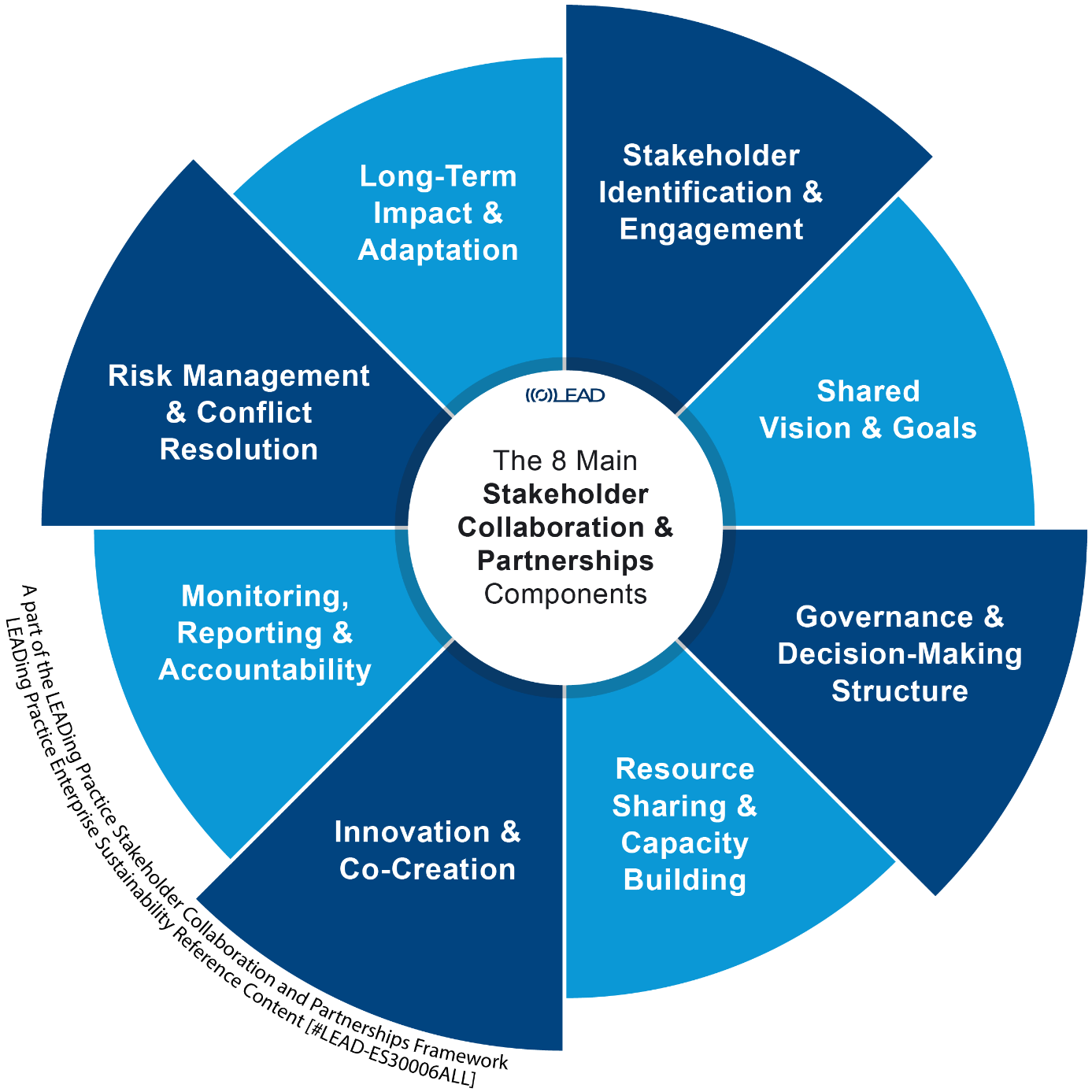
These elements form the backbone of a holistic strategy that supports Stakeholder Engagement in Sustainability Governance:
The eight main components of stakeholder engagement in sustainability governance provide a comprehensive framework for fostering meaningful collaboration. These interconnected elements collectively ensure that stakeholder engagement is inclusive, transparent, and impactful.
By addressing each component—identification, communication, participation, and accountability—organizations can enhance their governance structures while aligning with sustainability goals.
Why This Is Relevant
Why is Stakeholder Engagement in Sustainability Governance so Relevant?
Stakeholder engagement is essential to effective sustainability governance. By involving those affected by or influencing an organization’s sustainability efforts, companies can make better, more inclusive decisions. This approach brings in diverse perspectives, helping to address complex challenges like climate change, social inequality, and resource use in a way that’s socially responsible and economically viable. Transparent engagement fosters trust and accountability, which are increasingly expected by customers, investors, and regulators in today’s ESG-focused environment. Engaging stakeholders also helps organizations identify what truly matters—prioritizing sustainability issues that align with both business goals and stakeholder concerns.
This improves focus, reduces risk, and ensures that efforts are directed toward high-impact areas. Additionally, it supports collaborative problem-solving, helping organizations mediate trade-offs and develop innovative, widely accepted solutions. Finally, stakeholder engagement ensures compliance with growing regulatory demands, positioning organizations to stay ahead of legal and ethical standards. In short, meaningful stakeholder involvement builds stronger, more resilient sustainability strategies and enhances long-term business success.
Business/Value Case
The Business/Value Case for Stakeholder Engagement in Sustainability Governance
Stakeholder engagement is more than a compliance exercise—it is a strategic advantage that drives value, resilience, and long-term impact in sustainability governance.
Organizations that engage meaningfully with stakeholders unlock key benefits that enhance performance and position them as sustainability leaders.
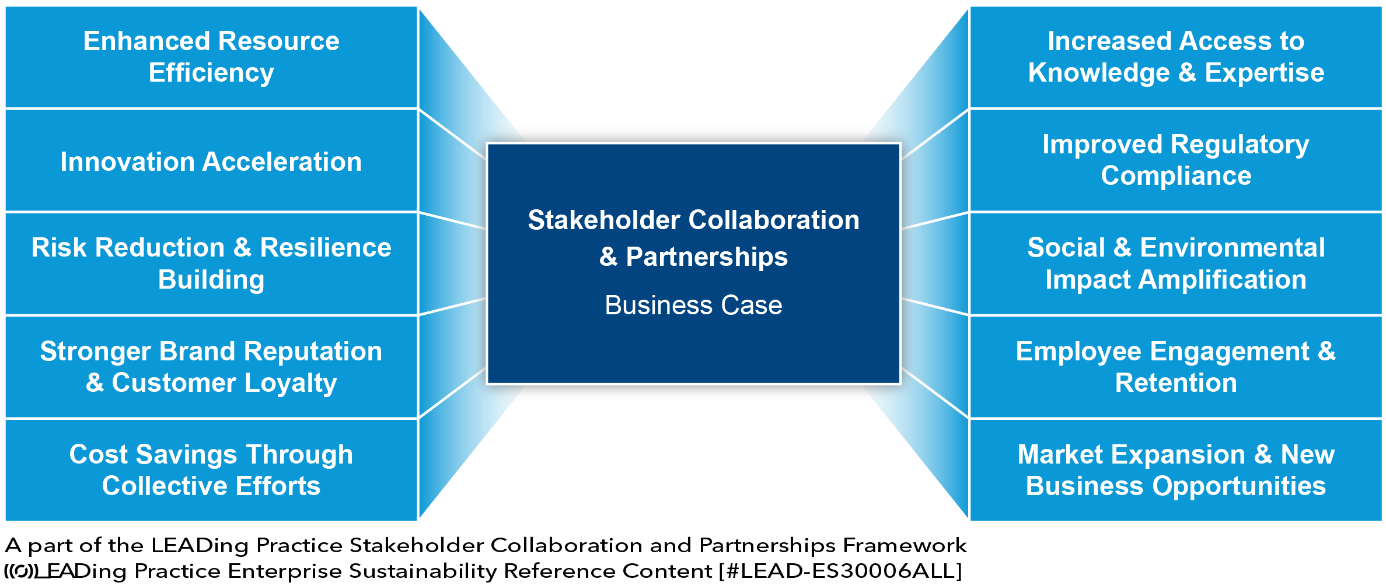
Below are ten key benefits that highlight why this approach is essential for modern organizations:
The 10 benefits and advantages of stakeholder engagement in sustainability governance showcase its immense potential to create shared value for organizations and their stakeholders. By fostering trust, driving innovation, and ensuring compliance, engagement strengthens governance and positions organizations as leaders in sustainability.
Through these benefits, organizations can build lasting partnerships and contribute positively to societal and environmental well-being.
How-To-Guide
How-To-Guide: Stakeholder Engagement in Sustainability Governance Framework
The 10-step Stakeholder Engagement Framework provides organizations with a structured, practical approach for integrating stakeholder voices into decision-making and driving sustainability initiatives forward.
Engaging stakeholders effectively is key to successful sustainability governance.
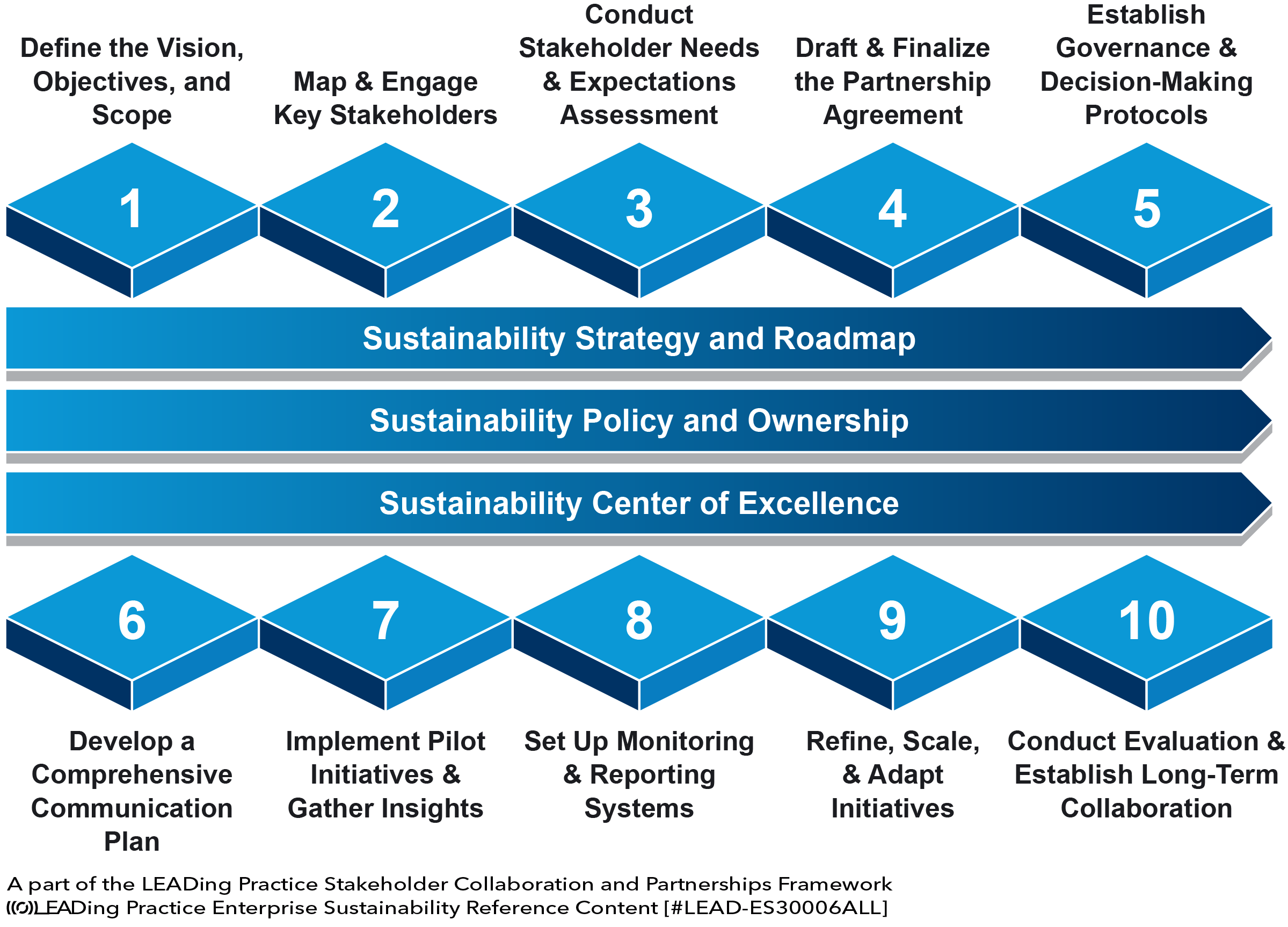
The 10-Step Way Forward:
This structured approach enables rapid implementation, reduces uncertainty, and aligns organizational goals with stakeholder expectations. The framework empowers readers with the tools and guidance needed to embark on their own stakeholder engagement initiatives, setting a strong foundation for sustainability governance success.
The Stakeholder Engagement in Sustainability Governance Framework offers a practical and efficient roadmap for integrating stakeholder perspectives into governance processes. By following the 10-step methodology, organizations can ensure clarity, collaboration, and accountability in their engagement efforts.
Contact Us
Wanna learn more ? Want to improve your company ?
Projects that require our help ?
Don't waste more time, contact us !
Most Common Pitfalls
The Most Common Pitfalls and Challenges
Effective stakeholder engagement is vital for meaningful sustainability governance, yet many organizations fall into recurring pitfalls that reduce trust, participation, and impact.
Understanding these missteps—and how to avoid them—can significantly improve outcomes and foster long-term, inclusive collaboration.
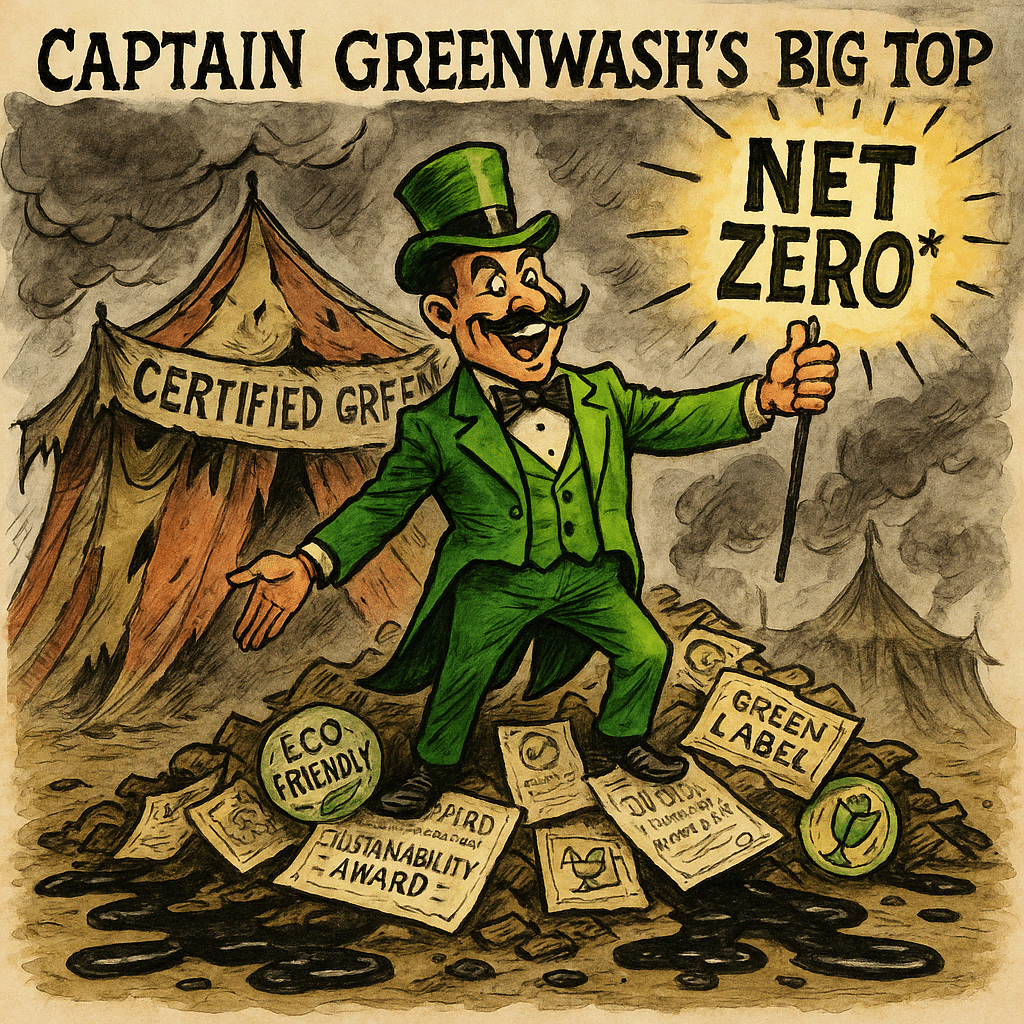
5 Antipattern Examples
- Stakeholder “Optics” Over Substance: Creating the appearance of engagement without integrating stakeholder feedback undermines credibility and effectiveness.
- Engagement Fatigue: Repeated consultations without clear outcomes or action can overwhelm stakeholders and cause them to disengage.
- One-Way Communication: Pushing information without listening or creating feedback loops misses opportunities for co-creation and mutual learning.
- Over-Reliance on Formal Channels: Limiting engagement to structured formats like reports or conferences can stifle openness and exclude informal yet valuable input.
- Ignoring Power Dynamics: Overlooking imbalances between powerful and marginalized groups leads to unequal participation and skewed governance outcomes.

5 Worst Practice Examples
- Tokenistic Engagement: Engaging stakeholders superficially or only to meet compliance requirements, without genuinely considering their input, leads to mistrust and disengagement.
- Failure to Identify Relevant Stakeholders: Overlooking key groups during stakeholder mapping can leave out critical voices and result in blind spots within sustainability strategies.
- Late-Stage Engagement: Bringing stakeholders in after major decisions have been made limits their influence and discourages meaningful involvement.
- Poor Communication: Using unclear, overly technical, or infrequent communication alienates stakeholders and diminishes transparency and trust.
- Ignoring Conflicting Interests: Failing to acknowledge and address differing priorities among stakeholders can lead to tension and derail sustainability efforts.
Lessons Learned
Learning from the Outperformers: Lessons Learned
Effective stakeholder engagement is essential for building strong, resilient sustainability strategies. Organizations that succeed in this area apply proven best practices while also learning from the innovative approaches of leading performers.
The following lists highlight key methods used by both competent and top-tier organizations to engage stakeholders meaningfully and consistently in sustainability governance.
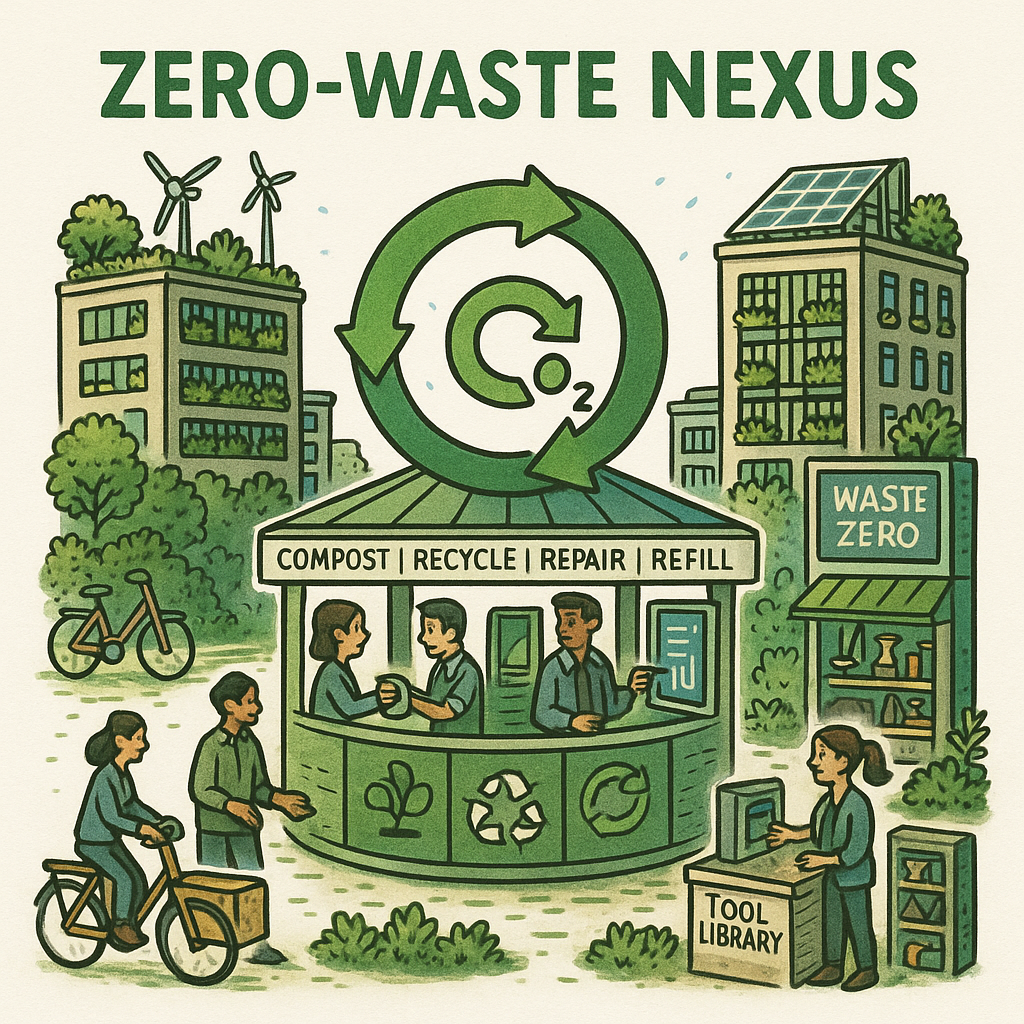
5 Best Practice Examples
- Engage Stakeholders Early: Involve stakeholders at the start of sustainability planning to ensure their input shapes strategy and builds long-term commitment.
- Map and Prioritize Stakeholders: Identify and classify stakeholders by influence and interest to focus engagement efforts where they matter most.
- Ensure Transparent Communication: Communicate openly and clearly, explaining how stakeholder feedback informs decisions to foster trust and accountability.
- Provide Continuous Feedback: Keep stakeholders updated on progress and show how their input is integrated into ongoing sustainability initiatives.
- Tailor Engagement Methods: Customize communication and engagement strategies to suit the unique needs of each stakeholder group.
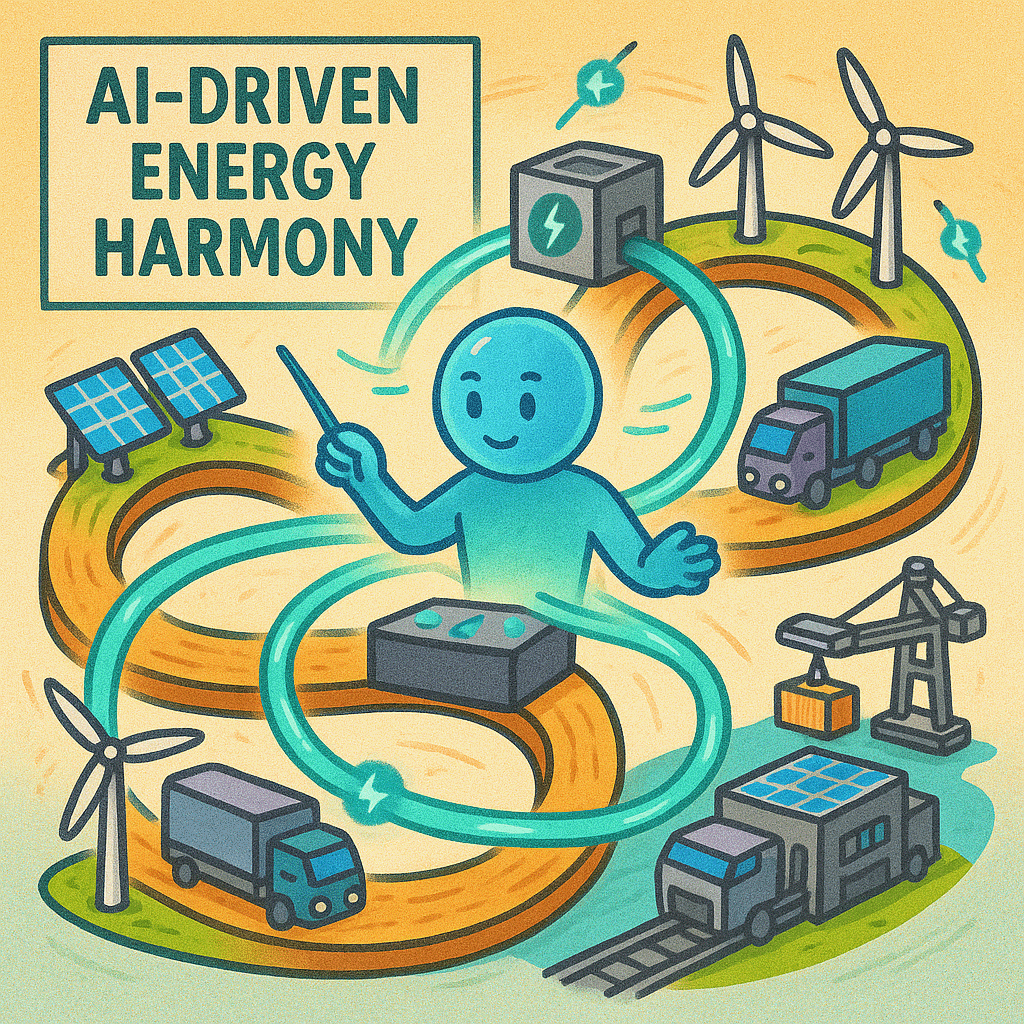
5 Leading Practice Examples
- Demonstrate Leadership Commitment: Ensure top management prioritizes and resources stakeholder engagement as a strategic function.
- Leverage Innovative Tools: Use digital platforms, data analytics, and real-time feedback mechanisms to enhance engagement reach and responsiveness.
- Align Engagement with Business Objectives: Integrate stakeholder input directly into core business strategies to address ESG goals and create value.
- Measure and Report Outcomesg: Track engagement effectiveness with clear metrics and report transparently to stakeholders and the public.
- Build Collaborative Partnerships: Form alliances with NGOs, industry peers, or competitors to tackle shared sustainability challenges more effectively.
Most Common Artefacts
The Most Common Artefacts
Effective stakeholder engagement relies on practical tools—known as artefacts—that guide and support interactions throughout sustainability initiatives.
These artefacts enhance transparency, accountability, and collaboration.
| Artefact | Description | How it Can Be Used for Sustainability Transformation |
|---|---|---|
| Stakeholder Map | A visual representation of all stakeholders, categorized by their influence and interest. | Helps identify key stakeholders, ensuring that all relevant parties are engaged in sustainability initiatives. |
| Engagement Plan | A detailed plan outlining how and when stakeholders will be engaged during a project. | Provides a structured approach to engagement, ensuring that stakeholders are involved at the right stages to influence sustainability outcomes. |
| Sustainability Report | A formal document that communicates sustainability goals, progress, and achievements to stakeholders. | Enhances transparency and accountability, enabling stakeholders to track the organization’s sustainability efforts and influence future strategies. |
| Feedback Surveys | Tools for collecting stakeholders’ opinions and suggestions on sustainability initiatives. | Gathers valuable input from stakeholders, allowing organizations to adjust and improve sustainability practices based on direct feedback. |
| Stakeholder Workshops | Facilitated sessions that bring stakeholders together to discuss sustainability issues and solutions. | Encourages collaboration and collective problem-solving, fostering stronger stakeholder buy-in and innovative approaches to sustainability challenges. |
| Stakeholder Matrix | A grid used to prioritize stakeholders based on their level of power and interest. | Helps focus resources and engagement efforts on stakeholders who are most critical to the success of sustainability initiatives. |
| Engagement Tracker | A tool for monitoring and recording interactions with stakeholders throughout a project’s lifecycle. | Ensures that stakeholder engagement is consistent, transparent, and documented, helping to maintain relationships and demonstrate responsiveness to stakeholder input. |
| Stakeholder Charter | A formal document that outlines the roles, responsibilities, and expectations of stakeholders. | Sets clear guidelines for stakeholder involvement, promoting accountability and ensuring that stakeholders understand their role in the sustainability transformation. |
| Communication Platform | A digital tool or system used to facilitate ongoing dialogue between the organization and stakeholders. | Enables real-time, transparent communication, ensuring that stakeholders are informed and can participate actively in sustainability initiatives. |
| Materiality Assessment | A process for determining which sustainability issues are most important to stakeholders. | Aligns sustainability goals with stakeholder priorities, ensuring that the organization focuses on the areas that have the greatest impact and significance for stakeholders. |
Overview of the most common artefacts used with Stakeholder Engagement in Sustainability Governance.
These artefacts serve as essential building blocks for successful stakeholder engagement in sustainability governance.
By using them strategically, organizations can strengthen relationships, improve decision-making, and achieve more impactful sustainability outcomes.
Conclusion
In today’s fast-changing business world, stakeholder engagement in sustainability governance is essential for long-term success. Engaging stakeholders early, openly, and continuously helps organizations align their sustainability efforts with stakeholder needs, creating more effective and resilient strategies. As urgent issues like climate change and social inequality grow, collaboration with stakeholders becomes crucial for developing strong governance frameworks based on trust, transparency, and accountability. However, challenges such as tokenistic engagement, late involvement, and poor communication can undermine efforts. Organizations can avoid these pitfalls by using best practices like thorough stakeholder mapping, ongoing feedback, and tailored engagement approaches.
Practical tools—such as stakeholder maps, engagement plans, and surveys—support a structured, consistent process that integrates stakeholder input and tracks progress. With increasing pressure from consumers, investors, and regulators, failing to engage stakeholders risks reputational damage and lost competitiveness. Therefore, stakeholder engagement is not just a procedural task but a vital, ongoing commitment that shapes sustainable business futures. By learning from leaders, using the right tools, and fostering meaningful dialogue, organizations can navigate sustainability complexities and build stronger, more sustainable outcomes.