

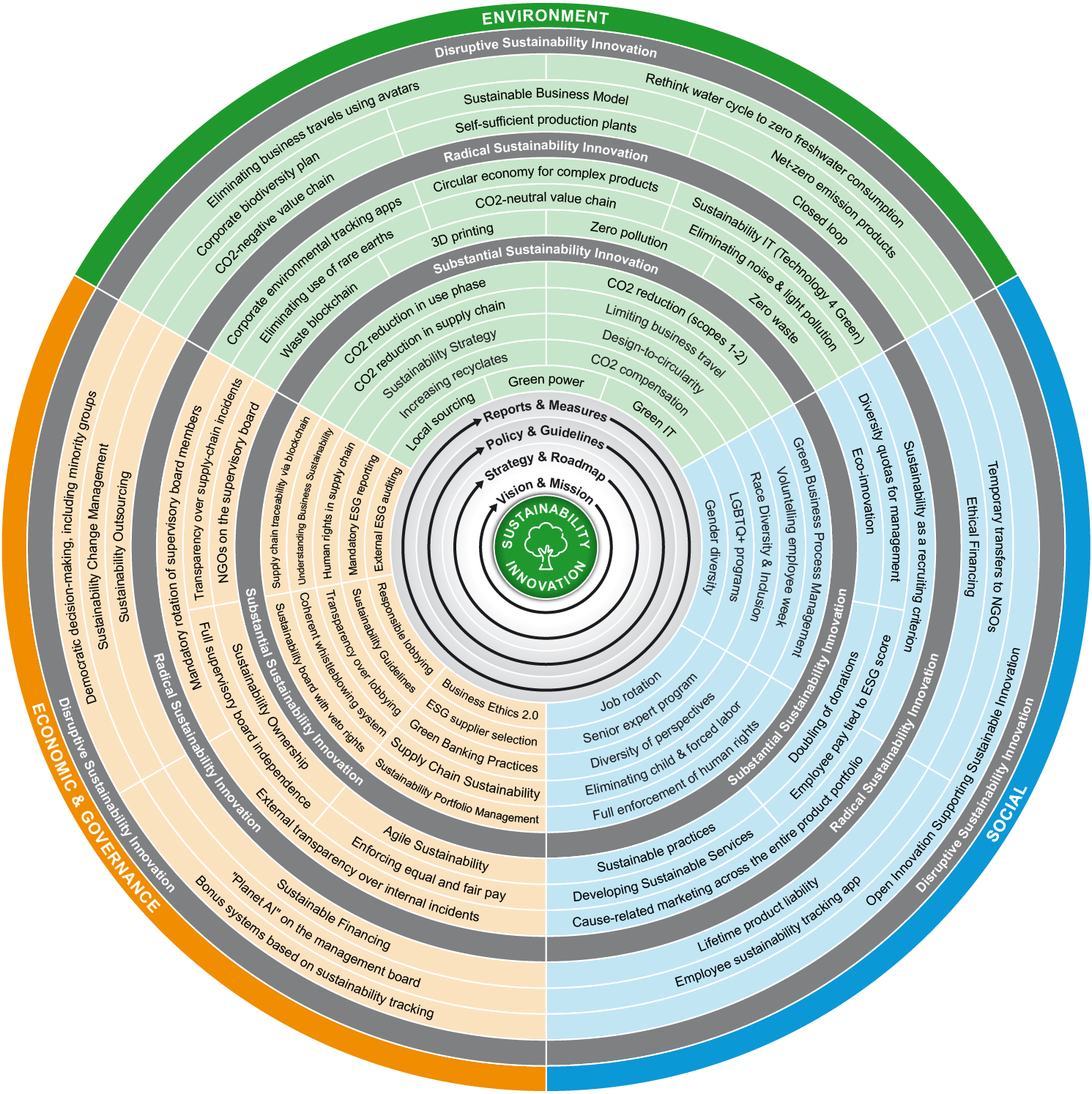
What is CO2 compensation?
CO2 compensation, often referred to as carbon offsetting, is a method of balancing out greenhouse gas emissions by investing in projects that reduce or remove CO2 from the atmosphere. It is a crucial component of corporate and governmental climate strategies, especially for emissions that cannot yet be eliminated entirely. These compensatory actions can take the form of reforestation, renewable energy investments, or methane capture technologies, among others.
As climate commitments and net-zero targets become more widespread, understanding the building blocks of CO2 compensation becomes essential for environmental professionals, policymakers, and corporate sustainability leaders alike. To implement effective CO2 compensation, organizations must grasp its full scope—how emissions are calculated, what types of compensation are valid, how to select credible projects, and how to verify and communicate results.
Main Components
The 8 Main Components of CO2 Compensation
CO₂ compensation is a structured approach to balancing unavoidable greenhouse gas emissions by funding projects that reduce or remove CO₂ elsewhere. To build an effective and credible compensation strategy, organizations must understand the key components that define and support this process. These components ensure that CO₂ compensation efforts are measurable, transparent, and aligned with broader climate goals. From calculating emissions and selecting verified projects to integrating compensation into ESG strategies, each component plays a critical role in ensuring climate accountability.
Together, they form the foundation for responsible carbon management. This section outlines the eight essential components of CO₂ compensation that organizations must implement to turn climate intent into concrete, lasting impact. Below are the 8 main components that form the foundation of a robust and credible CO2 compensation approach.
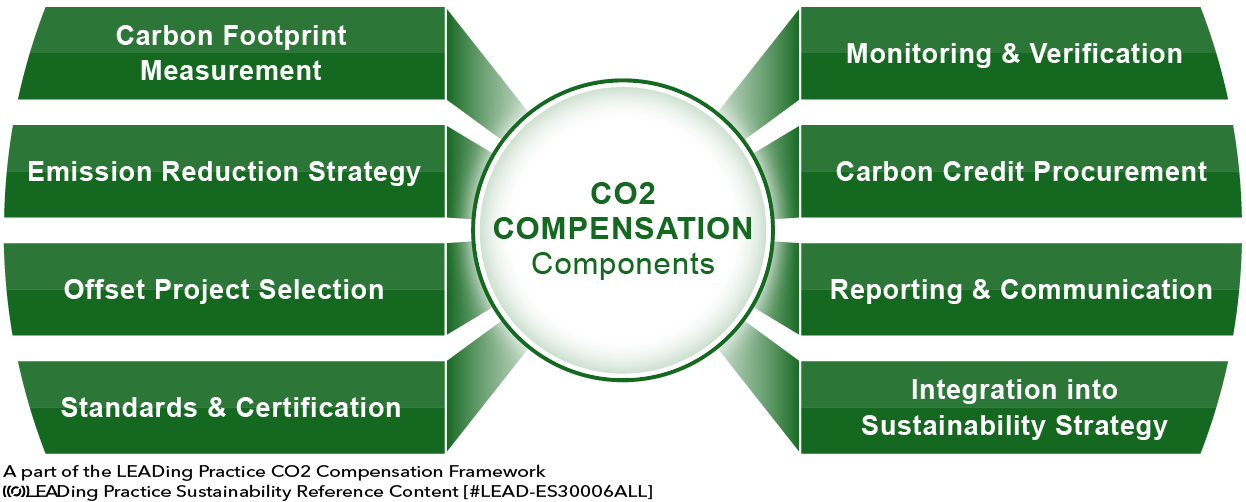
Below are the eight main components of CO2 Compensation, reflecting both structural patterns and actionable insights for organizations:
CO2 compensation is not a one-off activity but a strategic process involving accurate measurement, careful project selection, and rigorous verification. These 8 components together form a comprehensive approach to managing unavoidable emissions and achieving net-zero goals.
By understanding and applying each of these pillars, organizations can ensure that their compensation strategies are effective, credible, and aligned with global climate objectives.
Why This Is Relevant
Why is CO2 Compensation so Relevant?
CO₂ compensation is no longer a symbolic or voluntary action—it's becoming a vital pillar in global climate strategies. As net-zero commitments increase across industries and countries, the ability to offset unavoidable emissions is essential for organizations aiming to meet regulatory requirements, satisfy stakeholders, and maintain competitive positioning. Compensation enables organizations to take full climate responsibility even before all operational emissions can be eliminated. While reducing emissions at the source remains the priority, CO₂ compensation serves as a bridge, helping mitigate climate impacts while long-term transformation efforts are underway.
The relevance of CO₂ compensation extends beyond compliance—it’s a value-creating lever for innovation, stakeholder engagement, and market differentiation. By investing in verifiable offset projects such as reforestation, carbon capture, or clean energy in developing countries, organizations contribute to global decarbonization while fostering environmental equity. This dual impact—internal accountability and external positive contribution—makes CO₂ compensation a critical tool in climate leadership. Below are ten key benefits and advantages of CO₂ compensation, showing how it drives both environmental value and business performance. Each benefit includes examples of typical stakeholders who gain from implementing compensation strategies.
Business/Value Case
The Business/Value Case for CO₂ Compensation
CO₂ compensation plays a critical role in helping organizations address emissions they cannot yet eliminate. It enables companies to take immediate climate responsibility while long-term reduction strategies are still being developed. Beyond compliance, CO₂ compensation unlocks strategic value—improving brand reputation, attracting ESG-focused investors, and supporting innovation. It also contributes to global climate goals and creates co-benefits such as biodiversity protection and community development.
For many stakeholders—executives, sustainability teams, regulators, and customers—CO₂ compensation demonstrates climate leadership and commitment. When implemented transparently and aligned with verified standards, it delivers measurable environmental and business returns. This section outlines the 10 most important benefits of CO₂ compensation, showing why it has become a key pillar in sustainable business transformation.
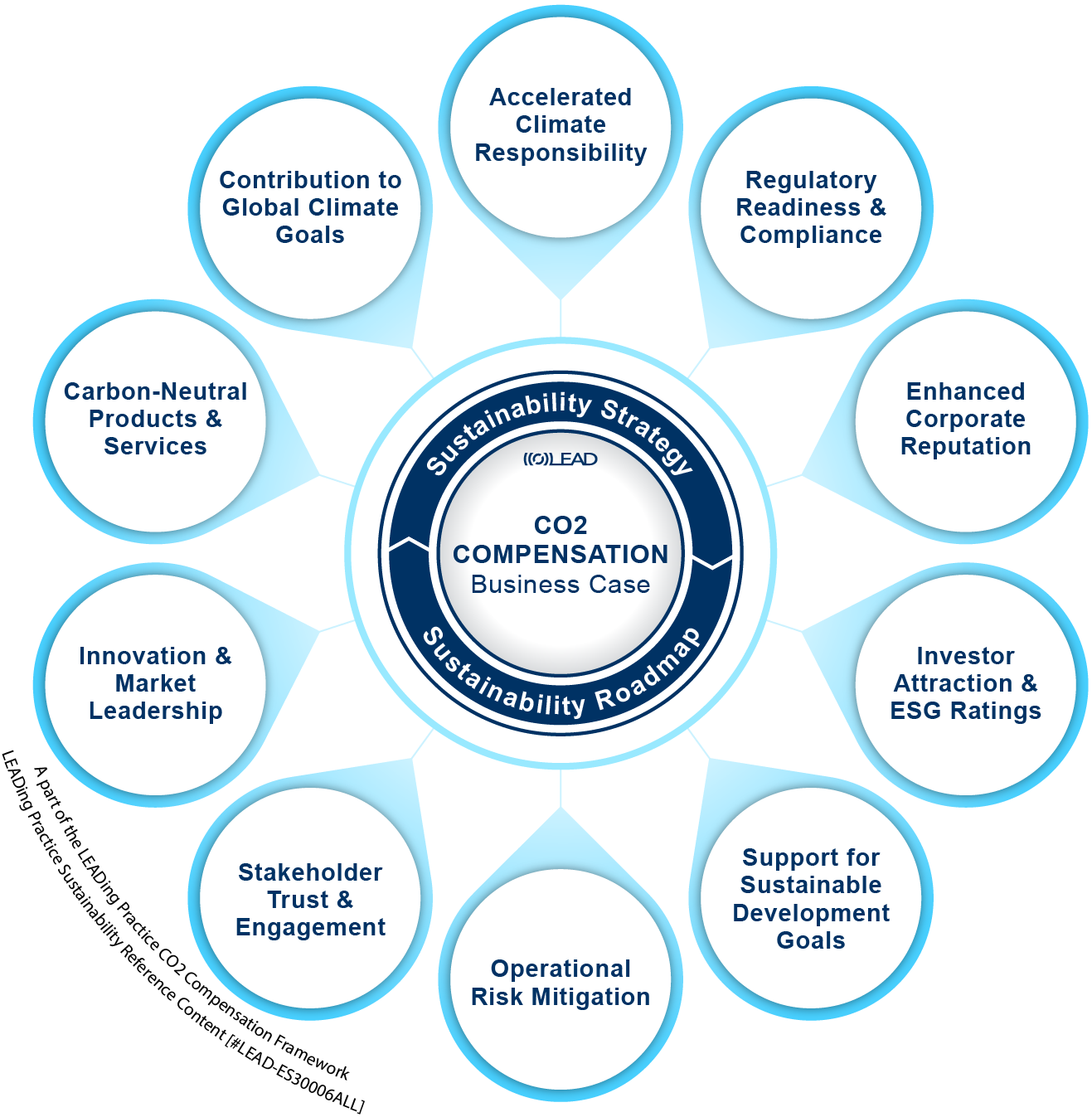
Below are ten key benefits that highlight why this approach is essential for modern organizations:
CO₂ compensation provides a powerful mechanism for organizations to balance environmental responsibility with business opportunity. These ten benefits show how compensation strategies create value across compliance, innovation, branding, and risk management.
When aligned with strong governance and credible standards, CO₂ compensation not only offsets emissions but amplifies a company’s role as a climate leader in a rapidly transforming world.
How-To-Guide
How-To-Guide: The CO₂ Compensation Framework
Implementing CO₂ compensation effectively requires more than good intentions—it demands a structured, scalable framework that integrates strategy, governance, operations, and accountability. The CO₂ Compensation Framework enables organizations to take a methodical approach to balancing unavoidable emissions while aligning with broader sustainability and business goals. This framework is designed to work across industries and maturity levels, helping organizations move from fragmented offsetting to holistic carbon accountability. The 10-step framework described below is not a linear checklist—it is a flexible yet structured cycle that supports planning, implementation, and improvement.
It starts by defining the organization’s emissions scope and strategy, continues through project selection and certification, and ends with transparent reporting and long-term integration. The business case for CO₂ compensation is embedded throughout to ensure the value—environmental and economic—is clear for all stakeholders. This framework provides clarity on roles (WHO), timing (WHEN), locations (WHERE), specific actions (HOW), and strategic steps (WHAT). It allows sustainability teams, finance, procurement, legal, and executive leadership to work in coordination rather than silos—accelerating decision-making and impact.
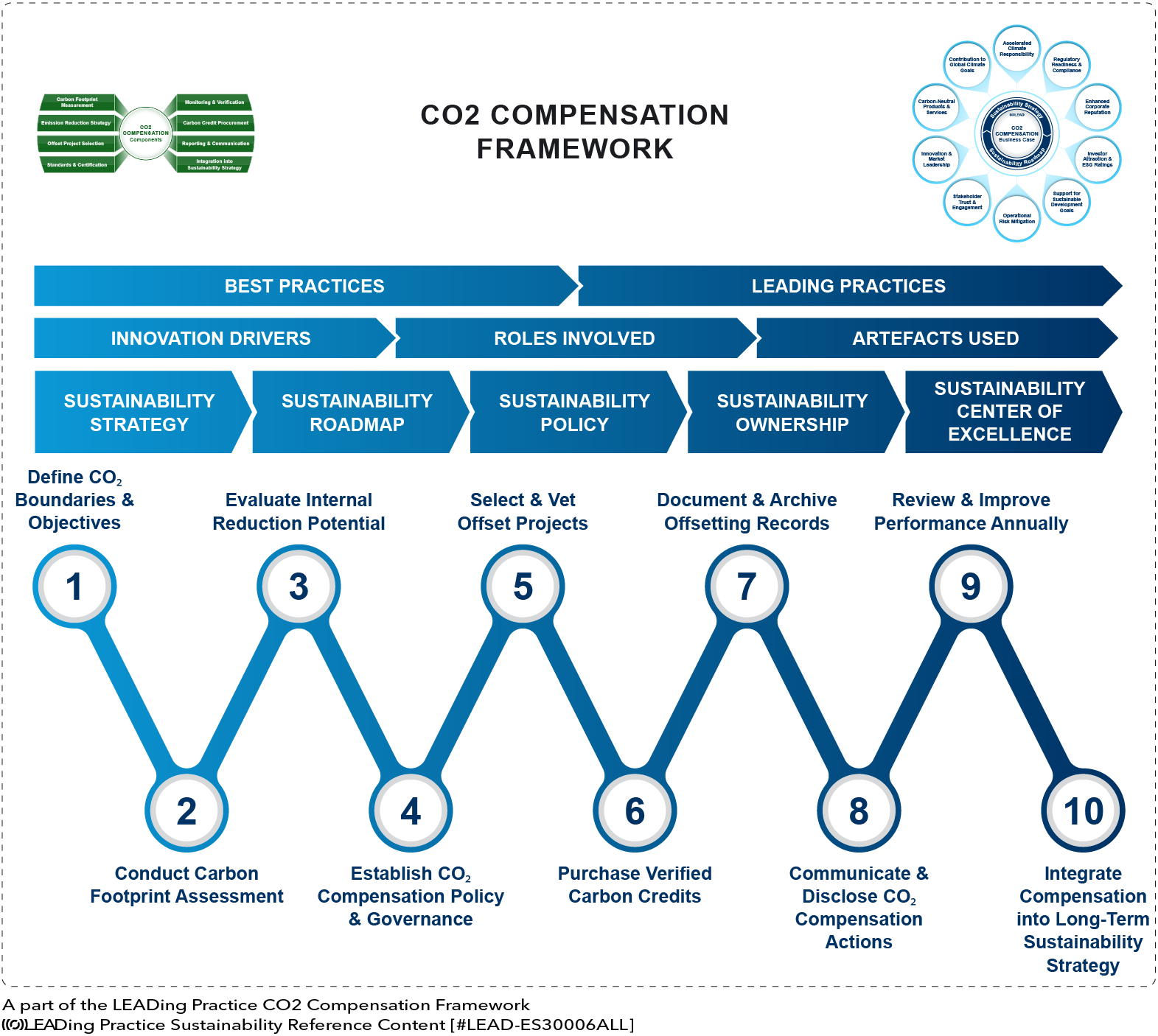
The 10-Step Way Forward:
The CO₂ Compensation Framework gives organizations a structured way to take real climate responsibility today, not just tomorrow. By integrating compensation into business strategy and execution—from footprint calculation to long-term alignment—teams can ensure credibility, transparency, and impact.
This structured model empowers companies to act confidently, align across roles, and scale their efforts while supporting global climate goals and stakeholder expectations.
Contact Us
Wanna learn more ? Want to improve your company ?
Projects that require our help ?
Don't waste more time, contact us !
Most Common Pitfalls
The Most Common Pitfalls and Challenges
While CO₂ compensation offers great potential for climate action and corporate responsibility, it is also vulnerable to misuse and misunderstanding. Poorly planned offsetting strategies, lack of transparency, or relying on compensation as a substitute for real emission reductions can backfire. These missteps can damage credibility, undermine progress, and lead to reputational or regulatory consequences.
This section outlines the most common antipatterns—recurring mistakes disguised as good practice—and worst practices, which represent consistently harmful approaches to CO₂ compensation. Understanding these is crucial to avoid greenwashing, maximize impact, and build stakeholder trust.
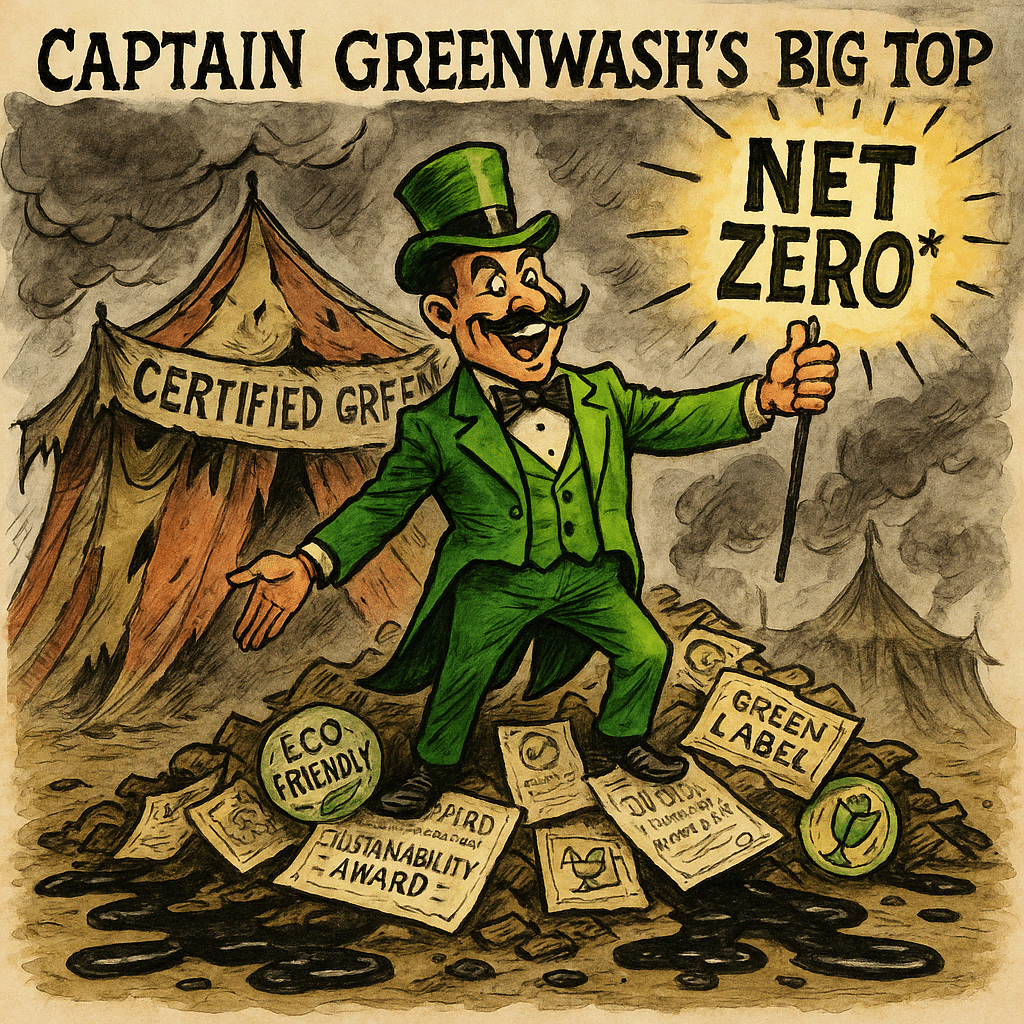
5 Antipattern Examples
- Offsetting First, Reducing Later: Relying on offsets before making serious internal reductions delays progress and violates climate accountability principles.
- One-Time Offsets Without Long-Term Planning: Treating compensation as a single transaction rather than a recurring, strategic activity leads to inconsistency and risk.
- Lack of Certification or Verification: Using unverified projects or uncertified credits can result in overstated climate impact and diminished stakeholder trust.
- Exaggerated Claims in Communication: Overstating the impact of compensation efforts creates greenwashing risks and may lead to legal or reputational fallout.
- Ignoring Co-Benefits and Social Equity: Selecting projects without considering local communities or SDGs undermines the broader value of CO₂ compensation.

5 Worst Practice Examples
- Using Cheap, Low-Integrity Credits: Prioritizing cost over quality leads to buying credits from questionable projects with dubious climate impact and no permanence.
- Failing to Track or Archive Compensation Data: Lack of traceability and documentation makes it impossible to verify actions, support audits, or meet reporting standards.
- No Integration with ESG or Business Strategy: Isolating CO₂ compensation from strategic planning makes it reactive, ineffective, and difficult to sustain long-term.
- Overcomplicating the Process for Stakeholders: Making offsetting processes too technical, opaque, or centralized prevents wider buy-in and execution from key teams.
- Treating CO₂ Compensation as a Compliance-Only Task: When compensation is seen only as box-ticking, it becomes a missed opportunity for innovation, leadership, and impact.
Lessons Learned
Learning from the Outperformers: Lessons Learned
The most effective organizations in CO₂ compensation don’t just aim to neutralize emissions—they treat it as a core part of climate leadership. These outperformers distinguish themselves by aligning compensation with broader business transformation, embedding it into ESG strategies, and holding themselves to high standards of integrity and impact.
They view compensation not as an afterthought or PR tool, but as a bridge to more sustainable models of operation and innovation. In this section, we identify five best practices—foundational habits that successful organizations consistently follow—and five leading practices, which represent cutting-edge, high-impact approaches that push the boundaries of climate responsibility and innovation.
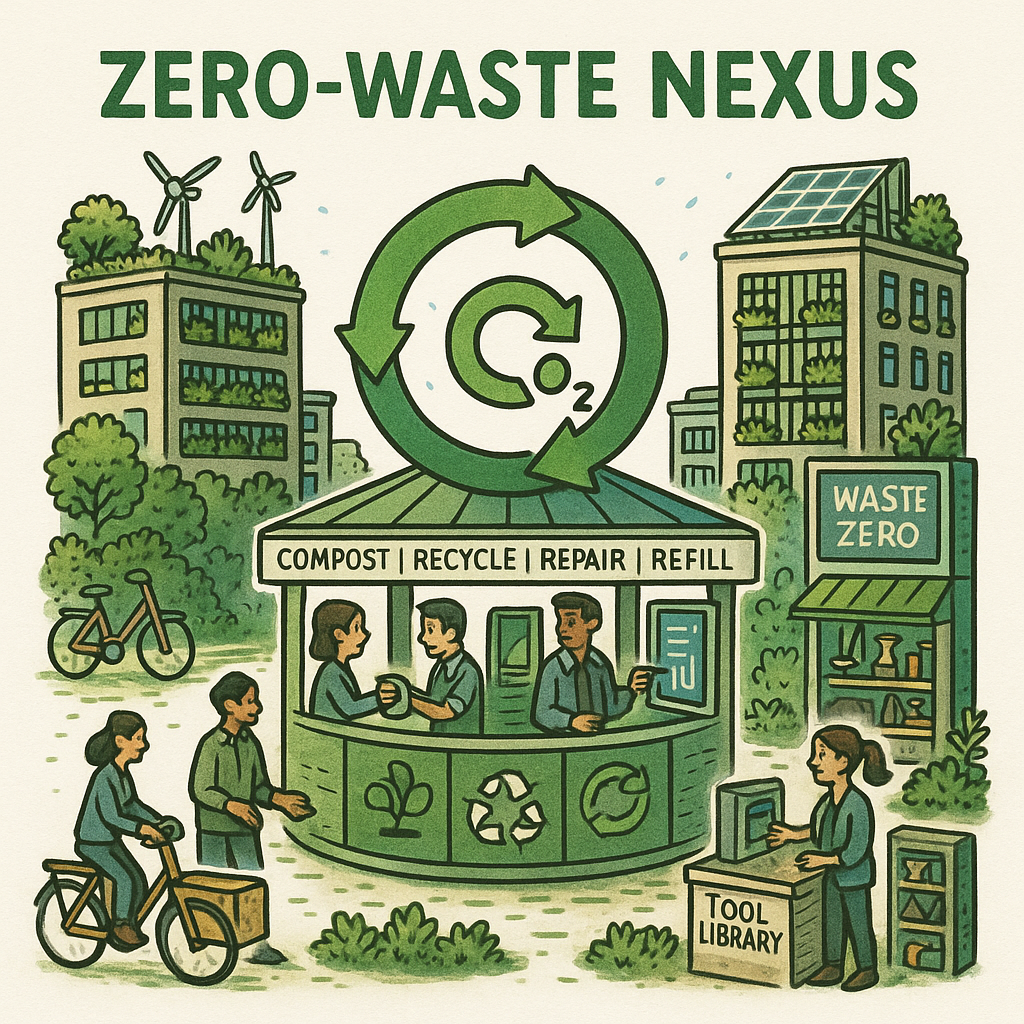
5 Best Practice Examples
- Start with Emissions Reduction First: Top performers prioritize reducing emissions before turning to offsets, ensuring compensation addresses only the unavoidable emissions left over.
- Use Certified High-Quality Offsets: They choose only projects verified by rigorous standards (e.g., Gold Standard, Verra) to ensure real, measurable, and additional climate impact.
- Integrate Compensation into ESG Reporting: Integrate sustainability into goals, product plans, and KPIs to embed it into core operations, not just side initiatives.
- Balance Local and Global Projects: Outperformers often support a mix of domestic and international offset projects, creating both local stakeholder value and global climate benefit.
- Ensure Annual Review and Adjustment: Compensation strategies are reviewed regularly to align with evolving science, standards, and business goals, ensuring continued relevance and credibility.
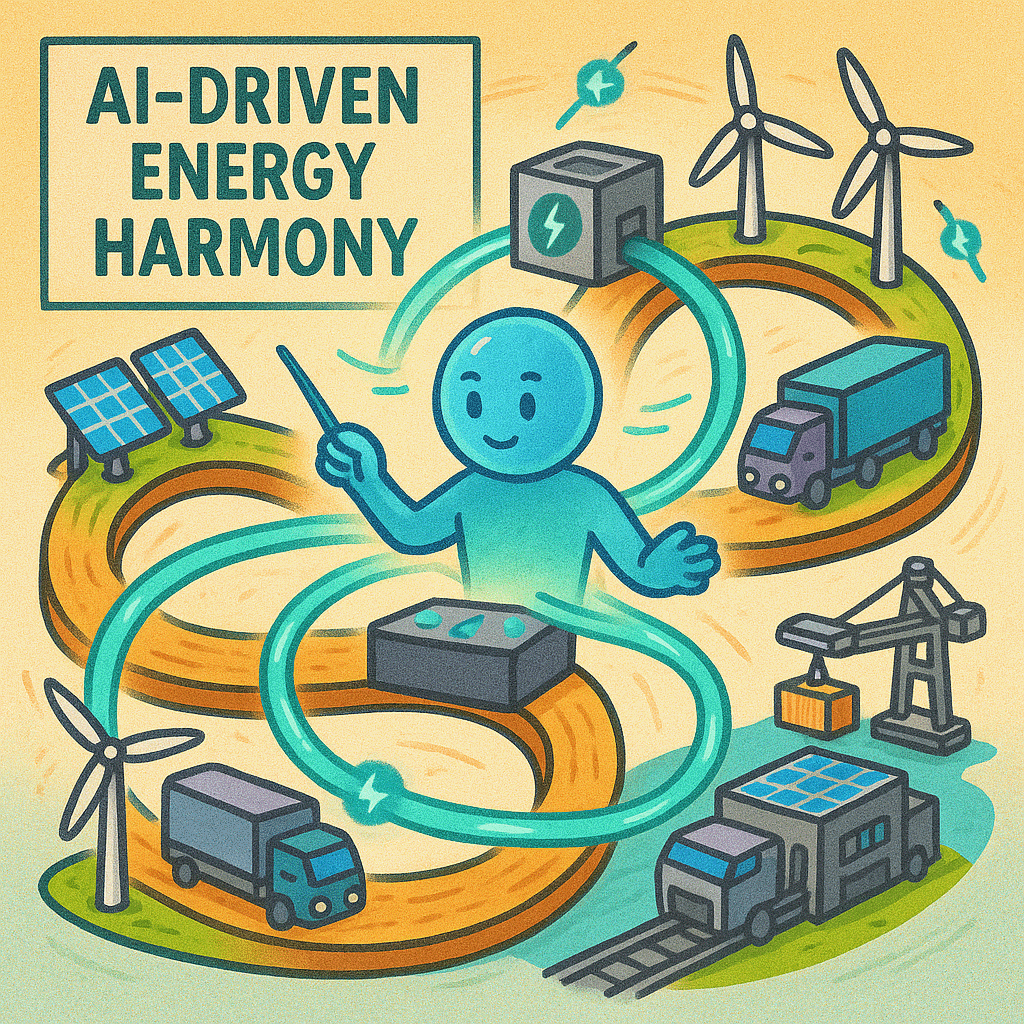
5 Leading Practice Examples
- Link Offsets to Sustainable Development Goals (SDGs): Leading organizations select projects that also address SDGs, such as poverty reduction or biodiversity, multiplying impact and stakeholder alignment.
- Use Real-Time Digital MRV (Monitoring, Reporting, Verification): They apply emerging tech like blockchain or satellite monitoring for greater traceability, transparency, and automation in impact measurement.
- Make Products or Services Carbon-Neutral or Climate-Positive: Some go beyond offsetting operations by offering carbon-neutral or even climate-positive products, creating differentiated value in competitive markets.
- Involve Employees and Customers in Offset Decisions: Innovative companies engage stakeholders in choosing projects to support, increasing ownership, education, and emotional engagement.
- Treat CO₂ Compensation as an R&D Opportunity: Rather than just buying offsets, some invest in developing next-generation offset technologies like direct air capture or regenerative agriculture.
Most Common Artefacts
The Most Common Artefacts
To manage CO₂ compensation effectively, organizations rely on key artefacts—practical tools, templates, and systems that support decision-making, execution, and reporting. These artefacts transform sustainability strategies from abstract goals into actionable, measurable processes. They help track emissions, assess carbon credit quality, document transactions, and ensure alignment with standards like the GHG Protocol or Gold Standard. By using these artefacts, companies can enhance transparency, improve governance, and accelerate climate impact.
More importantly, these tools enable innovation by revealing insights, guiding project selection, and integrating compensation into broader ESG initiatives. This section highlights the most commonly used artefacts in CO₂ compensation—and explains how they serve as enablers for sustainability performance, stakeholder trust, and long-term value creation..
| Artefact | Description | How it Can Be Used for Sustainability Innovation |
|---|---|---|
| Carbon Offset Portfolio Dashboard | A centralized tool that tracks and visualizes carbon offset purchases, project details, credit retirement, and certification status. | Enables real-time data-driven decisions and optimization of offset strategies across regions and projects. |
| GHG Emissions Inventory Tool | A structured emissions tracking system based on the GHG Protocol to quantify Scope 1, 2, and 3 emissions. | Provides the emissions baseline necessary for identifying high-impact reduction and compensation opportunities. |
| Carbon Credit Quality Assessment Matrix | A scoring model that evaluates the integrity, co-benefits, permanence, and certification of offset projects. | Supports transparent, impact-focused selection of high-quality offsets aligned with ESG goals. |
| Carbon Neutral Product Calculator | A tool to assess product-level emissions and calculate the offsets needed to offer carbon-neutral goods. | Enables businesses to launch differentiated, low-carbon products that appeal to climate-conscious customers. |
| Offset Project Mapping Dashboard | A geographic visualization of all active offset projects by type, location, and SDG alignment. | Helps identify regional gaps and co-innovation opportunities with local partners or communities. |
| CO₂ Compensation Policy Template | A governance document defining principles, criteria, roles, and processes for offsetting CO₂ emissions. | Standardizes high-integrity compensation practices and accelerates internal adoption across business units. |
| MRV (Monitoring, Reporting, Verification) Tracker | A structured system to track ongoing validation and verification of carbon offset project outcomes. | Increases transparency and builds trust with stakeholders by proving environmental impact. |
| Carbon Offset Procurement Checklist | A checklist that guides procurement teams through ethical, verified, and compliant carbon credit purchasing. | Ensures responsible sourcing and encourages innovation in carbon market engagement. |
| SDG-Aligned Offset Impact Report | A reporting artefact that links CO₂ compensation efforts with progress on relevant Sustainable Development Goals. | Demonstrates how offset projects support broader sustainability objectives, inspiring cross-sector innovation. |
| Annual CO₂ Compensation Scorecard | A year-end performance summary of compensation targets, costs, reductions, and future projections. | Drives continuous improvement by revealing trends, bottlenecks, and innovation opportunities over time. |
Overview of the most common artefacts used with CO₂ Compensation.
When used systematically, they not only ensure transparency and compliance but unlock powerful insights and opportunities for sustainability-driven innovation across the value chain.
These artefacts form the operational backbone of successful CO₂ compensation strategies.
Conclusion
CO₂ compensation has evolved into a strategic lever for climate responsibility, innovation, and stakeholder trust. It is no longer a reactive measure or symbolic gesture—it is a structured, data-driven process that enables organizations to take full accountability for their residual emissions while investing in broader environmental and societal value. When implemented with transparency, integrity, and alignment to high standards, CO₂ compensation becomes a catalyst for deeper sustainability transformation. By understanding the foundational components, building a strong business case, avoiding common pitfalls, and adopting best-in-class practices, organizations can transform their compensation efforts from fragmented initiatives into integrated systems of environmental performance.
The use of artefacts, frameworks, and cross-functional engagement ensures measurable progress, effective governance, and long-term relevance. Organizations that lead in CO₂ compensation are not only managing risk—they’re shaping the future of responsible, net-zero innovation. CO₂ compensation is not the final destination—it is part of a broader sustainability journey. But with the right mindset, tools, and leadership, it becomes one of the most effective ways to bridge today’s emissions realities with tomorrow’s climate commitments.