
What is Bioengineered Recycling?
Bioengineered Recycling is an innovative approach that combines biology and engineering to transform how we handle waste. Instead of relying solely on traditional methods like landfilling or incineration, it harnesses the natural power of living organisms—such as bacteria, fungi, and engineered enzymes—to break down and recycle materials that were previously difficult or impossible to manage. This can include plastics, electronic waste, metals, and organic matter. The concept builds on processes like microbial biodegradation, anaerobic digestion, and synthetic biology, where microorganisms are genetically tailored to degrade complex waste materials efficiently. For example, engineered bacteria can break down plastics like PET, while specialized microbes extract valuable metals from discarded electronics.
By turning waste into usable resources such as biofuels, bioplastics, or soil nutrients, Bioengineered Recycling reduces environmental burdens, lowers greenhouse gas emissions, and promotes a circular economy. At its core, Bioengineered Recycling is more than a technology—it represents a paradigm shift in sustainability thinking. It offers organizations, governments, and communities the ability to reduce reliance on virgin raw materials, cut waste-related emissions, and reimagine waste as a valuable resource. This approach not only addresses today’s growing environmental challenges but also provides a pathway toward a resilient, regenerative, and sustainable future.
Main Components
The 8 Main Components of Bioengineered Recycling
Bioengineered Recycling is built on a set of interconnected components that turn complex waste challenges into opportunities for circular value creation. Each component combines biotechnology with recycling principles to close material loops, reduce environmental harm, and unlock new forms of resource efficiency.
Together, these elements provide the foundation for designing systems that not only manage waste more effectively but also deliver innovation, resilience, and long-term sustainability. Understanding them is essential for organizations seeking to translate ambition into real-world impact.
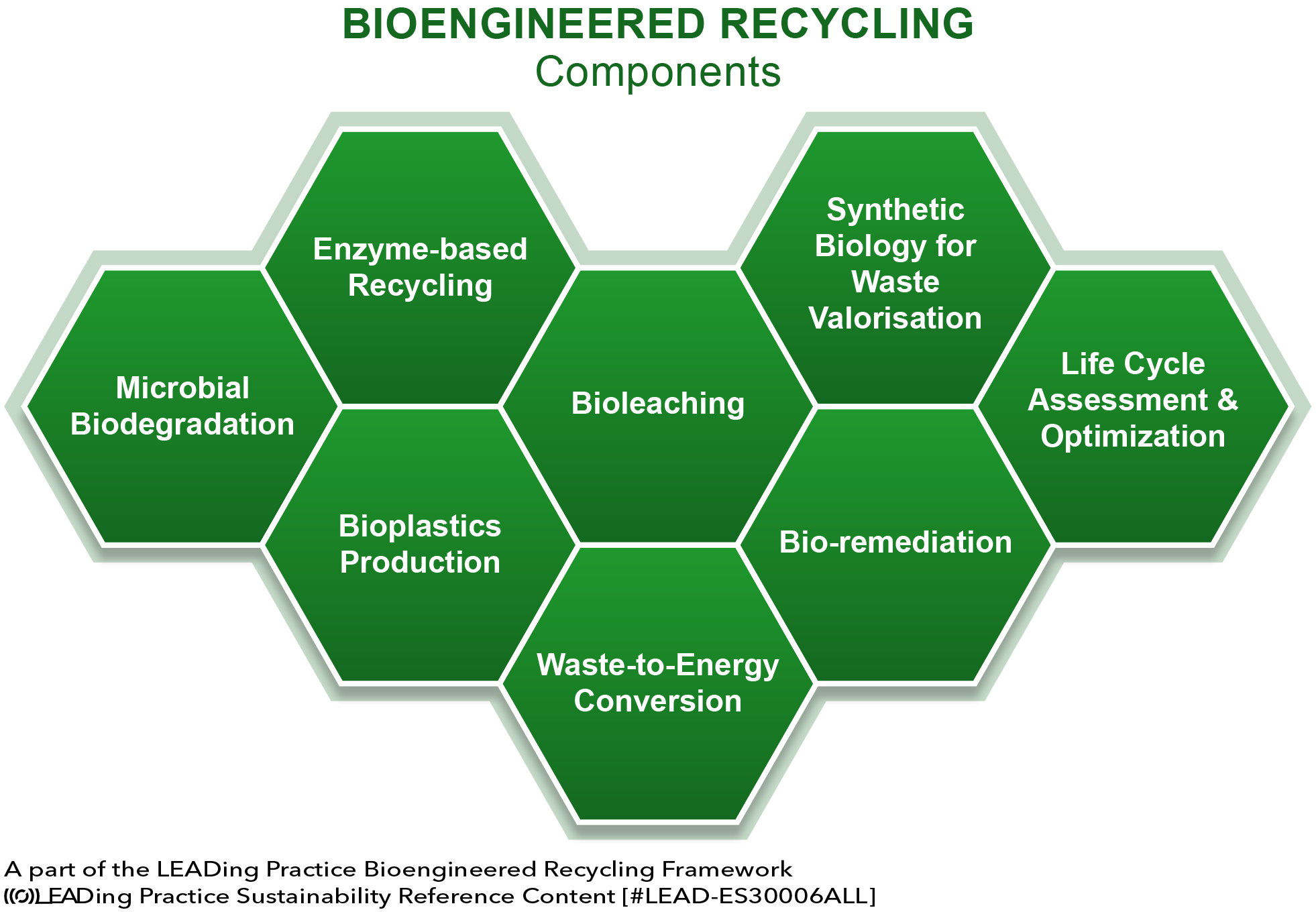
Below are the eight main components of Sustainable Portfolio, reflecting both structural patterns and actionable insights for organizations:
Taken together, the eight components form a holistic system for advancing sustainability through bioengineered recycling. They span from breaking down plastics and extracting metals to creating renewable energy and optimizing life-cycle impacts.
When integrated, they allow organizations to go beyond incremental improvements and embrace a circular model where waste is continuously transformed into resources. This systems-based approach is what makes bioengineered recycling such a powerful enabler of both environmental responsibility and future-proof business.
Why This Is Relevant
Why is Bioengineered Recycling so Relevant?
The urgency to adopt bioengineered recycling stems from the mounting environmental and economic pressures facing organizations and societies worldwide. Traditional waste management methods such as landfilling and incineration are no longer sufficient; they consume valuable land, emit greenhouse gases, and squander resources that could otherwise be recovered. At the same time, rising volumes of plastics, electronic waste, and complex materials pose unprecedented challenges that conventional recycling cannot fully address. Bioengineered recycling provides a solution by introducing living systems and engineered biology into the recycling process. This enables the breakdown of stubborn materials like PET plastics, the recovery of precious metals from e-waste, and the conversion of organic matter into bioenergy.
Beyond reducing waste, these methods actively contribute to climate goals by cutting emissions and creating renewable resources. Its relevance also extends to corporate strategy and public responsibility. Organizations adopting bioengineered recycling can align with regulatory requirements, strengthen their sustainability credentials, and secure competitive advantages by demonstrating leadership in innovation. Communities and governments see its value in promoting cleaner cities, healthier ecosystems, and reduced dependence on landfills and virgin raw materials. Ultimately, bioengineered recycling is not just an incremental improvement—it represents a transformative shift. By reimagining waste as a resource, it helps address pressing environmental challenges while unlocking new opportunities for growth, resilience, and circularity.
Business/Value Case
The Business/Value Case for Bioengineered Recycling
The business case for Bioengineered Recycling is as strong as its environmental promise. Organizations today face mounting pressures to cut costs, meet stricter regulations, and respond to stakeholder expectations for sustainability. Traditional waste management is increasingly expensive and limited in impact, while raw material scarcity drives up procurement risks. Bioengineered Recycling addresses these challenges head-on by transforming waste into valuable resources and renewable energy, reducing operational risks, and opening entirely new revenue streams.
Beyond compliance, it empowers organizations to innovate, enhance their reputation, and build stronger engagement with employees, investors, and communities. The value extends across industries, creating benefits not only for manufacturing and supply chain operations, but also for brand equity, workforce satisfaction, and long-term resilience. In short, Bioengineered Recycling bridges environmental responsibility with strategic business advantage—making it both a sustainability imperative and a competitive opportunity.
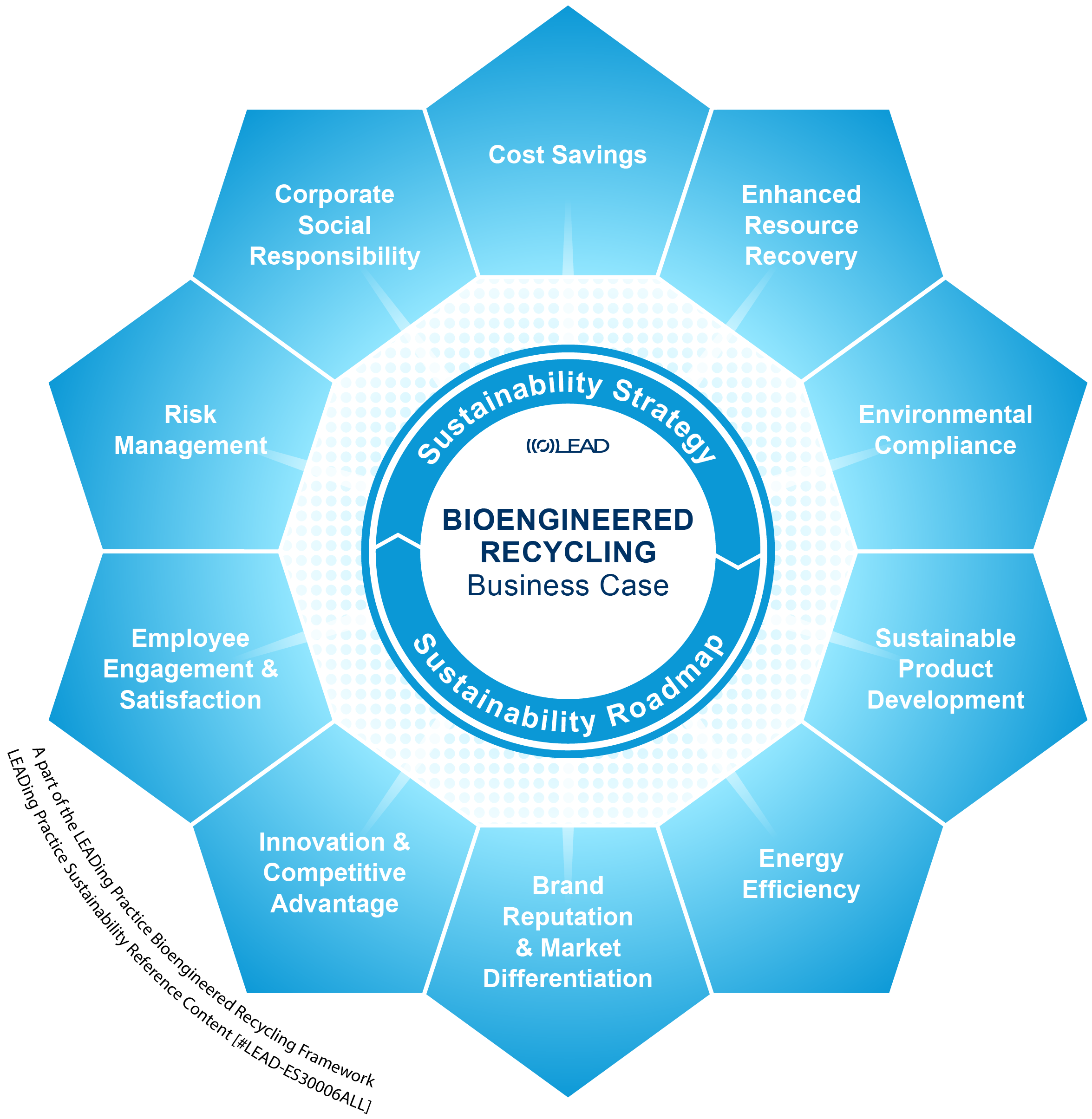
Below are ten key benefits that highlight why this approach is essential for modern organizations:
The advantages of Bioengineered Recycling go far beyond cost reductions or regulatory compliance. By embedding biological innovation into waste management, organizations create value across the entire ecosystem of stakeholders—from financial leaders securing long-term savings, to employees motivated by purpose-driven initiatives, to customers and communities that demand cleaner, more responsible solutions. This multi-dimensional value creation ensures that sustainability is not treated as a side initiative, but as a driver of growth, competitiveness, and resilience.
When adopted strategically, Bioengineered Recycling enables organizations to unlock efficiencies, differentiate their brand, and future-proof operations against rising environmental and economic pressures. It stands as both a response to urgent global challenges and a forward-looking investment in lasting performance. For organizations ready to lead, the business case is clear: Bioengineered Recycling delivers impact that is environmental, social, and financial all at once.
How-To-Guide
How-To-Guide: The Bioengineered Recycling Framework
Building a successful bioengineered recycling program requires more than adopting new technologies—it needs a structured framework that aligns people, processes, and resources. The Bioengineered Recycling Framework provides a standardized pathway, helping organizations translate sustainability goals into practical action. By embedding the business case and defining clear steps, this framework ensures that all roles, from executives to technical staff, collaborate effectively.
The value lies in its ability to reduce complexity, speed up execution, and guarantee measurable results, enabling organizations to scale solutions from pilot projects to enterprise-wide adoption. It also provides clarity for decision-makers, reducing risks and aligning investments with long-term sustainability strategies.
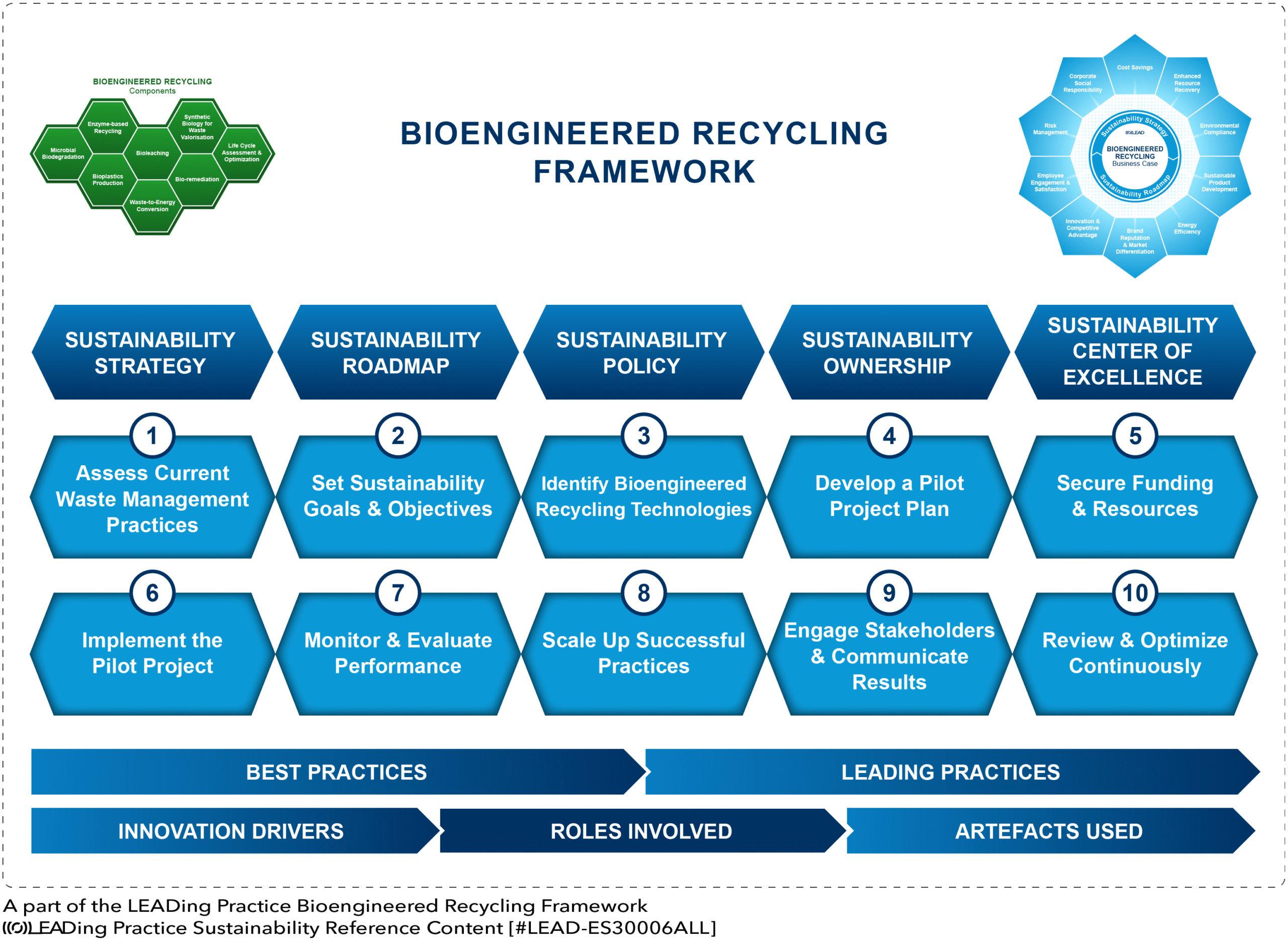
The 10-Step Way Forward:
The Bioengineered Recycling Framework enables organizations to move from vision to execution with clarity and efficiency. By following its ten structured steps, companies can reduce waste, recover resources, and achieve measurable sustainability outcomes.
The framework standardizes collaboration across roles, reduces project risks, and accelerates results, making it possible to start small with pilots and then scale up organization-wide. It provides all the necessary guidance to initiate bioengineered recycling in a fast, effective, and future-proof way.
Contact Us
Wanna learn more ? Want to improve your company ?
Projects that require our help ?
Don't waste more time, contact us !
Most Common Pitfalls
The Most Common Pitfalls and Challenges
Adopting bioengineered recycling can unlock major environmental and business benefits, but it also comes with challenges. Organizations often stumble when they underestimate the complexity of biological systems, lack regulatory preparation, or misalign technology with business priorities.
These missteps can lead to wasted resources, operational setbacks, or public mistrust. By recognizing common antipatterns and worst practices, organizations can avoid repeating mistakes and build stronger, more resilient recycling initiatives.

5 Antipattern Examples
- Technology Before Strategy: Rushing to adopt new biological tools without a clear strategy causes fragmented projects that fail to deliver sustainable impact.
- Short-Term Thinking: Treating bioengineered recycling as a one-off project rather than a long-term capability limits scalability and organizational learning.
- Ignoring Stakeholders: Excluding employees, regulators, or communities from early stages results in resistance, compliance risks, and reputational issues.
- Data Blindness: Implementing processes without measuring waste streams or performance data prevents evidence-based improvements and lessons learned.
- Overengineering Solutions: Designing overly complex biotechnologies creates high costs and operational challenges, especially when simpler solutions would suffice.
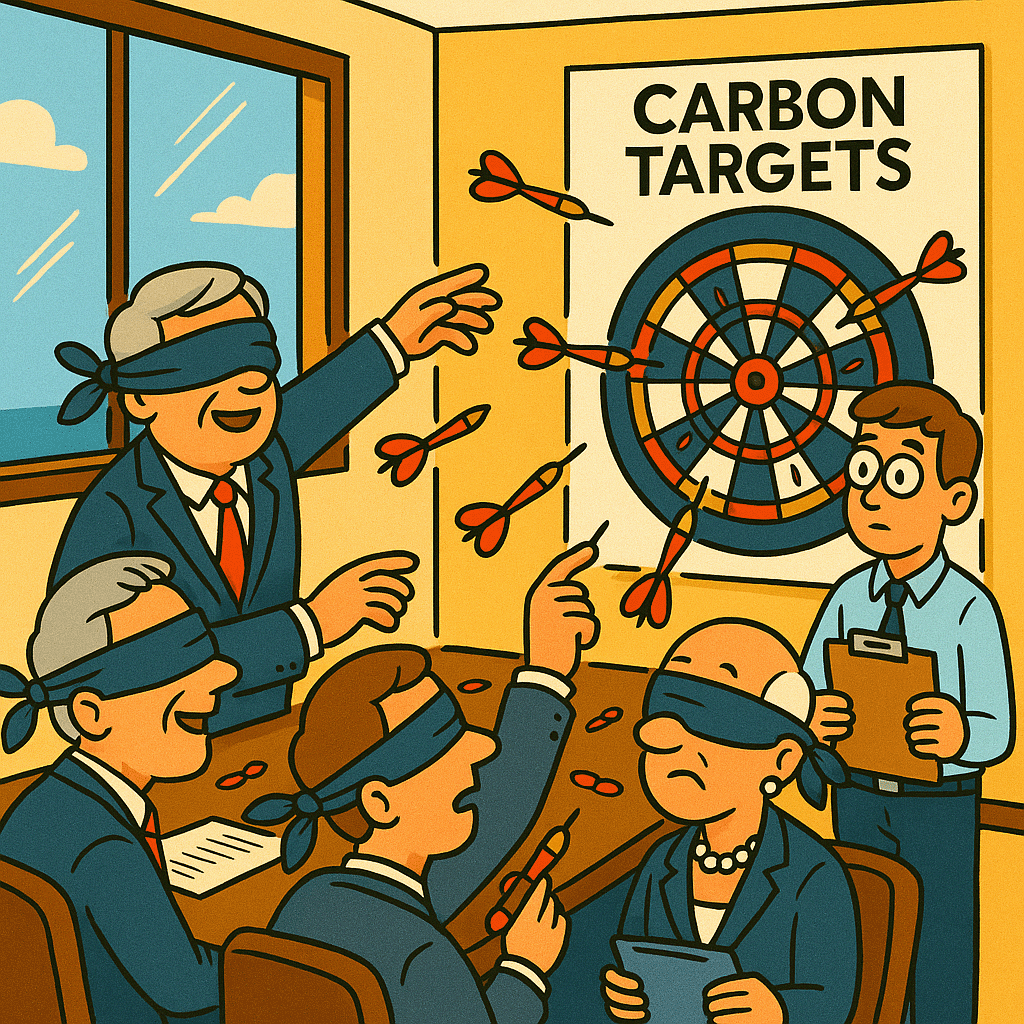
5 Worst Practice Examples
- Uncontrolled Release of Organisms: Deploying genetically modified microbes without safeguards risks ecological disruptions and regulatory backlash.
- Neglecting Regulatory Frameworks: Proceeding without thorough risk assessments or compliance measures can halt projects, lead to penalties, or damage reputation.
- Lack of Pilot Testing: Skipping pilot phases often results in costly failures at full scale, as systems may not adapt well to real-world conditions.
- Underestimating Failure Rates: Ignoring the sensitivity of organisms to environmental changes reduces reliability and creates higher operational risks.
- Poor Communication of Results: Failing to communicate successes and setbacks prevents stakeholder trust, reducing buy-in for scaling bioengineered recycling programs.
Lessons Learned
Learning from the Outperformers: Lessons Learned
Organizations that have successfully implemented bioengineered recycling share a set of practices that set them apart. These outperformers invest in innovation, manage risks proactively, and integrate recycling into broader sustainability and business strategies.
Their experience demonstrates that success in this field depends not only on technology, but also on governance, stakeholder engagement, and continuous improvement. By learning from these examples, others can avoid pitfalls and accelerate their path to sustainable results.
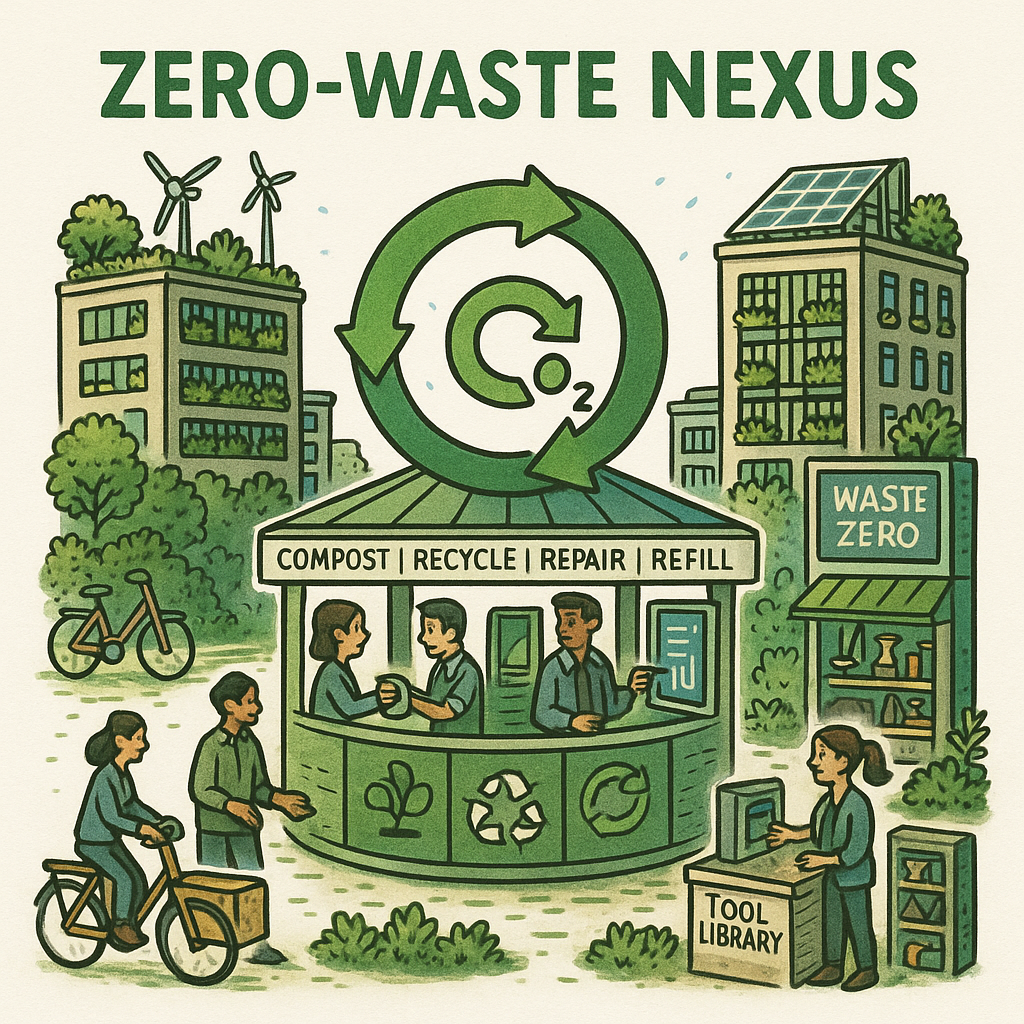
5 Best Practice Examples
- Robust Research and Development: Invest in understanding waste streams, microbial behavior, and enzyme design to engineer solutions tailored to specific recycling challenges.
- Pilot Projects First: Test technologies on a small scale before scaling organization-wide, ensuring feasibility and adaptability in real-world conditions.
- Integrated Business Models: Embed bioengineered recycling into corporate strategy and circular economy models to align environmental gains with financial returns.
- Transparent Communication: Share both successes and challenges with stakeholders to build trust, credibility, and long-term engagement.
- Continuous Monitoring: Use data analytics and regular audits to refine processes, ensure efficiency, and adapt to evolving waste streams.
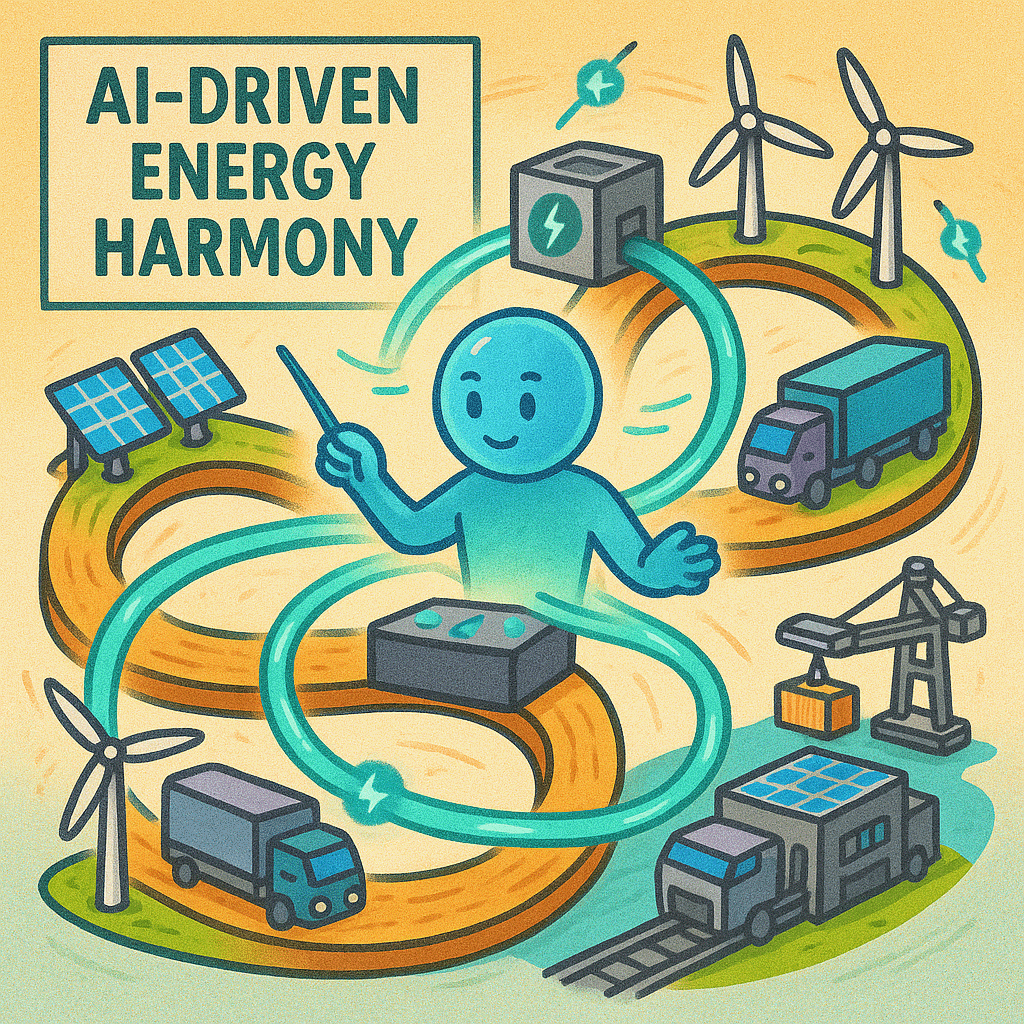
5 Leading Practice Examples
- Customized Microbial Design: Engineer microbes and enzymes specifically for targeted waste types, achieving higher breakdown efficiency and scalability.
- Interdisciplinary Collaboration: Bring together biologists, engineers, chemists, and compliance experts to design holistic and resilient recycling systems.
- Proactive Regulatory Compliance: Work closely with regulators from the start, setting biosafety and ethical standards that exceed minimum requirements.
- Circular Value Creation: Transform waste into high-value products—like bioplastics, biofuels, or specialty chemicals—that generate new revenue streams.
- Adaptive Learning and Flexibility: Continuously adapt to scientific advancements, market shifts, and ecological considerations, ensuring resilience in fast-changing conditions.
Most Common Artefacts
The Most Common Artefacts
Implementing bioengineered recycling is not without its complexities. As organizations deploy living systems and engineered biology to transform waste, they often encounter artefacts—unintended effects or byproducts that emerge from the interaction of biological processes, environmental conditions, and technical design. These artefacts are not necessarily failures; rather, they are signals that highlight the challenges of working with dynamic, evolving systems.
Recognizing them early allows organizations to adapt technologies, strengthen safeguards, and even turn obstacles into opportunities for innovation. Understanding these common artefacts is essential for ensuring that bioengineered recycling remains effective, safe, and scalable over time.
| Artefact | Description | How it Can Be Used for Sustainability Innovation |
|---|---|---|
| Microbial Adaptation and Performance Loss | Over time, engineered microorganisms may adapt in ways that reduce their efficiency in breaking down waste. | Encourages development of genetic stability monitoring and adaptive bio-systems for reliable recycling. |
| Genetic Drift and Unintended Traits | Random genetic changes in microbial populations can lead to traits that compromise waste-degrading functions. | Promotes stricter biosafety standards and precision in microbial engineering design. |
| Secondary Metabolite Accumulation | Microbial metabolism can generate byproducts that interfere with recycling pathways or create undesirable compounds. | Inspires metabolic engineering innovations to repurpose byproducts into useful resources. |
| Ecological Imbalance | The release of engineered organisms can disrupt native microbial communities and local ecosystems. | Leads to safer closed-loop systems and stronger ecological impact assessments. |
| Regulatory Non-Compliance | Weak biosafety measures or incomplete reporting can result in legal setbacks and project delays. | Drives organizations toward transparent compliance frameworks and leadership in biosafety governance. |
Overview of the most common artefacts used with Bioengineered Recycling.
Artefacts are an inevitable part of pioneering technologies, especially when living organisms and engineered systems are involved. For bioengineered recycling, the most common artefacts—ranging from microbial adaptation to regulatory gaps—remind us that progress must be managed with responsibility, foresight, and continuous learning.
When approached proactively, these unintended outcomes can serve as powerful drivers for refining processes, advancing biosafety, and stimulating further research. By treating artefacts as opportunities rather than setbacks, organizations can ensure that bioengineered recycling evolves into a mature, resilient, and trusted approach for addressing global waste challenges.
Conclusion
Bioengineered Recycling represents a powerful shift in how societies and organizations approach waste. It moves beyond traditional disposal methods to reimagine waste as a valuable resource, harnessing living organisms and engineered biology to transform plastics, e-waste, and organics into renewable energy, new materials, and safe byproducts. By doing so, it addresses pressing environmental challenges while unlocking economic opportunities and advancing corporate sustainability strategies. The journey, however, requires careful planning, collaboration, and responsibility.
Success depends on integrating the right technologies, avoiding common pitfalls, and learning from outperformers who have demonstrated scalable and responsible practices. At the same time, understanding the artefacts and challenges inherent in biological systems ensures innovation progresses safely and sustainably. As organizations embrace bioengineered recycling, they not only mitigate their environmental footprint but also position themselves as leaders in the circular economy. It is both a technological breakthrough and a call to action, urging us to rethink waste as a cornerstone of sustainability and resilience for the future.