

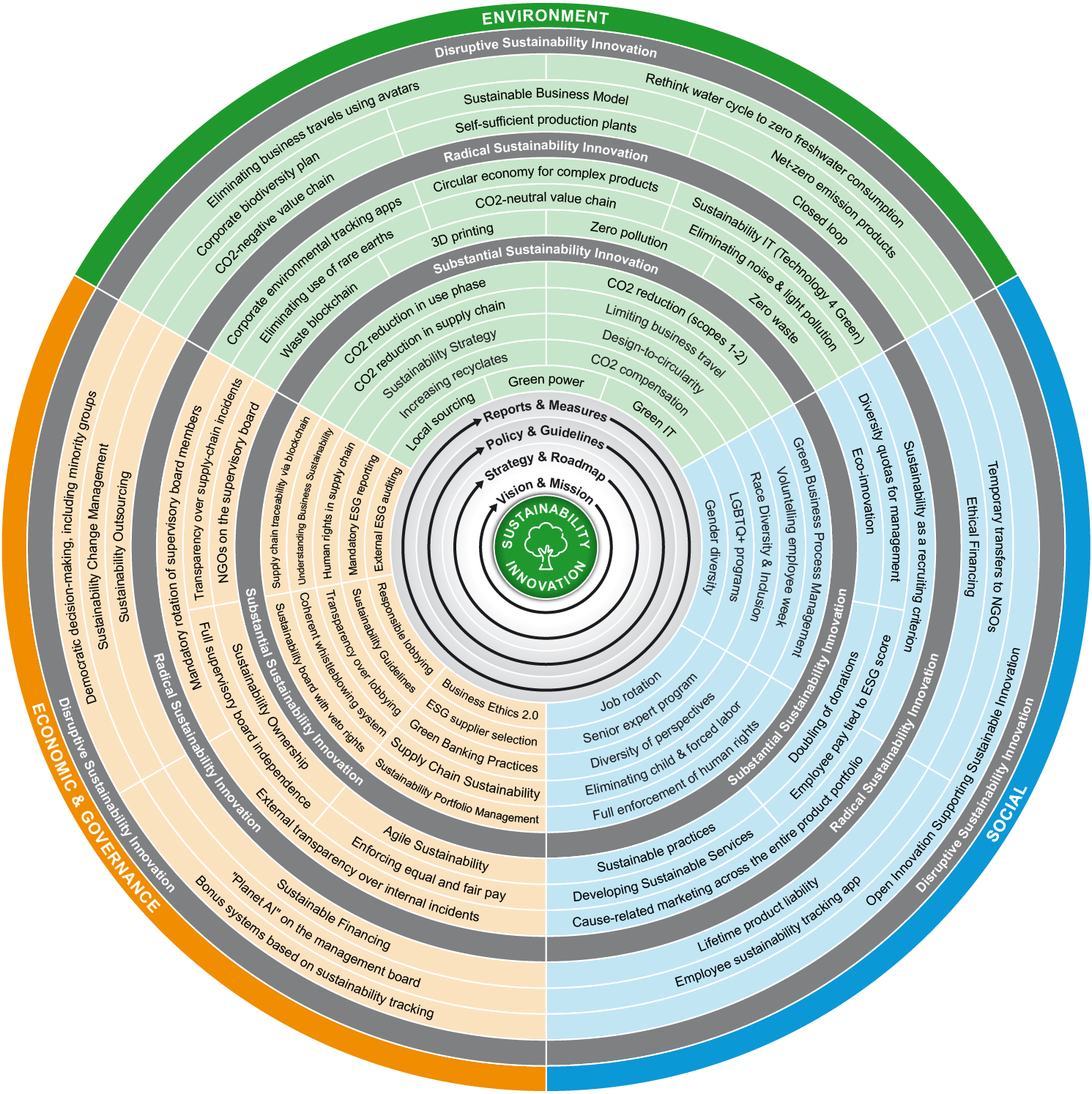
What is Eco-Entrepreneurship?
Eco-Entrepreneurship, also known as green entrepreneurship, is the practice of creating and running businesses that prioritize environmental sustainability alongside profitability. Unlike traditional entrepreneurship, which often focuses solely on economic gains, eco-entrepreneurship places equal weight on social, ecological, and financial value. At its core, it seeks to identify and seize opportunities that reduce environmental impact while creating innovative products, services, and processes. This concept emerged from earlier ideas such as environmental entrepreneurship and corporate social responsibility, gradually developing into a distinct field.
Today, eco-entrepreneurship emphasizes long-term resilience, responsible resource use, and collective impact. It goes beyond “business as usual” by challenging wasteful models, supporting circular economies, and integrating renewable solutions. Eco-entrepreneurs see sustainability not just as compliance or a trend but as a driver of growth, innovation, and competitive advantage. By blending ecological responsibility with business strategy, eco-entrepreneurship provides a pathway for companies and communities to thrive while safeguarding future generations.
Main Components
The 8 Main Components of Eco-Entrepreneurship
Eco-Entrepreneurship is more than a trend—it is a transformative way of building businesses that place environmental sustainability at the core of strategy and operations. To succeed, entrepreneurs must combine innovation with responsibility, ensuring value creation benefits people, planet, and profit alike. The following eight components outline the essential building blocks of eco-entrepreneurship. Each one addresses a critical aspect of how businesses can align economic activities with ecological stewardship, from sustainable models and supply chains to renewable energy and community engagement.
Together, these areas provide a holistic framework that ensures entrepreneurs not only survive in competitive markets but also actively contribute to addressing global environmental challenges. Understanding these components is key for organizations looking to integrate sustainability deeply into their business DNA.
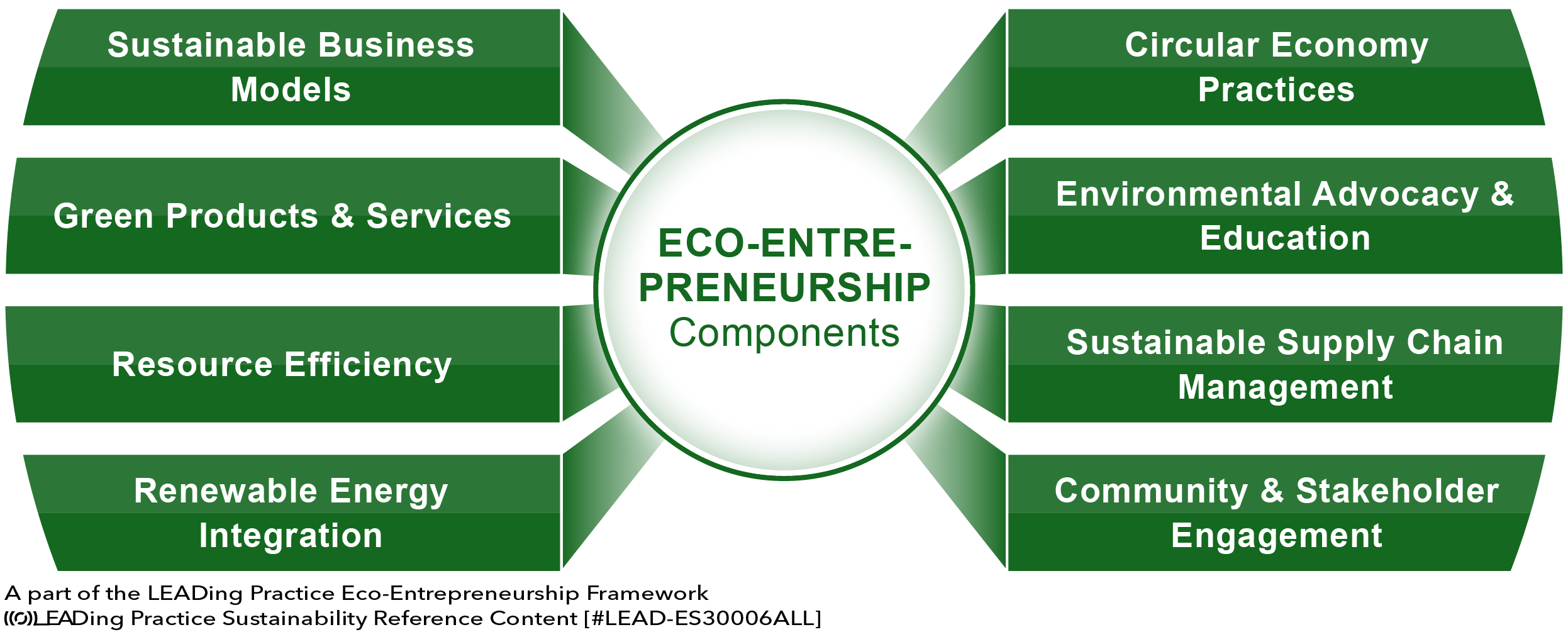
Below are the eight main components of Eco-Entrepreneurship, reflecting both structural patterns and actionable insights for organizations:
Eco-Entrepreneurship thrives on eight interconnected components that shape sustainable business success. By embedding ecological responsibility into models, products, energy use, and supply chains, entrepreneurs drive meaningful change. Practices such as circular economy design and community engagement further expand the reach and impact of green businesses, ensuring sustainability becomes embedded in every process.
These components serve as a compass for entrepreneurs, helping them navigate the complex intersection of profit and responsibility. Together, they create a powerful ecosystem that supports innovation, reduces environmental harm, and strengthens community trust—ensuring that eco-entrepreneurship leads the way toward a more sustainable future.
Why This Is Relevant
Why is Eco-Entrepreneurship so Relevant?
In today’s world, businesses face growing pressure to address climate change, biodiversity loss, and resource scarcity. Traditional models focused solely on profit are no longer sufficient—stakeholders expect organizations to act responsibly toward people and the planet. Eco-Entrepreneurship is highly relevant because it provides a structured way to transform these challenges into opportunities for innovation, growth, and resilience. The relevance of eco-entrepreneurship lies in its ability to help organizations adapt to regulatory demands, shifting consumer expectations, and global sustainability goals.
It connects environmental responsibility with business advantage, enabling entrepreneurs to design solutions that reduce waste, conserve resources, and minimize ecological impact. At the same time, it strengthens competitiveness by opening access to new markets and building trust with communities, employees, and investors. As global markets evolve toward greener economies, eco-entrepreneurship ensures that businesses stay future-proof, relevant, and impactful. It bridges the gap between ecological necessity and economic opportunity, making it not just an option, but an imperative for long-term success.
Business/Value Case
The Business/Value Case for Eco-Entrepreneurship
Eco-Entrepreneurship is not just about protecting the planet—it also makes strong business sense. Organizations that adopt sustainable practices can unlock economic opportunities, strengthen resilience, and create long-term value. Customers increasingly demand eco-friendly products, regulators enforce stricter environmental rules, and investors reward companies that prioritize sustainability. Eco-entrepreneurship provides a path to align business performance with ecological responsibility, ensuring that growth is both profitable and ethical.
The business case extends beyond cost savings to include innovation, brand reputation, employee engagement, and market expansion. By adopting eco-entrepreneurship, organizations meet stakeholder expectations while preparing for future challenges. The following ten benefits highlight the diverse advantages that businesses, employees, customers, investors, and communities can gain by embracing this sustainable way of operating.
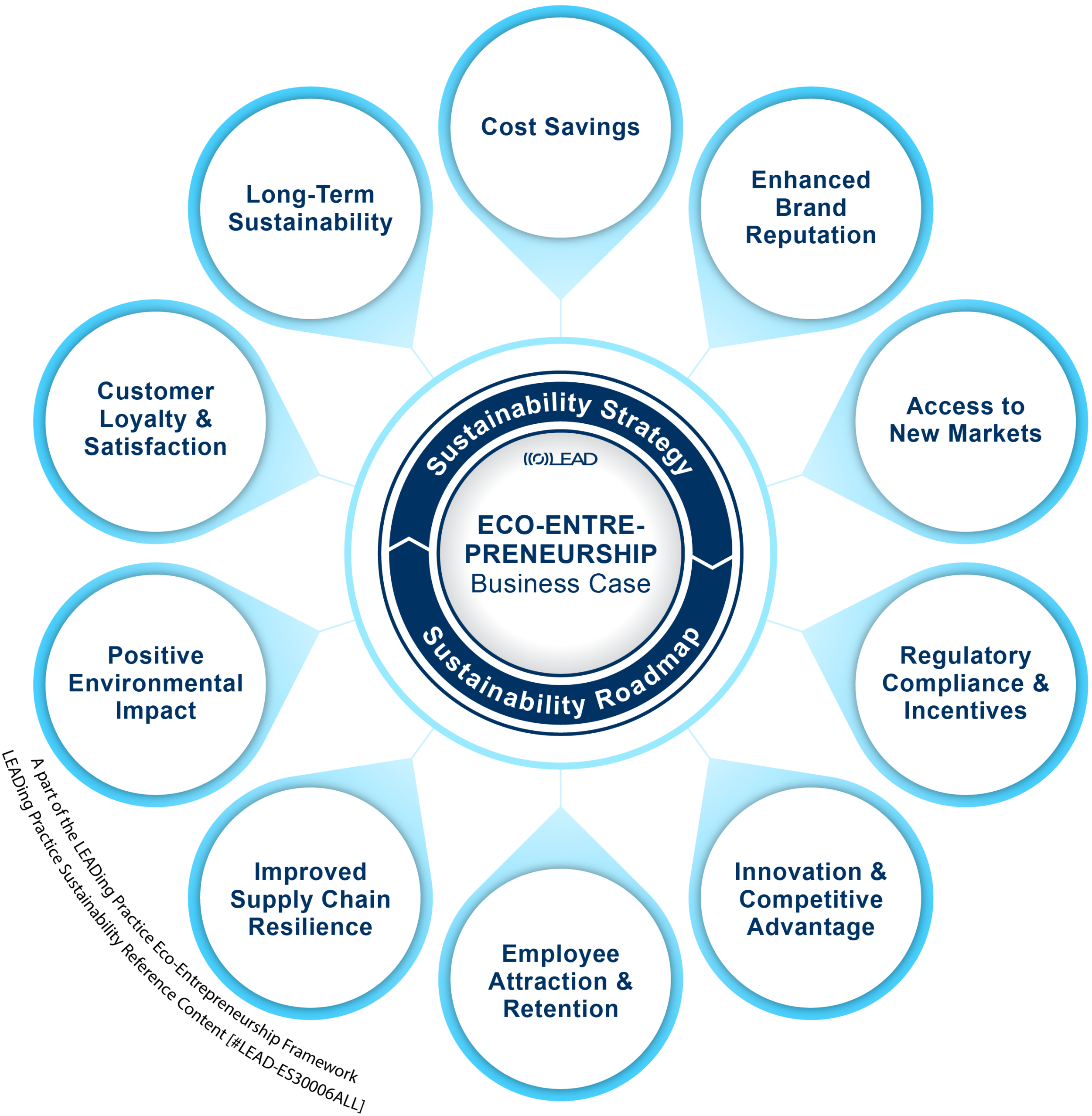
Below are ten key benefits that highlight why this approach is essential for modern organizations:
The business case for eco-entrepreneurship is compelling, combining financial strength with environmental and social value. Companies save costs, innovate, and comply with regulations while gaining access to new markets and building trusted brands. Employees are more motivated, customers more loyal, and supply chains more resilient.
These benefits extend far beyond the enterprise, contributing to healthier communities and ecosystems. By aligning sustainability with strategy, eco-entrepreneurship ensures organizations are future-ready, competitive, and impactful. It creates a triple win—for businesses, stakeholders, and the planet—making it one of the most relevant approaches for long-term growth and responsibility in today’s global economy.
How-To-Guide
How-To-Guide: The Eco-Entrepreneurship Framework
Eco-Entrepreneurship cannot succeed on good intentions alone. Organizations need a structured way to turn sustainability goals into real actions that create measurable impact. The Eco-Entrepreneurship Framework offers this structure, guiding companies step by step through a process that integrates environmental, social, and economic priorities. It combines strategy with execution, providing clarity on what to do, when, where, how, and by whom.
The framework also includes the business case for eco-entrepreneurship, ensuring that value creation is understood across all roles and stakeholders. By standardizing the process, it reduces complexity, encourages collaboration, and accelerates progress. Most importantly, it allows leaders, teams, and communities to align efforts and achieve long-term sustainability goals with confidence and consistency.
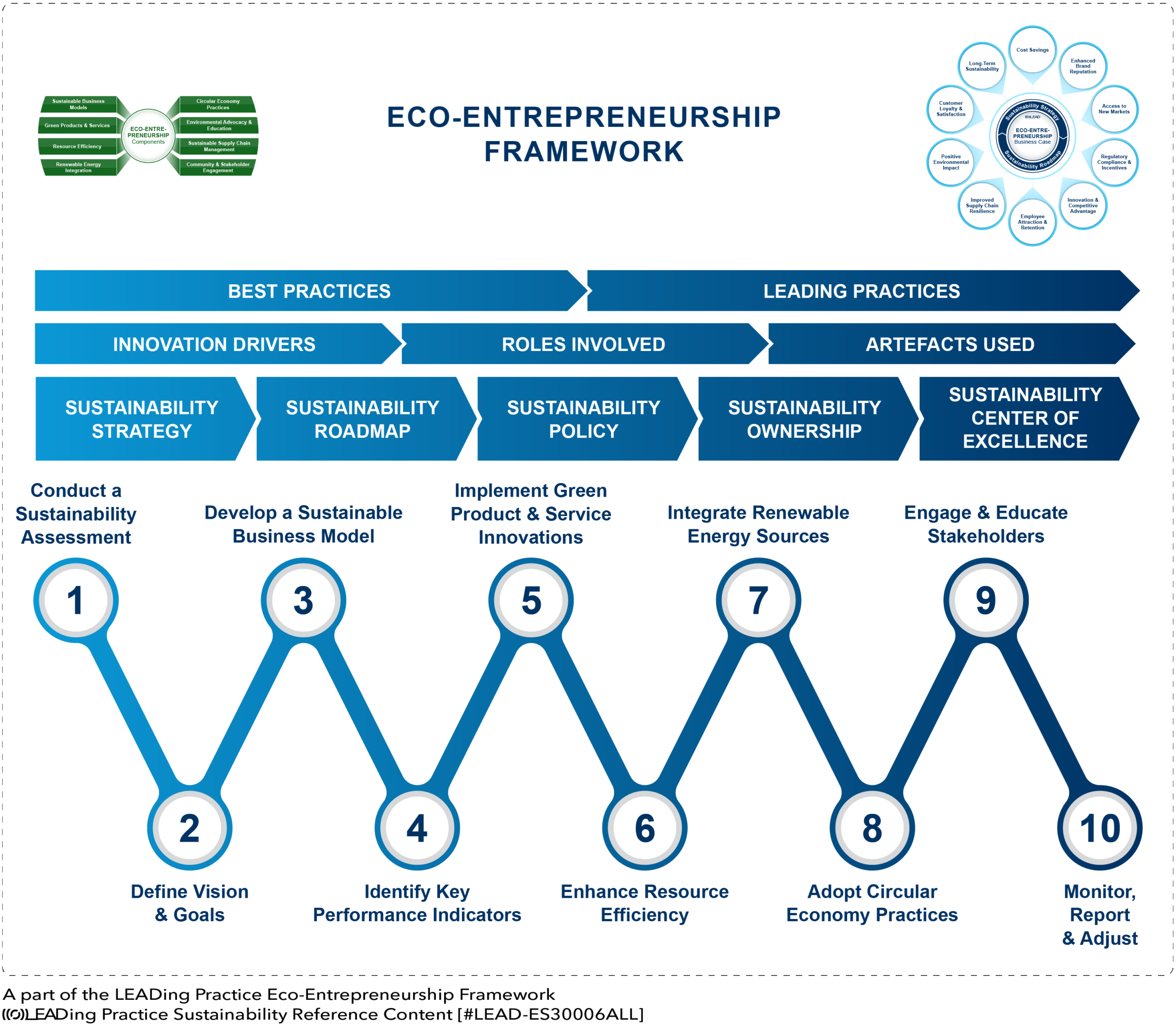
The 10-Step Way Forward:
The Eco-Entrepreneurship Framework provides the clarity and discipline needed to transform sustainability from an idea into action. Its ten steps help organizations evaluate impact, set goals, innovate, and engage all stakeholders, ensuring a complete and integrated approach. By defining responsibilities and timelines, it accelerates execution and avoids the pitfalls of unstructured efforts.
The framework also creates accountability, making it easier to measure and adjust performance over time. For businesses and communities alike, it serves as a trusted guide to build sustainable ventures that are resilient, competitive, and impactful—helping eco-entrepreneurs achieve real change with lasting results.
Contact Us
Wanna learn more ? Want to improve your company ?
Projects that require our help ?
Don't waste more time, contact us !
Most Common Pitfalls
The Most Common Pitfalls and Challenges
Eco-Entrepreneurship promises powerful results, but many initiatives fail because of poor planning, lack of alignment, or ineffective execution. Recognizing common pitfalls and challenges helps organizations avoid repeating mistakes. Antipatterns highlight recurring negative behaviors that undermine sustainability, while worst practices show damaging approaches that can derail even well-intentioned projects.
Understanding these patterns equips eco-entrepreneurs to anticipate obstacles, address risks early, and build stronger strategies. By learning what not to do, organizations can protect their investments, safeguard credibility, and create more successful, lasting eco-entrepreneurship initiatives.
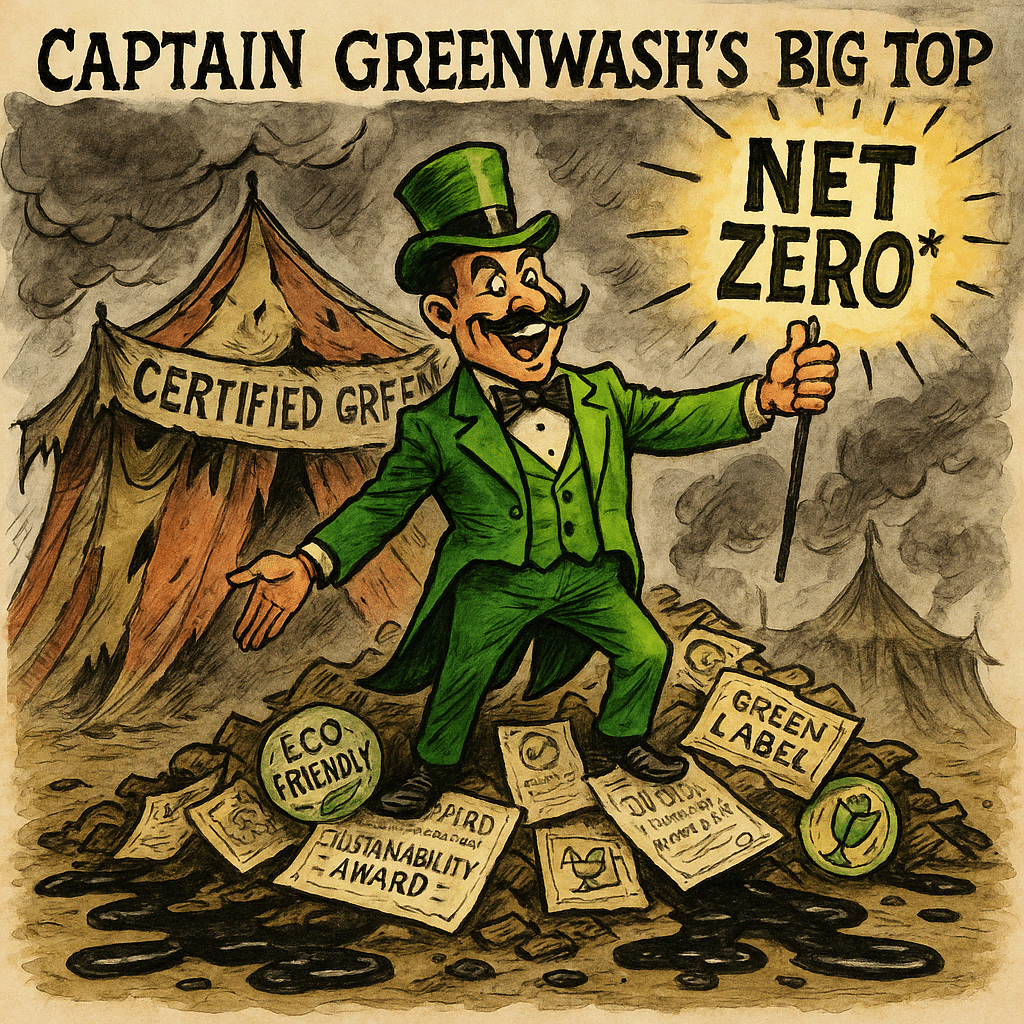
5 Antipattern Examples
- Greenwashing: Promoting sustainability without meaningful action, eroding trust and damaging brand reputation.
- Short-Termism: Prioritizing quick profits over long-term environmental and social goals, weakening resilience.
- Silo Thinking: Isolating sustainability from core business functions, preventing integration and collaboration.
- Technology Fixation: Relying only on technology solutions without changing behaviors, processes, or mindsets.
- Stakeholder Exclusion: Ignoring community, employee, or supplier input, leading to resistance and missed opportunities.

5 Worst Practice Examples
- Lack of Clear Metrics: Running projects without defined KPIs makes progress invisible and undermines accountability.
- Neglecting Supply Chains: Overlooking supplier practices can introduce hidden risks, increase emissions, and erode overall sustainability impact.
- Ignoring Cultural Change: Focusing on tools but neglecting mindset shifts causes resistance, disengagement, and superficial adoption.
- Underestimating Costs: Starting initiatives without realistic budgets leads to stalled projects and broken commitments.
- Copy-Paste Strategies: Copying others’ approaches without tailoring to context results in poor fit, inefficiency, and project failure.
Lessons Learned
Learning from the Outperformers: Lessons Learned
The most successful eco-entrepreneurs demonstrate that sustainability and profitability can thrive together. By studying outperformers, we uncover practices that consistently deliver strong environmental and business results. Best practices represent foundational approaches that every organization can adopt, while leading practices show how innovators push boundaries to achieve exceptional outcomes.
Together, they provide practical guidance and inspiration for organizations eager to accelerate their sustainability journey. Learning from those already succeeding helps reduce risks, avoid costly trial and error, and create pathways for faster, deeper impact.
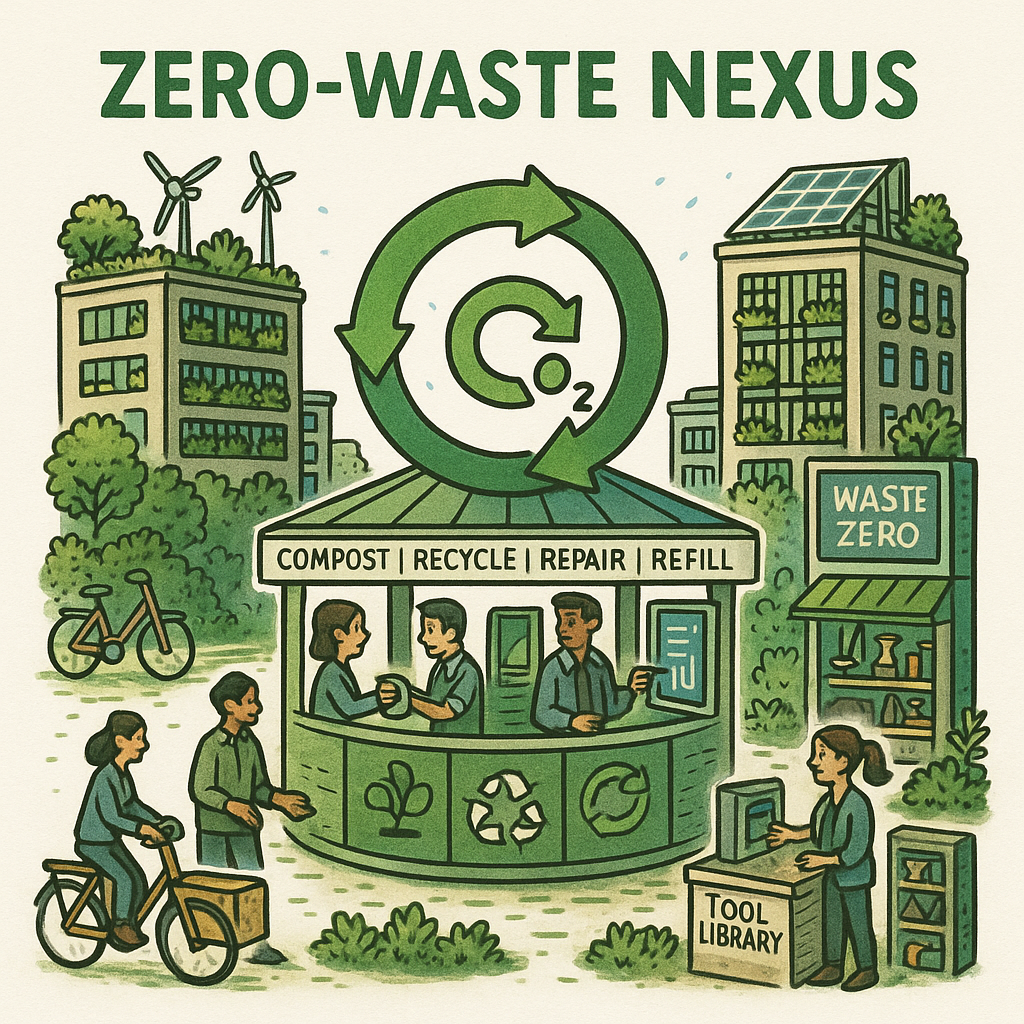
5 Best Practice Examples
- Embed Sustainability in Strategy: Align sustainability goals with overall business strategy to ensure long-term commitment and integration.
- Engage Stakeholders Early: Involve employees, customers, and communities at the start to build trust and shared ownership.
- Measure and Report Transparently: Track progress with clear metrics and share results openly to build accountability and credibility.
- Prioritize Resource Efficiency: Optimize energy, water, and material use across operations to cut costs and reduce environmental footprint.
- Foster a Culture of Innovation: Encourage teams to experiment and develop eco-friendly solutions through cross-functional collaboration.
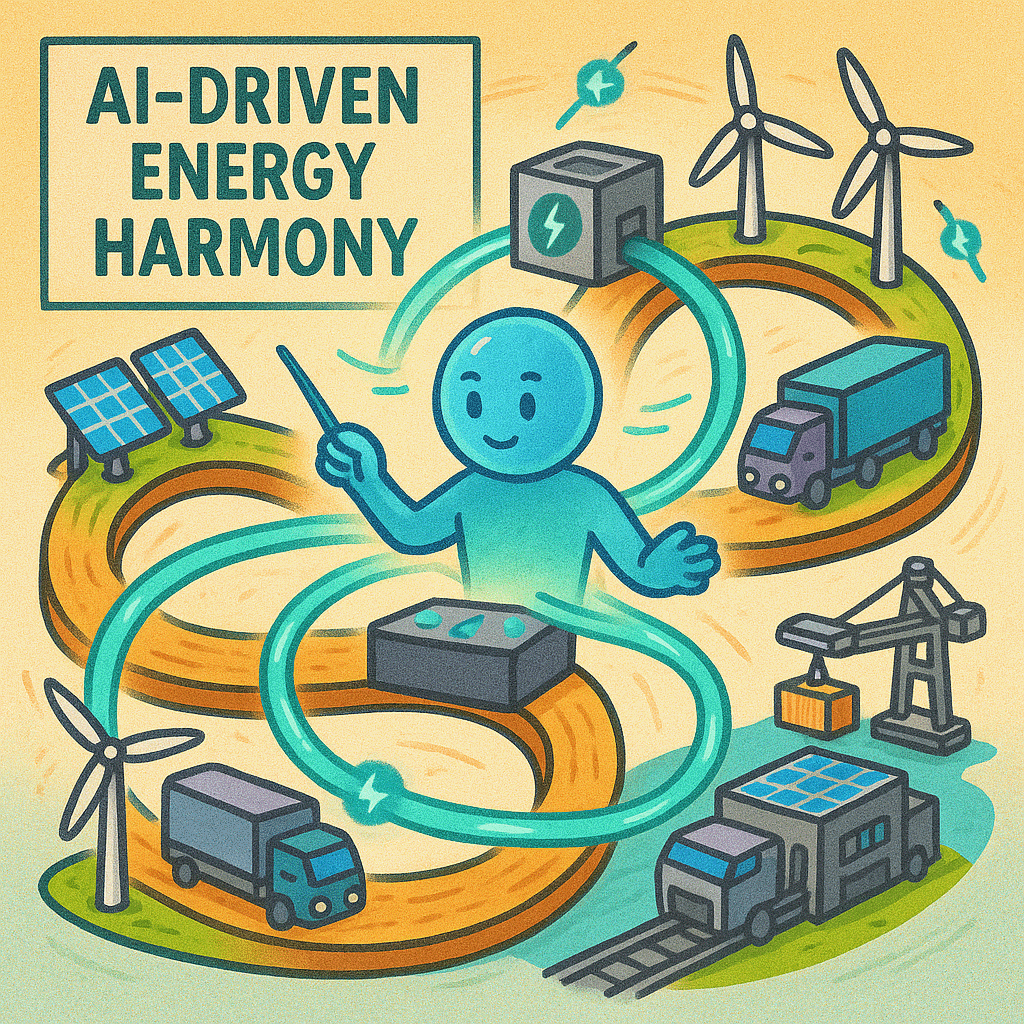
5 Leading Practice Examples
- Adopt Circular Economy at Scale: Move beyond recycling by redesigning entire value chains for reuse, repair, and regeneration, closing material loops across industries.
- Leverage Advanced Technologies: Use AI, IoT, and data analytics for predictive monitoring of energy use, waste, and emissions, enabling real-time efficiency improvements.
- Integrate Renewable Energy Ecosystems: Combine solar, wind, storage, and smart grids to create resilient, self-sufficient energy systems that future-proof business operations.
- Collaborate Across Sectors: Form partnerships with governments, NGOs, and competitors to co-develop industry standards and drive large-scale sustainability transformations.
- Champion Policy and Advocacy: Go beyond compliance by influencing environmental policy, shaping regulation, and advocating for systemic changes that benefit both business and society.
Most Common Artefacts
The Most Common Artefacts
Eco-Entrepreneurship relies on practical tools that help organizations structure, monitor, and scale their sustainability initiatives. These artefacts provide the frameworks, guidelines, and instruments needed to design eco-innovations effectively. By using them, businesses avoid starting from scratch and gain clarity on strategy, execution, and impact.
Each artefact serves a different purpose—from planning and stakeholder engagement to impact measurement and continuous learning. Together, they create a toolbox that empowers eco-entrepreneurs to turn sustainability commitments into actionable, measurable results.
| Artefact | Description | How it Can Be Used for Sustainability Innovation |
|---|---|---|
| Sustainability Action Plans | Strategic documents outlining sustainability goals, milestones, and timelines. | Provide a roadmap that integrates environmental targets into business operations and supports innovation planning. |
| Stakeholder Engagement Maps | Visual tools identifying stakeholders and their influence levels. | Ensure inclusive innovation by aligning strategies with stakeholder expectations and building trust. |
| Innovation & Transformation Canvas | Framework to capture eco-innovation opportunities and organizational transformation paths. | Stimulates ideation and integrates sustainable business model design into the innovation process. |
| Impact Assessment Frameworks | Systems for measuring economic, social, and environmental results. | Validate new solutions with evidence of triple-bottom-line outcomes. |
| Participatory Governance Models | Structures for collaborative and inclusive decision-making. | Empower stakeholders to co-create sustainable solutions and ensure broader acceptance. |
| Sustainability Mindset Training Modules | Educational content designed to build awareness and practical sustainability skills. | Equip teams with the mindset to drive eco-innovation effectively. |
| B-Corp Certification Guidelines | Standards for certifying social and environmental responsibility. | Benchmark organizational progress and inspire new practices to meet certification. |
| Socio-Environmental Risk Assessments | Tools to identify, prioritize, and mitigate sustainability risks. | Anticipate obstacles early and design more resilient innovations. |
| Regulatory Compliance Checklists | Structured lists of environmental laws and requirements. | Ensure eco-innovations comply with standards and qualify for incentives. |
| Green Marketing Guidelines | Principles for communicating sustainability credibly and transparently. | Build consumer trust and differentiate eco-friendly products in the market. |
| Innovation Pipeline Framework | Process for managing sustainable idea generation through to execution. | Systematically advance eco-innovation projects from concept to launch. |
| Network and Collaboration Agreements | Formalized partnerships with NGOs, government, or business peers. | Leverage shared resources and co-develop sustainability solutions. |
| Continuous Learning Platforms | Tools for ongoing education and knowledge-sharing in sustainability. | Keep teams updated on trends and integrate the latest practices into projects. |
Overview of the most common artefacts used with Eco-Entrepreneurship.
Artefacts are essential instruments for transforming eco-entrepreneurship from vision into practice. They guide organizations through planning, stakeholder alignment, risk management, and measurement, ensuring initiatives are not only ambitious but also practical and effective. By applying these tools, eco-entrepreneurs can innovate with confidence, track real impact, and foster accountability.
More importantly, they encourage collaboration and transparency, making sustainability a shared responsibility. Whether through action plans, assessment frameworks, or certification guidelines, these artefacts provide the practical foundation needed to design and scale eco-entrepreneurial projects that drive lasting change.
Conclusion
Eco-Entrepreneurship represents a powerful shift in how businesses approach growth, innovation, and responsibility. It is not only about creating profits but also about safeguarding natural resources, building resilient communities, and shaping a sustainable future. Through its eight main components, entrepreneurs gain clarity on the key areas to focus on, while the business case proves that sustainability delivers tangible value to owners, employees, customers, and society.
The framework provides a structured way forward, ensuring that strategies are implemented with discipline and impact. By avoiding common pitfalls, learning from outperformers, and leveraging practical artefacts, organizations can accelerate their eco-entrepreneurship journey. The message is clear: sustainability is no longer optional—it is the foundation of competitiveness, relevance, and long-term success in the modern economy.