

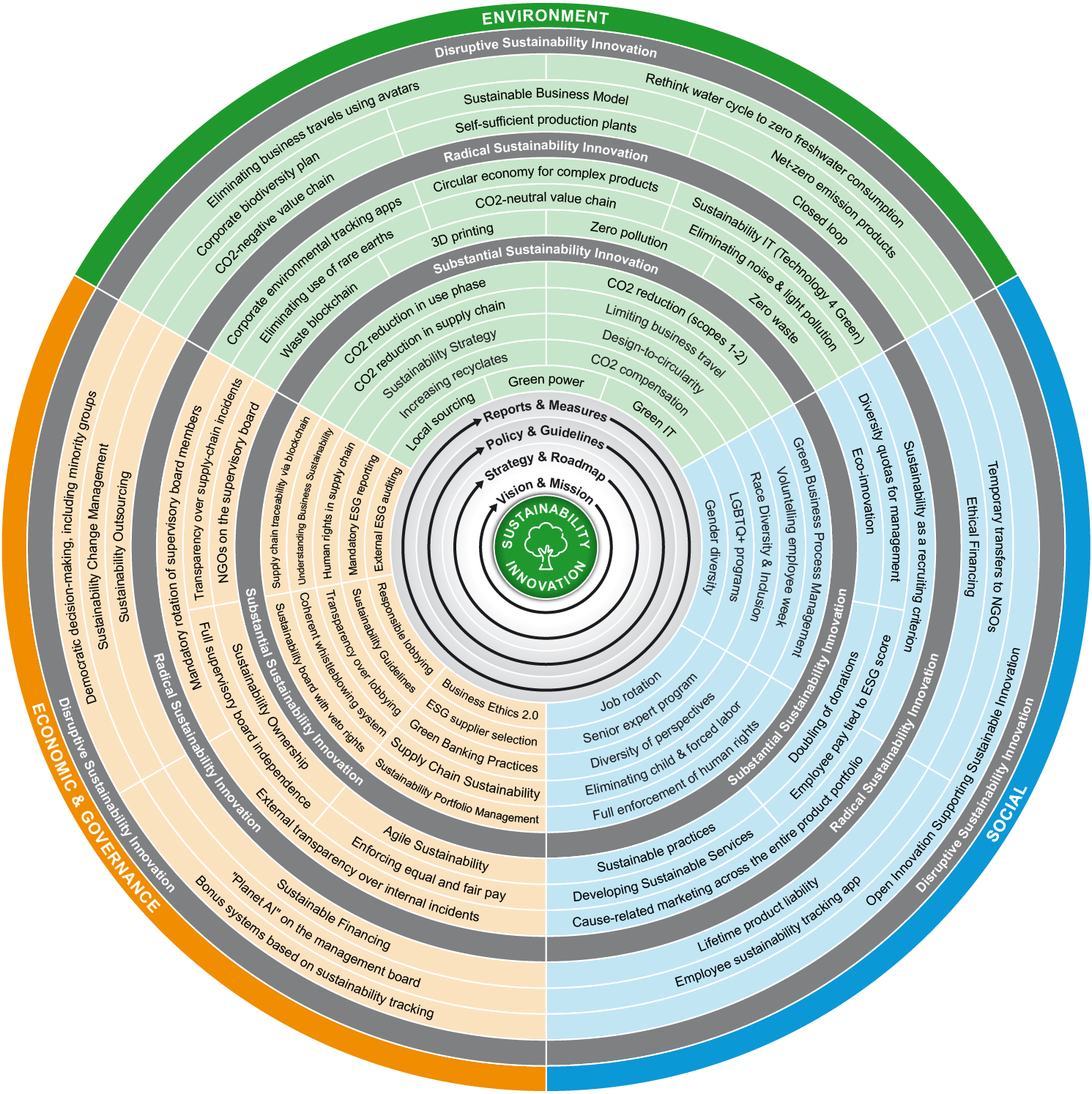
What is the Role of Transformation in Sustainability?
Transformation plays a pivotal role in helping organizations align with long-term environmental, social, and economic goals. It goes beyond surface-level improvements, requiring a complete rethinking of how value is created and delivered. This means embedding sustainability into core strategies, redesigning products and services, and fostering a culture that prioritizes innovation, accountability, and systemic change. Successful transformation equips businesses to respond to growing regulatory demands, investor scrutiny, and shifting consumer expectations.
It demands strong leadership, integrated decision-making, and the development of new capabilities to manage environmental and social impacts. Digital tools and data-driven strategies can support this shift by enhancing transparency and operational efficiency. Despite challenges such as internal resistance and difficulties in measuring long-term benefits, transformation is essential for future-proofing business models. Companies that embrace this change are better positioned to lead in sustainable markets, avoid risks, and create lasting value for stakeholders across the supply chain.
Main Components
The 8 Main Components of Transformation in Sustainability
The Role of Transformation in Sustainability is built on a foundation of key components that guide organizations through meaningful, systemic change. These eight core elements represent the building blocks of a successful sustainability journey, helping businesses move beyond surface-level initiatives toward integrated, long-term impact.
From strategic vision and leadership to innovation, culture, and data-driven decision-making, each component plays a vital role in embedding sustainability at the heart of organizational purpose and practice
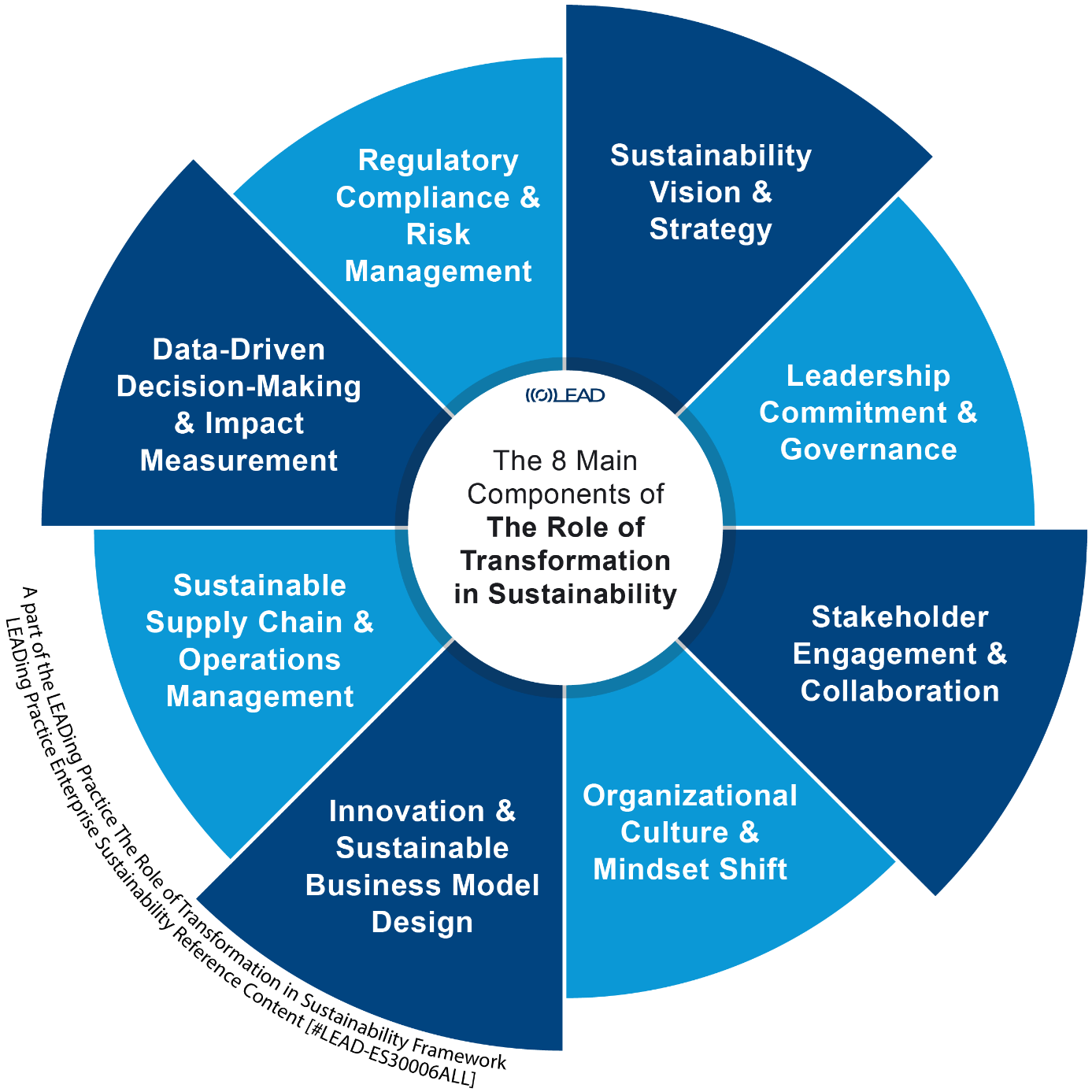
The eight main components:
Together, these eight components provide a clear and actionable framework for driving sustainability transformation. By aligning vision, leadership, culture, innovation, operations, and stakeholder engagement, organizations can embed sustainability into their core strategies.
This integrated approach not only supports long-term resilience and value creation but also positions organizations as leaders in a rapidly evolving sustainability landscape.
Why This Is Relevant
Why is the Role of Transformation in Sustainability So Relevant?
Sustainability transformation is more relevant than ever as organizations face escalating environmental, social, and economic challenges. Climate change, resource depletion, and rising social inequality demand more than incremental improvements—they require systemic shifts in how businesses operate. Transformation enables organizations to address root causes of unsustainable practices by embedding sustainability into their core strategies, operations, and culture. This shift is vital to mitigate environmental impacts, adapt to climate risks, and transition from linear to circular business models. Stakeholders—including consumers, investors, and regulators—are demanding transparency, accountability, and genuine action.
Organizations that transform can better meet these expectations, enhance brand reputation, reduce risk, and access new growth opportunities in the green economy. Sustainability transformation also supports global priorities such as the UN Sustainable Development Goals by promoting inclusive, equitable systems that benefit all stakeholders. It empowers innovation by inspiring new business models, technologies, and services aligned with sustainability objectives. In short, transformation is not just a strategic advantage—it is a necessity. It enables organizations to lead responsibly, stay resilient in a changing world, and deliver long-term value to both society and shareholders.
Business/Value Case
The Business/Value Case for the Role of Transformation in Sustainability
Transforming toward sustainability delivers tangible and strategic value across all aspects of business. By embedding sustainability into core operations, organizations can strengthen resilience, reduce costs, build brand trust, and secure long-term growth.
This transformation goes beyond compliance—positioning businesses to thrive in a rapidly evolving economic, social, and regulatory environment.
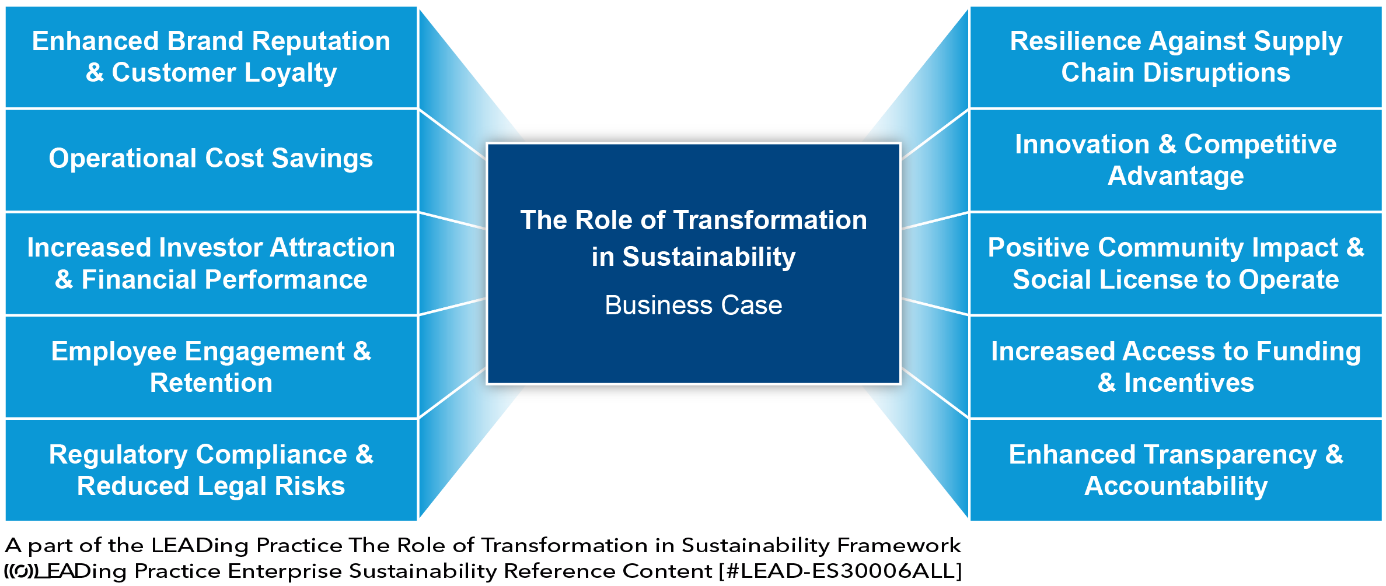
Ten key benefits illustrate this value:
The transformation toward sustainability is not just a moral or environmental choice—it’s a strategic business imperative. As shown through these ten key benefits, sustainability transformation delivers tangible value across financial performance, operational efficiency, stakeholder trust, and long-term resilience.
By embedding sustainability into their core strategy, organizations can future-proof their operations, strengthen competitive advantage, and create meaningful impact for all stakeholders.
How-To-Guide
How-To-Guide: The Role of Transformation in Sustainability Framework
The Role of Transformation in Sustainability Framework provides a clear, actionable roadmap for organizations aiming to embed sustainability into their operations. Designed to be applied across industries and company sizes, this 10-step framework helps align sustainability goals with business strategy, secure leadership commitment, and build cross-functional teams responsible for implementation. By starting with a defined vision and measurable objectives, organizations can create a sustainability business case that drives alignment and accountability.
The process continues with capacity-building, stakeholder engagement, and pilot initiatives that test and refine solutions before scaling them. Continuous measurement and transparent reporting ensure that progress is tracked and improvements are made over time. The framework emphasizes structured collaboration, empowering all levels of an organization to contribute to long-term sustainability transformation. With clearly assigned roles, tools, and milestones, it transforms sustainability from a vague ambition into a practical, results-driven journey.
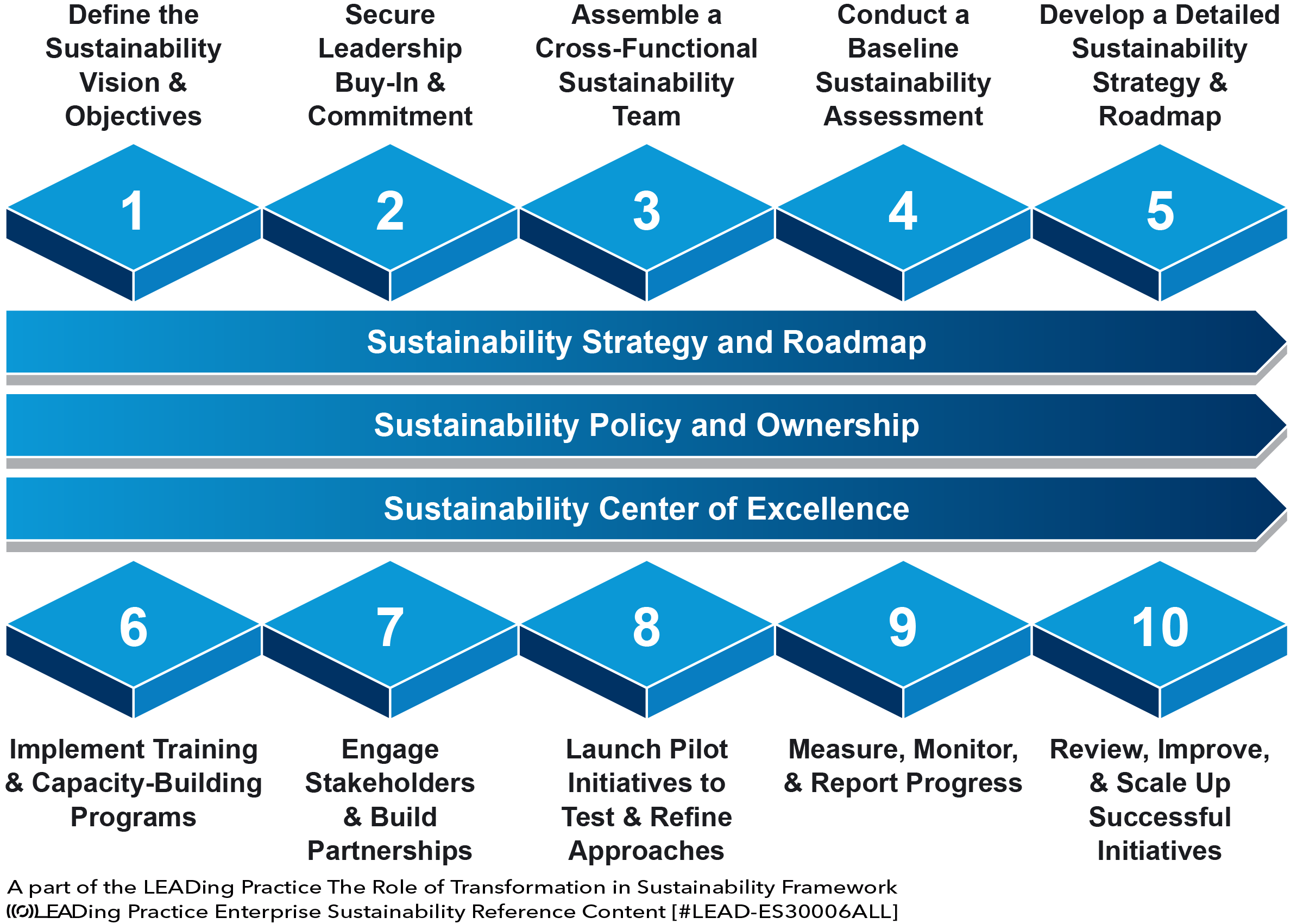
The 10-Step Way Forward:
Successfully navigating sustainability transformation requires a strategic blend of proven best practices and insights from leading organizations. By embedding sustainability into core strategy, fostering innovation, engaging stakeholders, setting measurable goals, and building resilience, businesses can create a strong foundation for lasting impact.
Learning from industry leaders like IKEA, Unilever, Patagonia, Siemens, and Danone offers practical inspiration and demonstrates that sustainability, when fully integrated, drives both environmental responsibility and business success.
Contact Us
Wanna learn more ? Want to improve your company ?
Projects that require our help ?
Don't waste more time, contact us !
Most Common Pitfalls
The Most Common Pitfalls and Challenges
Transitioning from compliance to leadership in sustainability offers immense potential—but also significant risk. Many organizations struggle with this shift, falling into predictable traps that can derail progress, dilute impact, and damage credibility. Recognizing and avoiding these pitfalls is critical for achieving genuine sustainability leadership. Avoiding these pitfalls begins with awareness. By studying real-world failures and challenges, organizations can apply collective intelligence to design more effective strategies.
This not only accelerates progress but also minimizes costly missteps. Avoidance of common mistakes isn't just about efficiency—it's about credibility, long-term value, and real impact. In sum, navigating the path to sustainability leadership requires more than ambition—it requires insight, commitment, and a willingness to learn from both success and failure. Understanding these common antipatterns empowers organizations to lead with clarity, purpose, and resilience.
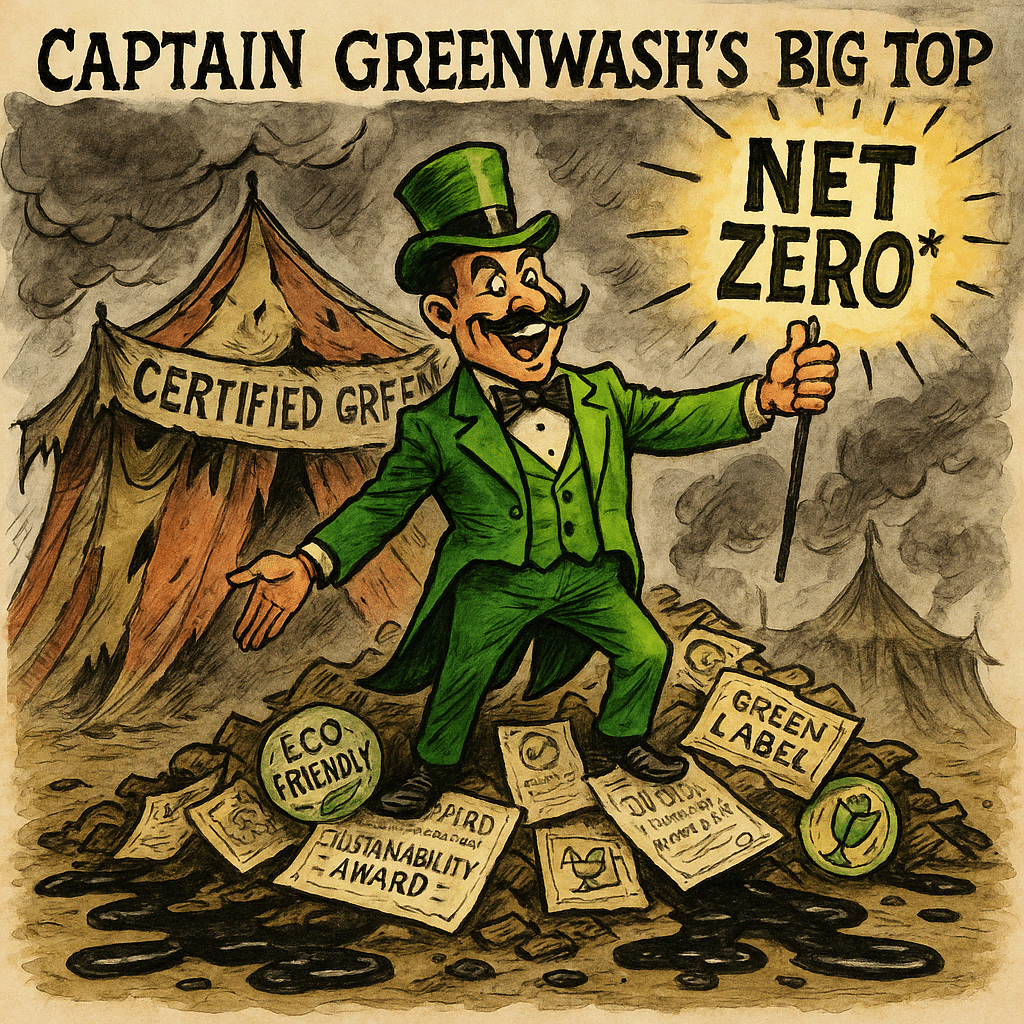
5 Antipattern Examples
- Greenwashing: Superficial sustainability claims mask continued unsustainable practices, eroding trust when exposed.
- Top-down Mandates with No Buy-in: Employees resist initiatives imposed without their input or relevance to their roles.
- Sustainability as a Cost Centre: Viewing sustainability purely as an expense limits ambition and undervalues long-term gains.
- Copy-Paste Models: Adopting external strategies without tailoring them to local context or culture results in poor fit and execution.
- Reactive vs. Proactive Approach: Responding only to external pressures (regulations, trends) instead of proactively shaping sustainability strategies leads to fragility and missed opportunities.

5 Worst Practice Examples
- Siloed Initiatives : Sustainability is handled in isolation (e.g., only by CSR), making it peripheral to the organization’s main business activities.
- Weak Leadership Support : Transformation flounders when leadership doesn't actively champion sustainability.
- Chasing Quick Wins : Short-term gains are prioritized over meaningful, systemic change.
- Stakeholder Exclusion : Key groups are left out of the process, reducing buy-in and undermining inclusivity.
- No Clear Metrics : Lacking KPIs or accountability structures causes sustainability efforts to drift and lose credibility.
Lessons Learned
Learning from the Outperformers: Lessons Learned
Sustainability transformation is a complex and far-reaching endeavor that no organization should attempt alone. As global challenges like climate change and resource scarcity grow increasingly interconnected, learning from others becomes essential.
By drawing on the experiences—both successes and failures—of organizations that have already undertaken sustainability initiatives, businesses can avoid common pitfalls, accelerate their progress, and design more impactful strategies. This collective approach to learning helps unlock innovative solutions that can be adapted across industries and sectors.
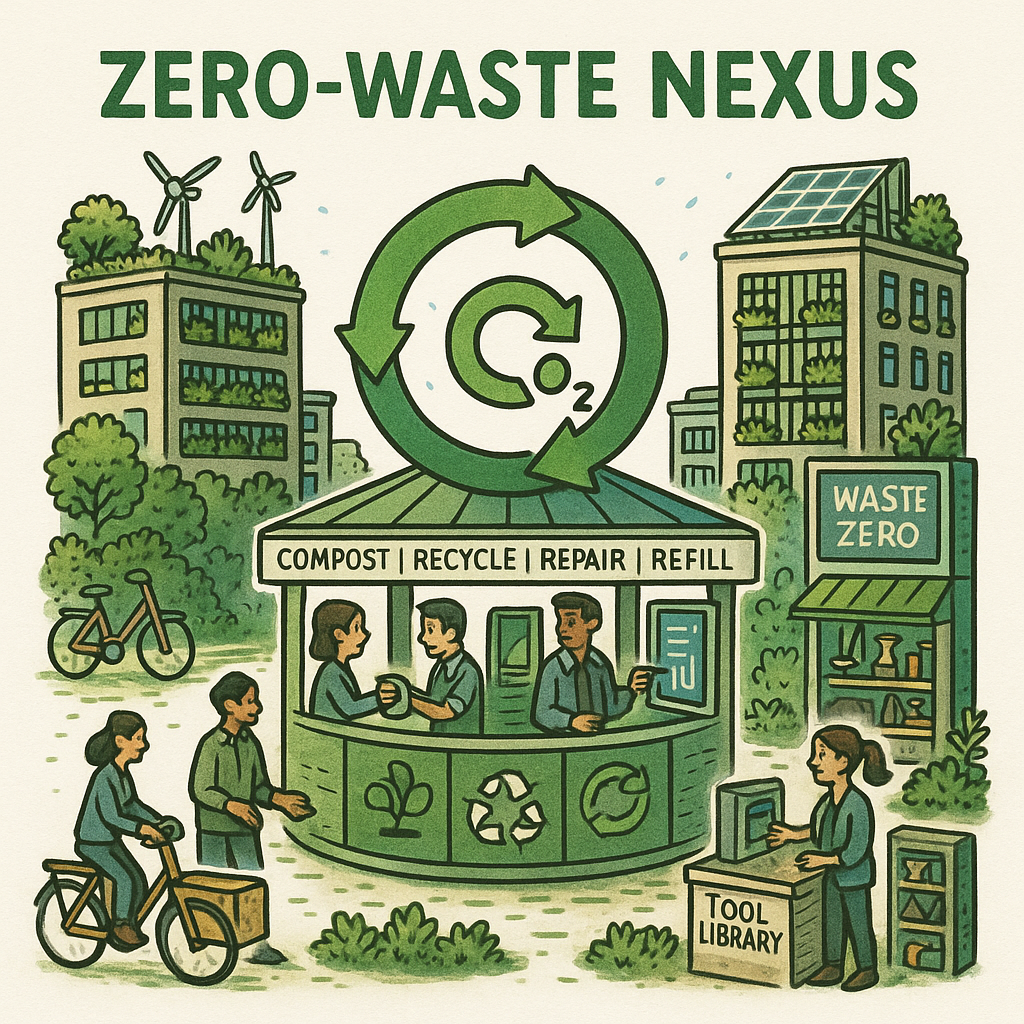
5 Best Practice Examples
- Benchmarking Against Other Organizations: By learning from the successes and failures of others, organizations can avoid common mistakes, accelerate their progress, and develop more effective strategies.
- Adapting Transferable Solutions Across Sectors: The solutions to these challenges are often transferable across sectors... organizations can adapt best practices and innovative approaches that have been successful elsewhere.
- Using Collective Intelligence for Problem-Solving: Collective intelligence... is a powerful tool for problem-solving and innovation.
- Studying Real-World Case Studies: These outperformers provide valuable case studies and benchmarks that other organizations can learn from.
- Fostering Cross-Sector Collaboration: Sustainability transformation... requires cooperation across industries, sectors, and borders.
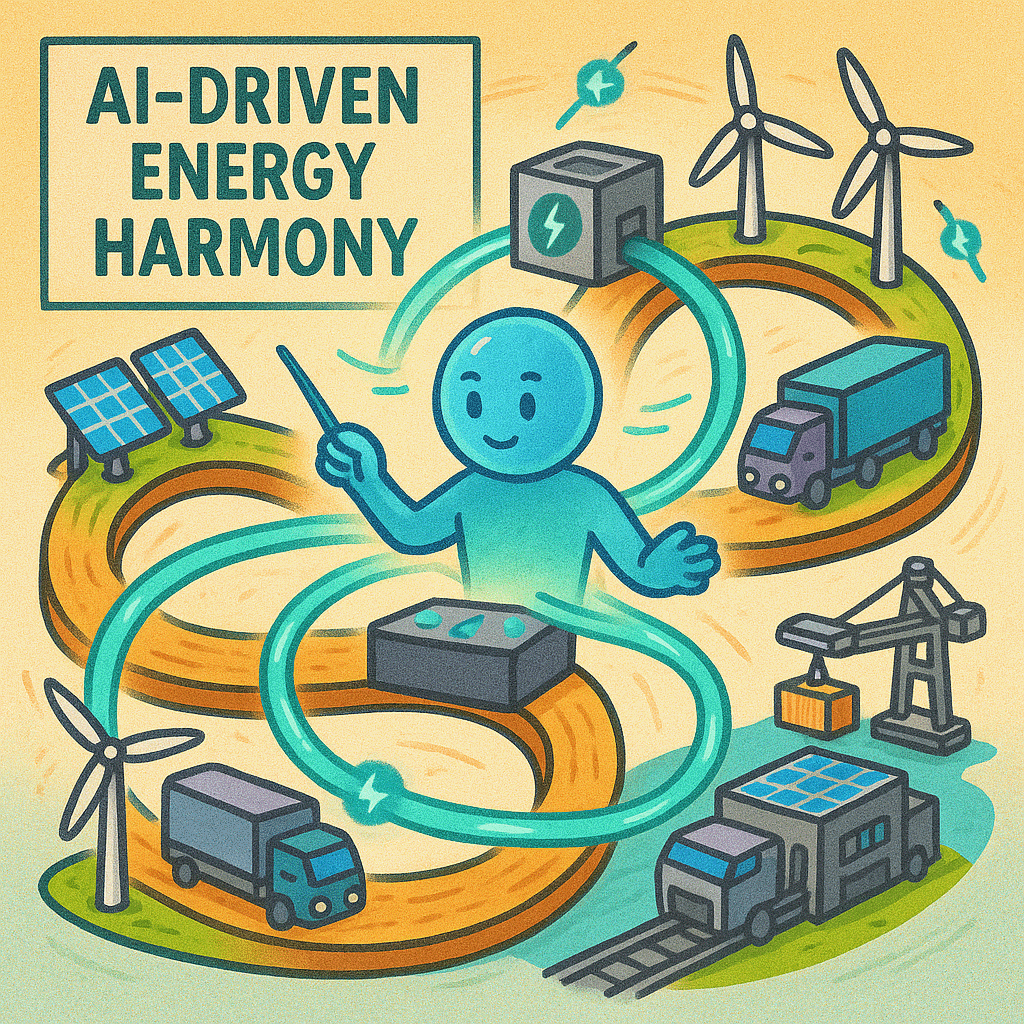
5 Leading Practice Examples
- Leveraging Outperformers’ Blueprints: Companies like Unilever, Patagonia, and IKEA... have created blueprints that others can follow.
- Embedding Sustainability into Core Strategy: Embedding sustainability into their core business strategies not only drives environmental and social impact but also enhances long-term profitability and resilience
- Building Networks for Shared Sustainability Goals: This shared approach to learning and transformation helps build a network of organizations working towards common sustainability goals.
- Using Leading Performers as Strategic Learning Sources: Collective intelligence is built on the insights of outperformers—organizations that have excelled in embedding sustainability into their core strategies.
- Transforming Learning into a Competitive Advantage: By leveraging collective intelligence and drawing on the experiences of others, organizations can more effectively navigate the challenges of sustainability and achieve their goals.
Most Common Artefacts
The Most Common Artefacts
Organizations rely on a set of key tools and artefacts to embed sustainability into their operations and accelerate transformation. These include structured frameworks that guide strategy, Key Performance Indicators (KPIs) to track impact, and carbon footprint calculators to identify emission reduction opportunities. Life Cycle Assessments (LCA) help evaluate environmental impacts across product lifecycles, while sustainability reports enhance transparency and stakeholder trust. Tools like sustainable supply chain systems and circular economy models promote responsible sourcing and waste reduction.
Environmental Management Systems (EMS) provide a structured approach to improving environmental performance. Stakeholder engagement platforms foster collaboration, ensuring diverse input into sustainability strategies. Lastly, certifications such as B Corp or LEED build credibility by validating sustainability achievements. Together, these artefacts offer the strategic, operational, and reporting support organizations need to drive measurable, long-term sustainability transformation.
| Artefact | Description | How it Can Be Used for Sustainability Transformation |
|---|---|---|
| Sustainability Frameworks | Structured guidelines or models that provide a roadmap for integrating sustainability into business operations. | Helps organizations establish a clear pathway and ensures alignment with sustainability goals across all departments. |
| Key Performance Indicators (KPIs) | Measurable targets used to assess the effectiveness and progress of sustainability initiatives. | Allows for tracking sustainability efforts, measuring success, and identifying areas that need improvement. |
| Carbon Footprint Calculators | Tools to measure the total amount of greenhouse gases emitted directly and indirectly by an organization. | Identifies opportunities to reduce emissions, contributing to efforts to mitigate climate change. |
| Life Cycle Assessment (LCA) | Methodology for assessing environmental impacts associated with all stages of a product's life, from raw material extraction to disposal. | Helps organizations understand and minimize the environmental impacts of their products or services. |
| Sustainability Reports | Documents that disclose an organization's environmental, social, and governance (ESG) performance to stakeholders. | Increases transparency, improves stakeholder engagement, and tracks progress toward sustainability goals. |
| Sustainable Supply Chain Tools | Systems that monitor and manage the sustainability of an organization’s supply chain. | Ensures that sustainability practices extend throughout the supply chain, reducing environmental and social risks. |
| Circular Economy Models | Business models that emphasize reducing waste by keeping materials in use for as long as possible through recycling and reuse. | Encourages sustainable product design and resource efficiency, driving waste reduction and sustainability innovation. |
| Environmental Management Systems (EMS) | Frameworks that help organizations manage their environmental responsibilities systematically. | Provides a structured approach to improving environmental performance and achieving sustainability objectives. |
| Stakeholder Engagement Platforms | Tools or methods for engaging and collaborating with key stakeholders on sustainability issues. | Fosters collaboration, ensures diverse input into sustainability strategies, and strengthens community and stakeholder relations. |
| Sustainability Certifications | Independent validation that an organization meets specific sustainability criteria (e.g., B Corp, LEAD). | Builds credibility and trust with consumers, investors, and other stakeholders by verifying sustainability efforts. |
Overview of the most common artefacts used with the Role of Transformation in Sustainability
Artefacts play a vital role in supporting sustainability transformation by offering structured tools, frameworks, and measurement systems. From sustainability frameworks and KPIs to lifecycle assessments and stakeholder engagement platforms, these artefacts help organizations operationalize their sustainability goals.
By leveraging these resources, businesses can enhance transparency, drive continuous improvement, and embed sustainability into every aspect of their strategy and operations.
Conclusion
Sustainability transformation is no longer optional—it is a strategic imperative for organizations aiming to remain competitive, resilient, and relevant. True transformation goes beyond minor operational tweaks; it requires rethinking an organization’s purpose, culture, and strategy to align with long-term environmental and social goals. Integrating sustainability into core operations demands leadership commitment, cross-functional collaboration, and a shift from short-term profit focus to long-term value creation. Organizations must adopt structured approaches using tools like sustainability frameworks, KPIs, and stakeholder engagement platforms to track progress, foster innovation, and build accountability.
Companies that lead in sustainability—such as Unilever and Patagonia—demonstrate that embedding these principles drives both impact and profitability. Learning from such examples, avoiding common pitfalls, and applying best practices can guide other organizations toward successful transformation. The urgency is clear: with growing environmental and social challenges, the window for meaningful action is closing. Organizations that act decisively will build trust, future-proof their business, and contribute to global well-being. The time to lead the sustainability transformation is now.