
What is Circular Economy?
Circular Economy (CE) is a transformative alternative to the traditional linear economic model, which follows a “take, make, dispose” approach. Instead of extracting resources, producing goods, and discarding them after use, Circular Economy envisions a regenerative system where materials, products, and resources remain in use for as long as possible. By prioritizing durability, reuse, repair, and recycling, CE minimizes waste and environmental damage while unlocking new opportunities for innovation and value creation. Rooted in sustainability principles, it integrates economic prosperity with environmental stewardship and social well-being, offering a systemic way to align business growth with global sustainability goals.
Circular Economy is more than a sustainability buzzword—it is a systemic economic model that redefines how we design, produce, use, and recover resources. By turning waste into value and decoupling growth from resource depletion, CE enables organizations, governments, and individuals to actively participate in creating resilient and sustainable societies. It blends innovation with responsibility, ensuring that economic development supports planetary boundaries and human well-being. In short, Circular Economy replaces the outdated linear approach with a regenerative, future-proof way of living and doing business.
Main Components
The 8 Main Components of Circular Economy
The Circular Economy is not a single practice but a framework of interconnected strategies that together create a regenerative system. Its strength lies in addressing every stage of the value chain, from product design to resource recovery. By embedding these components, organizations and societies can minimize waste, optimize resource use, and drive sustainable innovation.
Each component reinforces the others, ensuring that circularity is not just a series of isolated actions but a holistic model for long-term prosperity. The following eight components highlight the key building blocks of Circular Economy, offering a structured way to reimagine and transform economic activities for sustainability.
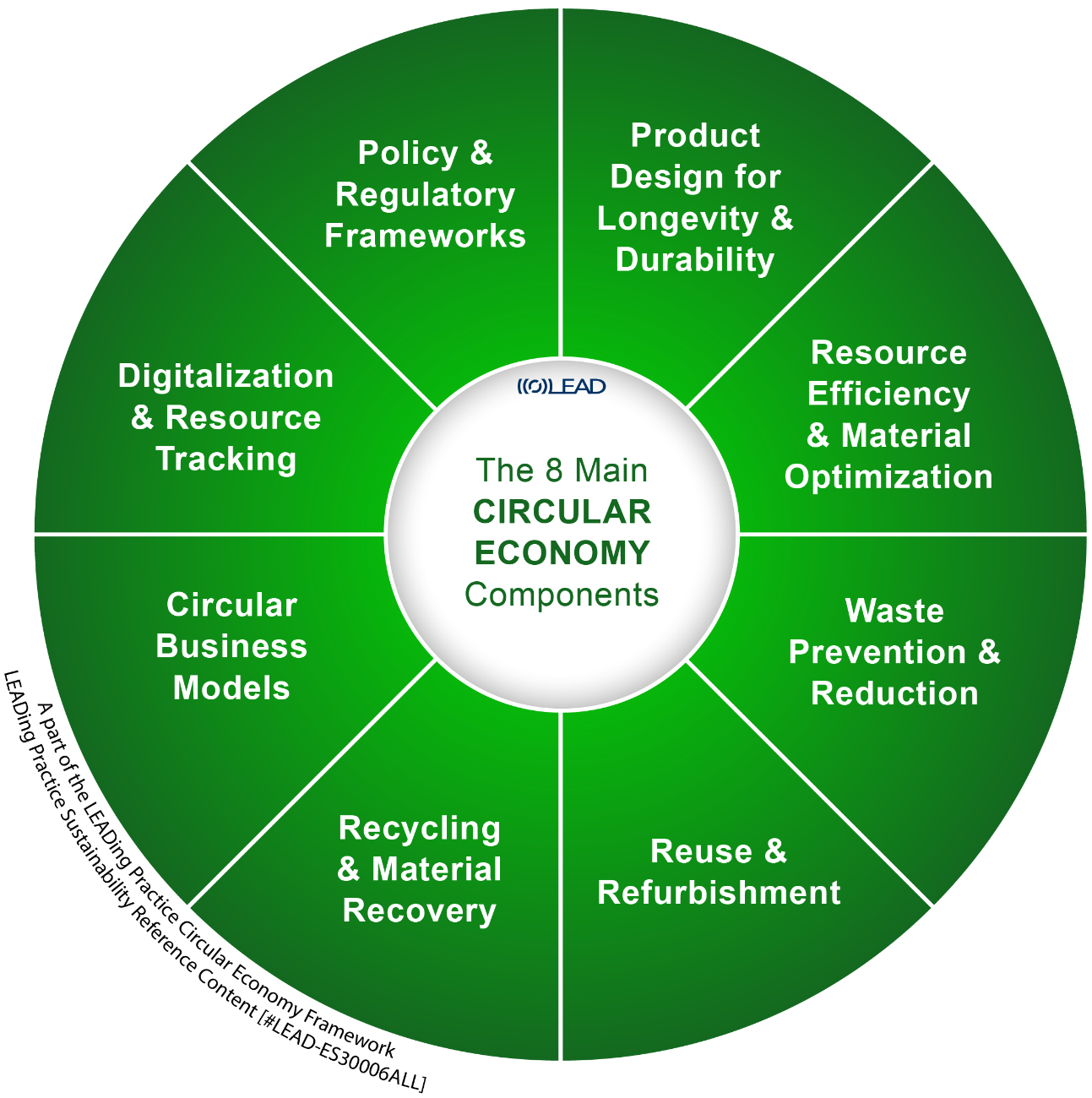
Below are the eight main components of Circular Economy, reflecting both structural patterns and actionable insights for organizations:
These eight components collectively form the foundation of a Circular Economy. From durable product design and resource efficiency to advanced recycling, circular business models, and supportive policies, each element contributes to building a regenerative system. Digitalization adds intelligence and traceability, while reuse and waste prevention tackle resource challenges at the source.
Together, they reshape production, consumption, and waste management in a way that reduces environmental impact and enhances resilience. By embracing these principles, organizations and societies unlock innovation, create value, and accelerate the transition to a more sustainable future.
Why This Is Relevant
Why is Circular Economy so Relevant?
Circular Economy (CE) has become increasingly relevant because it directly addresses some of the most pressing global challenges of our time. Traditional linear economic systems—where materials are extracted, transformed into products, and ultimately discarded—are no longer sustainable in the face of climate change, biodiversity loss, and the depletion of natural resources. By rethinking how products are designed, used, and repurposed, CE introduces a systemic shift that creates lasting economic, social, and environmental benefits. It is not simply about managing waste more effectively, but about redesigning the entire economy to regenerate resources, minimize environmental impact, and ensure long-term resilience. The relevance of CE lies in its holistic approach. It tackles multiple challenges at once by aligning resource efficiency with climate action, business resilience, and social well-being. Unlike fragmented solutions that focus on single aspects of sustainability, CE creates interconnected systems where waste is reduced at the source, materials retain their value longer, and resources remain in productive cycles. This integrated model helps organizations manage risks from volatile supply chains, meet stricter regulatory requirements, and respond to growing consumer demand for responsible business practices.
At the same time, it supports governments in reaching climate commitments and Sustainable Development Goals, while generating new opportunities for inclusive growth, job creation, and innovation across industries. Circular Economy is so relevant today because it goes beyond incremental improvements to offer a transformative framework that meets global environmental, economic, and social demands simultaneously. It ensures that growth is no longer tied to unsustainable resource consumption and instead drives innovation, competitiveness, and resilience. By embedding circular principles into operations, societies and businesses can not only mitigate risks but also unlock long-term value. The urgency of global challenges makes CE more than just a strategic option—it is an essential pathway toward a sustainable future.
Business/Value Case
The Business/Value Case for Circular Economy
The Circular Economy offers a compelling value case for organizations, governments, and societies. Far from being just an environmental initiative, it delivers concrete business, financial, and social advantages. By optimizing resources, minimizing waste, and rethinking business models, organizations can reduce costs, create new revenue streams, and strengthen brand reputation.
At the same time, CE supports broader societal benefits such as job creation, resilience, and compliance with global sustainability goals. This holistic business case highlights why CE is becoming a mainstream strategy, not only for sustainability officers but also for executives, policymakers, investors, and consumers who recognize its ability to deliver long-term value.

Below are ten key benefits that highlight why this approach is essential for modern organizations:
The business case for Circular Economy is clear: it simultaneously reduces costs, creates opportunities, and strengthens resilience. By aligning economic growth with sustainability, CE provides value to businesses, governments, and society. It opens new markets, ensures compliance with evolving regulations, and builds trust with consumers while driving innovation and job creation.
For leaders, the Circular Economy is not just a tool for environmental responsibility but a proven strategy for competitive advantage and long-term value creation. In this way, CE transforms sustainability into a driver of prosperity.
How-To-Guide
How-To-Guide: The Local Sourcing Framework
Implementing Circular Economy requires more than ambition; it needs a structured, practical framework. The Circular Economy Framework provides organizations with a step-by-step approach that integrates circular principles into strategies, operations, and culture. It acts as both a roadmap and a governance model, guiding organizations through the complexity of change while ensuring alignment across departments, roles, and stakeholders.
This framework links directly to the Circular Economy business case by showing not only why change is valuable but also how to execute it. By embedding a standardized structure, organizations can accelerate results, avoid missteps, and ensure that leadership, employees, partners, and communities work together toward regenerative and sustainable outcomes.

The 10-Step Way Forward:
The Circular Economy Framework provides the structure organizations need to transform ambition into action. By following a standardized ten-step process, companies can ensure that awareness, design, innovation, supply chain integration, and evaluation are systematically addressed. This roadmap fosters collaboration across roles, accelerates adoption, and makes Circular Economy initiatives scalable.
It ensures that the business case is realized through tangible outcomes and provides clarity on what to do, when, where, how, and by whom. Ultimately, the framework equips organizations with the confidence and tools to move from strategy to execution, building resilience and long-term sustainability.
Contact Us
Wanna learn more ? Want to improve your company ?
Projects that require our help ?
Don't waste more time, contact us !
Most Common Pitfalls
The Most Common Pitfalls and Challenges
Local sourcing can create significant value, but only if implemented carefully. Many organizations underestimate the complexity of engaging local suppliers, balancing costs, and maintaining sustainability goals. Common pitfalls often arise from neglecting stakeholder engagement, overemphasizing short-term gains, or failing to assess risks effectively.
By recognizing both antipatterns and worst practices, organizations can avoid repeating mistakes that have led others to fail. These insights help leaders adopt a more thoughtful, resilient, and sustainable approach to building proximity-driven supply chains.
5 Antipattern Examples
- Linear Thinking in Disguise: Replacing linear inputs with circular materials without redesigning processes creates a false sense of progress and perpetuates unsustainable practices.
- Recycling as the Only Solution: Treating recycling as the primary answer overlooks upstream design improvements, reuse, and waste prevention, limiting the true impact of circular strategies.
- Ignoring Stakeholder Engagement: Failing to involve suppliers, employees, or consumers in CE initiatives results in fragmented adoption and low acceptance of circular models.
- Overcomplicating Metrics: Introducing overly complex indicators confuses stakeholders, slowing decision-making and reducing momentum toward effective circular transformation.
- Neglecting Social Dimensions: Focusing only on environmental gains while ignoring job creation, equity, and inclusiveness reduces the societal value of CE initiatives.
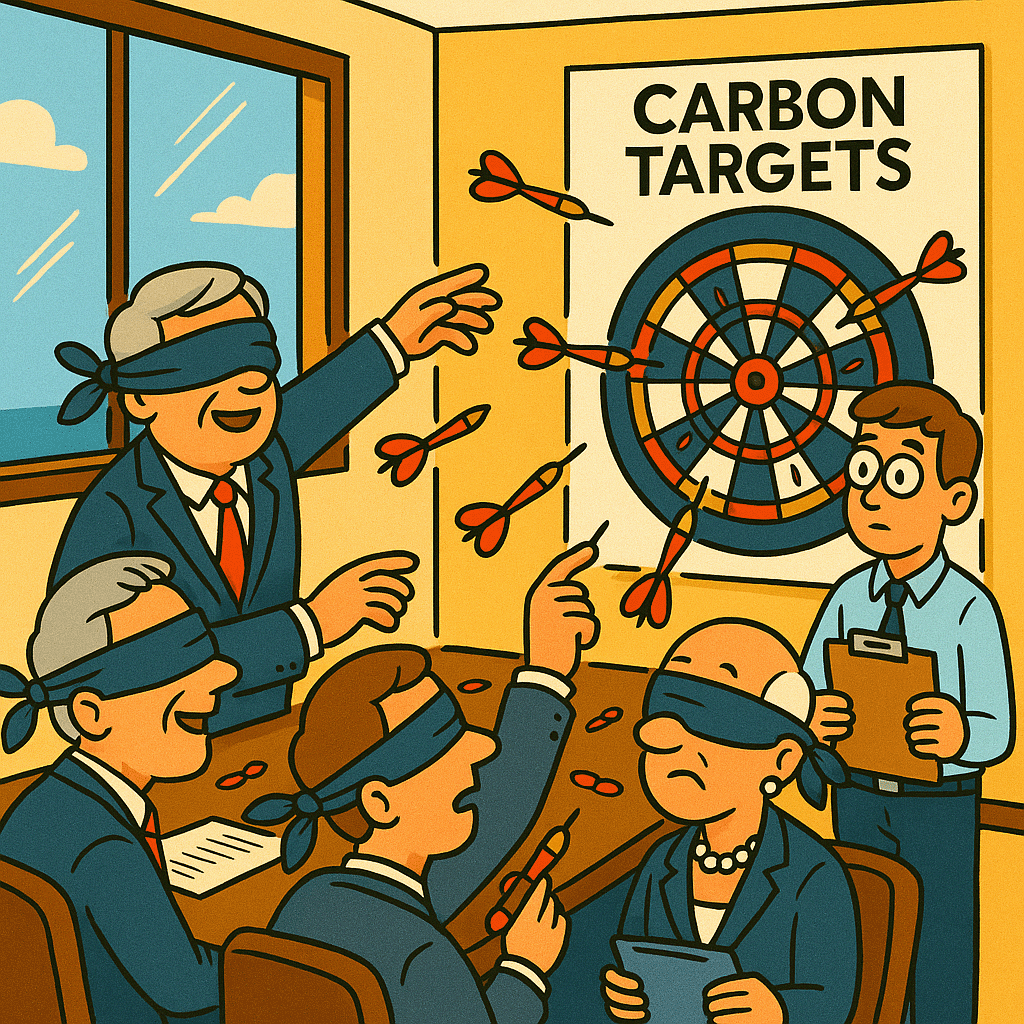
5 Worst Practice Examples
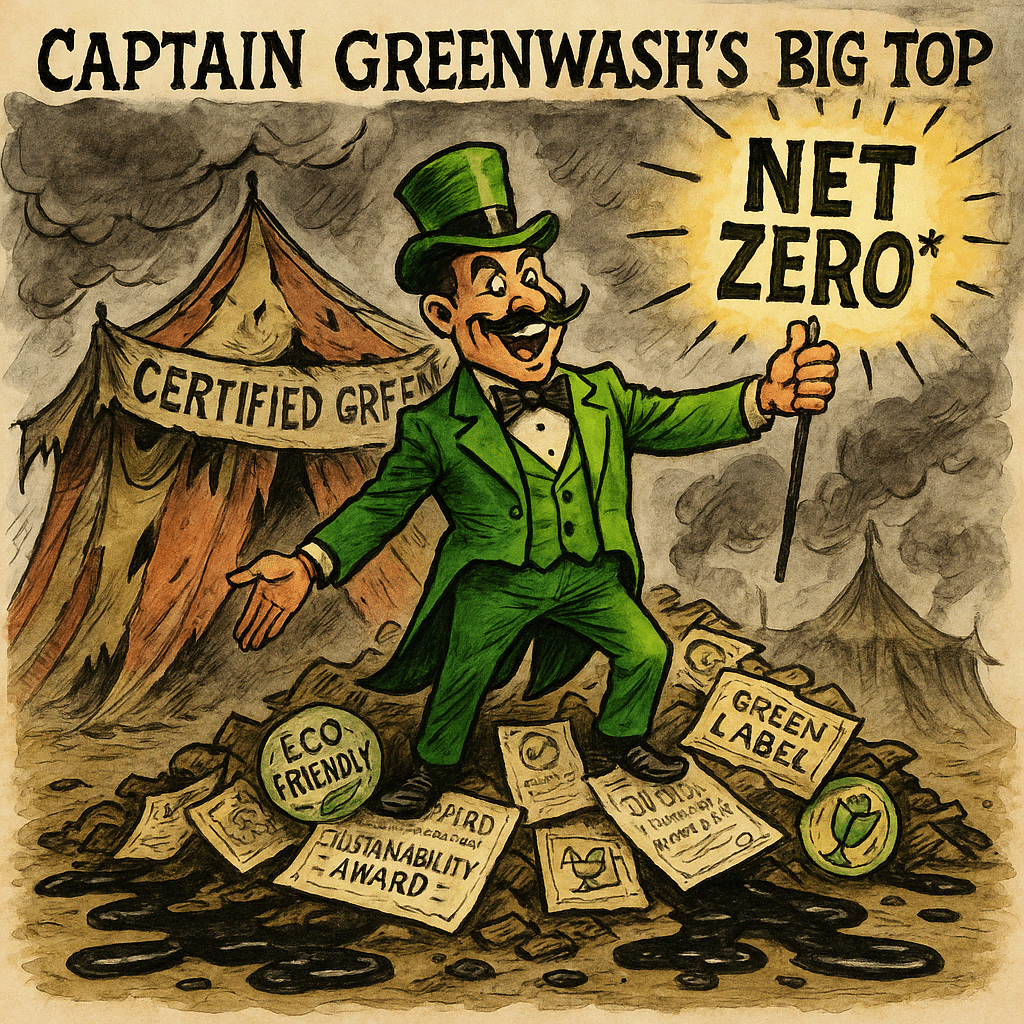
- Greenwashing Circular Claims: Exaggerating or misrepresenting circular initiatives erodes trust, damages brand credibility, and undermines genuine sustainability progress.
- Short-Term Profit Focus: Prioritizing immediate returns over long-term gains prevents investment in circular solutions that need time to show full impact.
- Lack of Regulation Alignment: Ignoring evolving policy requirements exposes organizations to compliance risks, penalties, and missed opportunities from regulatory incentives.
- Underfunding Education and Training: Failing to invest in workforce upskilling limits employees’ ability to adapt to new roles and circular practices.
- Overlooking Economic Viability: Designing circular initiatives without robust financial analysis risks unsustainable projects that cannot scale or deliver lasting impact.
Lessons Learned
Learning from the Outperformers: Lessons Learned
While Circular Economy holds enormous promise, many organizations struggle with its practical implementation. Missteps often happen when circularity is treated as an add-on instead of a system-wide transformation. Some challenges stem from a lack of systems thinking, others from narrow approaches such as over-reliance on recycling.
By studying common antipatterns and worst practices, organizations can better anticipate obstacles and avoid repeating the same mistakes. Recognizing these pitfalls early allows leaders to design more resilient, authentic, and effective strategies that truly unlock the benefits of circularity.
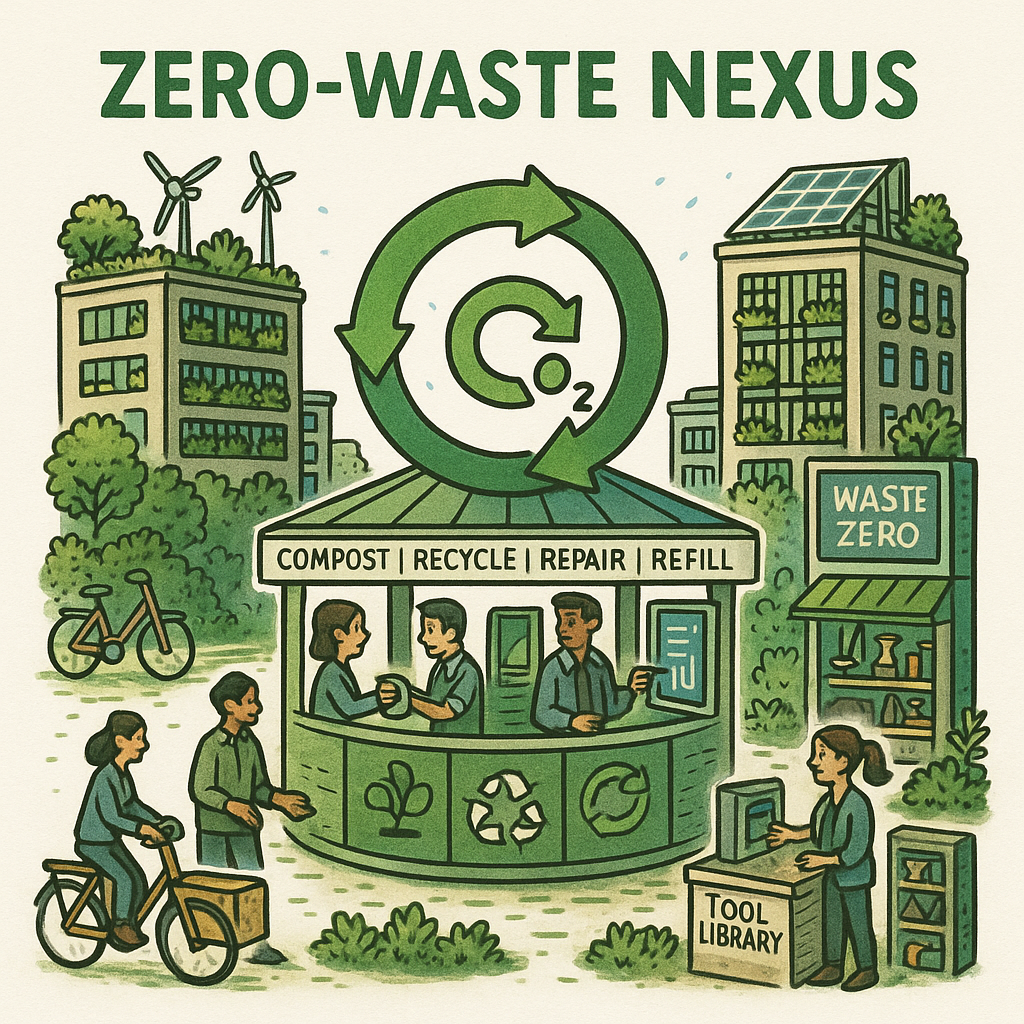
5 Best Practice Examples
- Holistic Systems Thinking: Adopting a lifecycle perspective that links design, production, consumption, and recovery ensures circularity is integrated across the entire value chain.
- Design for Circularity: Embedding durability, disassembly, and recyclability into product design maximizes material recovery and minimizes waste generation.
- Cross-Sector Collaboration: Building partnerships across industries, governments, and communities fosters shared solutions and helps scale circular practices.
- Transparent Metrics and Reporting: Using clear, consistent indicators strengthens accountability and builds trust with stakeholders.
- Stakeholder Inclusion: Engaging employees, suppliers, and customers creates shared ownership and accelerates acceptance of circular practices.
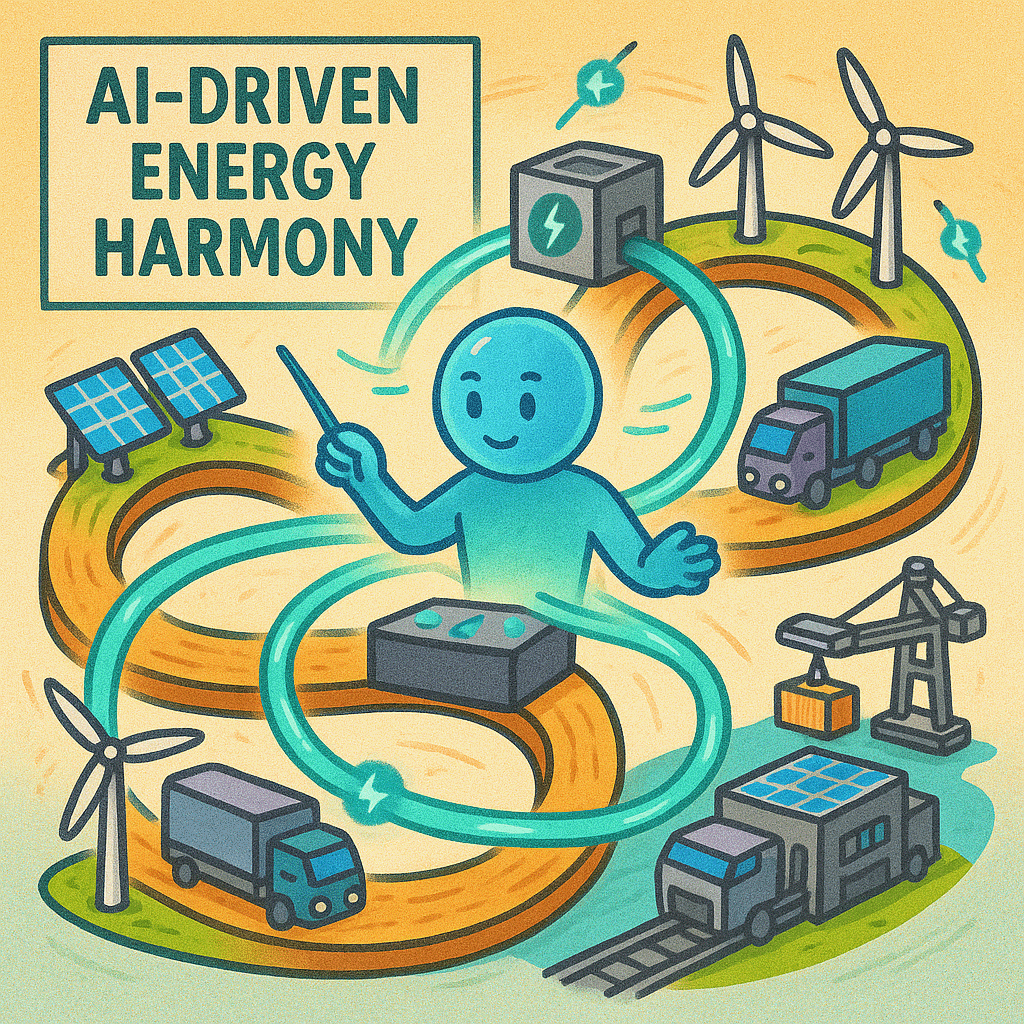
5 Leading Practice Examples
- Circular Business Model Innovation: Outperformers reinvent value creation by pioneering models such as product-as-a-service, leasing, and sharing platforms that decouple growth from resource use.
- Advanced Technology Integration: AI, IoT, and blockchain are leveraged to track materials, optimize resource use, and enable smart circular ecosystems.
- Proactive Policy Engagement: Leaders go beyond compliance by shaping progressive regulatory landscapes, collaborating with policymakers, and driving sector-wide standards.
- Continuous Learning Culture: Organizations foster adaptability by embracing lessons from failures, running pilots, and iterating rapidly to improve circular solutions.
- Life Cycle Assessment at Scale: Applying full lifecycle assessments ensures data-driven decisions that minimize environmental impacts and support innovation across all product stages.
Most Common Artefacts
The Most Common Artefacts
To make Circular Economy actionable, organizations rely on specific artefacts—practical tools, frameworks, and models that translate theory into practice. These artefacts guide how products are designed, resources are managed, and systems are monitored, ensuring that circular principles are not just aspirational but operational. They provide a common language for innovation, enabling businesses, governments, and communities to collaborate effectively.
By adopting and adapting these artefacts, organizations accelerate sustainability transformation, reduce waste, and unlock new forms of value creation. They serve as essential instruments that bridge the gap between strategy and day-to-day execution, making circularity measurable, replicable, and scalable.
| Artefact | Description | How it Can Be Used for Sustainability Innovation |
|---|---|---|
| Product-Service Systems (PSS) | Business model offering products as services to extend product life and reduce waste. | Integrate PSS to shift from product ownership to service delivery, promoting a sustainable consumption model. |
| Life Cycle Assessment (LCA) | Systematic analysis of a product's environmental impact throughout its life cycle. | Apply LCA to identify environmental hotspots, guiding decisions for sustainable materials and production processes. |
| Cradle-to-Cradle (C2C) Design | Design concept using recyclable or biodegradable materials to minimize waste. | Embrace C2C Design to create products with materials that can be safely returned to the environment or reused. |
| Design for Disassembly | Designing products for easy disassembly to promote recycling and reuse. | Implement Design for Disassembly to simplify product breakdown, encouraging efficient recycling and refurbishment. |
| Resource Passport | Documentation detailing materials used in a product for recycling and responsible sourcing. | Utilize Resource Passports to enhance transparency, aiding consumers in making environmentally informed choices. |
| Reverse Logistics | Process of moving goods back for recycling or reuse to optimize product returns. | Implement Reverse Logistics to efficiently handle returned products, reducing waste and enabling material recovery. |
| Digital Twin | Virtual representation for real-time monitoring and optimization of physical products or systems. | Integrate Digital Twins to monitor product performance, enabling proactive maintenance and resource optimization. |
| Sharing Platforms | Online platforms facilitating the sharing or renting of products to reduce consumption. | Embrace Sharing Platforms to promote access over ownership, fostering a collaborative and resource-efficient economy. |
| Extended Producer Responsibility (EPR) | Concept holding manufacturers responsible for a product's life cycle, including disposal. | Adopt EPR to incentivize producers to design products with end-of-life considerations, fostering a circular approach. |
| Remanufacturing | Restoring used products to like-new condition to extend product life. | Implement Remanufacturing to recover value from used products, reducing the demand for new raw materials. |
| Upcycling | Repurposing discarded materials to create items of higher value or quality. | Embrace Upcycling to transform waste materials into new, desirable products, reducing the environmental impact. |
| Circular Design Principles | Guiding principles for designing products, services, or systems with Circular Economy considerations. | Apply Circular Design Principles to integrate circularity from the outset, driving innovation toward sustainable solutions. |
| Circular Economy Metrics | Quantifiable indicators measuring the environmental and economic performance of circular initiatives. | Utilize Circular Economy Metrics to assess the impact and success of circular strategies, guiding continuous improvement. |
| Circular Economy Business Models | Innovative approaches to conducting business that prioritize circular principles. | Embrace Circular Economy Business Models to create value through sustainable practices, driving business innovation. |
| Circular Economy Standards and Certifications | Established criteria and certifications ensuring adherence to Circular Economy principles. | Adhere to Circular Economy Standards and Certifications to demonstrate commitment and credibility in sustainable practices. |
Overview of the most common artefacts used with Circular Economy.
Artefacts are the practical backbone of Circular Economy. They transform high-level strategies into actionable practices that organizations can measure, replicate, and scale. Tools such as life cycle assessments and resource passports enable smarter decision-making, while models like product-service systems, sharing platforms, and reverse logistics foster innovative ways to use resources more efficiently.
Digital enablers such as twins and metrics bring clarity and transparency, ensuring accountability and continuous improvement. By adopting these artefacts, organizations not only embed circularity into their operations but also drive sustainability innovation that creates long-term business resilience and societal value.
Conclusion
Circular Economy is more than a sustainability concept; it is a transformative framework that redefines how resources, products, and systems are designed and managed. Unlike linear models that deplete resources and generate waste, CE creates regenerative cycles that preserve value, reduce environmental impacts, and open new avenues for innovation. Throughout this journey, we have seen how its eight core components provide structure, why it is so relevant to today’s challenges, and how the business case demonstrates concrete advantages for organizations, governments, and societies. The framework of ten practical steps shows how to translate ambition into action, while lessons from outperformers highlight the importance of systems thinking, innovation, and collaboration. Artefacts such as product-service systems, life cycle assessments, and digital twins offer the tools to operationalize circularity, making it tangible and measurable.
At the same time, being aware of pitfalls and worst practices helps organizations avoid wasted effort and build credibility. Best and leading practices prove that success is not only possible but also profitable. The urgency of the global sustainability agenda means that Circular Economy is no longer optional—it is an imperative. By embracing circular thinking, organizations can align business success with planetary boundaries, foster inclusive growth, and contribute to a sustainable future. Circular Economy is not just about doing less harm; it is about creating systems that restore, regenerate, and empower prosperity for generations to come.