

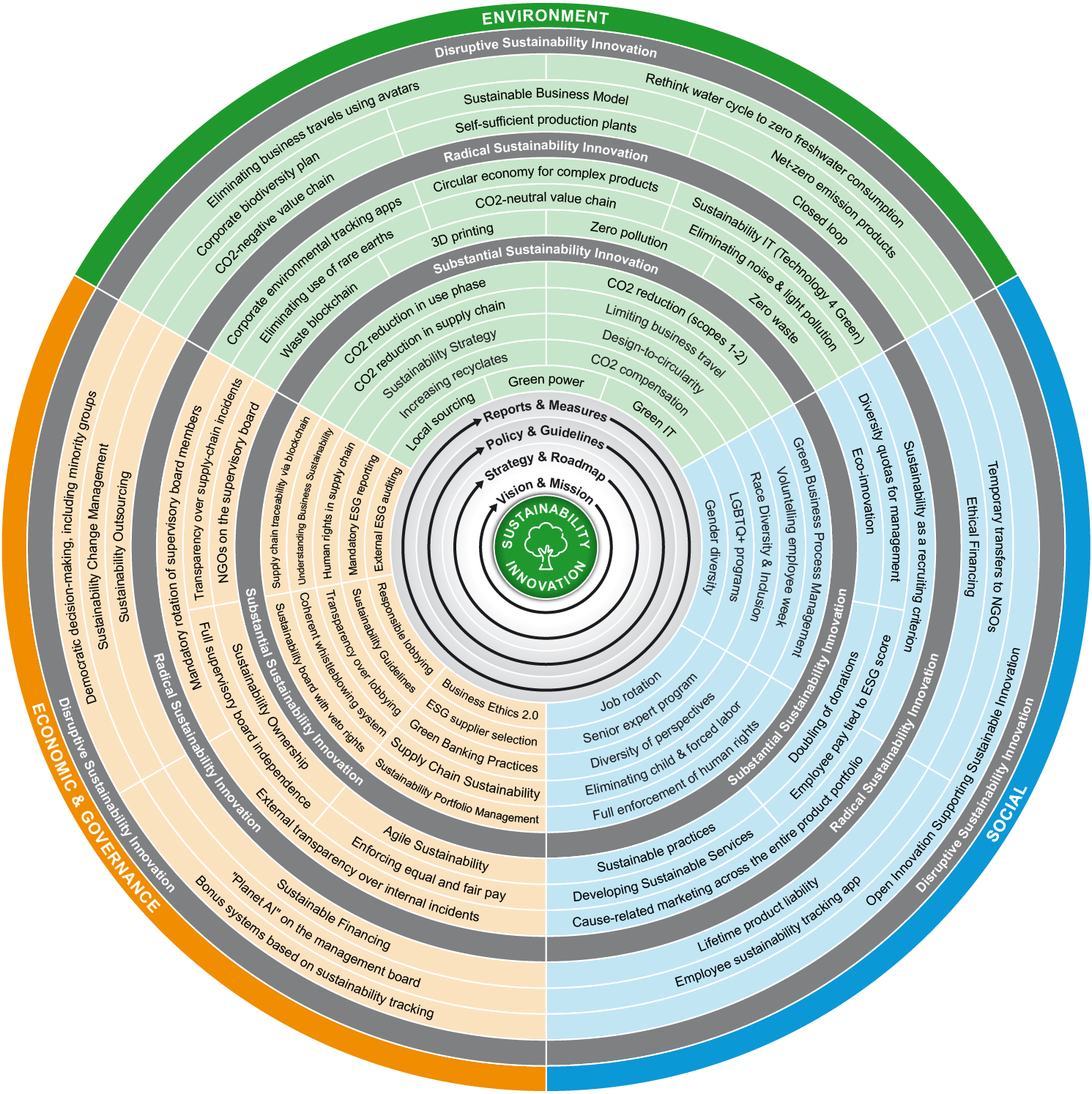
What is Green IT?
Green IT, also known as sustainable computing, is the practice of designing, operating, and disposing of information technology systems in ways that minimize negative environmental impacts. It involves optimizing the entire IT lifecycle — from manufacturing and procurement to daily operations and end-of-life management — to reduce energy use, lower greenhouse gas emissions, and promote responsible resource consumption. This approach includes adopting energy-efficient infrastructure, sourcing renewable energy, reducing electronic waste, and developing software that uses fewer computing resources.
Green IT extends beyond technology itself, incorporating governance, standards, and corporate policies that embed sustainability into IT strategies. By implementing Green IT principles, organizations can simultaneously reduce costs, improve operational efficiency, and contribute to global climate goals. In a world where IT demand continues to grow exponentially, Green IT ensures that digital transformation aligns with environmental responsibility and long-term business resilience.
Main Components
The 8 Main Components of Green IT
Green IT is not a single initiative, but rather a collection of interconnected focus areas that together drive sustainable technology practices. Each component addresses a different part of the IT ecosystem, from infrastructure and operations to procurement and governance. Organizations that embrace all eight components create a holistic approach to sustainability, ensuring that environmental considerations are embedded in every stage of the IT lifecycle.
These components form a framework for achieving measurable environmental impact while maintaining the performance, security, and scalability that modern digital operations require. Understanding and applying them enables businesses to align IT capabilities with corporate sustainability objectives and global climate commitments.
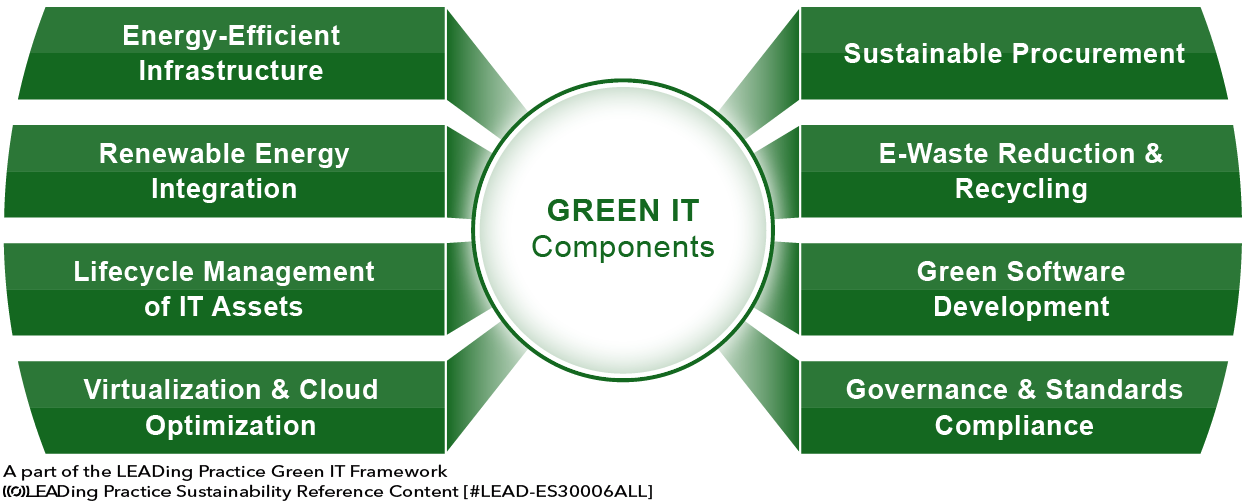
Below are the eight main components of Green IT, reflecting both structural patterns and actionable insights for organizations:
The eight components of Green IT create a balanced, strategic approach to reducing technology’s environmental footprint. By addressing all eight areas, organizations can move beyond isolated initiatives toward a cohesive, measurable Green IT program that supports both business growth and global climate objectives.
Each one addresses a critical area, from technical optimization and responsible sourcing to end-of-life asset management. Together, they form a comprehensive sustainability roadmap for IT that enhances efficiency, reduces operational costs, and improves environmental performance.
Why This Is Relevant
Why is Green IT so Relevant?
The relevance of Green IT has never been greater. The global demand for digital services is accelerating at an unprecedented pace, driving exponential growth in energy consumption and greenhouse gas emissions. Data centers, networks, and end-user devices already account for a significant share of global electricity use — and this share is projected to rise sharply over the next decade. Without action, the environmental cost of IT will outpace the sustainability gains made in other sectors. Climate change is a pressing global challenge, with record-breaking temperatures, rising sea levels, and increasingly extreme weather events impacting economies and societies worldwide. The IT sector, while an enabler of digital transformation, must also take responsibility for its own carbon footprint.
Regulations such as the EU Green Deal and the UN’s Sustainable Development Goals (particularly Goal 13: Climate Action) are placing sustainability at the center of business strategy. Green IT is relevant not only for environmental reasons, but also for competitiveness, cost efficiency, and corporate reputation. Customers, investors, and regulators are increasingly expecting technology leaders to demonstrate measurable sustainability outcomes. Companies that fail to act risk higher operational costs, reputational damage, and loss of market share. In short, Green IT is not just an ethical choice — it is a strategic necessity for organizations seeking to remain resilient, compliant, and competitive in a low-carbon economy.
Business/Value Case
The Business/Value Case for Green IT
The business case for Portfolio Management lies in its ability to connect strategic intent with practical execution, ensuring that resources are invested where they deliver the greatest value. In the sustainability era, this means balancing financial returns with measurable environmental and social impact. By integrating ESG factors into decision-making, organizations gain a competitive edge, comply with evolving regulations, and meet the expectations of customers, investors, and communities.
A well-executed Portfolio Management framework not only enhances efficiency and profitability but also strengthens stakeholder trust and brand reputation. The following ten benefits highlight the tangible and intangible value it delivers to organizations pursuing innovation, growth, and sustainability.
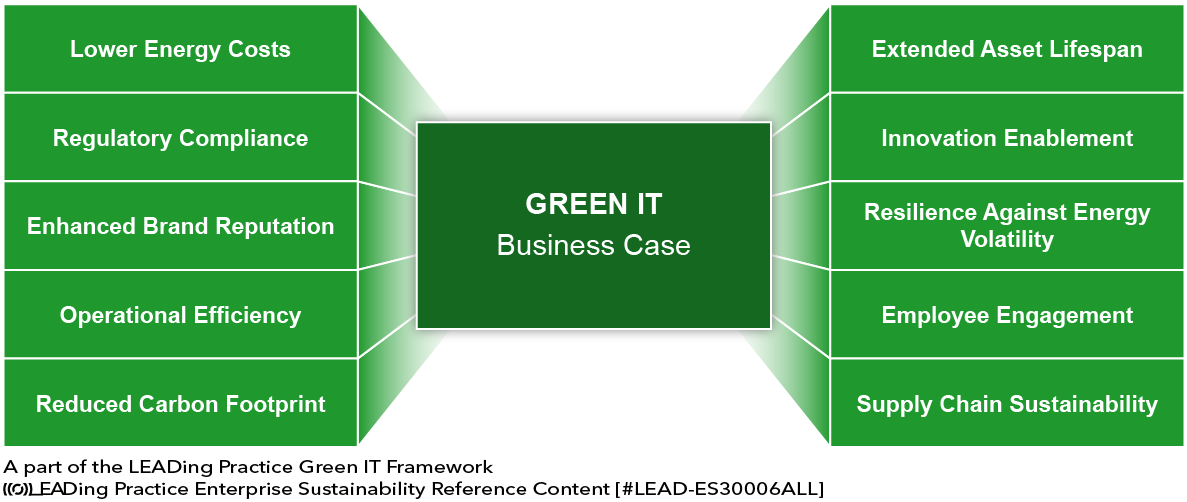
Below are ten key benefits that highlight why this approach is essential for modern organizations:
The business case for Green IT is clear: it drives measurable financial savings, strengthens compliance, and builds competitive advantage while supporting environmental and social responsibility. By reducing energy use, extending asset lifespans, and integrating sustainability into procurement and operations, organizations can achieve significant cost efficiencies.
The benefits extend to multiple stakeholders — from finance and operations to marketing and HR — ensuring organization-wide value. With customer and regulatory expectations rising, Green IT positions companies to lead in both innovation and responsibility, delivering lasting impact for business and planet alike.
How-To-Guide
How-To-Guide: The Portfolio Management Framework
The Green IT Framework provides a structured approach for embedding sustainability into every stage of IT operations. By integrating business case development, technical measures, and governance into one unified process, it enables organizations to act consistently, measure progress, and achieve meaningful environmental impact.
A framework approach ensures that all roles — from executives to engineers — work toward common goals, using standardized methods and tools. This alignment avoids fragmented initiatives and maximizes efficiency. The 10-step guide below shows how to plan, execute, and monitor Green IT initiatives in a way that delivers both sustainability results and business value.
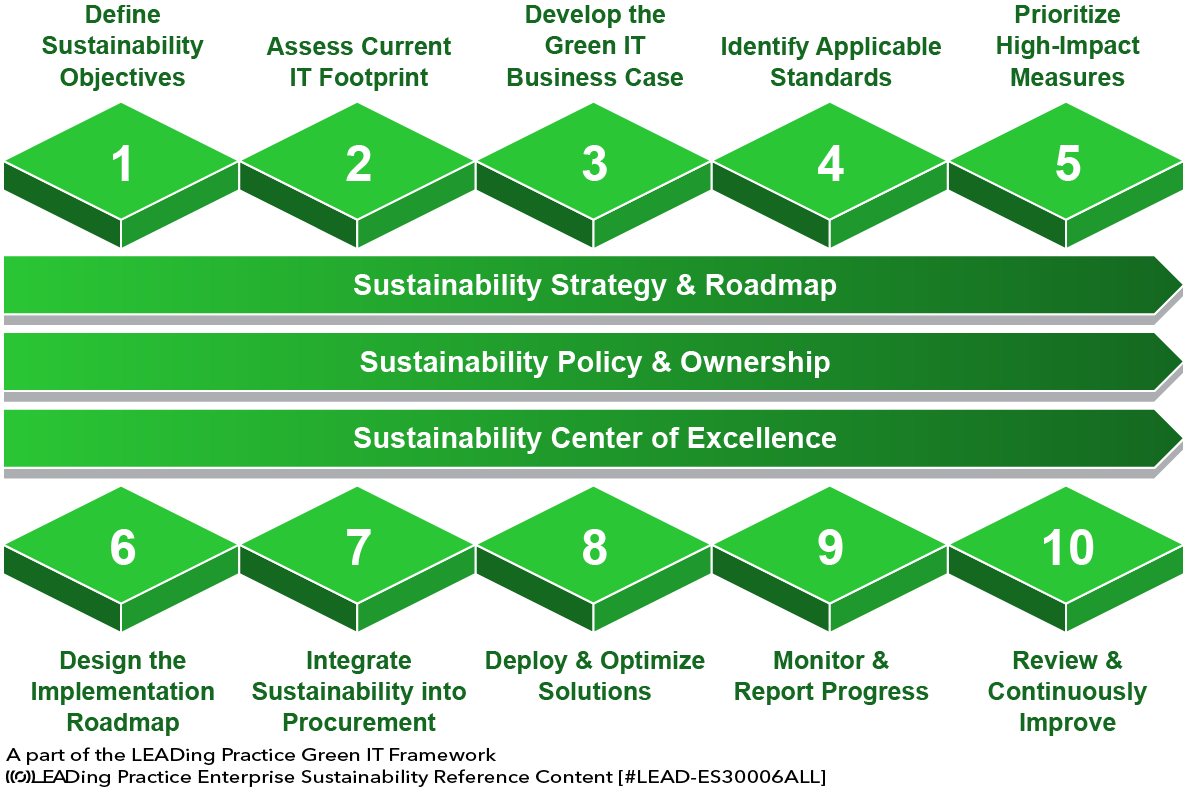
The 10-Step Way Forward:
A framework-based approach to Green IT ensures that sustainability is woven into every stage of IT operations. With regular monitoring and continuous improvement, this framework becomes a living system for driving both environmental performance and business value in technology operations.
By defining objectives, building a strong business case, and aligning projects with recognized standards, organizations can act with clarity and confidence. The 10-step plan provides a repeatable process that delivers measurable results while avoiding ad-hoc or fragmented efforts.
Contact Us
Wanna learn more ? Want to improve your company ?
Projects that require our help ?
Don't waste more time, contact us !
Most Common Pitfalls
The Most Common Pitfalls and Challenges
While the benefits of Green IT are clear, many organizations face recurring challenges when attempting to implement sustainable practices. These pitfalls often stem from fragmented planning, lack of stakeholder alignment, or misapplication of technology.
Antipatterns represent recurring mistakes in approach or thinking, while worst practices are the actual counterproductive actions taken during execution. Recognizing these issues early allows organizations to avoid costly missteps, accelerate progress, and ensure that sustainability goals are achieved efficiently and effectively.
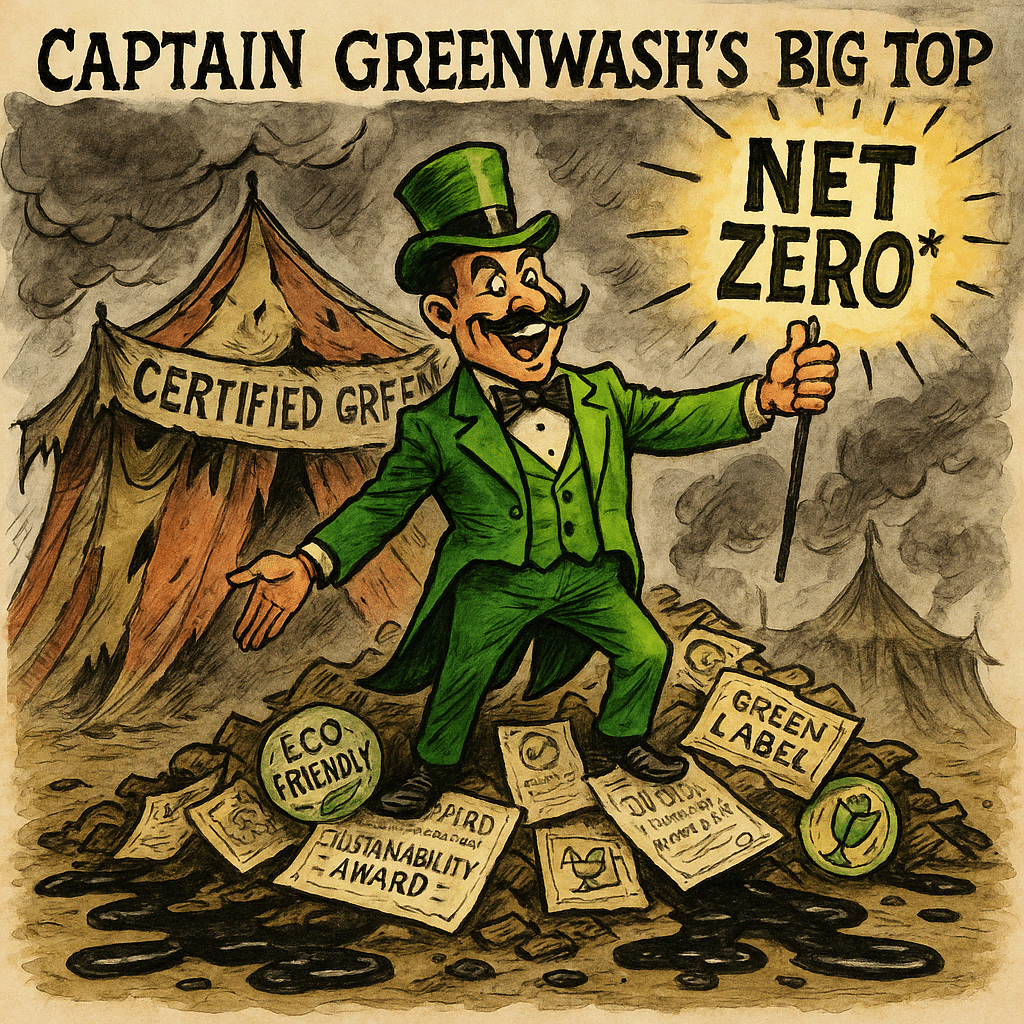
5 Antipattern Examples
- Short-Term Thinking: Focusing only on immediate IT projects without embedding long-term sustainability into the roadmap.
- Technology-Only Focus: Assuming Green IT is purely a hardware or software issue, ignoring people, processes, and governance.
- One-Off Initiatives: Treating sustainability as a project instead of a continuous improvement program.
- Data Without Action: Collecting energy and emissions data without translating insights into concrete operational changes.
- Supplier Blind Spot: Failing to assess the environmental performance of third-party vendors and cloud providers.
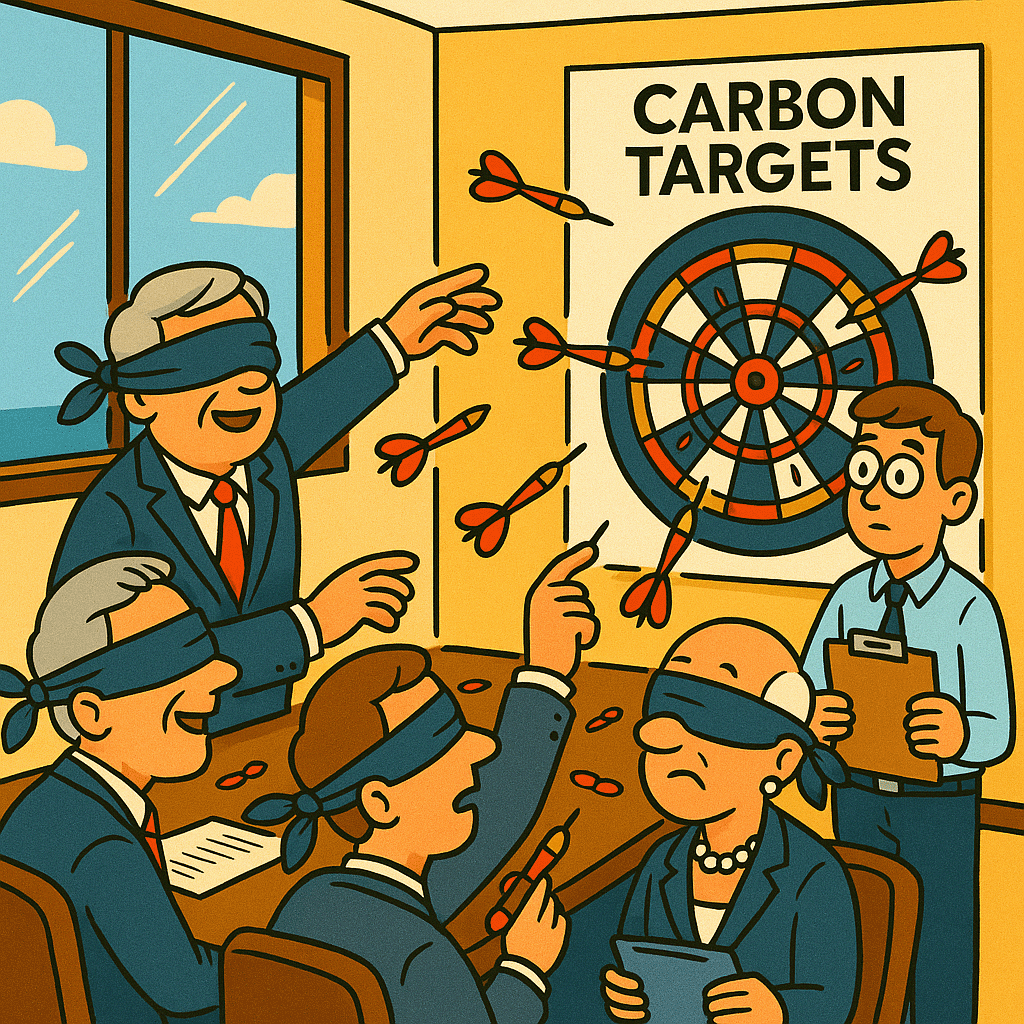
5 Worst Practice Examples
- Overprovisioning Resources: Deploying excess computing capacity “just in case,” leading to wasted energy and unnecessary hardware costs.
- Ignoring Equipment Lifecycle: Replacing devices too frequently without reuse or refurbishment, increasing e-waste volumes.
- Unoptimized Cooling Systems: Running data center cooling at unnecessarily low temperatures, consuming excess energy.
- Neglecting Software Efficiency: Overlooking inefficient code and bloated applications that drive higher CPU and memory usage.
- No End-of-Life Planning: Disposing of IT equipment without recycling or responsible e-waste management, causing environmental harm.
Lessons Learned
Learning from the Outperformers: Lessons Learned
Organizations that excel in Green IT share a common trait: they embed sustainability into the very fabric of their IT strategy, governance, and operations. These outperformers go beyond compliance, viewing sustainability as a source of innovation, cost savings, and market differentiation.
Best practices represent proven methods that deliver consistent results across industries, while leading practices set the benchmark, showcasing forward-thinking approaches adopted by pioneers in the field. Learning from these examples helps organizations avoid trial-and-error, fast-track their sustainability maturity, and deliver measurable results.
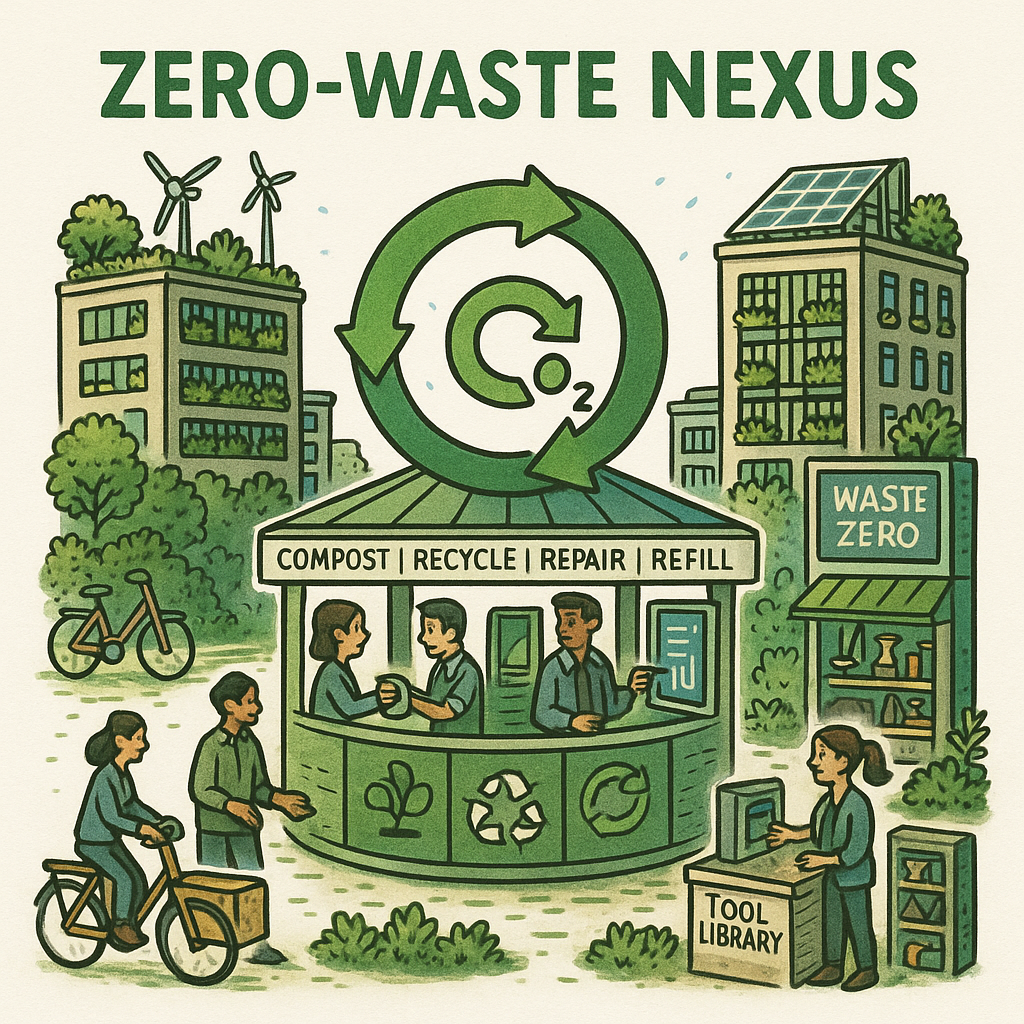
5 Best Practice Examples
- Virtualization First Strategy: Prioritize workload consolidation and server virtualization to reduce physical infrastructure and energy demand.
- Green Power Contracts: Secure renewable energy through certified suppliers or long-term power purchase agreements to cut carbon emissions.
- Lifecycle Asset Management: Extend equipment lifespan through repair, reuse, and refurbishment before replacement.
- Sustainable Procurement Policies: Mandate environmental certifications and ethical sourcing in all IT purchasing decisions.
- Continuous Monitoring and Reporting: Use real-time metrics to track energy use, emissions, and sustainability KPIs for informed decision-making.
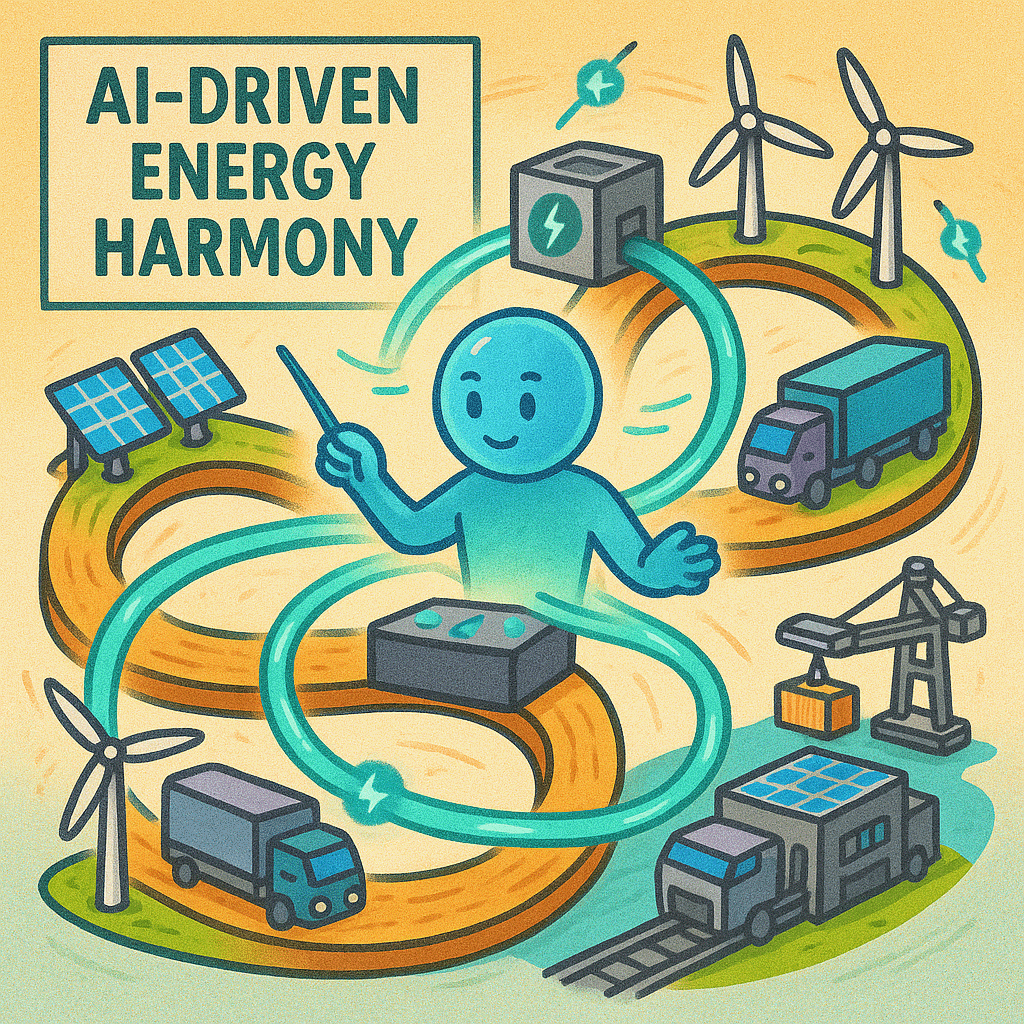
5 Leading Practice Examples
- Net-Zero Datacenter Design: Build facilities powered entirely by renewable energy with advanced cooling and waste heat recovery systems.
- Liquid Cooling Deployment: Adopt direct-to-chip or immersion cooling technologies to drastically improve energy efficiency and heat reuse.
- Green Software Engineering: Embed low-energy coding standards and efficiency benchmarks into the software development lifecycle.
- Geographic Workload Optimization: Run workloads in regions with abundant renewable energy and favorable cooling conditions.
- Circular IT Supply Chains: Collaborate with suppliers to design IT equipment for easy disassembly, recycling, and materials recovery.
Most Common Artefacts
The Most Common Artefacts
When implementing Green IT, organizations rely on specific artefacts — structured documents, maps, or templates — to capture critical information, guide decision-making, and ensure alignment between sustainability objectives and IT operations. These artefacts serve as reusable tools for documenting requirements, mapping processes, identifying stakeholders, and monitoring performance.
They not only provide a shared reference point across teams, but also accelerate the design and execution of Green IT initiatives. By standardizing how information is gathered and communicated, artefacts reduce duplication of effort, improve consistency, and enable measurable sustainability innovation across the organization and its value chain.
| Artefact | Description | How it Can Be Used for Sustainability Innovation |
|---|---|---|
| Stakeholder Map | Visualizes all stakeholders involved in Green IT initiatives, including internal teams and external partners. | Ensures early engagement and alignment, fostering collaboration and shared ownership of environmental goals. |
| Process Map | Captures IT and business processes impacted by sustainability measures. | Identifies process inefficiencies and opportunities for embedding sustainable practices at operational touchpoints. |
| Role Map | Defines the responsibilities and interactions of all roles, both within the organization and among suppliers. | Clarifies accountability for sustainability outcomes, preventing gaps and overlaps in Green IT execution. |
| Platform Map | Outlines key IT platforms, both in-house and from suppliers, relevant to sustainability goals. | Highlights platforms for optimization, virtualization, or migration to greener alternatives. |
| Technology Map | Details IT infrastructure components and services, including devices, networks, and storage. | Guides technology upgrades toward more energy-efficient, low-carbon options. |
| Rule Map | Lists regulations, policies, and standards that govern Green IT operations. | Ensures compliance and alignment with frameworks such as EN50600, ISO IEC22237, and corporate ESG policies. |
| Strategy or Objective Map | Captures sustainability strategies and objectives, including measurable KPIs and targets. | Links Green IT actions directly to business strategy, enabling progress tracking and reporting. |
| Green IT Datacenter Matrix | Consolidates key drivers, forces, value propositions, and objectives for sustainable data center operations. | Serves as a planning and evaluation tool to prioritize high-impact, low-cost sustainability measures. |
Overview of the most common artefacts used with Green IT.
Artefacts are the backbone of a structured Green IT implementation. They provide clarity, consistency, and a shared framework for teams working toward sustainability goals. By mapping stakeholders, processes, technologies, and strategies, organizations can identify improvement areas, track performance, and ensure accountability.
These artefacts also accelerate innovation by enabling teams to adapt proven tools to new projects, avoiding the inefficiencies of starting from scratch. When applied systematically, they ensure Green IT initiatives are transparent, measurable, and aligned with both corporate objectives and broader environmental commitments.
Conclusion
Green IT is more than a technical initiative — it is a strategic imperative for organizations aiming to thrive in a low-carbon, resource-conscious economy. By embedding sustainability into every stage of the IT lifecycle, from procurement and operations to end-of-life asset management, companies can reduce costs, lower emissions, and unlock new opportunities for innovation. The eight components of Green IT provide a structured framework for action, while the business case highlights clear value for diverse stakeholders.
Avoiding common pitfalls and learning from outperformers ensures faster progress and more reliable outcomes. Artefacts such as stakeholder maps, technology maps, and datacenter matrices provide the tools to plan and execute effectively. Ultimately, Green IT aligns digital transformation with environmental responsibility, enabling organizations to deliver technological excellence while protecting the planet for future generations.