

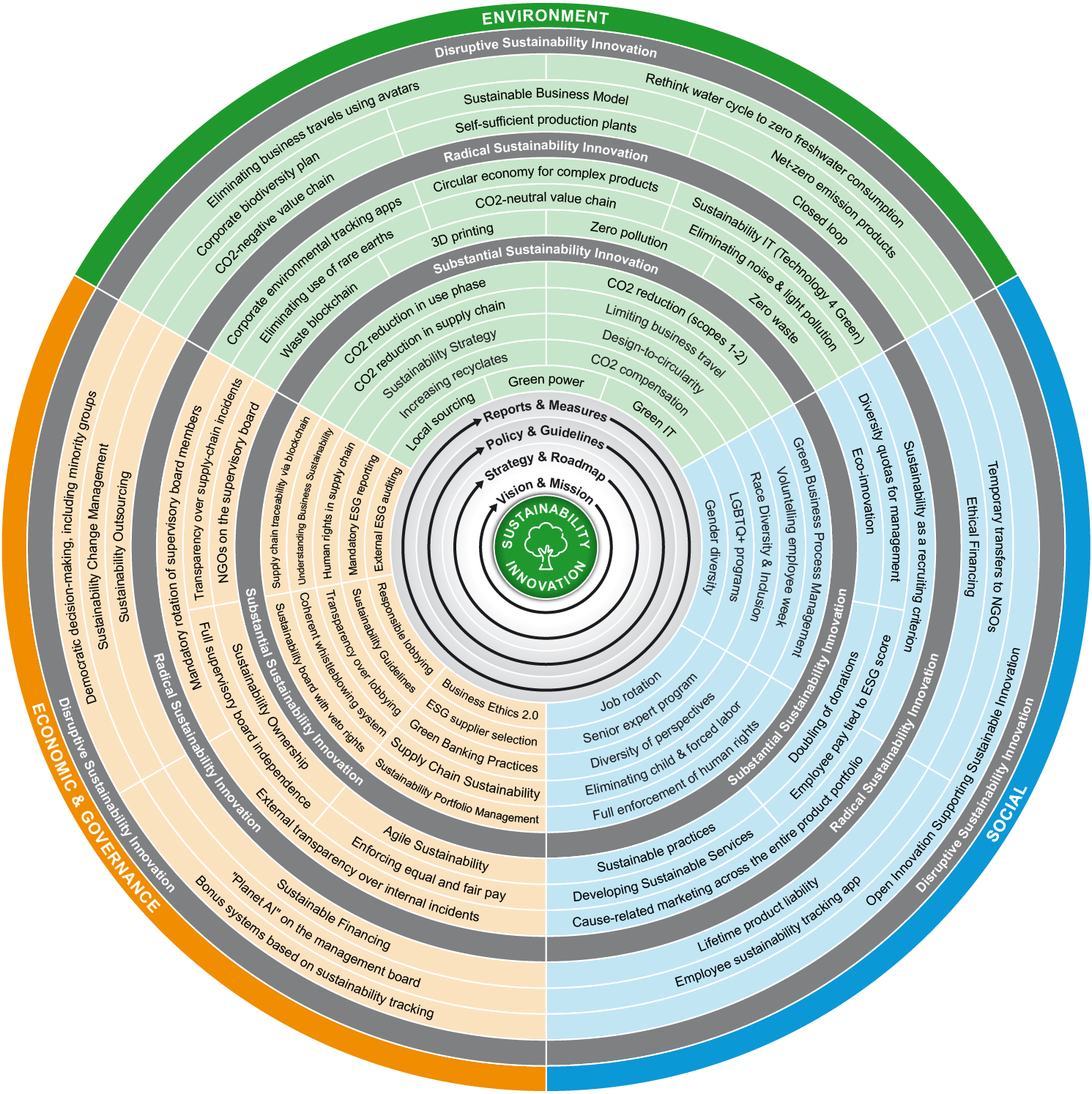
What is Lifetime Product Liability?
Lifetime Product Liability is a holistic approach to product accountability that extends far beyond the point of sale. Unlike traditional liability, which often ends after purchase or warranty expiration, this concept requires organizations to take responsibility for the safety, performance, and environmental impact of their products across the entire lifecycle—from design and manufacturing, through usage and maintenance, and finally to disposal or recycling. It acknowledges that products influence not just consumers but also the environment and society at large.
For example, a faulty product design could endanger users, while improper disposal could harm ecosystems and communities. Lifetime Product Liability ensures manufacturers anticipate these risks and adopt proactive measures. By embedding this approach into operations, organizations strengthen consumer trust, meet evolving regulatory expectations, and support global sustainability goals. It transforms liability from a defensive obligation into a strategic driver of innovation, resilience, and long-term value creation.
Main Components
The 8 Main Components of Lifetime Product Liability
Lifetime Product Liability is not just a legal requirement; it is a structured approach to ensure accountability and responsibility throughout the product’s lifespan. It safeguards consumer safety, strengthens brand reputation, and advances sustainability by embedding responsibility into every stage of a product’s journey. To operationalize this concept, organizations must understand its key components.
These eight areas cover the technical, legal, and social dimensions of liability and provide a comprehensive framework to address risks, foster accountability, and drive long-term resilience. By applying these components consistently, businesses can align compliance, consumer trust, and sustainability in a practical and balanced way.

Below are the eight main components of Lifetime Product Liability, reflecting both structural patterns and actionable insights for organizations:
These eight components collectively define the scope of Lifetime Product Liability. They span safety, consumer expectations, legal frameworks, and post-sale duties, ensuring products remain safe, reliable, and sustainable from beginning to end.
By integrating these components, organizations can manage risks, comply with regulations, and maintain strong consumer trust. More importantly, they transform liability into a proactive tool for long-term sustainability and resilience, helping companies balance profitability with responsibility in today’s evolving marketplace.
Why This Is Relevant
Why is Lifetime Product Liability so Relevant?
Lifetime Product Liability has become increasingly relevant as businesses face rising expectations from consumers, regulators, and investors. It reflects the understanding that responsibility does not end at the point of sale but extends across the entire product lifecycle, from design and manufacturing to use, repair, and disposal. Organizations adopting this approach can better protect consumer safety, meet stricter regulatory demands, and align with sustainability goals such as circular economy principles and waste reduction.
It also ensures that risks like recalls, lawsuits, and reputational damage are proactively managed. At the same time, demonstrating accountability enhances brand trust, strengthens investor confidence through improved ESG performance, and drives innovation in design and materials. In short, Lifetime Product Liability is no longer just about legal compliance; it is a strategic necessity that safeguards people, the planet, and long-term business success.
Business/Value Case
The Business/Value Case for Lifetime Product Liability
Adopting Lifetime Product Liability is not just about managing legal risks; it is about unlocking tangible business value and creating sustainable impact. Organizations that embrace this approach gain a competitive advantage by ensuring their products are safe, reliable, and environmentally responsible throughout their lifecycle. The business case extends far beyond compliance—it strengthens consumer confidence, supports long-term profitability, and enhances brand reputation.
By proactively embedding accountability into product design, manufacturing, and disposal, organizations reduce costs associated with recalls and lawsuits while aligning with sustainability goals and investor expectations. The benefits are shared across multiple stakeholders, from consumers and regulators to businesses and communities, creating a compelling value proposition that balances responsibility with growth.

Below are ten key benefits that highlight why this approach is essential for modern organizations:
The business case for Lifetime Product Liability is clear: it provides a multi-dimensional advantage that safeguards consumers, strengthens organizational resilience, and supports sustainability goals. By reducing risks, lowering costs, and enhancing trust, organizations gain both immediate and long-term value.
For stakeholders ranging from consumers and investors to regulators and communities, Lifetime Product Liability demonstrates that responsibility and profitability are not opposites but partners in building a resilient, sustainable future.
How-To-Guide
How-To-Guide: The Lifetime Product Liability Framework
Implementing Lifetime Product Liability requires more than ad hoc actions; it demands a clear, structured framework that guides organizations through the complexity of product responsibility. The Lifetime Product Liability Framework integrates both the business case and practical steps into a standardized approach, ensuring every role—from engineers to compliance officers—knows what to do and when.
This approach shifts liability management from being reactive and risk-driven to proactive, collaborative, and value-creating. By embedding accountability into processes across the product lifecycle, organizations ensure alignment, reduce risks, and deliver measurable outcomes. The framework creates clarity across tasks, timelines, and responsibilities, offering a practical path to safety, sustainability, and long-term resilience.
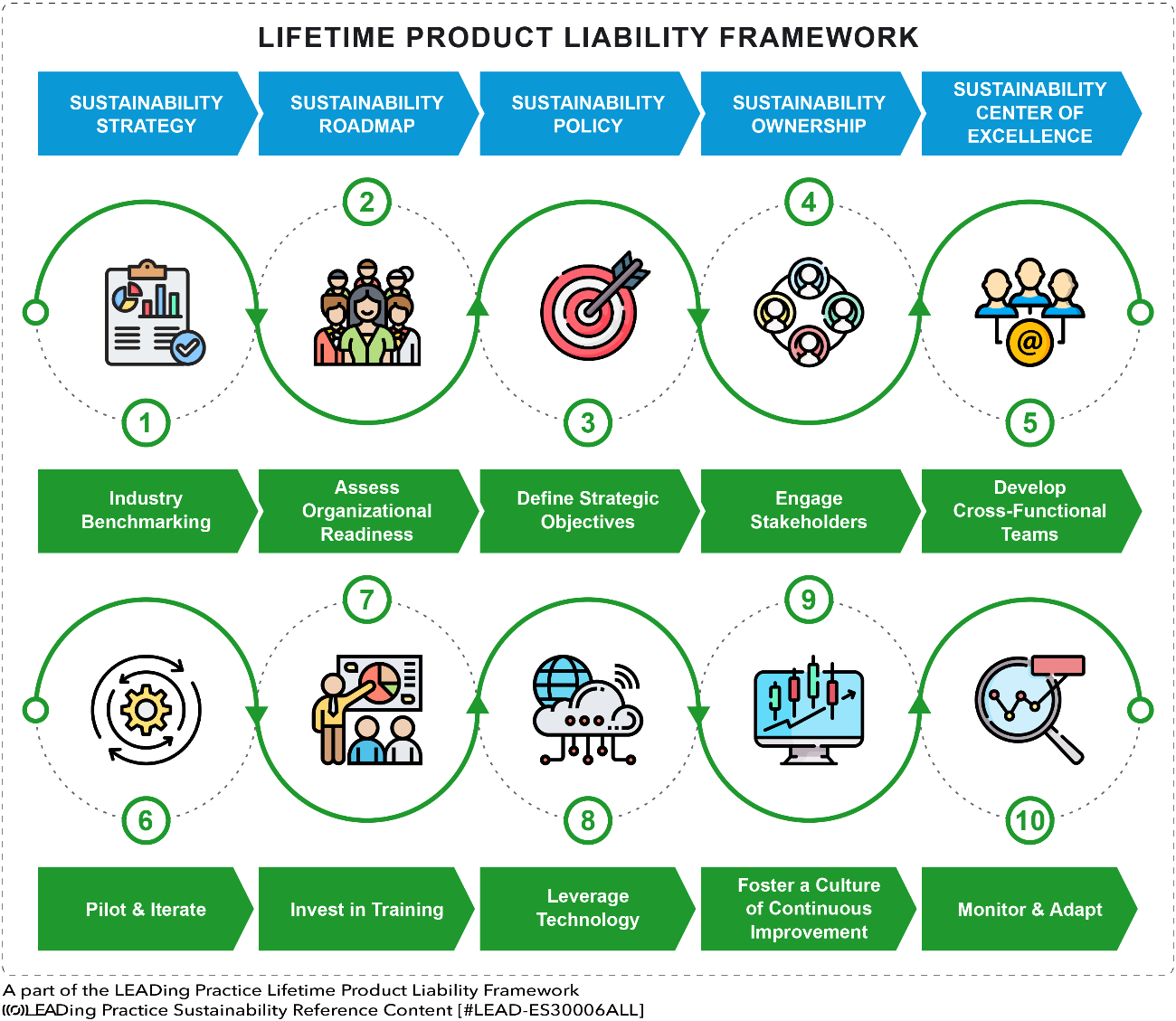
The 10-Step Way Forward:
By investing in training, leveraging technology, and fostering continuous improvement, companies transform liability from a compliance-driven burden into a proactive strategy. The framework accelerates progress, reduces risks, and strengthens trust, enabling organizations to launch their Lifetime Product Liability initiatives in a fast, effective, and impactful manner.
The Lifetime Product Liability Framework provides a structured roadmap for embedding accountability across all product lifecycle phases. It ensures organizations move step-by-step from research and planning through execution and evaluation, creating consistency and collaboration along the way.
Contact Us
Wanna learn more ? Want to improve your company ?
Projects that require our help ?
Don't waste more time, contact us !
Most Common Pitfalls
The Most Common Pitfalls and Challenges
While Lifetime Product Liability offers organizations a path toward safer products, stronger compliance, and greater sustainability, many initiatives fail because of common mistakes. These pitfalls range from design oversights to accountability gaps that weaken implementation and create risks.
By learning to recognize and avoid these challenges, companies can build stronger practices and prevent costly missteps. The following antipatterns and worst practices highlight the most frequent issues that undermine effective Lifetime Product Liability efforts.
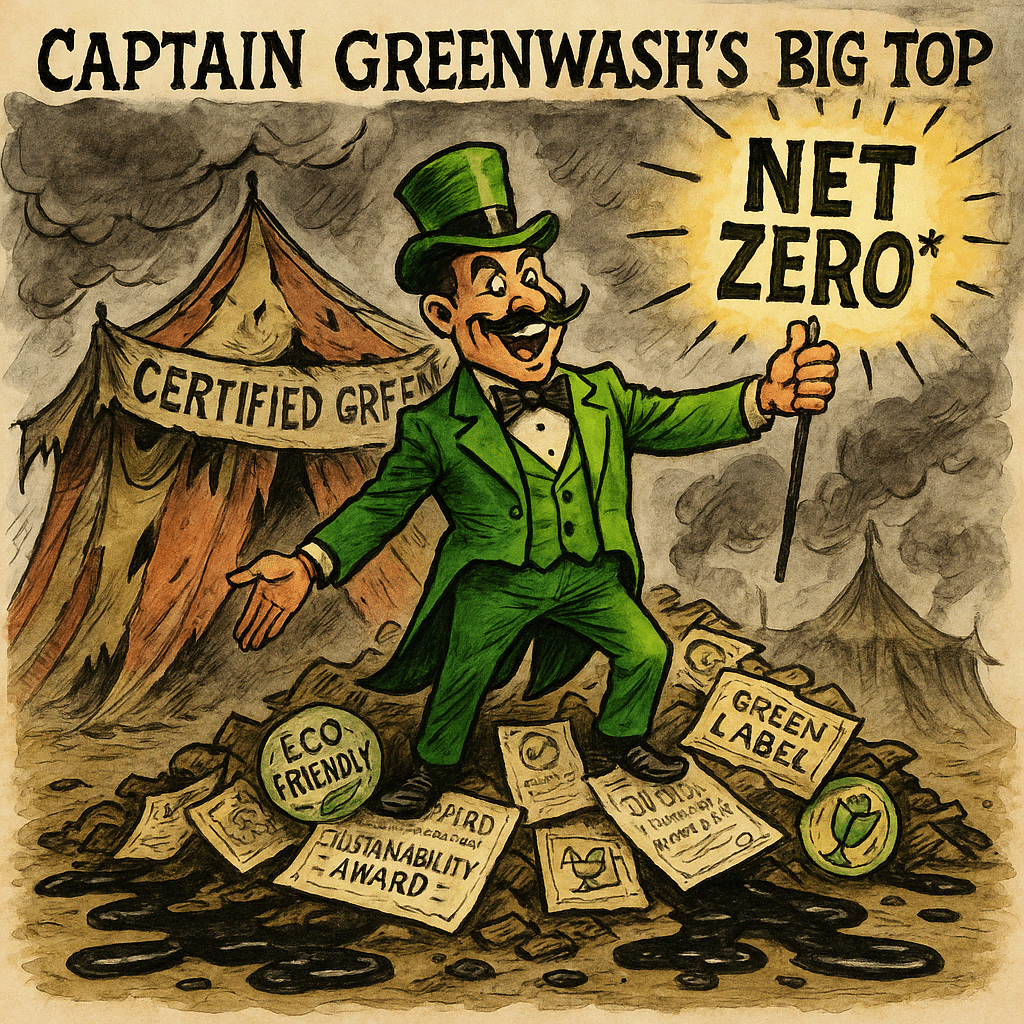
5 Antipattern Examples
- Greenwashing: Misleading consumers by overstating environmental claims erodes trust and undermines accountability.
- Planned Obsolescence: Designing products for early failure or incompatibility creates waste and damages long-term consumer relationships.
- Shifting Responsibility: Deflecting accountability onto consumers or external factors reduces credibility and exposes companies to greater risks.
- Regulatory Arbitrage: Exploiting loopholes or inconsistencies in regulations weakens compliance and compromises consumer protection.
- Lack of Transparency: Withholding critical information about product risks, materials, or processes prevents informed decision-making and accountability.
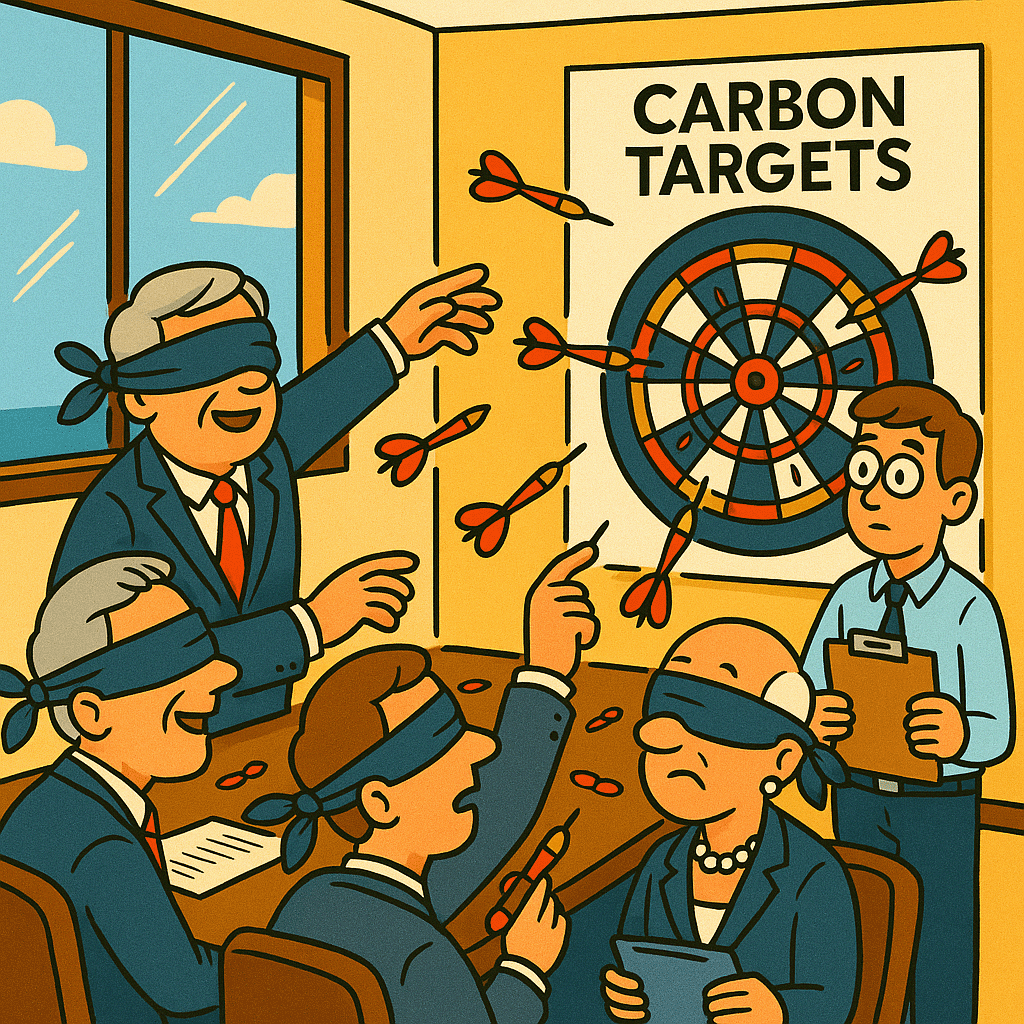
5 Worst Practice Examples
- Ignoring Stakeholder Feedback: Disregarding consumer or partner concerns blinds companies to risks and damages trust.
- Prioritizing Short-Term Cost Savings: Cutting corners on materials or processes saves money initially but creates higher costs from failures and recalls.
- Failing to Establish Defect Reporting Channels: Without transparent reporting, systemic issues remain hidden, escalating risks and liabilities.
- Neglecting Risk Assessments: Overlooking thorough risk and impact analyses exposes organizations to preventable hazards and regulatory violations.
- Disregarding Product Disposal Impacts: Ignoring social and environmental consequences of end-of-life disposal fuels pollution and reputational harm.
Lessons Learned
Learning from the Outperformers: Lessons Learned
Their practices offer valuable lessons for others: solidifying best practices that ensure consistency and reliability, and pioneering leading practices that push the boundaries of sustainability and responsibility. Together, these approaches provide organizations with inspiration and concrete steps to strengthen their own initiatives and achieve sustainability excellence.
Some organizations have set themselves apart by excelling in Lifetime Product Liability, turning responsibility into a source of competitive advantage. These outperformers prove that it is possible not only to comply with regulations but to create long-term value through accountability, transparency, and innovation.
5 Best Practice Examples
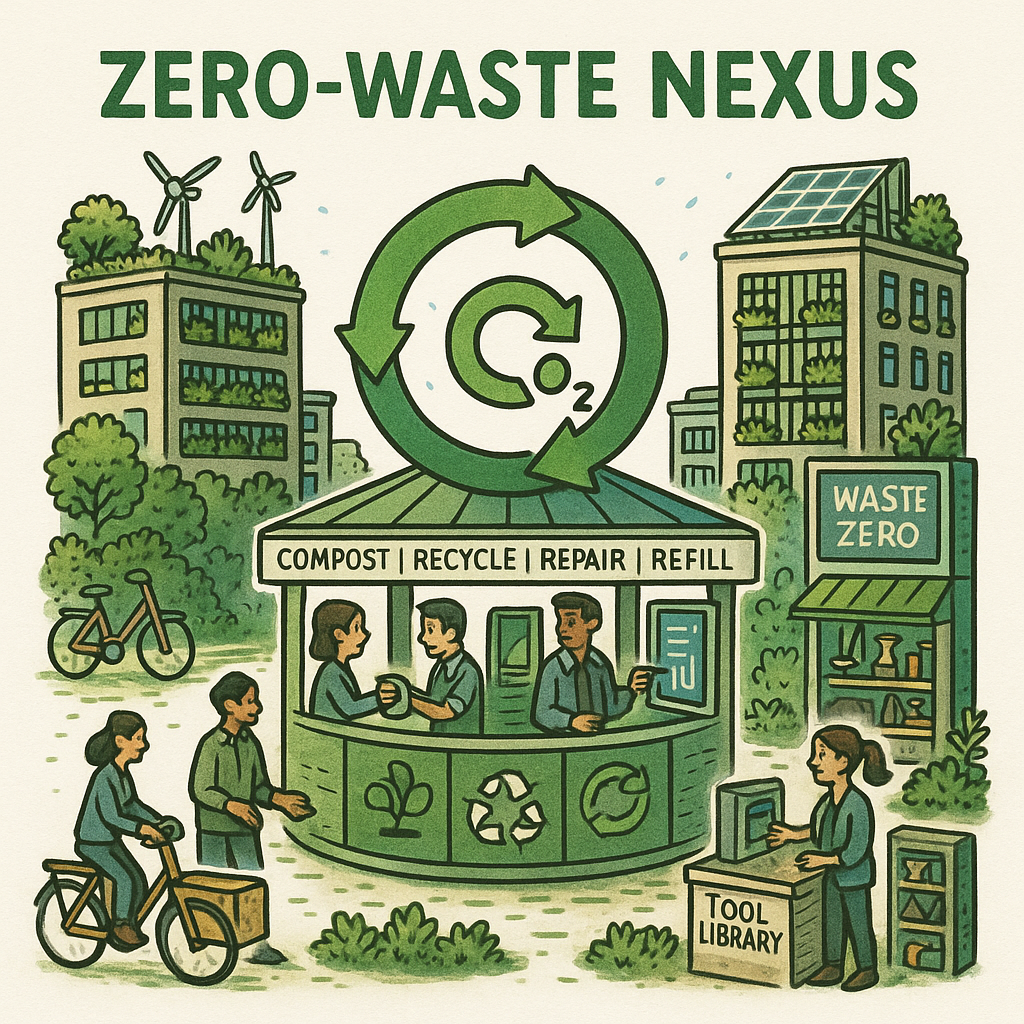
- Comprehensive Design Thinking: Embedding durability, sustainability, and user-centricity into design ensures long-lasting, reliable products.
- Stakeholder Engagement and Feedback: Involving consumers, suppliers, and regulators early helps identify issues and co-create better solutions.
- Transparency and Accountability: Open communication on product processes, materials, and impacts builds credibility and trust.
- Robust Quality Assurance: Consistent testing and control reduce risks of defects, recalls, and liabilities.
- Lifecycle Assessment and Management: Evaluating impacts from cradle to grave identifies hotspots and guides sustainable improvements.
5 Leading Practice Examples
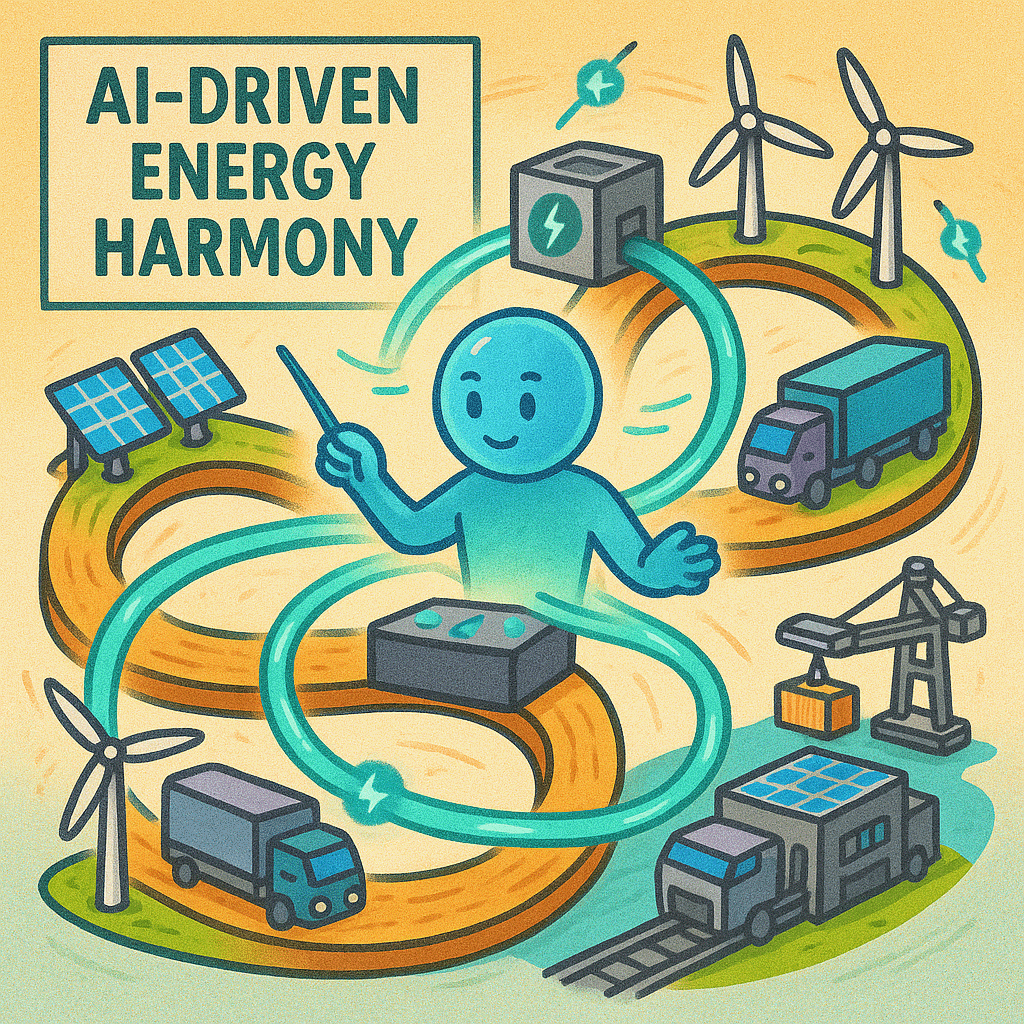
- Co-Creation with Stakeholders: Going beyond engagement to actively design products with stakeholders ensures broad acceptance and stronger outcomes.
- Circular Design Principles: Creating products for reuse, repair, or recycling extends lifecycles and supports the circular economy.
- Predictive Analytics and AI: Leveraging data to anticipate issues before they escalate reduces risks and enhances product safety.
- Regenerative Business Models: Moving past “less harm” to actively restore ecosystems and communities through responsible product strategies.
- Blockchain-Enabled Traceability: Using blockchain for end-to-end supply chain transparency strengthens accountability and consumer trust.
Most Common Artefacts
The Most Common Artefacts
Practical tools and artefacts are essential for bringing Lifetime Product Liability from theory into action. They provide structure, guidance, and measurable ways to embed responsibility into organizational practices. By using artefacts such as frameworks, metrics, and reporting templates, organizations ensure consistency, transparency, and alignment with sustainability goals.
These artefacts do not only help manage risks and compliance, but they also act as accelerators for sustainability innovation, enabling companies to design more durable, responsible, and trusted products. Below are some of the most common artefacts organizations rely on when implementing Lifetime Product Liability.
| Artefact | Description | How it Can Be Used for Sustainability Innovation |
|---|---|---|
| Environmental Impact Assessment Frameworks | Frameworks for systematically assessing and quantifying the environmental impact of products throughout their lifecycle. Common metrics include carbon footprint, water usage, and resource depletion. | Utilize these frameworks to identify and address environmental hotspots in product lifecycles. Integrate findings into the innovation process to create products with lower ecological footprints. |
| Social Impact Metrics | Metrics and tools for evaluating the social impact of products, considering factors such as labor conditions, community engagement, and overall societal well-being. | Leverage social impact metrics to guide innovation strategies that prioritize positive social outcomes. Integrate feedback from impacted communities into the design and improvement of sustainable products. |
| Product Life Cycle Analysis (PLCA) | Comprehensive methodology for assessing the environmental and social impacts of a product from raw material extraction to disposal, informing sustainable design decisions. | Apply PLCA insights to drive disruptive innovation by identifying opportunities for circular design, eco-friendly materials, and sustainable manufacturing processes. Innovate with a lifecycle perspective to maximize positive impacts. |
| Transparency and Traceability Tools | Tools enabling organizations to provide transparent information about the origins, manufacturing processes, and disposal methods of their products. Utilizes blockchain technology for enhanced traceability. | Integrate these tools to enhance transparency in the supply chain. Leverage blockchain for traceability, ensuring consumers have access to trustworthy information, fostering trust and promoting disruptive sustainability innovations. |
| Circular Design Guidelines | Guidelines and frameworks for designing products with a focus on circular economy principles, encouraging longevity, reparability, and recyclability. | Adopt circular design principles to revolutionize product development. Disrupt traditional linear business models by creating products designed for multiple lifecycles, reducing waste, and contributing to a circular economy. |
| Stakeholder Engagement Platforms | Standardized templates for reporting on sustainability metrics, ensuring consistency and comparability in communicating the organization's commitment to Lifetime Product Liability. | Integrate sustainability reporting into disruptive innovation strategies. Communicate transparently about sustainable practices to gain a competitive edge and attract consumers seeking environmentally conscious products. |
| End-of-Life Management Plans | Comprehensive plans outlining strategies for the responsible disposal, recycling, or repurposing of products at the end of their lifecycle. | Innovate by incorporating end-of-life management plans into product design. Disrupt traditional waste management practices by creating products with clear end-of-life strategies, minimizing environmental impact. |
| Eco-Labels and Certifications | Certifications such as Cradle to Cradle, ENERGY STAR, or eco-labels signifying adherence to certain environmental and social standards, providing credibility to products adopting Lifetime Product Liability. | Leverage eco-labels and certifications to differentiate disruptive sustainability innovations. Gain consumer trust by visibly demonstrating compliance with recognized standards for environmental and social responsibility. |
| Training and Awareness Programs | Educational programs within the organization to raise awareness among employees about the principles of Lifetime Product Liability, fostering a culture of responsibility and sustainability. | Integrate training programs into innovation initiatives to instil a sustainability mindset. Empower employees to contribute disruptive ideas for sustainable products, fostering a culture of continuous improvement and innovation. |
Overview of the most common artefacts used with Lifetime Product Liability.
Artefacts are the building blocks of effective Lifetime Product Liability, translating principles into actionable tools. Whether through impact frameworks, lifecycle assessments, or eco-labels, these artefacts guide organizations in aligning responsibility with innovation.
By leveraging them, companies can achieve both compliance and creativity, building products that are safe, sustainable, and trusted. In practice, they serve as catalysts for disruptive sustainability innovation, ensuring that Lifetime Product Liability drives not just accountability but also long-term positive change.
Conclusion
Lifetime Product Liability is more than a regulatory requirement; it is a strategic imperative for organizations seeking to balance profitability with responsibility. By extending accountability across the entire product lifecycle, companies protect consumers, comply with regulations, and actively contribute to sustainability goals. The framework of components, business benefits, best practices, and artefacts demonstrates that liability can be transformed from a defensive measure into a source of competitive advantage.
Organizations that adopt this approach strengthen trust with stakeholders, mitigate risks, and open pathways to innovation in product design, manufacturing, and end-of-life management. Ultimately, embracing Lifetime Product Liability is a commitment to shaping a more sustainable future, where products are designed, produced, and disposed of with care for people, the planet, and long-term prosperity.