
What is Gender Diversity?
Gender diversity refers to the fair and inclusive representation of people of all genders across workplaces, institutions, and society. It goes beyond simply achieving equal numbers of men and women, encompassing equity in opportunities, treatment, and outcomes. True gender diversity ensures that every individual, regardless of gender identity, has access to the same rights, responsibilities, and resources. It recognizes historical and structural inequalities that have disadvantaged women and non-binary individuals, and it actively seeks to correct these imbalances.
Within organizations, gender diversity translates into equal chances for recruitment, pay, leadership, and career growth, while also fostering inclusive cultures where discrimination, bias, and harassment are eliminated. At a societal level, it contributes to resilience, fairness, and long-term sustainability by leveraging the unique perspectives, skills, and experiences of all genders.
Main Components
The 8 Main Components of Gender Diversity
Gender diversity is a multidimensional concept that extends across laws, workplace culture, economics, and leadership. To truly achieve it, organizations and societies must work across several interconnected areas. These components act as pillars that uphold fairness, equity, and inclusion, while also ensuring compliance with global sustainability goals such as the United Nations Sustainable Development Goal 5: “Achieve gender equality and empower all women and girls.”
Understanding these components helps leaders and stakeholders focus their actions on the areas that bring the most impact. Each component contributes to creating environments where all genders can thrive equally, participate fully, and reach their potential. Below are the eight main components of gender diversity, each essential for building inclusive workplaces and sustainable societies.
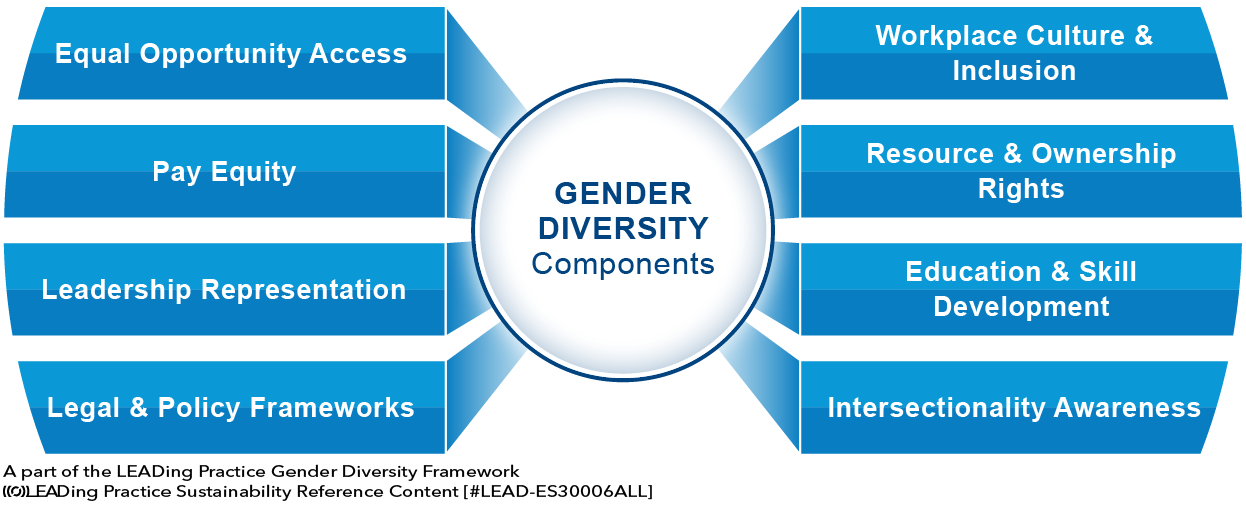
Below are the eight main components of Gender Diversity, reflecting both structural patterns and actionable insights for organizations:
These eight components of gender diversity form a comprehensive framework for action. From ensuring pay equity to strengthening legal frameworks and building inclusive cultures, they represent the key levers of change. By addressing each component, organizations and societies can not only eliminate structural discrimination but also unleash creativity, innovation, and resilience through diverse perspectives.
Sustainable progress requires a holistic approach that acknowledges education, ownership rights, and intersectionality as part of the gender diversity equation. Together, these dimensions create the foundation for equitable participation and opportunities, ensuring that gender diversity moves from aspiration to lasting reality.
Why This Is Relevant
Why is Gender Diversity so Relevant?
Gender diversity matters because it unites principles of fairness, economic growth, and sustainability. It ensures that people of all genders receive equal opportunities, a core human right that also strengthens organizational and societal resilience. Beyond its ethical dimension, research shows that gender-diverse organizations perform better financially, as varied perspectives spark innovation, creativity, and stronger problem-solving. Such workplaces are also better equipped to understand diverse customer needs and remain competitive in rapidly changing markets. Leadership diversity plays a vital role in improving governance and decision-making. Teams that represent multiple perspectives manage risks more effectively, avoid groupthink, and build trust among stakeholders.
This benefits not only companies but also investors, employees, and communities. On a societal level, closing gender gaps in participation and pay can significantly boost economic growth and reduce poverty. Nations that embrace inclusivity unlock vast human potential and create stronger, more stable communities. Gender diversity also directly supports the United Nations Sustainable Development Goal 5, which calls for gender equality and empowerment of women and girls. In short, gender diversity is more than an ethical responsibility — it is a catalyst for prosperity, sustainability, and long-term success.
Business/Value Case
The Business/Value Case for Gender Diversity
The business case for gender diversity is stronger than ever. Organizations that embrace it not only comply with global expectations but also unlock measurable advantages across performance, innovation, and reputation. A gender-diverse workforce strengthens competitiveness by bringing varied perspectives that fuel creativity and better decision-making. It also enables companies to attract and retain top talent, enhance stakeholder trust, and align with sustainability goals such as SDG 5.
Beyond the workplace, societies benefit from closing gender gaps through economic growth, poverty reduction, and resilience. Stakeholders across business, government, and communities gain when gender equity becomes a standard practice. Below are ten of the most valuable benefits and advantages of gender diversity, highlighting who directly benefits from each outcome.
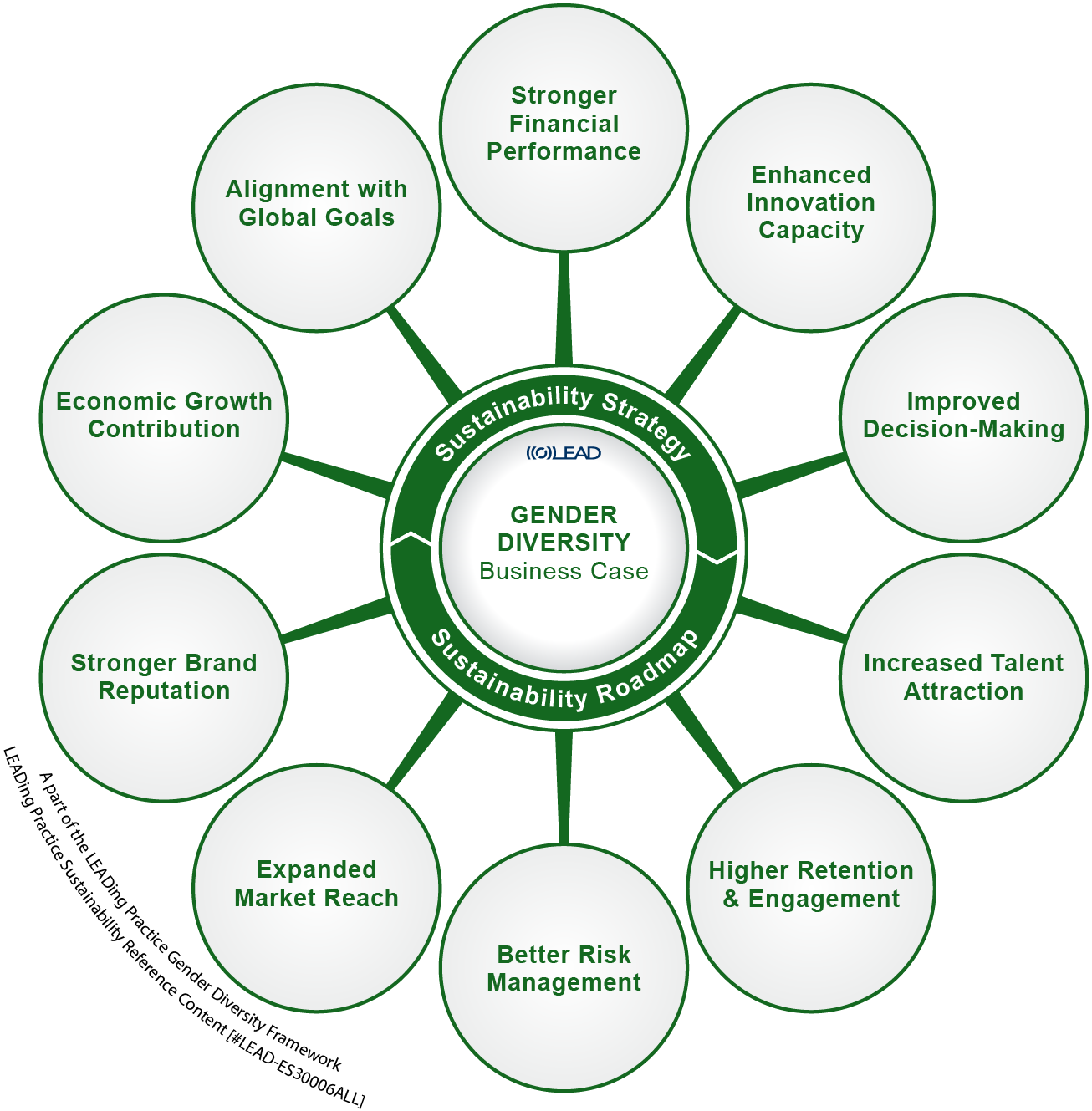
Below are ten key benefits that highlight why this approach is essential for modern organizations:
The business and value case for gender diversity is both compelling and practical. It enhances financial performance, drives innovation, and improves decision-making while also strengthening reputation, compliance, and market presence. By prioritizing inclusivity, organizations attract and retain talent, contributing directly to stability and growth.
On a wider scale, societies gain from stronger economies and more equitable access to opportunities. For stakeholders from employees to investors, governments to customers, gender diversity delivers shared benefits that create long-term sustainability. Embracing it is no longer optional — it is an essential strategy for success in today’s interconnected and competitive world.
How-To-Guide
How-To-Guide: The Gender Diversity Framework
The Gender Diversity Framework provides a structured, step-by-step approach for organizations to embed inclusivity into their operations and culture. Rather than relying on ad-hoc initiatives, it establishes a standardized way of working that integrates strategy, policy, and practice. At its core, the framework connects directly to the Gender Diversity Business Case, showing that equality is not only ethically necessary but also a driver of growth and sustainability.
By following a clear sequence of steps, organizations can systematically address bias, redesign workplace practices, and measure progress. This framework is valuable because it aligns multiple roles — from executives to HR, managers to employees — around shared responsibilities. With clarity on what, when, where, how, and who, execution becomes consistent, effective, and sustainable.
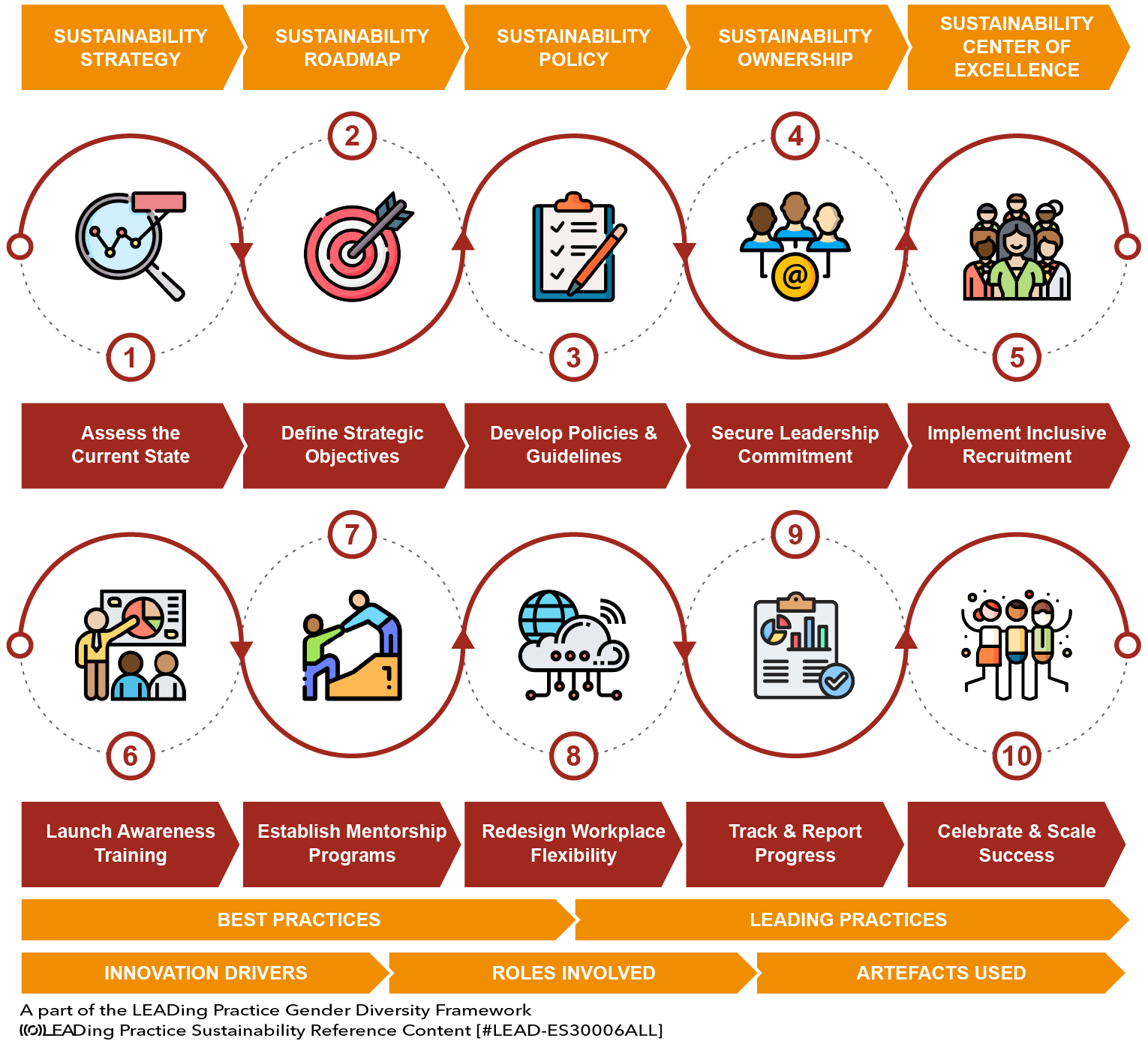
The 10-Step Way Forward:
A framework for gender diversity transforms ambition into action. It provides structure, consistency, and accountability, ensuring progress does not depend on isolated initiatives but on system-wide change. By following the 10 steps, organizations can diagnose gaps, implement targeted policies, build inclusive practices, and measure outcomes transparently.
This framework also aligns roles across leadership, HR, compliance, and employees, ensuring responsibility is shared. Most importantly, it links directly to the business case by showing that gender diversity strengthens competitiveness and resilience. With a clear roadmap, organizations can move faster and more effectively toward equity and sustainable impact.
Contact Us
Wanna learn more ? Want to improve your company ?
Projects that require our help ?
Don't waste more time, contact us !
Most Common Pitfalls
The Most Common Pitfalls and Challenges
While the importance of gender diversity is widely recognized, many organizations still struggle with putting it into practice. Challenges often stem from ingrained cultural norms, weak implementation of policies, or short-term efforts that lack accountability. These pitfalls not only slow progress but can even create resistance if handled poorly.
To avoid repeating mistakes, it is critical to understand both the recurring antipatterns — behaviors that seem useful but undermine progress — and the worst practices — damaging actions that directly harm inclusion efforts. Identifying these barriers helps organizations move forward with more sustainable and impactful diversity strategies.
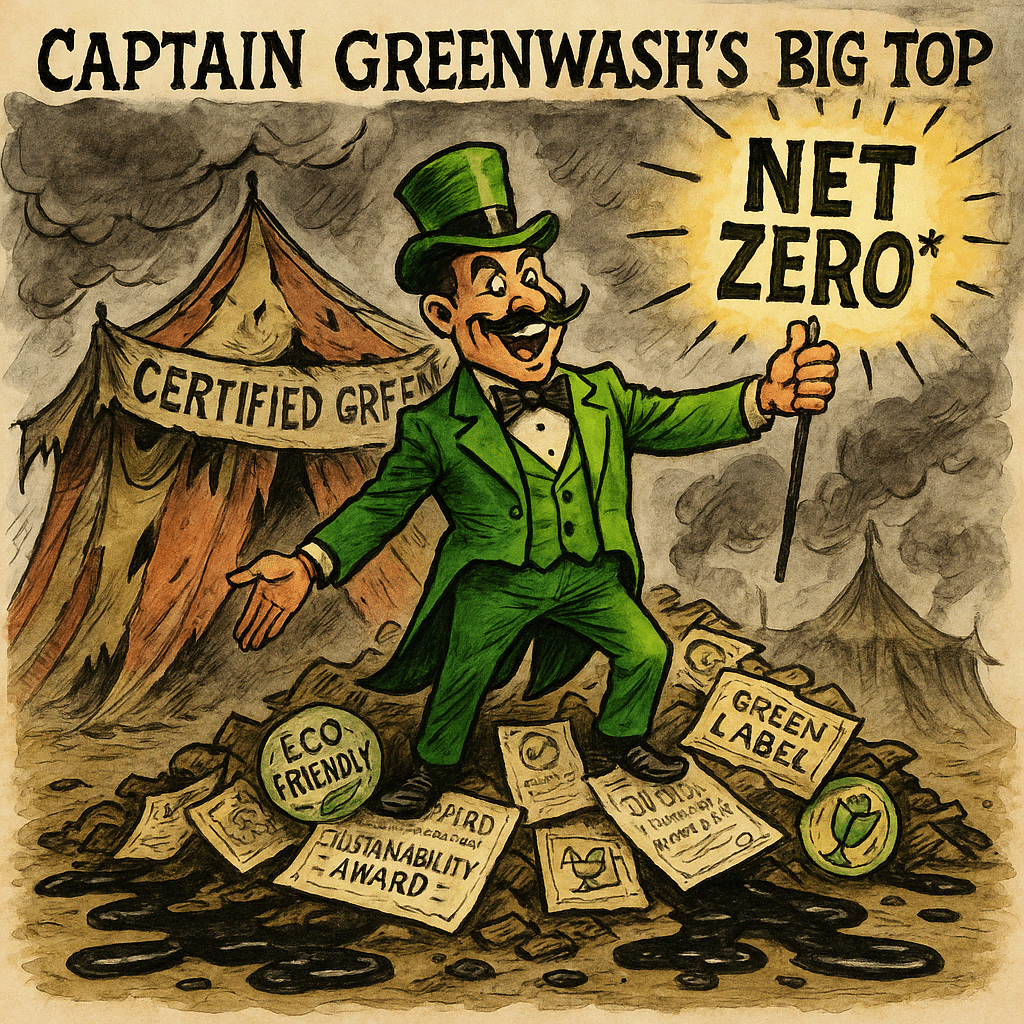
5 Antipattern Examples
- Tokenism: Hiring or promoting a few women for appearance’s sake without real influence, creating frustration instead of meaningful representation.
- One-off Initiatives: Running short campaigns without embedding diversity into long-term strategy, leading to quick fade-outs and wasted resources.
- Unconscious Bias Training Alone: Relying only on workshops without changing systems or policies, leaving structural inequalities unaddressed.
- Diversity as HR’s Responsibility Only: Treating gender diversity as a side project of HR, not a shared leadership commitment across the organization.
- Overemphasis on Numbers: Focusing solely on statistics rather than inclusion, culture, and equitable opportunities for all genders.
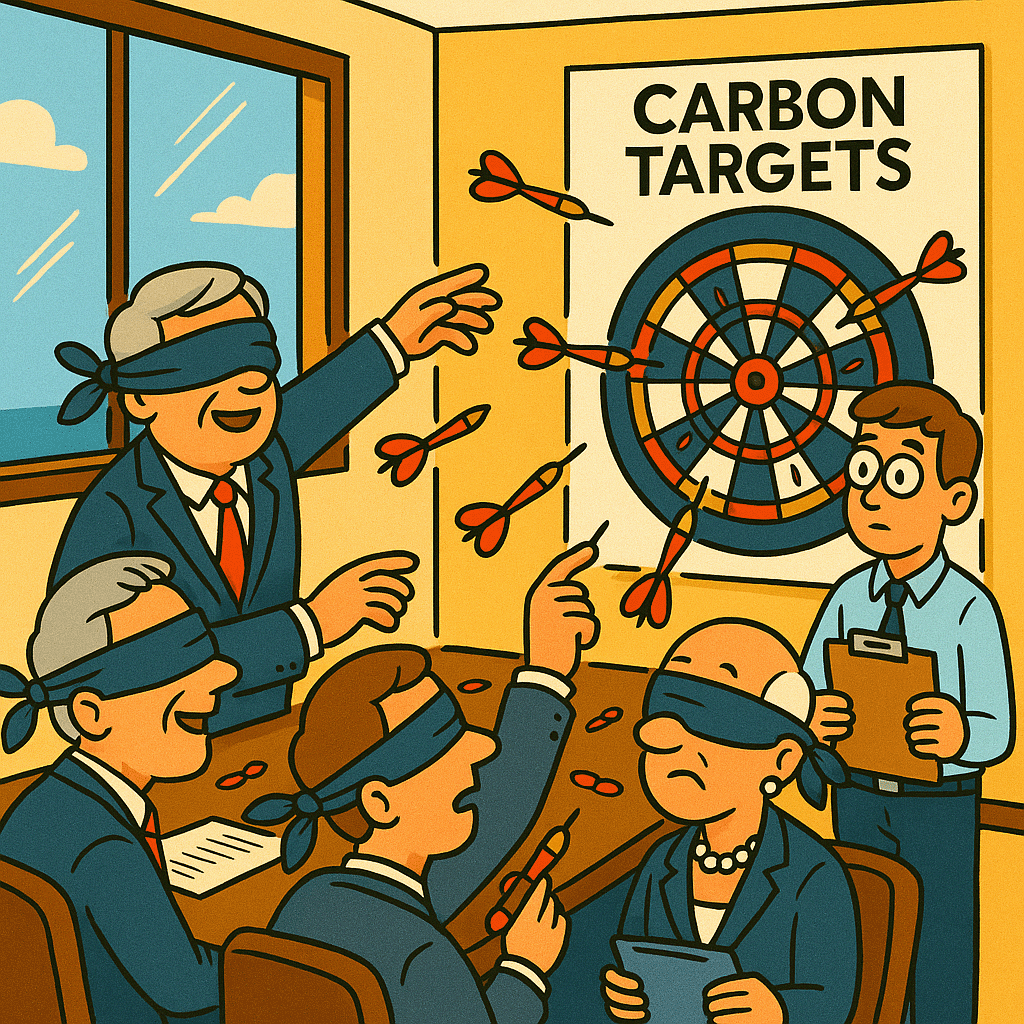
5 Worst Practice Examples
- Ignoring Pay Gaps: Failing to address unequal pay for equal work entrenches inequality and sends a clear message of undervaluing women.
- Tolerating Harassment: Neglecting to enforce zero-tolerance policies on harassment creates unsafe environments, discouraging participation and retention.
- Excluding Intersectionality: Overlooking how race, class, age, or disability combine with gender leaves key groups invisible and unsupported.
- Weak Leadership Accountability: Leaders who publicly endorse diversity but avoid measurable actions erode trust and stall cultural change
- Rigid Work Structures: Rejecting flexible arrangements like parental leave or remote work excludes caregivers, disproportionately affecting women’s career progression.
Lessons Learned
Learning from the Outperformers: Lessons Learned
Organizations that excel in gender diversity share one common trait: they treat it as a core business priority rather than a side initiative. Outperformers demonstrate that sustainable success requires more than compliance; it requires embedding equity into strategy, operations, and culture. Their lessons show that gender diversity is achievable when commitment is paired with accountability, innovation, and long-term planning.
By studying best practices — the fundamental actions that drive steady improvement — and leading practices — the advanced measures that push boundaries — other organizations can learn how to transform ambition into measurable impact and cultural change.
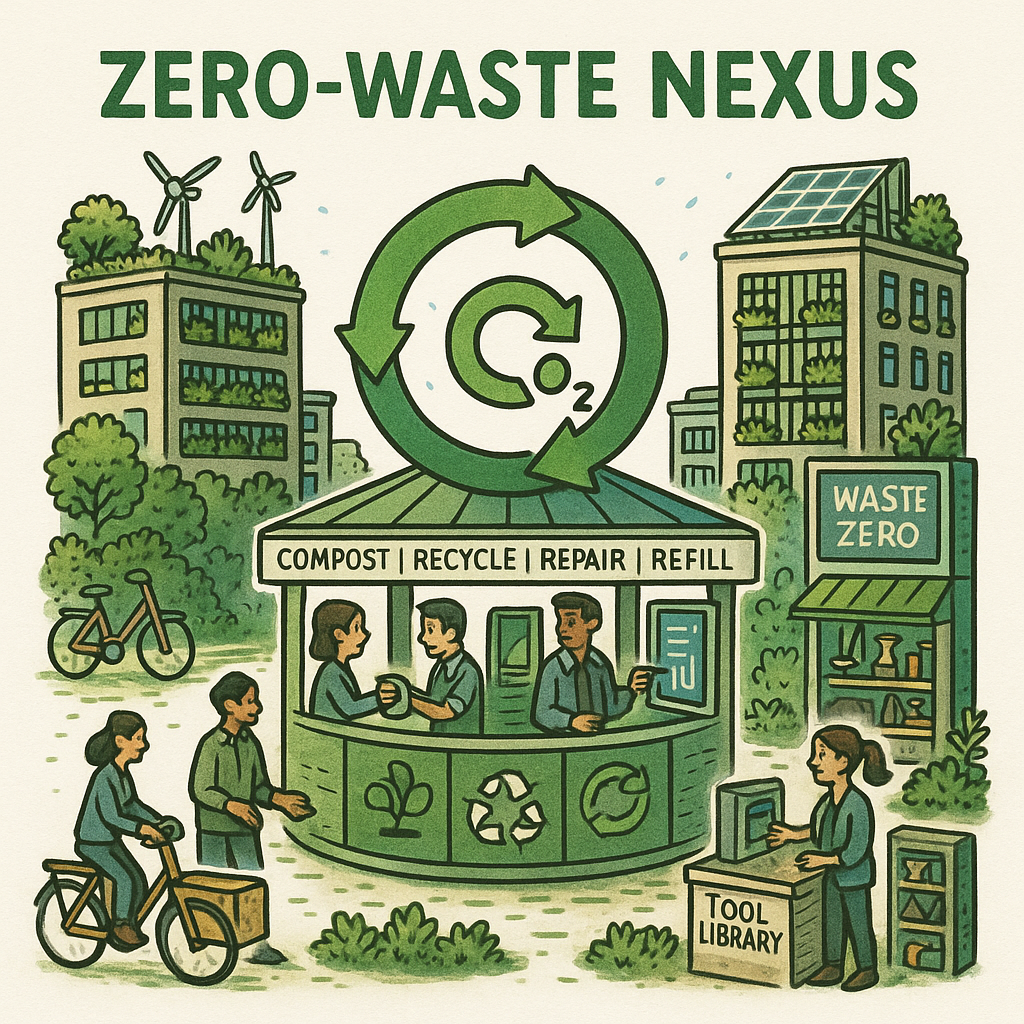
5 Best Practice Examples
- Transparent Pay Audits: Regularly reviewing compensation to identify and close gender pay gaps, ensuring fairness and building employee trust.
- Inclusive Recruitment: Using structured interviews and gender-neutral job descriptions to minimize bias and widen candidate pools.
- Visible Leadership Support: Executives consistently champion diversity through communication, resources, and accountability, signaling commitment across all levels.
- Bias Awareness Training: Mandatory training for all staff to reduce unconscious bias and improve everyday workplace interactions.
- Flexible Work Options: Offering flexible schedules and parental leave to support work-life balance and broaden career opportunities for caregivers.
5 Leading Practice Examples
- Gender Targets in Leadership: Setting measurable quotas or KPIs for women in leadership roles, with progress tied to executive performance reviews.
- Mentorship and Sponsorship Networks: Creating formal programs pairing women with senior leaders who actively advocate for their advancement.
- Integrated Diversity Dashboards: Using data-driven dashboards to track recruitment, promotions, and retention by gender, ensuring transparency and accountability.
- Intersectional Policy Design: Developing initiatives that consider overlapping factors like race, age, or disability to ensure no group is left behind.
- Public Commitment and Advocacy: Companies influencing industry standards by publishing progress, sharing lessons, and collaborating with external partners on gender equality initiatives.
Most Common Artefacts
The Most Common Artefacts
Artefacts are practical tools that help organizations move from strategy into execution. In the context of gender diversity, artefacts serve as visual maps, templates, and structured frameworks that capture how inclusivity is integrated into processes, roles, and decision-making. They create clarity, align stakeholders, and make progress measurable.
Outperforming organizations use these artefacts to avoid reinventing the wheel and to standardize their approach across departments and regions. By applying them consistently, companies strengthen accountability and transparency while embedding gender diversity into the fabric of their culture. Below are the most common artefacts used to support gender diversity initiatives.
| Artefact | Description | How it Can Be Used for Sustainability Innovation |
|---|---|---|
| Stakeholder Map | Identifies all stakeholders influencing or impacted by gender diversity initiatives. | Ensures key voices are included, driving accountability and broad engagement. |
| Role Map | Defines responsibilities of internal and external roles in diversity efforts. | Clarifies ownership and prevents gaps in execution. |
| Service Map | Captures services linked to gender diversity, such as mentoring or training programs. | Helps align services with inclusivity goals, ensuring resources are targeted effectively. |
| Process Map | Visualizes processes where gender diversity must be embedded, from recruitment to promotions. | Highlights weak points where bias may enter, supporting redesign for fairness. |
| Value Map | Links company values with gender diversity principles. | Ensures organizational culture consistently reflects commitments to equity and sustainability. |
| Policy Template | Provides standardized wording for inclusive workplace policies. | Accelerates adoption of clear, enforceable rules across global offices. |
| Diversity Dashboard | Tracks metrics like gender pay gaps, promotions, and representation in leadership. | Makes progress visible, measurable, and aligned with long-term equity goals. |
Overview of the most common artefacts used with Gender Diversity.
Artefacts bridge the gap between intention and practice by translating diversity strategies into concrete tools. Whether through mapping stakeholders, defining roles, or tracking metrics, they ensure that inclusion efforts are systematic rather than symbolic. Used consistently, these artefacts accelerate organizational learning, prevent duplication, and provide transparent evidence of progress.
For sustainability innovation, they offer a way to align values, processes, and outcomes with global goals like SDG 5. By embedding these artefacts into daily operations, organizations ensure that gender diversity is not just a policy statement but a lived reality across their culture and strategy.
Conclusion
Gender diversity is far more than a social responsibility; it is a cornerstone of sustainable progress for organizations and societies alike. As explored throughout this chapter, it means ensuring that people of all genders have equal access to opportunities, resources, and leadership. By focusing on the eight key components — from pay equity to intersectionality — organizations can address systemic barriers and create environments where fairness is embedded in everyday practice. The business case reinforces that gender diversity delivers measurable value: stronger performance, more innovation, better decision-making, and improved societal outcomes. However, the path forward requires structure and consistency, which is why frameworks, artefacts, and lessons from outperformers are so essential.
They transform vision into reality by aligning roles, policies, and actions across all levels of an organization. At the same time, avoiding common pitfalls and worst practices is critical. Tokenism, lack of accountability, or ignoring intersectionality can undermine even the best intentions. Outperformers demonstrate that progress comes from visible leadership commitment, data transparency, and integrated cultural change. Ultimately, gender diversity is about building a fairer, more resilient, and more sustainable future. By embracing it fully, organizations not only unlock value but also help create a world where equity and opportunity are realities for everyone.