

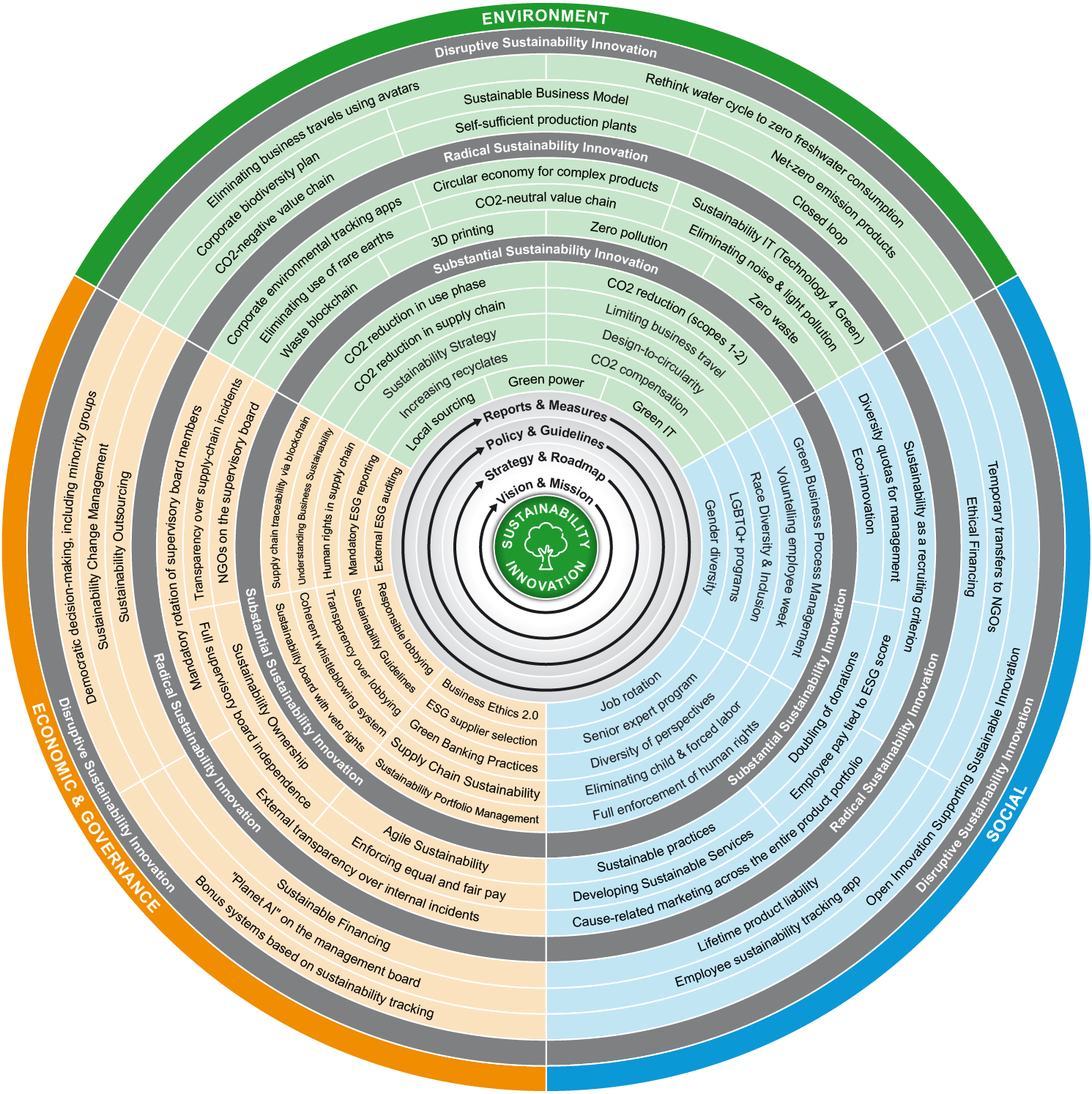
What is Diversity of Perspectives?
Diversity of perspectives is the recognition and integration of multiple viewpoints shaped by people’s unique backgrounds, identities, and experiences. It extends beyond visible differences like race or gender to include generational insights, socioeconomic realities, cultural traditions, and professional expertise. At its essence, it acknowledges that no single perspective can solve today’s complex challenges. In sustainability, this is particularly important. Climate change, inequality, migration, and social justice affect communities differently. Solutions created without diverse input risk being narrow or ineffective. Including multiple perspectives ensures strategies are inclusive, context-sensitive, and more sustainable.
In practice, diversity of perspectives is not just representation but meaningful participation. It requires addressing bias, removing barriers, and building a culture where different voices are heard and valued. For businesses, governments, and communities, embracing this approach is both a moral responsibility and a strategic advantage—fueling creativity, resilience, and legitimacy. Diversity of perspectives means weaving varied voices into decisions and actions. It ensures solutions reflect real-world complexity and serve diverse needs. By moving beyond representation to participation, organizations unlock creativity and resilience, making diversity not just ethical, but essential for sustainability and long-term success.
Main Components
The 8 Main Components of Diversity of Perspectives
Diversity of perspectives reflects the many dimensions that shape how individuals experience the world and contribute to collective outcomes. It is not limited to visible traits, but extends to cultural heritage, socioeconomic conditions, generational experiences, and professional expertise. These elements influence how people approach problems, make decisions, and envision solutions.
For organizations and societies, recognizing these components helps ensure that sustainability efforts are inclusive, innovative, and impactful. By engaging voices from all these dimensions, we reduce blind spots, challenge assumptions, and develop strategies that are more resilient and equitable. Below are eight central components that together form the foundation for harnessing diversity of perspectives effectively.

Below are the eight main components of Diversity of Perspectives, reflecting both structural patterns and actionable insights for organizations:
The eight components demonstrate that diversity of perspectives is multi-dimensional, spanning race, gender, migration, socioeconomic status, culture, generations, professions, and geographic outlooks. Together, they reveal how human differences intersect to shape decision-making and outcomes. By valuing these components, organizations gain more inclusive strategies, avoid blind spots, and strengthen resilience.
Embedding this diversity into everyday processes does more than enhance fairness—it fuels creativity, accelerates sustainability goals, and creates solutions that reflect real-world complexity. Recognizing and actively engaging with these components is essential for building organizations and societies that are both innovative and truly sustainable.
Why This Is Relevant
Why is Diversity of Perspectives so Relevant?
The relevance of diversity of perspectives lies in its ability to address the complexity of today’s global challenges. Issues such as climate change, migration, inequality, and social justice affect people in very different ways depending on their cultural, generational, and socioeconomic contexts. A single perspective cannot adequately capture these variations, nor can it create solutions that are fair and effective for all. By bringing together diverse voices, organizations reduce blind spots, anticipate risks more effectively, and create strategies that are not only innovative but also inclusive. This relevance is especially critical for sustainability, where solutions must balance global priorities with local realities. Businesses, governments, and communities that embrace diversity of perspectives also strengthen trust, legitimacy, and adaptability.
Far from being a matter of representation alone, it becomes a strategic foundation for long-term resilience and social responsibility. Diversity of perspectives is relevant because it ensures decisions and strategies reflect real-world complexity. It improves innovation, reduces risks, and builds inclusive solutions that respond to diverse human needs. For organizations, this relevance translates into stronger stakeholder trust, better problem-solving, and greater adaptability in times of change. For society, it means advancing fairness and sustainability. In short, diversity of perspectives is not an optional consideration—it is central to creating resilient systems, equitable opportunities, and lasting impact in a rapidly evolving global context.
Business/Value Case
The Business/Value Case for Diversity of Perspectives
The business case for diversity of perspectives is both compelling and practical. Organizations that embrace diverse viewpoints outperform those that rely on homogeneity because they tap into broader ideas, deeper insights, and stronger connections with stakeholders. From innovation to employee satisfaction, from customer trust to long-term resilience, diversity of perspectives delivers tangible benefits that strengthen competitiveness and sustainability.
Importantly, these advantages extend across multiple stakeholders—leaders, employees, customers, and communities—who all gain from more inclusive, relevant, and fair outcomes. By integrating diversity into business strategy, organizations align their operations with modern expectations, respond effectively to global challenges, and position themselves as forward-thinking leaders in their industries.
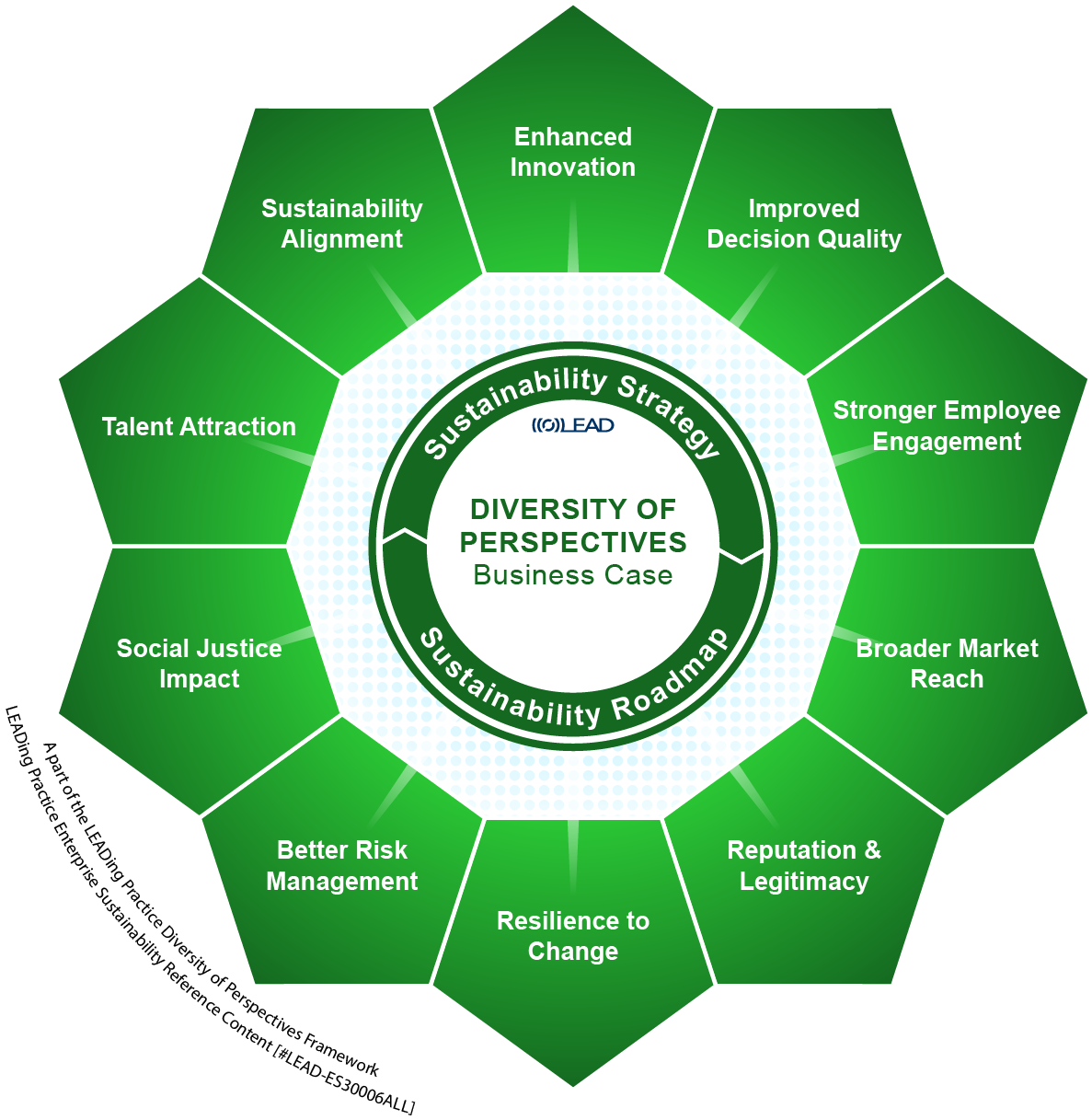
Below are ten key benefits that highlight why this approach is essential for modern organizations:
The value case for diversity of perspectives is clear: it fuels innovation, enhances decision-making, and builds more resilient organizations. It attracts talent, engages employees, and strengthens reputation, while also advancing social justice and sustainability goals. By integrating diversity into core strategies, organizations not only meet stakeholder expectations but also unlock long-term business growth and societal impact.
Each advantage shows that inclusion is not simply a moral obligation but a performance driver. In a world facing complex global challenges, the organizations that listen broadly and act inclusively will be the ones best equipped to thrive.
How-To-Guide
How-To-Guide: The Diversity of Perspectives Framework
The Diversity of Perspectives Framework offers organizations a structured way to embed inclusivity into strategy, operations, and culture. It turns diversity from an abstract principle into a practical roadmap with clear actions. By following ten steps, organizations integrate diverse voices into decision-making, measure progress, and ensure accountability across roles and functions.
This approach provides consistency, reduces blind spots, and accelerates sustainable results. The framework is not just about ethics—it strengthens innovation, builds resilience, and creates fairness in outcomes. For leaders, teams, and stakeholders alike, this structure offers the confidence that diversity is managed systematically, ensuring it becomes a lasting part of organizational practice.
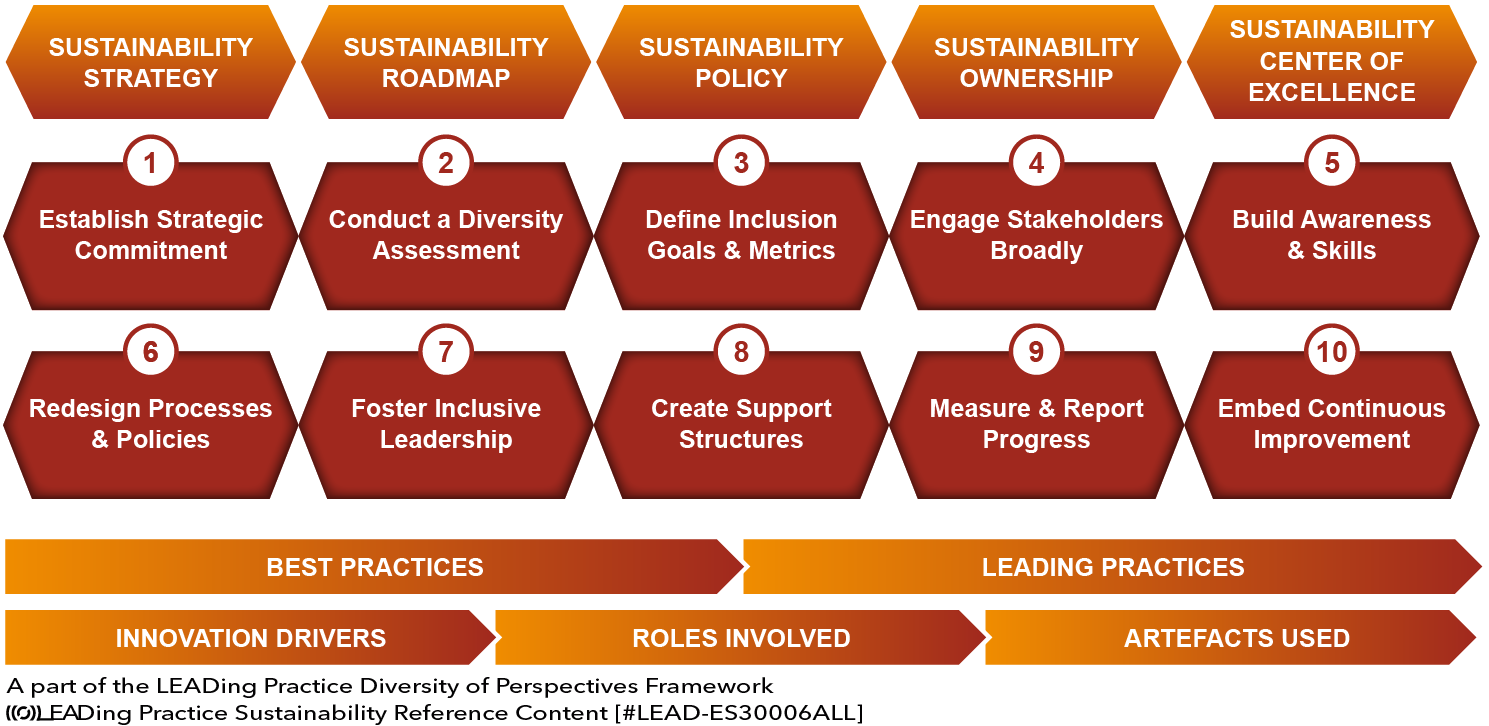
The 10-Step Way Forward:
The Diversity of Perspectives Framework ensures inclusivity is approached systematically, not superficially. Its ten steps move organizations from commitment to measurable results, embedding diversity in strategies, policies, and culture. Leaders, employees, and communities all gain from this structured approach, which strengthens accountability and accelerates impact.
By reducing complexity into actionable steps, the framework prevents tokenism, fosters innovation, and builds resilience. Diversity becomes a living practice—continuously improved, transparent, and aligned with sustainability goals. For organizations ready to take action, this framework provides both structure and flexibility to create long-term, meaningful change.
Contact Us
Wanna learn more ? Want to improve your company ?
Projects that require our help ?
Don't waste more time, contact us !
Most Common Pitfalls
The Most Common Pitfalls and Challenges
While many organizations aspire to embrace diversity of perspectives, execution often falls short. Common pitfalls and challenges emerge when diversity is reduced to surface-level representation or handled without structure. Antipatterns highlight recurring mistakes in thinking or approach, while worst practices show damaging behaviors that can undermine progress.
Both act as cautionary signals: they reveal what organizations must avoid to succeed. By understanding these, leaders can create inclusive environments that go beyond rhetoric and ensure diversity becomes a meaningful driver of sustainable innovation.
5 Antipattern Examples
- Token Inclusion: Hiring diverse staff but excluding their voices from actual decision-making processes.
- One-Off Campaigns: Launching temporary initiatives without long-term structural change.
- Diversity = Numbers: Focusing only on quotas instead of genuine inclusion.
- Bias Blindness: Ignoring unconscious bias as a barrier to fairness and participation.
- Isolated Efforts: Treating diversity as HR’s job rather than an enterprise-wide responsibility.

5 Worst Practice Examples
- Performative Messaging: Publicly celebrating diversity while internal practices exclude marginalized voices.
- Ignoring Complaints: Failing to respond to discrimination reports, eroding trust and safety.
- Leadership Resistance: Executives dismissing diversity as “non-essential,” blocking meaningful action.
- No Measurement: Avoiding metrics, leaving progress invisible and unaccountable.
- Cultural Erasure: Forcing assimilation into dominant norms rather than valuing differences.
Lessons Learned
Learning from the Outperformers: Lessons Learned
Organizations that excel in diversity of perspectives demonstrate that inclusion, when treated as a strategic priority, generates measurable benefits. These outperformers don’t stop at compliance or surface-level actions; they embed diversity deeply into their culture, processes, and leadership.
By studying their approaches, we can identify best practices that set a solid foundation and leading practices that push boundaries even further. Together, these examples illustrate how diversity of perspectives can become a catalyst for innovation, sustainability, and resilience when executed with intention and consistency.
5 Best Practice Examples
- Integrating into Strategy: Embedding diversity into corporate goals and sustainability strategies ensures accountability and visibility at the highest level.
- Clear Metrics: Tracking representation, inclusion, and equity outcomes provides measurable progress and transparency.
- Bias Training: Offering regular training helps employees and leaders recognize and address unconscious bias in daily decisions.
- Stakeholder Dialogue: Actively engaging employees, communities, and partners ensures decisions reflect diverse needs and expectations.
- Inclusive Recruitment: Broadening talent pipelines to include underrepresented groups strengthens innovation and fairness in hiring.

5 Leading Practice Examples
- Diversity-Linked Incentives: Tying executive bonuses to diversity targets drives accountability and cultural change.
- Inclusive Innovation Labs: Creating cross-cultural teams to co-design sustainable products and services accelerates creativity.
- Global-Local Integration: Balancing global standards with local cultural adaptations ensures strategies are both scalable and context-sensitive.
- Intersectionality Focus: Addressing overlapping identities—such as race, gender, and class—creates solutions that tackle systemic inequities.
- External Advocacy: Outperformers influence industry standards and policies, positioning themselves as champions of fairness and sustainability beyond their organizations.
Most Common Artefacts
The Most Common Artefacts
Artefacts are practical tools that help organizations structure, document, and act on diversity of perspectives. In the context of sustainability, these artefacts are crucial for capturing stakeholder voices, aligning roles and responsibilities, and ensuring diverse insights are not only heard but translated into action.
They transform abstract values into visible frameworks that guide decision-making, measure progress, and embed inclusion into daily practice. By applying the right artefacts, organizations create clarity, transparency, and accountability in their diversity efforts while linking them directly to sustainable innovation.
| Artefact | Description | How it Can Be Used for Sustainability Innovation |
|---|---|---|
| Stakeholder Map | Identifies all groups affected by or influencing diversity initiatives. | Ensures all relevant voices are captured in sustainability planning and strategy. |
| Role Map | Clarifies responsibilities across leadership, HR, and employees in advancing diversity. | Assigns clear ownership and prevents accountability gaps in diversity execution. |
| Value Map | Links organizational values to diversity and inclusion principles. | Aligns cultural aspirations with sustainability practices, reinforcing credibility and consistency. |
| Inclusion Dashboard | Tracks key metrics such as representation, retention, and equity outcomes. | Provides transparency and measurable proof of progress for stakeholders and regulators. |
| Diversity Culture Creation & Maintenance Model | Outlines processes for building and sustaining an inclusive culture. | Embeds diversity practices into everyday operations, ensuring long-term impact. |
| Training Framework | A structured approach to bias awareness, inclusive leadership, and cultural competency training. | Equips employees and leaders with practical skills to live organizational values. |
| Communication Playbook | Defines inclusive language and messaging for internal and external communication. | Builds trust and prevents reputational risks in stakeholder engagement. |
| Sustainability Integration Guide | Connects diversity practices with ESG and sustainability objectives. | Aligns inclusion efforts with broader environmental and social responsibilities. |
Overview of the most common artefacts used with Diversity of perspectives.
Artefacts make diversity of perspectives tangible and actionable. They provide the structures, tools, and metrics organizations need to ensure inclusion is consistently implemented rather than left to chance. From stakeholder maps to dashboards, each artefact supports accountability and links diversity directly to sustainability goals.
By adopting and tailoring these tools, organizations create systems where diverse voices are not only recognized but actively shape sustainable solutions. This transforms diversity into a driver of innovation, resilience, and trust—crucial qualities for thriving in an interconnected and rapidly changing world.
Conclusion
Diversity of perspectives is far more than a principle of fairness; it is a critical enabler of sustainable innovation, resilience, and long-term organizational success. By valuing and integrating different voices—across race, gender, generation, culture, socioeconomic status, and professional background—organizations gain deeper insights into today’s most pressing challenges. This diversity equips them to design inclusive solutions that reflect real-world complexity, balance global ambitions with local needs, and earn the trust of stakeholders. The journey requires more than representation. It calls for structures, artefacts, and frameworks that make diversity actionable, measurable, and continuously improved.
The best-performing organizations show that when inclusivity becomes part of culture, strategy, and leadership, the benefits multiply: innovation accelerates, risks are reduced, and social legitimacy is strengthened. As we look ahead, embracing diversity of perspectives is not optional—it is fundamental. It offers a path to build organizations and societies that are not only more equitable but also better equipped to thrive in a rapidly changing world. By championing inclusion at every level, we create a future that is both sustainable and just.