

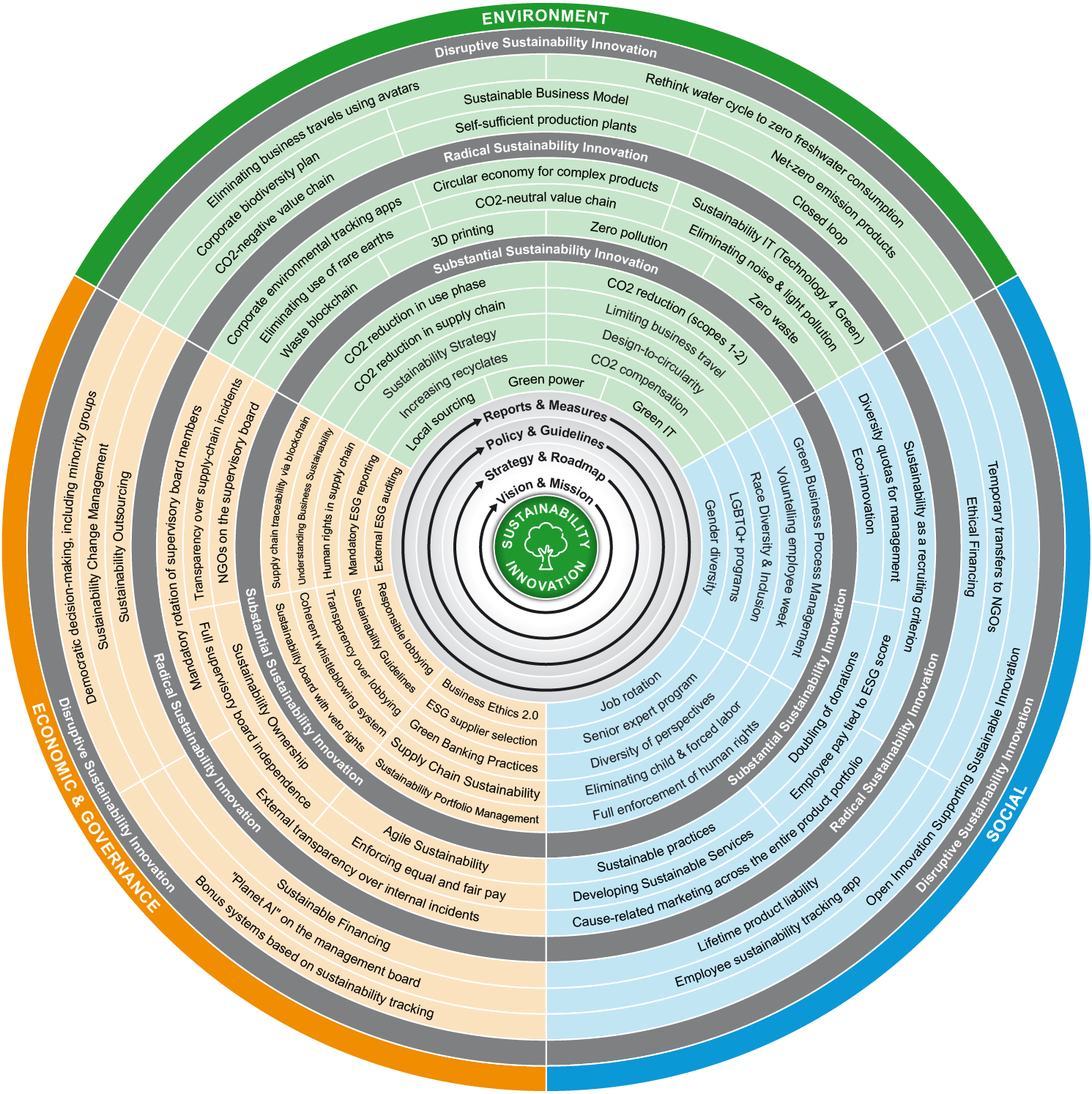
What is Zero Pollution?
Zero Pollution is a transformative sustainability vision that seeks to eliminate harmful emissions and discharges from air, water, and soil to levels no longer considered damaging to human health or ecosystems. Unlike traditional environmental management that focuses on limiting impacts, Zero Pollution aims to remove the root causes of pollution entirely. This ambition aligns with international frameworks such as the European Green Deal, targeting climate neutrality by 2050, and requires coordinated action across industries, governments, and societies. It involves cleaner technologies, systemic innovation, and a cultural shift toward sustainability.
Zero Pollution is not just a regulatory target but also a societal commitment to create healthier environments, equitable communities, and resilient economies built on eco-conscious choicesAt its core, Zero Pollution is both a guiding principle and a call to action. It recognizes pollution as one of the greatest threats to life and prosperity, while also framing the solution as an opportunity for transformation. By embedding sustainability into how we produce, consume, and live, Zero Pollution moves beyond incremental improvements toward systemic change. It is about building a future where economic growth coexists with ecological integrity and social well-being.
Main Components
The 8 Main Components of Zero Pollution
Achieving Zero Pollution requires more than isolated actions—it demands a systemic approach where every sector contributes to reducing and ultimately eliminating harmful emissions and discharges. Pollution is not the result of a single cause but an interconnected outcome of how we produce, consume, transport, and live. Therefore, Zero Pollution can only be realized through an integrated framework that touches energy systems, industries, agriculture, cities, water resources, and social behaviours.
The eight components outlined below represent the critical building blocks of this framework. Each one addresses a major area where human activity intersects with the environment, providing leverage points for transformation. Together, they create a holistic roadmap for protecting ecosystems, improving human health, and building more resilient and sustainable societies.
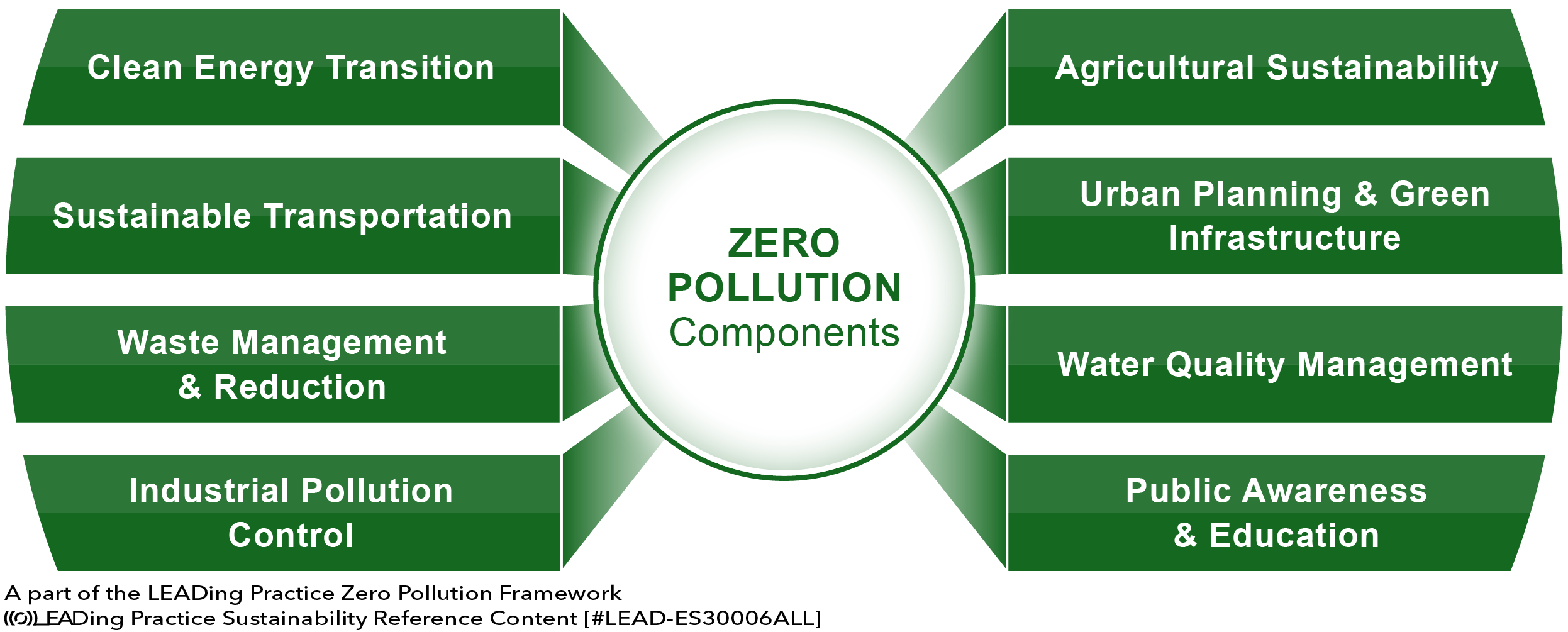
Below are the eight main components of Zero Pollution, reflecting both structural patterns and actionable insights for organizations:
The eight components of Zero Pollution are not isolated initiatives—they form a coherent system of change. Clean energy and sustainable transport reduce emissions at the source, while industrial control and agricultural sustainability tackle production impacts. Waste management and water quality preservation prevent harmful residues from damaging ecosystems, and urban planning ensures cities become healthier spaces to live in.
Finally, public awareness and education empower individuals and communities to take ownership of the transformation. By combining technological innovation, regulatory frameworks, and cultural change, these eight components provide a practical and actionable foundation for moving society closer to the vision of a pollution-free future.
Why This Is Relevant
Why is Zero Pollution so Relevant?
Zero Pollution is not just an environmental aspiration—it is a societal and economic necessity. Pollution in its many forms threatens human health, undermines biodiversity, and accelerates climate change. The costs of inaction are severe, ranging from premature deaths caused by poor air quality to degraded ecosystems that can no longer sustain agriculture or clean water supplies. Vulnerable communities often bear the greatest burden, making pollution a pressing issue of social justice as well as environmental protection. At the same time, the transition to Zero Pollution offers a powerful opportunity: it aligns with the principles of sustainable development, drives innovation, and fosters more resilient economies. Global initiatives like the European Union’s Zero Pollution Action Plan show that governments, businesses, and societies are already mobilizing to address the challenge at scale.
The relevance of Zero Pollution lies in its ability to respond to today’s most urgent challenges—protecting health, restoring ecosystems, and creating fairer societies. It is not simply about reducing emissions but about fundamentally reshaping how we live and work. By tackling pollution at its source, Zero Pollution strengthens the foundations of sustainable growth and long-term prosperity. It is a vision that integrates environmental, social, and economic goals, ensuring that progress in one area does not come at the expense of another. For businesses, governments, and citizens alike, the relevance of Zero Pollution is clear: it is the pathway to a healthier, more just, and more sustainable future.
Business/Value Case
The Business/Value Case for Zero Pollution
Zero Pollution is not only a moral and environmental obligation but also a powerful business case. Companies, governments, and communities that embrace pollution reduction strategies unlock opportunities for cost savings, innovation, competitiveness, and long-term resilience. The economic risks of pollution are immense—ranging from fines and reputational damage to resource depletion and healthcare costs—while the benefits of adopting cleaner practices are wide-reaching.
Zero Pollution enhances stakeholder trust, attracts investment, and ensures compliance with evolving regulations. At the same time, it delivers value to employees, communities, and ecosystems by safeguarding health and creating cleaner environments. The following ten benefits highlight why Zero Pollution represents both a sustainability imperative and a strategic advantage.
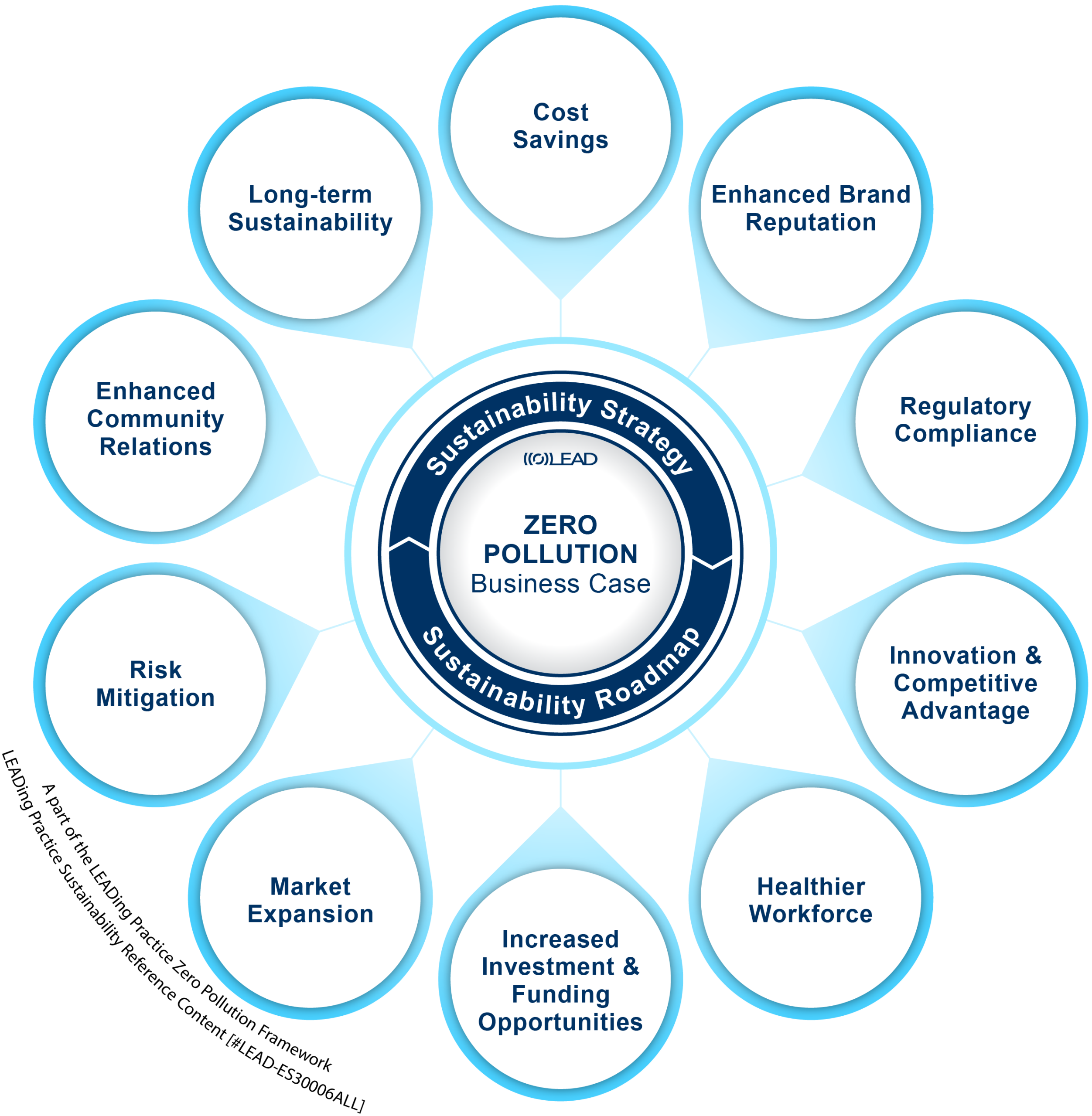
Below are ten key benefits that highlight why this approach is essential for modern organizations:
The business case for Zero Pollution is compelling. It combines financial, reputational, and operational advantages with broader societal benefits. Organizations that integrate pollution reduction into their strategy secure cost savings, compliance, and competitive differentiation, while also contributing to healthier communities and ecosystems.
For investors and governments, Zero Pollution signals forward-thinking resilience, reducing risks and creating opportunities. For communities, it promises better living conditions and improved equity. Altogether, the benefits demonstrate that Zero Pollution is not only achievable but also desirable across all stakeholder groups—making it one of the most powerful drivers of sustainable growth.
How-To-Guide
How-To-Guide: The Zero Pollution Framework
The Zero Pollution Framework gives organizations a clear and standardized way to move from ambition to action. Instead of addressing pollution reactively or in fragmented initiatives, it provides a structured path where every role, from executives to frontline staff, contributes to measurable outcomes. By combining technical solutions with cultural and organizational change, the framework ensures that pollution prevention becomes part of daily business practice rather than an afterthought.
It also integrates the business case for Zero Pollution, showing that reducing environmental harm aligns directly with financial performance, innovation, and competitiveness. The value of this approach lies in its clarity: everyone involved knows what to do, when to do it, and how their contribution supports the bigger picture.
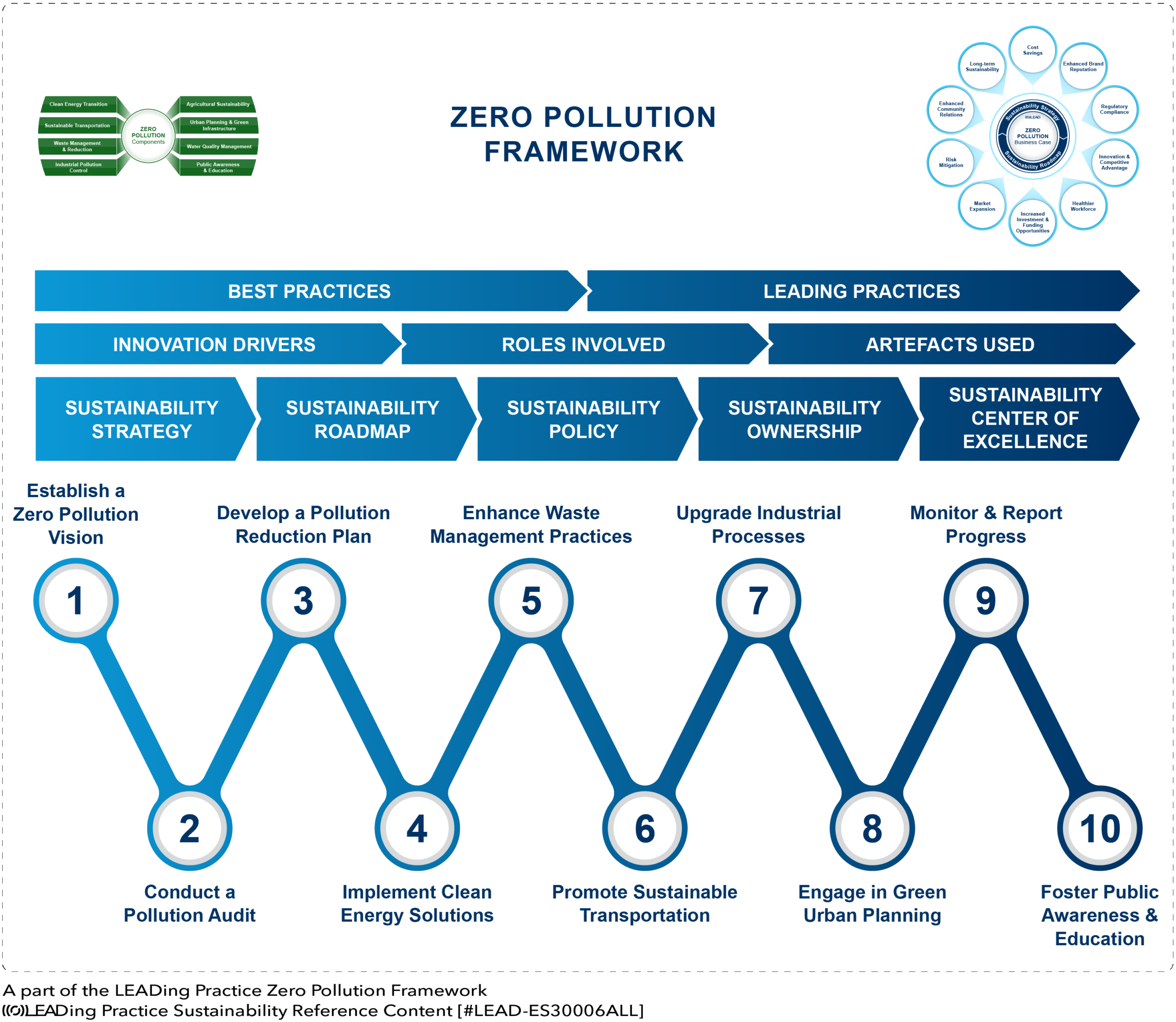
The 10-Step Way Forward:
The Zero Pollution Framework transforms ambition into action by breaking the journey into ten practical steps. It begins with vision-setting, builds momentum through audits and planning, and then delivers impact through clean energy, waste reduction, industrial upgrades, and green city design.
Monitoring and reporting maintain accountability, while education and awareness embed change at both organizational and community levels. This structured process provides clarity and alignment, enabling organizations to progress quickly, reduce risks, and unlock innovation while protecting the environment.
Contact Us
Wanna learn more ? Want to improve your company ?
Projects that require our help ?
Don't waste more time, contact us !
Most Common Pitfalls
The Most Common Pitfalls and Challenges
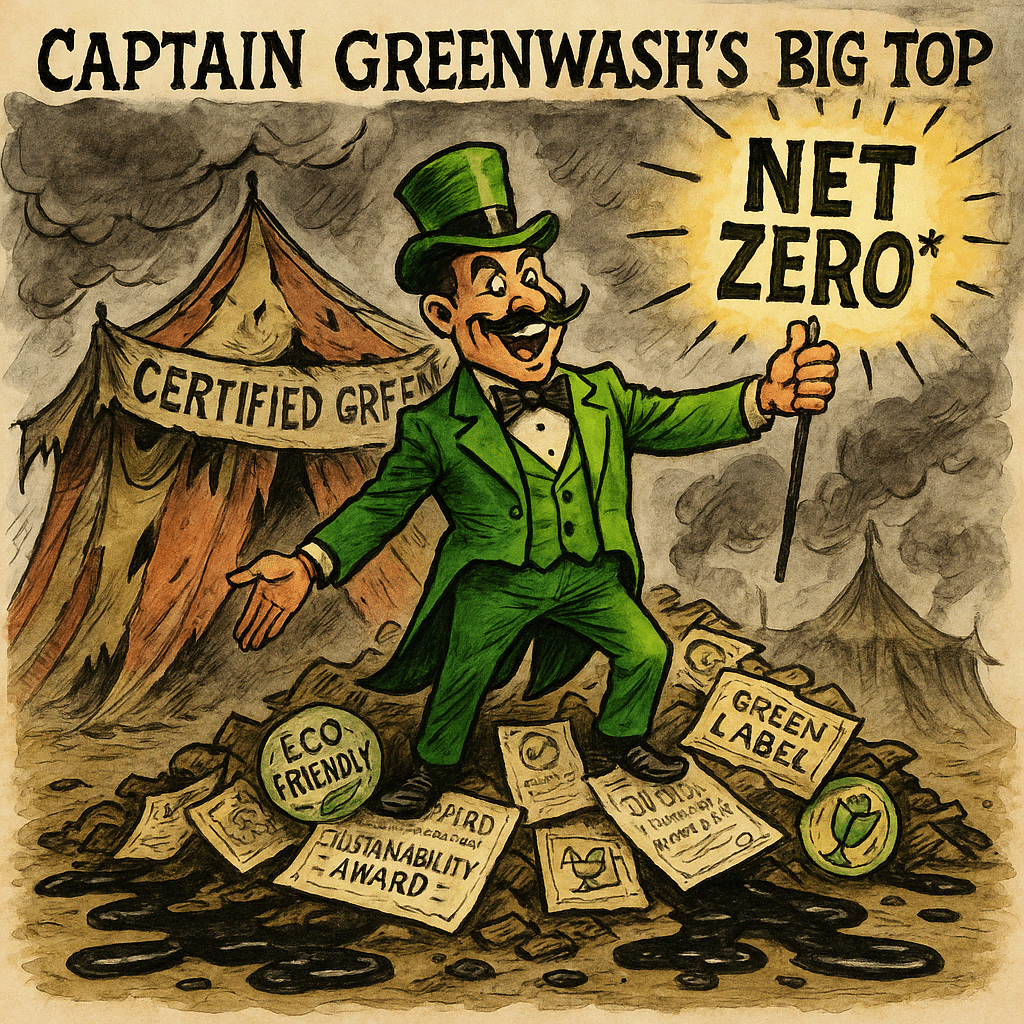
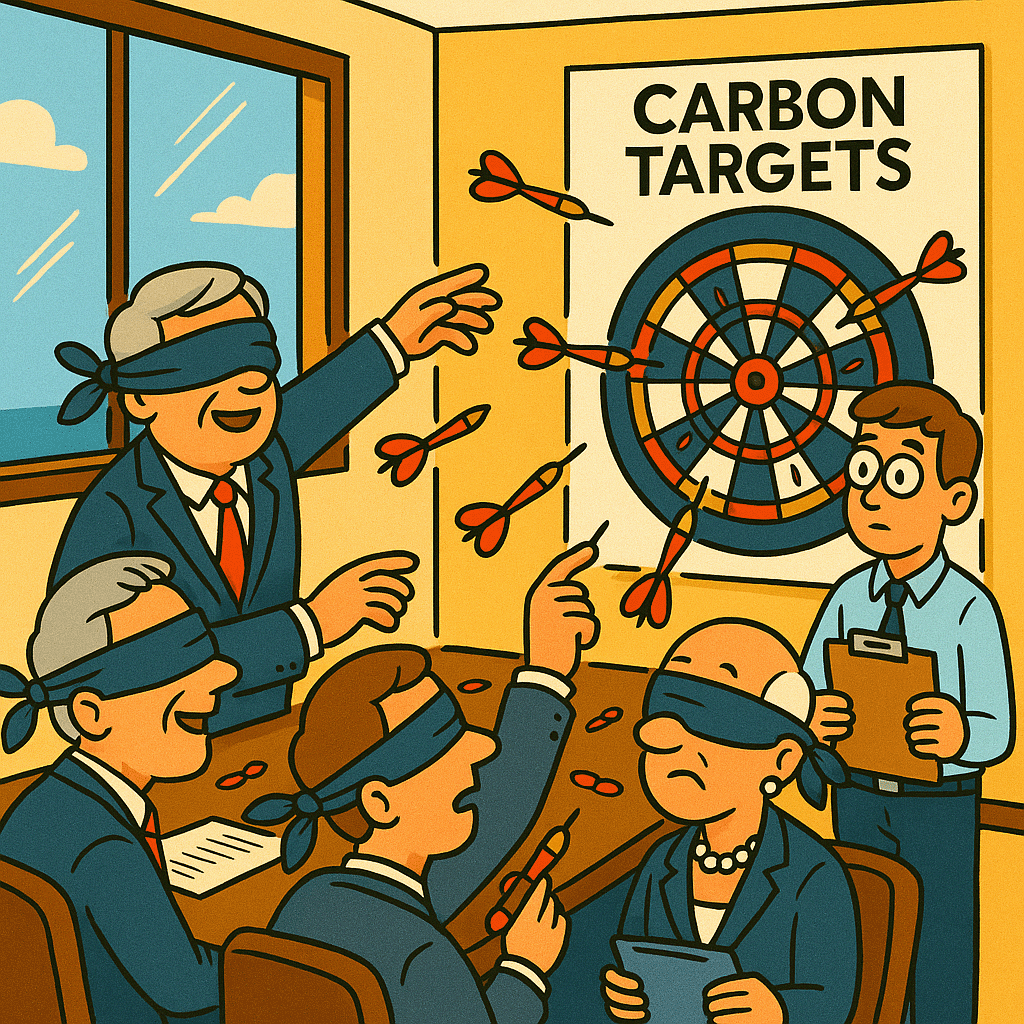
Organizations aiming for Zero Pollution often encounter recurring obstacles that undermine their efforts. These challenges typically take two forms: antipatterns—mistaken approaches that seem logical but backfire—and worst practices—misguided actions that consistently produce harmful outcomes.
Recognizing these pitfalls in advance allows leaders to avoid wasted resources, loss of credibility, and failure to meet sustainability goals. The following examples highlight some of the most common traps organizations fall into when pursuing Zero Pollution.
5 Antipattern Examples
- Treating Pollution as an Afterthought: Integrating controls only after processes are designed leads to inefficiencies, higher costs, and reduced effectiveness.
- Over-Engineering Solutions: Complex, costly technologies are adopted where simpler and more scalable options would have sufficed.
- Setting Unrealistic Targets: Overly ambitious goals without clear pathways create demoralization when deadlines are inevitably missed.
- Isolating Sustainability Initiatives: Limiting pollution efforts to a single department marginalizes impact and prevents company-wide transformation.
- Focusing Solely on Compliance: Treating regulations as the ceiling, rather than the floor, results in minimal action and missed opportunities for innovation.
5 Worst Practice Examples
- Ignoring the Supply Chain: Focusing only on internal operations while sourcing from high-polluting suppliers hides true impacts and increases reputational risks.
- Greenwashing: Exaggerating environmental progress through marketing, while neglecting meaningful action, destroys credibility and public trust.
- Lack of Employee Engagement: Excluding employees from Zero Pollution initiatives leads to weak implementation and poor cultural adoption.
- Over-Reliance on Offsetting: Substituting offsets for actual reductions masks problems and delays necessary systemic change.
- Short-Term Profit Focus: Prioritizing immediate financial gains over long-term sustainability undermines strategic commitments and slows genuine progress.
Lessons Learned
Learning from the Outperformers: Lessons Learned
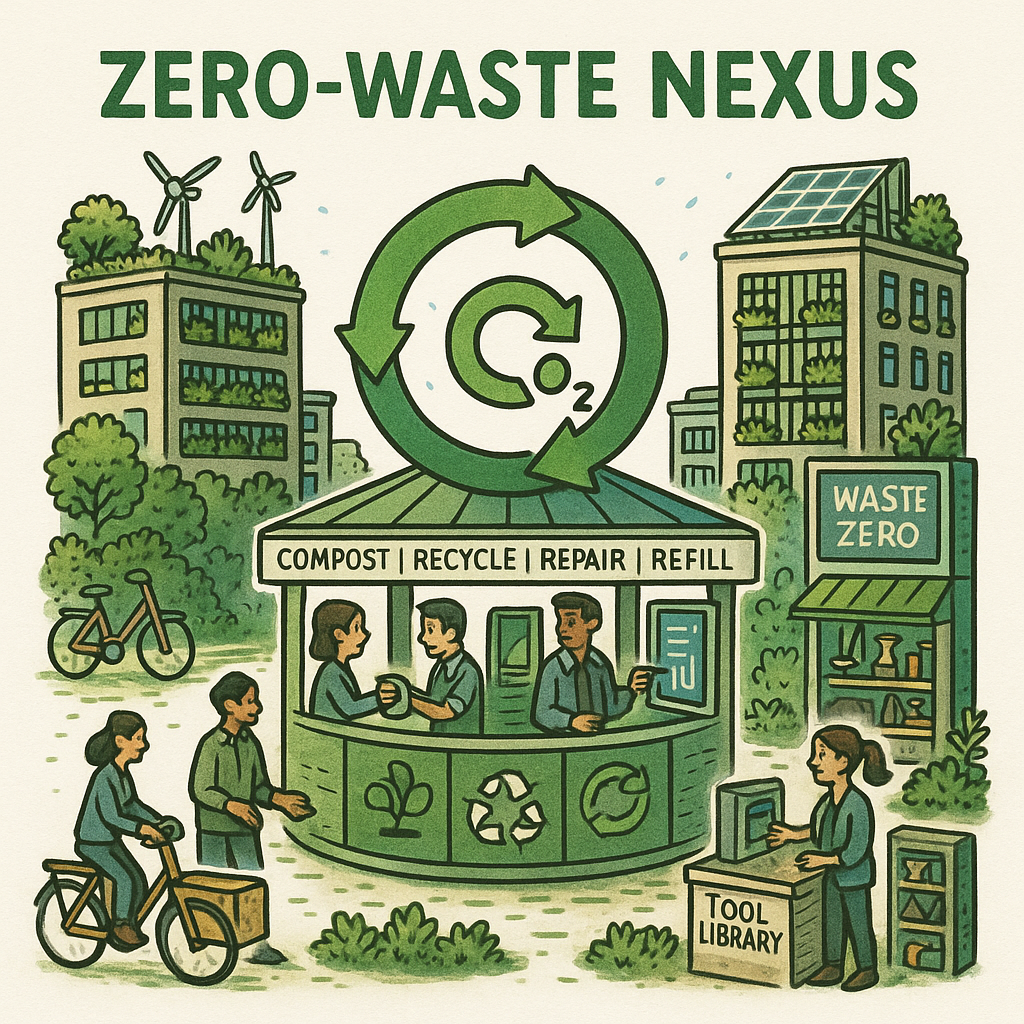
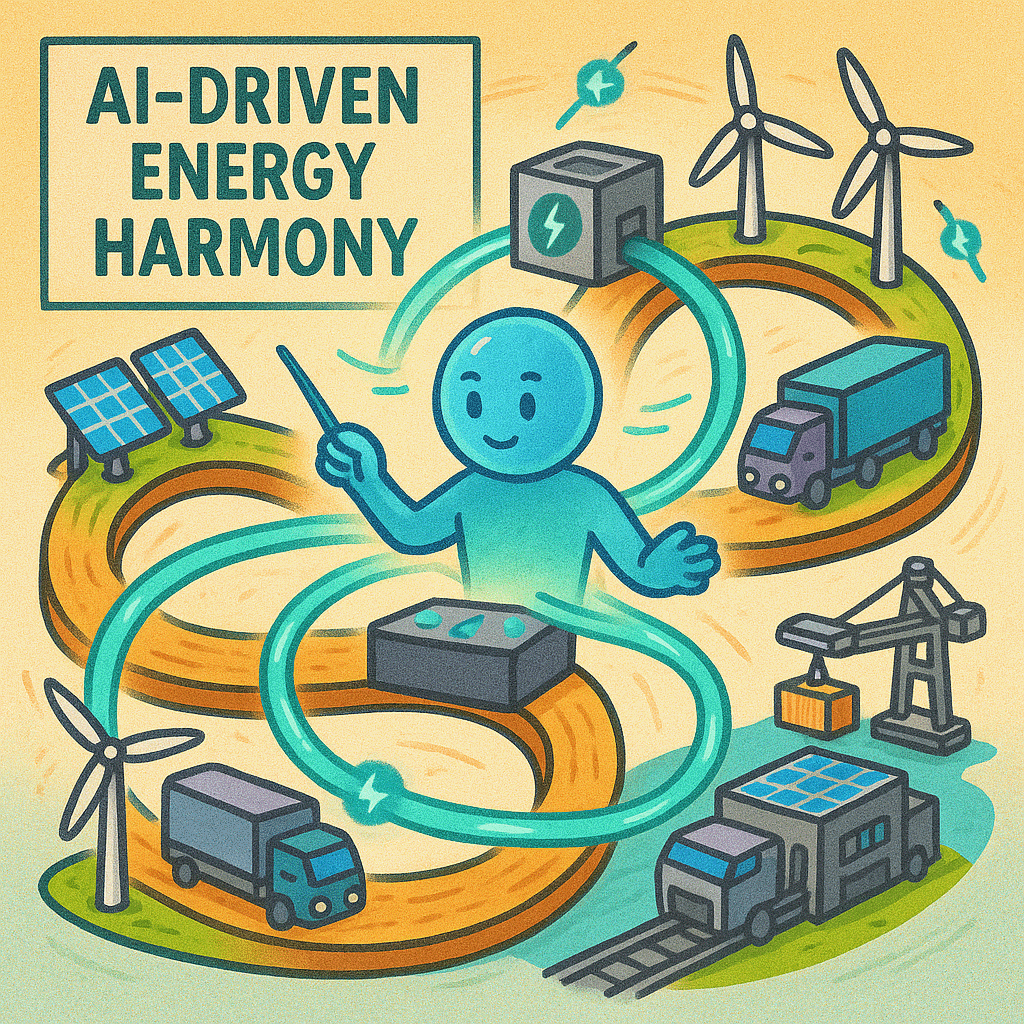
Outperformers in sustainability prove that Zero Pollution is not an abstract goal but an achievable reality. These organizations integrate pollution reduction into strategy, culture, and operations, demonstrating that environmental responsibility and competitiveness can go hand in hand.
By studying their approaches, we can identify patterns that consistently deliver results and pioneering methods that set new benchmarks. Below are five best practices—widely applicable approaches with proven success—and five leading practices that showcase cutting-edge innovation.
5 Best Practice Examples
- Integrating Pollution Control into Strategy: Zero Pollution goals are embedded into business strategy, ensuring leadership support and long-term alignment.
- Switching to Clean and Renewable Energy: Replacing fossil fuels with renewables cuts emissions and secures more resilient energy sources.
- Engaging Supply Chain Partners: Collaborating with suppliers ensures pollution reduction efforts extend beyond internal operations.
- Designing Sustainable Products: Using recycled materials and creating durable, repairable goods lowers environmental impact across the lifecycle.
- Promoting a Culture of Sustainability: Engaging employees at every level creates ownership and consistency in reducing pollution.
5 Leading Practice Examples
- Closed-Loop Manufacturing: All production materials are reused or recycled, eliminating waste streams.
- Carbon Capture and Utilization: Captured CO₂ is transformed into useful products, converting pollutants into resources.
- Industrial Symbiosis: Industries exchange by-products, using one company’s waste as another’s raw material.
- Digital Twin Technology: Virtual replicas of facilities predict pollution and optimize processes in real time.
- Nature-Based Solutions: Forests, wetlands, and green spaces act as natural systems to absorb pollutants and restore ecosystems.
Most Common Artefacts
The Most Common Artefacts
Artefacts are the practical instruments that turn Zero Pollution strategies into actionable results. They are essential for aligning stakeholders, tracking progress, and embedding Zero Pollution principles into everyday decisions. Below are fourteen of the most widely used artefacts supporting Zero Pollution initiatives.
They provide structure, enable measurement, and standardize how organizations approach complex environmental challenges. By combining technical tools, strategic documents, and collaborative platforms, these artefacts help ensure that pollution reduction efforts are consistent, scalable, and innovative.
| Artefact | Description | How it Can Be Used for Sustainability Innovation |
|---|---|---|
| Zero Pollution Action Plans | Comprehensive strategies and action plans at regional and national levels. Periodic evaluations and updates to adapt to changing environmental conditions. | Provide a roadmap for pollution reduction, guide implementation of measures, and adapt strategies based on evolving environmental conditions. |
| Zero Pollution Roadmap | A strategic plan outlining specific steps and milestones toward achieving zero pollution. | Serve as a detailed guide for governments and organizations to plan, implement, and evaluate actions for pollution reduction. |
| Innovation Canvas | A visual framework for ideation, collaborative problem-solving, and innovation in pollution reduction strategies. | Facilitate creative thinking, collaboration, and the development of innovative solutions to address pollution challenges. |
| Pollution Monitoring Systems | Advanced sensor technologies for real-time monitoring of air, water, and soil quality. Remote sensing tools for continuous surveillance of pollution sources. | Identify pollution sources, measure pollutant levels, and enable timely response and mitigation. |
| Data Analytics Platforms | Integrated platforms to analyse and interpret data from monitoring systems. Artificial intelligence algorithms for predictive modelling of pollution patterns. | Analyze trends, predict potential pollution incidents, and optimize strategies for pollution reduction. |
| Clean Technologies | Development and implementation of cleaner technologies across industries. Research and prototypes for renewable energy sources to replace pollutant-intensive processes. | Replace existing pollutant-intensive processes with cleaner alternatives to reduce emissions and environmental impact. |
| Waste Management Solutions | Efficient waste separation and recycling infrastructure. Innovations in waste-to-energy technologies to minimize landfill contributions. | Promote responsible waste management, reduce landfill usage, and generate energy from waste materials. |
| Green Infrastructure | Urban planning that incorporates green spaces to absorb pollutants. Implementation of green roofs and permeable pavements to reduce runoff pollution. | Enhance natural filtration of pollutants, manage stormwater runoff, and improve air quality in urban areas. |
| Public Awareness Campaigns | Educational materials on pollution and its consequences for widespread dissemination. Campaigns promoting sustainable practices and individual responsibility. | Raise awareness, educate the public on pollution impacts, and encourage adoption of sustainable lifestyle choices. |
| Policy and Regulation Frameworks | Stringent regulations on industries to limit pollutant emissions. Incentives for businesses adopting sustainable practices and cleaner technologies. | Establish legal frameworks to enforce pollution reduction, and provide incentives for businesses to adopt eco-friendly practices. |
| Environmental Impact Assessments | Robust frameworks for conducting EIAs before initiating any development project. Integration of EIAs into decision-making processes to prevent potential pollution. | Evaluate potential environmental impacts before project initiation, preventing and mitigating pollution risks. |
| Collaborative Platforms | Cross-sectoral partnerships between government, industries, and communities. Collaborative research initiatives to address emerging pollution challenges. | Foster cooperation, information exchange, and joint efforts to address pollution challenges across sectors and communities. |
| International Cooperation Platforms | Collaborative agreements and platforms for sharing best practices globally. Joint research initiatives to address transboundary pollution issues. | Facilitate global cooperation, share knowledge, and address pollution issues that transcend national borders. |
| Incentive Programs | Financial incentives for businesses adopting environmentally friendly practices. Recognition and certification programs for pollution reduction achievements. | Encourage businesses to invest in sustainable practices by providing financial rewards and recognition for pollution reduction efforts. |
Overview of the most common artefacts used with Zero Pollution.
The 14 artefacts provide organizations with a toolkit to move beyond ambition and into execution. From action plans and roadmaps to monitoring systems and collaborative platforms, they ensure Zero Pollution initiatives are both systematic and adaptive.
By integrating these artefacts, organizations can measure progress, engage stakeholders, and accelerate innovation. Collectively, they create the structure needed to scale impact and ensure pollution reduction efforts remain credible, effective, and future-proof.
Conclusion
Zero Pollution represents one of the most ambitious yet necessary transformations of our time. It is more than an environmental goal; it is a societal commitment to safeguard health, biodiversity, and future prosperity. The journey requires vision, structure, and perseverance: a clear understanding of what Zero Pollution is, the components that drive it, the business case that justifies it, and the framework that turns it into action. Along the way, organizations must avoid pitfalls, learn from outperformers, and apply proven artefacts to anchor their progress.
The message is clear: every individual, organization, and government has a role to play. By combining innovation, collaboration, and cultural change, Zero Pollution can shift from aspiration to reality. The result is not only cleaner air, water, and soil but also healthier communities, resilient economies, and thriving ecosystems. Achieving Zero Pollution is both a moral imperative and a strategic opportunity—one that defines the pathway to a sustainable future.