
What is Sustainability Ownership?
Sustainability Ownership is the principle that every part of an organization — from executives to individual employees — shares responsibility for embedding sustainable practices into daily operations and long-term strategies. It goes beyond compliance and symbolic gestures, positioning sustainability as a core business value and cultural driver. At its heart, Sustainability Ownership blends accountability, transparency, and proactive engagement, ensuring that environmental, social, and economic considerations guide both individual actions and organizational decisions. When embraced fully, it transforms sustainability from a peripheral project into an integral part of the organizational DNA, shaping how resources are used, how people collaborate, and how the business creates long-term impact.
Sustainability Ownership represents a holistic and forward-looking approach to sustainability. It emphasizes shared accountability at all levels, aligning personal responsibility with organizational goals. This integration strengthens corporate responsibility, safeguards reputation, and meets stakeholder expectations. By embedding sustainability into the culture and daily operations, organizations ensure that sustainable development becomes a continuous journey rather than a short-term initiative, enabling them to create enduring positive impact on society, the environment, and the economy.
Main Components
The 8 Main Components of Sustainability Ownership
To successfully embed sustainability into an organization, it is not enough to rely on isolated initiatives. Together, they create the foundation for consistent progress, innovation, and stakeholder trust. Below are the eight core components of Sustainability Ownership, each addressing a vital dimension of sustainable transformation.
Instead, a structured approach built on key components ensures that sustainability becomes part of the organizational DNA. These components define where responsibility lies, how accountability is shared, and which areas of action are most impactful.
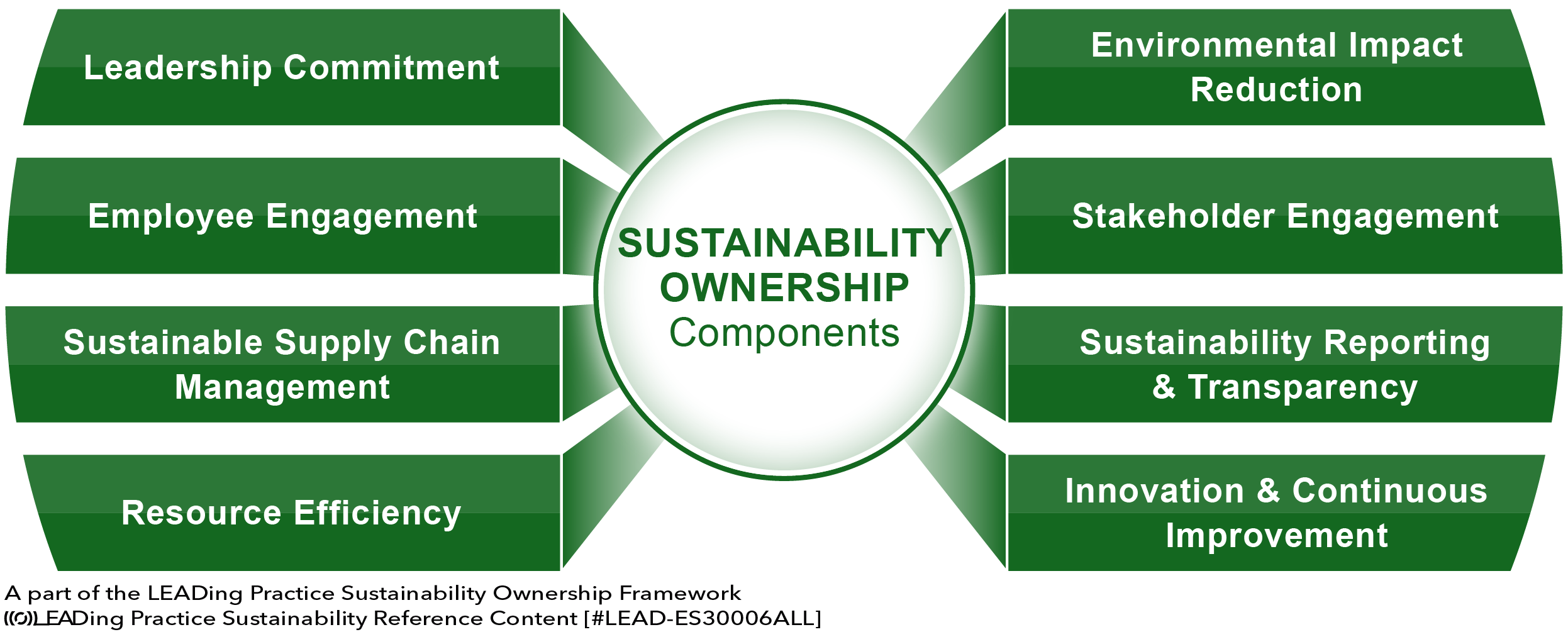
Below are the eight main components of Sustainability Ownership, reflecting both structural patterns and actionable insights for organizations:
These eight components form the backbone of Sustainability Ownership. They interconnect leadership, employees, processes, and external stakeholders, creating a comprehensive approach to sustainable transformation.
By aligning commitment, transparency, efficiency, and innovation, organizations can drive lasting impact while building resilience, trust, and competitive advantage.
Why This Is Relevant
Why is Sustainability Ownership so Relevant?
In today’s rapidly changing world, sustainability is no longer an optional add-on but a core requirement for organizational survival and success. Environmental challenges, social inequalities, and economic uncertainties have reshaped the expectations of customers, employees, regulators, and investors. Organizations that fail to take ownership of sustainability risk losing credibility, market position, and long-term resilience. Sustainability Ownership is relevant because it ensures accountability at both individual and organizational levels. It empowers employees to align personal values with business goals, while leadership integrates sustainability into vision, mission, and strategy. This dual responsibility strengthens corporate responsibility, enhances reputation, and ensures organizations can anticipate and adapt to future risks.
By embedding sustainability into organizational DNA, companies can move beyond compliance and short-term gains, positioning themselves as proactive, responsible actors in society. This builds trust, unlocks innovation, and safeguards long-term growth. Sustainability Ownership matters because it connects responsibility, accountability, and proactive action across all levels of an organization. It ensures companies address environmental and social challenges while meeting stakeholder expectations. More than compliance, it is a strategic imperative that strengthens resilience, enhances brand reputation, and fosters innovation, making it an essential driver of long-term success in a purpose-driven economy.
Business/Value Case
The Business/Value Case for Sustainability Ownership
Organizations increasingly recognize that sustainability is not just about environmental stewardship but also a driver of business value. Embracing Sustainability Ownership enables companies to unlock benefits that cut across cost savings, innovation, talent attraction, and brand reputation. When organizations integrate sustainability into their culture and operations, they strengthen resilience, reduce risks, and align with stakeholder expectations.
This creates measurable value for leadership, employees, investors, and society at large. Below are ten of the most wanted benefits and advantages of adopting Sustainability Ownership, with examples of which stakeholders typically gain from each.
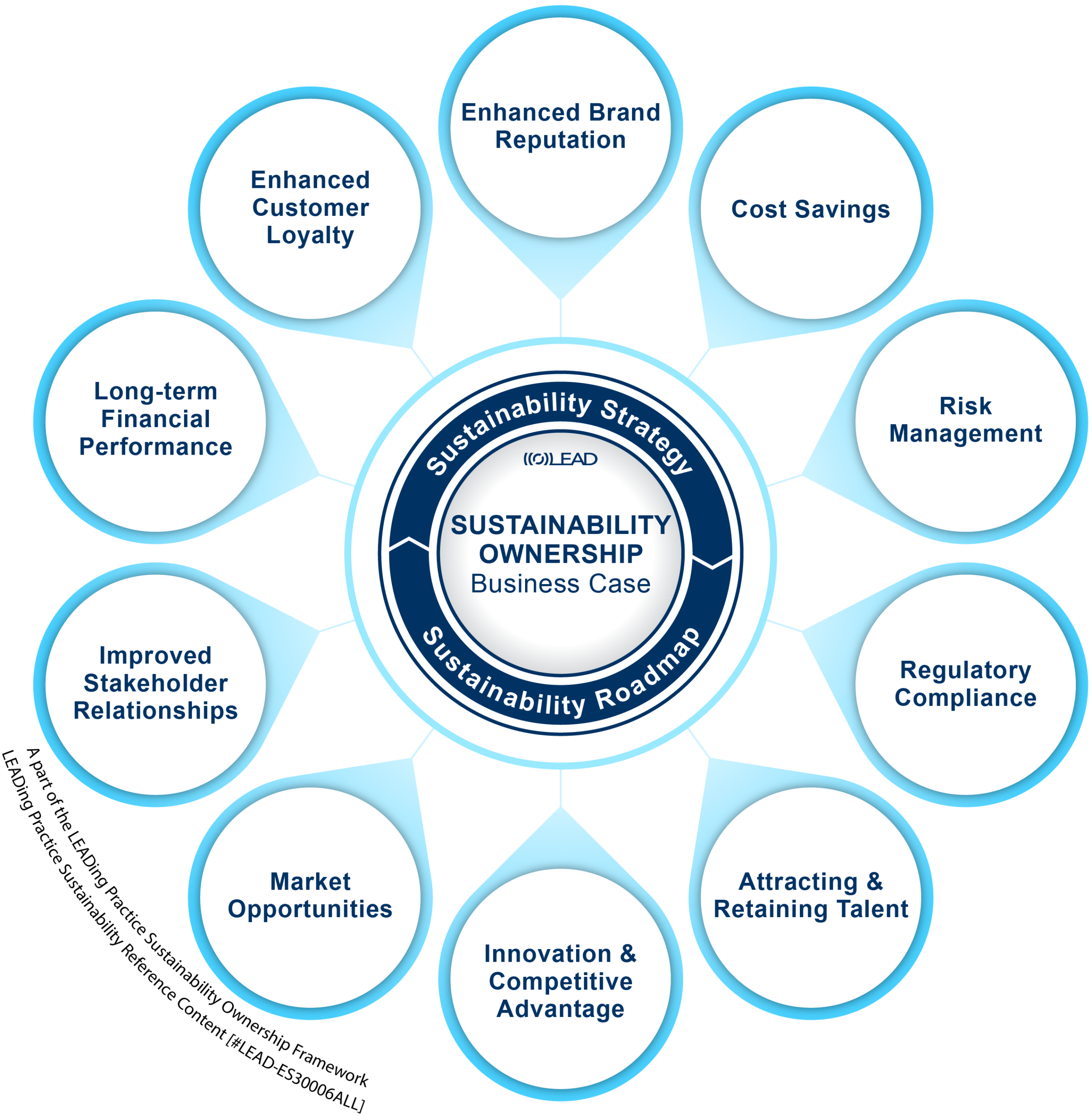
Below are ten key benefits that highlight why this approach is essential for modern organizations:
Sustainability Ownership delivers both tangible and intangible value. From financial performance and innovation to employee satisfaction and customer trust, the benefits extend across stakeholders and markets.
By adopting sustainability as a business driver, organizations can reduce risks, build resilience, and open growth opportunities, creating a compelling case for long-term investment in sustainability as part of core strategy.
How-To-Guide
How-To-Guide: The Sustainability Ownership Framework
The Sustainability Ownership Framework provides a structured way for organizations to embed sustainability into every layer of their operations. Instead of relying on fragmented initiatives, it offers a step-by-step path that ensures accountability, alignment, and measurable impact. The framework combines strategic vision with practical execution, guiding organizations from leadership commitment to fostering a culture of continuous improvement.
Importantly, it integrates the business case for Sustainability Ownership, linking sustainability directly to long-term value creation. This structured approach benefits all roles — executives gain clarity, managers receive actionable guidance, and employees feel empowered to participate. By following the framework, organizations can start quickly, coordinate efforts effectively, and ensure that sustainability is not an add-on but a core, enduring element of business practice.
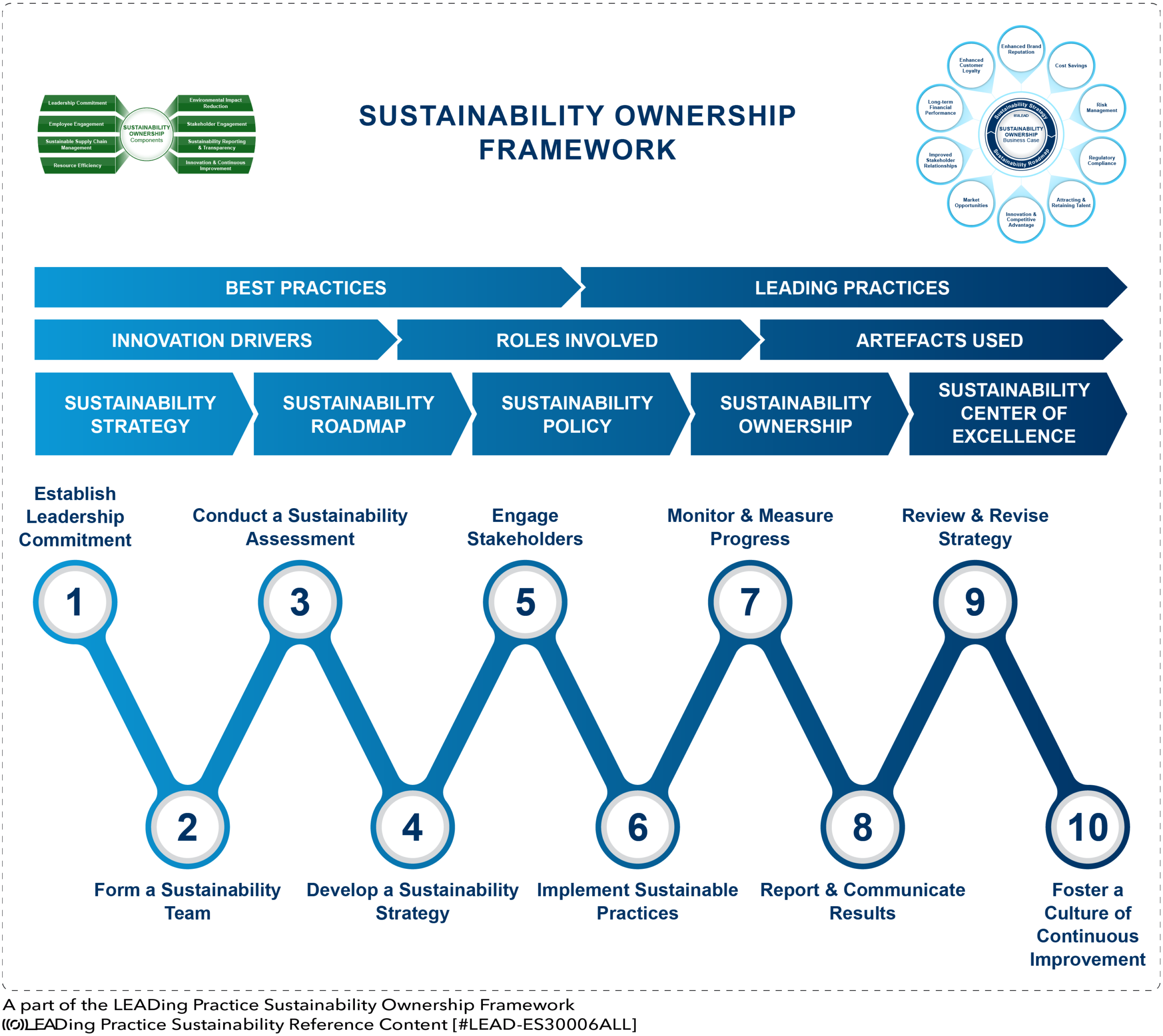
The 10-Step Way Forward:
The Sustainability Ownership Framework equips organizations with a clear roadmap to act decisively and efficiently. By integrating leadership, employees, and stakeholders in a structured process, it ensures accountability, innovation, and continuous progress.
This framework transforms sustainability from isolated efforts into a business-wide responsibility, enabling organizations to start fast, stay focused, and deliver meaningful impact.
Contact Us
Wanna learn more ? Want to improve your company ?
Projects that require our help ?
Don't waste more time, contact us !
Most Common Pitfalls
The Most Common Pitfalls and Challenges
Sustainability Ownership is vital for embedding sustainable practices into organizations, but many companies encounter recurring challenges that hinder progress. These challenges often emerge when efforts are poorly coordinated, underfunded, or seen as superficial rather than genuine.
Recognizing these pitfalls early allows organizations to avoid wasted resources, loss of trust, and ineffective strategies. Below are five typical antipatterns and five common worst practices that organizations should be aware of when working with Sustainability Ownership.
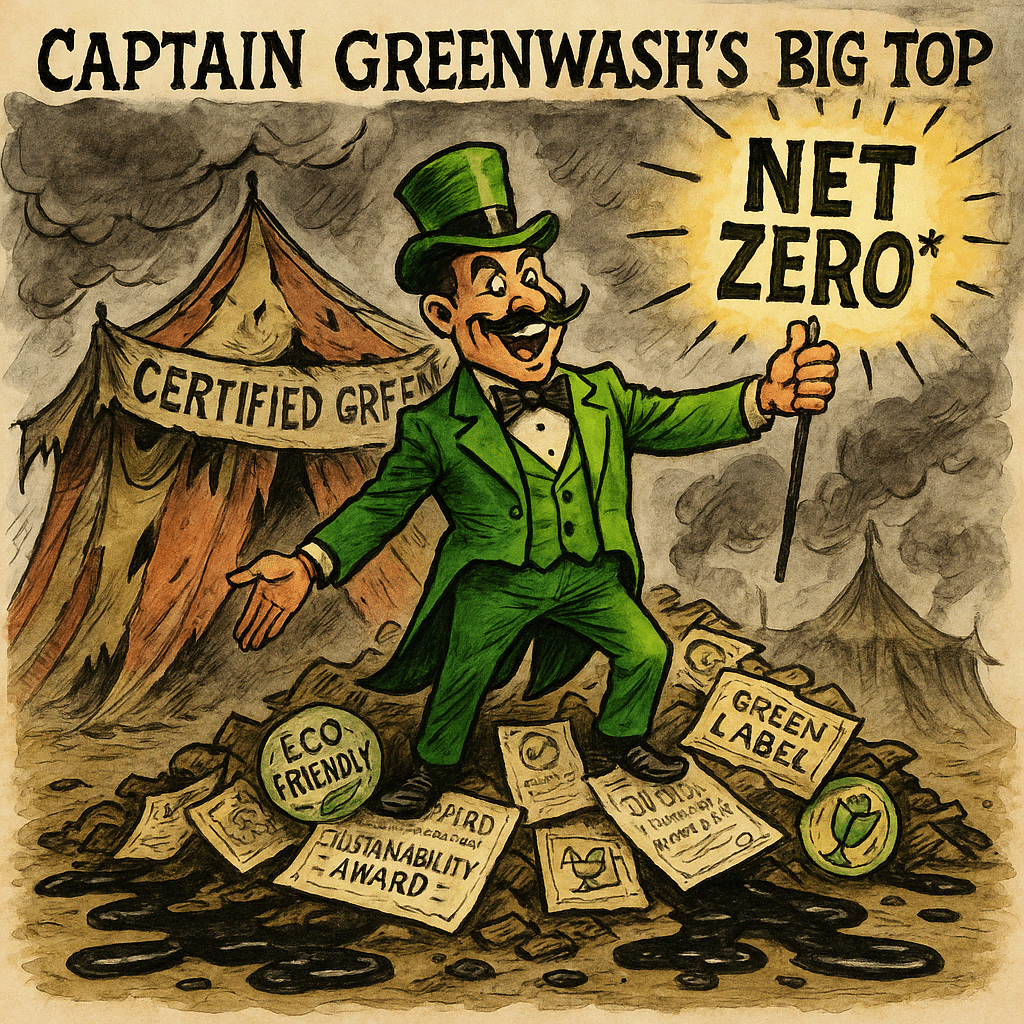
5 Antipattern Examples
- Greenwashing: Promoting sustainability as a marketing tool without genuine commitment, which erodes trust when claims are exposed as misleading.
- Siloed Efforts: Restricting sustainability initiatives to single departments, leading to fragmented approaches and lost opportunities for collaboration.
- Short-Term Focus: Prioritizing immediate cost savings or wins at the expense of long-term sustainability goals.
- Tokenism: Highlighting isolated projects as proof of sustainability, while the broader organization makes little progress.
- Reactive Measures: Responding only to external pressures like regulations or criticism, instead of proactively planning for sustainability.

5 Worst Practice Examples
- Lack of Clear Ownership: Without defined roles and responsibilities, initiatives stall, creating confusion and lack of accountability.
- Insufficient Funding: Failing to dedicate resources, leaving sustainability projects underdeveloped and unable to deliver impact.
- Ignoring Stakeholder Engagement: Neglecting collaboration with employees, customers, or communities results in resistance and missed insights.
- Inadequate Training and Education: Not providing employees with knowledge or skills to act sustainably reduces commitment and effectiveness.
- Failure to Measure and Report: Skipping regular tracking and transparent reporting prevents learning, accountability, and trust-building.
Lessons Learned
Learning from the Outperformers: Lessons Learned
Organizations that excel in Sustainability Ownership demonstrate both discipline and creativity. They combine established practices that ensure consistency with innovative approaches that push boundaries and set new standards.
Outperformers prove that sustainability is not just about compliance but about shaping a culture of accountability, innovation, and collaboration. Below are five examples of best practices and five leading practices that organizations can adopt to strengthen their own sustainability journey.
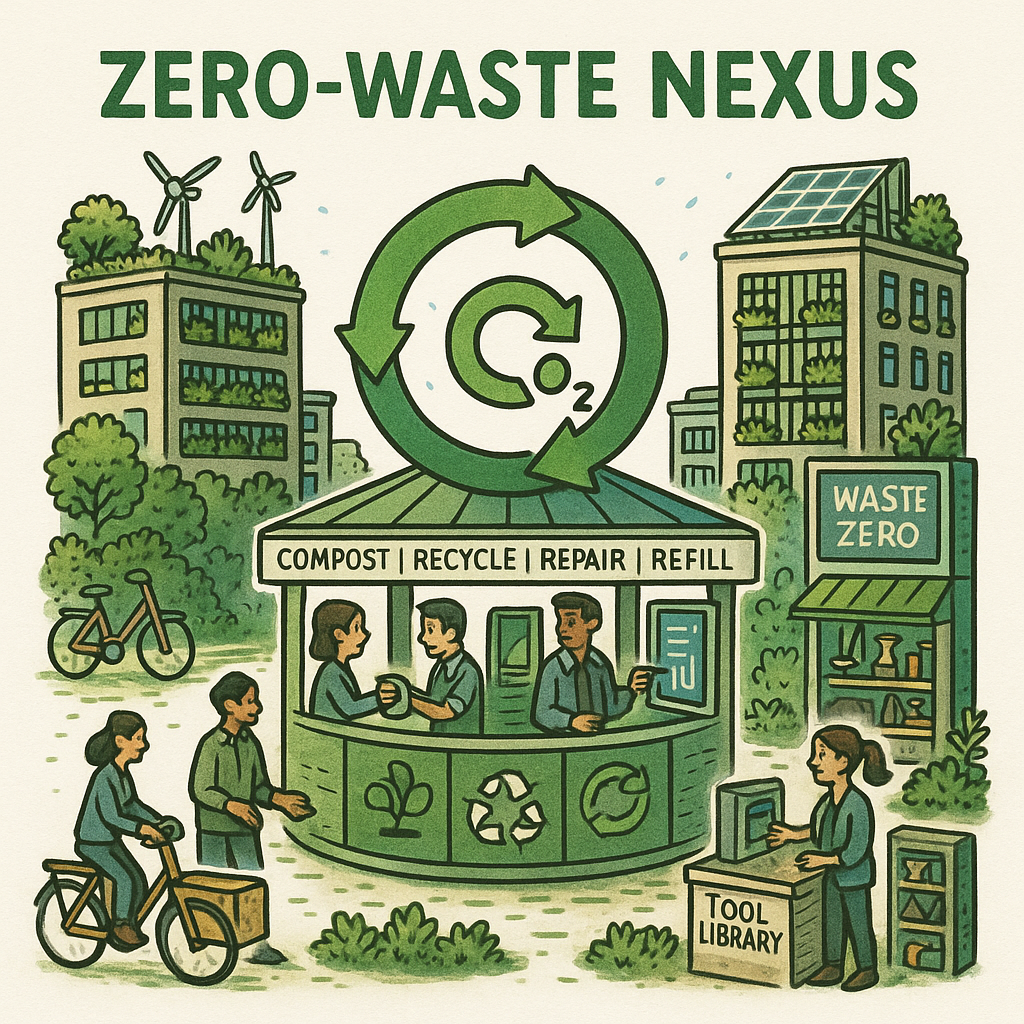
5 Best Practice Examples
- Integrated Sustainability Strategy: Align sustainability goals with business objectives so that sustainability is part of every operational and strategic decision.
- Stakeholder Engagement: Involve employees, customers, suppliers, and communities in shaping and supporting sustainability initiatives.
- Regular Sustainability Reporting: Publish clear, measurable progress reports to build accountability and stakeholder confidence.
- Employee Training and Development: Offer ongoing sustainability education to equip staff with skills, knowledge, and motivation to act sustainably.
- Sustainable Supply Chain Management: Apply ethical and environmental standards to procurement, ensuring products and services meet sustainability criteria.
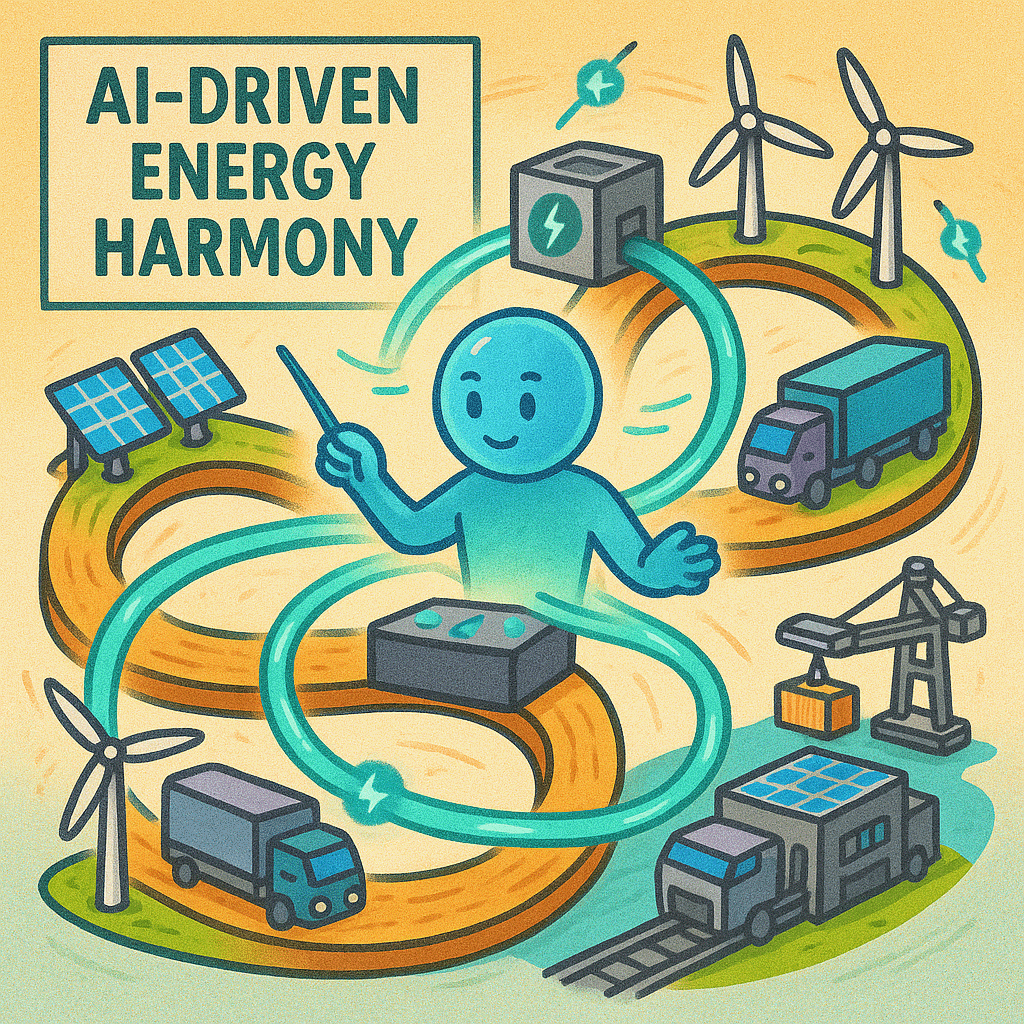
5 Leading Practice Examples
- Circular Economy Initiatives: Design products and processes for reuse, recycling, and resource efficiency, minimizing waste and maximizing value.
- Science-Based Targets: Set ambitious environmental goals aligned with scientific research, ensuring real contribution to global sustainability efforts.
- Innovative Financing Models: Use green bonds or sustainability-linked loans to fund projects and link financing terms to performance.
- Digital Transformation for Sustainability: Leverage AI, big data, and IoT to optimize efficiency, track impact, and innovate in real time.
- Collaborative Partnerships: Partner with NGOs, governments, and other companies to scale sustainability efforts and drive systemic change.
Most Common Artefacts
The Most Common Artefacts
Artefacts are the practical outputs and tools organizations use to embed, manage, and communicate Sustainability Ownership. Below are some of the most common artefacts used in Sustainability Ownership, including how they can be applied for sustainability innovation.
They serve as tangible anchors for initiatives, providing clarity, consistency, and accountability. While strategies and cultural shifts drive the bigger picture, artefacts make sustainability actionable by offering guidelines, measurable benchmarks, and communication platforms.
| Artefact | Description | How it Can Be Used for Sustainability Innovation |
|---|---|---|
| Sustainability Plan | A strategic document aligning sustainability objectives with business goals. | Guides innovation by prioritizing initiatives and allocating resources to areas with the greatest long-term impact. |
| Sustainability Charter | A formal declaration of leadership commitment to sustainability. | Signals intent to stakeholders and inspires new ideas for embedding sustainability into organizational vision and culture. |
| Sustainability Reports | Periodic reports measuring progress, performance, and goals. | Encourages innovation in data collection, transparency, and communication tools that improve accountability and trust. |
| Training and Education Materials | Modules, workshops, and guidelines designed to build sustainability skills. | Cultivates a culture of innovation by empowering employees with knowledge to propose and implement new sustainable practices. |
| Stakeholder Engagement Tools | Surveys, feedback systems, and mapping frameworks for stakeholder input. | Opens space for innovative ideas and collaborations that expand sustainability efforts beyond the organization. |
| KPIs and Performance Dashboards | Metrics and visual tools tracking progress against sustainability goals. | Stimulates innovation by making sustainability measurable and enabling continuous improvement through data-driven insights. |
| Cultural Artefacts | Internal campaigns, recognition programs, and storytelling materials that reflect sustainability values. | Reinforces ownership and encourages creative approaches to embed sustainability into everyday organizational life. |
Overview of the most common artefacts used with Sustainability Ownership.
Common artefacts act as the operational backbone of Sustainability Ownership, turning strategy into action. From plans and reports to training and engagement tools, they enable accountability and inspire innovation.
By leveraging these artefacts, organizations can align culture, strategy, and operations, ensuring sustainability is not only measured but continuously improved and creatively advanced.
Conclusion
Sustainability Ownership is more than a framework; it is a mindset and culture that transforms how organizations operate and create value. By embedding responsibility, accountability, and proactive engagement into every role, sustainability becomes a shared journey rather than a top-down directive. The eight components, the compelling business case, and the structured 10-step framework together provide organizations with a practical roadmap for action.
Avoiding common pitfalls and adopting proven and leading practices ensures that efforts are both credible and impactful. With clear artefacts supporting transparency and innovation, Sustainability Ownership empowers organizations to move beyond compliance and build long-term resilience. In embracing this approach, businesses not only safeguard their future but also contribute meaningfully to society and the environment.