

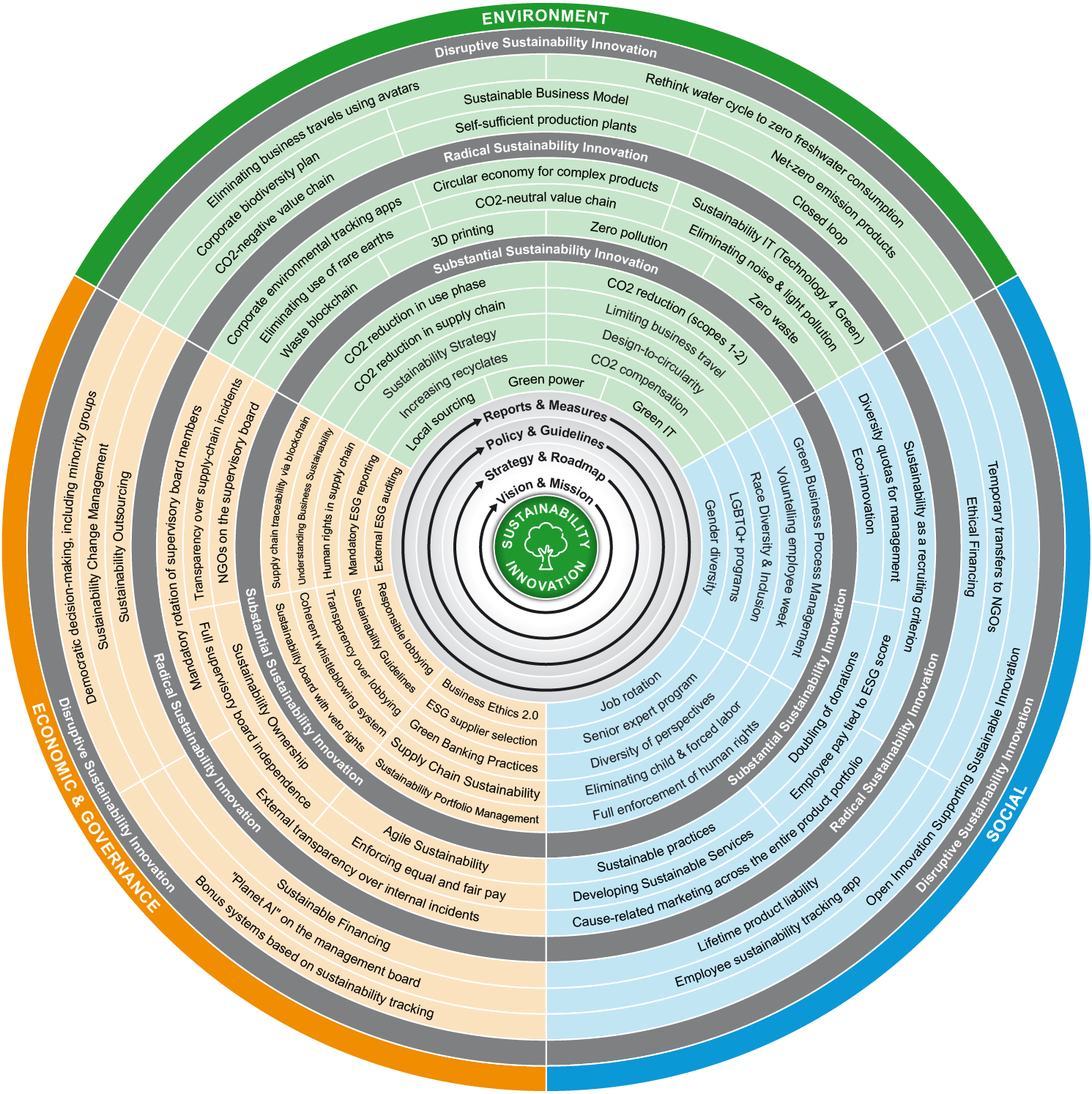
What are Sustainability Trends and Drivers?
Sustainability Trends and Drivers are reshaping the way organizations operate, compete, and deliver value in a rapidly changing world. As environmental pressures intensify, social expectations evolve, and regulatory demands increase, it is no longer enough to react—organizations must anticipate and lead. Understanding the underlying trends—whether global megatrends like climate change, industry-specific macro trends, or localized micro trends—allows companies to identify strategic change drivers that can guide innovation, reduce risk, and uncover new opportunities.
This chapter provides a structured approach to analyzing these trends and connecting them to actionable insights. It explores what sustainability trends and drivers are, why they matter, how to work with them effectively, and what practices differentiate successful organizations from those that fall behind. Whether you’re shaping policy, building strategy, or driving transformation, this web page will equip you with the tools, frameworks, and knowledge needed to integrate sustainability into the core of your business.
Main Components
The 8 Main Components of Sustainability Trends and Drivers
The 8 Main Components of Sustainability Trends and Drivers provide a clear framework for identifying and analyzing the forces influencing sustainable development. From long-term megatrends to specific change drivers, each component plays a role in helping organizations align strategy, innovation, and operations with the evolving sustainability landscape. Together, they form a foundation for building resilient, forward-thinking, and impactful sustainability practices.
Understanding sustainability trends and drivers is essential for anticipating change, mitigating risk, and identifying new opportunities. These trends—whether global, sectoral, or local—shape how businesses respond to environmental, social, and economic pressures. To navigate this complexity, organizations need a structured lens to interpret and act on what’s happening around them.
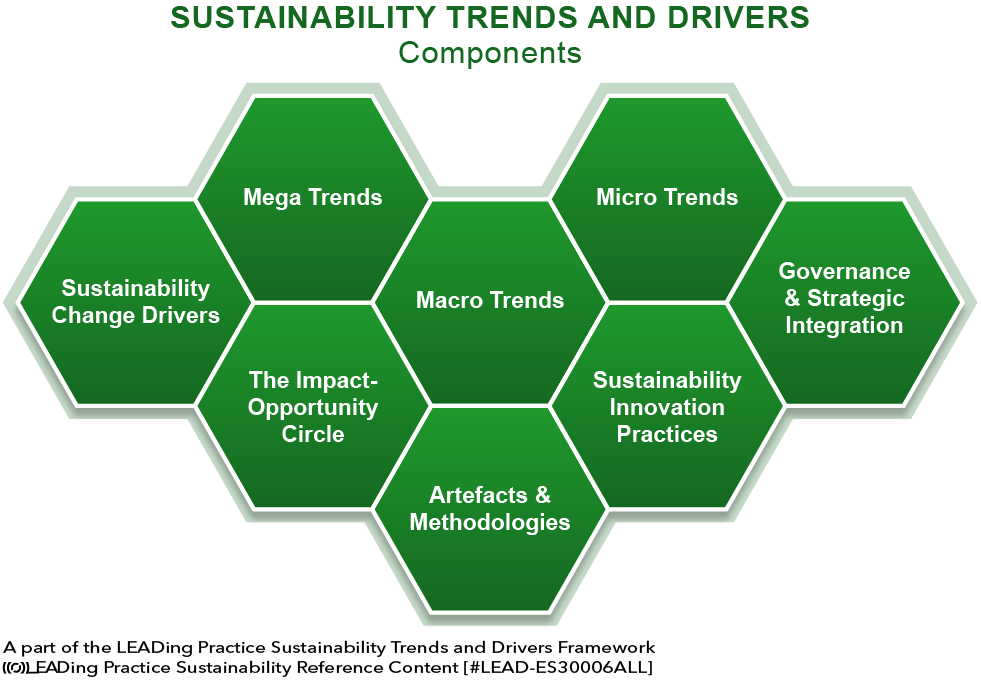
Below are the 8 main components that form the foundation of a robust and credible Sustainability Trends and Drivers:
These eight components offer a structured way to understand and respond to the forces shaping sustainability today. By analyzing trends across different levels and connecting them to actionable drivers, organizations can move from passive observation to proactive strategy.
This framework equips businesses to anticipate change, innovate with purpose, and lead in an increasingly complex and sustainability-driven world.
Why This Is Relevant
Why are Sustainability Trends and Drivers so Relevent?
Sustainability drivers of change are powerful forces that turn global challenges into strategic business imperatives. In today’s environment of climate volatility, shifting stakeholder expectations, and regulatory pressure, these drivers are more relevant than ever. They not only signal the need for change—they demand it. By identifying sustainability drivers early, organizations can uncover systemic risks and new growth opportunities. Whether responding to the need for decarbonization, adapting to extreme weather, or addressing social inequality, these drivers force a rethinking of how value is created and sustained. They are essential for building resilient, future-ready organizations. Stakeholder expectations are evolving rapidly.
Consumers demand transparency and ethical practices, investors prioritize ESG performance, and employees seek purposeful work. These trends are not fringe—they are central to long-term business success. More than just risk mitigation, sustainability drivers enable companies to differentiate, innovate, and tap into new markets. Technological, regulatory, and cultural shifts become levers for transformation when viewed through the sustainability lens. Ultimately, understanding and acting on these drivers allows organizations to lead with purpose, outperform their peers, and align economic performance with societal impact. In a changing world, sustainability drivers are not optional—they’re the foundation for lasting relevance and responsible growth.
Business/Value Case
The Business/Value Case for Sustainability Trends and Drivers
Understanding the value of sustainability trends and drivers is crucial for building a business case that resonates across organizational functions. Sustainability is no longer a compliance exercise or a branding effort—it is a strategic imperative.
Organizations that leverage these trends and identify the drivers behind them can unlock innovation, reduce risk, attract investment, and future-proof their operations.
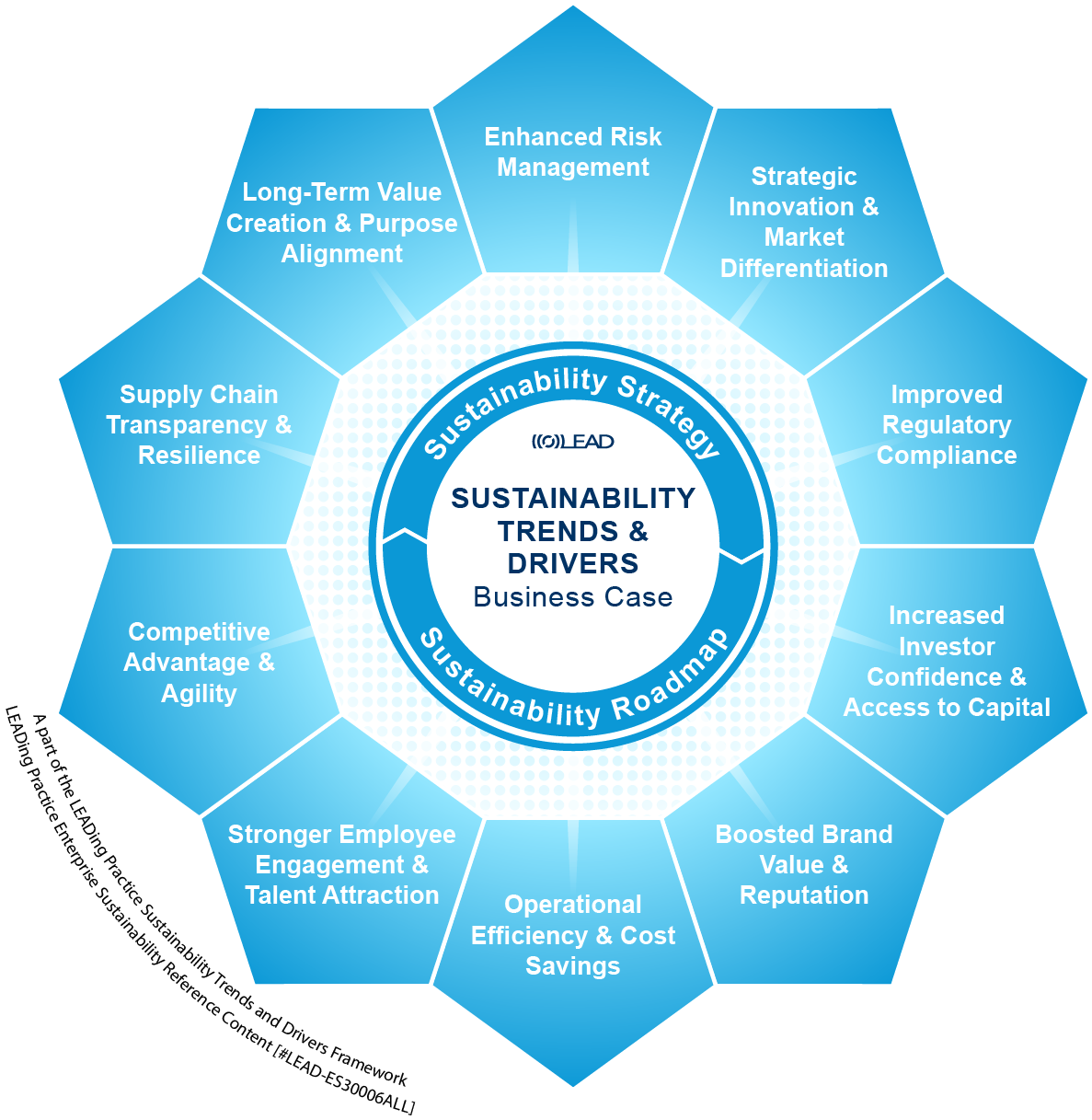
Below are ten key benefits that highlight why this approach is essential for modern organizations:
The benefits of working with sustainability trends and drivers are far-reaching and strategically significant. From risk reduction and operational excellence to innovation, branding, and talent management, these trends influence every corner of the organization.
When understood and applied correctly, they not only mitigate threats but unlock new opportunities for sustainable, resilient, and purpose-driven growth.
How-To-Guide
How-To-Guide: The Sustainability Trends and Drivers Framework
The framework is built on a 10-step process that incorporates project planning, stakeholder roles, governance, and feedback loops. It also embeds the business case for sustainability throughout to ensure value creation is evident and measurable. This structured approach supports faster decision-making, alignment across teams, and more reliable execution, reducing the chaos often associated with large-scale transformation. By following these 10 steps, organizations not only respond to sustainability pressures—they turn them into drivers of competitive advantage and innovation.
To make sustainability actionable, organizations need more than insights—they need a structured way to respond. That’s where the Sustainability Trends and Drivers Framework comes in. This framework enables organizations to translate sustainability forces into strategic, measurable, and operational outcomes. It brings clarity and direction through a structured process of identifying trends, mapping them to change drivers, aligning with corporate strategy, and executing through cross-functional collaboration.
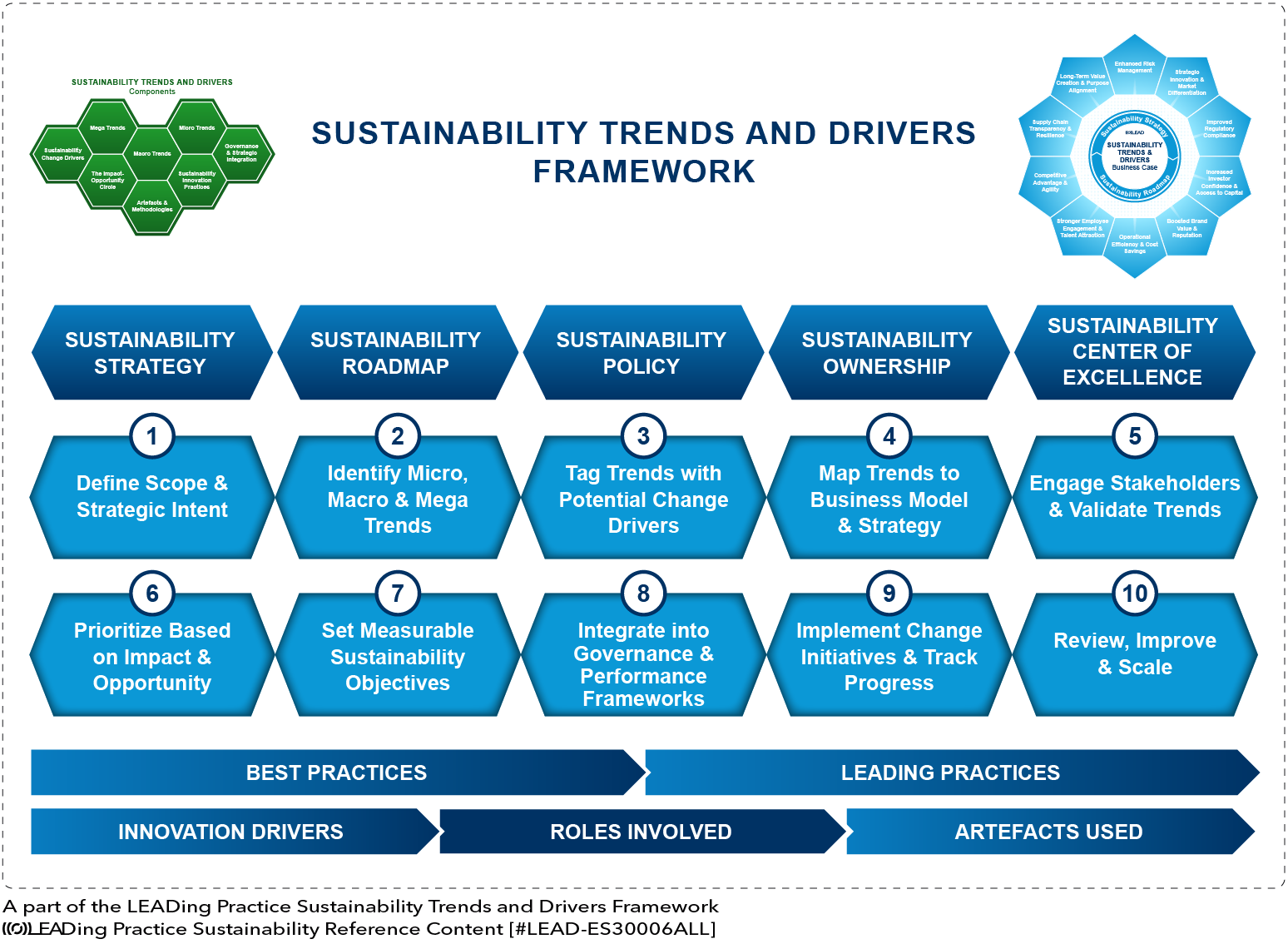
The 10-Step Way Forward:
The Sustainability Trends and Drivers Framework equips organizations with a consistent and scalable approach to sustainability transformation. Instead of isolated initiatives, it provides a roadmap for embedding sustainability across strategy, operations, and culture. By following this 10-step guide, teams gain clarity on what to do, when, how, and who should be involved.
It accelerates progress by reducing confusion, avoiding duplication, and ensuring accountability. It also provides a repeatable cycle of innovation—helping companies stay in sync with a rapidly changing world. Whether you're just getting started or advancing your existing efforts, this framework provides the structure and agility needed to succeed.
Contact Us
Wanna learn more ? Want to improve your company ?
Projects that require our help ?
Don't waste more time, contact us !
Most Common Pitfalls
The Most Common Pitfalls and Challenges
Working with sustainability trends and drivers can unlock major opportunities—but it also comes with challenges. Many organizations struggle to turn insight into action due to common misunderstandings, flawed approaches, or poor execution. These pitfalls can slow down progress, waste resources, or damage trust among stakeholders.
Here are five common antipatterns (repeating misbehaviors that seem like solutions but are not) and five detailed worst practices (strategies that are consistently ineffective or harmful) that organizations should avoid when working with sustainability trends and drivers.
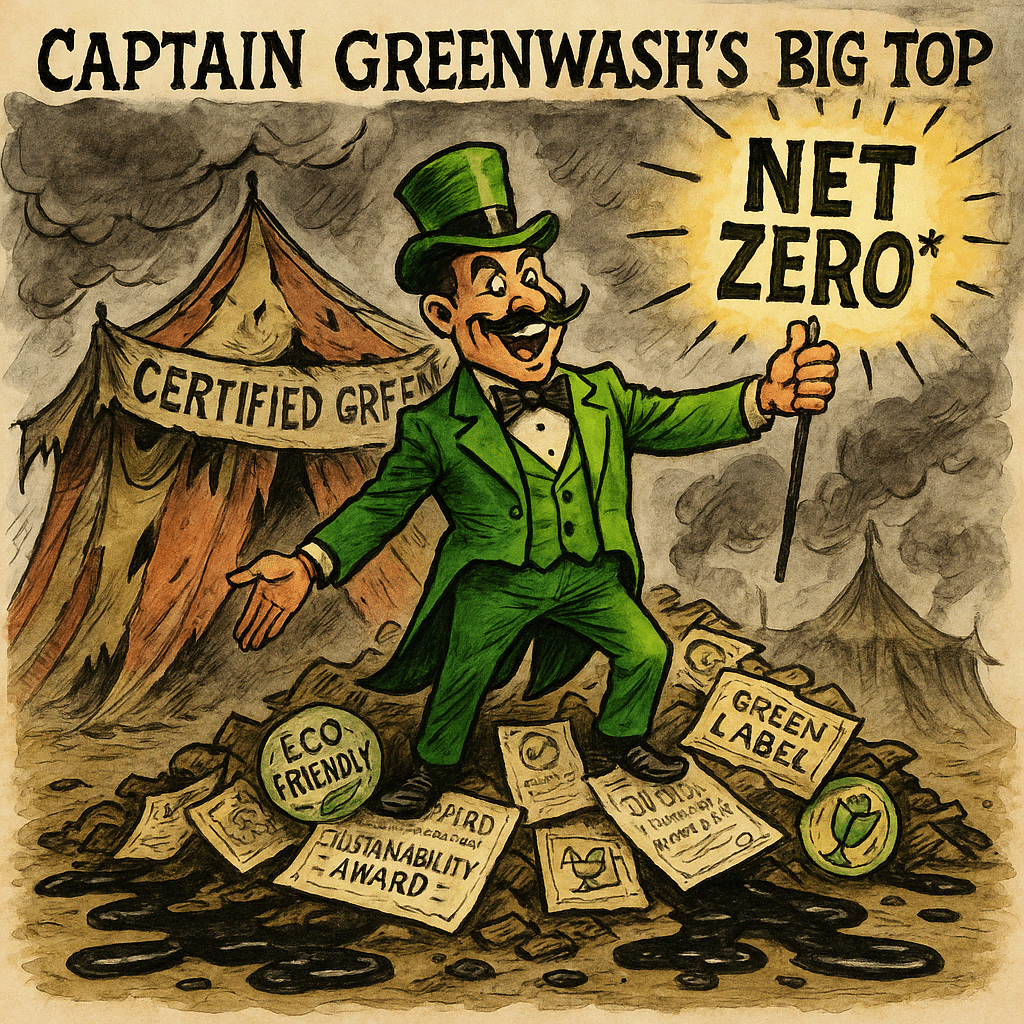
5 Antipattern Examples
- Sustainability-as-Marketing: Using sustainability purely for image or PR leads to shallow efforts that lack impact, miss strategic integration, and fail to deliver meaningful or lasting value.
- Trend Spotting Without Action: Identifying trends without linking them to drivers or strategy results in passive awareness rather than innovation or change—analysis remains unused and unimplemented.
- Siloed Sustainability Teams: Keeping sustainability isolated in one department prevents enterprise-wide integration, resulting in fragmented efforts and weak alignment with business goals or operations.
- Technology-Only Fixation: Focusing solely on green tech without behavioral or process change limits outcomes, often creating false expectations and underwhelming results.
- Copy-Paste Strategies: Adopting generic sustainability models without adapting to local context, culture, or industry leads to poor execution and low organizational fit.
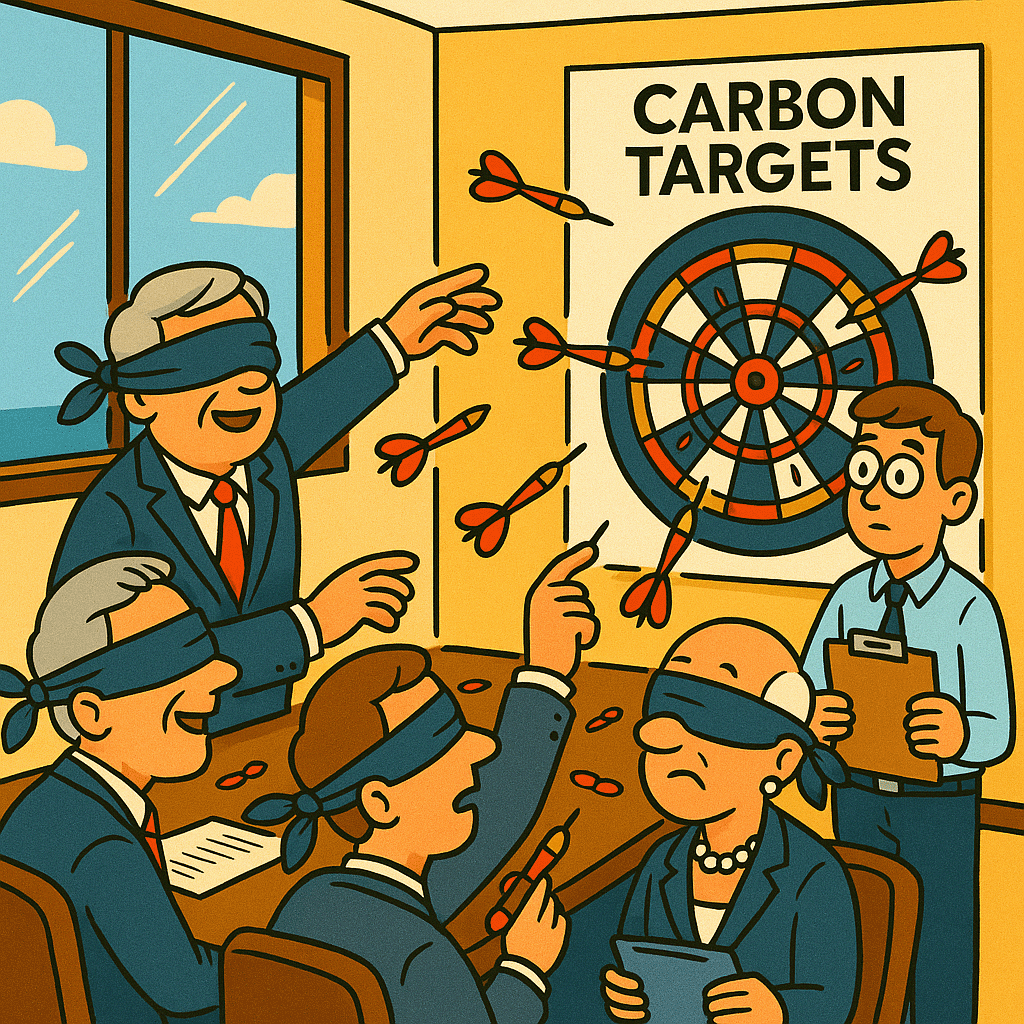
5 Worst Practice Examples
- Ignoring Industry-Specific Trends: Overlooking trends relevant to your sector leads to misaligned efforts, missed opportunities, and lack of justification for sustainable business actions.
- Lack of Leadership Commitment: Without executive buy-in, sustainability lacks influence, funding, and strategic weight, resulting in minimal impact and low organizational support.
- No Measurable Goals or KPIs: Failing to set sustainability metrics removes accountability, obscures progress, and prevents continuous improvement or tangible success tracking.
- Neglecting Stakeholder Involvement: Excluding key stakeholders weakens relevance, creates blind spots, and increases resistance, reducing the effectiveness of sustainability initiatives.
- Greenwashing and Lack of Transparency: Misleading sustainability claims erode stakeholder trust, damage credibility, and increase reputational and regulatory risks for the organization.
Lessons Learned
Learning from the Outperformers: Lessons Learned
Organizations that successfully harness sustainability trends and drivers stand apart not because they avoid challenges—but because they manage them better. From our research and analysis of top-performing organizations, we’ve identified a set of practices that separate those who struggle from those who lead. These Best Practices and Leading Practices offer actionable insights for any organization seeking to embed sustainability deeply and effectively.
The gap between struggling and outperforming organizations lies in how deliberately they approach sustainability. Best practices ensure a strong foundation. Leading practices elevate sustainability to a core operating principle. By following these lessons from the top performers, any organization can move beyond compliance and branding—and toward meaningful, measurable sustainability impact.
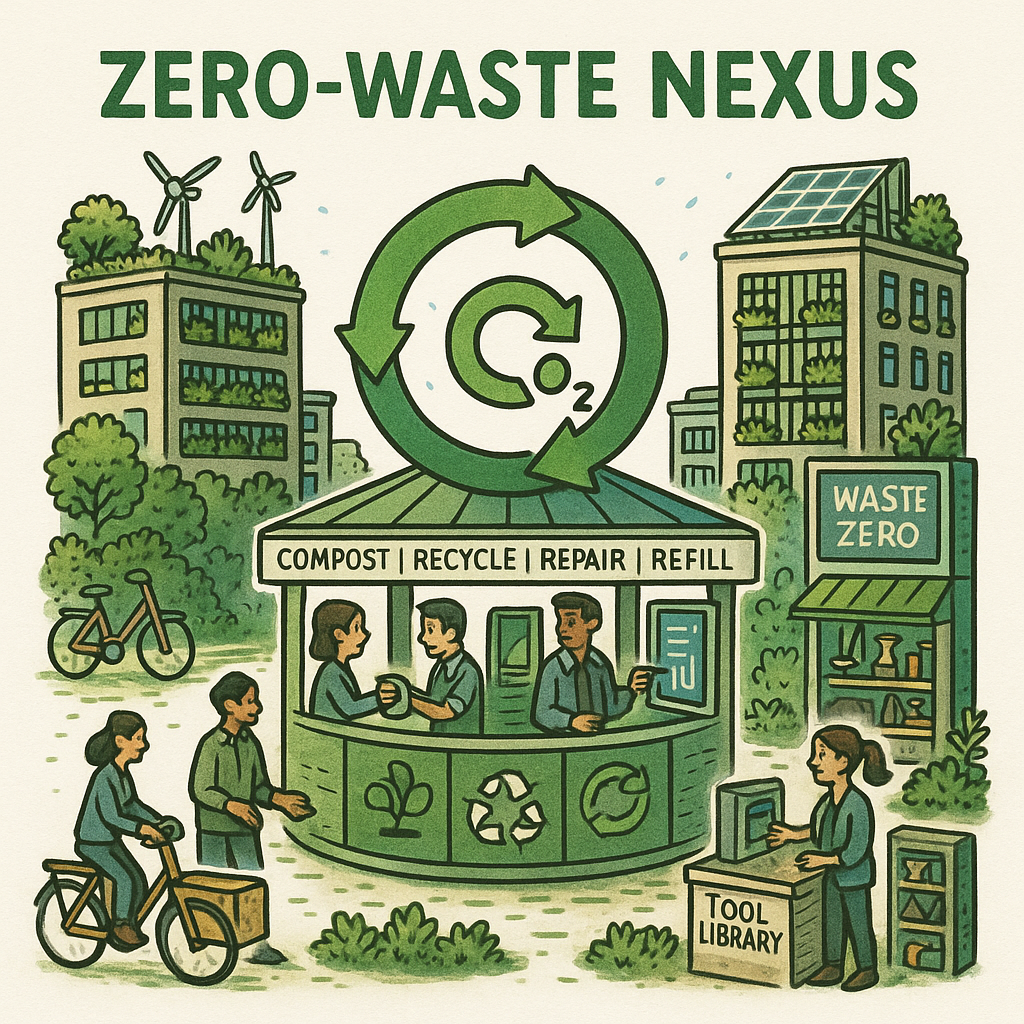
5 Best Practice Examples
- Categorize Trends at All Levels: Group sustainability trends into micro, macro, and mega categories to improve clarity, align priorities, and connect insights with strategy and execution effectively.
- Tag Trends with Drivers: Link each trend to a change driver to connect external signals with internal strategy and guide practical, action-oriented innovation planning.
- Align Sustainability with Business Priorities: Integrate sustainability into goals, product plans, and KPIs to embed it into core operations, not just side initiatives.
- Engage Stakeholders Continuously: Involve employees, customers, and partners consistently to gain insights, strengthen trust, and co-create sustainability outcomes with broader buy-in.
- Set Measurable Objectives Early: Establish clear sustainability metrics from the start to guide progress, improve accountability, and support focused execution across teams.
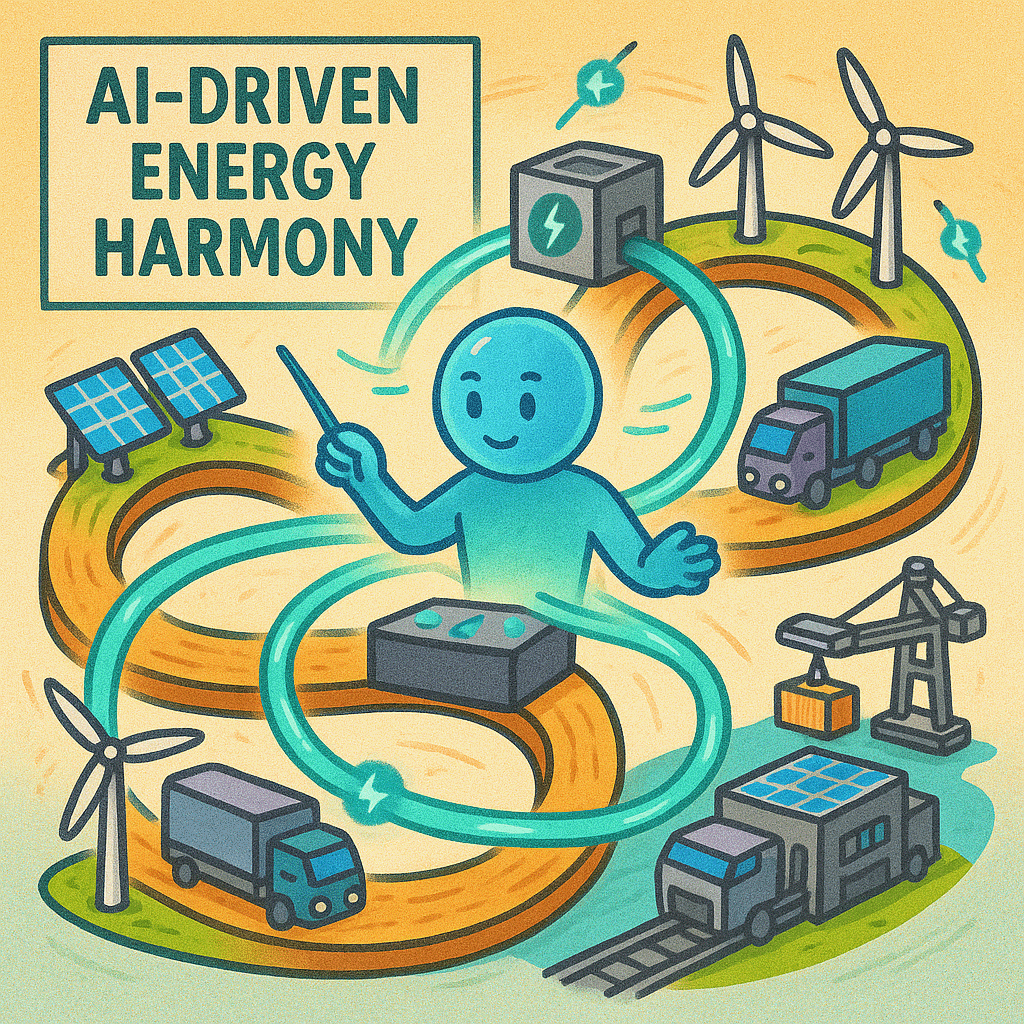
5 Leading Practice Examples
- Embed Trends into Corporate Governance: Integrate sustainability oversight into leadership structures, treating it as a strategic priority tied to risk, growth, and value creation.
- Use Artefacts to Map and Measure: Apply tools like the Impact-Opportunity Circle or Capability Maps to visualize, quantify, and act on sustainability trends systematically.
- Balance Long-Term Innovation with Short-Term Results: Invest in sustainability capabilities while meeting near-term targets by building flexible planning cycles and resource buffers.
- Promote Organizational Modularity and Openness: Design adaptable systems and teams to react quickly to sustainability needs and foster enterprise-wide collaboration.
- Foster a Culture of Continuous Improvement: Encourage experimentation, track performance, and learn from setbacks to evolve sustainability strategy and accelerate lasting impact.
Most Common Artefacts
The Most Common Artefacts
To effectively analyze, map, and act on sustainability drivers of change, organizations need structured tools—called artefacts—that support insight, alignment, and execution. These artefacts help teams connect external trends to internal strategies, ensuring that sustainability isn’t just understood, but embedded into business models, value chains, and decision-making frameworks.
Below are the most common and effective artefacts used when working with sustainability trends and drivers. They support opportunity analysis, strategy formulation, stakeholder engagement, and performance tracking.
| Artefact | Description | How it Can Be Used for Sustainability Innovation |
|---|---|---|
| Strategy Trend Canvas | A strategic mapping tool that links identified trends (micro, macro, mega) to business strategy, objectives, change drivers, and capabilities. | Identifies where sustainability trends intersect with business goals to spark new product ideas, services, or models. |
| LEAD Impact-Opportunity Circle | A framework to assess how trends affect the market, industry, and internal business model from both risk and opportunity perspectives. | Helps uncover high-impact innovation opportunities by linking trends to unmet needs, new markets, or value shifts. |
| Porter's Five Forces (Sustainability-Adapted) | A classic market analysis model modified to assess environmental and social pressures within the competitive landscape. | Highlights sustainability-related shifts in competitive dynamics to inspire innovation in value chains, partnerships, or positioning. |
| PEST Analysis (Sustainability-Focused) | A tool that categorizes external trends into Political, Economic, Social, and Technological domains with a sustainability lens. | Supports discovery of macro-environmental changes that could spark green innovations or eco-social business models. |
| Sustainability Lifecycle Analysis (LCA) | A method for evaluating the environmental impact of a product or service across its full life cycle—from raw materials to disposal. | Drives eco-design and circular economy innovations by revealing lifecycle inefficiencies and impact reduction opportunities. |
| Materiality Assessment | A stakeholder-informed process to prioritize the most relevant environmental, social, and governance issues for the business. | Guides innovation toward ESG issues that matter most to stakeholders, ensuring relevance and adoption. |
| Stakeholder Map | A visual representation of all relevant stakeholders and their level of influence, interest, and engagement in sustainability topics. | Supports co-creation and inclusive innovation by identifying key partners and influencers in the sustainability space. |
| Capability Map | A structured overview of the organization’s internal competencies and resources required to deliver on strategy. | Identifies core and missing capabilities needed to develop and scale sustainable innovations effectively. |
| Scenario Planning | A strategic foresight tool used to explore possible futures by modeling different trajectories based on trends and uncertainties. | Stimulates long-range thinking and future-focused innovation aligned with evolving sustainability landscapes. |
| Trend-Value Chain Map | A visual tool that links sustainability trends and change drivers to specific stages of the value chain. | Pinpoints innovation opportunities across operations—from sourcing to delivery—based on trend influence and sustainability needs. |
Overview of the most common artefacts used with Sustainability Trends and Drivers.
These artefacts give structure to complexity. They enable organizations to see clearly, think systemically, and act strategically when navigating sustainability drivers of change.
Used individually or in combination, they help teams move from awareness to execution—transforming sustainability from theory into performance.
Conclusion
Sustainability is no longer a peripheral concern—it is a defining force shaping how organizations grow, compete, and contribute to society. The pace and complexity of change demand a proactive, structured approach to understanding and responding to the drivers of sustainability. By recognizing and analyzing micro, macro, and mega trends, and translating them into change drivers, organizations can not only mitigate risks but unlock powerful opportunities for innovation, relevance, and long-term value creation. As this guide has shown, leading organizations don’t just observe trends—they connect them to strategy, act through governance, and measure through clear objectives and artefacts.
They treat sustainability not as a checkbox, but as a capability to be developed, led, and embedded across the enterprise. With frameworks like the 10-Step Way Forward, tools like the Strategy Trend Canvas and Impact-Opportunity Circle, and a clear understanding of best practices versus common pitfalls, any organization can build a sustainability roadmap tailored to its context and ambitions. The time for reaction has passed. Now is the time for strategic leadership, cross-functional collaboration, and bold execution. Whether you're just starting your sustainability journey or seeking to scale your impact—understanding and activating Sustainability Trends and Drivers is the key to driving resilient, inclusive, and future-fit growth.