

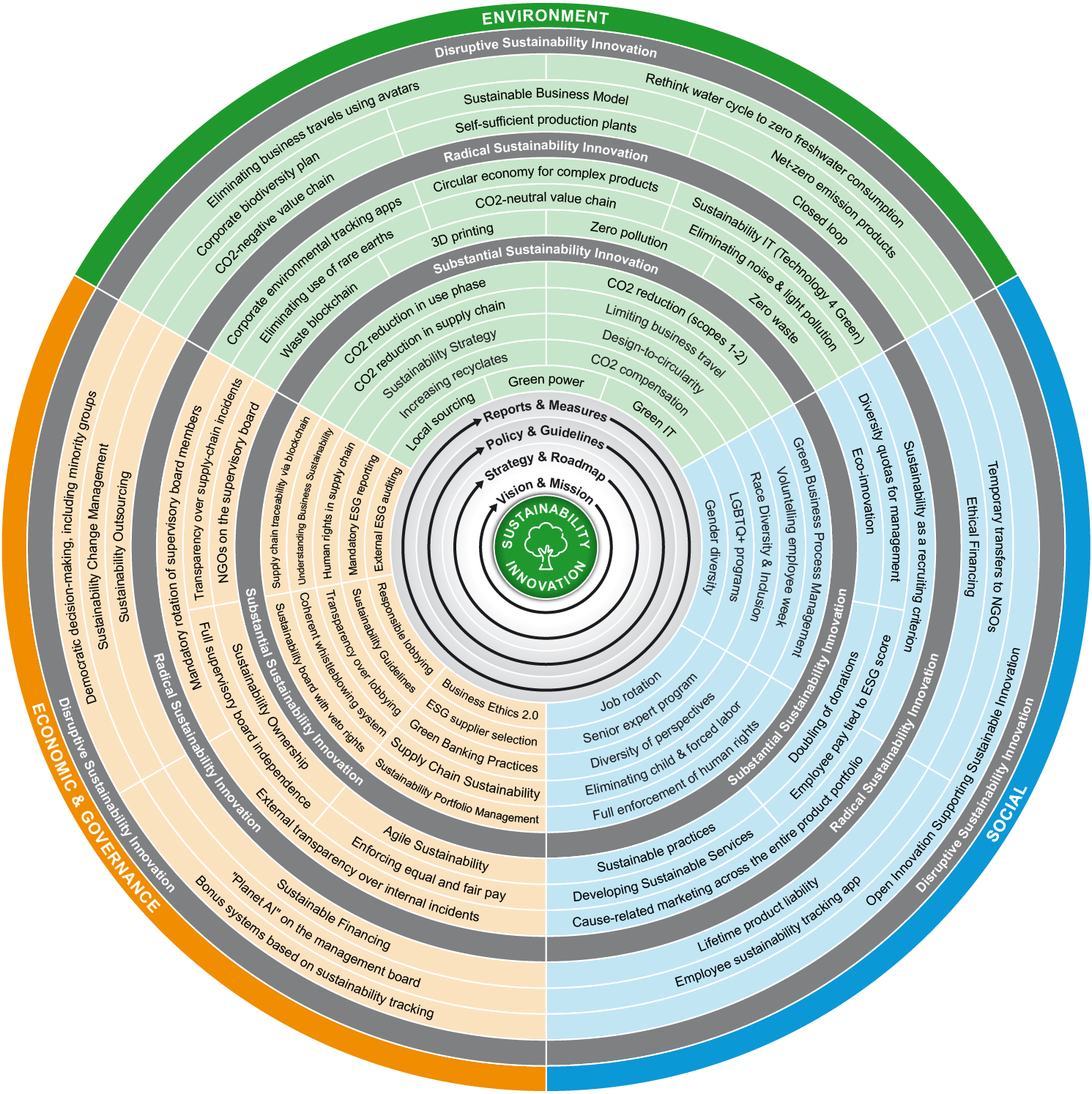
What is Senior Expert Program?
The Senior Expert Program is an organizational initiative designed to bridge the gap between retiring professionals and the next generation of employees. It enables retired or semi-retired experts to remain engaged in their professional fields by sharing decades of experience, insights, and know-how with younger colleagues. Rather than letting critical knowledge disappear when employees retire, the program creates structured opportunities for experts to contribute through mentoring, coaching, consulting, training, or short-term project assignments.
At its core, the Senior Expert Program strengthens cross-generational collaboration, supports knowledge transfer, and ensures organizational memory is preserved. For businesses, it offers a cost-effective way to access specialized skills while reinforcing sustainability goals through workforce resilience and capacity building. For senior experts, it provides recognition, purpose, and the chance to stay connected and valued.
Main Components
The 8 Main Components of Senior Expert Program
A successful Senior Expert Program is not built by chance but through deliberate design and structure. To create lasting value, the program must integrate eight main components that balance organizational needs with the personal motivations of senior experts. These components guide how knowledge is captured, transferred, and applied while ensuring the program remains flexible, inclusive, and aligned with long-term sustainability objectives.
They cover essential areas such as program design, operational flexibility, recognition, and evaluation, making the initiative both practical and impactful. When combined, these components form a holistic framework that enables organizations to preserve expertise, foster intergenerational exchange, and create sustainable benefits for both employees and the wider business.

Below are the eight main components of Senior Expert Program, reflecting both structural patterns and actionable insights for organizations:
The eight components of a Senior Expert Program create a structured and sustainable model for knowledge retention and cross-generational exchange. They ensure that the program is not just an ad hoc initiative but a strategic asset aligned with organizational goals. By combining strong design, operational flexibility, and recognition of experts’ contributions, organizations preserve invaluable knowledge and maintain workforce continuity.
Integrating sustainability and continuous evaluation makes the program adaptable, relevant, and impactful over time. Together, these components transform the Senior Expert Program into a driver of innovation, collaboration, and long-term competitive advantage.
Why This Is Relevant
Why is Senior Expert Program so Relevant?
The Senior Expert Program has gained critical relevance in today’s organizations due to demographic changes, workforce shortages, and the increasing need for sustainable knowledge retention. As large groups of experienced professionals approach retirement, companies risk losing decades of expertise, insights, and practical wisdom. At the same time, younger generations entering the workforce often lack the applied experience and mentorship required to navigate complex challenges effectively.
The program bridges this gap by enabling structured knowledge transfer, ensuring that expertise is preserved rather than lost. It also strengthens cross-generational collaboration, where fresh ideas meet seasoned judgment, sparking innovation and better decision-making. Beyond workforce benefits, the program aligns closely with sustainability and resilience goals, creating a cost-effective model to secure continuity, empower employees, and maintain a competitive edge in a fast-changing environment.
Business/Value Case
The Business/Value Case for Senior Expert Program
The Senior Expert Program provides a strong business case by addressing both organizational and workforce challenges in a cost-effective and sustainable manner. It ensures that valuable expertise does not disappear with retirement but is instead leveraged to strengthen knowledge, innovation, and resilience. Beyond preserving organizational memory, it empowers the younger generation of employees through mentorship and professional development.
At the same time, it offers senior professionals recognition, purpose, and flexible ways to contribute meaningfully after their formal careers. Together, these benefits make the program a strategic investment that enhances long-term competitiveness while supporting sustainability and social responsibility goals. Below are ten key benefits and advantages that highlight the program’s value for multiple stakeholders across the organization.
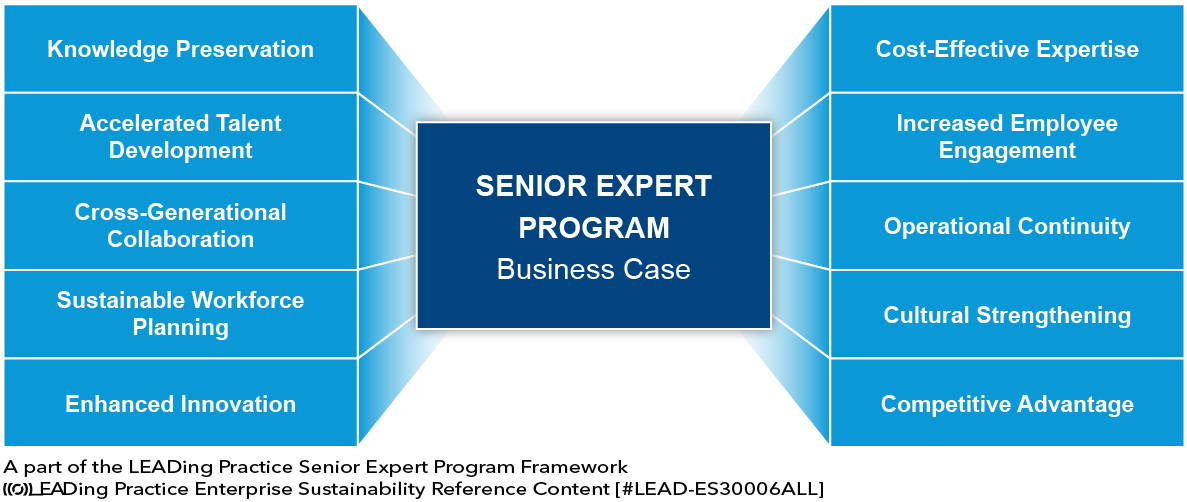
Below are ten key benefits that highlight why this approach is essential for modern organizations:
The Senior Expert Program delivers clear business and workforce value by combining knowledge retention, innovation, and sustainability in one framework. For stakeholders ranging from HR and sustainability officers to executives and project managers, the program offers measurable advantages in cost savings, cultural development, and long-term resilience.
It empowers younger generations, keeps senior experts engaged, and secures organizational continuity in times of demographic change. By strategically leveraging senior expertise, organizations transform a potential knowledge gap into a powerful source of growth and competitive strength. The business case is clear: this program benefits people, processes, and performance across all levels.
How-To-Guide
How-To-Guide: The Senior Expert Program Framework
The Senior Expert Program Framework provides organizations with a structured, standardized approach to retaining and transferring critical knowledge. By embedding this framework into their operations, companies can build a consistent model that supports long-term workforce sustainability and resilience. It integrates both the business case and practical execution, ensuring alignment between strategy and day-to-day activities.
A framework approach creates clarity on roles, responsibilities, and outcomes, making it easier for all stakeholders—HR leaders, senior experts, managers, and younger employees—to collaborate effectively. It also ensures that the program is not run in isolation but as part of broader organizational development and sustainability goals. With ten defined steps, organizations can confidently design, implement, and scale their Senior Expert Program in a systematic and effective way.

The 10-Step Way Forward:
The Senior Expert Program Framework is a practical roadmap for launching and scaling knowledge retention initiatives. By following a structured 10-step process, organizations can align strategic goals with operational execution while ensuring that expertise is preserved and transferred effectively.
The framework provides clarity on who does what, when, and how, making it easier to mobilize stakeholders and sustain impact over time. With proper monitoring, feedback, and adaptation, the program becomes a dynamic tool that grows with the organization’s needs, strengthening resilience, innovation, and sustainability across the workforce.
Contact Us
Wanna learn more ? Want to improve your company ?
Projects that require our help ?
Don't waste more time, contact us !
Most Common Pitfalls
The Most Common Pitfalls and Challenges
Organizations that excel in Senior Expert Programs demonstrate how to transform knowledge retention into a strategic advantage. These outperformers balance structure with flexibility, align programs with sustainability goals, and ensure meaningful engagement for both senior experts and younger employees.
Their success lies not only in implementing best practices but also in pioneering leading practices that others can learn from. By studying these approaches, organizations can avoid inefficiencies, accelerate maturity, and design programs that preserve knowledge while building a stronger, more innovative, and resilient workforce.
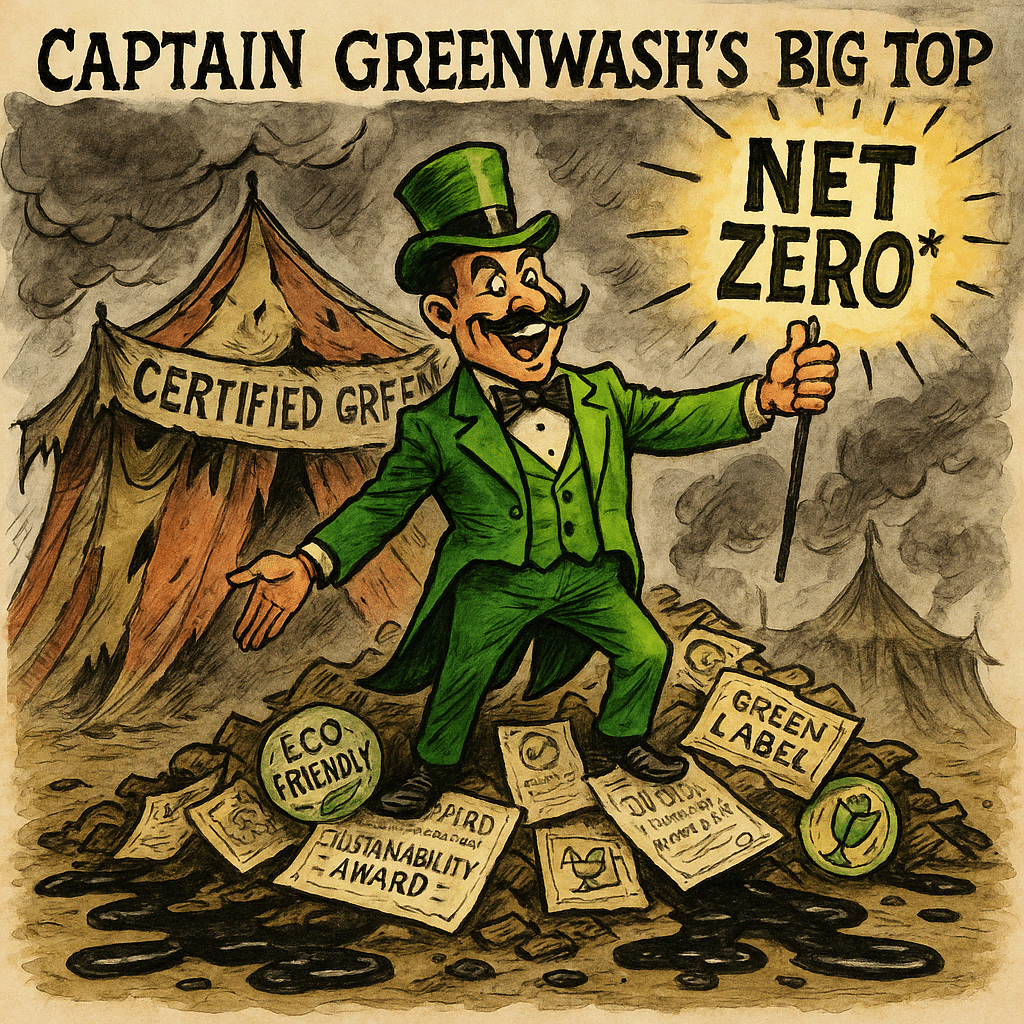
5 Antipattern Examples
- Clear Program Objectives: Set precise goals to align knowledge transfer with business strategy and sustainability priorities.
- Structured Knowledge Sharing: Use mentoring, coaching, and workshops as systematic tools for expertise transfer.
- Flexible Engagement Options: Provide part-time, project-based, or advisory roles to accommodate diverse expert needs.
- Recognition and Value: Offer visible appreciation and fair compensation to keep senior experts motivated.
- Regular Monitoring: Apply KPIs and feedback loops to measure program effectiveness and ensure continuous improvement.
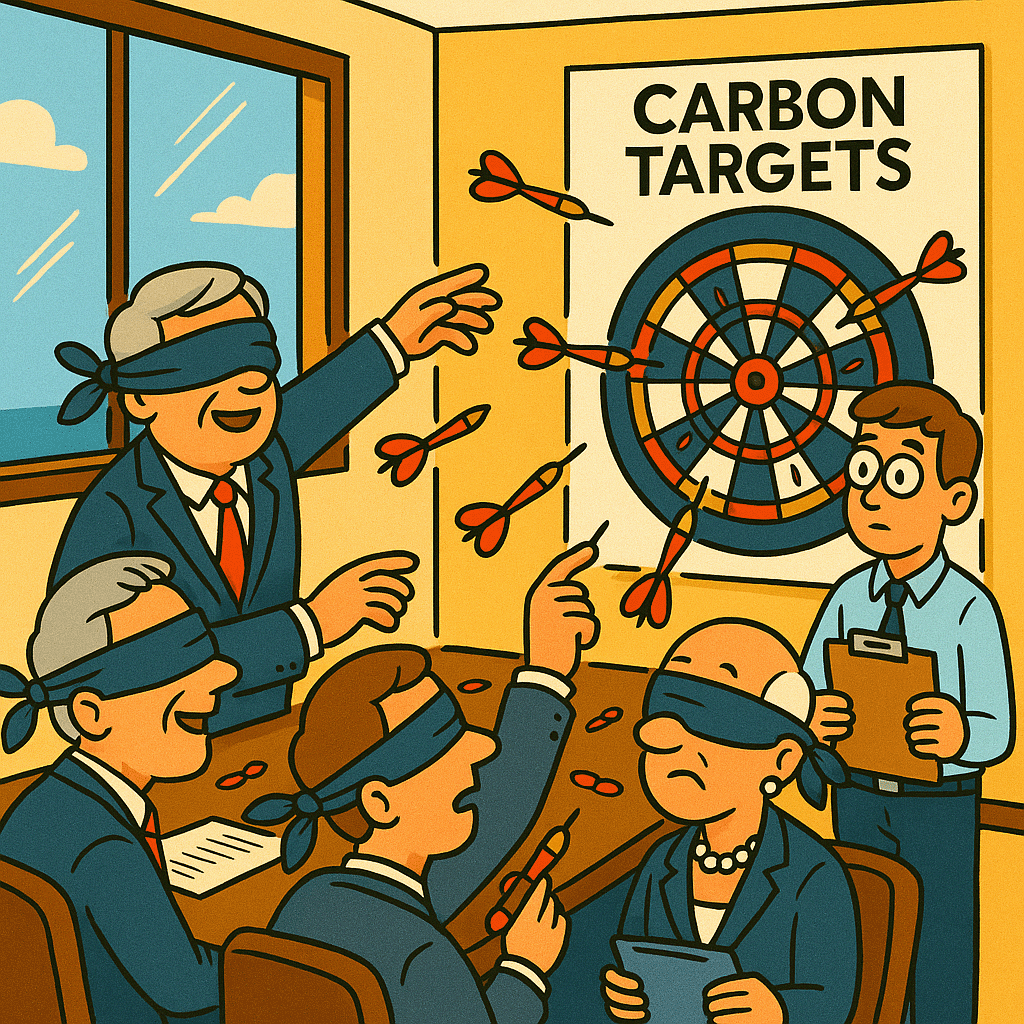
5 Worst Practice Examples
- Lack of Stakeholder Engagement: Failing to involve HR, leadership, and sustainability officers leads to fragmented ownership and reduced program credibility.
- Ignoring Motivation Drivers: Overlooking recognition, compensation, and meaningful roles results in low participation and weak commitment from senior experts.
- Inadequate Knowledge Transfer Tools: Relying solely on informal conversations without structured methods prevents effective learning for younger employees.
- No Monitoring or Feedback: Absence of metrics and evaluation creates blind spots, making it impossible to track impact or improve processes.
- Overburdening Senior Experts: Assigning excessive responsibilities without limits undermines motivation, leading to burnout and disengagement among retirees.
Lessons Learned
Learning from the Outperformers: Lessons Learned
Organizations that excel in Senior Expert Programs demonstrate how to transform knowledge retention into a strategic advantage. These outperformers balance structure with flexibility, align programs with sustainability goals, and ensure meaningful engagement for both senior experts and younger employees.
Their success lies not only in implementing best practices but also in pioneering leading practices that others can learn from. By studying these approaches, organizations can avoid inefficiencies, accelerate maturity, and design programs that preserve knowledge while building a stronger, more innovative, and resilient workforce.
5 Best Practice Examples
- Clear Program Objectives: Set precise goals to align knowledge transfer with business strategy and sustainability priorities.
- Structured Knowledge Sharing: Use mentoring, coaching, and workshops as systematic tools for expertise transfer.
- Flexible Engagement Options: Provide part-time, project-based, or advisory roles to accommodate diverse expert needs.
- Recognition and Value: Offer visible appreciation and fair compensation to keep senior experts motivated.
- Regular Monitoring: Apply KPIs and feedback loops to measure program effectiveness and ensure continuous improvement.

5 Leading Practice Examples
- Integrated Sustainability Alignment: Embed the program into ESG strategies, linking workforce resilience with long-term sustainability goals.
- Global Expert Networks: Create international pools of senior experts for cross-border knowledge transfer and innovation exchange.
- Technology-Enabled Platforms: Use digital collaboration tools to connect retirees and employees across locations in real time.
- Innovation Through Co-Creation: Combine senior insight with new-generation creativity to design innovative products, services, or processes.
- Adaptive Program Evolution: Continuously adapt the program to demographic shifts, market demands, and emerging workforce needs.
Most Common Artefacts
The Most Common Artefacts
To make Senior Expert Programs effective, organizations rely on practical artefacts that help structure, document, and manage the process of knowledge transfer and engagement. These artefacts act as tools to map expertise, align roles, and provide clarity for both senior experts and participating teams.
They also serve as references that standardize processes and reduce inefficiencies. By using these artefacts, organizations avoid starting from scratch, ensure consistency across units, and create a foundation for continuous improvement in their knowledge retention and cross-generational collaboration efforts.
| Artefact | Description | How it Can Be Used for Sustainability Innovation |
|---|---|---|
| Senior Expert Program Map | Visual overview identifying available senior experts and their areas of expertise. | Enables managers to match experts with tasks quickly and transparently. |
| Senior Expert Program Matrix | Framework linking experts to specific roles, projects, or needs. | Ensures the right expert is allocated to the right challenge or department. |
| Knowledge Management Development Roadmap | Timeline-based plan outlining objectives, milestones, and activities for knowledge transfer. | Keeps teams aligned and tracks progress of program initiatives. |
| Mentoring and Coaching Templates | Standardized guides for structuring sessions between experts and mentees. | Ensures consistency in learning outcomes and knowledge sharing. |
| Feedback and Evaluation Forms | Tools to collect insights from both experts and employees involved. | Provides valuable input for improving program design and execution. |
| Expert Engagement Contract | Formal agreement outlining roles, timelines, and compensation. | Establishes clarity and avoids misunderstandings about scope and expectations. |
| Program Performance Dashboard | Visual tool to track KPIs such as hours contributed, knowledge areas covered, and employee satisfaction. | Helps management assess program success and impact on workforce sustainability. |
Overview of the most common artefacts used with Senior Expert Program.
Artefacts are essential for transforming the Senior Expert Program from concept to execution. They provide structure, clarity, and measurable processes that guide knowledge transfer and expert engagement. Tools such as maps, matrices, templates, and dashboards make it easier for organizations to plan, execute, and evaluate their initiatives effectively.
By relying on standardized artefacts, companies increase transparency, reduce inefficiencies, and strengthen outcomes. Ultimately, these artefacts enable organizations to capture the full value of their senior experts while ensuring long-term sustainability and workforce resilience.
Conclusion
The Senior Expert Program is far more than a post-retirement engagement model; it is a strategic approach to safeguarding knowledge, building resilience, and driving sustainable growth. By connecting experienced professionals with younger generations, organizations bridge the gap between tradition and innovation, ensuring that wisdom is not lost but amplified. The program enhances talent development, fosters cross-generational collaboration, and provides cost-effective access to expertise when it matters most.
When supported by clear frameworks, practical artefacts, and lessons learned from outperformers, the Senior Expert Program becomes a cornerstone of workforce sustainability. For organizations aiming to remain competitive and future-ready, investing in such a program is both a necessity and a powerful opportunity.