

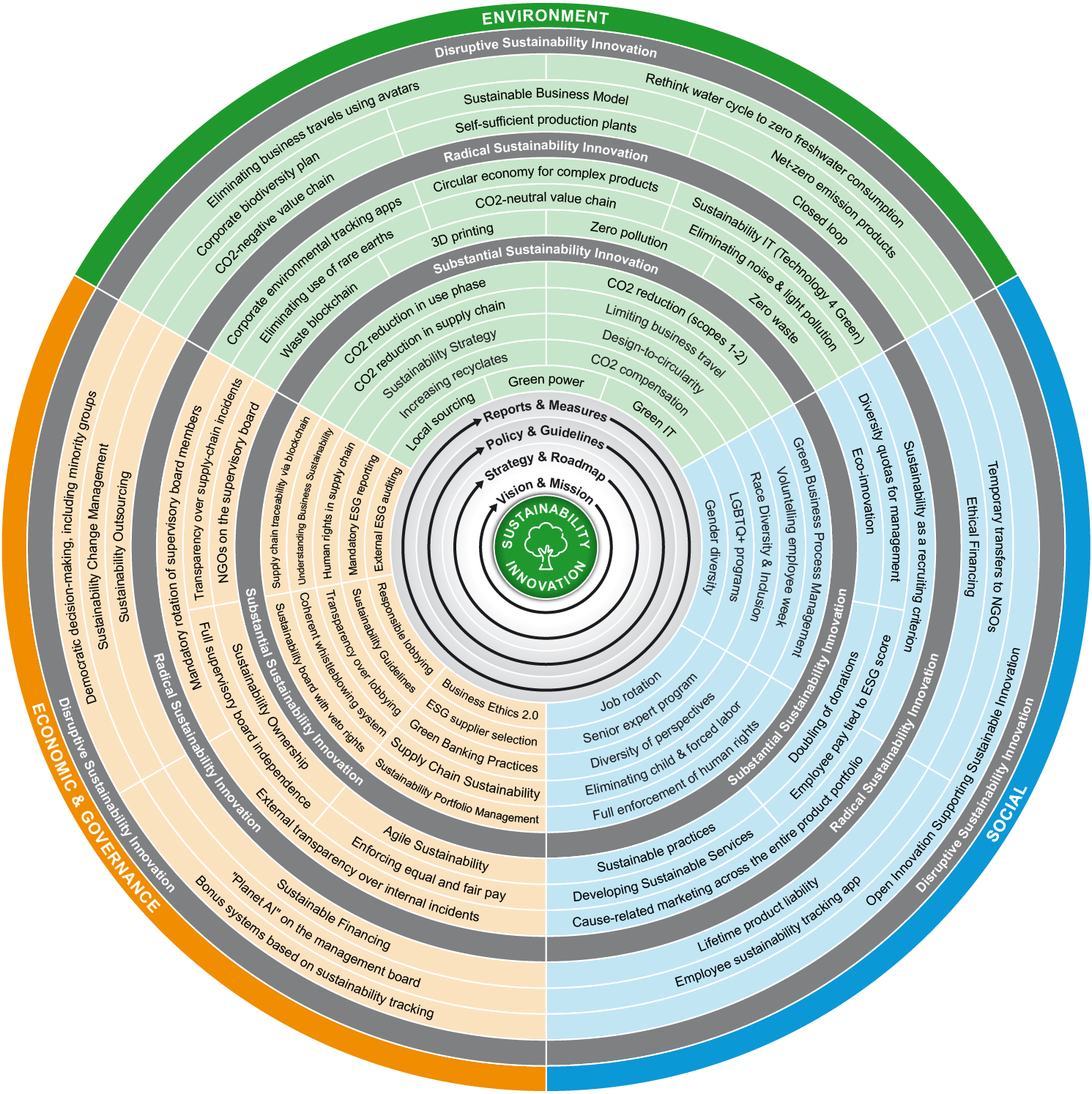
What is Disruptive Sustainability Innovation?
Disruptive Sustainability Innovation (DSI) refers to breakthrough innovations that transform how organizations operate, create value, and deliver impact while placing sustainability at the core. Unlike incremental improvements, DSI challenges existing practices and introduces new approaches that shift industries, markets, and customer expectations. When linked to a business model, DSI reshapes how companies design value propositions, organize resources, manage processes, and engage stakeholders.
The relationship between DSI and your business model is therefore both strategic and operational. Strategically, it ensures that sustainability is embedded in the DNA of the organization, influencing direction, investment decisions, and stakeholder priorities. Operationally, it aligns capabilities, technologies, and processes with sustainable practices, ensuring organizations remain resilient, competitive, and future-oriented. This interplay is essential for companies aiming to thrive in rapidly changing economic, social, and environmental landscapes.
Main Components
The 8 Main Components of Disruptive Sustainability Innovation
Understanding the relationship between Disruptive Sustainability Innovation (DSI) and your business model requires breaking it down into core components. These components define how organizations can align innovation with sustainability while ensuring strategic and operational effectiveness. Each component reflects a dimension of how business models must evolve in response to disruptive sustainability forces, from capabilities and technology to stakeholder engagement and governance.
By clearly defining these components, companies can identify where transformation is most needed, prioritize resources, and develop resilient strategies. Together, these elements form a structured approach for embedding sustainability innovation into organizational DNA, ensuring businesses remain competitive, adaptive, and responsible in addressing global challenges.
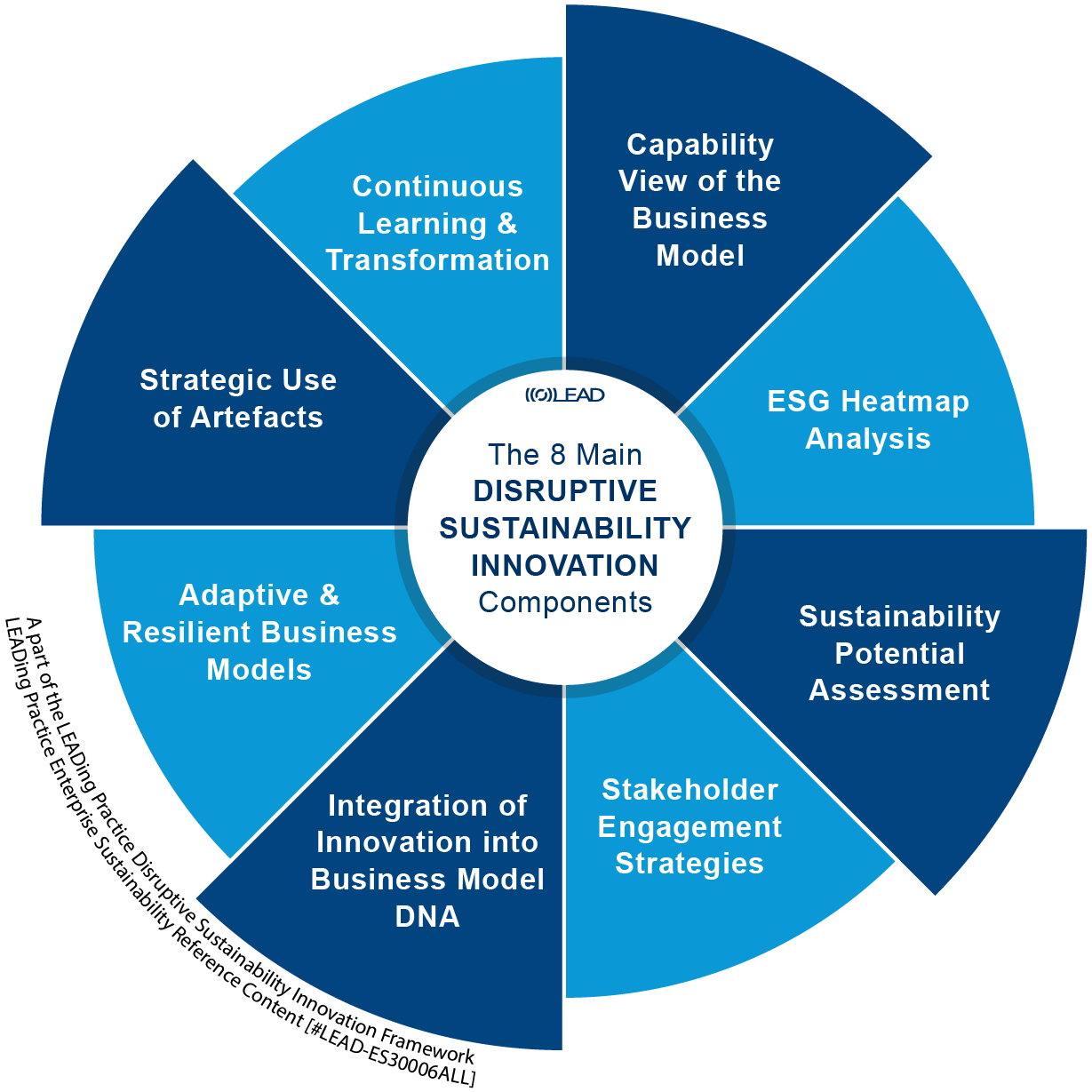
Below are the eight main components of Disruptive Sustainability Innovation, reflecting both structural patterns and actionable insights for organizations:
The eight components of the relationship between DSI and your business model provide a structured foundation for integrating sustainability into business strategy and execution. By combining capabilities mapping, ESG analysis, stakeholder engagement, and innovation tools, companies can systematically identify opportunities for disruptive change.
Embedding sustainability into business model DNA, while ensuring adaptability and continuous learning, creates resilience and future-readiness. These components also ensure alignment across strategy, operations, and culture, empowering organizations to transform challenges into opportunities. Together, they form a practical roadmap for businesses aiming to harness disruptive sustainability innovation as a driver of long-term success.
Why This Is Relevant
Why is Disruptive Sustainability Innovation so Relevant?
In today’s volatile and resource-constrained world, the relationship between Disruptive Sustainability Innovation (DSI) and your business model has never been more relevant. Organizations are facing growing pressures from climate change, regulatory frameworks, shifting consumer expectations, and rapid technological advances. Simply treating sustainability as a compliance exercise is no longer enough — it must be embedded within the core business model to unlock value and future resilience.
By aligning DSI with business model design, organizations not only reduce risks but also open new growth opportunities, strengthen stakeholder trust, and secure long-term competitiveness. This connection ensures sustainability drives both transformation and profitability, making it an essential consideration for every industry and business leader.
Business/Value Case
The Business/Value Case for Disruptive Sustainability Innovation
The integration of Disruptive Sustainability Innovation (DSI) into your business model creates tangible business value while addressing urgent global challenges. Beyond compliance and risk management, it offers opportunities to increase efficiency, drive innovation, and improve stakeholder relationships. Companies that strategically embed DSI are better positioned to anticipate change, manage uncertainty, and create long-term growth.
This alignment provides benefits across financial, operational, and reputational dimensions, helping organizations strengthen competitiveness while contributing positively to society and the environment. To illustrate this, the following list outlines ten of the most important benefits and advantages, highlighting how different stakeholders—from executives to employees and customers—gain value from connecting DSI with the business model.
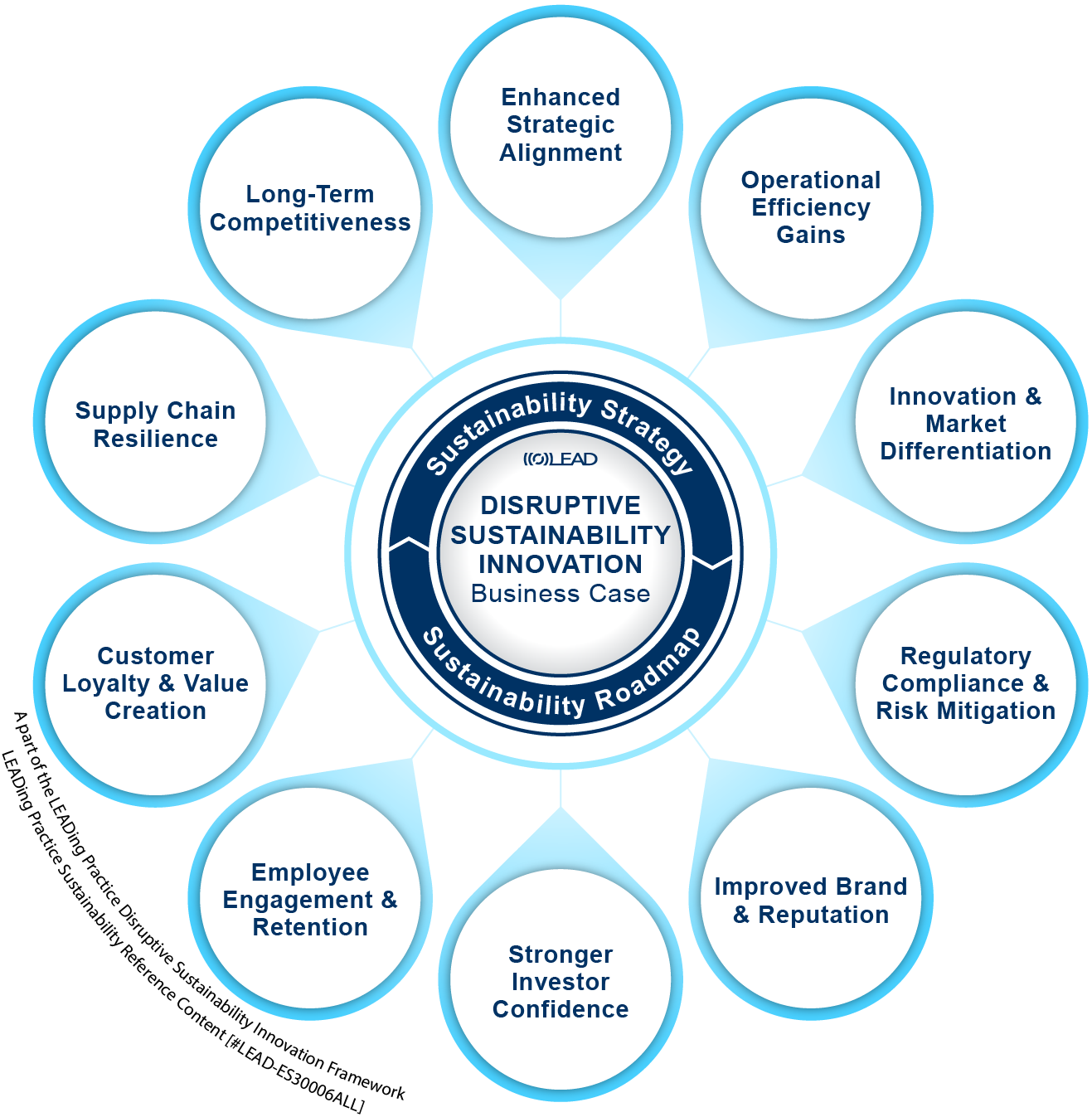
Below are ten key benefits that highlight why this approach is essential for modern organizations:
The business case for linking DSI with the business model is compelling. It not only reduces risks but also enables growth, innovation, and stakeholder trust. From improved operational efficiency to stronger brand reputation and investor confidence, the benefits span across the entire organization. Employees gain purpose, customers receive sustainable value, and supply chains become more resilient.
By embedding DSI, businesses transform sustainability from a cost into a strategic advantage. Ultimately, this integration ensures companies remain competitive, future-oriented, and aligned with global priorities, making it a cornerstone of long-term success.
How-To-Guide
How-To-Guide: The Disruptive Sustainability Innovation Framework
The Relationship Between DSI and Your Business Model Framework gives organizations a structured approach to embed sustainability innovation into their operations. It connects strategic ambitions with practical actions, making sustainability an integral part of the business model. The framework is built around a 10-step journey that ensures alignment, collaboration, and measurable progress.
By following these steps, companies can engage stakeholders, assess performance, generate and test innovations, and integrate them into their business models. Each step outlines what to do, when and where to act, how to carry it out, and who should be involved. This shared structure reduces risks, speeds up execution, and helps organizations scale sustainability impact across roles and departments.
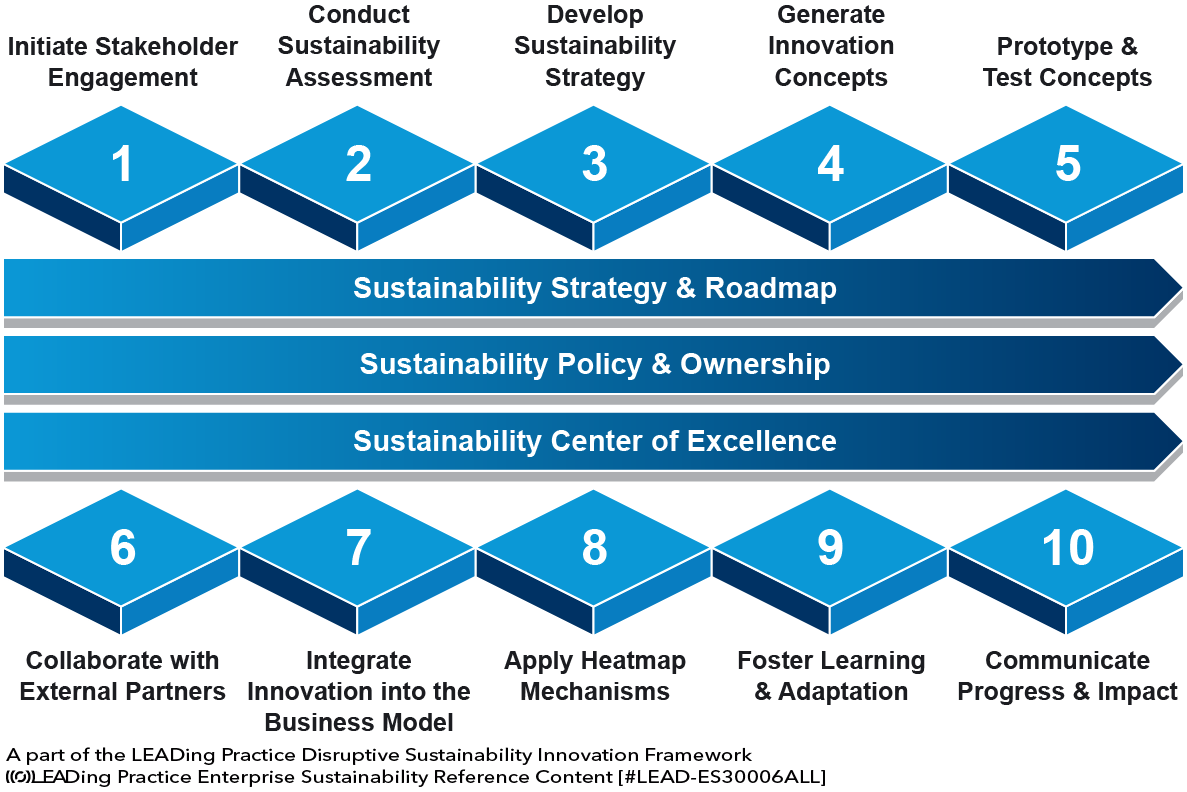
The 10-Step Way Forward:
The DSI and Business Model Framework provides a clear roadmap for embedding sustainability into business operations. Its 10 steps—from stakeholder engagement to communication—create a shared structure that reduces risks and accelerates change. By simplifying roles and responsibilities, the framework ensures that innovations move from concept to implementation and become part of the business model.
It also fosters transparency, learning, and collaboration across the organization. This standardized approach helps organizations start quickly, stay aligned, and deliver measurable sustainability impact, ensuring that disruptive innovation becomes a lasting driver of resilience and growth.
Contact Us
Wanna learn more ? Want to improve your company ?
Projects that require our help ?
Don't waste more time, contact us !
Most Common Pitfalls
The Most Common Pitfalls and Challenges
Integrating Disruptive Sustainability Innovation (DSI) into business models offers great promise, but the path is filled with obstacles. Many organizations struggle because they underestimate the scale of change required or fail to align sustainability with their overall strategy.
Common pitfalls often appear in two forms: antipatterns, which are recurring ineffective approaches, and worst practices, which are actively damaging behaviors. Being aware of both is critical for avoiding wasted resources, resistance, and stalled transformation.

5 Antipattern Examples
- Capability Myopia: Over-relying on existing strengths while ignoring emerging sustainability trends and technologies.
- Functional Silos: Teams working in isolation, limiting knowledge sharing and slowing innovation.
- Short-Termism: Prioritizing immediate profits at the expense of long-term sustainability impact.
- Resource Fragmentation: Scattering resources without clear priorities, reducing overall effectiveness.
- Fear of Failure: Avoiding experimentation, stifling creativity and preventing disruptive breakthroughs.

5 Worst Practice Examples
- Capability Blindness: Ignoring current capabilities, missing opportunities to leverage strengths for sustainability innovation.
- Silos and Fragmentation: Allowing departments to act independently, blocking cross-functional collaboration on sustainability.
- Short-Term Focus: Chasing quick wins instead of committing to systemic long-term transformation.
- Resource Misallocation: Investing in unsustainable initiatives while neglecting high-impact opportunities.
- Risk Aversion: Refusing to change established practices, leaving the organization unprepared for disruption.
Lessons Learned
Learning from the Outperformers: Lessons Learned
By studying their methods, we can identify both best practices—proven approaches that work reliably—and leading practices—advanced methods that push boundaries and shape the future. Together, these practices show how companies can move from incremental improvement to systemic transformation, building resilience, trust, and long-term advantage.
Some organizations have successfully integrated Disruptive Sustainability Innovation (DSI) into their business models, becoming industry outperformers. Their approaches demonstrate that sustainability and profitability are not contradictory but mutually reinforcing.
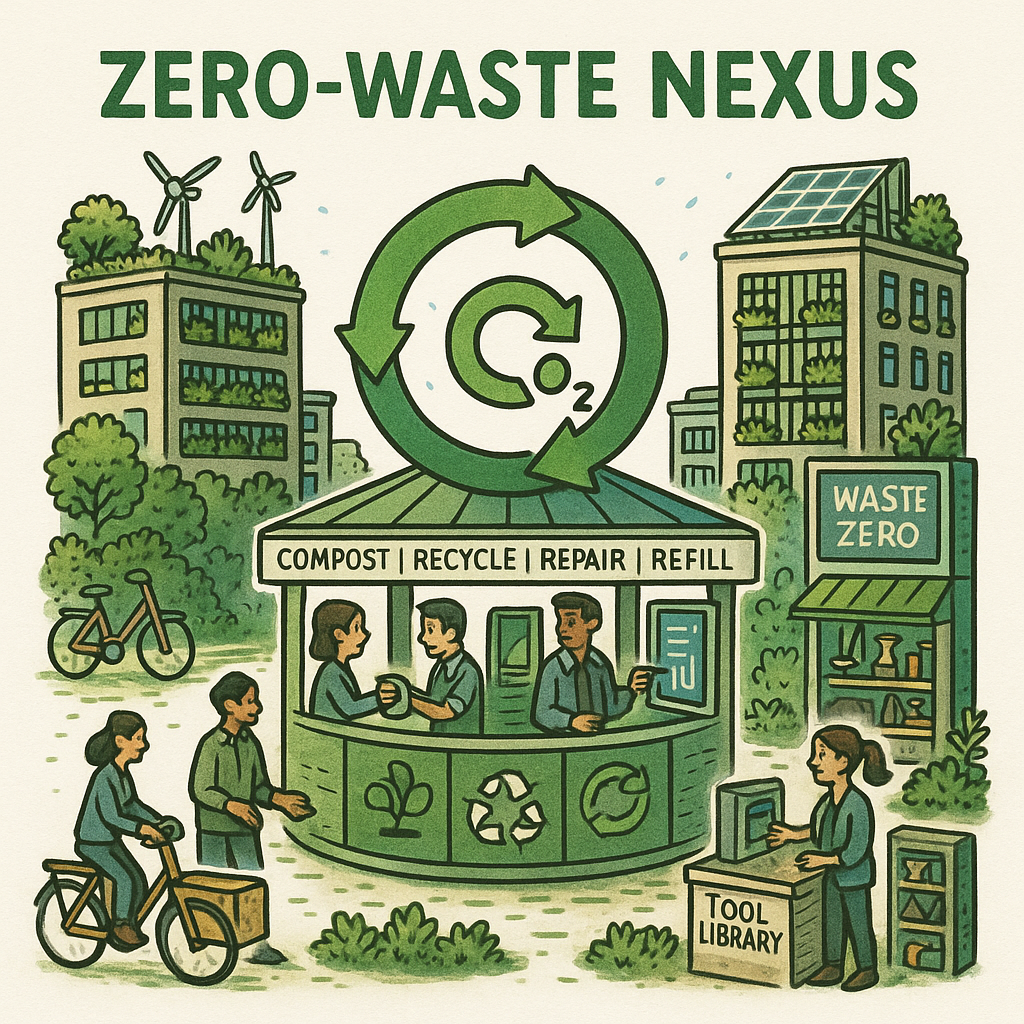
5 Best Practice Examples
- Capabilities Assessment: Embedding durability, sustainability, and user-centricity into design ensures long-lasting, reliable products.
- Sustainability Integration: Embed sustainability into the business model rather than treating it as a side initiative.
- Cross-Functional Collaboration: Break down silos by enabling diverse teams to co-create solutions.
- Leadership Commitment: Ensure executives consistently support and fund sustainability efforts.
- Continuous Monitoring: Track progress with metrics and adjust strategies based on data-driven insights.
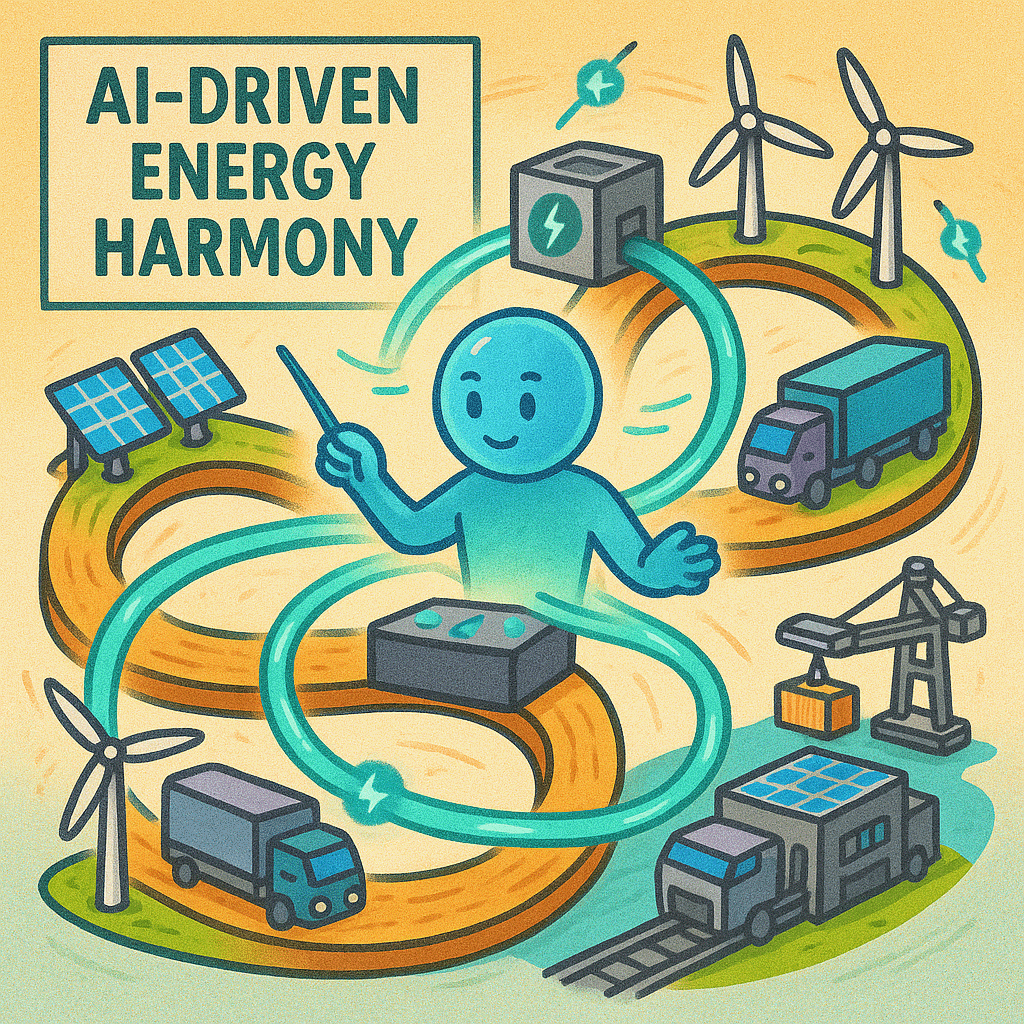
5 Leading Practice Examples
- Heatmap Analysis: Use innovation heatmaps to visually identify priority areas for disruptive sustainability opportunities.
- Scenario Planning: Explore multiple future scenarios to test resilience of sustainability strategies.
- Value Chain Mapping: Analyze the full value chain to uncover opportunities for systemic sustainability improvements.
- Agile Project Management: Apply agile methods to accelerate prototyping, testing, and scaling of sustainability innovations.
- Open Innovation Platforms: Leverage collective intelligence from stakeholders, startups, and partners to crowdsource solutions.
Most Common Artefacts
The Most Common Artefacts
To successfully integrate Disruptive Sustainability Innovation (DSI) into a business model, organizations rely on specific artefacts—structured tools that provide clarity, alignment, and guidance. These artefacts help leaders visualize capabilities, track sustainability opportunities, and measure progress.
They translate abstract sustainability ambitions into actionable frameworks, ensuring that innovation becomes embedded in daily decision-making. Below is a selection of the most widely used artefacts, along with how each can be applied to strengthen the relationship between DSI and business models.
| Artefact | Description | How it Can Be Used for Sustainability Innovation |
|---|---|---|
| Capability Map | A visual overview of organizational strengths across people, processes, and technology. | Identifies gaps and strengths for targeting sustainability innovation effectively. |
| Capability Business Model View | A holistic picture linking capabilities directly to value creation, delivery, and capture. | Helps integrate sustainability into the strategic design of the business model. |
| Sustainability Business Model Heatmap | An overlay on the capability model showing alignment with ESG goals. | Guides prioritization of investments and interventions for maximum sustainability impact. |
| Innovation Barometer | A tool for assessing readiness for disruptive sustainability innovation. | Measures organizational adaptability and capacity to innovate sustainably. |
| Business Model Canvas | A framework for mapping value propositions, customers, resources, and partners. | Serves as a starting point to adapt business models toward sustainability. |
| Triple Bottom Line (TBL) Reporting | Reporting framework for social, environmental, and financial performance. | Tracks the broader impact of sustainability initiatives on people, planet, and profit. |
| Life Cycle Assessment (LCA) | Evaluates environmental impact across a product’s entire lifecycle. | Identifies hotspots and informs sustainable design and innovation. |
| Scenario Planning | Strategic tool for envisioning future contexts and disruptions. | Prepares organizations for uncertainties and tests resilience of sustainability strategies. |
Overview of the most common artefacts used with Disruptive Sustainability Innovation.
Artefacts play a critical role in bridging vision and execution when embedding DSI into business models. By adopting and combining artefacts, organizations can navigate complexity, reduce risks, and accelerate their sustainability journey—transforming ambition into measurable business value.
They provide structure, transparency, and a shared language for strategy, operations, and reporting. From mapping capabilities to measuring impacts and testing scenarios, these tools ensure that sustainability innovation is grounded in evidence and aligned with organizational priorities.
Conclusion
The relationship between Disruptive Sustainability Innovation (DSI) and your business model is not a side project—it is a fundamental shift in how organizations create and deliver value. Companies that embed DSI into their business model gain resilience, adaptability, and competitiveness in an environment shaped by climate challenges, social expectations, and rapid technological change.
Throughout this chapter, we explored what DSI is, its core components, the business case, a practical framework, pitfalls to avoid, lessons from outperformers, and the artefacts that make execution possible. The key message is clear: success lies in moving beyond compliance to embrace innovation as part of the organization’s DNA. Those who act now will lead in shaping a sustainable and profitable future.