

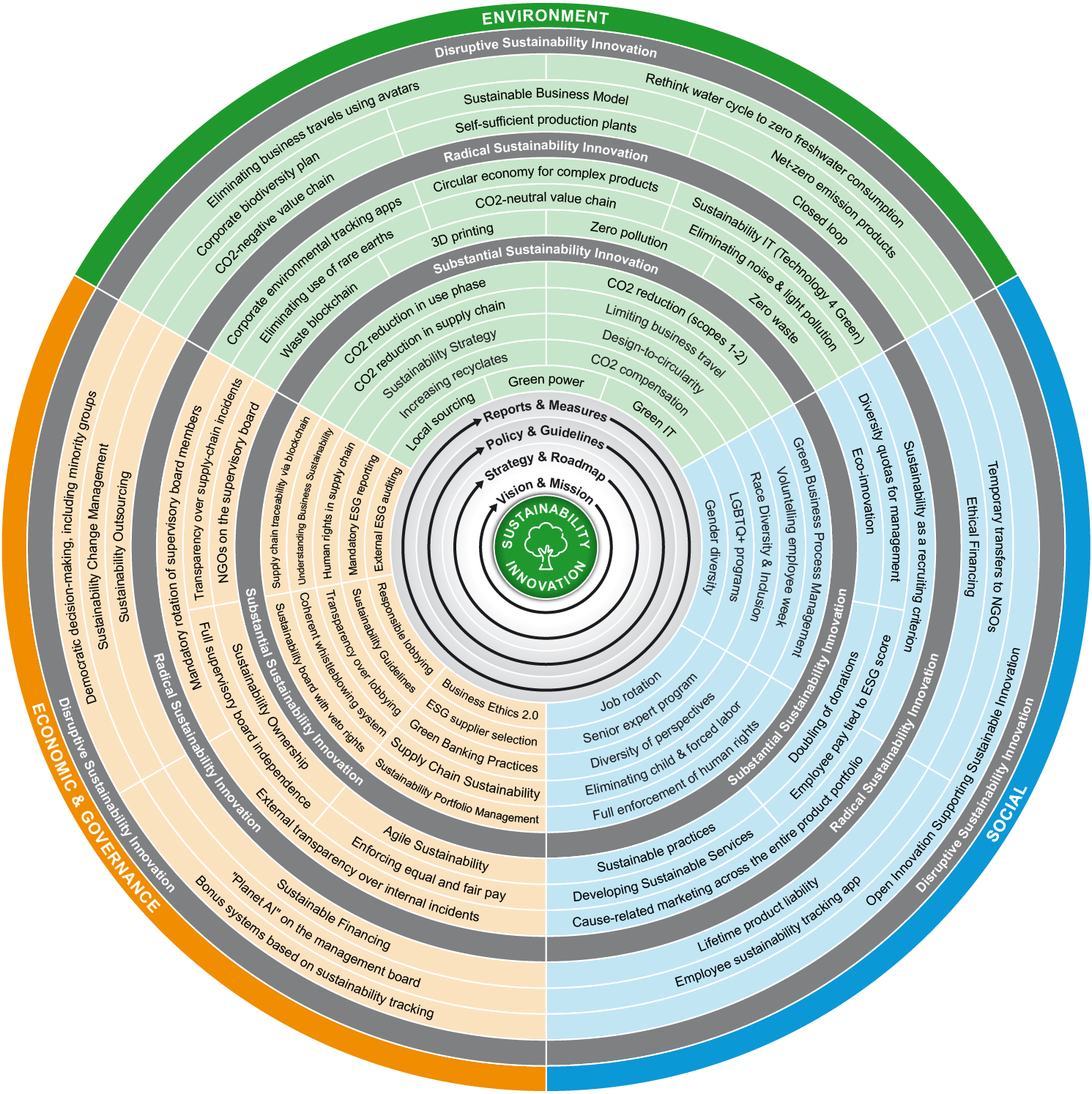
What is Sustainable Portfolio?
Portfolio Management is the structured process of selecting, prioritizing, and controlling an organization’s portfolio of projects, programs, and initiatives to achieve strategic objectives. It provides a holistic view of all ongoing and planned investments, ensuring resources are allocated effectively, risks are managed, and value is maximized. In a sustainability-driven context, Portfolio Management—often called Sustainability Portfolio Management (SPM)—goes beyond financial performance to integrate Environmental, Social, and Governance (ESG) factors.
This means investments are chosen and monitored not only for profitability but also for their contribution to environmental responsibility, social impact, ethical governance, and long-term resilience. By applying a standardized, transparent, and data-driven framework, organizations can align all portfolio activities with both strategic goals and sustainability commitments, enabling innovation, compliance, and measurable positive impact.
Main Components
The 8 Main Components of Sustainable Portfolio
Effective Portfolio Management relies on interconnected components that ensure strategy, governance, execution, and value delivery are all aligned. Each component serves a distinct role in enabling decision-making, optimizing resource use, and maximizing performance. When applied to Sustainability Portfolio Management (SPM), these components incorporate ESG factors, stakeholder engagement, and long-term resilience planning.
This integration ensures that every investment not only meets business objectives but also delivers environmental and social benefits. The following eight components represent the foundation of a robust portfolio management approach, applicable across industries and especially critical for organizations aiming to innovate responsibly while meeting sustainability goals.
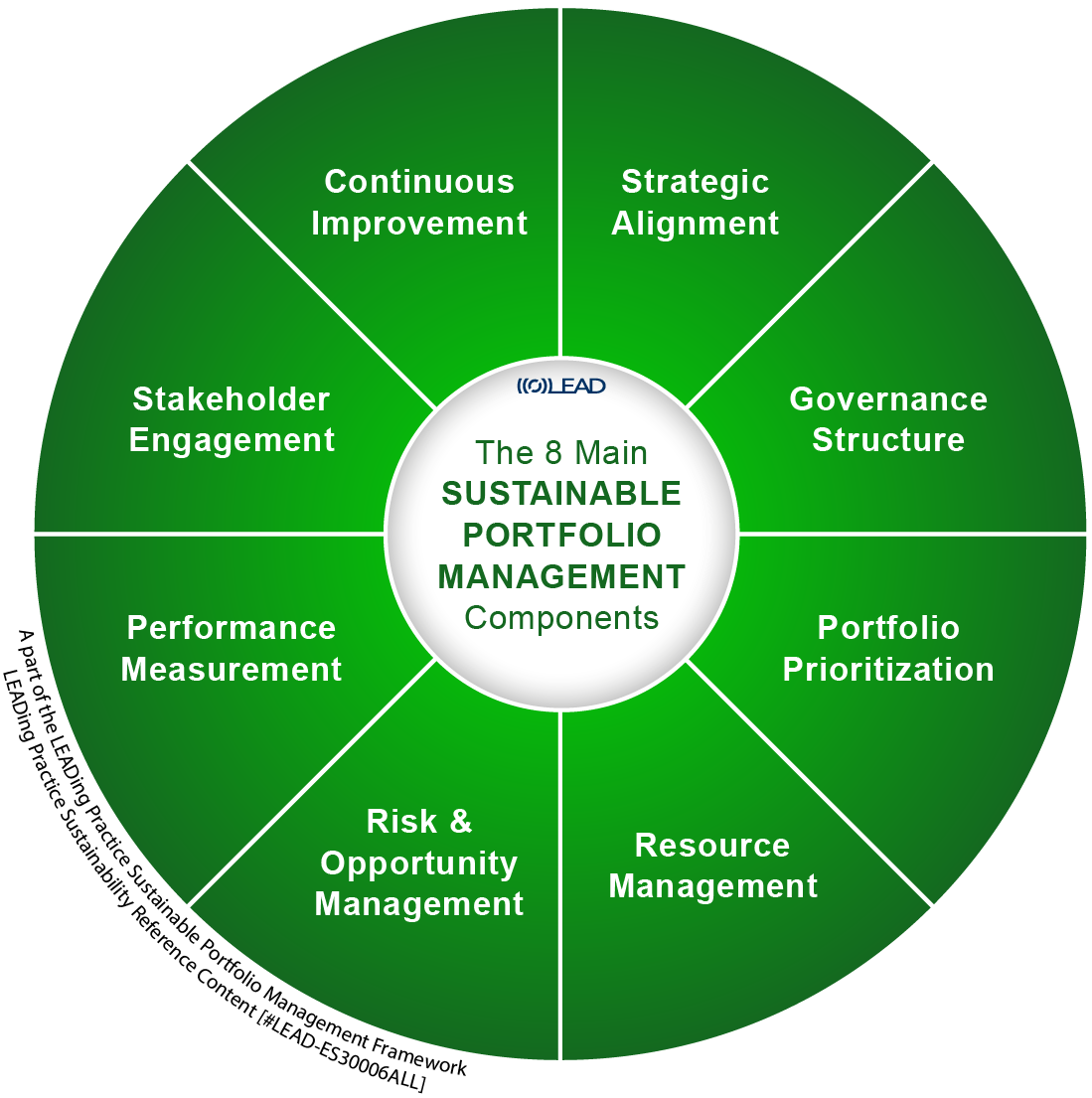
Below are the eight main components of Sustainable Portfolio, reflecting both structural patterns and actionable insights for organizations:
These eight components form the structural backbone of Portfolio Management. By integrating them into a cohesive framework, organizations can optimize decision-making, resource allocation, and long-term value creation. In a sustainability-driven environment, these components expand their scope to include ESG priorities, innovation potential, and societal benefit.
This holistic approach not only boosts portfolio performance but also strengthens brand reputation, stakeholder trust, and resilience in the face of environmental, social, and economic change. With these pillars in place, Portfolio Management becomes a strategic enabler for sustainable growth.
Why This Is Relevant
Why is Portfolio Management so Relevant?
In today’s rapidly changing business and societal landscape, organizations face a constant need to adapt, innovate, and deliver value under resource constraints. Portfolio Management has become increasingly relevant because it provides a structured way to navigate these pressures, ensuring that every investment—whether a project, program, or initiative—directly supports strategic objectives. When integrated with sustainability principles, Portfolio Management evolves into Sustainability Portfolio Management (SPM), enabling organizations to address pressing environmental, social, and governance (ESG) challenges while maintaining financial performance.
This dual focus is essential in an era marked by climate change, regulatory shifts, technological disruption, and heightened stakeholder expectations. By aligning strategy, resources, and execution within a governance-driven framework, Portfolio Management helps organizations prioritize high-value opportunities, manage emerging risks, and foster innovations that create measurable long-term impact for both the business and society.
Business/Value Case
The Business/Value Case for Portfolio Management
The business case for Portfolio Management lies in its ability to connect strategic intent with practical execution, ensuring that resources are invested where they deliver the greatest value. In the sustainability era, this means balancing financial returns with measurable environmental and social impact. By integrating ESG factors into decision-making, organizations gain a competitive edge, comply with evolving regulations, and meet the expectations of customers, investors, and communities.
A well-executed Portfolio Management framework not only enhances efficiency and profitability but also strengthens stakeholder trust and brand reputation. The following ten benefits highlight the tangible and intangible value it delivers to organizations pursuing innovation, growth, and sustainability.
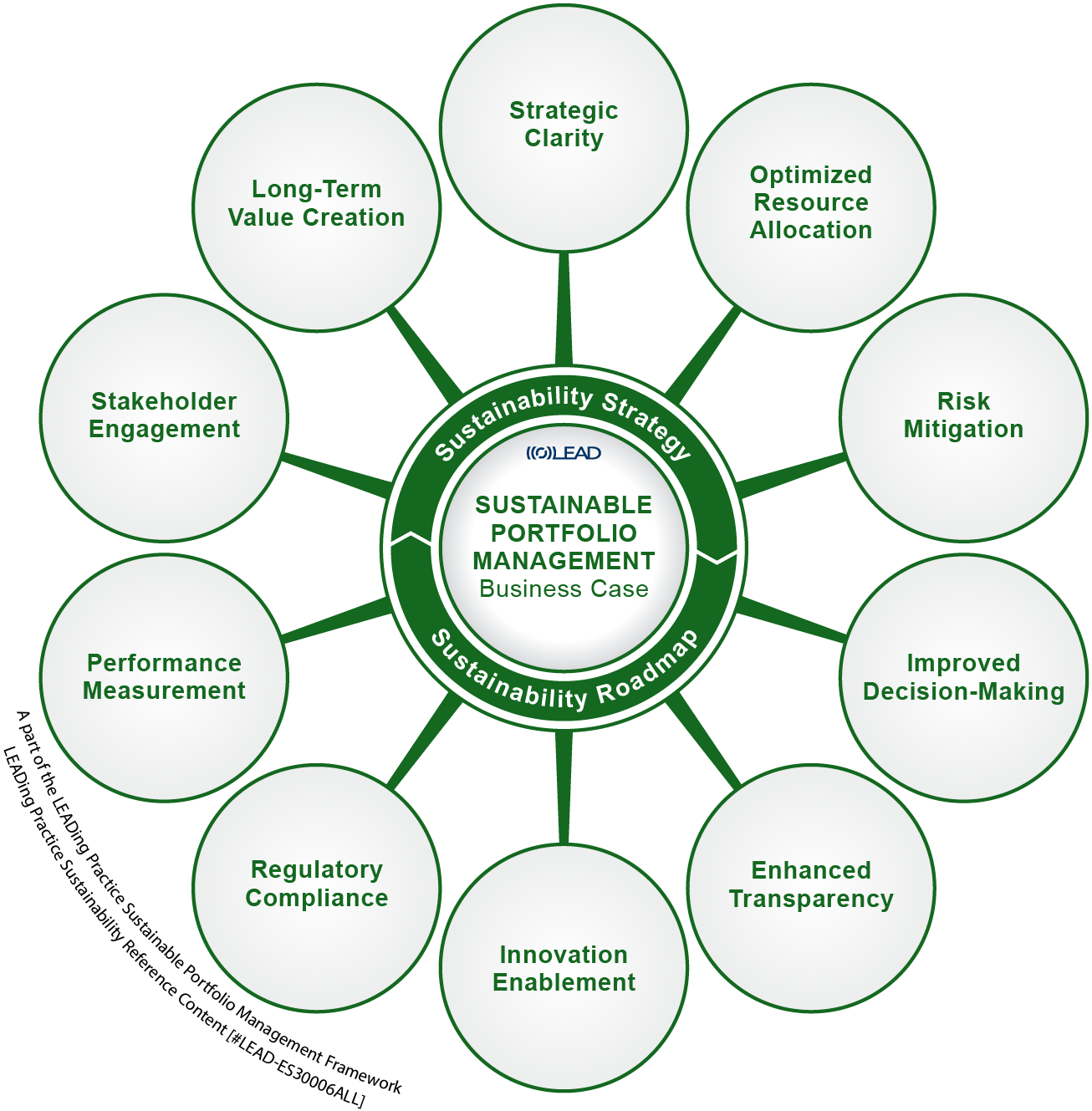
Below are ten key benefits that highlight why this approach is essential for modern organizations:
Portfolio Management is not just a tool for efficiency—it is a strategic capability that shapes the future of an organization. By embedding ESG considerations, it becomes a driver of innovation, resilience, and stakeholder trust.
The benefits range from immediate cost savings to long-term societal impact, creating a win-win for businesses and the communities they serve. Organizations that embrace this integrated approach position themselves to thrive in a competitive, sustainability-conscious world.
How-To-Guide
How-To-Guide: The Portfolio Management Framework
Implementing Portfolio Management requires a clear, step-by-step approach that aligns strategy, governance, and execution into one cohesive framework. This structured roadmap ensures that all initiatives—whether operational, innovative, or sustainability-focused—are selected, prioritized, and monitored for maximum impact. By embedding the Portfolio Management Business Case within this framework, organizations can secure leadership commitment, allocate resources effectively, and measure value delivery.
A standardized approach not only minimizes confusion but also fosters transparency, accountability, and agility across all levels of the organization. It allows executives, project managers, sustainability officers, and stakeholders to work from the same playbook, ensuring that decisions are data-driven, risk-aware, and strategically aligned. The following 10 steps provide a practical and comprehensive roadmap for successful implementation.
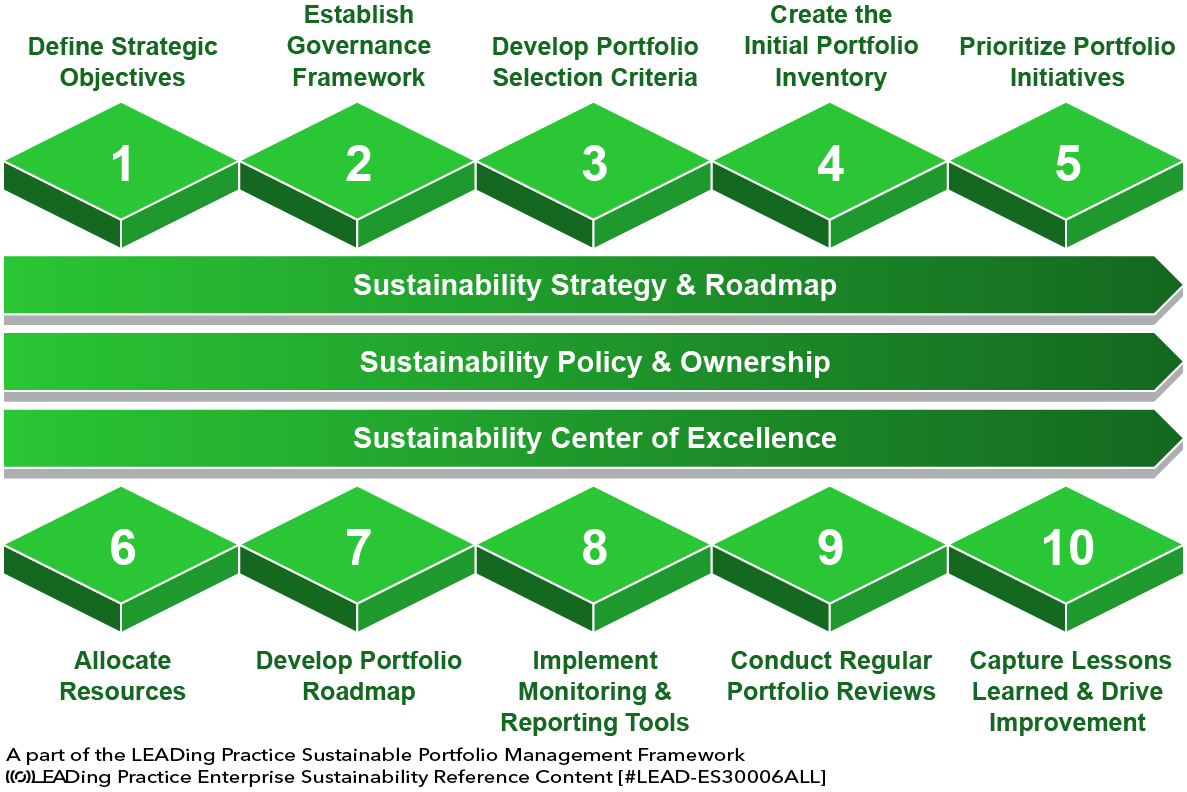
The 10-Step Way Forward:
A clear Portfolio Management Framework enables organizations to move from intention to execution in a consistent, measurable way. This roadmap ensures that initiatives are strategically aligned, well-governed, and optimized for both financial performance and sustainability impact.
By embedding ESG metrics, fostering collaboration, and promoting continuous improvement, the framework becomes a catalyst for innovation and long-term value creation.
Contact Us
Wanna learn more ? Want to improve your company ?
Projects that require our help ?
Don't waste more time, contact us !
Most Common Pitfalls
The Most Common Pitfalls and Challenges
Even with a well-structured framework, Portfolio Management efforts often stumble due to recurring pitfalls and poor practices. In sustainability-focused portfolios, these issues are amplified when ESG considerations are sidelined or treated as afterthoughts.
Understanding these failure patterns—both the common antipatterns and the more severe worst practices—is key to avoiding costly mistakes and ensuring that portfolio efforts deliver strategic and sustainable value.
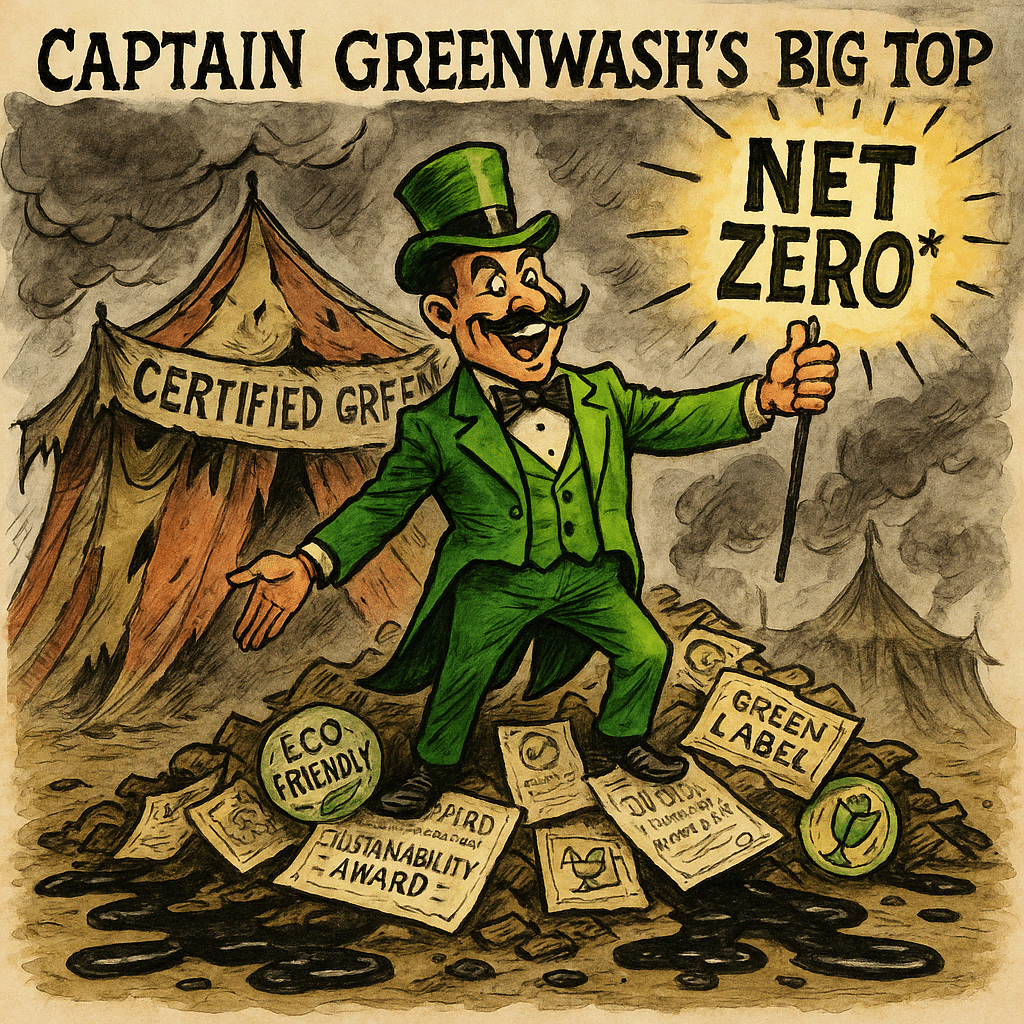
5 Antipattern Examples
- Sustainability in Name Only: Declaring sustainability goals without measurable KPIs, leading to unclear priorities and minimal real-world impact.
- Project Overload: Taking on too many initiatives at once, diluting resources and reducing focus on high-impact sustainability projects.
- One-Size-Fits-All Governance: Applying rigid processes without adapting to different project needs or sustainability maturity levels.
- Short-Term Wins Obsession: Prioritizing quick results over transformative, long-term sustainable innovation.
- Isolated ESG Efforts: Treating environmental or social projects as standalone efforts, disconnected from the core portfolio strategy.

5 Worst Practice Examples
- Ignoring Materiality: Failing to focus on the sustainability issues most relevant to the business and stakeholders, wasting effort on low-impact areas.
- Compliance-Only Thinking: Meeting only minimum regulatory standards instead of proactively pursuing sustainability innovation.
- Leadership Apathy: Lacking executive commitment to sustainability goals, resulting in underfunded and directionless initiatives.
- Siloed Decision-Making: Keeping portfolio, sustainability, and innovation teams separate, which prevents integrated solutions.
- Neglecting Supply Chain Sustainability: Overlooking ESG performance in supplier networks, undermining overall portfolio credibility and impact.
Lessons Learned
Learning from the Outperformers: Lessons Learned
Organizations that excel in Portfolio Management share common habits that set them apart from average performers. These outperformers not only apply solid portfolio principles but also adapt them to meet sustainability and innovation demands. Their approaches demonstrate how aligning ESG factors with strategic objectives delivers measurable value, improves resilience, and inspires stakeholder confidence.
By studying these practices, others can adopt proven methods while avoiding costly trial-and-error.
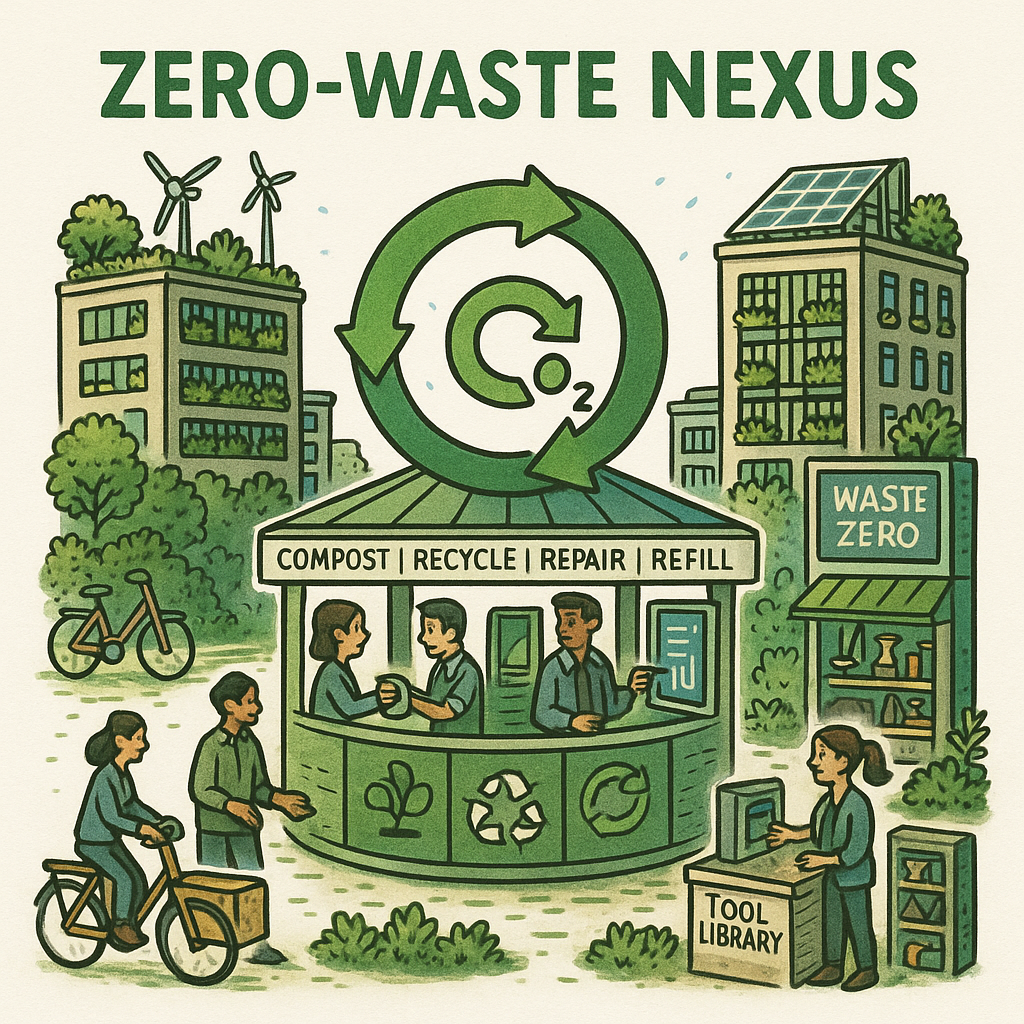
5 Best Practice Examples
- Clear Strategic Linkage: Every initiative is mapped to business strategy and ESG goals, ensuring maximum relevance and alignment.
- Balanced Performance Metrics: Financial KPIs are paired with sustainability measures, creating a holistic view of success.
- Robust Stakeholder Involvement: Internal and external stakeholders are engaged early to ensure buy-in and shared ownership of results.
- Iterative Planning Cycles: Plans are revisited frequently to adapt to market, regulatory, and environmental changes.
- Dedicated Portfolio Governance: A defined governance body oversees both financial and sustainability dimensions of the portfolio.

5 Leading Practice Examples
- Integrated ESG Scoring in Prioritization: ESG impact scores are used alongside ROI to rank initiatives, ensuring sustainable innovation is a core selection criterion.
- Technology-Driven Decision Support: AI, analytics, and dashboards provide real-time insights into both performance and ESG compliance.
- Cross-Functional Sustainability Councils: Multidisciplinary teams collaborate to embed sustainability across all portfolio activities.
- Circular Economy Investments: Portfolio strategy actively targets projects that minimize waste and maximize resource efficiency.
- Sustainability-Linked Incentives: Executive and project leader bonuses are tied to achieving sustainability performance targets.
Most Common Artefacts
The Most Common Artefacts
In Portfolio Management, artefacts are essential tools, templates, and models that help standardize processes, improve decision-making, and ensure transparency. In a sustainability context, these artefacts not only track performance but also embed environmental, social, and governance (ESG) considerations into every stage of portfolio planning and execution.
Below are eight of the most common artefacts, each playing a vital role in enabling sustainability-driven innovation.
| Artefact | Description | How it Can Be Used for Sustainability Innovation |
|---|---|---|
| Portfolio Dashboard | A visual, real-time overview of all portfolio initiatives, consolidating financial, operational, and sustainability performance data. | Integrates ESG indicators alongside financial KPIs to identify opportunities where sustainable investments deliver competitive advantage. |
| Portfolio Roadmap | A time-phased plan that shows the sequencing, dependencies, and milestones of portfolio initiatives. | Aligns sustainability projects with broader business goals, ensuring environmental and social objectives are embedded into long-term innovation timelines. |
| Investment Business Case Template | A standardized document for evaluating potential portfolio initiatives based on costs, benefits, risks, and strategic fit. | Includes ESG impact analysis so that sustainability benefits are factored into approval decisions alongside financial returns. |
| Risk Register | A centralized log of identified risks, their probability, impact, and mitigation actions for portfolio initiatives. | Tracks ESG-related risks to guide innovation toward resilient and compliant solutions. |
| Benefits Realization Plan | A structured plan that defines expected benefits, measurement methods, and timelines for tracking portfolio outcomes. | Links sustainability benefits—such as energy savings, waste reduction, or community impact—to measurable innovation outcomes. |
| Stakeholder Map | A visual representation of stakeholders, their influence, interest, and relationship to portfolio initiatives. | Identifies sustainability champions and partners who can accelerate adoption of eco-friendly innovations across the organization and supply chain. |
| Performance Scorecard | A balanced metrics framework for tracking portfolio health, covering financial, operational, customer, and sustainability dimensions. | Measures innovation success not just in profit but also in ESG progress, fostering accountability for sustainable outcomes. |
| Lessons Learned Repository | A centralized collection of documented insights, successes, and failures from completed initiatives. | Captures sustainability-specific lessons to refine and accelerate future innovation cycles. |
Overview of the most common artefacts used with Portfolio Management.
These eight artefacts form the practical backbone of effective Portfolio Management, translating strategy into actionable, measurable outcomes. In a sustainability context, they do more than track progress—they embed ESG priorities into the heart of decision-making. When used consistently, they create a transparent, data-driven foundation that accelerates both portfolio success and sustainability transformation.
By integrating environmental, social, and governance metrics alongside traditional performance indicators, these tools empower organizations to innovate with purpose, optimize resources, and deliver long-term value.
Conclusion
Portfolio Management has evolved from a purely financial discipline into a strategic capability that aligns investments with organizational goals, ESG priorities, and innovation ambitions. In a world shaped by climate change, technological disruption, and shifting stakeholder expectations, this integration is no longer optional—it’s essential. By applying a structured framework built on clear components, robust artefacts, and proven best practices, organizations can navigate complexity with confidence.
Avoiding common pitfalls while learning from outperformers ensures resources are directed to initiatives that create both economic value and measurable societal benefit. In this way, Portfolio Management becomes more than a governance process—it transforms into a catalyst for sustainable innovation, resilience, and long-term success, enabling organizations to thrive while contributing to a more equitable and sustainable future.