

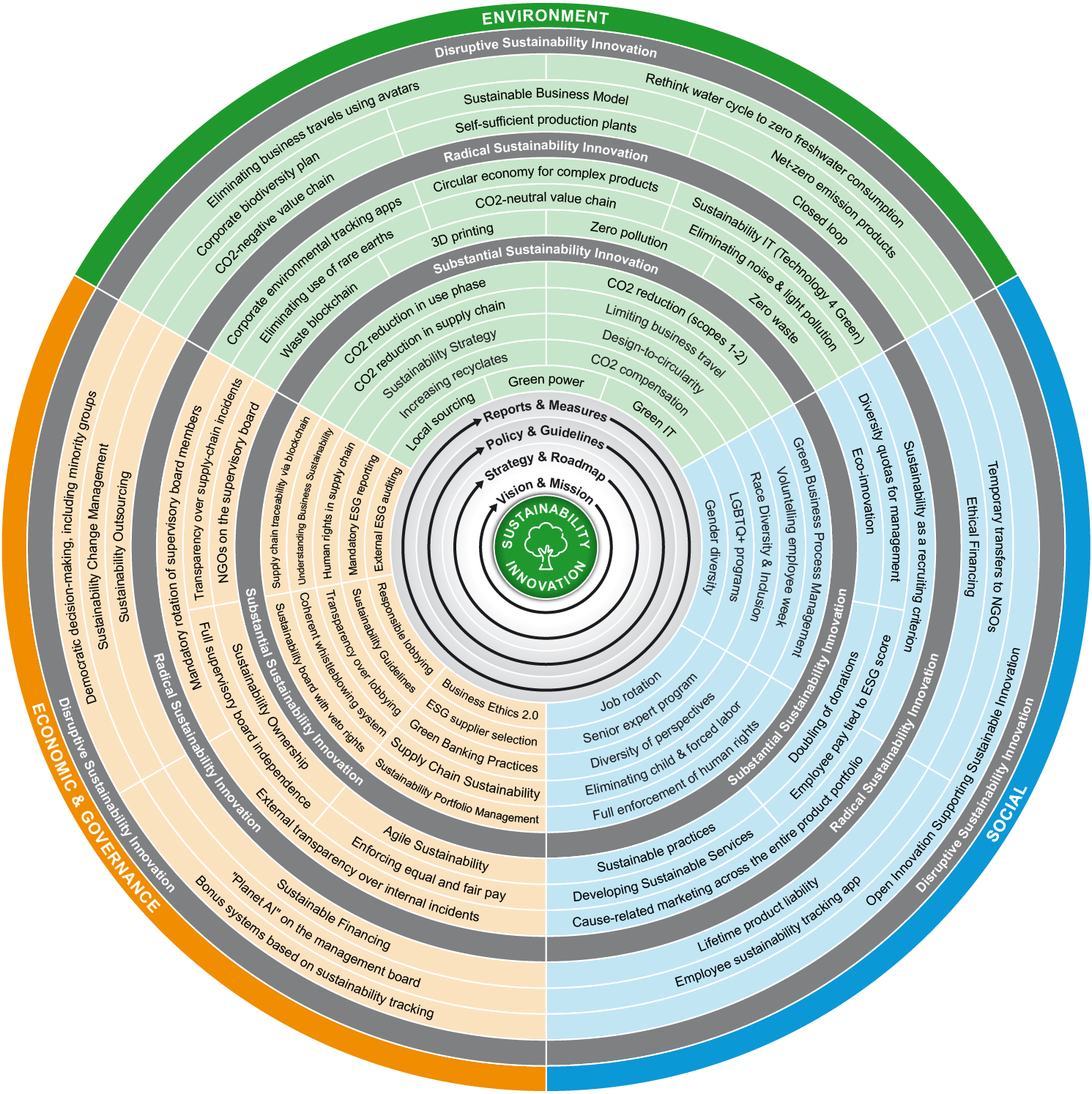
What is Closed Loop?
Closed Loop is a sustainability approach that redefines how resources are used, reused, and circulated within an economic system. Instead of following a traditional linear model — where products are created, consumed, and discarded — a Closed Loop system keeps resources in continual circulation. Materials are recycled, repurposed, or remanufactured into new products, reducing waste and dependence on virgin resources.
At its core, Closed Loop is about minimizing environmental impact while maximizing value creation. It requires organizations to rethink product design, manufacturing, supply chains, and consumer behavior. From fashion to electronics, industries across the globe are embracing Closed Loop to extend product lifecycles, conserve scarce resources, and reduce costs.
Main Components
The 8 Main Components of Circular Economy
Closed Loop systems are complex networks designed to minimize waste, conserve resources, and maximize efficiency. To implement them successfully, organizations must understand the core building blocks that drive circularity. Each component plays a critical role in ensuring resources are kept in use for as long as possible, reducing environmental impact while maintaining economic value.
By recognizing and managing these key elements, businesses can move from a linear “take, make, dispose” model to a circular system that supports innovation and sustainability. The following eight components define the structural foundation of a Closed Loop system and highlight where organizations should focus their strategies and improvement efforts.
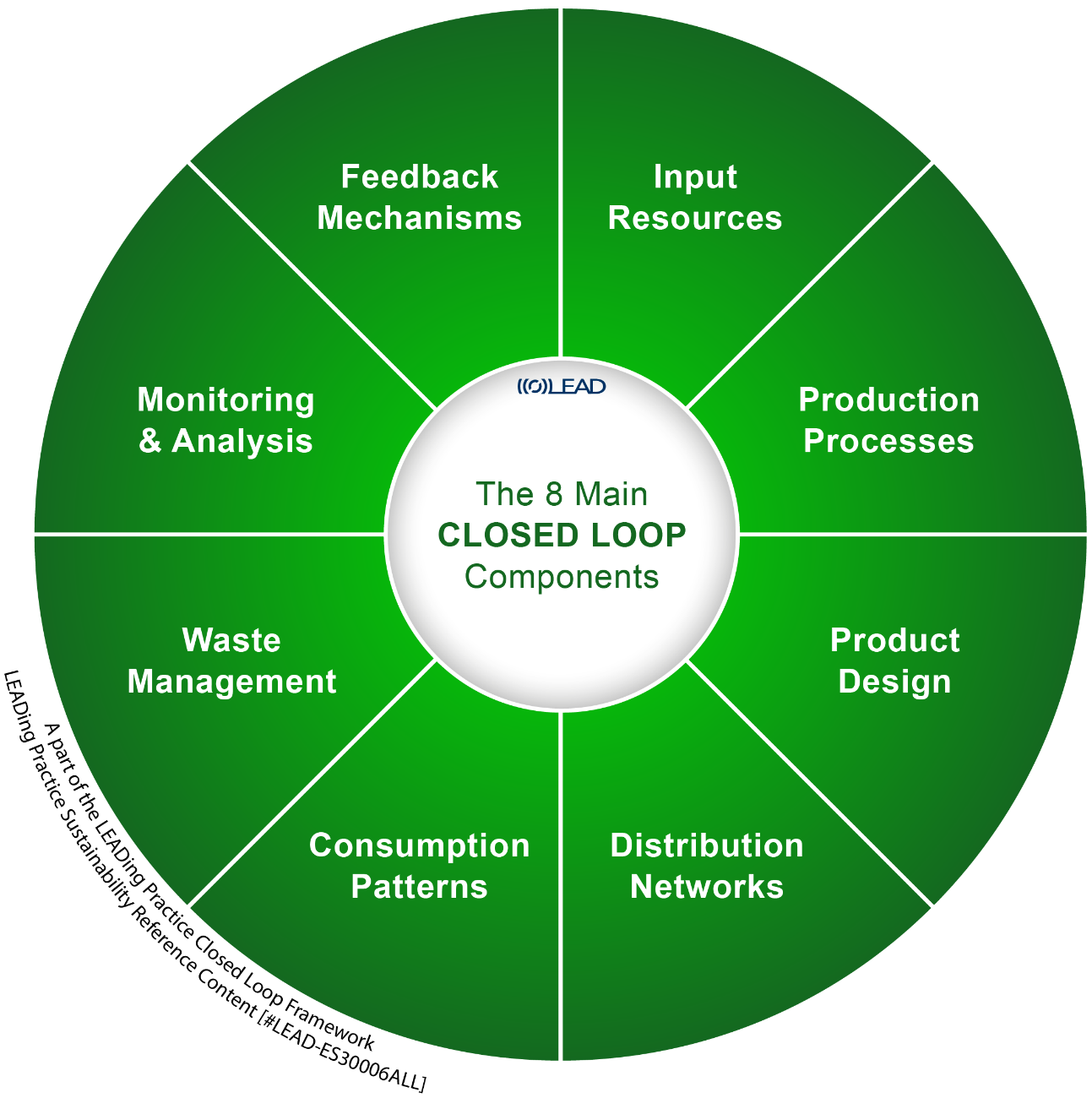
Below are the eight main components of Closed Loop, reflecting both structural patterns and actionable insights for organizations:
Organizations that embed these elements into their strategy not only minimize environmental harm but also create long-term value. By managing inputs, processes, and feedback holistically, Closed Loop systems deliver both ecological and economic benefits, setting the stage for innovation, competitiveness, and sustainable growth.
The eight components of Closed Loop form a tightly connected cycle that ensures sustainability, efficiency, and resilience. Together, they transform the traditional value chain into a continuous value circle where waste becomes a resource.
Why This Is Relevant
Why is Closed Loop so Relevant?
In today’s rapidly changing world, sustainability is no longer optional — it is a necessity. Resource scarcity, climate change, and growing consumer expectations are reshaping how businesses must operate. The Closed Loop approach directly addresses these challenges by transforming waste into value, ensuring resources remain in circulation rather than being discarded. This shift from linear to circular systems enables organizations to reduce costs, manage risks, and unlock new opportunities for growth and innovation.
Closed Loop is especially relevant because it aligns with global imperatives such as the Paris Agreement, the UN Sustainable Development Goals, and increasing regulatory requirements. It also reflects the market shift toward eco-conscious consumers who demand responsible business practices. Ultimately, Closed Loop is not just about environmental responsibility — it is about creating long-term resilience and competitiveness in an uncertain global economy.
Business/Value Case
The Business/Value Case for Closed Loop
The business case rests on its ability to conserve resources, reduce waste, and transform risks into opportunities. By implementing circular practices, companies can future-proof their operations, meet regulatory requirements, and align with global sustainability goals.
Organizations adopting Closed Loop systems unlock both environmental and economic value. Beyond sustainability, Closed Loop directly contributes to cost savings, resilience, and innovation.
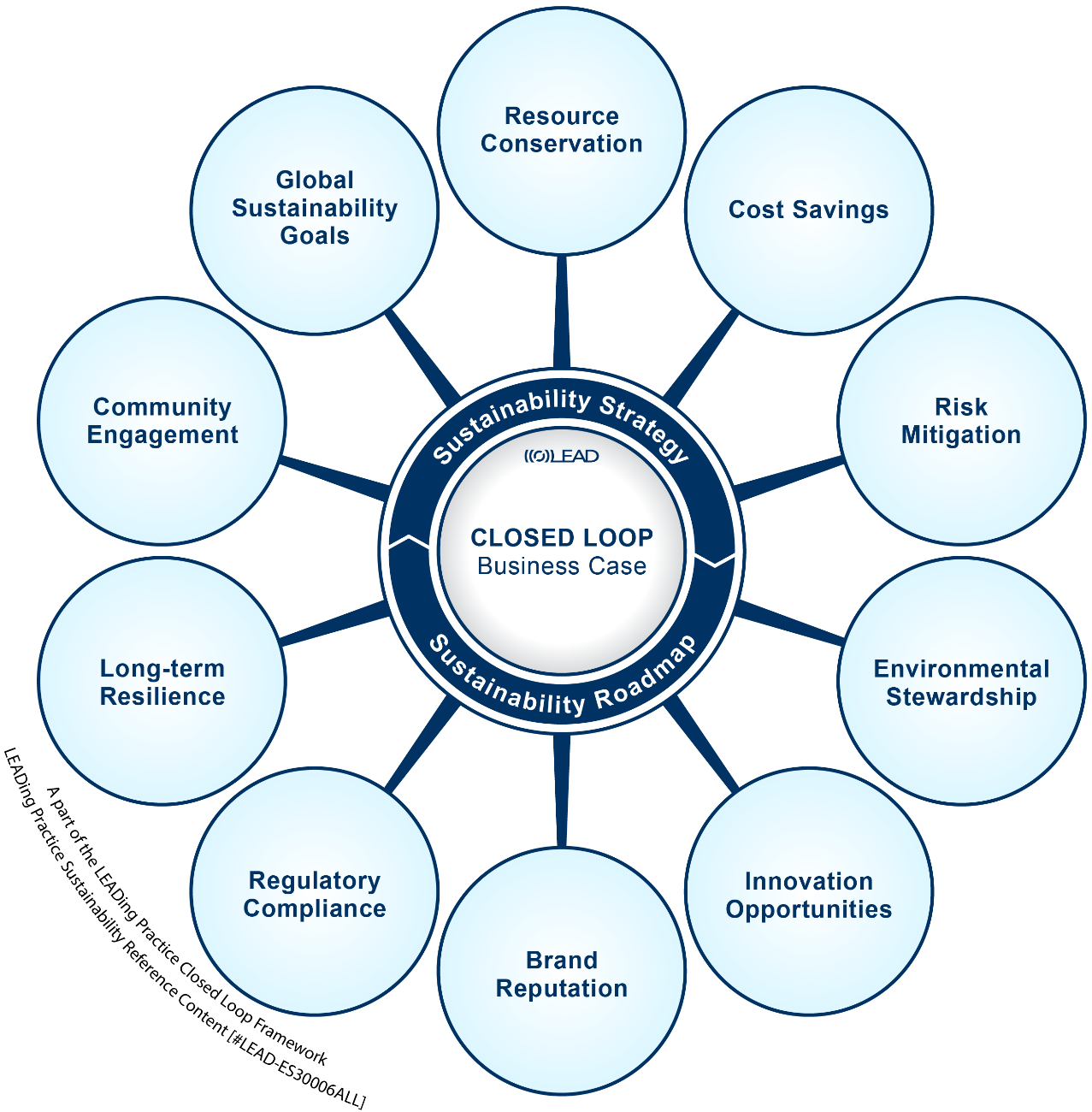
Below are ten key benefits that highlight why this approach is essential for modern organizations:
The value case for Closed Loop spans multiple dimensions: financial efficiency, risk reduction, environmental impact, and social responsibility. Organizations that adopt this approach are not only aligning with sustainability demands but also gaining competitive advantage.
By conserving resources, stimulating innovation, and creating stronger community and stakeholder relationships, Closed Loop becomes a cornerstone for resilience. Companies that embrace it can expect long-term profitability while actively contributing to global sustainability imperatives.
How-To-Guide
How-To-Guide: The Closed Loop Framework
The Closed Loop Framework provides organizations with a structured and standardized way to embed sustainability into operations. Rather than approaching circularity with scattered initiatives, the framework integrates all activities into one cohesive model. It allows businesses to move step by step through a cycle of planning, execution, monitoring, and improvement. Importantly, the Closed Loop Business Case is built directly into the framework, ensuring that every effort connects to both environmental and economic value.
This structured approach provides clarity for all involved roles, creates alignment across functions, and ensures accountability. By applying the framework, organizations reduce risks, accelerate implementation, and capture the benefits of circularity faster — enabling all stakeholders to contribute to long-term sustainability goals in a practical, organized way.
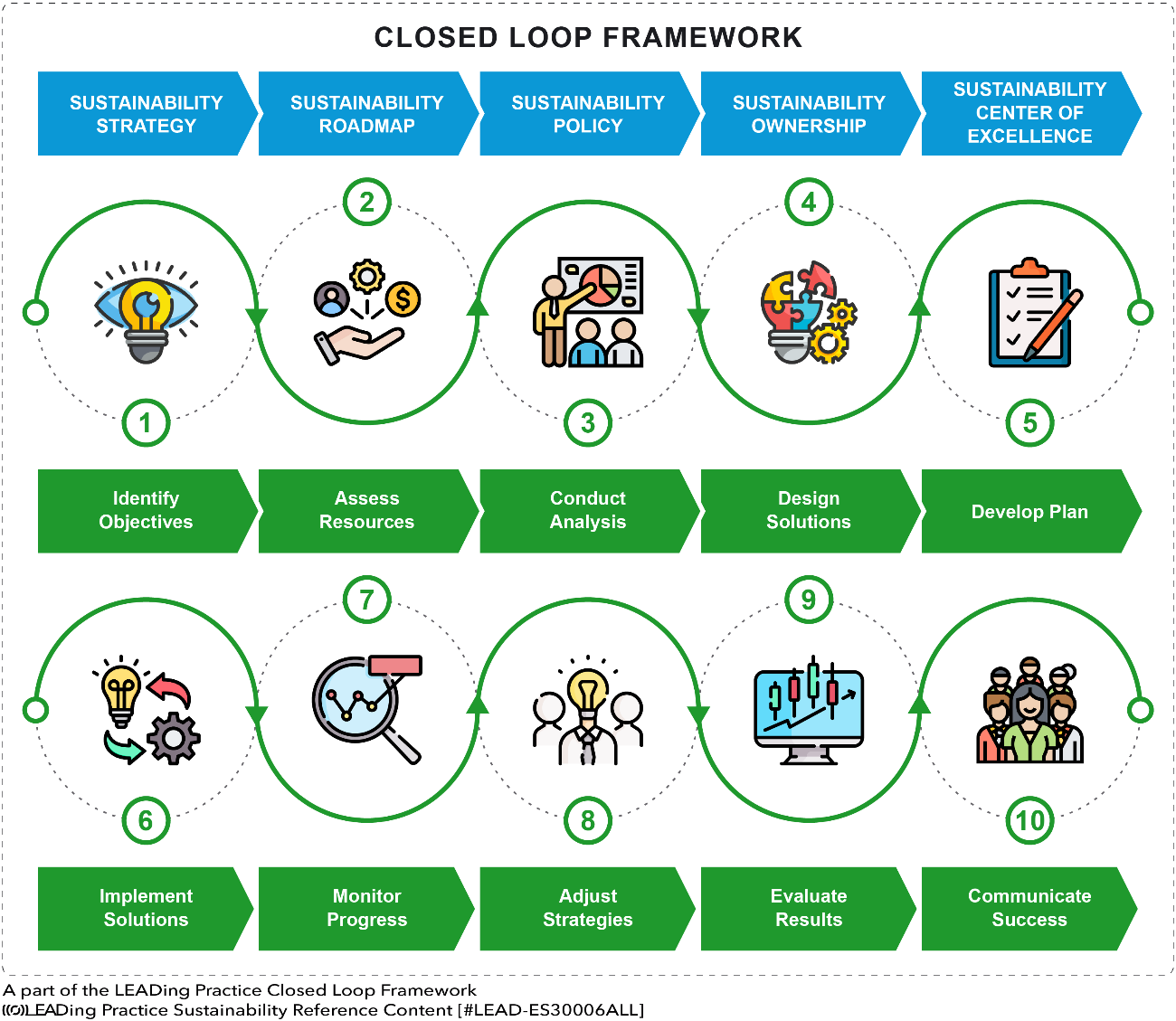
The 10-Step Way Forward:
The Closed Loop Framework gives organizations a clear pathway to move from ambition to execution. Having a framework accelerates implementation and delivers measurable impact, making Closed Loop not just a vision but a practical approach to achieving sustainability innovation.
By following ten structured steps, companies can avoid confusion, reduce risk, and build accountability across teams. The framework ensures that sustainability initiatives remain integrated with business objectives, supported by clear metrics, and reinforced by communication and feedback loops.
Contact Us
Wanna learn more ? Want to improve your company ?
Projects that require our help ?
Don't waste more time, contact us !
Most Common Pitfalls
The Most Common Pitfalls and Challenges
Even though Closed Loop offers tremendous potential, many organizations struggle to implement it successfully. Challenges often arise when companies focus too narrowly on recycling, underestimate the cultural shift required, or fail to establish proper measurement systems. Missteps like these can lead to wasted investments, poor stakeholder engagement, or systems that collapse under operational complexity.
To avoid such setbacks, it is helpful to understand the most common antipatterns (typical mistakes in thinking or approach) and worst practices (actions that actively harm progress). Learning from these pitfalls equips organizations to navigate the complexities of Closed Loop more effectively, increasing their chances of long-term success.
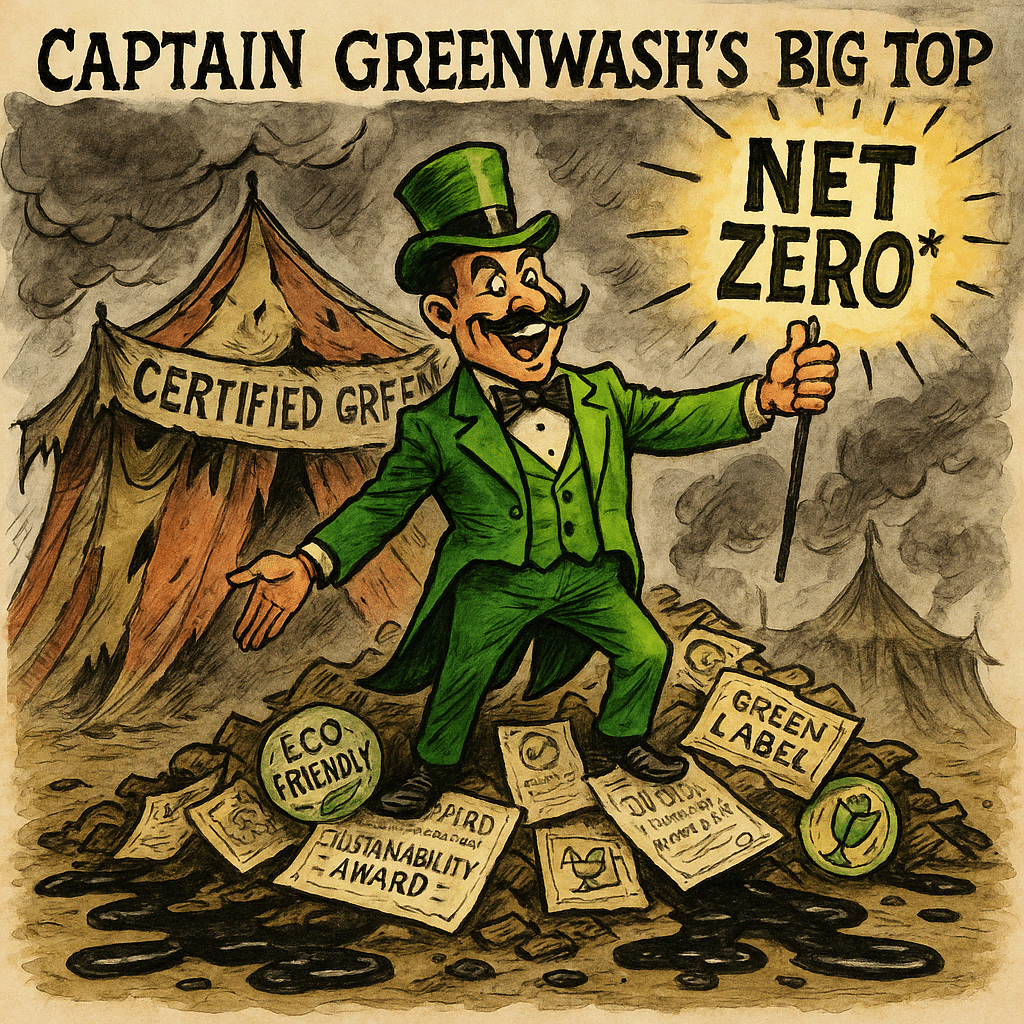
5 Antipattern Examples
- Greenwashing: Claiming sustainability achievements without real practices misleads stakeholders and undermines trust in Closed Loop commitments.
- Downcycling Focus: Recycling into lower-quality products diminishes material value and disrupts resource efficiency.
- Overcomplicating Systems: Building unnecessarily complex loops increases cost and confusion while decreasing efficiency.
- Incomplete Adoption: Implementing only parts of the loop (e.g., recycling without redesign) limits true circular impact.
- Resistance to Change: Failing to address organizational inertia or cultural barriers slows or halts transformation efforts.

5 Worst Practice Examples
- Designing for Disposability: Creating products with built-in obsolescence directly contradicts Closed Loop principles and shortens product lifecycles.
- Ignoring Stakeholder Engagement: Excluding suppliers, consumers, or employees from initiatives leads to poor adoption and weak circular outcomes.
- Limited Material Recovery: Focusing only on recycling while neglecting repair, remanufacturing, or reuse restricts system efficiency.
- Neglecting Measurement Metrics: Lack of KPIs prevents organizations from tracking progress, identifying gaps, or demonstrating value to stakeholders.
- Failing to Invest in Infrastructure: Without proper logistics, recycling, or IT systems, Closed Loop efforts remain fragmented and unsustainable.
Lessons Learned
Learning from the Outperformers: Lessons Learned
Some organizations consistently excel in Closed Loop implementation, setting themselves apart as leaders in sustainability and innovation. These outperformers demonstrate that success depends not just on adopting circular practices, but on embedding them deeply into strategy, operations, and culture. By studying their approaches, others can learn how to avoid pitfalls, leverage opportunities, and build long-term impact.
Their success is shaped by best practices — practical actions that can be applied widely — and leading practices, which represent cutting-edge methods driving transformative outcomes. Together, these lessons highlight how Closed Loop can deliver maximum business and sustainability value when implemented with commitment, innovation, and transparency.
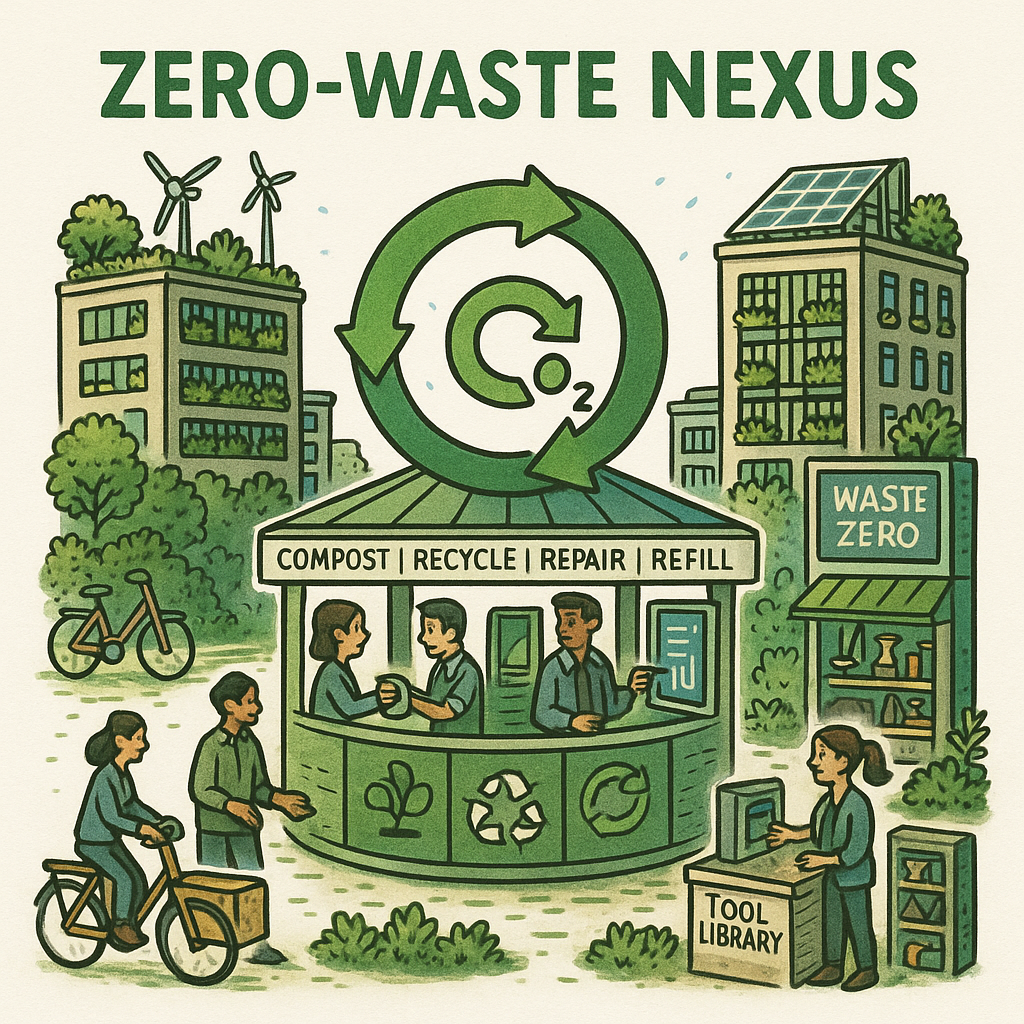
5 Best Practice Examples
- Embedding Sustainability Values: Organizations integrate sustainability into culture and governance, ensuring Closed Loop principles align with core business strategies.
- Product Design for Circularity: Outperformers design products for longevity, reparability, and recyclability, extending life and minimizing waste.
- Efficient Resource Management: Strong focus on resource efficiency and minimizing material loss delivers measurable economic and environmental value.
- Supply Chain Collaboration: Working closely with suppliers and customers ensures smooth material flow and shared sustainability goals.
- Transparent Reporting: Clear metrics and sustainability reports build trust and accountability among stakeholders.
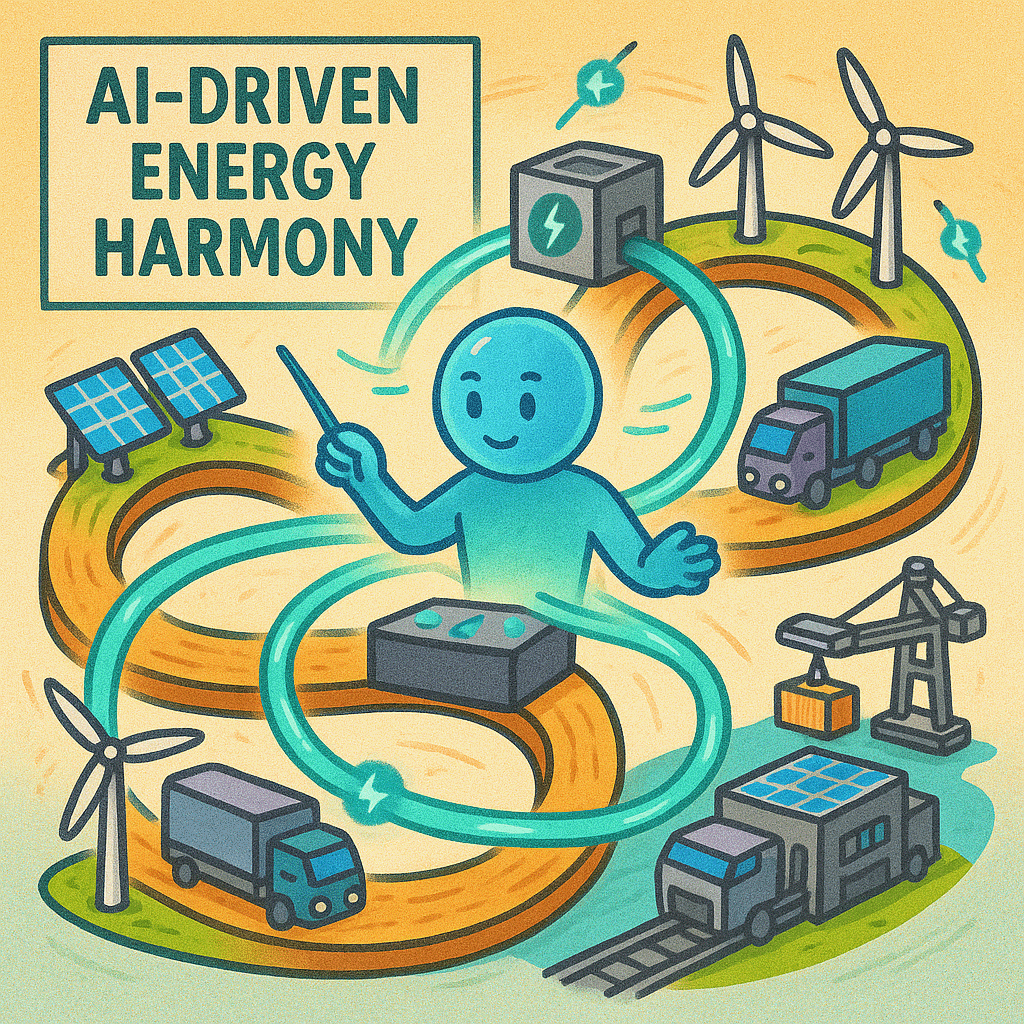
5 Leading Practice Examples
- Technological Innovation: Outperformers invest in advanced recycling, remanufacturing, and sustainable material technologies to overcome systemic barriers.
- Digitalization and Traceability: Leaders deploy digital tools such as blockchain and real-time data analytics for supply chain transparency and optimization.
- Continuous Innovation Culture: They foster creativity and empower employees to experiment with new Closed Loop improvements.
- Adaptive Strategies: Agility allows them to adjust frameworks and processes in response to evolving market or environmental conditions.
- Holistic Impact Measurement: They rigorously measure not just resource flows, but also CO₂ reduction, biodiversity impact, and social benefits.
Most Common Artefacts
The Most Common Artefacts
Closed Loop systems produce or rely on specific artefacts — tangible tools, outputs, or enablers that make circular operations possible. These artefacts range from physical resources such as recycled materials to intangible assets like environmental data. Each plays a vital role in sustaining resource efficiency, driving innovation, and enabling organizations to monitor and scale their sustainability impact.
When used strategically, artefacts become more than byproducts — they become essential instruments for embedding sustainability into everyday operations. The following list highlights the most common artefacts, their descriptions, and how they can be leveraged for sustainability innovation.
| Artefact | Description | How it Can Be Used for Sustainability Innovation |
|---|---|---|
| Recycled Materials | Materials that have been processed and reused. | Recycled materials can be used in manufacturing processes to create new products, reducing the need for virgin resources. |
| Remanufactured Products | Products that have been restored to like-new condition. | Remanufactured products can be sold or used again, extending their lifespan and reducing waste. |
| Waste-to-Energy Residues | Residues left over from converting waste to energy. | Waste-to-energy residues can be used in various applications such as construction materials or as fuel for other energy generation processes. |
| Reclaimed Water | Treated wastewater suitable for reuse. | Reclaimed water can be used for irrigation, industrial processes, or even for drinking water after proper treatment. |
| Bio-Based Materials | Materials derived from renewable resources. | Bio-based materials can replace traditional materials in various applications, reducing reliance on fossil fuels. |
| Electronic Waste (E-Waste) | Discarded electronic devices and components. | E-waste can be recycled or refurbished to recover valuable materials and reduce environmental pollution. |
| Upcycled Products | Products created from discarded materials. | Upcycled products give new life to materials that would otherwise be discarded, often with added value or creativity. |
| Environmental Data and Analysis | Information about environmental factors and their impact. | Environmental data and analysis can inform decision-making processes, helping organizations optimize resource usage and reduce environmental footprint. |
| Reusable Packaging | Packaging designed for multiple uses. | Reusable packaging can reduce waste generation and transportation costs by eliminating the need for single-use materials. |
| Energy Recovery Products | Products designed to capture and reuse energy. | Energy recovery products can harness wasted energy from various processes and convert it into usable forms, promoting resource efficiency. |
Overview of the most common artefacts used with Closed Loop.
Artefacts are central to making Closed Loop systems practical and scalable. Organizations that systematically integrate these artefacts into operations are better equipped to achieve both short-term efficiencies and long-term sustainability impact.
They represent both the outputs of circular processes and the enablers of sustainability innovation. From recycled materials and remanufactured products to environmental data and reusable packaging, each artefact creates opportunities to reduce waste, conserve resources, and unlock new forms of value.
Conclusion
Closed Loop is more than a sustainability concept — it is a transformative business model that redefines how resources flow through our economy. By keeping materials in circulation, organizations can reduce waste, conserve resources, and unlock new sources of value. The journey requires a comprehensive approach: understanding the eight core components, building a compelling business case, following a structured framework, and learning from both pitfalls and outperformers.
Adopting Closed Loop principles enables businesses to strengthen resilience, reduce risks, and align with global sustainability goals. The most common artefacts generated within the system demonstrate practical ways innovation can thrive. With commitment and collaboration, Closed Loop becomes not only a sustainability strategy but also a competitive advantage for organizations ready to shape a more resource-efficient and prosperous future.