

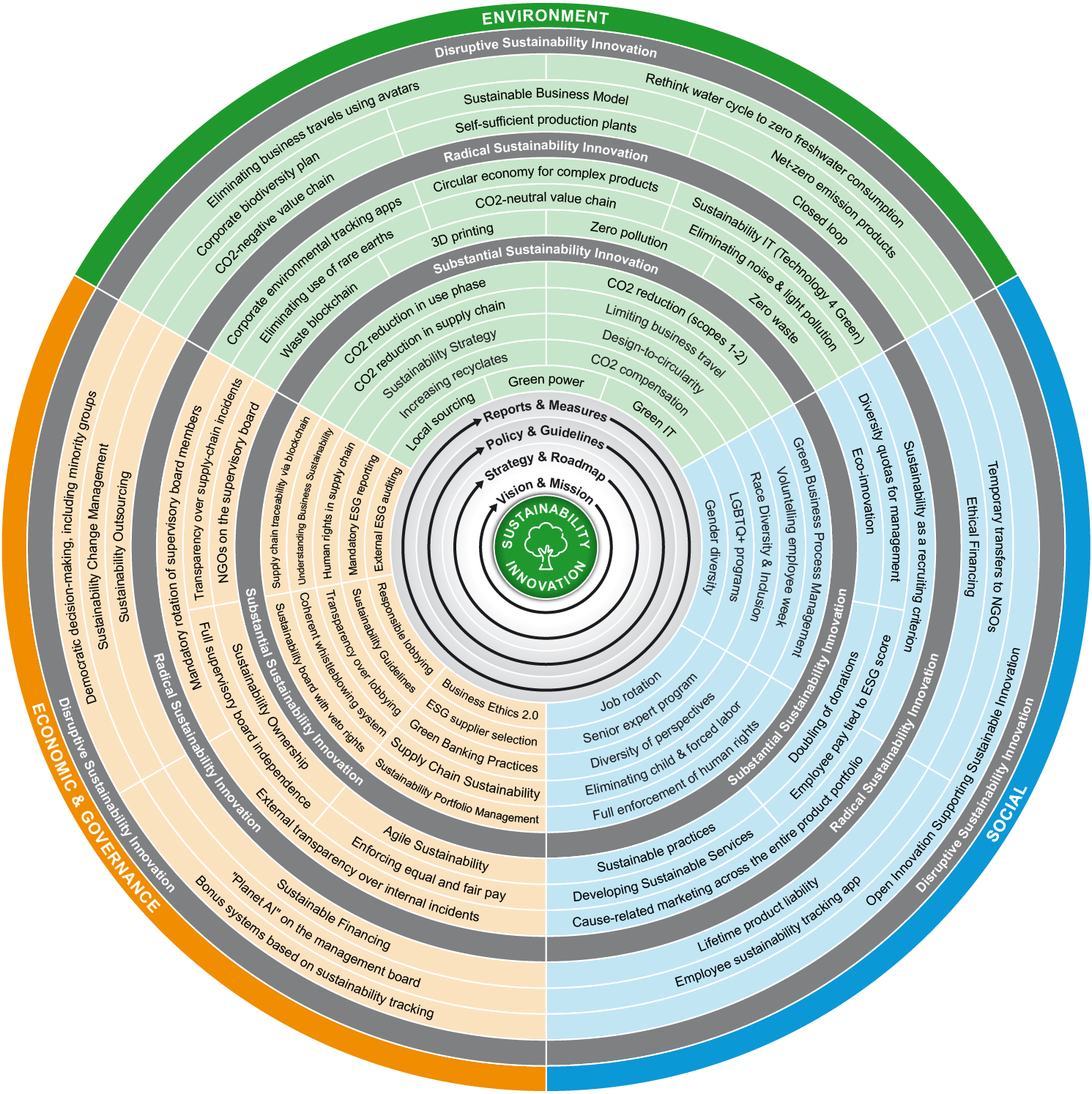
What is Employee Well-being and Sustainability Development?
The relationship between employee well-being and sustainability development lies in their mutual reinforcement: healthy, engaged employees support sustainability goals, while sustainable practices foster environments that enhance well-being. Well-being includes physical, mental, and emotional health, as well as job satisfaction and work-life balance. Sustainability development, on the other hand, encompasses environmental responsibility, social equity, and long-term economic viability. Organizations that invest in employee well-being tend to see improved productivity, innovation, and commitment—key drivers of sustainable success. Employees who feel supported are more likely to engage in responsible practices and contribute meaningfully to sustainability initiatives. At the same time, companies focused on sustainability often provide purposeful work and inclusive environments that promote well-being and job satisfaction.
Corporate social responsibility (CSR) plays a central role in this connection. Ethical practices, environmental stewardship, and socially responsible initiatives enhance employees’ sense of purpose and alignment with organizational values, reducing turnover and improving engagement. However, neglecting employee well-being can erode these efforts—leading to burnout, disengagement, and weakened sustainability performance. To create a resilient, sustainable organization, businesses must embed well-being into their sustainability strategies. This includes cultivating supportive work environments, prioritizing mental and physical health, and offering meaningful development opportunities. By aligning employee well-being with sustainability goals, organizations can strengthen both their workforce and their long-term impact.
Main Components
The 8 Main Components of Employee Well-being and Sustainability Development
As organizations strive toward sustainable development, the well-being of their employees emerges as a vital cornerstone of lasting success. Far from being separate goals, employee well-being and sustainability are deeply interconnected—each reinforcing the other to create resilient, ethical, and future-ready workplaces.
This section explores the eight main components that illustrate how supporting employee health, inclusion, and growth can drive sustainable practices across an organization. Together, these elements form a comprehensive framework for aligning human-centered values with environmental and social responsibility.
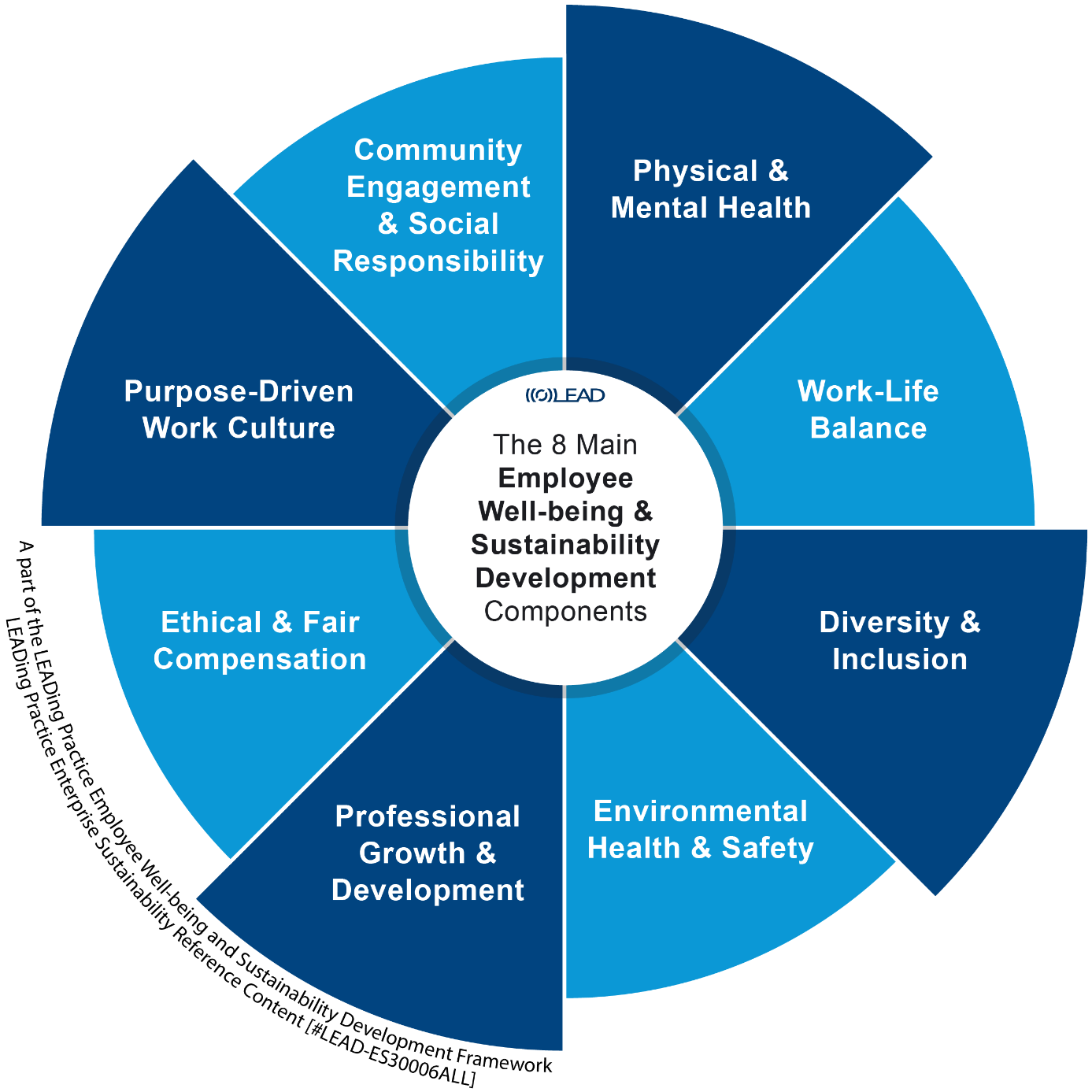
These elements form the backbone of a holistic strategy that supports human dignity while advancing sustainability goals:
Integrating employee well-being into sustainability efforts is not just beneficial—it’s essential for long-term organizational success. The eight components outlined above demonstrate how a supportive, inclusive, and purpose-driven work environment can enhance both individual fulfillment and sustainable development outcomes.
By prioritizing people alongside the planet and profit, organizations can build a more resilient, engaged, and forward-thinking workforce prepared to meet the challenges of a changing world.
Why This Is Relevant
Why is Employee Well-being and Sustainability Development so Relevant?
The connection between employee well-being and sustainability development is critically relevant because it unites two essential drivers of long-term organizational success: a healthy, engaged workforce and responsible, future-oriented business practices. Well-being—including physical, mental, and emotional health—is vital for productivity, retention, and innovation. Sustainability development, meanwhile, ensures that organizations meet environmental, social, and economic responsibilities without compromising future needs. Organizations are realizing that sustainability cannot be achieved without investing in their people. Engaged, supported employees are more likely to participate in sustainability initiatives, from energy conservation to ethical sourcing and community engagement. This alignment creates a positive feedback loop—well-being drives sustainability performance, and sustainability efforts enhance employee satisfaction.
In today’s competitive and socially conscious market, stakeholders expect companies to deliver both environmental impact and strong internal culture. Companies that integrate well-being into their sustainability strategies build resilient teams capable of adapting to complex challenges. Conversely, neglecting well-being leads to disengagement, higher turnover, and diminished capacity to meet sustainability goals. Ultimately, the relevance of this relationship lies in its strategic value. By fostering a workforce that is motivated and healthy, while simultaneously advancing environmental and social responsibility, organizations strengthen their ability to achieve meaningful, lasting impact. Integrating well-being with sustainability is no longer optional—it’s a fundamental requirement for success in the modern business landscape.
Business/Value Case
The Business/Value Case of Employee Well-being and Sustainability Development
In today’s evolving business landscape, the integration of employee well-being with sustainability development is no longer just a moral imperative—it’s a strategic advantage. Organizations that align these two priorities unlock tangible value across multiple dimensions, from enhanced productivity and innovation to stronger stakeholder trust and regulatory compliance.
This section outlines the ten most sought-after benefits of connecting well-being with sustainability, showcasing how this synergy creates lasting value for businesses, their employees, and the broader community.
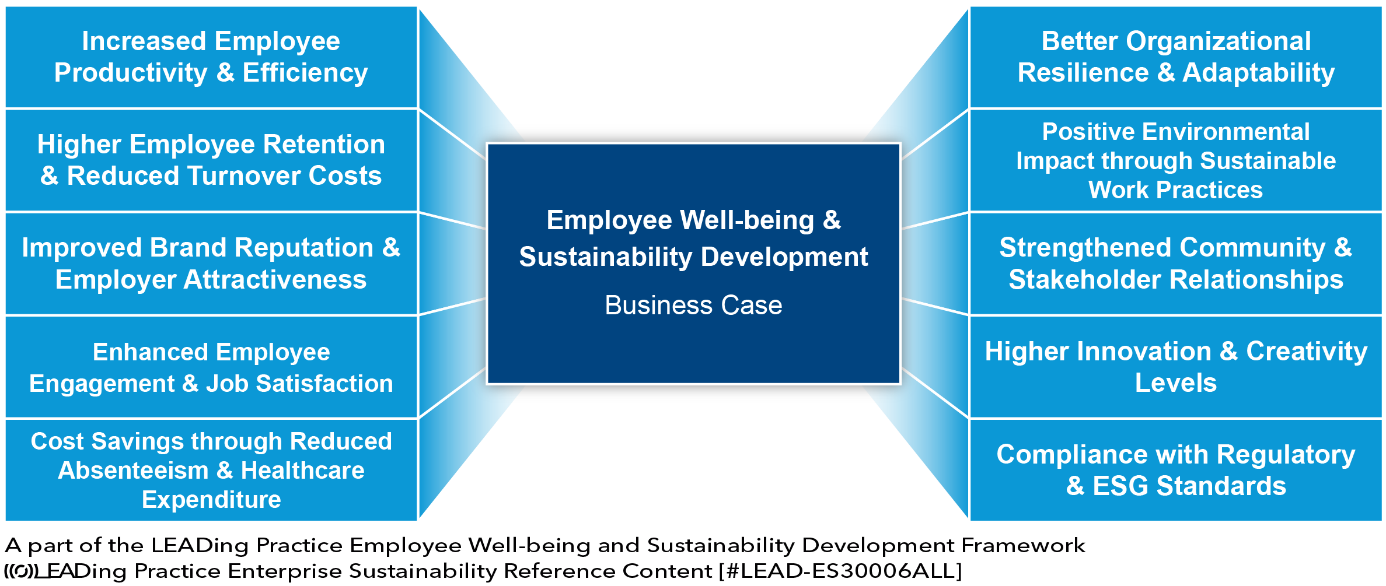
The following ten benefits demonstrate how combining well-being and sustainability delivers value to employees, organizations, communities, and shareholders alike:
The business case for linking employee well-being with sustainability development is both compelling and practical. As the ten key benefits illustrate, this alignment drives performance, strengthens organizational culture, and supports long-term resilience.
By investing in people as part of their sustainability strategy, organizations can create meaningful value for all stakeholders—fostering a healthier workforce, a stronger brand, and a more sustainable future.
How-To-Guide
How-To-Guide: Employee Well-being and Sustainability Development
Bridging employee well-being with sustainability development requires more than good intentions—it demands a clear, structured approach. The Role of Transformation in Sustainability Framework provides organizations with a practical roadmap to align well-being initiatives with sustainable practices.
Designed to ensure clarity, coordination, and measurable progress, this framework empowers teams to take meaningful action at every level. The following 10-step guide outlines how organizations can systematically implement and embed this integrated approach, creating a resilient culture where people and sustainability goals thrive together.
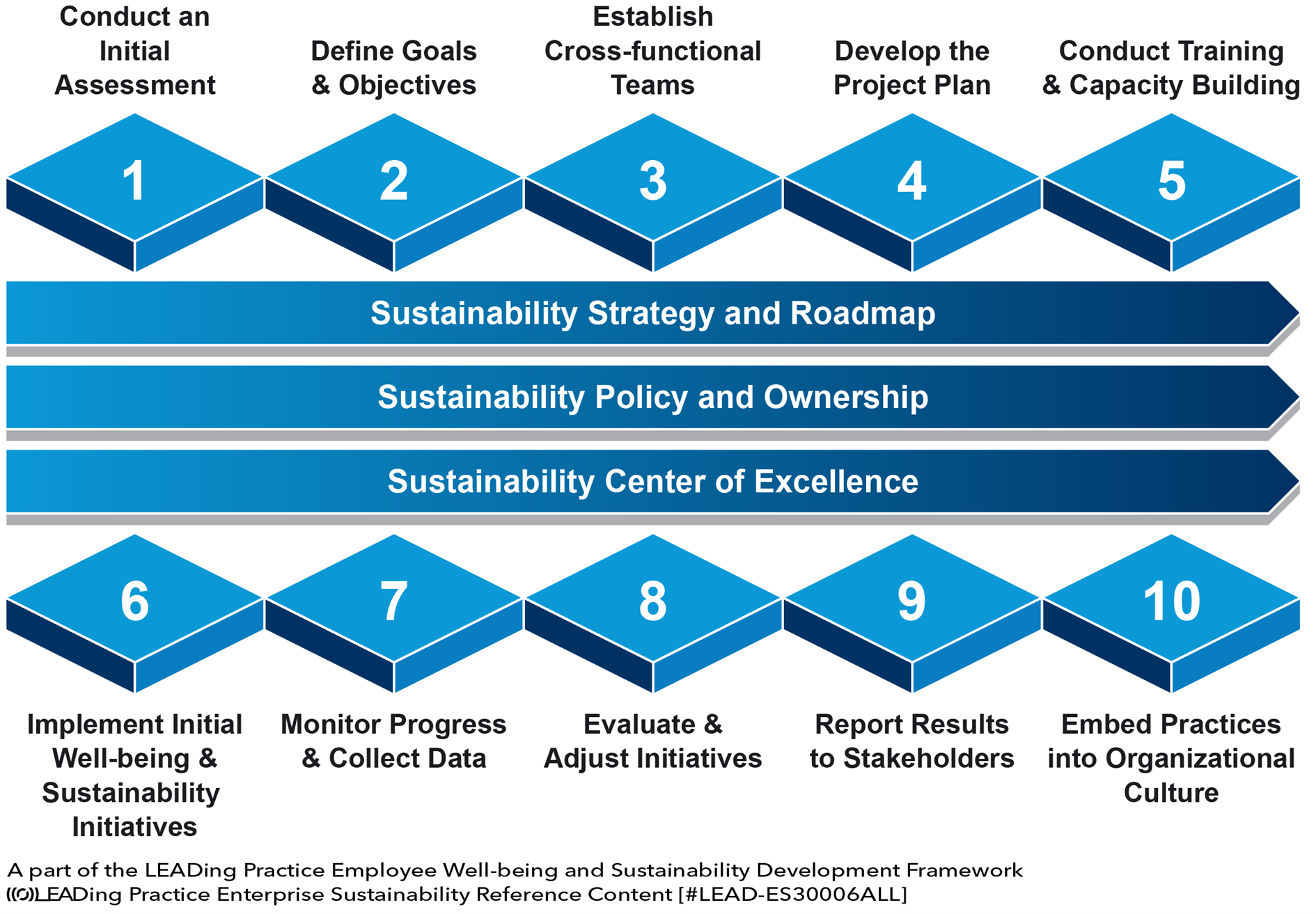
The 10-Step Way Forward:
Implementing a structured framework that connects employee well-being with sustainability development enables organizations to move from intention to impact. By following the 10-step approach, companies can build a cohesive, adaptable strategy that engages employees, drives measurable outcomes, and embeds sustainability into the organizational culture.
This unified path not only enhances workforce resilience and satisfaction but also supports long-term, purpose-driven growth.
Contact Us
Wanna learn more ? Want to improve your company ?
Projects that require our help ?
Don't waste more time, contact us !
Most Common Pitfalls
The Most Common Pitfalls and Challenges
Many organizations face recurring challenges when trying to align employee well-being with sustainability development. These issues often stem from treating the two as separate priorities, resulting in siloed strategies that limit impact and create disengagement.
Understanding common pitfalls—both worst practices and recurring negative patterns (antipatterns)—can help businesses avoid mistakes and build more effective, integrated approaches.
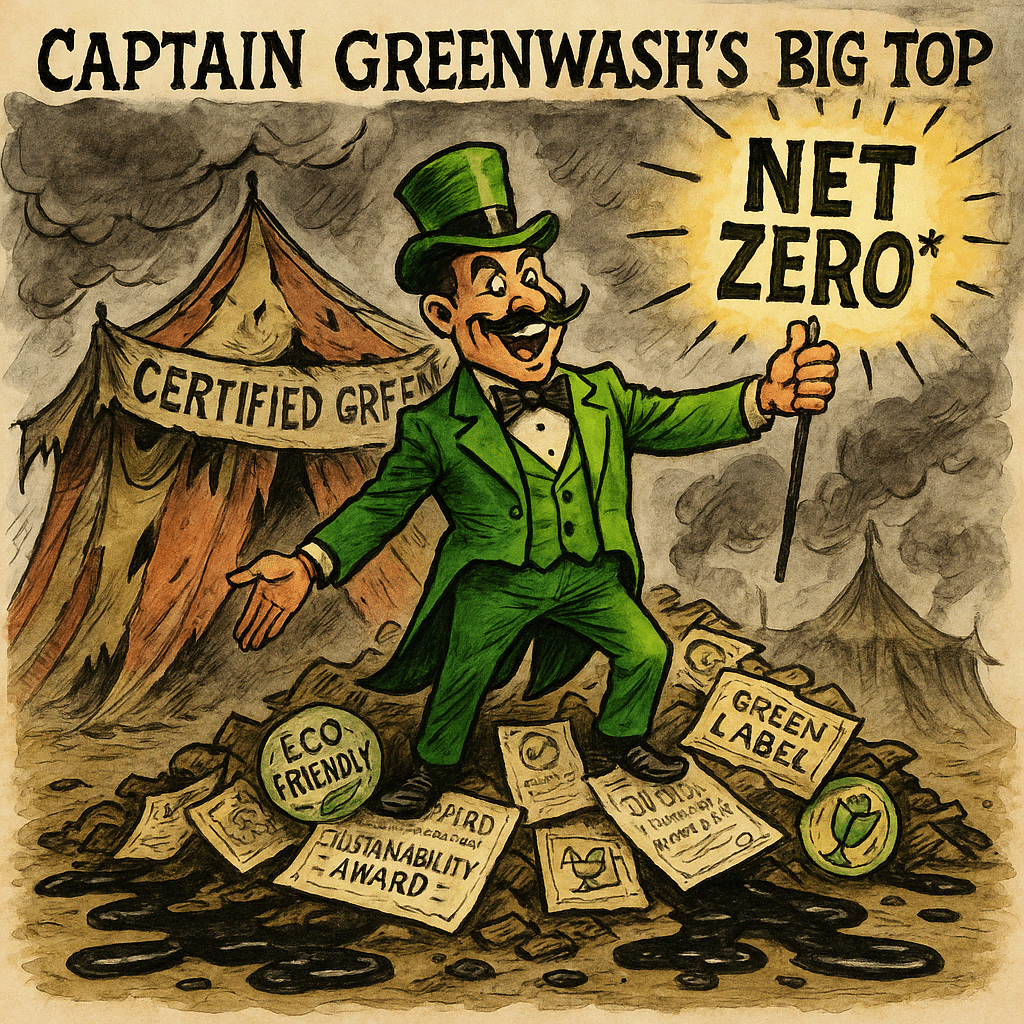
5 Antipattern Examples
- Siloed Approach to Well-being and Sustainability: Treating these areas as separate leads to fragmented efforts and missed opportunities for synergy.
- Top-down Imposition of Sustainability Initiatives: Excluding employees from planning reduces buy-in and long-term effectiveness.
- Generic Well-being Programs: One-size-fits-all initiatives fail to meet diverse employee needs, resulting in low participation and poor outcomes.
- Neglecting Mental and Emotional Health: Overemphasis on physical health overlooks critical aspects like stress and burnout.
- Viewing Well-being as a Cost Centre: Failing to see the long-term value of well-being investments limits innovation, retention, and sustainability success.

5 Worst Practice Examples
- Greenwashing with No Real Well-being Impact: Superficial sustainability efforts erode employee trust and engagement.
- Reactive, Not Proactive, Approaches to Well-being: Addressing problems only after they arise leads to short-term fixes rather than lasting solutions.
- Ignoring Employee Feedback: Overlooking frontline input results in irrelevant or ineffective programs.
- Sustainability at the Expense of Well-being: Overburdening employees to meet sustainability goals causes burnout and disengagement.
- Overemphasis on Financial Performance: Prioritizing profit over people damages morale, culture, and long-term sustainability.
Lessons Learned
Learning from the Outperformers: Lessons Learned
Sustainability transformation is a complex and far-reaching endeavor that no organization should attempt alone. As global challenges like climate change and resource scarcity grow increasingly interconnected, learning from others becomes essential. This collective approach to learning helps unlock innovative solutions that can be adapted across industries and sectors.
By drawing on the experiences—both successes and failures—of organizations that have already undertaken sustainability initiatives, businesses can avoid common pitfalls, accelerate their progress, and design more impactful strategies.
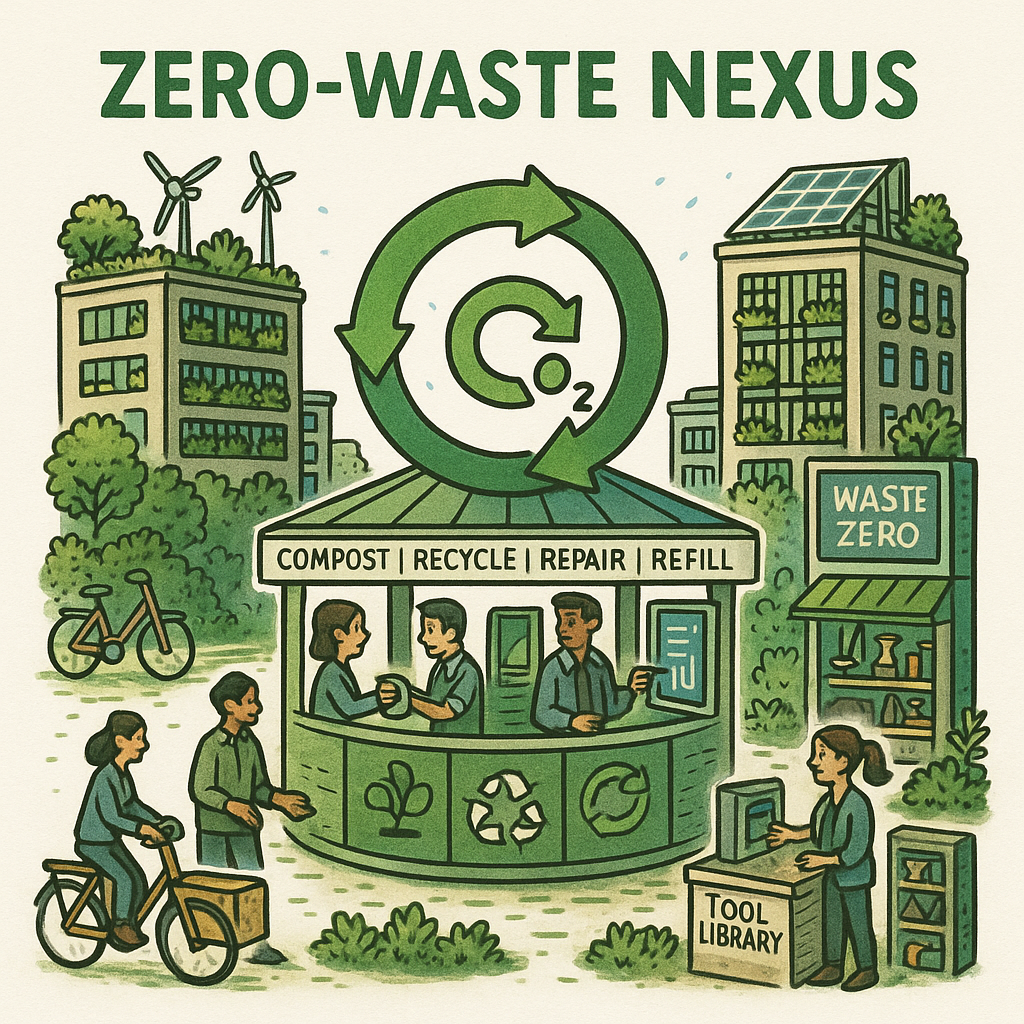
5 Best Practice Examples
- Treat well-being and sustainability as interconnected goals: By aligning wellness initiatives with sustainable habits (e.g., green commuting, energy-saving behaviors).
- Embed well-being into company values and mission: Building trust and aligning personal and organizational goals to improve retention and engagement.
- Prioritize mental health: Through resources such as counseling and mindfulness programs, creating resilient and productive teams.
- Involve employees in sustainability initiatives: To foster ownership, purpose, and customized solutions aligned with workforce needs.
- Offer flexible work arrangements: To enhance work-life balance while reducing environmental impact, demonstrating commitment to people and the planet.
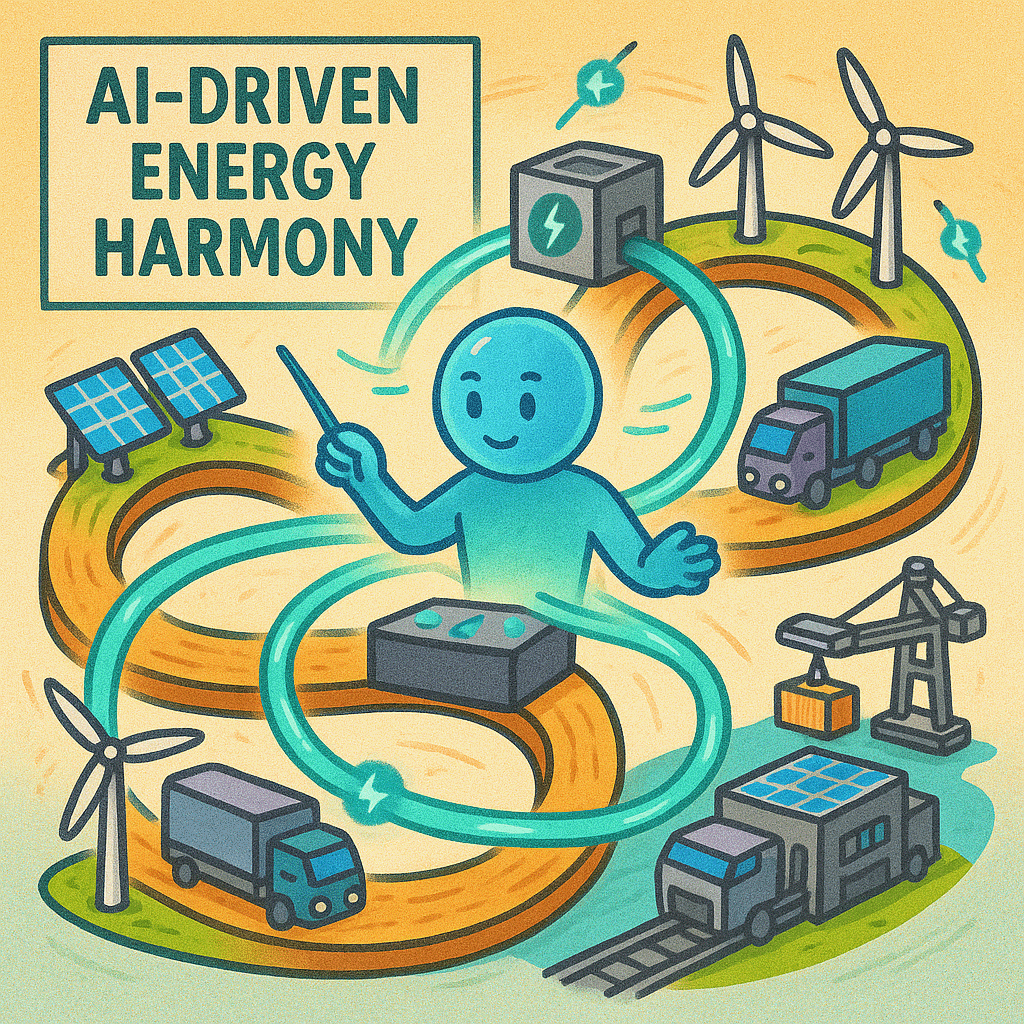
5 Leading Practice Examples
- Link CSR and well-being: By encouraging employee involvement in community service, creating meaningful engagement and purpose.
- Take a holistic sustainability approach: By addressing environmental, social, and economic factors equally within well-being strategies.
- Communicate openly and transparently: About sustainability goals and progress, building trust and deeper employee alignment.
- Use technology: To support health, remote work, and energy efficiency—boosting well-being and reducing ecological footprints.
- Promote continuous learning: In sustainability to enhance employee growth and organizational adaptability.
Most Common Artefacts
The Most Common Artefacts
To effectively integrate employee well-being with sustainability development, organizations often rely on specific tools, resources, and practices—referred to as artefacts. These artefacts act as tangible enablers that support both individual and organizational transformation.
The following table highlights some of the most common artefacts used in this context, outlining their purpose and how they contribute to advancing sustainability while enhancing employee well-being.
| Artefact | Description | How it Can Be Used for Sustainability Transformation |
|---|---|---|
| Well-being Surveys | Tools used to measure employee physical, mental, and emotional health and engagement. | Results can inform targeted interventions that enhance employee satisfaction while aligning with sustainability goals like reducing burnout. |
| Green Workspaces | Office designs that incorporate natural elements, energy efficiency, and ergonomic setups. | Promotes employee health and reduces the organization’s environmental footprint through energy savings and eco-friendly materials. |
| Employee Assistance Programs | Support systems offering counselling, mental health services, and financial advice. | Reduces stress-related absenteeism and contributes to long-term sustainability by fostering a healthy, productive workforce. |
| Remote Work Tools | Digital platforms that enable flexible working, such as virtual meetings and cloud collaboration. | Minimizes commuting-related emissions while promoting work-life balance, contributing to both well-being and reduced environmental impact. |
| Corporate Social Responsibility (CSR) Initiatives | Programs where employees participate in community service and sustainability efforts. | Engages employees in sustainability projects that foster a sense of purpose and community while meeting corporate sustainability objectives. |
Overview of the most common artefacts used with Employee Well-being and Sustainability Development.
The artefacts outlined in this section demonstrate how practical tools can bridge the gap between employee well-being and sustainability development. By strategically implementing these resources, organizations can create healthier work environments, foster engagement, and drive meaningful progress toward sustainability goals.
These artefacts not only support day-to-day operations but also reinforce a culture of care, responsibility, and long-term impact.
Conclusion
Sustainability transformation is no longer optional—it is a strategic imperative for organizations aiming to remain competitive, resilient, and relevant. True transformation goes beyond minor operational tweaks; it requires rethinking an organization’s purpose, culture, and strategy to align with long-term environmental and social goals. Integrating sustainability into core operations demands leadership commitment, cross-functional collaboration, and a shift from short-term profit focus to long-term value creation. Organizations must adopt structured approaches using tools like sustainability frameworks, KPIs, and stakeholder engagement platforms to track progress, foster innovation, and build accountability.
Companies that lead in sustainability—such as Unilever and Patagonia—demonstrate that embedding these principles drives both impact and profitability. Learning from such examples, avoiding common pitfalls, and applying best practices can guide other organizations toward successful transformation. The urgency is clear: with growing environmental and social challenges, the window for meaningful action is closing. Organizations that act decisively will build trust, future-proof their business, and contribute to global well-being. The time to lead the sustainability transformation is now.