

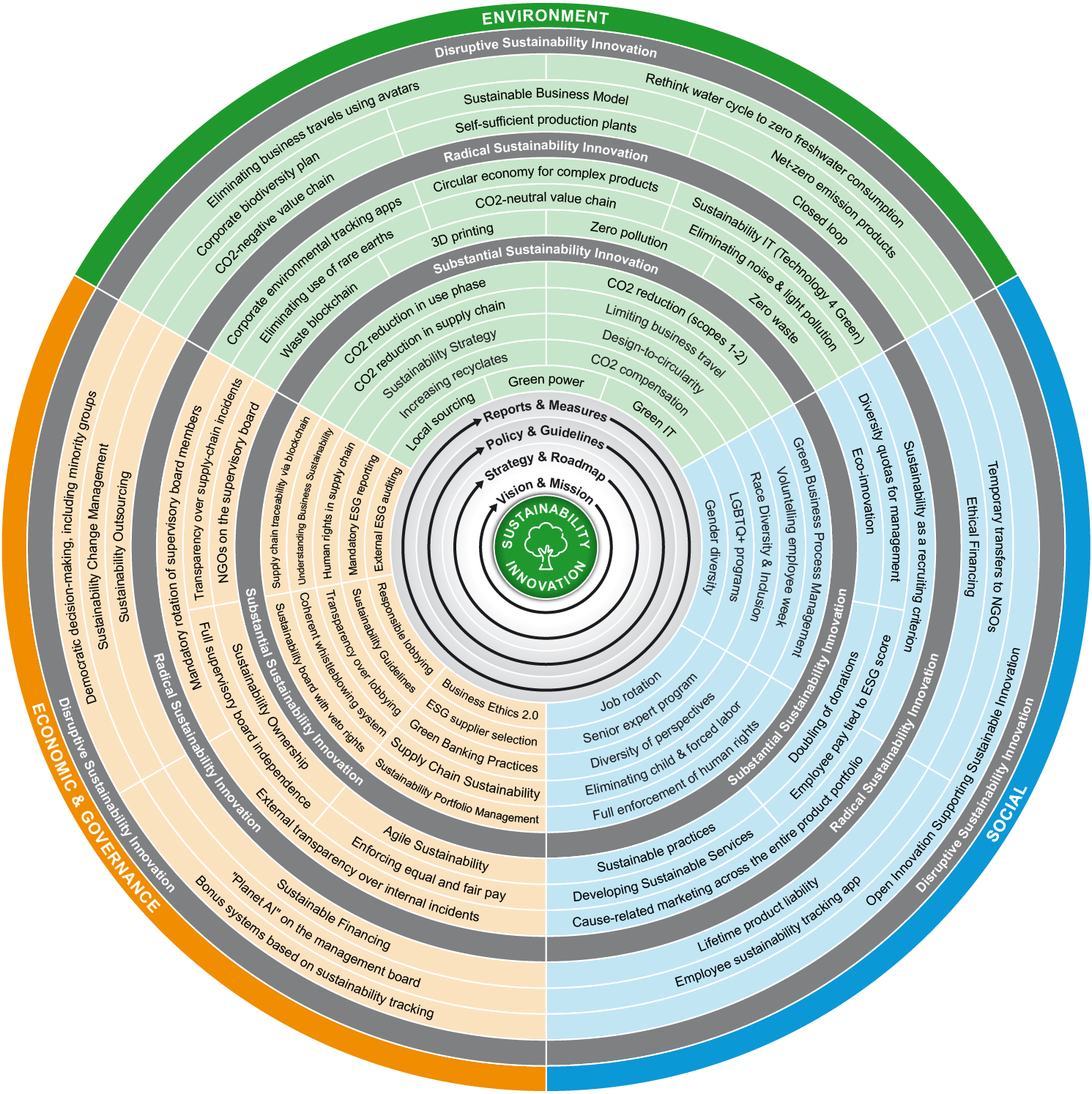
What does it mean to Shift from Sustainability Compliance to Sustainability Leadership?
Shifting from sustainability compliance to leadership means moving from a reactive, rule-driven approach to a proactive, strategy-led commitment. While compliance meets minimum legal and ESG standards, leadership embeds sustainability into core business strategy as a driver of innovation and long-term value. It requires a cultural shift, empowering employees and integrating sustainability into operations and decision-making.
Rather than ticking boxes, leaders anticipate trends, address global challenges, and collaborate with stakeholders to drive systemic change. Though the shift can be challenging, strong leadership, clear goals, and open communication help overcome barriers and position organizations for long-term success.
Main Components
The 8 Main Components of Shifting from Sustainability Compliance to Sustainability Leadership
As global expectations around sustainability continue to rise, organizations face increasing pressure to move beyond basic compliance and demonstrate true leadership. This evolution demands a fundamental shift—from viewing sustainability as a regulatory checkbox to embracing it as a core driver of value, innovation, and resilience.
Sustainability leadership is not just about doing less harm; it’s about actively creating positive impact across the business and broader society. The following section outlines the eight key components that define this shift, offering a roadmap for organizations ready to lead with purpose and impact
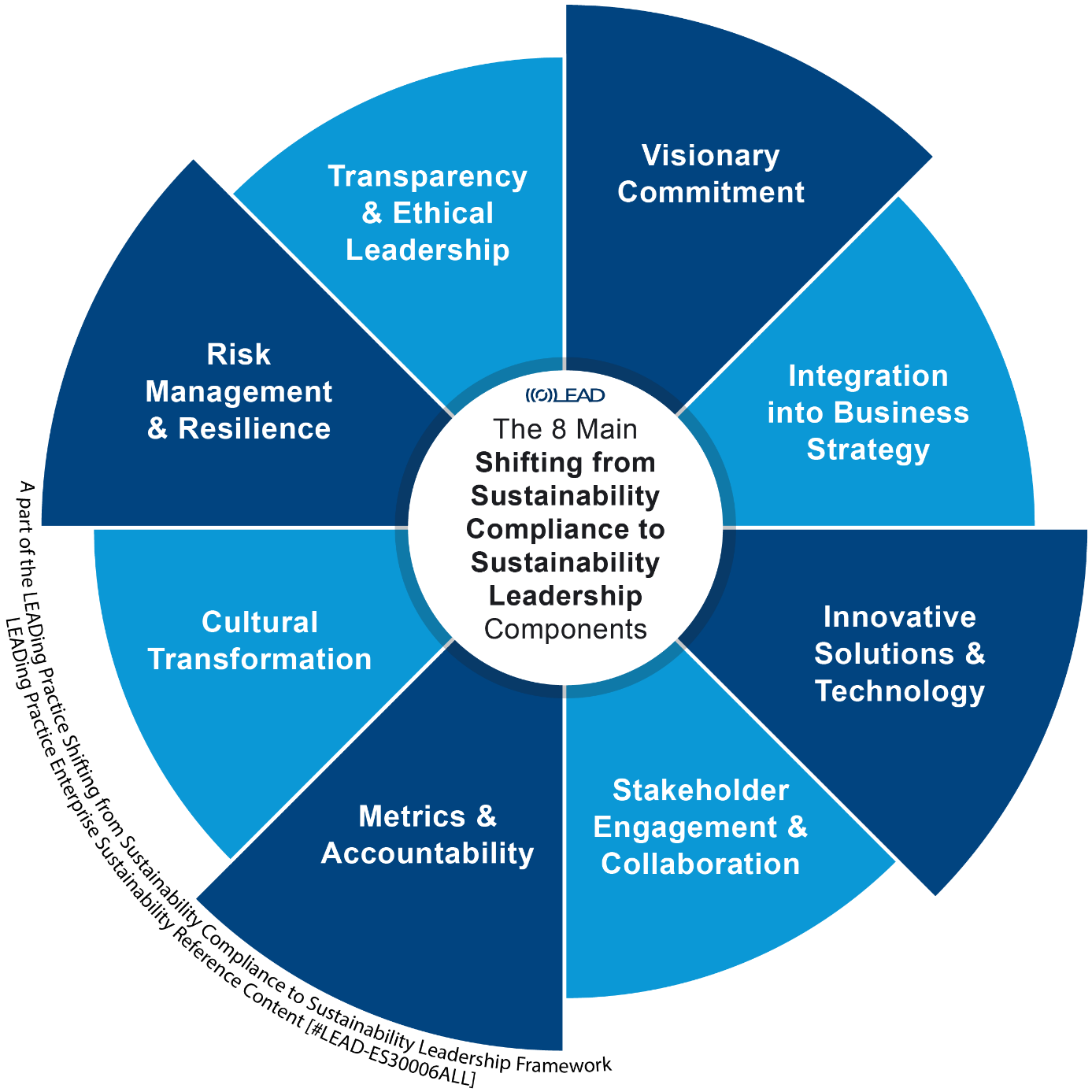
The eight main components:
Achieving sustainability leadership requires more than meeting minimum standards—it calls for a bold, integrated approach that reshapes how businesses operate, innovate, and engage with the world. By focusing on these eight essential components, organizations can move from reactive compliance to proactive leadership.
This transformation not only strengthens long-term business performance but also positions companies as catalysts for meaningful, systemic change in the global sustainability landscape.
Why This Is Relevant
Why is Shifting from Sustainability Compliance to Sustainability Leadership So Relevant?
In today’s rapidly changing world, regulatory compliance is no longer enough. While it ensures accountability, it’s reactive and limited. Sustainability leadership embeds sustainability into strategy, driving innovation and long-term value. With rising environmental and social pressures, stakeholders now expect companies to lead, not just comply.
Leadership builds trust, strengthens relationships, and prepares businesses for regulatory and market shifts. It also offers competitive advantages—reducing risk, boosting efficiency, and opening new market opportunities. Internally, it fosters a purpose-driven culture that empowers employees. As global challenges intensify, sustainability leadership is becoming essential for long-term success and resilience.
Business/Value Case
The Business/Value Case of Shifting from Sustainability Compliance to Sustainability Leadership
The transition from sustainability compliance to leadership is not just an ethical imperative—it’s a strategic business opportunity. Companies that embrace sustainability leadership unlock significant value across their operations, driving long-term competitiveness, resilience, and stakeholder trust.
Unlike compliance, which focuses on meeting minimum requirements, leadership is proactive and value-creating. It positions organizations to deliver tangible benefits to a wide range of stakeholders.
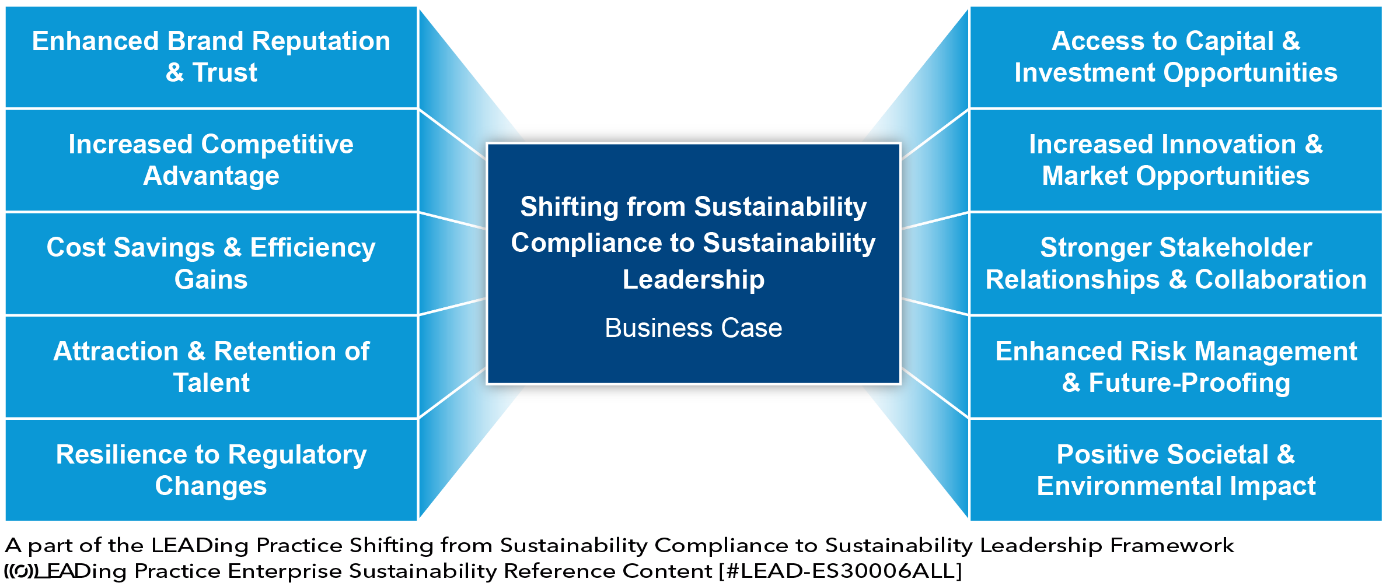
Top 10 Benefits of Shifting from Sustainability Compliance to Sustainability Leadership:
The transition from sustainability compliance to sustainability leadership is not just a moral or environmental choice—it’s a smart business strategy. The wide-ranging benefits, from brand enhancement and cost savings to greater resilience and innovation, clearly demonstrate that sustainability leadership creates tangible value for both organizations and their stakeholders.
As global expectations evolve, companies that lead on sustainability will be better positioned to thrive, attract investment, and contribute to a more equitable and sustainable future. Embracing this shift is not only the right thing to do—it’s the strategic thing to do.
How-To-Guide
How-To-Guide: The Shifting from Sustainability Compliance to Sustainability Leadership Framework
The Shifting from Sustainability Compliance to Sustainability Leadership Framework offers a structured, 10-step roadmap to help organizations evolve from meeting basic regulatory requirements to leading on sustainability.
It integrates best practices with strategic alignment, ensuring sustainability becomes central to business operations, culture, and long-term value creation.
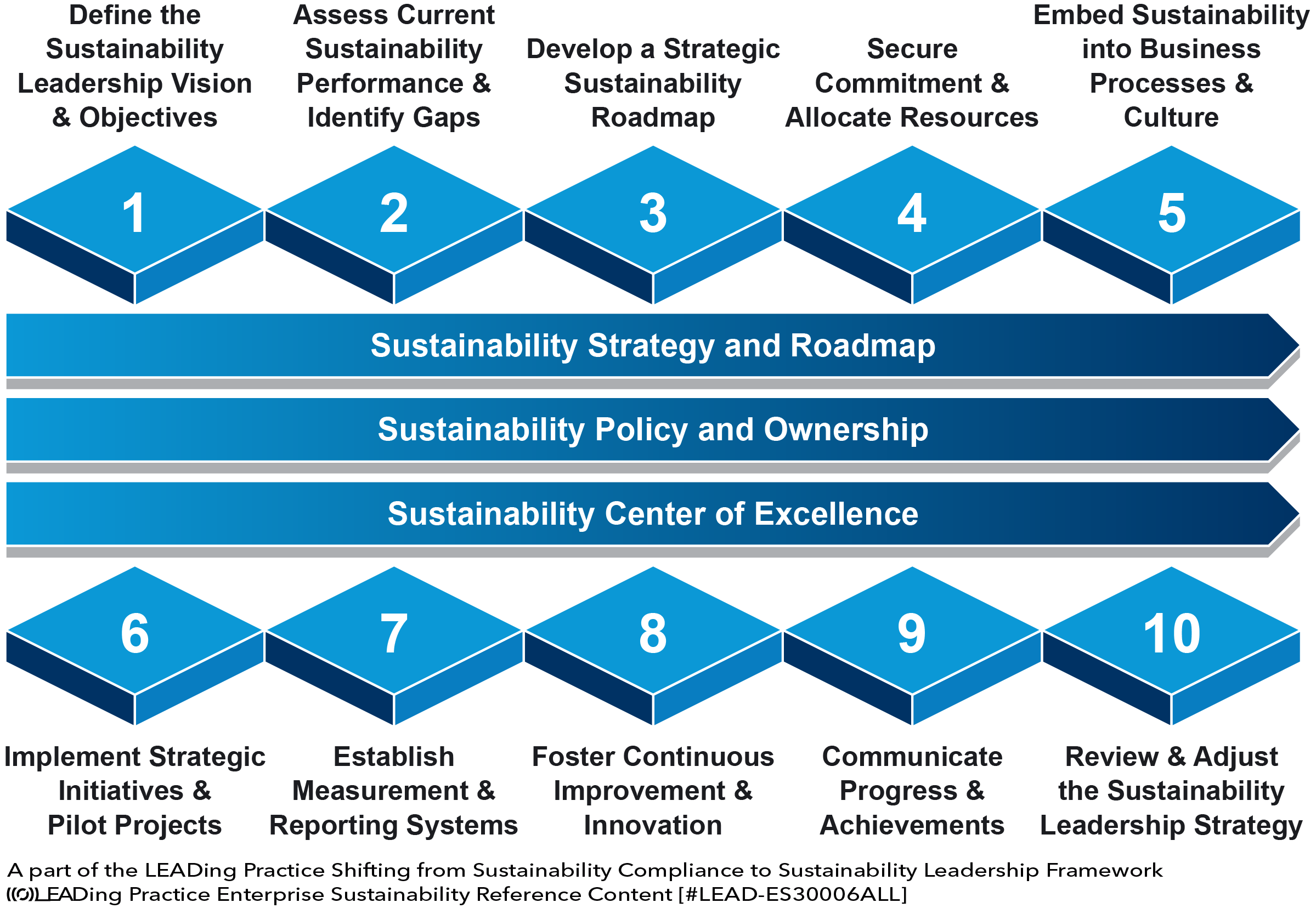
The 10-Step Way Forward:
The Shifting from Sustainability Compliance to Sustainability Leadership Framework offers a practical, step-by-step pathway for organizations ready to lead in sustainability. By following this structured approach, businesses can move beyond fragmented efforts and create a unified, organization-wide strategy that embeds sustainability into every aspect of operations.
This framework not only clarifies the process but also empowers teams to collaborate, measure progress, and continuously improve. Ultimately, it equips organizations to lead with purpose, resilience, and impact—turning sustainability from a regulatory obligation into a strategic advantage.
Contact Us
Wanna learn more ? Want to improve your company ?
Projects that require our help ?
Don't waste more time, contact us !
Most Common Pitfalls
The Most Common Pitfalls and Challenges
Transitioning from compliance to leadership in sustainability offers immense potential—but also significant risk. Many organizations struggle with this shift, falling into predictable traps that can derail progress, dilute impact, and damage credibility. Recognizing and avoiding these pitfalls is critical for achieving genuine sustainability leadership. Avoiding these pitfalls begins with awareness. By studying real-world failures and challenges, organizations can apply collective intelligence to design more effective strategies.
This not only accelerates progress but also minimizes costly missteps. Avoidance of common mistakes isn't just about efficiency—it's about credibility, long-term value, and real impact. In sum, navigating the path to sustainability leadership requires more than ambition—it requires insight, commitment, and a willingness to learn from both success and failure. Understanding these common antipatterns empowers organizations to lead with clarity, purpose, and resilience.
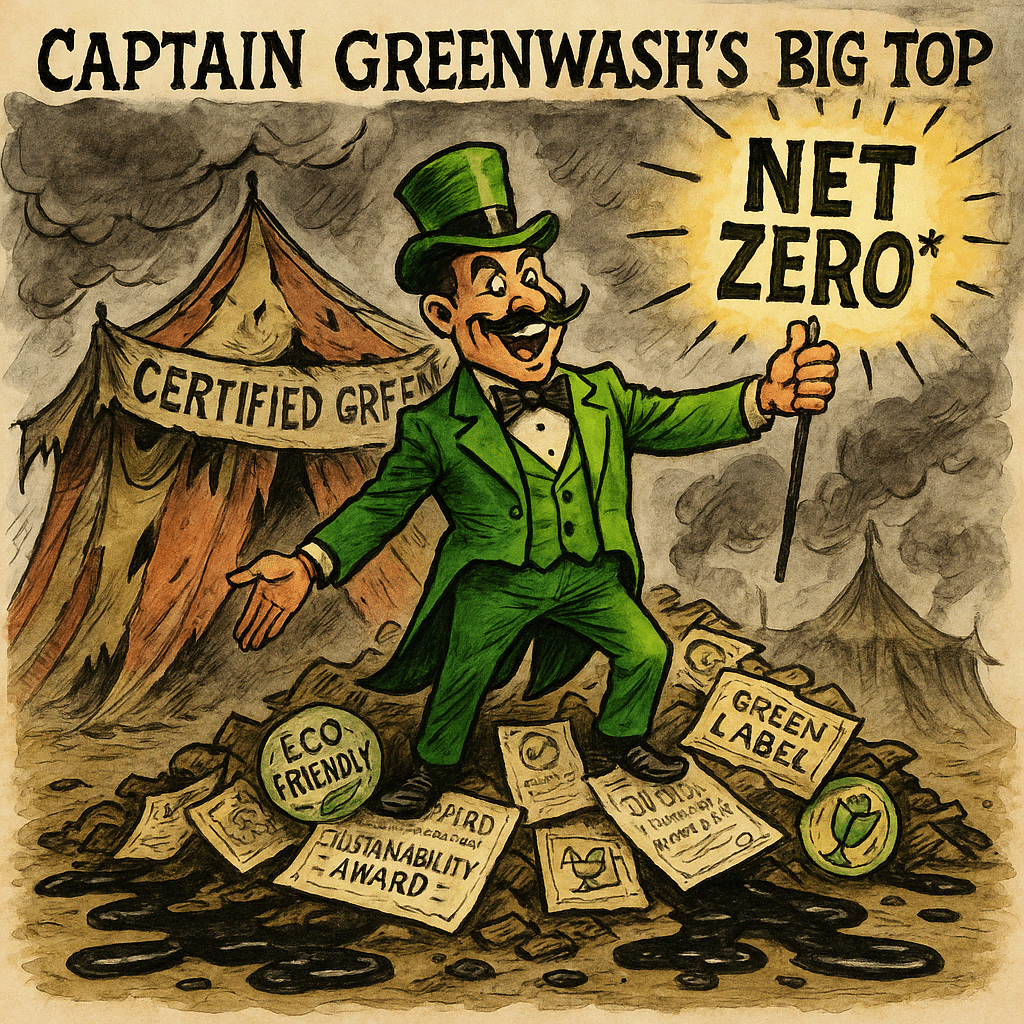
5 Antipattern Examples
- Greenwashing: Misleading sustainability claims damage trust and can cause significant reputational harm.
- Reactive Compliance: Responding only to regulations limits innovation and keeps sustainability efforts short-term and superficial.
- Sustainability as a PR Exercise: Treating sustainability as a branding tool without substance undermines credibility and stakeholder trust.
- Over-reliance on Certifications and Ratings: Focusing solely on certifications can distract from deeper, more meaningful sustainability progress.
- Neglecting Internal Culture Change: Without cultural alignment and employee engagement, sustainability initiatives often fail to take root.
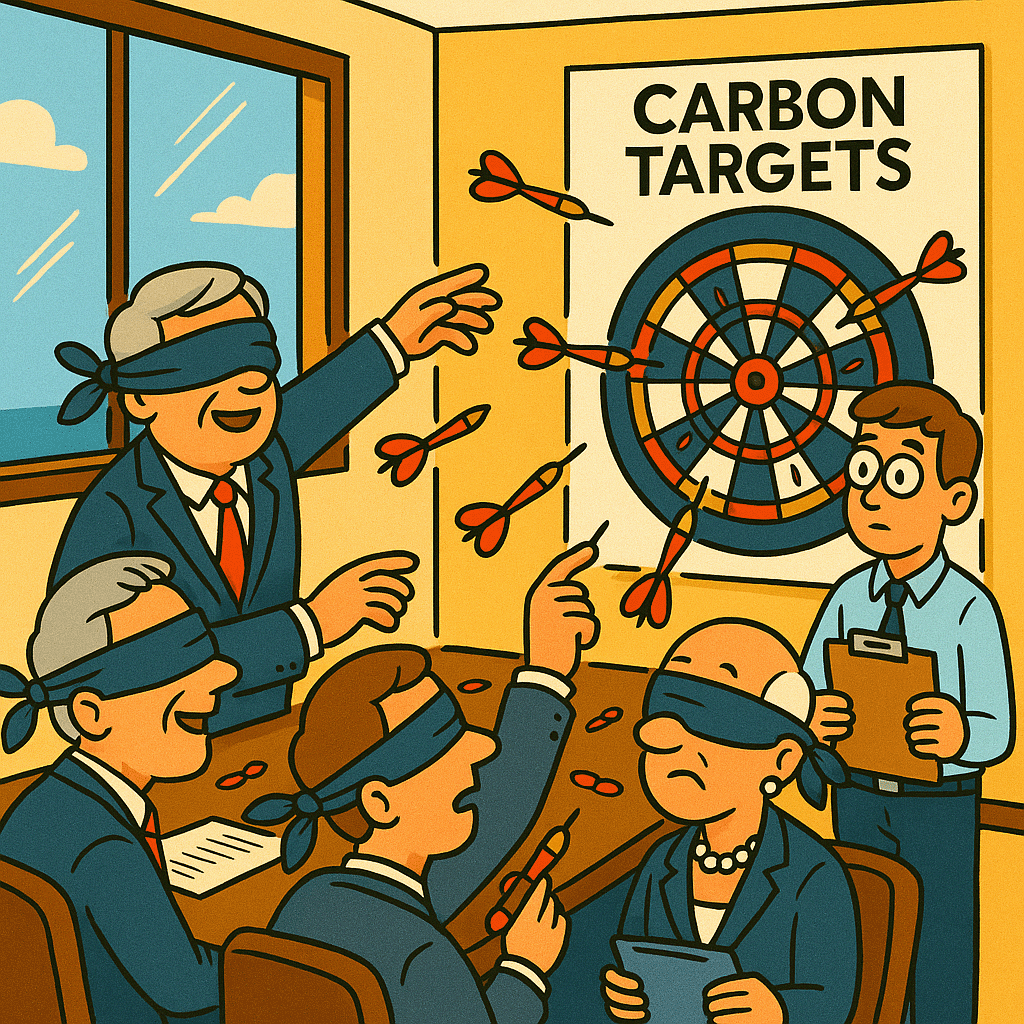
5 Worst Practice Examples
- Viewing Sustainability as a Cost, Not an Opportunity: Treating sustainability as a burden rather than a value driver limits innovation and misses strategic growth opportunities.
- Lack of Leadership Commitment: Weak or inconsistent leadership support undermines funding, prioritization, and organizational alignment around sustainability.
- Failure to Set Measurable Goals: Without clear, measurable targets, sustainability efforts lack focus, accountability, and impact.
- Treating Sustainability as a Siloed Function: Isolating sustainability from core functions weakens its influence and disconnects it from business strategy.
- Ignoring Stakeholder Engagement: Failing to engage stakeholders erodes trust and reduces the relevance and support for sustainability initiatives.
Lessons Learned
Learning from the Outperformers: Lessons Learned
Shifting from sustainability compliance to leadership is complex, but learning from organizations that have successfully made this transition can greatly speed up the process and improve outcomes. These outperformers—companies excelling at embedding sustainability into their core strategies—offer invaluable lessons that others can adopt to avoid common mistakes and implement proven approaches.
By embracing these lessons and building on the experiences of leading companies, organizations can more effectively shift from compliance to leadership, creating long-lasting sustainability value for their business and society.
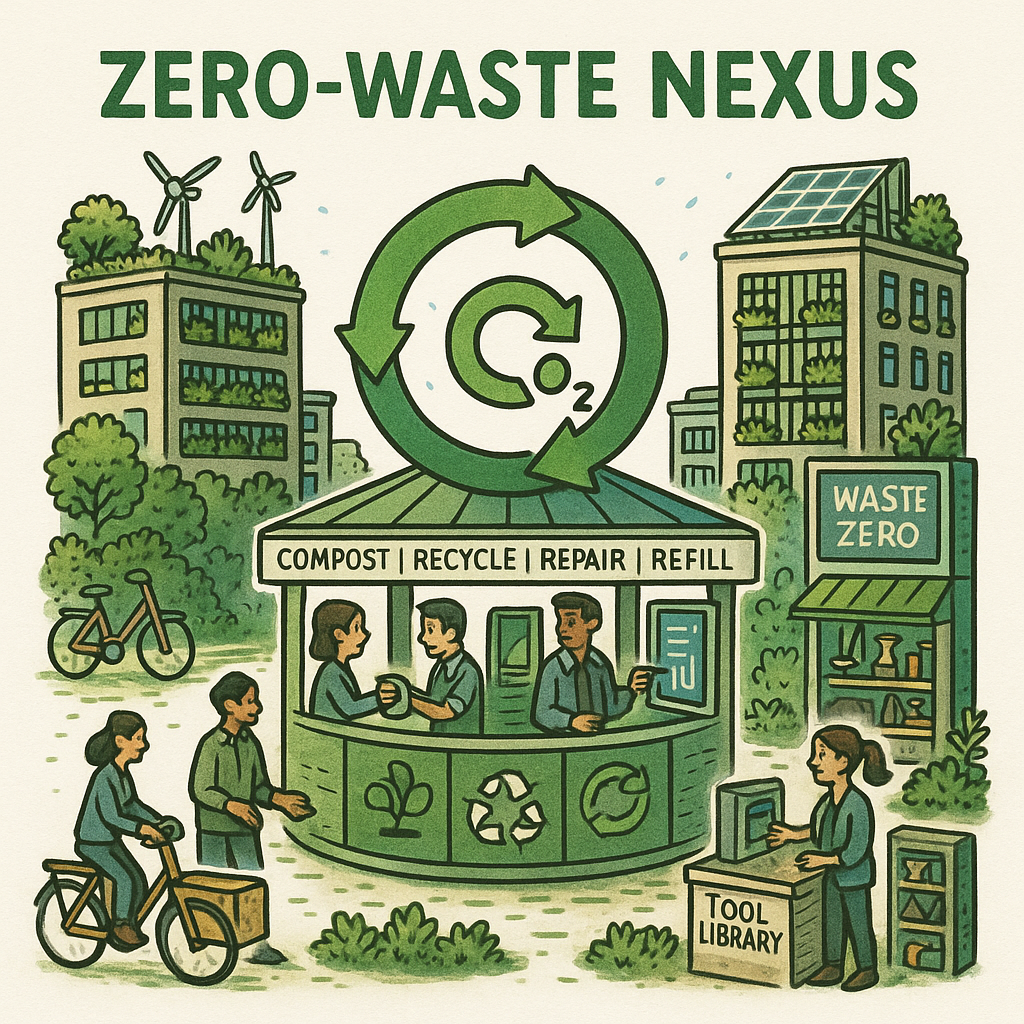
5 Best Practice Examples
- Embed Sustainability into Mission and Values: Make sustainability a core part of the company’s purpose, integrated into long-term strategy and decision-making. This alignment fosters a culture where all employees understand and support sustainability goals.
- Engage Stakeholders Continuously: Collaborate with employees, customers, investors, suppliers, and communities throughout the sustainability journey. This ensures initiatives are relevant, well-supported, and responsive to emerging challenges.
- Set Measurable and Ambitious Goals: Clear targets and performance metrics enable tracking progress and maintaining accountability. Transparency builds trust internally and externally by demonstrating genuine commitment.
- Prioritize Innovation: Go beyond compliance by investing in new products, services, and processes that advance sustainability—such as adopting circular economy principles. Innovation helps companies stay competitive and meet evolving expectations.
- Maintain Transparency and Accountability: Use recognized sustainability reporting frameworks to share consistent, reliable ESG performance data. Honest reporting strengthens reputation and stakeholder relationships.
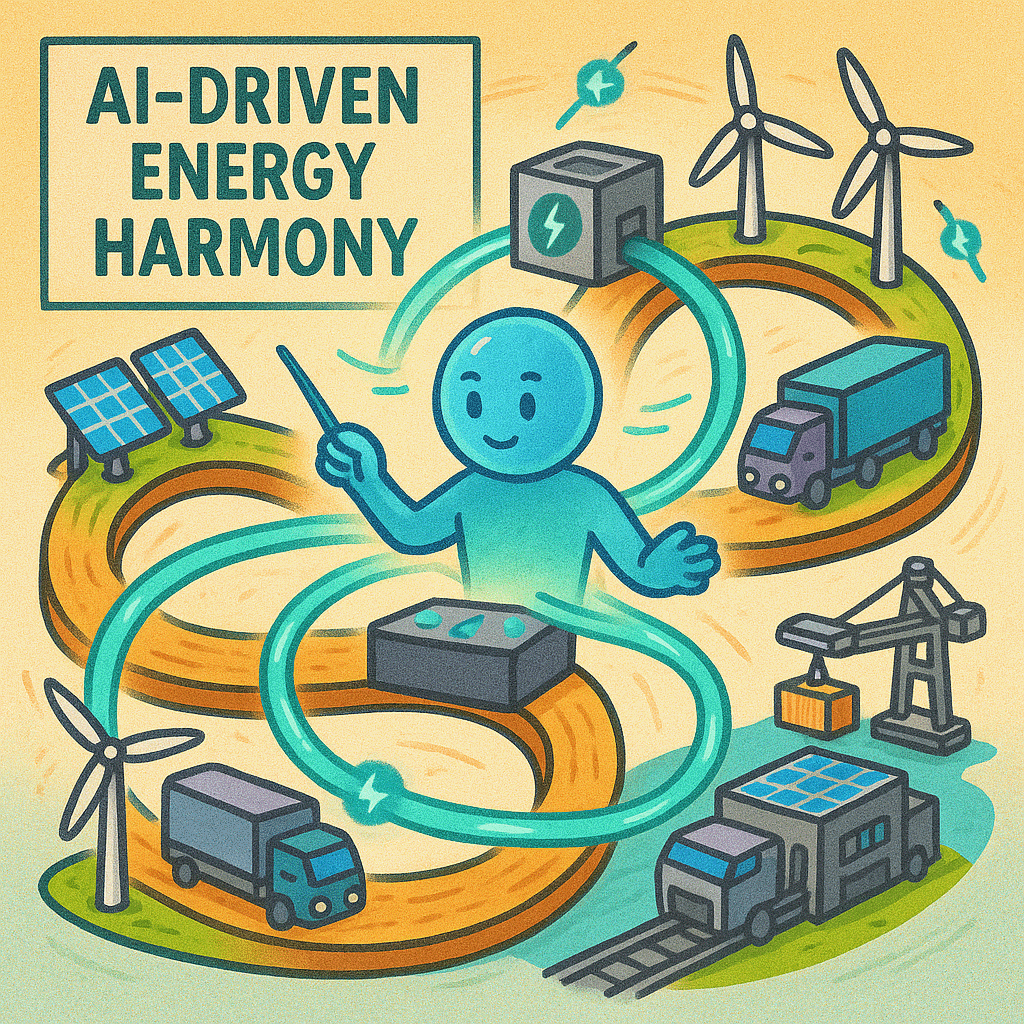
5 Leading Practice Examples
- Align Sustainability with Business Performance: Companies like Unilever link sustainability goals with growth strategies, proving sustainability drives profitability, not just compliance.
- Foster a Culture of Continuous Improvement: Sustainability is an ongoing journey requiring regular reassessment and adaptation to new challenges.
- Integrate Sustainability Across Functions: Effective leadership embeds sustainability in all departments, preventing siloed efforts and embedding it into the organization’s DNA.
- Collaborate for Greater Impact: Partnerships and coalitions amplify efforts on complex issues like climate change, leveraging shared resources and innovations.
- Demonstrate Strong Leadership Commitment: Visible support from CEOs and senior executives drives sustainability priorities and motivates the entire organization.
Most Common Artefacts
The Most Common Artefacts
Successfully shifting from sustainability compliance to sustainability leadership requires more than vision and strategy—it also depends on the effective use of tools and resources that support transformation. These tools, or artefacts, play a critical role in translating sustainability goals into actionable, measurable, and impactful outcomes.
The following table highlights the most common artefacts used in this shift, describing their purpose and how they can be applied to drive meaningful progress toward sustainability leadership.
| Artefact | Description | How it Can Be Used for Sustainability Transformation |
|---|---|---|
| Sustainability Frameworks | Structured guidelines, such as the Global Reporting Initiative (GRI) or the UN Sustainable Development Goals (SDGs). | Provides a comprehensive structure for aligning business activities with global sustainability objectives. |
| Sustainability KPIs | Key Performance Indicators that track progress on sustainability goals, including energy use, emissions, and waste. | Helps monitor, measure, and evaluate the impact of sustainability initiatives on business performance. |
| Carbon Footprint Calculators | Tools that measure the total greenhouse gas emissions caused directly and indirectly by an organization. | Assists in identifying areas of high emissions and enables setting reduction targets to achieve carbon neutrality. |
| Life Cycle Assessment (LCA) | Methodology to assess environmental impacts associated with all stages of a product’s life, from raw material to disposal. | Identifies opportunities for reducing environmental impacts and improving the sustainability of products. |
| Stakeholder Engagement Plan | A plan that outlines how an organization will interact with its key stakeholders on sustainability issues. | Facilitates collaboration with internal and external stakeholders, ensuring that sustainability efforts align with the expectations and needs of the community. |
| Lifecycle Assessment (LCA) | A technique to assess the environmental impacts associated with all stages of a product's lifecycle. | Helps organizations identify areas where they can reduce their environmental impact, from raw material extraction to disposal or recycling. |
| Sustainability Certifications | Certifications like ISO 14001, LEED, or Fair Trade that validate sustainable practices within an organization. | Enhances credibility, builds trust with stakeholders, and demonstrates commitment to sustainability leadership. |
| Materiality Assessment | Process to identify the sustainability issues most relevant to a company’s stakeholders and business operations. | Ensures that sustainability efforts are focused on areas with the highest impact and stakeholder relevance. |
| Integrated Reporting | Combining financial and non-financial data into a single report to provide a holistic view of the company’s performance. | Demonstrates how sustainability initiatives are integrated with the company’s overall business strategy. |
| Green Supply Chain Management | Managing the environmental impact of supply chain activities through sustainable sourcing, production, and logistics. | Optimizes resource use, reduces waste, and promotes sustainable practices throughout the supply chain. |
| Circular Economy Models | Economic model focused on designing out waste, keeping products in use, and regenerating natural systems. | Facilitates the transition to a sustainable business model by promoting reuse, recycling, and waste reduction. |
| Stakeholder Engagement Platforms | Digital tools or forums that allow companies to communicate and collaborate with stakeholders on sustainability issues. | Encourages transparency, builds stakeholder trust, and gathers input to refine sustainability strategies. |
Overview of the most common artefacts used with the Shifting from Sustainability Compliance to Sustainability Leadership.
The artefacts outlined in this section provide organizations with the practical tools needed to operationalize their sustainability ambitions. From measurement and reporting to stakeholder engagement and circular economy practices, these resources enable businesses to move beyond compliance and build a foundation for true sustainability leadership.
When used strategically, they help align actions with vision, enhance transparency, and accelerate the transition toward long-term environmental, social, and economic value.
Conclusion
The shift from sustainability compliance to leadership is now a strategic imperative. Companies must go beyond meeting regulations and embed sustainability into their core strategy to drive innovation, build resilience, and create long-term value. Viewing sustainability only as a compliance issue risks reputational harm and falling behind in the face of global challenges.
In contrast, leadership enables organizations to earn trust, attract talent, and align with global goals. Success requires executive commitment, clear targets, cultural alignment, and continuous stakeholder engagement. Profitability and sustainability can go hand in hand. Tools like carbon calculators and reporting frameworks support this transition, which is essential for staying competitive and shaping a more resilient future.