

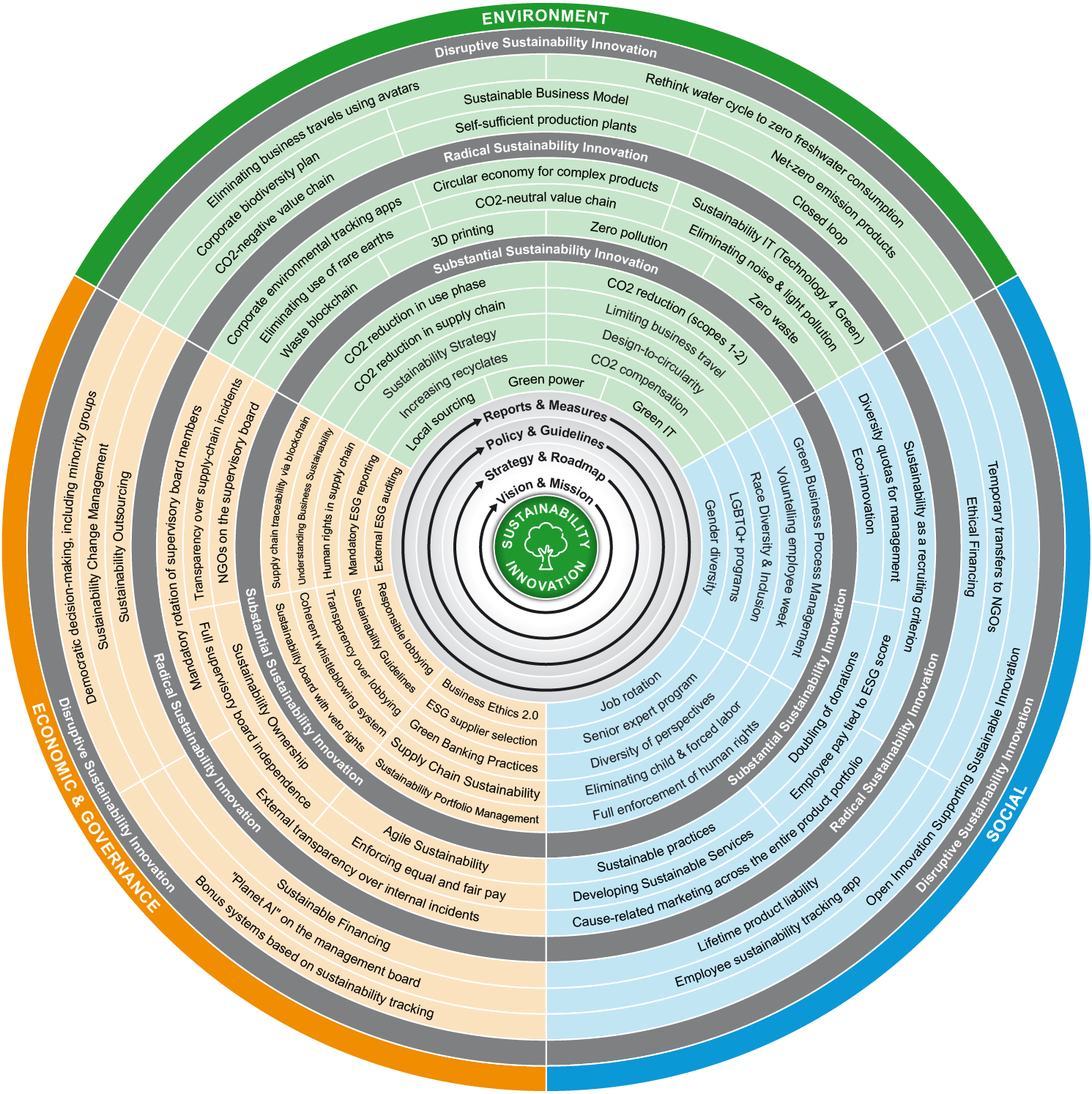
What is CO2 Reduction?
CO2 Reduction is the strategic effort to cut carbon dioxide emissions caused by human activities, a key driver of climate change. It spans individuals, companies, and governments, and targets direct emissions (Scope 1), energy-related emissions (Scope 2), and value chain emissions (Scope 3). Effective reduction involves measuring the carbon footprint in CO2 equivalents (CO2e), identifying emission sources, setting targets aligned with global frameworks like the Paris Agreement, and applying practical solutions such as renewable energy, energy efficiency, circular design, and sustainable transport.
Organizations also monitor progress using standards like the Greenhouse Gas (GHG) Protocol and communicate outcomes to build trust. Far beyond compliance, CO2 Reduction is an engine for innovation, operational improvement, and long-term resilience. It connects closely with ESG goals and supports business model transformation. When embraced holistically, CO2 Reduction enables stakeholders to meet climate responsibilities while unlocking value and driving sustainability-led growth.
Main Components
The 8 Main Components of CO2 Reduction
Reducing CO2 emissions is a complex yet crucial part of global sustainability efforts. To address it effectively, organizations need to break the challenge down into manageable, interlinked components. These components serve as guiding pillars for shaping strategic direction, operational improvements, and long-term environmental impact. While many sustainability programs tackle CO2 reduction from various angles, the most successful ones share a common framework that integrates measurement, innovation, stakeholder involvement, and governance.
Understanding these components provides clarity and structure to what can otherwise feel like a daunting journey. It allows businesses to align their environmental ambitions with actionable goals and tangible outcomes. The following eight components define the essential building blocks of any robust CO2 reduction initiative, providing a clear roadmap for companies and institutions committed to environmental responsibility and long-term resilience. Each component works in synergy with the others, reinforcing progress and institutionalizing sustainability into the organizational DNA.

Below are the eight main components of CO2 Reduction, reflecting both structural patterns and actionable insights for organizations:
By focusing on these eight interdependent components, organizations gain a holistic and strategic approach to CO2 reduction. These elements empower companies to assess their impact, take informed action, and achieve meaningful progress.
Structured in this way, CO2 reduction becomes more than just compliance; it becomes an integrated part of business excellence, stakeholder trust, and sustainable innovation.
Why This Is Relevant
Why is CO2 Reduction so Relevant?
CO2 reduction has become one of the defining challenges—and opportunities—of our time. As global temperatures continue to rise and extreme weather events become more frequent, the pressure on organizations to act responsibly intensifies. Scientific consensus from institutions such as the IPCC has made it clear: anthropogenic carbon dioxide emissions are the primary driver of climate change. Beyond the environmental imperative, there are growing social, regulatory, and economic incentives for organizations to reduce their carbon footprint. From investors and customers to employees and policymakers, all stakeholders now expect companies to play a proactive role in climate action.
Reducing CO2 not only contributes to planetary health, but it also builds brand trust, mitigates financial risk, and opens the door to innovation. In a world moving rapidly toward sustainability, companies that prioritize CO2 reduction will not only survive but lead. The relevance of CO2 reduction extends far beyond regulatory compliance. It touches on core issues such as climate resilience, economic sustainability, and social license to operate. Organizations that act decisively position themselves as leaders in a low-carbon economy and contribute positively to the future of both people and the planet.
Business/Value Case
The Business/Value Case for CO₂ Reduction
Building a strong business case for CO2 reduction is essential for engaging leadership and securing the necessary resources for climate initiatives. Fortunately, the advantages of taking climate action are extensive and measurable. From operational efficiencies and cost savings to competitive differentiation and investor attractiveness, CO2 reduction offers both immediate and long-term value. As governments introduce carbon pricing, sustainability reporting, and climate-risk disclosures, companies that fail to act will face increased compliance burdens and reputational risks.
On the other hand, those who lead in decarbonization benefit from innovation opportunities, customer loyalty, and alignment with emerging market demands. Moreover, CO2 reduction initiatives can foster a culture of responsibility and continuous improvement across all levels of the organization. The following list presents the top 10 benefits and advantages of CO2 reduction and highlights the stakeholders who gain the most from each.
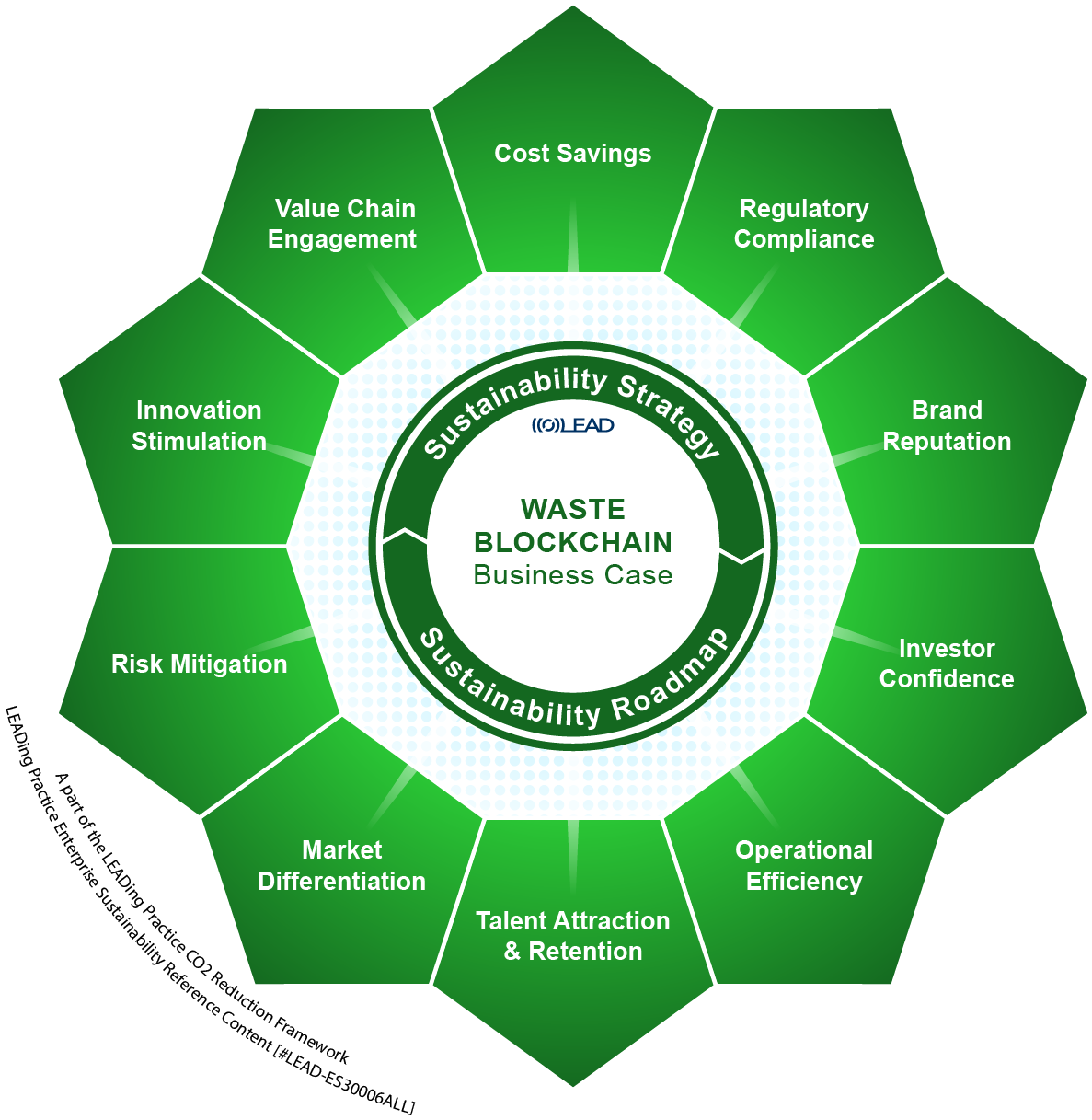
Below are ten key benefits that highlight why this approach is essential for modern organizations:
A compelling value case for CO2 reduction touches every aspect of an organization: financial performance, stakeholder engagement, regulatory readiness, and long-term sustainability.
By embedding CO2 reduction into strategic and operational plans, companies not only reduce environmental risks but also unlock new avenues for growth, efficiency, and innovation.
How-To-Guide
How-To-Guide: The CO₂ Reduction Framework
Implementing a CO2 Reduction Framework helps organizations structure and standardize their climate action strategies. By embedding a clear 10-step process, this framework provides a roadmap for measuring, managing, and minimizing emissions. It integrates both strategic vision and operational execution, allowing for scalable, consistent progress across departments, locations, and roles. The framework includes everything from initial carbon footprint analysis to stakeholder engagement and long-term monitoring.
The business case for CO2 reduction—cost savings, compliance, and competitive advantage—is also built into this approach. All stakeholders, from executives to sustainability managers and operations teams, benefit from having defined actions, timelines, roles, and locations tied to each step. This guide ensures a harmonized and accountable approach to decarbonization, enabling faster adoption and more meaningful results.

The 10-Step Way Forward:
The CO2 Reduction Framework provides a proven, structured approach for any organization to launch, manage, and scale carbon reduction efforts. By clearly defining roles, steps, and timelines, the framework ensures faster mobilization and improved coordination across departments.
It allows companies to transition from ad hoc efforts to a standardized method that accelerates progress and enhances transparency, accountability, and innovation.
Contact Us
Wanna learn more ? Want to improve your company ?
Projects that require our help ?
Don't waste more time, contact us !
Most Common Pitfalls
The Most Common Pitfalls and Challenges
Despite growing awareness and commitment, many CO2 reduction initiatives fall short due to recurring pitfalls and worst practices. These challenges often stem from inconsistent planning, lack of ownership, inadequate data, and poor change management. By identifying common mistakes in advance, organizations can proactively avoid delays, inefficiencies, and setbacks in their climate journey. Antipatterns represent misleading assumptions or behaviors that appear helpful but ultimately hinder progress.
Worst practices are decisions or actions that repeatedly lead to failure. Recognizing these can significantly increase the success rate of CO2 reduction programs. Avoiding pitfalls and worst practices is just as important as adopting best practices. By acknowledging common mistakes early in the process, organizations can navigate complexity more effectively, reduce unnecessary costs, and increase the impact and credibility of their CO2 reduction efforts.
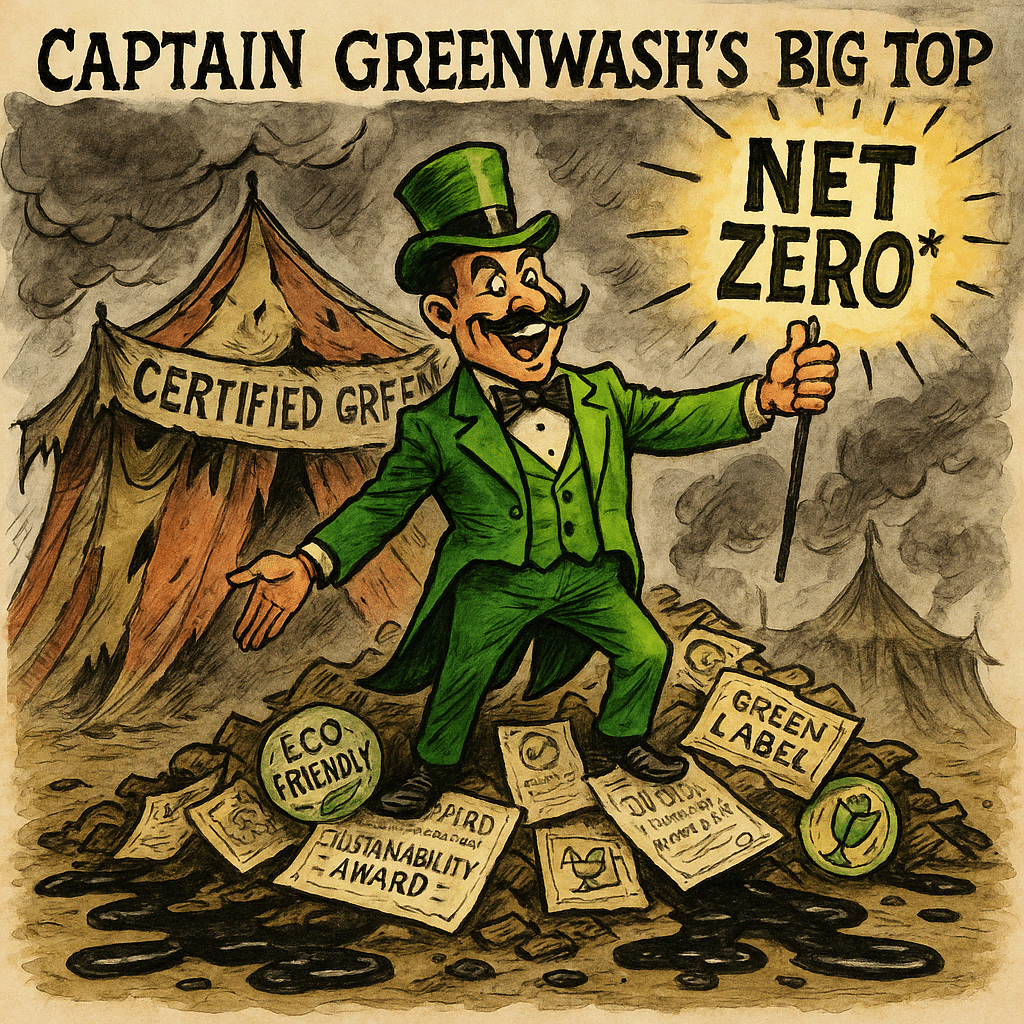
5 Antipattern Examples
- Treating CO₂ Reduction as a One-Time Project: Viewing it as a temporary initiative instead of a continuous effort leads to short-lived impact and missed long-term gains.
- Focusing Only on Internal Emissions: Ignoring Scope 3 (value chain) emissions gives a false sense of progress and overlooks the largest sources of impact.
- Assuming Offsets Are a Complete Solution: Relying heavily on carbon offsets without reducing actual emissions delays meaningful action and risks greenwashing.
- Isolated Sustainability Teams: Assigning CO₂ efforts only to sustainability departments prevents organization-wide ownership and integration.
- Technology-Only Fixation: Believing that tech alone will solve the problem overlooks the need for behavioral, cultural, and process change.
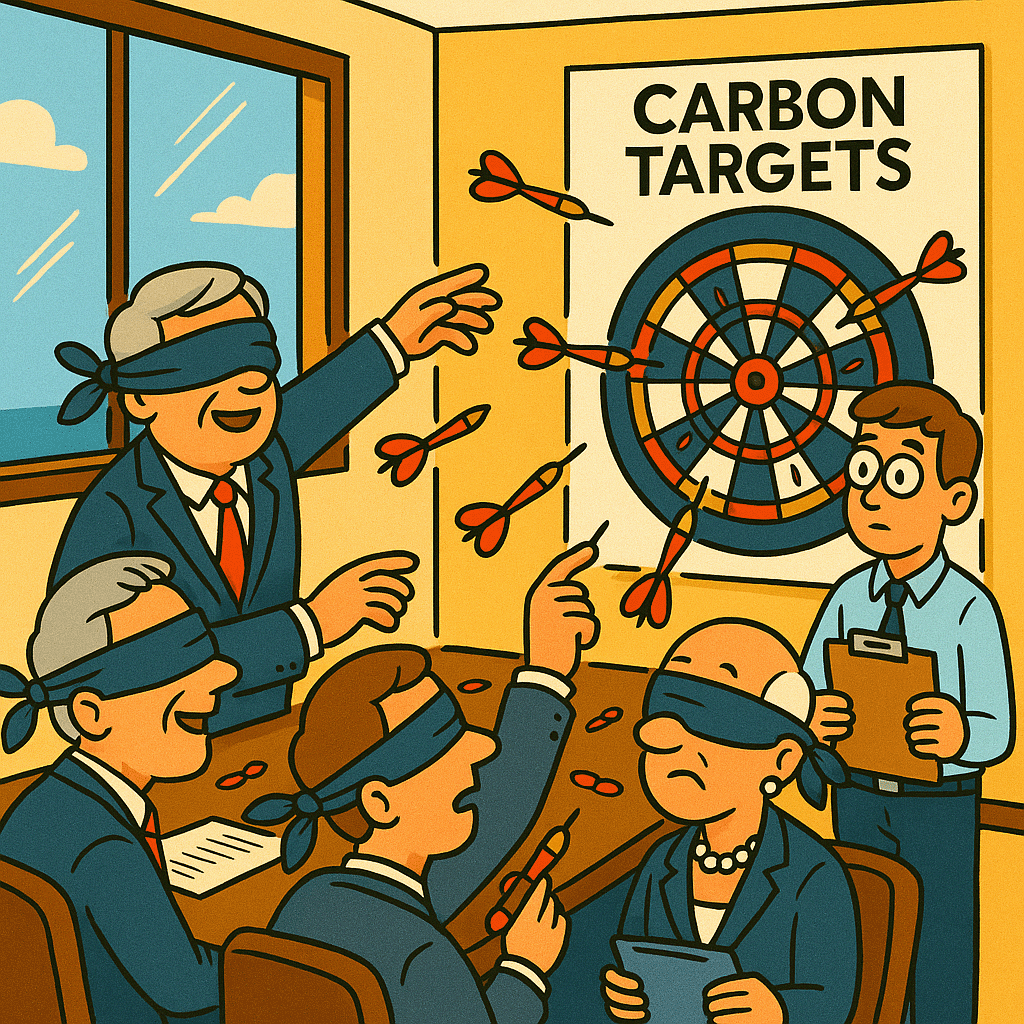
5 Worst Practice Examples
- No Baseline Carbon Footprint Calculation: Failing to measure current emissions makes it impossible to track progress or set credible reduction targets.
- Lack of Standardization: Using inconsistent methods and tools across teams causes inefficiency, miscommunication, and data unreliability.
- Neglecting Employee Engagement: Ignoring staff education and involvement leads to resistance, misunderstandings, and missed innovation opportunities.
- Overlooking Reporting and Verification: Avoiding proper MRV (Monitoring, Reporting, Verification) undermines transparency and credibility with stakeholders.
- Delaying Action Until Regulations Demand It: Waiting for mandates results in rushed compliance, higher costs, and lost chances for leadership and innovation.
Lessons Learned
Learning from the Outperformers: Lessons Learned
Top-performing organizations in CO2 reduction share one thing in common: they treat sustainability as a strategic priority, not a compliance task. These leaders embed environmental thinking into every level of the business and continuously learn from their own efforts and those of others. By examining what works—through best practices—and what sets leaders apart—through leading practices—others can accelerate their own transformation. These insights come from real-world experience and validated results.
Learning from outperformers helps avoid trial-and-error, provides a benchmark for excellence, and builds internal capability more rapidly. Lessons learned from outperformers serve as a guidebook for organizations aiming to scale their CO2 reduction efforts. Whether you are just starting or refining an existing program, these insights can fast-track success, build internal competence, and inspire a culture of innovation and accountability.
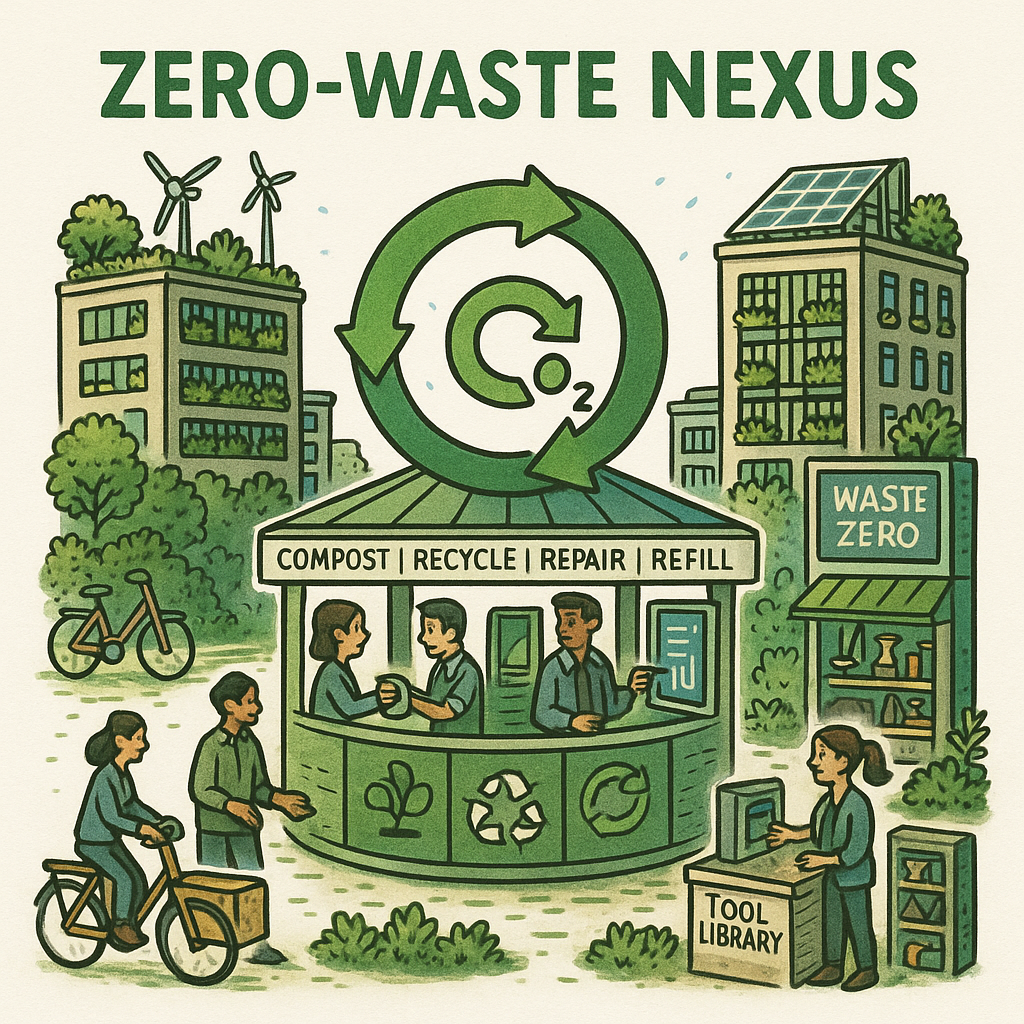
5 Best Practice Examples
- Measure Before You Manage: Accurately calculating your carbon footprint (CCF) is essential for identifying hotspots and designing effective reduction strategies.
- Set Science-Based Targets: Define reduction goals aligned with climate science and global agreements (e.g., 1.5°C pathway or SBTi guidelines).
- Engage Stakeholders Across the Value Chain: Collaborate with suppliers, partners, and customers to address Scope 3 emissions and create systemic impact.
- Continuously Monitor and Report Emissions: Use GHG Protocol and other standards to ensure transparency, track progress, and improve decision-making.
- Empower Employees with Training and Ownership: Involving staff builds a culture of sustainability and unleashes grassroots innovation.
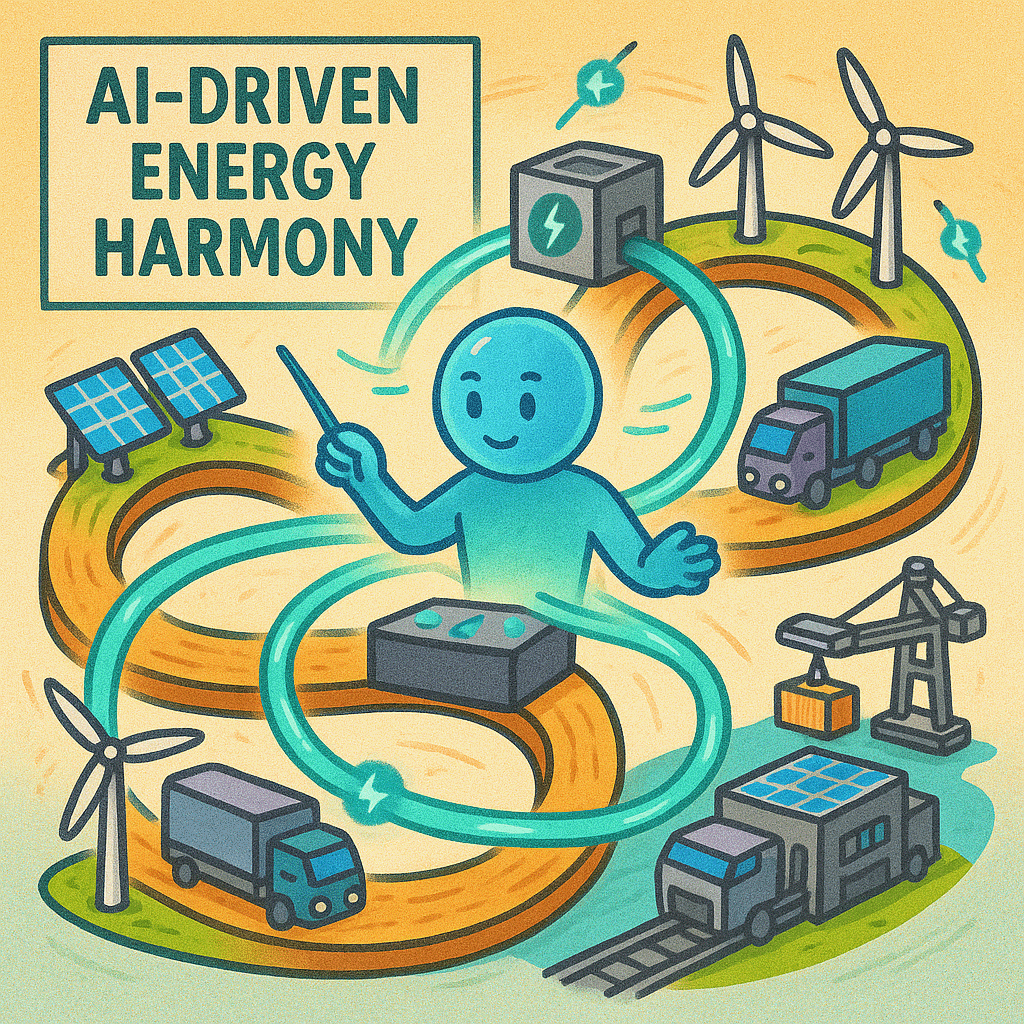
5 Leading Practice Examples
- Implement a Carbon Reduction Lifecycle Framework: Use the phases of Understand, Innovate, Transform, and Continuously Improve to embed reduction throughout the organization.
- Standardize CO₂ Reduction Methods Across Units: Establish shared templates, tools, and KPIs to ensure consistency, speed up execution, and scale best practices globally.
- Integrate CO₂ Goals into Core Strategy and Governance: Make carbon targets part of strategic planning, executive KPIs, and portfolio management systems.
- Design Products and Services for Circularity: Incorporate reuse, recyclability, and low-carbon materials into R&D and product design from the start.
- Use Digital Twins and Green IT: Leverage digital modeling and sustainable IT infrastructure to simulate and optimize energy and emissions outcomes before physical execution.
Most Common Artefacts
The Most Common Artefacts
Artefacts play a critical role in translating sustainability strategies into actionable plans. Among the various tools and templates used in CO2 reduction programs, one stands out due to its versatility and strategic importance: the Carbon Reduction Strategy Map. This artefact acts as a visual blueprint that aligns sustainability goals with operational initiatives, stakeholder roles, and performance metrics.
It connects high-level climate commitments with tactical actions, making it easier for teams to stay aligned, focused, and accountable. The Carbon Reduction Strategy Map is not only useful during the planning phase—it also supports ongoing reviews, adjustments, and communication.
| Artefact | Description | How it Can Be Used for Sustainability Innovation |
|---|---|---|
| Carbon Reduction Strategy Map | A visual tool to align CO₂ reduction goals with operational actions, stakeholders, and performance metrics. | Helps translate strategy into actionable initiatives and ensures organization-wide alignment. |
| Requirements Map | Identifies and documents the specific needs and conditions necessary for successful CO₂ reduction. | Facilitates clarity in planning and ensures that innovation efforts meet climate-related criteria. |
| Stakeholder Map | Highlights all relevant stakeholders involved in or impacted by CO₂ reduction initiatives. | Enables targeted engagement and collaboration, ensuring comprehensive support and shared accountability. |
| Role Map | Details roles and responsibilities related to CO₂ reduction within and beyond the organization. | Enhances coordination and accountability in sustainability innovation efforts. |
| Process Map | Illustrates the operational processes that generate emissions and the opportunities to reduce them. | Identifies inefficiencies and supports the redesign of processes to integrate low-carbon alternatives. |
| Carbon Reduction Lifecycle | A phased lifecycle model consisting of Understand, Innovate, Transform, and Continuously Improve stages. | Provides a structured, long-term approach for embedding sustainability across the business lifecycle. |
Overview of the most common artefacts used with CO₂ Reduction.
The Carbon Reduction Strategy Map empowers teams to manage CO2 initiatives holistically. As the most common artefact in sustainability transformation projects, it provides the clarity, structure, and integration needed to turn climate goals into real-world impact and innovation. Artefacts provide the structure and clarity needed to turn sustainability insights into action.
By using the right tools—from strategy canvases to stakeholder maps—organizations can better understand trends, measure impact, and design innovative solutions. These artefacts are not just documentation—they’re enablers of strategic thinking, collaboration, and continuous sustainability innovation.
Conclusion
CO₂ reduction is no longer optional—it is an urgent responsibility for every organization, industry, and individual committed to a livable, sustainable future. As we've explored throughout this guide, reducing emissions requires a multi-faceted, strategic, and standardized approach supported by accurate measurement, clear governance, actionable frameworks, and committed leadership. The journey spans from foundational awareness to best-in-class execution and innovation.
By avoiding common pitfalls and learning from leading practices, organizations can take meaningful action that not only meets compliance and ESG demands but drives value creation, cost savings, and stakeholder trust. With the tools, insights, and frameworks now available, any organization can get started, accelerate progress, and become a leader in the global transition toward a low-carbon economy. The time for action is now—and the path forward is clear.