

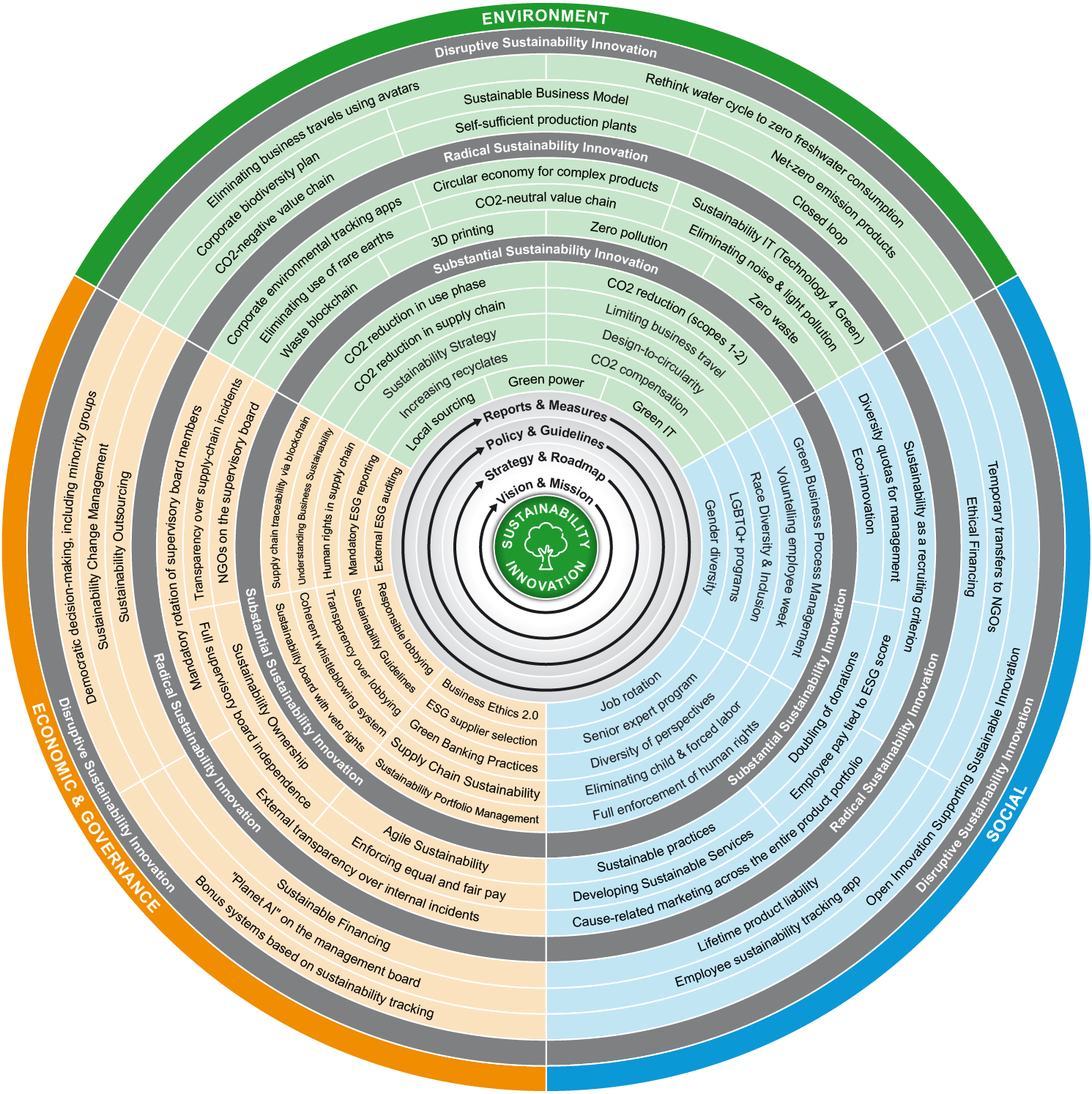
What is Sustainable Practices?
Sustainable Practices are the structured and deliberate ways organizations, communities, and individuals incorporate sustainability into everything they do. They are not simply one-off environmental projects or compliance measures; instead, they represent a holistic approach that unites environmental protection, social responsibility, and economic viability into a coherent system of action. Rooted in the evolution of Environmental, Social, and Governance (ESG) thinking, Sustainable Practices have grown into a strategic discipline that influences how companies operate, innovate, and relate to their stakeholders.
At their essence, Sustainable Practices are about finding balance—meeting the needs of the present without compromising the ability of future generations to meet theirs. They address critical issues such as climate change, biodiversity loss, fair labor, responsible governance, and long-term resilience. By embedding these practices into strategy, culture, and everyday decisions, organizations create value that goes beyond profits, benefiting employees, customers, communities, and the planet. Sustainable Practices are therefore not optional add-ons; they are central to shaping organizations that are credible, competitive, and future-ready in an increasingly complex world.
Main Components
The 8 Main Components of Sustainable Practices
Sustainable Practices can be understood as a framework built on eight core components. Each component addresses a specific dimension of sustainability, yet together they form a holistic and interconnected structure that ensures long-term impact. These components provide clarity and direction, enabling organizations to focus their efforts systematically instead of in fragmented ways.
By approaching sustainability through these pillars, businesses, governments, and communities can align strategies, allocate resources effectively, and avoid the common pitfalls of isolated initiatives. They also serve as benchmarks for assessing progress and setting new ambitions. The following eight components represent the essential building blocks that allow Sustainable Practices to move from abstract ideals into concrete, measurable, and actionable results.
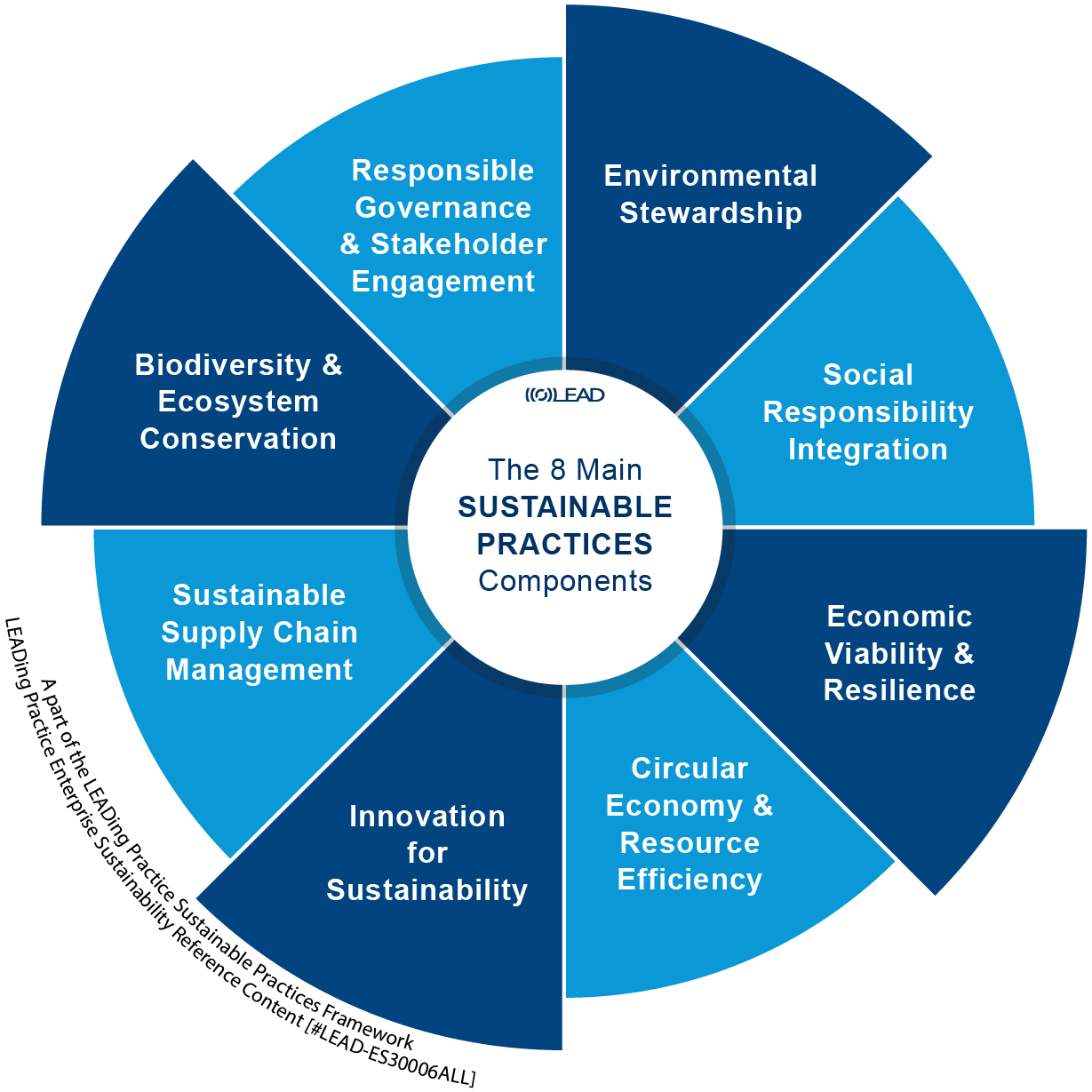
Below are the eight main components of Sustainable Practices, reflecting both structural patterns and actionable insights for organizations:
The eight components of Sustainable Practices provide the scaffolding needed to create systemic impact. By addressing environmental, social, and economic dimensions together, they transform sustainability from a fragmented effort into an integrated organizational strategy. Each component is critical on its own, but their real strength lies in their interdependence: stewardship supports resilience, innovation fuels efficiency, and governance builds trust.
Organizations that embed these eight components move beyond compliance to create measurable, meaningful change. Together, they form a comprehensive roadmap for shaping organizations that are prepared for the challenges of today and the uncertainties of tomorrow.
Why This Is Relevant
Why is Sustainable Practices so Relevant?
Sustainable Practices have become essential because organizations today face climate change, resource scarcity, social inequality, and rising stakeholder expectations. These pressures transform sustainability from a voluntary choice into a strategic necessity. Environmentally, businesses are under growing scrutiny to cut emissions, protect ecosystems, and adopt circular economy models. Failure to act risks regulatory fines, reputational harm, and declining market competitiveness. Socially, sustainability builds fairness and trust. Employees increasingly seek purpose in their work, while consumers prefer responsible brands. Companies that integrate ethics, diversity, and community engagement attract talent, strengthen loyalty, and maintain credibility.
Economically, sustainable practices fuel resilience and innovation. By rethinking supply chains, reducing waste, and adopting clean technologies, organizations cut costs, unlock efficiencies, and future-proof operations. Ultimately, Sustainable Practices are relevant because they balance environmental protection, social responsibility, and economic viability. Organizations that embrace them position themselves as adaptive, credible, and competitive leaders—ready for today’s challenges and tomorrow’s opportunities.
Business/Value Case
The Business/Value Case for Sustainable Practices
Sustainable Practices are not only ethical choices but also powerful business enablers. Organizations that integrate sustainability unlock tangible benefits that strengthen competitiveness, resilience, and long-term value creation. These benefits span financial performance, operational efficiency, reputation, and stakeholder trust. Importantly, they are not limited to leadership teams—employees, investors, customers, communities, and regulators all gain from sustainability done right.
By embedding these practices into strategy and operations, organizations avoid risks such as greenwashing, regulatory non-compliance, or reputational damage, while unlocking opportunities for innovation and growth. The following ten benefits highlight the diverse advantages that Sustainable Practices deliver and the stakeholders who directly benefit from them.

Below are ten key benefits that highlight why this approach is essential for modern organizations:
The business case for Sustainable Practices is clear: they lower costs, reduce risks, attract investment, and strengthen relationships with employees, customers, and communities. Far from being an expense, sustainability becomes a growth enabler and a shield against volatility. Each benefit is amplified by stakeholder involvement—whether it’s investors demanding transparency, employees seeking purpose, or consumers choosing responsibly.
By treating sustainability as a value driver, organizations unlock resilience, competitiveness, and credibility. This positions them not only to survive but to thrive in an environment where economic, social, and ecological performance are inseparable.
How-To-Guide
How-To-Guide: The Sustainable Practices Framework
The Sustainable Practices Framework provides organizations with a structured pathway for embedding sustainability into strategy, culture, and day-to-day operations. It ensures that sustainability initiatives are not ad hoc projects but interconnected actions tied to long-term goals. By following a sequence of ten steps, organizations can move systematically from assessment to execution, ensuring that progress is measurable, transparent, and inclusive.
The framework also incorporates the business case for sustainability, reinforcing the value of a structured approach that creates alignment across leadership, operations, and employees. By defining who does what, when, and how, the framework reduces confusion, accelerates implementation, and builds accountability. For all involved roles, it creates clarity and shared ownership, making sustainability a practical reality instead of a distant aspiration.
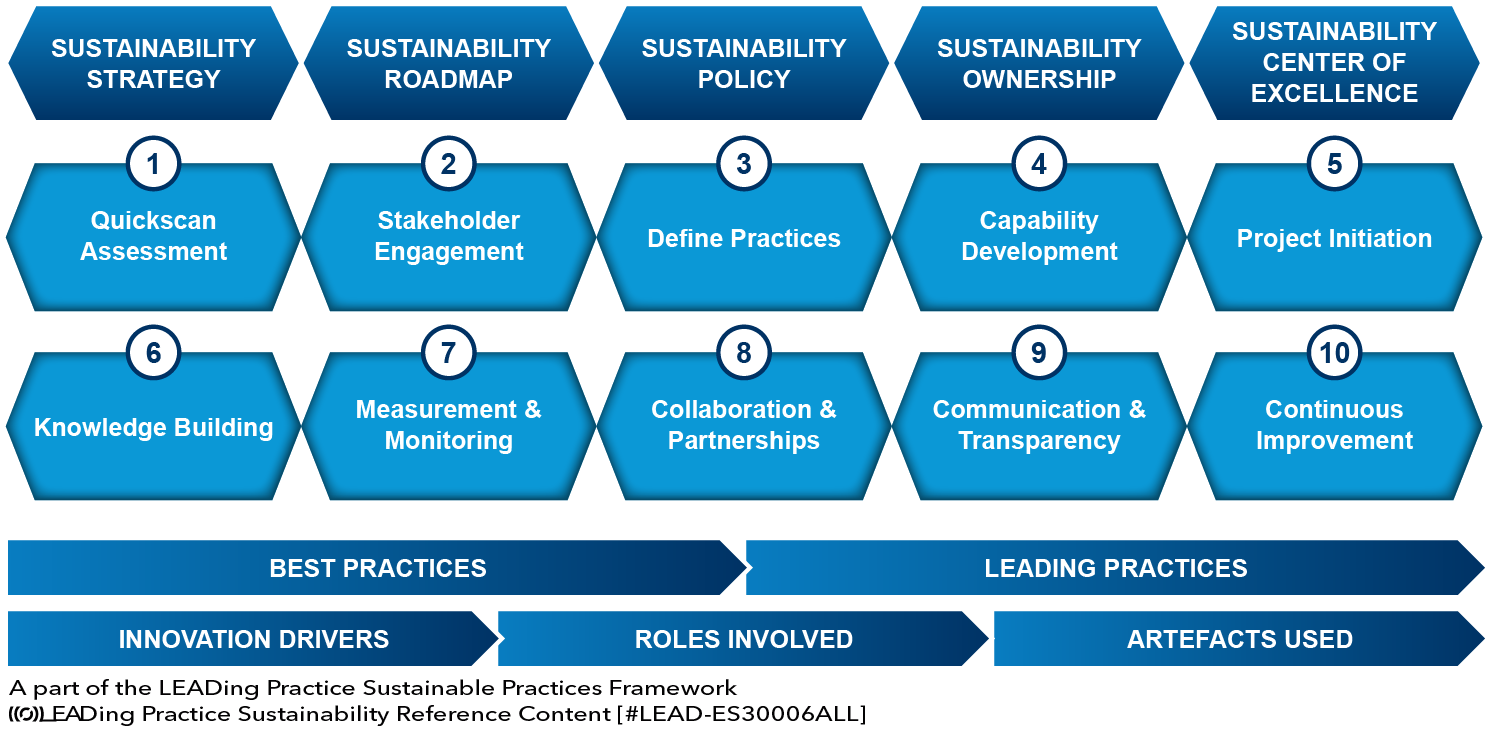
The 10-Step Way Forward:
The Sustainable Practices Framework offers organizations a practical, step-by-step path to embed sustainability in a systematic way. It reduces ambiguity, ensures all roles know their responsibilities, and makes progress measurable. By combining strategic clarity with operational execution, the framework helps organizations avoid common pitfalls while maximizing stakeholder trust and impact.
Its structured nature ensures sustainability is not a side initiative but a core driver of business resilience and innovation. Equipped with this roadmap, organizations can begin their sustainability journey confidently, turning ambition into action and securing long-term relevance in a changing world.
Contact Us
Wanna learn more ? Want to improve your company ?
Projects that require our help ?
Don't waste more time, contact us !
Most Common Pitfalls
The Most Common Pitfalls and Challenges
Implementing Sustainable Practices is rarely straightforward. Many organizations begin with strong ambitions but encounter recurring pitfalls that undermine progress. These pitfalls often appear in two forms: antipatterns, which are misguided approaches repeated across organizations, and worst practices, which are proven failures that consistently derail sustainability initiatives.
Recognizing these challenges is critical to avoid wasting resources, damaging credibility, or slowing progress. By identifying them early, organizations can take proactive steps, ensuring sustainability efforts remain authentic, measurable, and impactful. The following list highlights the most common antipatterns and worst practices to avoid when building sustainable practices.
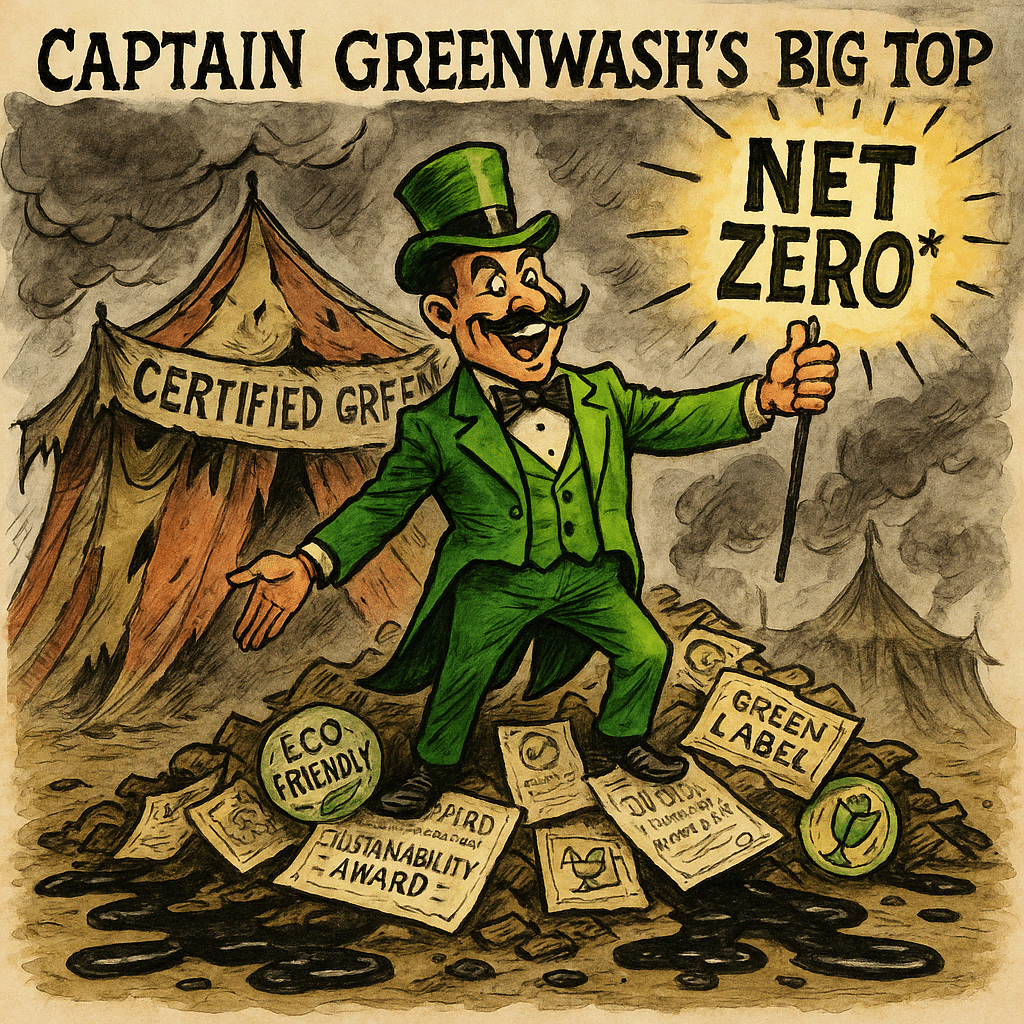
5 Antipattern Examples
- Greenwashing in Supply Chains: Highlighting eco-friendly suppliers while ignoring social or ethical issues creates false impressions and undermines credibility.
- Lack of Stakeholder Engagement: Ignoring employee, customer, or community input weakens adoption and risks missing critical insights for sustainability success.
- Insufficient Measurement: Failing to track progress leaves organizations blind to actual impact, making sustainability claims unsubstantiated.
- Failure to Adapt Standards: Ignoring evolving sustainability frameworks or regulations results in outdated practices and reputational risk.
- Inadequate Training: Without employee awareness and skills, sustainability efforts remain superficial and disconnected from daily work.

5 Worst Practice Examples
- Greenwashing: Highlighting eco-friendly suppliers while ignoring social or ethical issues creates false impressions and undermines credibility.
- Short-Term Focus: Prioritizing immediate profits over long-term sustainability undermines resilience and competitiveness.
- Isolated Sustainability Teams: Treating sustainability as a side function, not integrated into core strategy, reduces impact.
- Overreliance on Technology: Believing tech alone solves sustainability challenges ignores cultural and behavioral dimensions.
- Ignoring Social Impact: Focusing only on the environment while neglecting communities perpetuates inequities and weakens overall sustainability goals.
Lessons Learned
Learning from the Outperformers: Lessons Learned
Organizations that excel in sustainability—outperformers—provide invaluable lessons for others. Their successes demonstrate that Sustainable Practices are not just theoretical ideals but achievable strategies with measurable impact. Outperformers distinguish themselves by embedding sustainability deeply into strategy, culture, and operations. They balance environmental, social, and economic goals, proving that these can reinforce, rather than compete with, profitability.
Their journeys also show the importance of leadership commitment, stakeholder collaboration, and constant innovation. By studying what works, others can avoid missteps and accelerate their own progress. The following best and leading practices capture insights from sustainability outperformers worldwide.
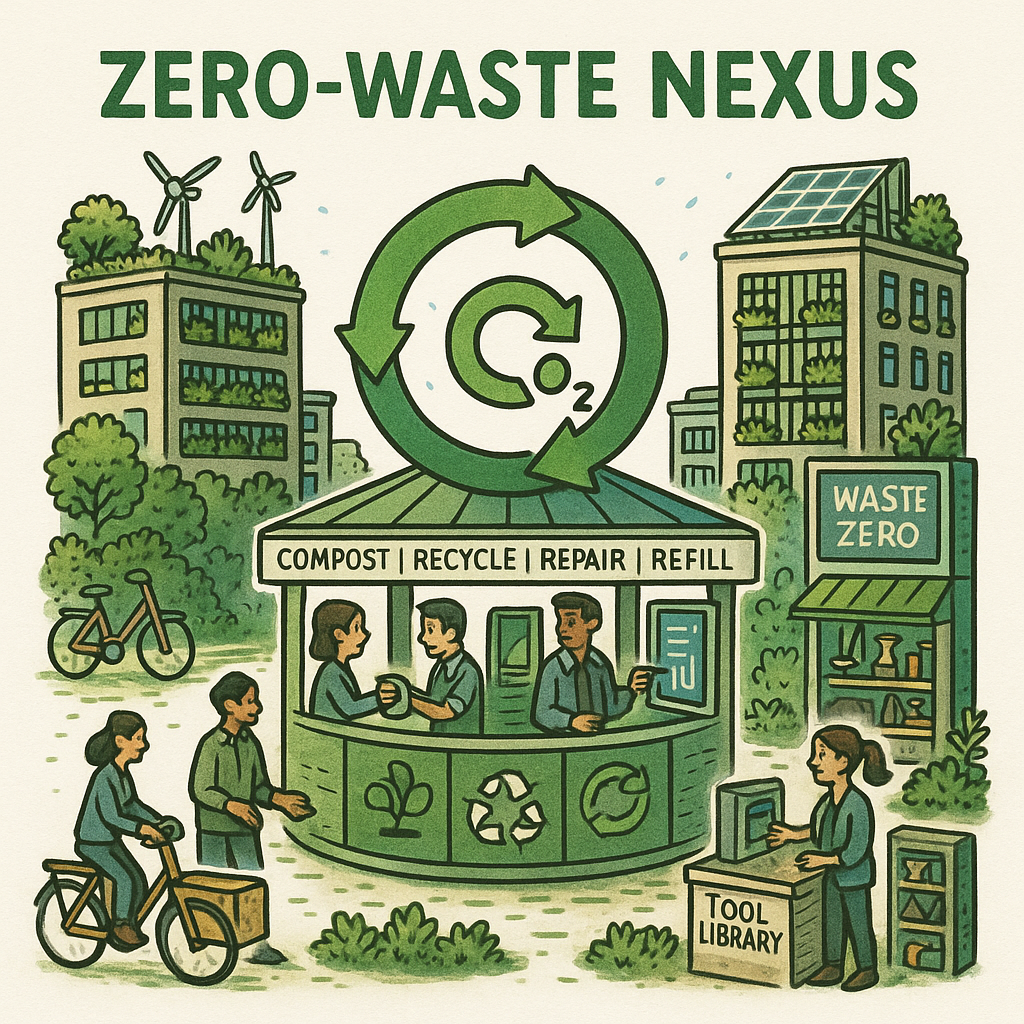
5 Best Practice Examples
- Strategic Alignment: Integrating sustainability with organizational goals ensures environmental and social priorities guide core business decisions.
- Leadership Commitment: Visible, sustained executive support builds a culture where sustainability is shared by all employees.
- Continuous Monitoring: Tracking impact with KPIs ensures progress is measured, gaps identified, and improvements made regularly.
- Transparent Reporting: Open communication through sustainability reports strengthens trust with investors, employees, and communities.
- Circular Economy Implementation: Designing products and processes for reuse and recycling reduces waste and increases efficiency.
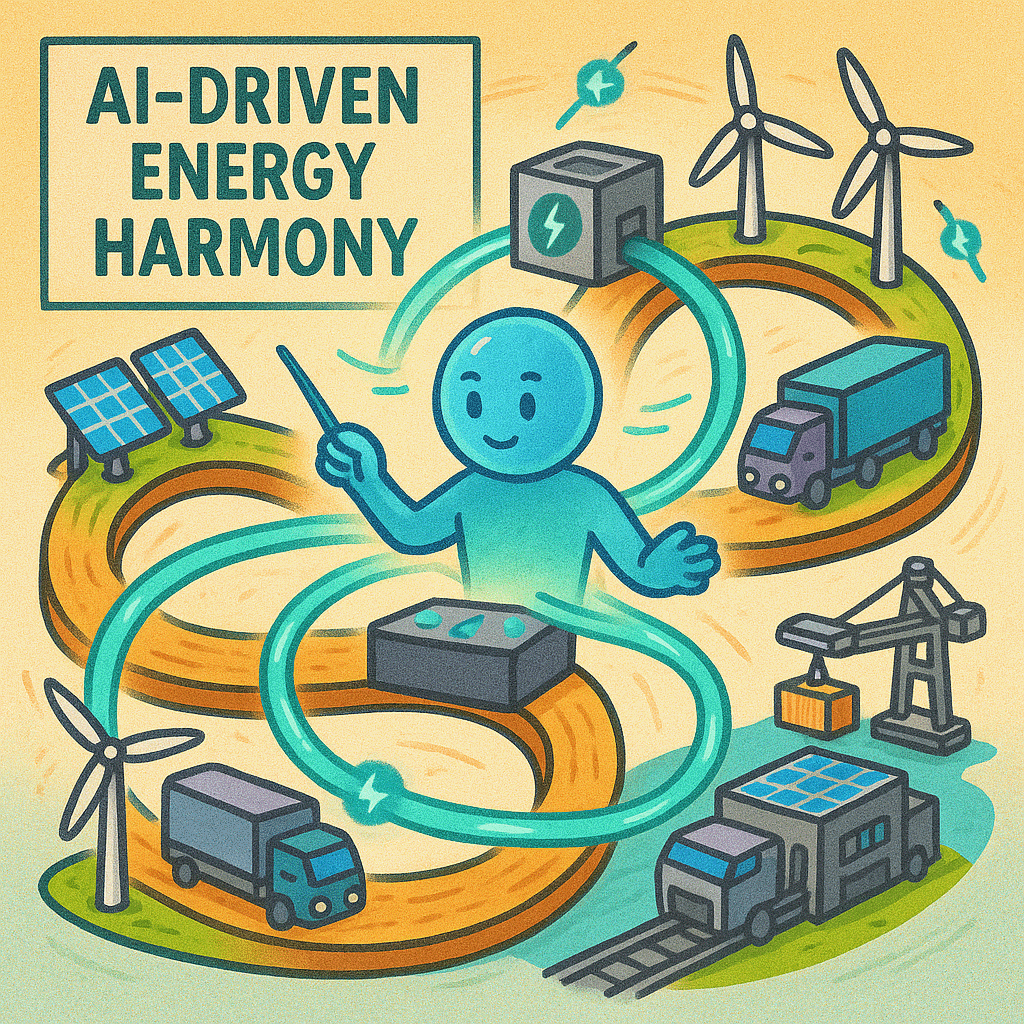
5 Leading Practice Examples
- Climate Resilience Planning: Outperformers anticipate climate risks and implement adaptation strategies to ensure business continuity under changing conditions.
- Stakeholder Collaboration: Leading organizations actively co-create solutions with customers, suppliers, governments, and NGOs, amplifying sustainability impact.
- Ecosystem Partnerships: Working across industries and sectors, outperformers join forces in multi-stakeholder alliances to drive systemic sustainability change.
- Lifecycle Assessment & Sustainable Procurement: Evaluating environmental impact across product lifecycles allows procurement teams to select sustainable suppliers and materials.
- Scenario Analysis & Risk Management: Testing strategies against multiple future scenarios prepares organizations for uncertainty and builds resilience.
Most Common Artefacts
The Most Common Artefacts
Sustainable Practices are supported by tangible artifacts—documents, tools, and resources that make sustainability visible, measurable, and actionable. These artifacts act as anchors for strategy, providing clarity and direction while enabling innovation. They bridge the gap between vision and execution by documenting commitments, tracking performance, and demonstrating progress.
Organizations that actively use and evolve these artifacts are better positioned to embed sustainability across their operations and innovate responsibly. The following examples highlight the most common sustainability artifacts and explain how they can be leveraged to drive sustainability innovation and long-term impact.
| Artefact | Description | How it Can Be Used for Sustainability Innovation |
|---|---|---|
| Sustainability Policy Document | A formal document outlining the organization's commitment to sustainability, including goals, objectives, and strategies. | Utilize the policy as a foundation for disruptive innovation, aligning goals with emerging sustainability trends and driving continuous improvement through evolving strategies. |
| Green Building Certifications | Certificates like LEED or BREEAM for environmentally friendly building design and construction. | Leverage certifications as a baseline for disruptive building innovations, exploring cutting-edge technologies, materials, and design principles to redefine sustainable construction standards. |
| Sustainability Reports | Comprehensive reports detailing an organization's environmental, social, and economic performance. | Use reports as a roadmap for disruptive innovation, identifying areas for improvement, setting ambitious targets, and communicating progress transparently to stakeholders. |
| Renewable Energy Installations | Visible solar panels, wind turbines, or other renewable energy sources on-site demonstrating a commitment to clean energy. | Harness renewable installations as showcases for disruptive energy solutions, exploring advanced technologies and scalable models that push the boundaries of sustainable energy practices. |
| Recycling Bins and Programs | Clearly marked recycling bins and programs for proper waste segregation and recycling within the organization. | Implement innovative recycling programs, utilizing emerging technologies and circular economy principles to transform waste management and drive disruptive practices in recycling. |
| Energy-Efficient Lighting | Implementation of energy-efficient lighting systems, such as LED lights, to reduce energy consumption. | Drive disruptive changes in lighting technology, experimenting with smart lighting, sensor-based systems, and biophilic design to create sustainable and energy-efficient illuminated environments. |
| Sustainable Procurement Policies | Guidelines for purchasing products and services that meet environmental and social sustainability criteria. | Infuse sustainability policies into procurement practices by exploring disruptive sourcing methods, supporting innovative eco-friendly products, and fostering partnerships with sustainable suppliers. |
| Bike Racks and Commuting Facilities | Facilities encouraging employees to use sustainable transportation, such as bike racks, showers, or electric vehicle charging stations. | Expand commuting facilities with a disruptive mindset, integrating smart transportation solutions, promoting shared mobility, and exploring unconventional approaches to sustainable commuting. |
| Employee Training Materials | Materials and resources provided to employees for training on sustainable practices and awareness. | Develop disruptive training materials, incorporating gamification, immersive experiences, and emerging technologies to enhance employee engagement and empower them as catalysts for sustainable innovation. |
| Environmental Impact Assessments | Studies evaluating the potential environmental effects of an organization's activities. | Leverage assessments as a tool for disruptive innovation, exploring alternative processes, technologies, and materials to mitigate environmental impacts and drive continuous improvement in sustainability practices. |
| Water Conservation Measures | Implementation of water-saving technologies, rainwater harvesting systems, or low-flow water fixtures. | Innovate water conservation with disruptive technologies, experimenting with decentralized water systems, smart irrigation, and advanced water purification methods to redefine sustainable water management. |
| Community Engagement Initiatives | Artifacts related to community outreach and engagement programs, showcasing the organization's commitment beyond its immediate operations. | Collaborate with communities using a disruptive approach, co-creating solutions that address local challenges, leveraging technology for community empowerment, and fostering resilient and sustainable neighbourhoods. |
| Carbon Footprint Calculators | Tools or calculators used to measure and manage the organization's carbon emissions, helping track progress in reducing its carbon footprint. | Incorporate advanced carbon footprint calculators to explore novel ways of reducing emissions and identify areas for disruptive innovations in carbon neutrality. |
| Sustainability Certifications | Recognized certifications like ISO 14001 or ISO 50001 attesting to an organization's commitment to sustainable practices. | Use certifications as a baseline for disruptive innovation, pushing beyond compliance to pioneer new standards and practices that align with emerging sustainability challenges and opportunities. |
| Green Labels and Logos | Use of eco-labels or sustainability logos on products, packaging, or marketing materials to indicate adherence to green standards. | Employ disruptive design thinking in incorporating green labels, exploring interactive and traceable labels, and communicating sustainability narratives that resonate with consumers and drive market transformation. |
| Sustainability Task Force Artifacts | Documents related to the formation and activities of a sustainability task force or committee within the organization. | Empower task forces to drive disruptive sustainability initiatives, encouraging cross-functional collaboration, exploring innovative projects, and catalyzing organizational change toward more ambitious sustainability goals. |
| Employee Recognition Programs | Programs and artifacts recognizing and rewarding employees for contributions to sustainability goals. | Align recognition programs with disruptive innovation by highlighting employees who bring forward groundbreaking sustainability ideas or contribute significantly to innovative projects. |
| Circular Economy Initiatives | Strategies and artifacts promoting a circular economy, such as reuse programs, product life extension, or closed-loop manufacturing. | Lead the way in circular economy practices by piloting disruptive initiatives such as product-as-a-service models, zero-waste packaging, and advanced recycling systems. |
| Supply Chain Sustainability Documents | Documentation outlining sustainable sourcing practices and ethical considerations within the supply chain. | Leverage supply chain documents as a starting point for transformative changes, exploring disruptive practices that go beyond compliance and drive positive impact throughout the supply chain. |
| Environmental Signage | Visual cues and signs within the organization promoting sustainability practices and guiding employees and visitors. | Utilize environmental signage for disruptive storytelling, incorporating augmented reality, interactive displays, and innovative messaging to educate and inspire stakeholders about sustainable practices. |
Overview of the most common artefacts used with Sustainability Practices.
Artifacts transform sustainability from strategy into practice. Policy documents provide intent, reports ensure transparency, and procurement policies drive accountability. Physical assets such as renewable installations and recycling programs demonstrate visible commitment, while tools like carbon calculators make progress measurable.
Beyond compliance, these artifacts are powerful levers for innovation, sparking new technologies, business models, and cultural shifts. Organizations that invest in developing and evolving their sustainability artifacts not only solidify their credibility but also create the conditions for disruptive and scalable sustainability innovation.
Conclusion
Sustainable Practices are no longer optional—they are a defining feature of how organizations secure relevance, resilience, and trust in today’s world. They represent a shift from fragmented initiatives toward an integrated framework that unites environmental stewardship, social responsibility, and economic viability. By embracing the eight core components, organizations create balance and clarity. By understanding the business case, they recognize that sustainability is not a cost but an enabler of efficiency, innovation, and growth. The framework outlined here provides a practical roadmap: assess current maturity, engage stakeholders, define practices, build capabilities, and continuously improve.
Along the way, organizations must avoid the pitfalls of greenwashing, short-termism, or siloed approaches, while learning from outperformers who demonstrate what is possible when sustainability becomes cultural and strategic. Artifacts such as policies, reports, and renewable energy assets turn ambitions into tangible results, while governance and partnerships ensure accountability and impact. The conclusion is clear: sustainable practices are not a trend but a necessity. They define the future of responsible organizations, economies, and societies. By embedding sustainability into their DNA, organizations contribute to lasting prosperity for themselves, their stakeholders, and the planet. The time to act is now.