

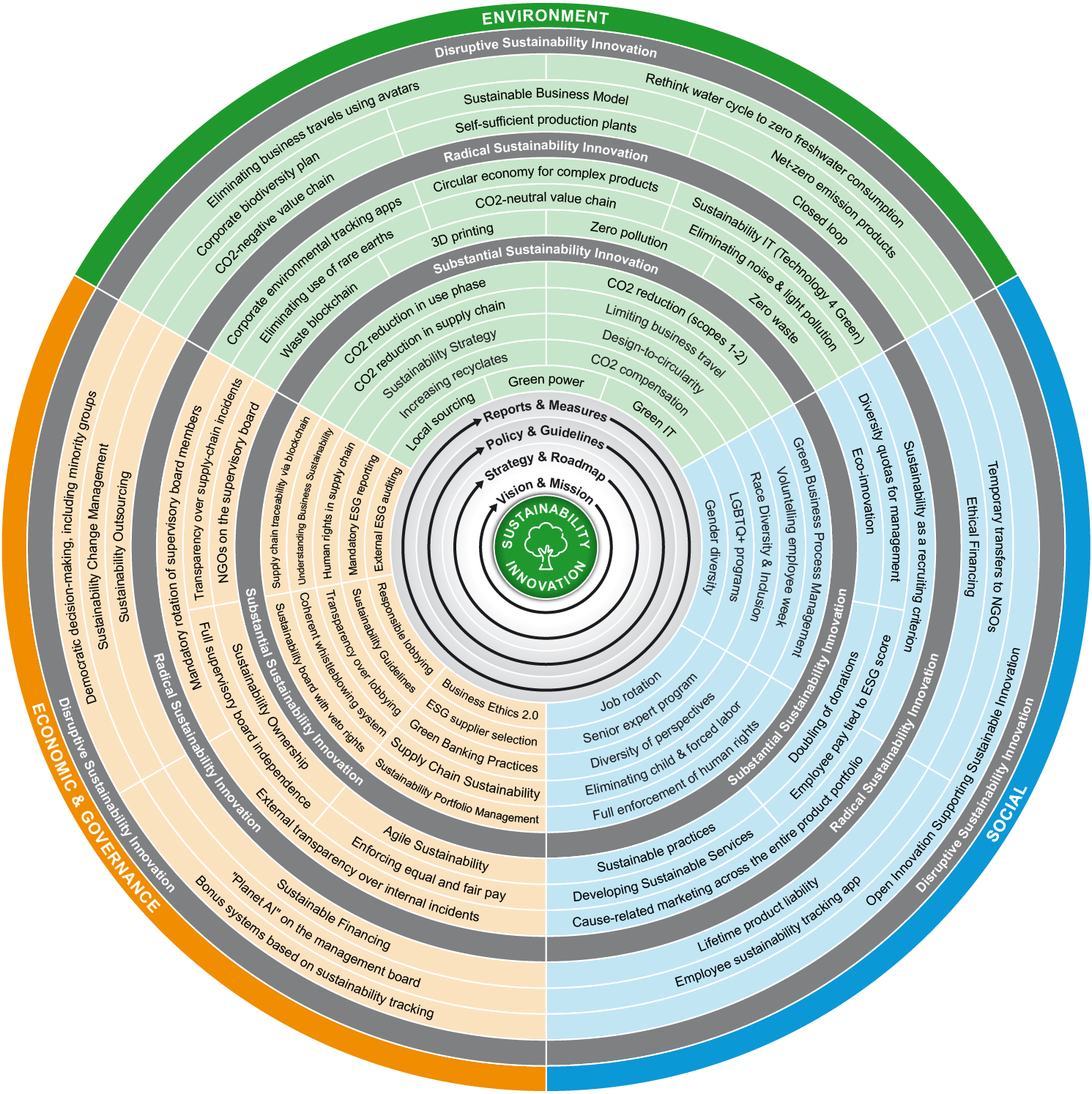
What is Ethical Financing?
Ethical financing is the practice of aligning financial decisions with ethical principles, sustainability goals, and social responsibility. Instead of focusing solely on profit, it integrates environmental, social, and governance (ESG) factors into investment, lending, and corporate finance. This approach seeks to generate financial returns while creating measurable positive impact on communities and ecosystems.
Ethical financing can take many forms, including sustainable investment portfolios, green bonds, microfinance initiatives, and transparent banking practices. At its core, it represents a shift from short-term financial gain to long-term value creation, accountability, and fairness. By weaving ethics into financial systems, organizations and individuals become agents of both economic prosperity and societal well-being.
Main Components
The 8 Main Components of Ethical Financing
Ethical financing provides a blueprint for embedding fairness, responsibility, and sustainability into financial systems. Rather than being a single activity, it is made up of interdependent components that together shape a responsible financial ecosystem. These components ensure that money is used not only to generate economic returns but also to foster environmental protection, social equity, and ethical governance.
From the way investments are selected to the way financial institutions engage with stakeholders, each component plays a role in aligning finance with sustainable development goals. Understanding these key components helps organizations and investors see the bigger picture of how ethical financing works in practice. The eight main components below represent the foundation of any serious approach to responsible financial management.
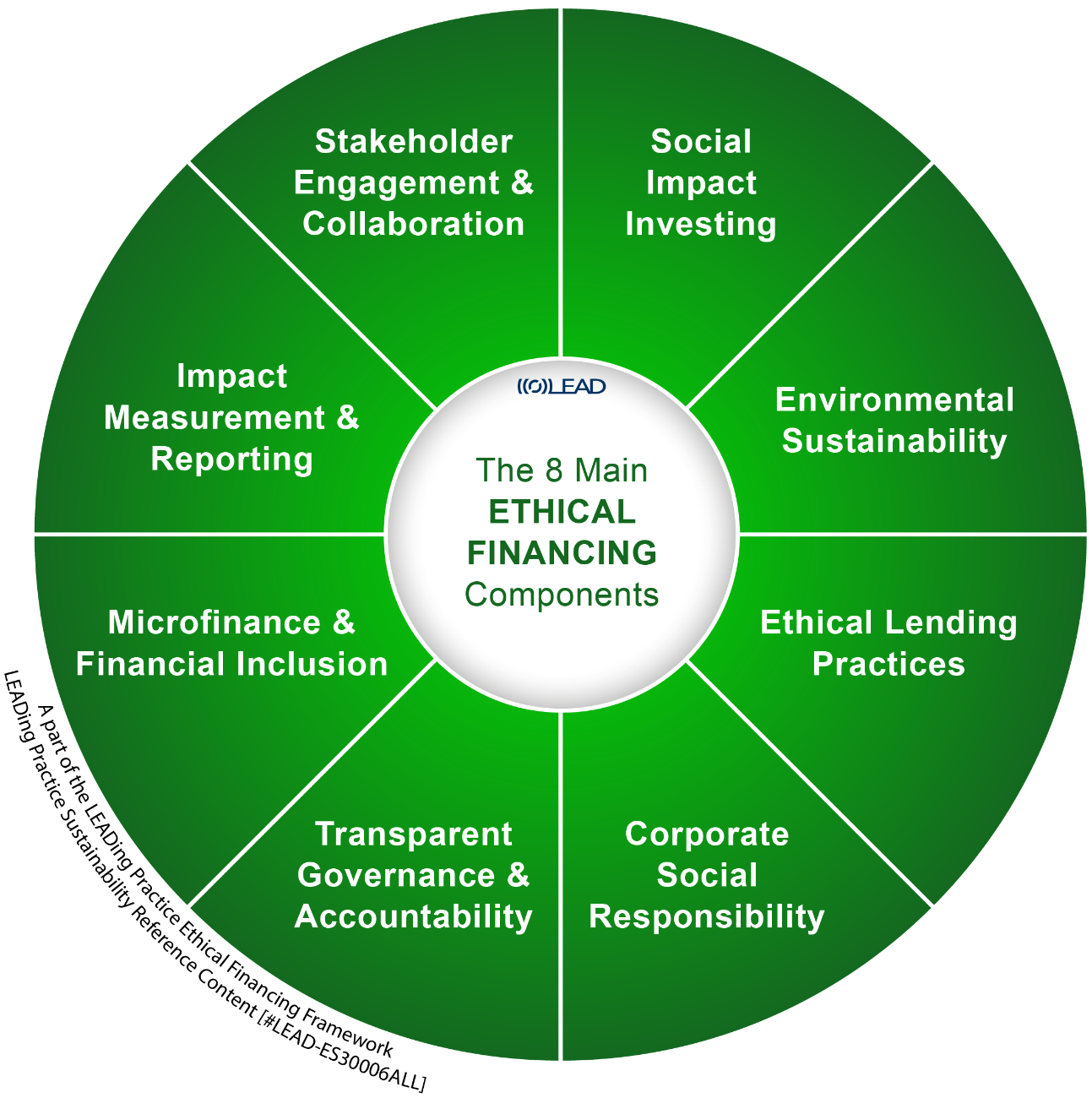
Below are the eight main components of Ethical Financing, reflecting both structural patterns and actionable insights for organizations:
Together, these eight components capture the essence of ethical financing. Each one highlights a specific area where financial systems can move beyond profit maximization to serve people and the planet. Social impact investing and microfinance tackle inclusion, while environmental sustainability and CSR drive ecological and social responsibility.
Transparent governance and impact measurement ensure accountability, and stakeholder collaboration creates collective momentum for change. By adopting all eight, organizations and investors can create a holistic, responsible approach to finance—one that is resilient, trusted, and aligned with sustainable development. Ethical financing becomes not only a tool for profit but also a force for positive transformation.
Why This Is Relevant
Why is Ethical Financing so Relevant?
In today’s interconnected economy, financial decisions directly influence the environment, communities, and global stability. Ethical financing is relevant because it addresses the growing demand for responsible investment, sustainable development, and transparency. As climate change, social inequalities, and governance scandals increasingly affect business continuity, organizations and investors are realizing that profitability and ethics must go hand in hand.
Ethical financing provides a framework to manage risks, strengthen reputation, and align with global sustainability standards such as ESG reporting and the UN Sustainable Development Goals. Its relevance lies not only in responding to regulatory pressure but also in proactively building trust, resilience, and long-term value creation. It is no longer an option; it is a necessity for businesses and societies.
Business/Value Case
The Business/Value Case for Ethical Financing
The case for ethical financing extends far beyond compliance or philanthropy. It is a powerful enabler of sustainable business growth, innovation, and resilience. By embedding ethical principles into financial decisions, organizations can unlock tangible and intangible benefits that strengthen their competitive position while serving society and the environment. Ethical financing reduces risks, fosters trust, and creates opportunities for new markets and investors who increasingly demand responsible practices.
Importantly, these benefits touch a wide range of stakeholders—from employees and communities to regulators, shareholders, and customers—making the business case inclusive and robust. The following ten benefits illustrate how ethical financing generates value at multiple levels and why it has become an indispensable strategy for long-term success.
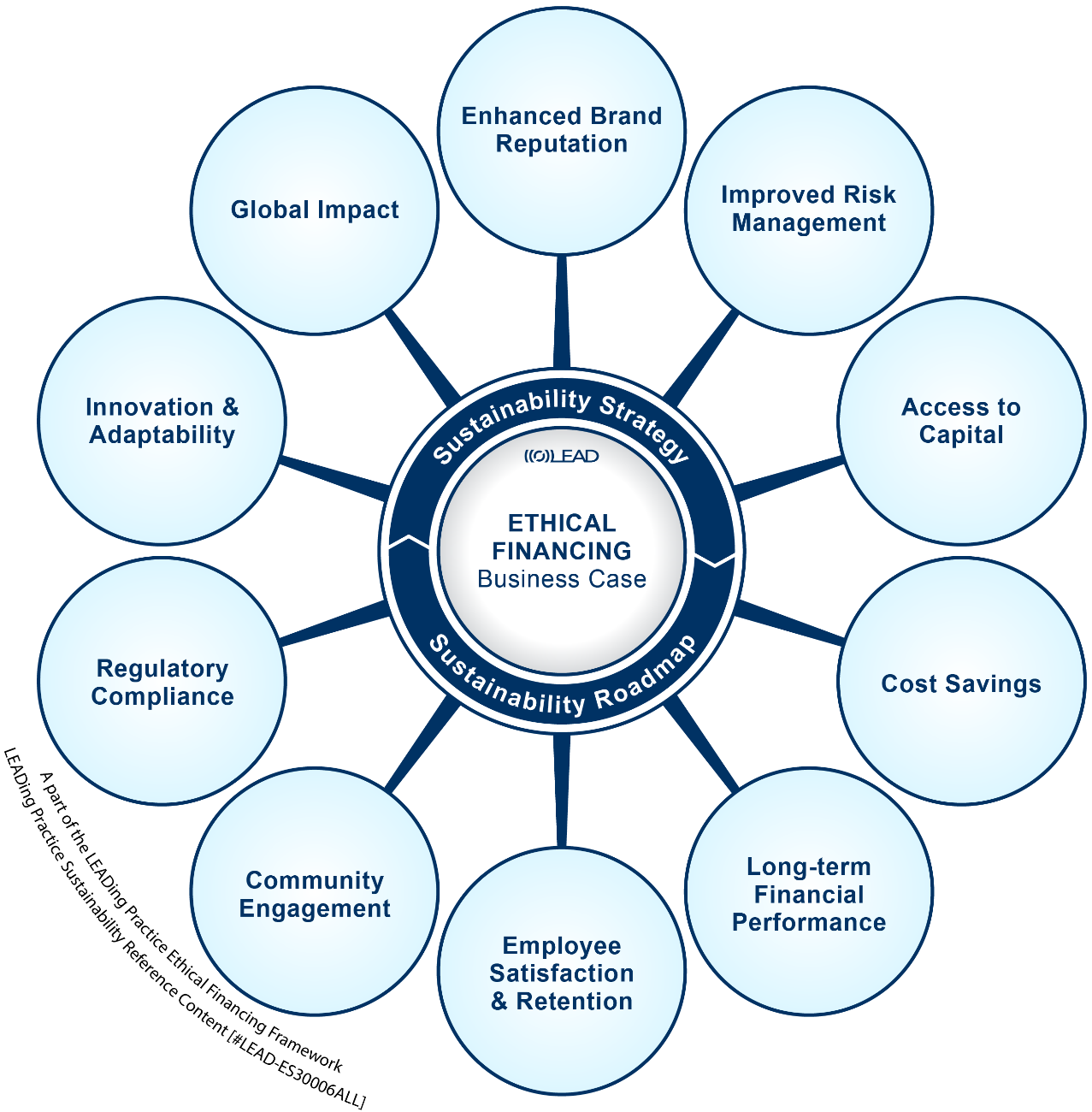
Below are ten key benefits that highlight why this approach is essential for modern organizations:
Ethical financing’s value proposition is clear: it creates lasting advantages that span risk management, profitability, reputation, and social impact. Organizations adopting this approach strengthen stakeholder trust, gain access to broader funding sources, and ensure compliance in a rapidly evolving regulatory landscape. Beyond financial metrics, ethical financing generates social and environmental benefits that align with global sustainability imperatives.
The combination of tangible returns and intangible goodwill makes it a compelling strategy for long-term resilience. For investors, employees, customers, and communities alike, ethical financing demonstrates that finance can be both a driver of profit and a catalyst for positive change.
How-To-Guide
How-To-Guide: The Ethical Financing Framework
Navigating the world of finance without clear guidance is like steering a ship without a compass—risky and directionless. The Ethical Financing Framework provides organizations with a structured, standardized approach to embed ethical principles into financial practices. It consists of ten steps that cover everything from defining values to measuring impact, ensuring clarity and accountability throughout the journey.
Importantly, the Ethical Financing Business Case is integrated into the framework, reinforcing why these steps matter both strategically and operationally. The value of such a framework lies in its ability to align diverse roles—executives, finance teams, compliance officers, and community stakeholders—around a common ethical vision. By adopting it, organizations create consistency, build trust, and accelerate progress toward sustainable, responsible growth.
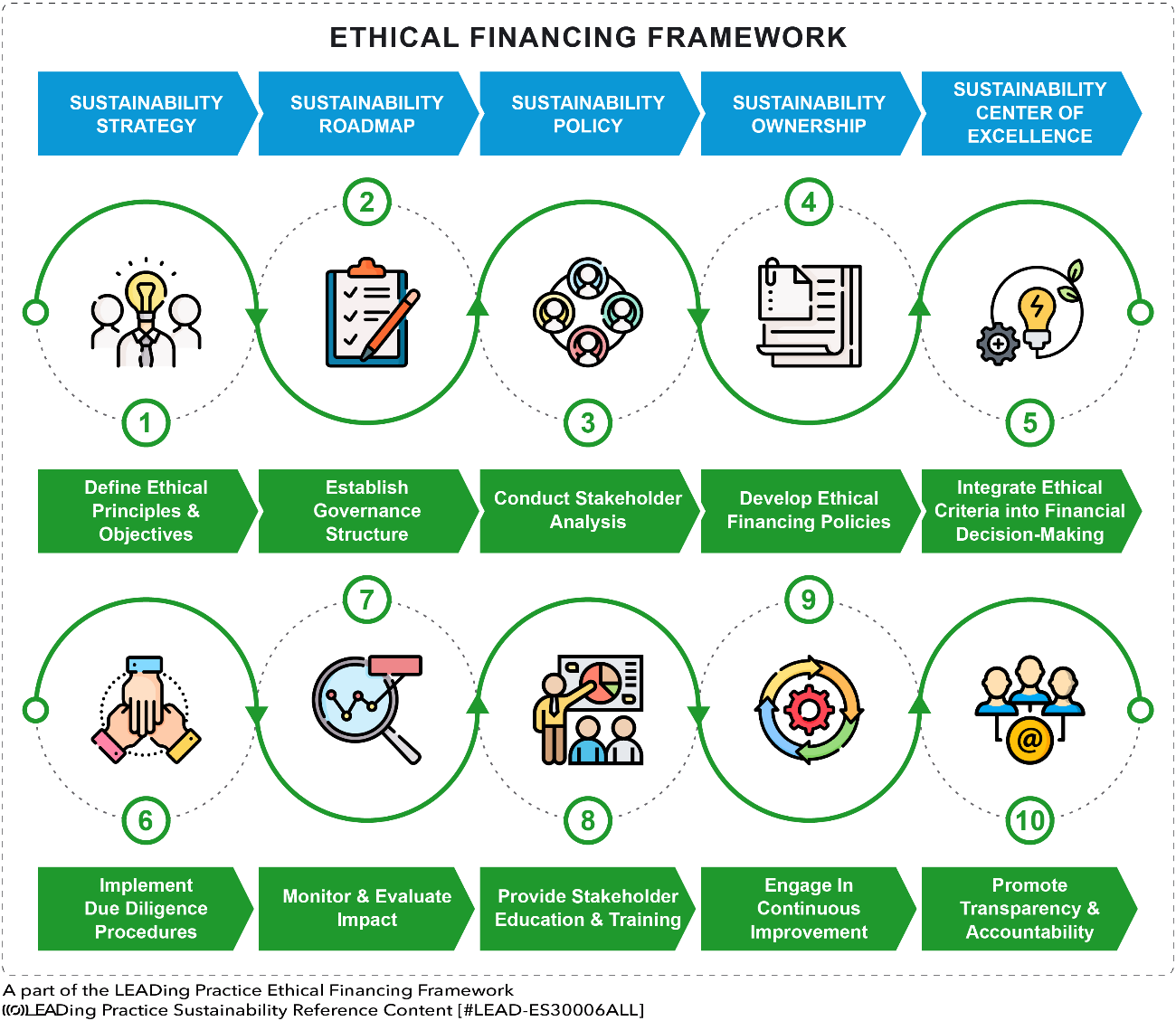
The 10-Step Way Forward:
The Ethical Financing Framework provides a clear roadmap for organizations seeking to integrate ethics into financial practices. By following the ten steps, companies create consistent processes, transparent governance, and accountable operations that serve financial, social, and environmental goals. Each step assigns clear roles and responsibilities, ensuring alignment across functions and stakeholders.
The framework accelerates adoption, builds trust, and reduces risks by providing practical tools for execution. Most importantly, it empowers organizations to move quickly and confidently from vision to action, making ethical financing not just a concept but a practical driver of sustainable growth and innovation.
Contact Us
Wanna learn more ? Want to improve your company ?
Projects that require our help ?
Don't waste more time, contact us !
Most Common Pitfalls
The Most Common Pitfalls and Challenges
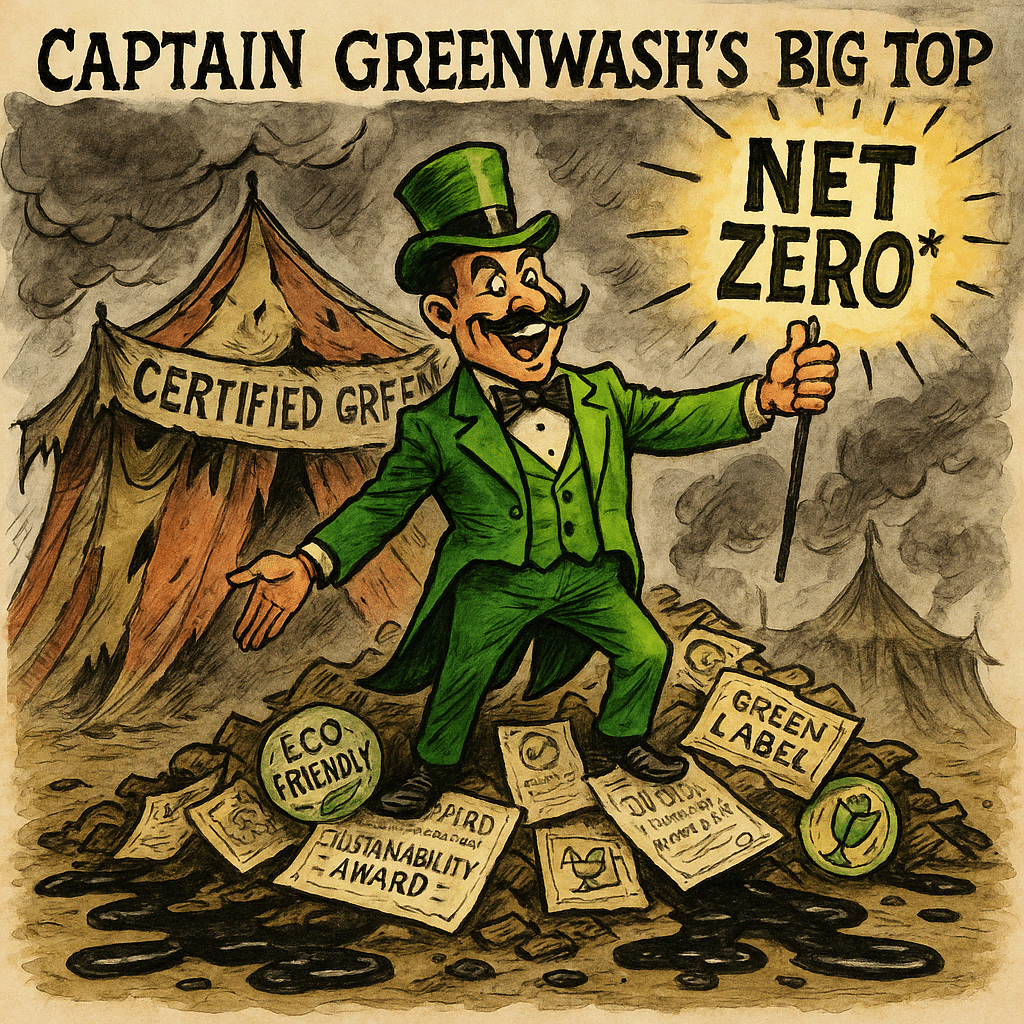
While ethical financing offers significant opportunities, organizations often encounter pitfalls that weaken its effectiveness. These challenges emerge when good intentions are overshadowed by poor execution, superficial commitments, or inconsistent practices. Recognizing common antipatterns and worst practices helps prevent missteps and ensures efforts deliver meaningful outcomes.
Antipatterns typically represent subtle behaviors or shortcuts that undermine progress, while worst practices reveal more damaging systemic failures. By identifying these issues early, organizations can strengthen governance, enhance credibility, and avoid costly reputational or financial consequences. Below are the five most common antipatterns and five worst practices in ethical financing.
5 Antipattern Examples
- Box-Ticking Approach: Adopting certifications without genuine change, organizations prioritize compliance over impact, creating only the appearance of ethical practices while failing to embed meaningful principles into operations.
- Tokenistic Engagement: Stakeholder consultations are superficial, excluding critical voices. Organizations seek legitimacy without true dialogue, undermining trust and alienating communities most affected by financial activities.
- Short-Termism: Prioritizing immediate profits over long-term ethics, firms neglect sustainability goals. This myopic view sacrifices resilience and contradicts commitments to responsible financing.
- Cherry-Picking Metrics: Organizations highlight favorable ESG data while ignoring negative results. Selective disclosure distorts impact assessment and misleads stakeholders, eroding transparency and credibility.
- Ethical Sidelining: Ethical goals are deprioritized when profits conflict. Sustainability becomes secondary, revealing weak commitment and undermining organizational credibility.

5 Worst Practice Examples
- Greenwashing Investments: Organizations exaggerate sustainability credentials to attract funding, misleading investors and undermining genuine efforts toward impactful ethical financing.
- Ethical Investment Dilution: Funds allocated for ethical projects are diverted into conventional or misaligned activities, weakening overall sustainability outcomes and betraying stakeholder trust.
- Failure to Address Social Impacts: Companies focus on environmental metrics while ignoring labor rights, human impacts, or community displacement, creating incomplete and ethically flawed financing models.
- Lack of Transparency: Organizations conceal investment practices or reporting gaps, preventing stakeholders from evaluating integrity and undermining accountability mechanisms.
- Ignoring Stakeholder Engagement: Disregarding concerns from communities and civil groups leads to legitimacy crises, reputational risks, and failed financing projects.
Lessons Learned
Learning from the Outperformers: Lessons Learned
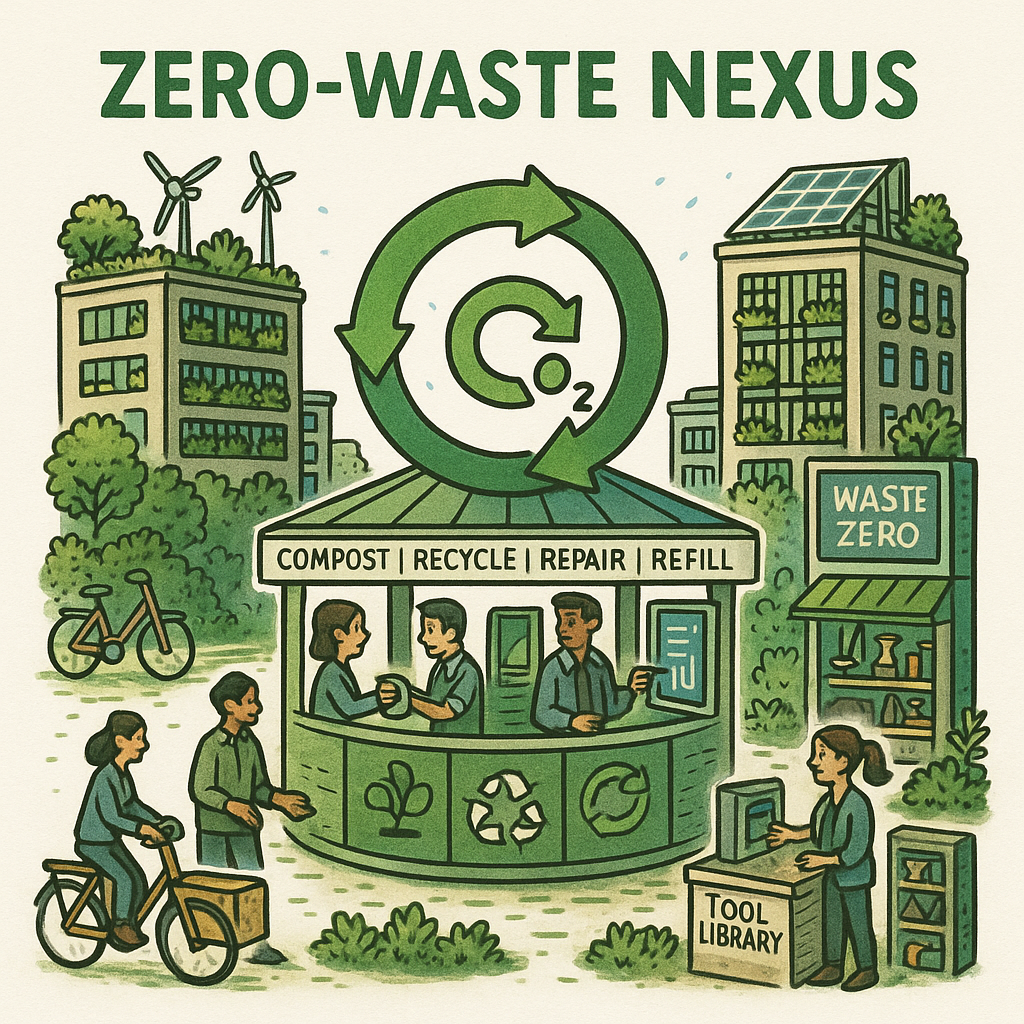
Organizations that excel in ethical financing offer valuable lessons on what works best and how to go beyond standard practices. These outperformers demonstrate that ethical financing is not only about compliance but about innovation, resilience, and leadership. By adopting proven best practices and advancing into leading practices, institutions set benchmarks for others to follow.
Best practices show the foundational behaviors required for success, while leading practices reveal pioneering strategies that push boundaries and elevate the entire financial sector. Together, they provide a roadmap for embedding ethics deeply into financial operations while achieving both impact and profitability.
5 Best Practice Examples
- Building on Knowledge of Outperformers: Leverage experiences from trailblazing organizations to accelerate learning and avoid repeating common mistakes.
- Accelerating Ethical Evolution: Share insights and innovations widely, fostering smarter decision-making through collective knowledge.
- Enhancing Collective Intelligence: Building partnerships across industries, governments, and communities fosters shared solutions and helps scale circular practices.
- Fostering Innovation Through Collaboration: Partner with peers and communities to co-create solutions that expand the reach of ethical financing.
- Embedding ESG into Daily Operations: Ensure environmental, social, and governance considerations are consistently factored into everyday financial decisions.
5 Leading Practice Examples
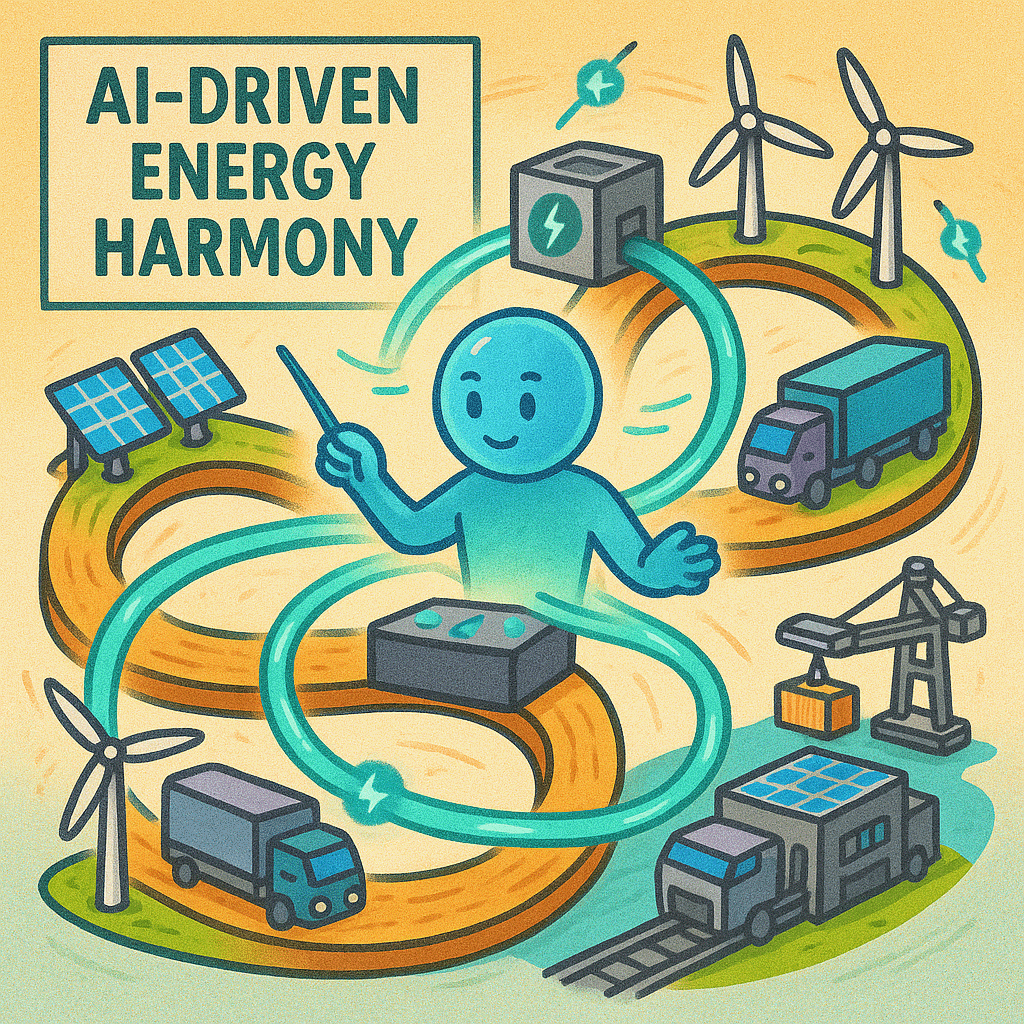
- Integrating ESG Criteria Holistically: Outperformers evaluate investments not only by financial returns but also by social equity, governance standards, and environmental sustainability, ensuring comprehensive, responsible decision-making across the portfolio.
- Stakeholder Engagement and Collaboration: Leading organizations actively involve diverse stakeholders—employees, customers, and communities—ensuring financing strategies reflect real needs and build inclusive, long-term trust.
- Transparency and Disclosure: Industry leaders embrace open communication, disclosing strategies, impacts, and practices in detail, fostering credibility, accountability, and stronger relationships with regulators and investors.
- Innovation in Financial Products: Pioneers design green bonds, impact funds, and tailored products that merge profitability with measurable societal and environmental benefits, reshaping markets with responsible innovation.
- Continuous Learning and Adaptation: Leaders actively monitor emerging sustainability challenges and trends, continuously refining practices to remain relevant, resilient, and ahead of shifting ethical expectations.
Most Common Artefacts
The Most Common Artefacts
Artefacts are the practical enablers of ethical financing, serving as tools, frameworks, and mechanisms that transform principles into daily practice. They help organizations operationalize ethics, measure progress, and communicate results. By using these artefacts consistently, institutions ensure transparency, accountability, and stakeholder trust. Together, they make ethical financing concrete, guiding decision-making and empowering innovation.
Each artefact supports both financial responsibility and sustainability innovation, whether through structured reporting, ethical certifications, or impact-focused investment vehicles. The following twelve artefacts represent the most widely recognized and applied instruments in ethical financing, each with its specific contribution to sustainable and responsible financial practices.
| Artefact | Description | How it Can Be Used for Sustainability Innovation |
|---|---|---|
| Ethical Policy Documents | Comprehensive documents describing the ethical principles and guidelines that financial institutions follow. | Provide a foundation for integrating sustainability into disruptive financial innovations, ensuring ethical considerations are embedded in new practices. |
| Sustainability Reports | Periodic reports disclosing a financial institution's environmental, social, and governance (ESG) performance. | Leverage sustainability reports to communicate the impact and innovation achieved through disruptive financial practices, showcasing commitment to responsible and sustainable innovations. |
| Ethical Investment Portfolios | Collections of financial assets adhering to ethical criteria, often excluding companies involved in controversial activities. | Shape disruptive innovation by directing investments toward sustainable and socially responsible projects, fostering positive impact on industries. |
| Socially Responsible Investment Funds (SRIs) | Investment funds that consider both financial returns and social/environmental impact. | Channel funds into disruptive sustainability projects and technologies, aligning investments with forward-thinking innovations that address global challenges. |
| Green Bonds | Fixed-income securities specifically earmarked to fund environmentally friendly projects. | Utilize green bonds to finance disruptive sustainability innovations, supporting projects that drive positive environmental change. |
| Ethical Certification Seals | Official symbols or certifications verifying a financial institution's commitment to ethical practices. | Display ethical certification seals prominently to build trust in disruptive innovations, demonstrating a commitment to sustainable and responsible practices. |
| Impact Measurement Tools | Metrics and tools used to assess the social and environmental impact of investments. | Apply impact measurement tools to gauge the transformative effects of disruptive sustainability innovations, ensuring they contribute positively to society and the environment. |
| Ethics Committees | Committees within financial institutions responsible for overseeing ethical practices. | Establish ethics committees to guide and evaluate the ethical implications of disruptive sustainability innovations, ensuring alignment with core values. |
| Stakeholder Engagement Platforms | Forums or platforms for engaging with stakeholders, including customers, communities, and advocacy groups. | Engage stakeholders in the development of disruptive sustainability innovations to gather diverse perspectives and ensure the innovations address real-world challenges. |
| Ethical Finance Education Programs | Training programs or materials aimed at educating stakeholders about ethical finance. | Develop education programs that highlight the ethical considerations of disruptive sustainability innovations, fostering awareness and understanding among stakeholders. |
| Ethical Finance Software Solutions | Technological tools designed to assist financial institutions in integrating ethical considerations into decision-making processes. | Implement ethical finance software solutions to embed sustainability criteria into disruptive financial innovations, ensuring ethical principles guide decision-making. |
| Ethical Audits | Systematic evaluations of a financial institution's ethical performance and compliance. | Conduct ethical audits to assess the impact and ethical implications of disruptive sustainability innovations, identifying areas for improvement and maintaining alignment with ethical standards. |
Overview of the most common artefacts used with Ethical Financing.
These twelve artefacts together form the toolkit of ethical financing. They provide structure, enable measurement, and ensure financial practices are transparent, inclusive, and innovation-friendly. From ethical policy documents that define direction, to impact measurement tools and audits that verify performance, each artefact plays a vital role.
Instruments like green bonds and SRI funds channel capital into sustainable innovation, while education, platforms, and software empower stakeholders to contribute effectively. Used collectively, these artefacts transform ethical financing from abstract ideals into practical, repeatable processes that support both financial resilience and global sustainability progress.
Conclusion
Ethical financing is more than a trend—it is a transformative approach that redefines the role of finance in society. By aligning financial decisions with ethical values, organizations can simultaneously deliver profit, accountability, and sustainable impact. The journey begins with understanding what ethical financing is, recognizing its key components, and appreciating why it is increasingly relevant in today’s global economy. The business case demonstrates clear advantages for stakeholders, while the Ethical Financing Framework offers a structured way to implement these principles.
Recognizing common pitfalls helps avoid missteps, and learning from outperformers shows how best and leading practices can inspire continuous improvement. Artefacts provide the practical tools to operationalize ethical finance, ensuring transparency, measurement, and innovation. Together, these elements form a powerful ecosystem that strengthens resilience, trust, and value creation. Ethical financing empowers organizations, investors, and communities to co-create a future where financial systems serve both prosperity and sustainability.