

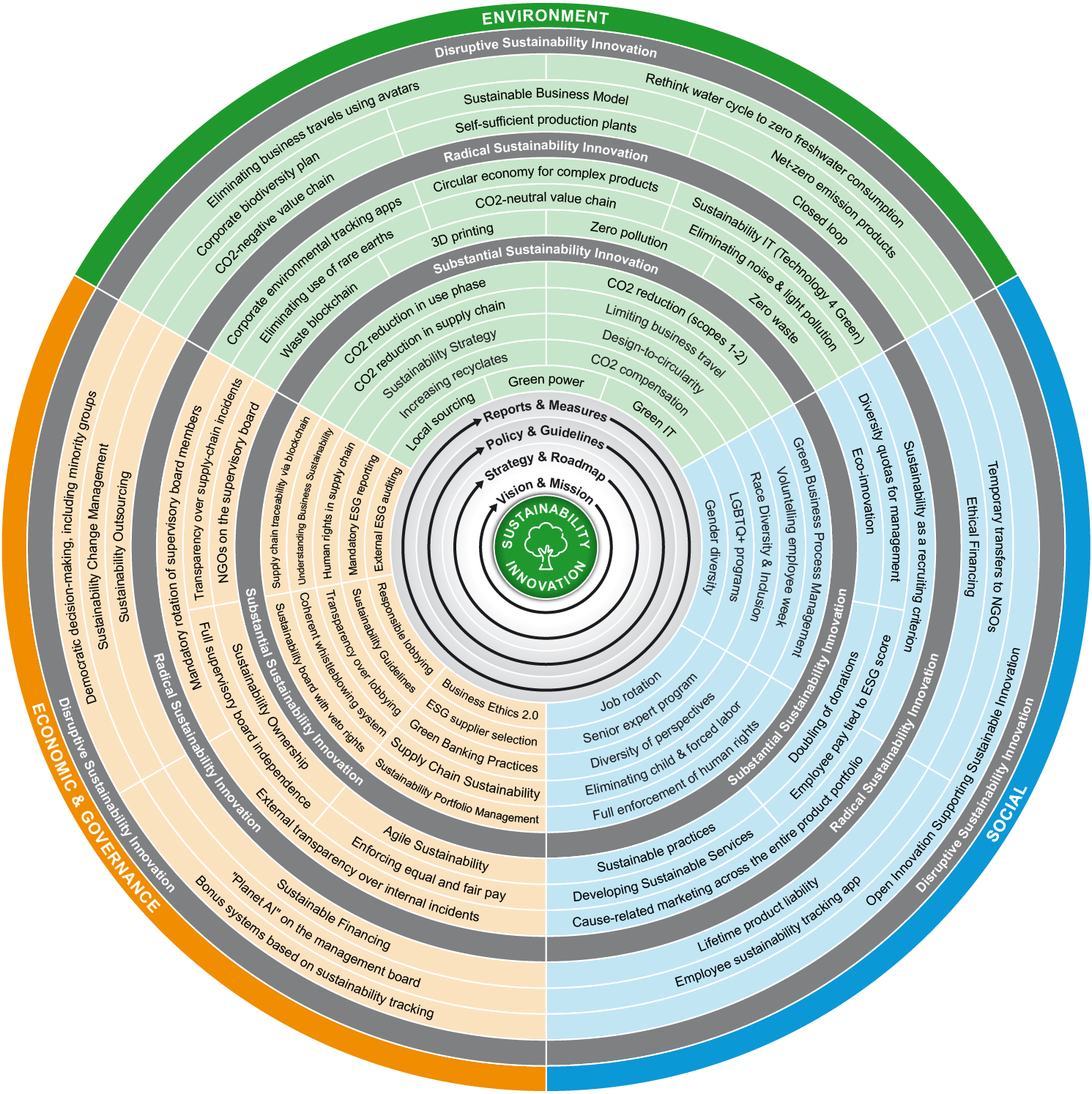
What is Sustainability Governance?
Sustainability Governance is the framework of structures, processes, and accountability mechanisms that ensure sustainability becomes a central part of organizational decision-making and operations. It balances three dimensions—environmental responsibility, social equity, and economic performance—so that organizations can grow while protecting people and the planet. Rather than being a side initiative or compliance task, Sustainability Governance defines who is accountable, how decisions are made, and what systems monitor progress. It links ambition with action by translating sustainability visions into clear policies, measurable targets, and transparent reporting.
This governance approach operates across multiple levels—corporate, local, and global—ensuring consistency in strategy, operations, supply chains, and partnerships. It enables organizations to manage trade-offs, align with international goals such as the UN SDGs, and build trust with stakeholders. Sustainability Governance provides direction, oversight, and accountability. By embedding sustainability principles into core operations and leadership structures, it turns intentions into measurable results and creates long-term resilience for both business and society.
Main Components
The 8 Main Components of Sustainability Governance
Sustainability Governance is not a single action or policy but a system made up of interconnected components that together shape how an organization manages sustainability. Each component addresses a different dimension—from leadership to processes, technology, and partnerships—but they all share a common goal: embedding sustainability into the DNA of the organization. By understanding and applying these components, businesses can create a holistic governance framework that ensures accountability, drives innovation, and supports long-term value creation.
These components also provide clarity in roles and responsibilities, helping organizations avoid fragmented initiatives and align efforts across departments and geographies. By covering both internal operations and external relationships, they ensure sustainability goals are implemented consistently at every level of the organization. This integrated approach is what transforms sustainability from an aspiration into measurable, enduring results.
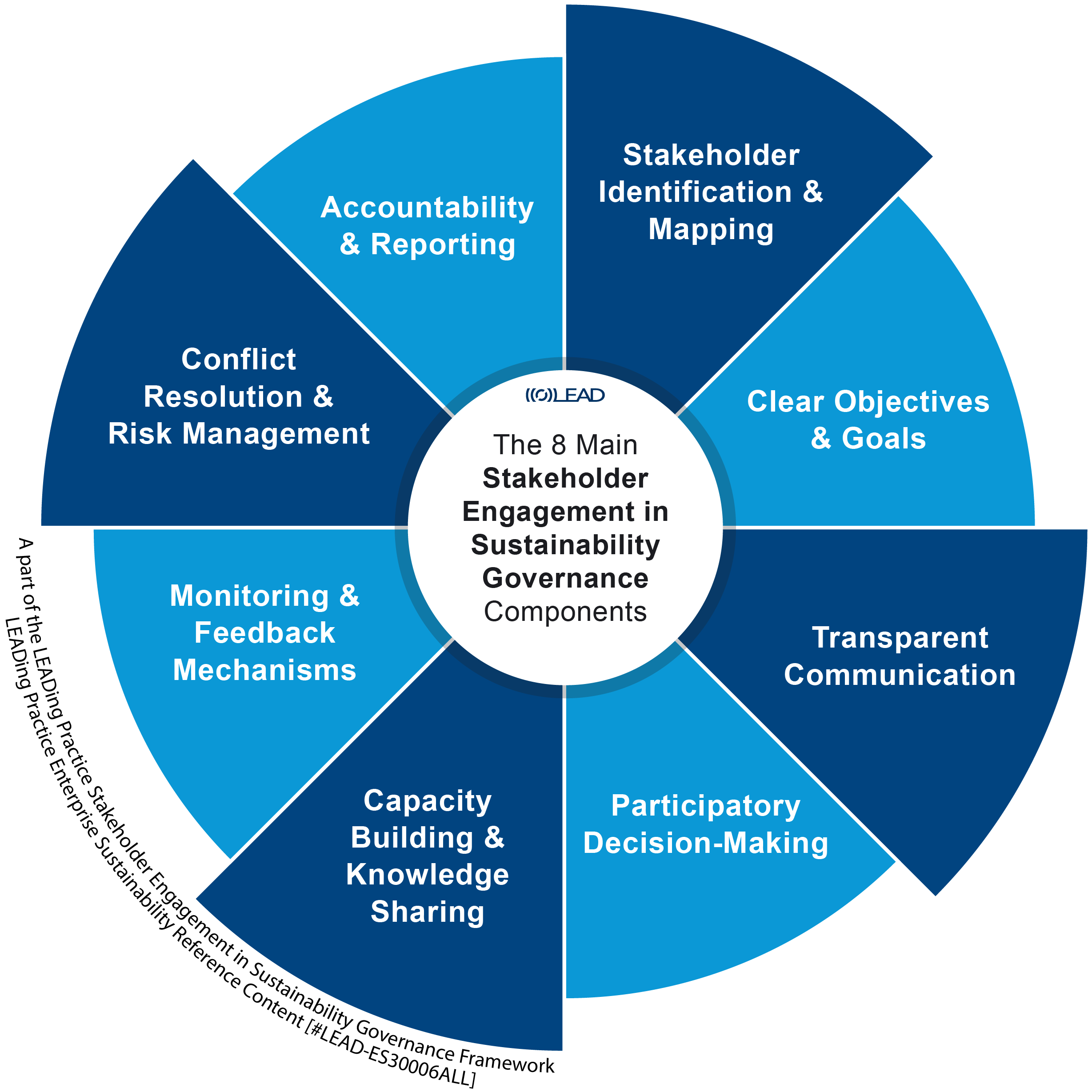
Below are the eight main components of Sustainability Governance, reflecting both structural patterns and actionable insights for organizations:
The eight components of Sustainability Governance provide a roadmap for embedding sustainability into every corner of the organization. They ensure alignment from boardrooms to supply chains, creating clarity, accountability, and resilience. Together, these elements enable organizations to build trust with stakeholders, demonstrate measurable progress, and adapt to changing global challenges.
By treating these components as interconnected rather than isolated, businesses can create a governance system that delivers lasting environmental, social, and economic value.
Why This Is Relevant
Why is Sustainability Governance so Relevant?
Sustainability Governance is relevant because it links ambition with measurable outcomes. Without it, organizations risk fragmented initiatives, inconsistent reporting, or accusations of “greenwashing.” With proper governance, sustainability efforts become transparent, consistent, and credible. It also ensures alignment across different levels—corporate, local, and global. For example, an international company must coordinate sustainability efforts across supply chains, subsidiaries, and local communities while aligning with global frameworks like the UN Sustainable Development Goals. Governance provides the tools to harmonize these complex responsibilities. Another reason for its relevance is resilience.
Organizations that integrate sustainability into their governance frameworks are better prepared for regulatory changes, supply chain disruptions, and shifts in consumer expectations. They are not only reacting to risks but proactively shaping their strategies to remain competitive in a changing marketplace. Finally, governance strengthens trust. Stakeholders increasingly base their relationships with organizations on transparency, accountability, and authenticity. Strong Sustainability Governance ensures that progress is measured, reported, and verified, building the credibility that customers, investors, and employees demand.
Business/Value Case
The Business/Value Case for Sustainability Governance
For organizations today, adopting Sustainability Governance is not just about meeting compliance requirements—it is about creating long-term business value while addressing urgent environmental and social challenges. A strong governance framework ensures that sustainability is embedded into leadership decisions, daily operations, and reporting systems. This alignment not only reduces risks but also positions organizations to seize new opportunities, strengthen stakeholder relationships, and build trust in increasingly transparent markets.
Sustainability Governance drives resilience, helping companies adapt to regulatory changes, shifting consumer preferences, and investor expectations. It also fosters innovation, opening the door to new products, services, and business models. The business case is clear: organizations that embed sustainability into governance achieve stronger performance, attract investment, and create value for employees, customers, communities, and shareholders alike.
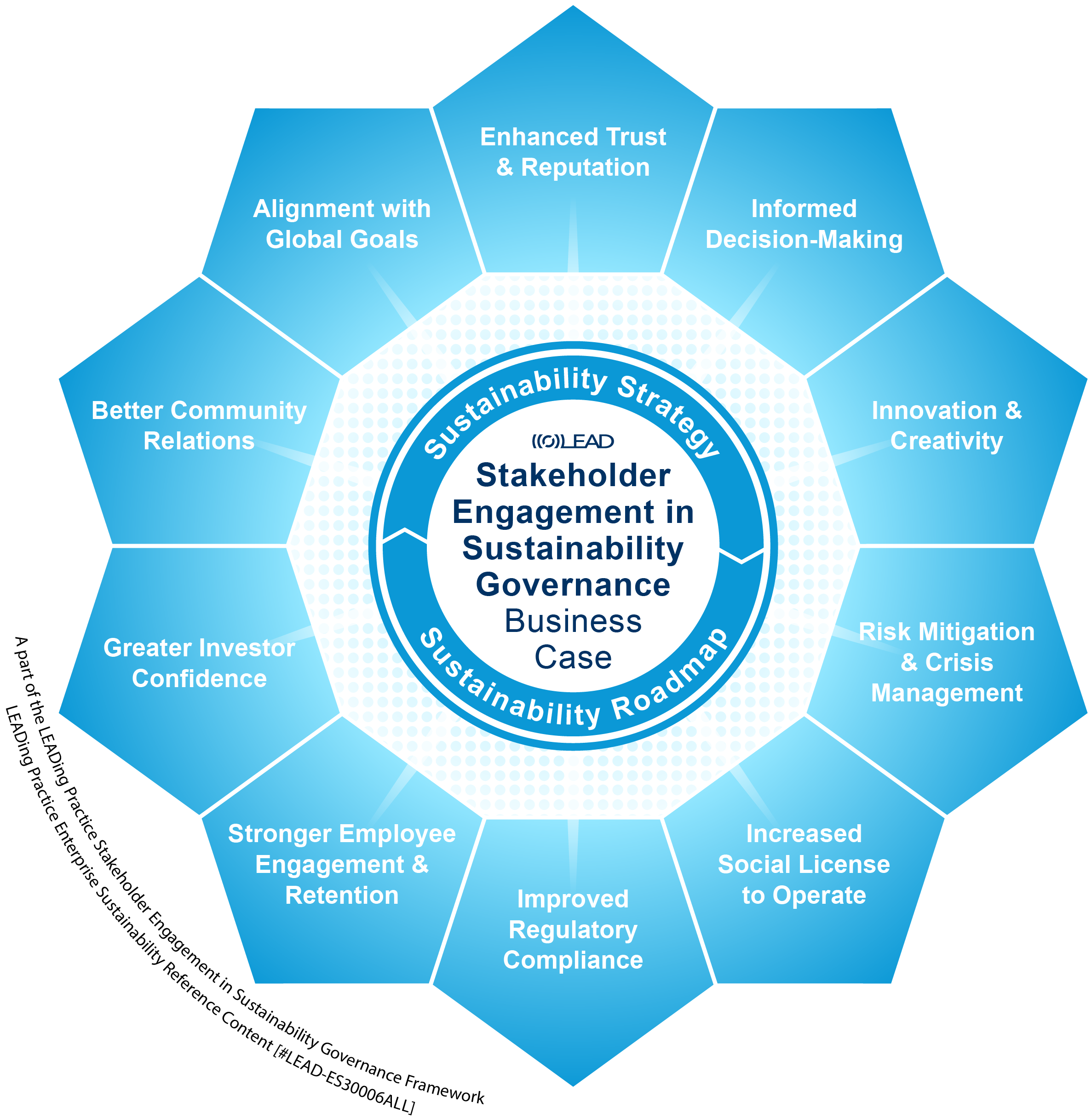
Below are ten key benefits that highlight why this approach is essential for modern organizations:
By aligning with global frameworks like the SDGs and embedding accountability into every level of operations, organizations not only secure resilience and competitiveness but also create lasting value for stakeholders and society. In this sense, Sustainability Governance is both a strategic necessity and a catalyst for sustainable prosperity.
The business and value case for Sustainability Governance is undeniable. It reduces risks, attracts capital, engages employees, builds trust, and opens opportunities for innovation and growth.
How-To-Guide
How-To-Guide: The Sustainability Governance Framework
Imagine an organization as a city, where every road, building, and service must work in harmony for progress and resilience. In the same way, sustainability requires a governance framework that connects policies, processes, technology, and people into a unified system. The Sustainability Governance Framework provides that structure. It is not just about compliance or reporting—it is about embedding sustainability into decision-making, creating accountability, and linking strategy with measurable action.
This framework ensures that sustainability is no longer fragmented or reactive but becomes a coherent, organization-wide discipline. It combines the business case for sustainability with practical implementation, guiding leaders, managers, and employees on what needs to be done, when, where, how, and by whom. By working within a structured framework, organizations build clarity, consistency, and credibility, enabling them to act faster and more effectively while delivering real, measurable sustainability outcomes.
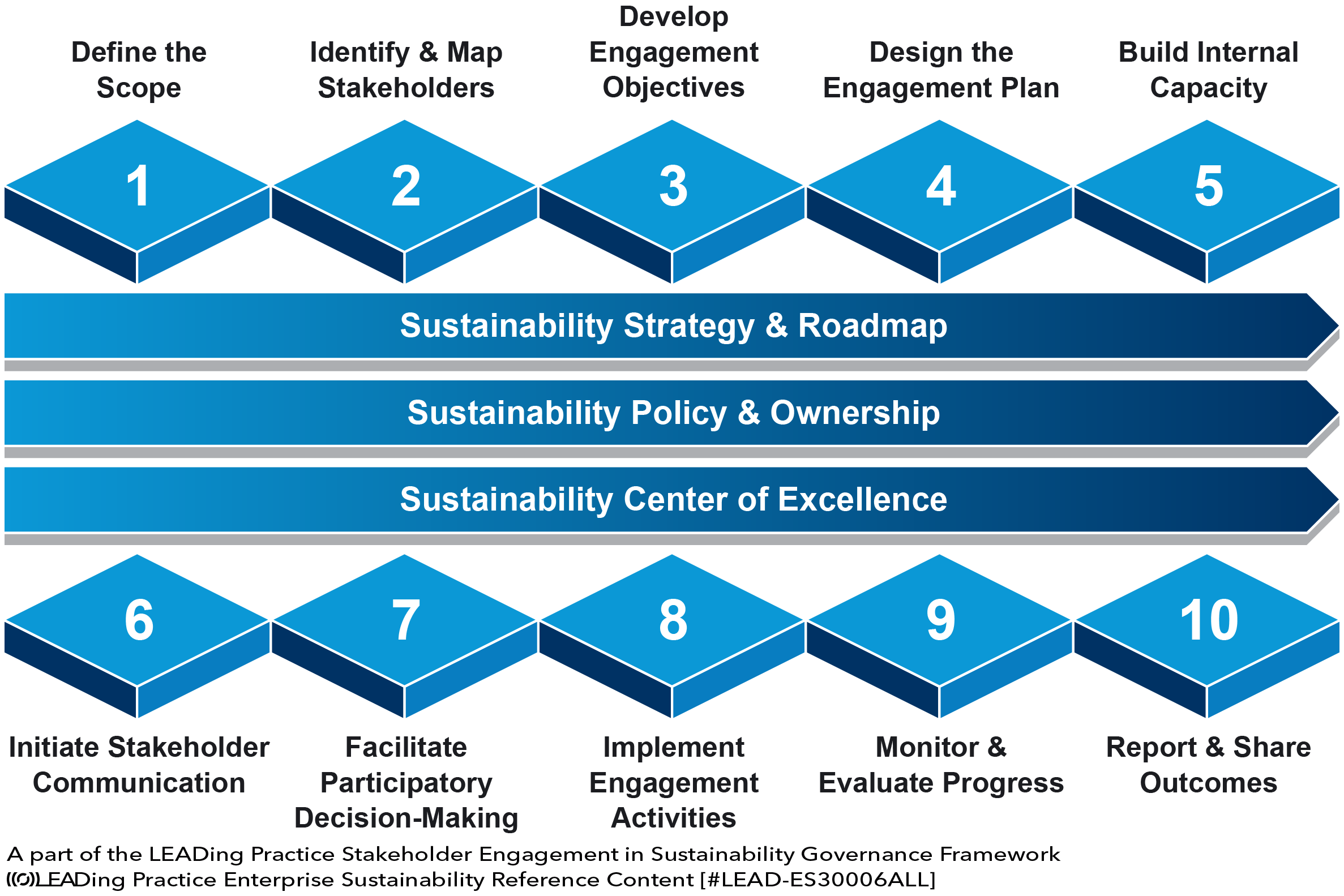
The 10-Step Way Forward:
The framework enables roles across leadership, operations, IT, and stakeholders to work in harmony, ensuring sustainability efforts are integrated, transparent, and resilient. For organizations starting their journey, this framework acts as both a roadmap and a discipline—helping them act quickly while laying the foundation for long-term sustainable value.
The Sustainability Governance Framework transforms sustainability from ambition into structured practice. By following 10 clear steps—from defining vision to embedding continuous improvement—organizations create clarity, accountability, and measurable progress.
Contact Us
Wanna learn more ? Want to improve your company ?
Projects that require our help ?
Don't waste more time, contact us !
Most Common Pitfalls
The Most Common Pitfalls and Challenges
Even with strong intentions, many organizations struggle to make Sustainability Governance work effectively. Challenges often arise from cultural resistance, fragmented approaches, or overemphasis on short-term performance. When governance is poorly designed or superficially applied, it undermines trust and limits impact. Recognizing these pitfalls is critical because they repeat across industries, slowing progress and damaging credibility.
By learning to identify common anti-patterns and worst practices, organizations can avoid wasting resources, losing stakeholder confidence, and missing opportunities. Awareness of these failures equips leaders with foresight, enabling them to design governance structures that are authentic, integrated, and resilient.
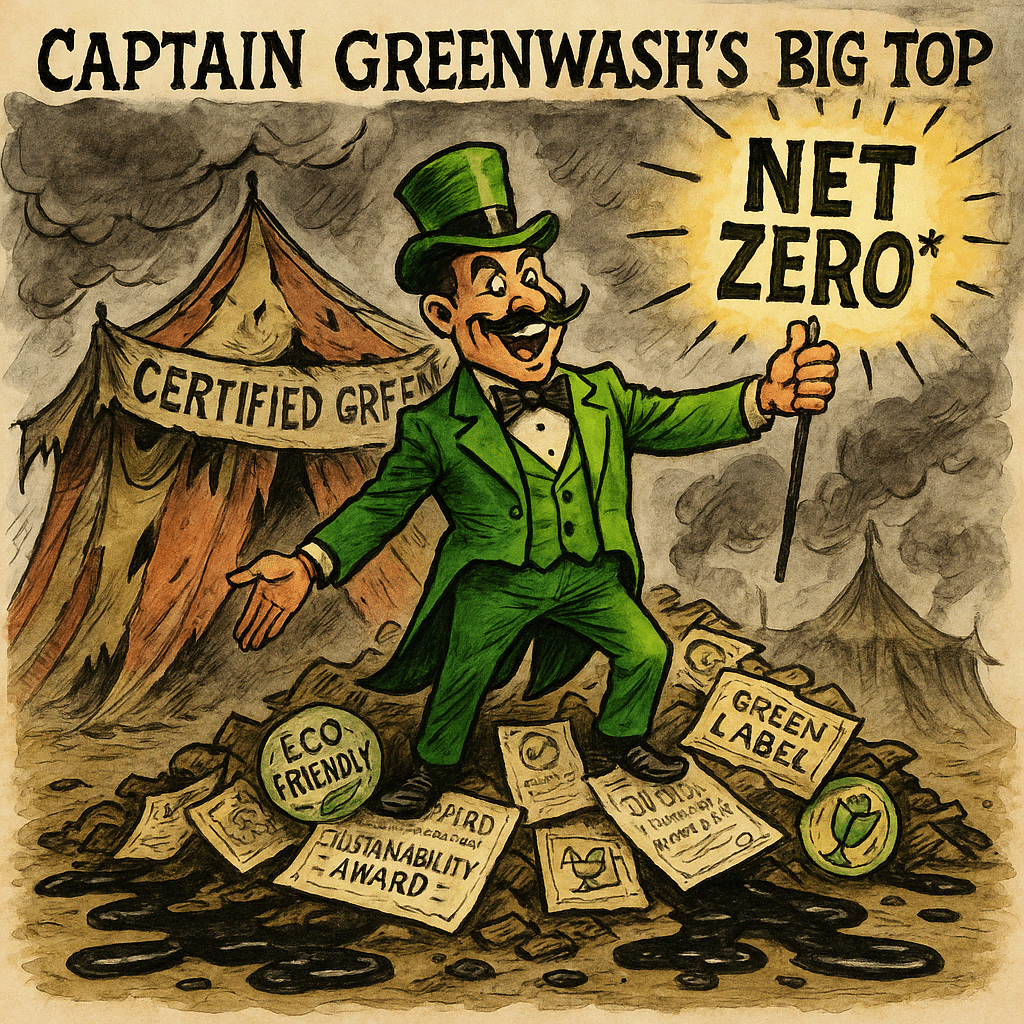
5 Antipattern Examples
- Tokenism: Superficial stakeholder engagement without meaningful influence, reducing credibility and eroding trust in governance outcomes.
- Fragmentation: Siloed initiatives with no coordination across departments, leading to inefficiencies and conflicting priorities.
- Short-termism: Focusing on immediate financial results at the expense of long-term sustainability goals.
- Overcomplexity: Designing governance frameworks so bureaucratic they prevent real action and responsiveness.
- Reactive governance: Acting only after crises, instead of anticipating risks and planning proactively.

5 Worst Practice Examples
- Greenwashing: Making exaggerated or misleading claims about sustainability performance, damaging trust among customers and investors.
- Compliance-only mindset: Treating governance as a box-ticking exercise that ignores broader sustainability opportunities and impacts.
- Poor integration: Running sustainability as isolated projects disconnected from strategy, operations, or financial planning.
- Ignoring data and metrics: Failing to establish KPIs or measure progress, leaving no accountability for outcomes.
- Cultural resistance: Allowing inertia and organizational pushback to stall adoption of sustainable practices and frameworks.
Lessons Learned
Learning from the Outperformers: Lessons Learned
Some organizations consistently outperform others in their sustainability journey, proving that effective governance delivers measurable results. These outperformers go beyond compliance and reporting; they integrate sustainability into their business DNA. Their practices show that long-term vision, strong leadership, stakeholder engagement, and innovation are not optional—they are decisive success factors.
By studying how leaders embed sustainability into strategy, culture, and operations, other organizations gain actionable insights. Outperformers demonstrate that clear accountability, transparency, and adaptability are key to resilience in fast-changing environments. Their success also underscores the importance of treating sustainability as a driver of competitiveness, not just risk management.
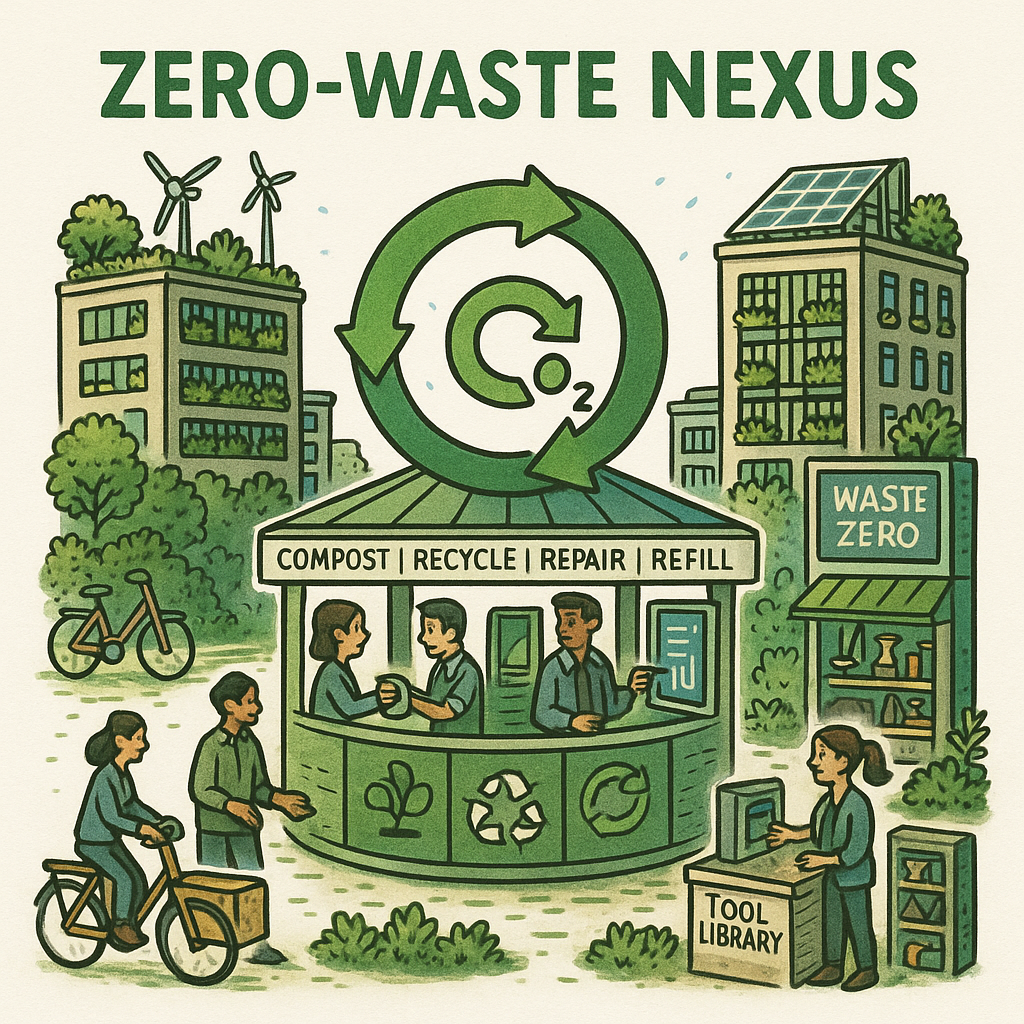
5 Best Practice Examples
- Integration with Core Strategy: Sustainability is embedded directly into corporate strategy, ensuring all business decisions—from procurement to product development—align with long-term sustainability objectives.
- Dedicated Leadership Roles: Organizations appoint leaders such as Chief Sustainability Officers with authority to implement frameworks and drive accountability across the business.
- Comprehensive Stakeholder Engagement: Employees, investors, suppliers, and communities are actively involved in decision-making, shaping priorities and strengthening trust in governance.
- Transparent Reporting and Metrics: Regular, credible reporting frameworks (e.g., GRI, integrated reporting) demonstrate progress, hold organizations accountable, and foster stakeholder confidence.
- Cultural Embedding of Sustainability: Sustainability values are promoted through employee training, incentives, and recognition, ensuring daily operations reflect governance principles.
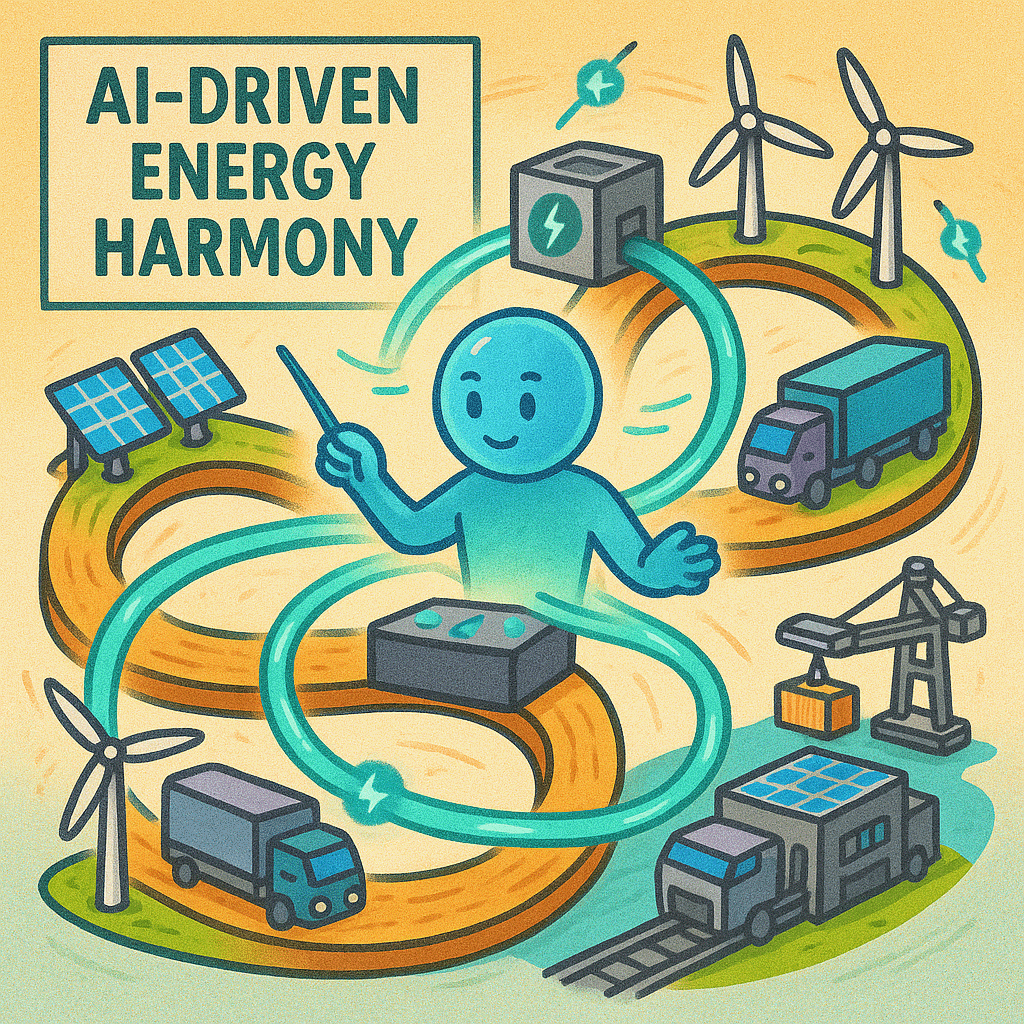
5 Leading Practice Examples
- Long-Term Vision and Investment: Outperformers prioritize long-term sustainability initiatives, making bold investments that may take years to show returns but create enduring value.
- Multi-Stakeholder Partnerships: Collaborative governance structures are built with governments, NGOs, and industry peers to address systemic sustainability challenges together.
- Innovation-Driven Culture: Sustainability innovation is encouraged through R&D, digital solutions, and pilot projects that push beyond incremental improvements.
- Adaptive Governance: Governance systems remain flexible, allowing organizations to quickly respond to new risks, stakeholder expectations, and regulatory demands.
- Strong Board Oversight: Boards include sustainability expertise, ensuring that governance frameworks are scrutinized and integrated into top-level decision-making.
Most Common Artefacts
The Most Common Artefacts
Within Sustainability Governance, certain artefacts recur across industries and contexts because they provide the structure needed to guide, measure, and communicate sustainable practices. These artefacts act as the practical tools of governance, turning high-level commitments into clear responsibilities, measurable progress, and visible outcomes.
By consistently applying these artefacts, organizations improve transparency, foster accountability, and create a solid foundation for sustainable innovation. They do not simply document what has been achieved—they also drive new thinking and encourage organizations to go further in embedding sustainability into their core operations and strategies.
| Artefact | Description | How it Can Be Used for Sustainability Innovation |
|---|---|---|
| Policy Documents | Outline organizational policies and commitments related to sustainability governance. | Provide guiding principles that encourage creative approaches to embedding sustainability into decision-making and daily business activities. |
| Reporting and Disclosure Documents | Communicate sustainability performance and impacts to stakeholders through structured reporting. | Identify gaps and opportunities that spark new initiatives, ensuring transparency and accountability drive continuous improvement. |
| Standards and Certifications | External benchmarks (e.g., ISO 14001, Fair Trade) that validate sustainability practices. | Encourage organizations to exceed baseline requirements, inspiring new methods and technologies to achieve higher performance levels. |
| Stakeholder Engagement Mechanisms | Processes such as advisory boards, dialogues, or forums to include stakeholder voices. | Enable co-creation of solutions with diverse stakeholders, ensuring sustainability efforts address real-world needs and inspire joint innovation. |
| Sustainability Metrics and Indicators | Quantitative and qualitative measures of sustainability performance. | Provide data-driven insights that help organizations test, refine, and innovate strategies for greater impact. |
| Sustainability Technologies | Tools and technologies like renewable energy systems or blockchain for supply chain transparency. | Open pathways to disruptive solutions, enabling smarter, more efficient, and more transparent sustainability practices. |
Overview of the most common artefacts used with Sustainability Governance.
These six artefacts—policies, reports, standards, stakeholder mechanisms, metrics, and technologies—are the backbone of Sustainability Governance. They create structure, enable transparency, and provide benchmarks for improvement.
More importantly, they serve as engines of innovation, highlighting opportunities and inspiring new practices. By leveraging these artefacts, organizations transform governance from static compliance into a dynamic driver of sustainable progress and long-term value creation.
Conclusion
Sustainability Governance is the backbone of sustainable transformation. It provides the structures, processes, and accountability mechanisms that ensure organizations move beyond aspiration and embed sustainability into their core strategy and daily operations. By balancing environmental stewardship, social responsibility, and economic performance, it enables businesses to remain competitive while addressing urgent global challenges. We have seen how its eight components provide a holistic framework, from corporate leadership and business processes to IT, metrics, and stakeholder partnerships. The business case is equally compelling: strong governance reduces risks, attracts investment, fosters innovation, and builds trust with stakeholders. The how-to guide demonstrates that, with a step-by-step framework, organizations can move from vision to measurable results in a structured and efficient way.
Yet pitfalls remain, from tokenism to greenwashing, and these failures highlight the importance of learning from outperformers who integrate sustainability into strategy, culture, and governance. Artefacts—such as policies, reporting frameworks, standards, engagement tools, metrics, and technologies—provide the practical levers to make governance tangible and drive innovation. Ultimately, Sustainability Governance is more than compliance; it is a catalyst for resilience and growth. By embracing it fully, organizations can create long-term value for shareholders, employees, customers, and communities—while contributing positively to the planet’s future.