

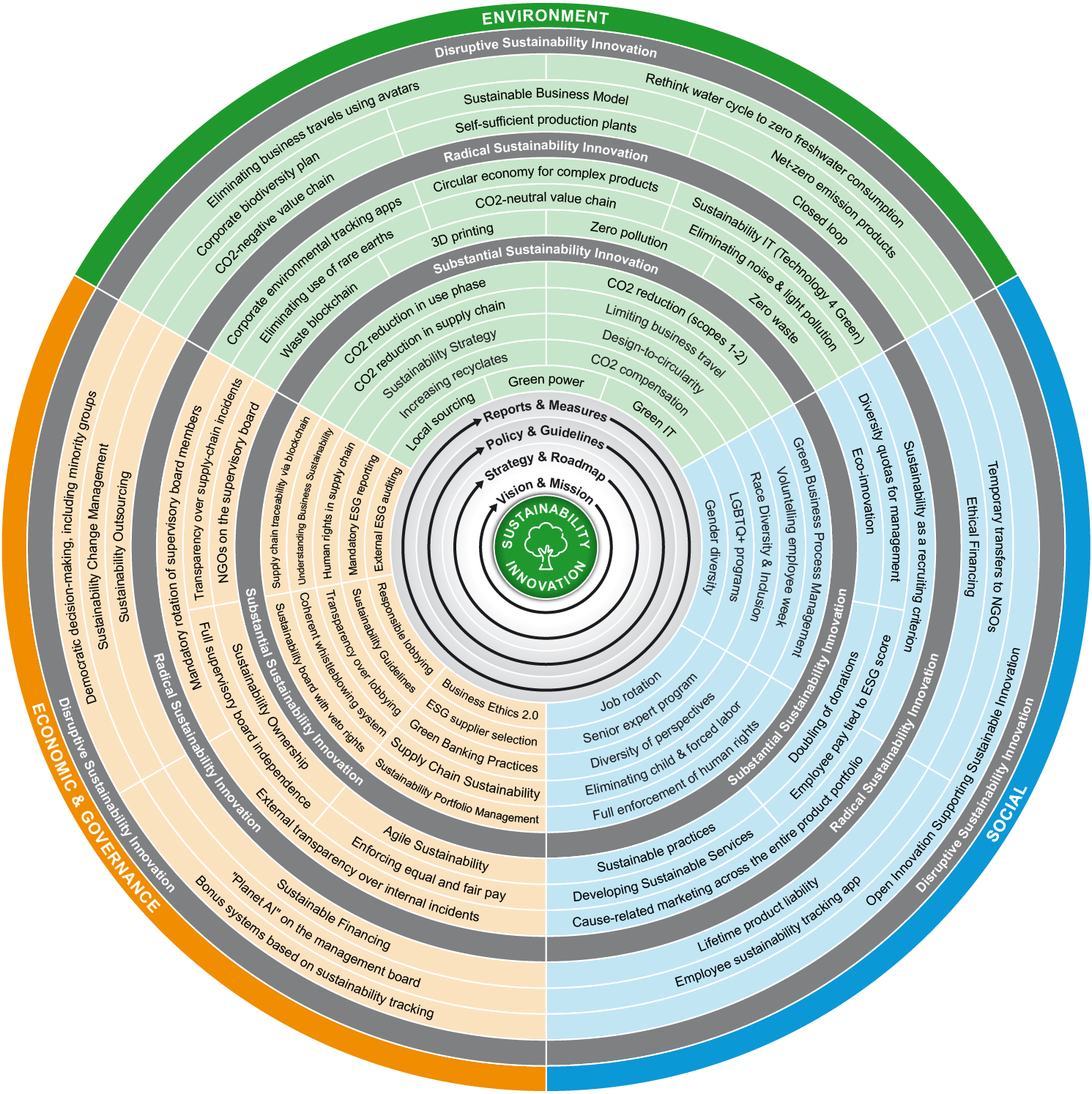
What is Green Power?
As the world faces the escalating impacts of climate change, the need for cleaner, more sustainable energy solutions has never been more urgent. Green Power—energy generated from renewable, non-polluting sources such as solar, wind, hydro, biomass, and geothermal—offers a critical path forward. Unlike fossil fuels, which are finite and harmful to the environment, Green Power is abundant, replenishable, and increasingly cost-effective. It is a cornerstone of the global transition to a low-carbon economy.
This chapter explores the fundamentals and strategic importance of Green Power. It addresses what it is, why it matters, how to implement it effectively, and what organizations can learn from those leading the way. Through structured frameworks, best practices, and proven tools, readers will gain the insights needed to take real, impactful action—whether at the policy, corporate, or community level.
Main Components
The 8 Main Components of Green Power
Green Power refers to energy generated from renewable, environmentally friendly sources that replenish naturally and emit little to no greenhouse gases. As the world transitions away from fossil fuels, Green Power stands as a central pillar of sustainability strategies for businesses, governments, and communities alike. It ensures a secure, resilient, and clean energy future. This section explores the 8 core components that make up Green Power.
These components represent the essential building blocks of green energy, from generation methods to supporting systems and enabling technologies. Understanding these elements is vital for organizations and individuals striving to reduce carbon emissions, enhance energy independence, and participate in the global energy transition toward a sustainable future.
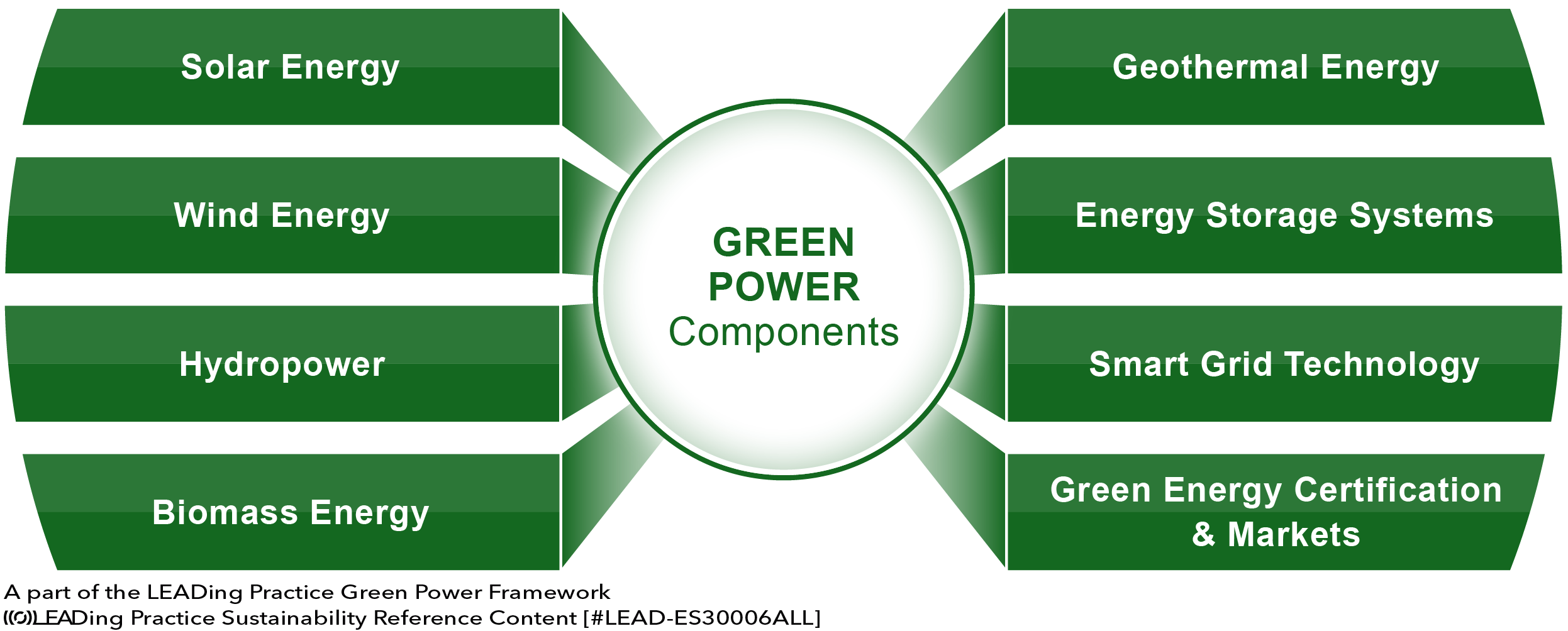
Below are the eight main components of Green Power, reflecting both structural patterns and actionable insights for organizations:
The eight main components of Green Power cover both the energy sources themselves and the technologies that enable their integration, distribution, and validation. Together, they provide a comprehensive foundation for transitioning to sustainable energy systems. These components are interdependent—effective storage supports intermittent sources like solar and wind, while smart grids ensure system reliability.
Additionally, certification and trading frameworks encourage broader adoption by organizations and individuals alike. By understanding and leveraging these components, stakeholders can better plan, implement, and scale green energy solutions, aligning with environmental goals and supporting a resilient, low-carbon future.
Why This Is Relevant
Why is Green Power so Relevant?
Green Power has become one of the most pressing priorities in today’s global sustainability agenda. As the effects of climate change accelerate, organizations, governments, and communities recognize that traditional fossil-based energy systems are neither sustainable nor resilient. Green Power, by contrast, represents an abundant, renewable, and increasingly cost-effective solution to the dual challenge of reducing greenhouse gas emissions while meeting rising energy demands. Its relevance is rooted in several dimensions. Environmentally, Green Power is central to achieving climate neutrality, as it directly reduces carbon footprints and air pollution. Economically, it drives innovation, creates new jobs, and enhances competitiveness by lowering long-term energy costs and building independence from volatile fossil fuel markets.
Socially, it improves energy access, strengthens community resilience, and aligns with the expectations of stakeholders who demand responsible, future-oriented action. On a strategic level, Green Power underpins national and corporate commitments to frameworks like the Paris Agreement and the UN Sustainable Development Goals. It is no longer an optional “green choice” but a necessity for long-term survival, growth, and legitimacy in a rapidly changing world. Those who embrace Green Power early position themselves not only as environmental stewards but also as leaders in the next industrial revolution—where sustainability and profitability go hand in hand.
Business/Value Case
The Business/Value Case for Green Power
The adoption of Green Power is not only an environmental imperative but also a smart business strategy. As organizations face increasing pressure from regulators, investors, consumers, and employees to operate sustainably, Green Power delivers clear and measurable value. From cost savings and risk reduction to brand enhancement and compliance, the benefits are substantial and multifaceted.
By integrating renewable energy into their operations, businesses position themselves for long-term resilience, market competitiveness, and innovation. This section outlines the 10 most wanted benefits and advantages of Green Power, along with the typical stakeholders—such as sustainability officers, financial managers, operations teams, and policy makers—who directly benefit from them.
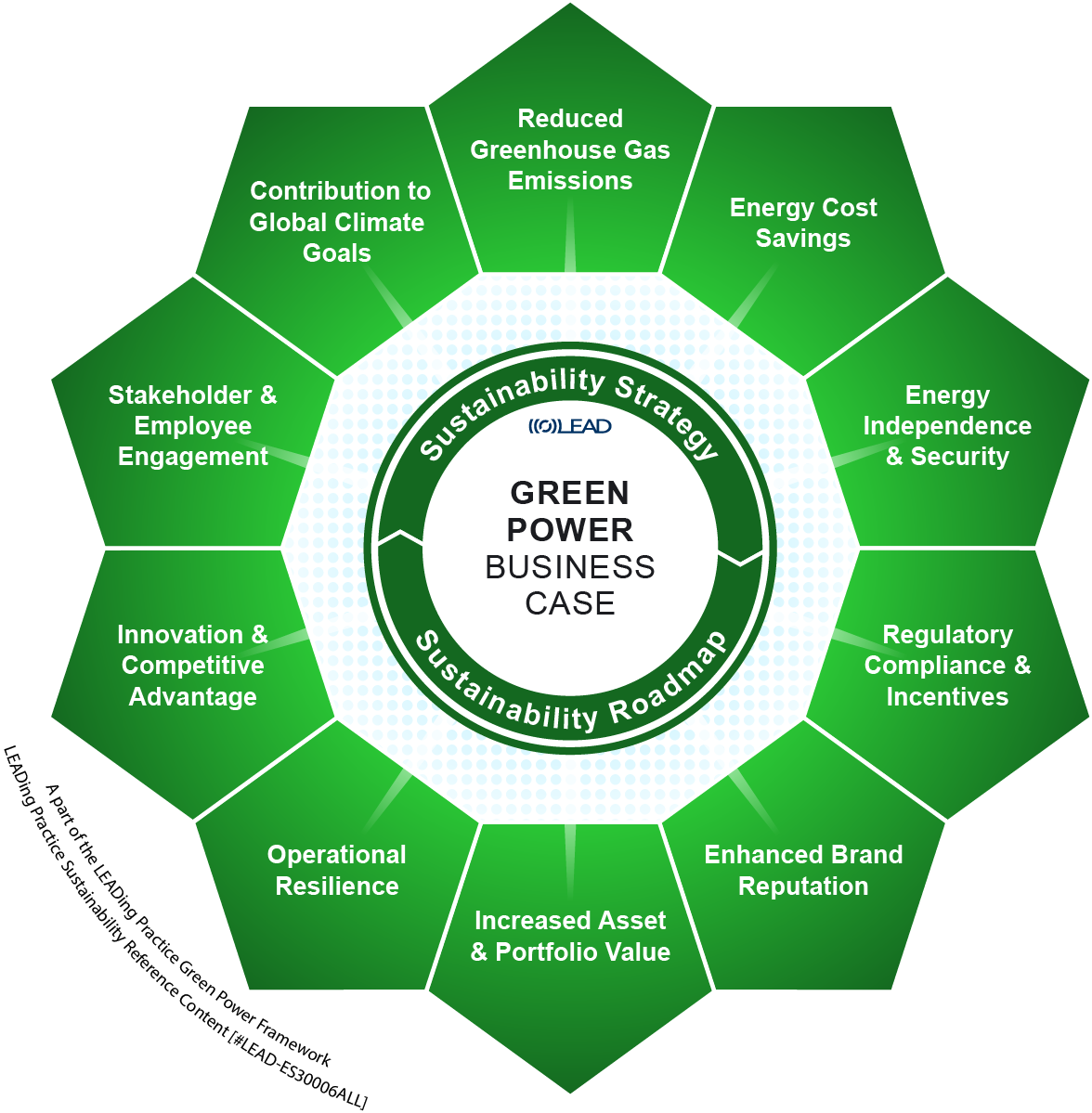
Below are ten key benefits that highlight why this approach is essential for modern organizations:
Green Power is more than an environmental choice—it is a strategic asset that delivers measurable benefits across financial, operational, and reputational dimensions. Businesses that prioritize renewable energy are not only future-proofing operations but also helping to shape a more sustainable and equitable global energy system.
Whether it's reducing costs, mitigating risk, or enhancing brand value, Green Power provides long-term advantages for a wide range of stakeholders. As sustainability expectations grow and energy landscapes evolve, the shift to Green Power equips organizations with the resilience and agility to lead in a low-carbon economy.
How-To-Guide
How-To-Guide: The Green Power Framework
Implementing Green Power successfully requires more than just technology—it calls for a structured, organization-wide framework that guides every step of the journey. The Green Power Framework is a comprehensive, standardized approach that enables organizations to plan, execute, and scale their renewable energy initiatives effectively. This framework consists of ten logical steps, starting from initial assessments to full integration and performance tracking.
A key element within the framework is the Green Power Business Case, which helps justify investments and align stakeholders. By applying a consistent and collaborative methodology, organizations ensure that every role—from strategy and finance to operations and sustainability—works toward common goals. The result: faster implementation, fewer missteps, and a greater return on sustainability investments.
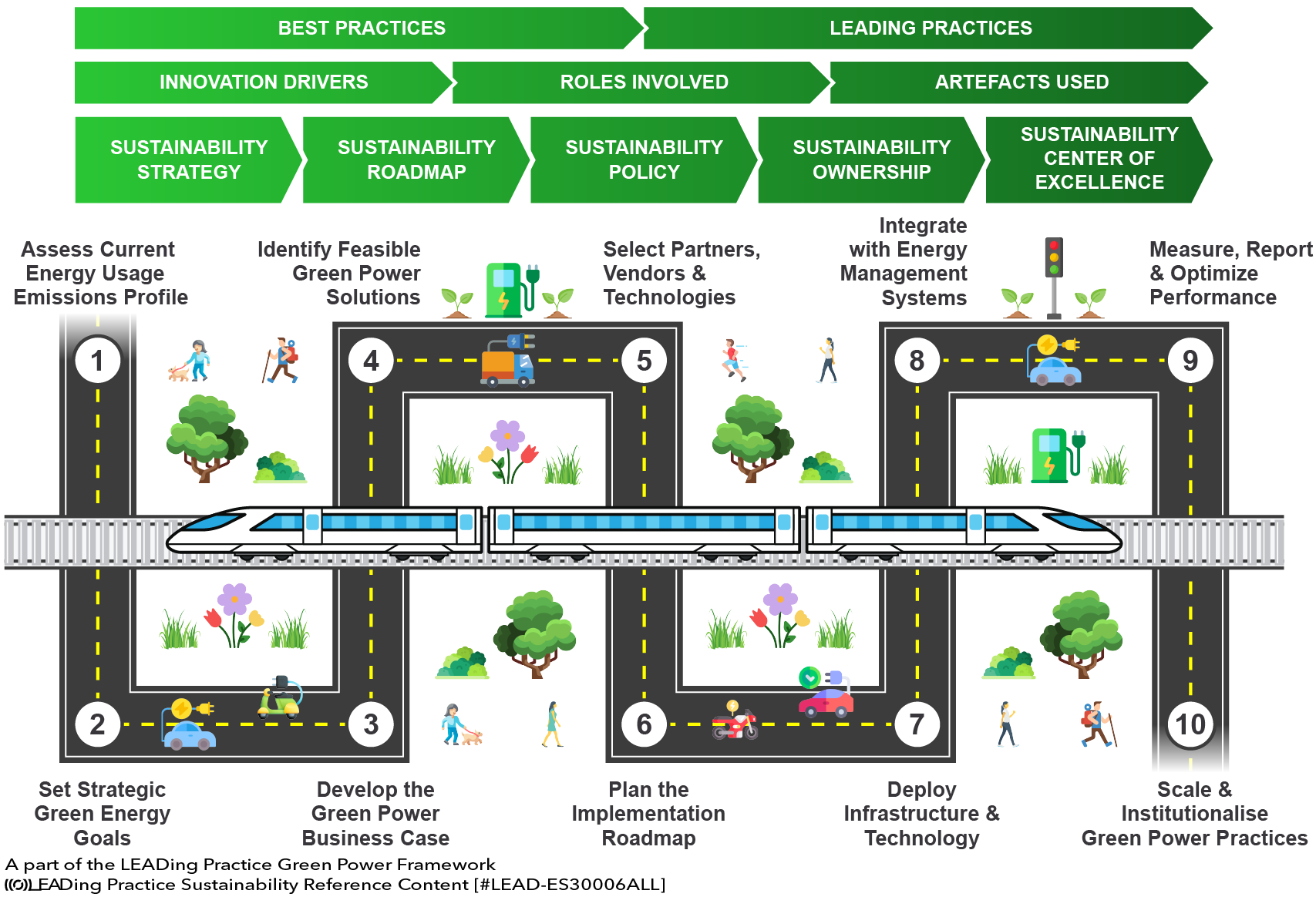
The 10-Step Way Forward:
Having a clearly defined Green Power Framework enables organizations to move from ambition to action with speed and confidence. By outlining each step—from assessment to scale—it ensures alignment, transparency, and consistency across departments and stakeholders. The inclusion of the Green Power Business Case supports strategic buy-in and unlocks funding, while technical and operational steps drive execution.
This structured approach reduces project risks, accelerates outcomes, and builds long-term sustainability capabilities. Whether starting small or going enterprise-wide, the Green Power Framework provides the roadmap needed to make renewable energy adoption both practical and powerful.
Contact Us
Wanna learn more ? Want to improve your company ?
Projects that require our help ?
Don't waste more time, contact us !
Most Common Pitfalls
The Most Common Pitfalls and Challenges
Transitioning to Green Power presents enormous potential—but without a thoughtful approach, organizations may fall into traps that undermine their efforts. By learning from the failures of others, organizations can anticipate challenges and apply course corrections proactively. This section provides practical, real-world examples of both antipatterns and worst practices in Green Power adoption.
Missteps often arise from well-intentioned but poorly executed initiatives, lack of strategy, or disconnected implementation. Understanding the most common antipatterns—counterproductive behaviors that appear beneficial—and worst practices—recurring mistakes with proven negative consequences—helps teams avoid delays, wasted resources, and reputational harm.
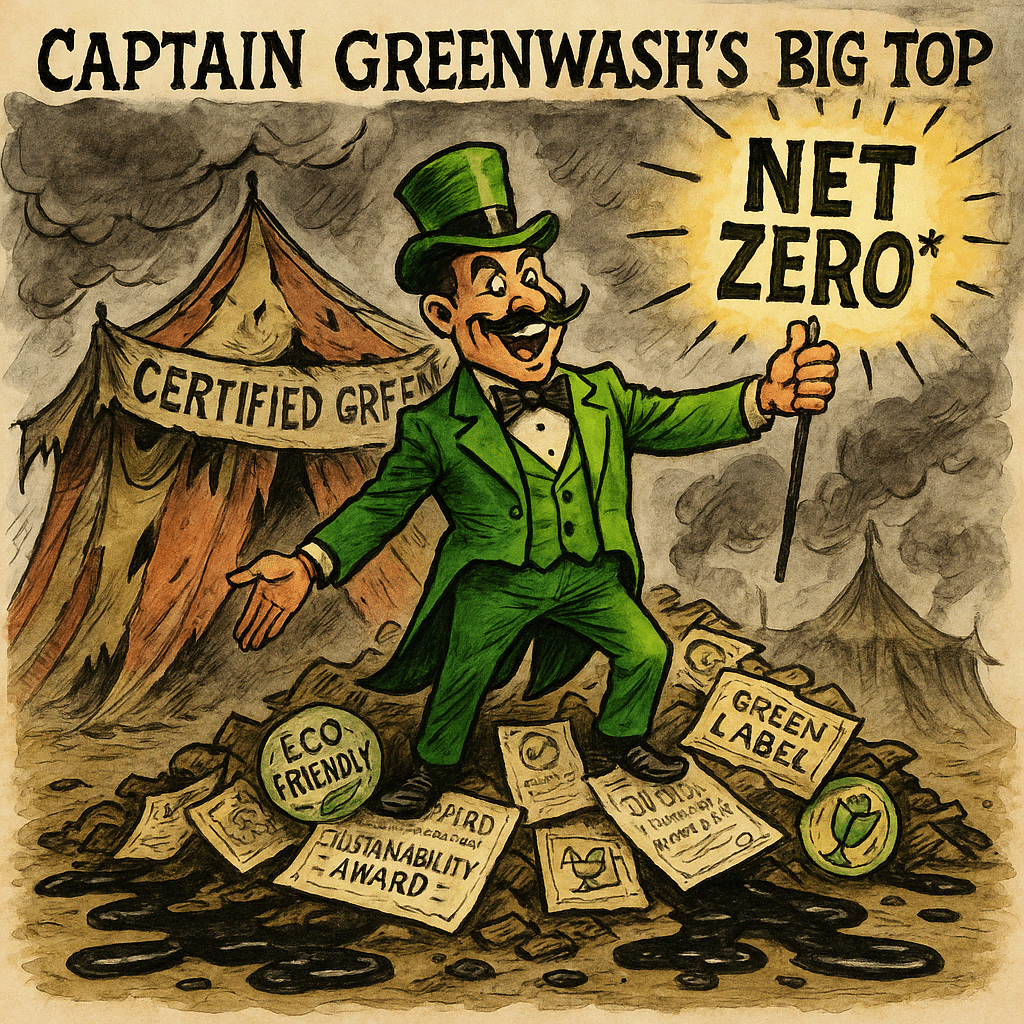
5 Antipattern Examples
- Tech-First, Strategy-Last: Jumping into renewable technology adoption without clear goals or a roadmap often leads to scattered efforts and poor alignment across the organization.
- “One-and-Done” Mentality: Implementing a single Green Power solution and considering the job done misses opportunities for integration, scaling, and continuous improvement.
- Token Sustainability Projects: Launching symbolic green initiatives for PR purposes without measurable impact erodes credibility and stakeholder trust over time.
- Isolated Teams and Silos: Green energy initiatives kept within isolated departments limit cross-functional collaboration, buy-in, and impact across the business.
- Outsourcing Without Ownership: Delegating all responsibility to vendors without internal capability building results in poor knowledge transfer and long-term dependency.
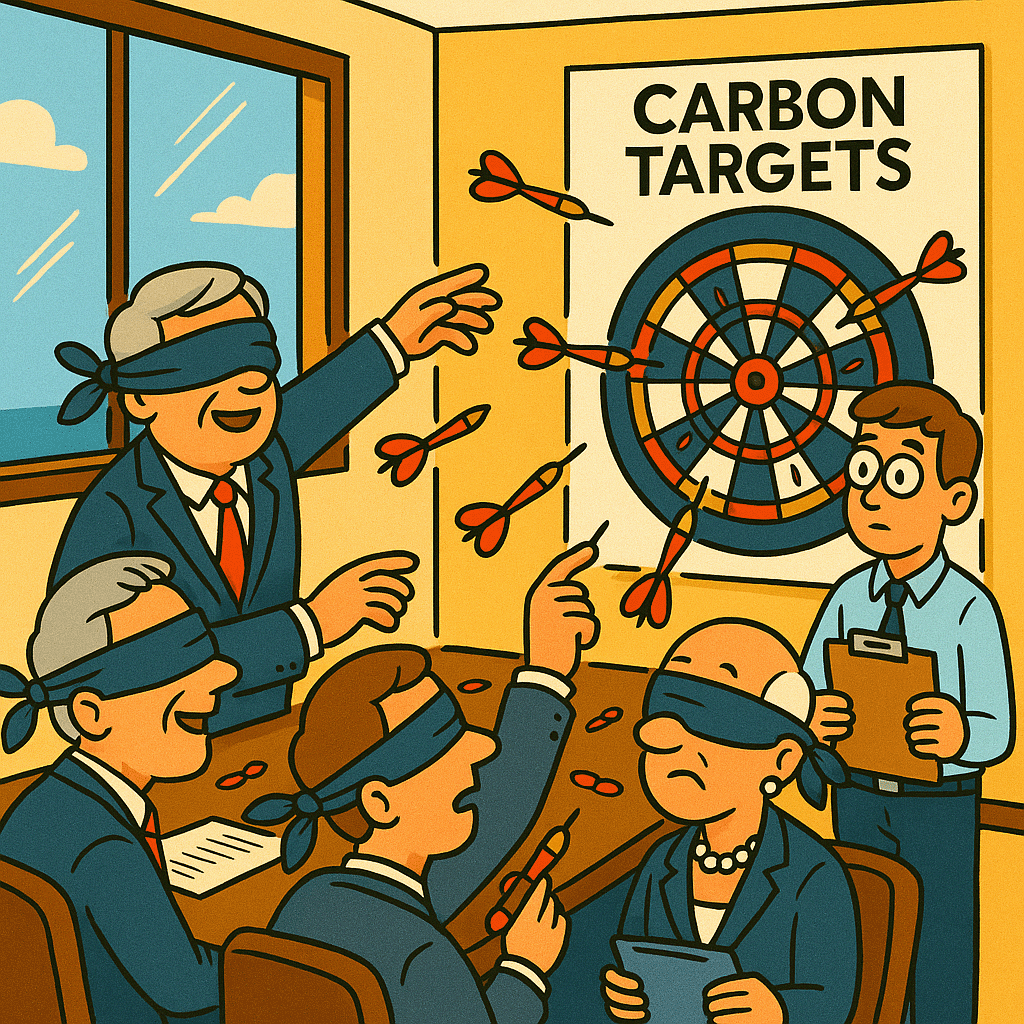
5 Worst Practice Examples
- Ignoring Local Energy Contexts: Choosing renewable energy types without assessing geographic feasibility—like solar in cloudy climates—leads to inefficiency and underperformance.
- Failing to Engage Stakeholders Early: Rolling out initiatives without involving employees, landlords, or facility teams causes pushback and adoption resistance.
- Overlooking Maintenance Needs: Failing to budget or plan for equipment maintenance causes performance degradation and unexpected downtime in renewable installations.
- Poor Data Management: Lacking proper monitoring systems leads to missed optimization opportunities, inaccurate ESG reporting, and failure to demonstrate value.
- Skipping Regulatory Checks: Neglecting permits, zoning laws, or incentive program requirements delays projects and exposes organizations to legal and financial risk.
Lessons Learned
Learning from the Outperformers: Lessons Learned
Organizations that lead in Green Power initiatives have one thing in common: they apply lessons learned from both successes and failures. These examples illustrate how sustainability can become deeply embedded in operations, culture, and strategy—and offer guidance for others looking to accelerate their own Green Power journey.
By observing top performers and understanding what works at scale, others can adopt proven methods and avoid common missteps. This section distinguishes between best practices, which are widely recognized and effective methods, and leading practices, which push boundaries and set new standards for innovation and impact.
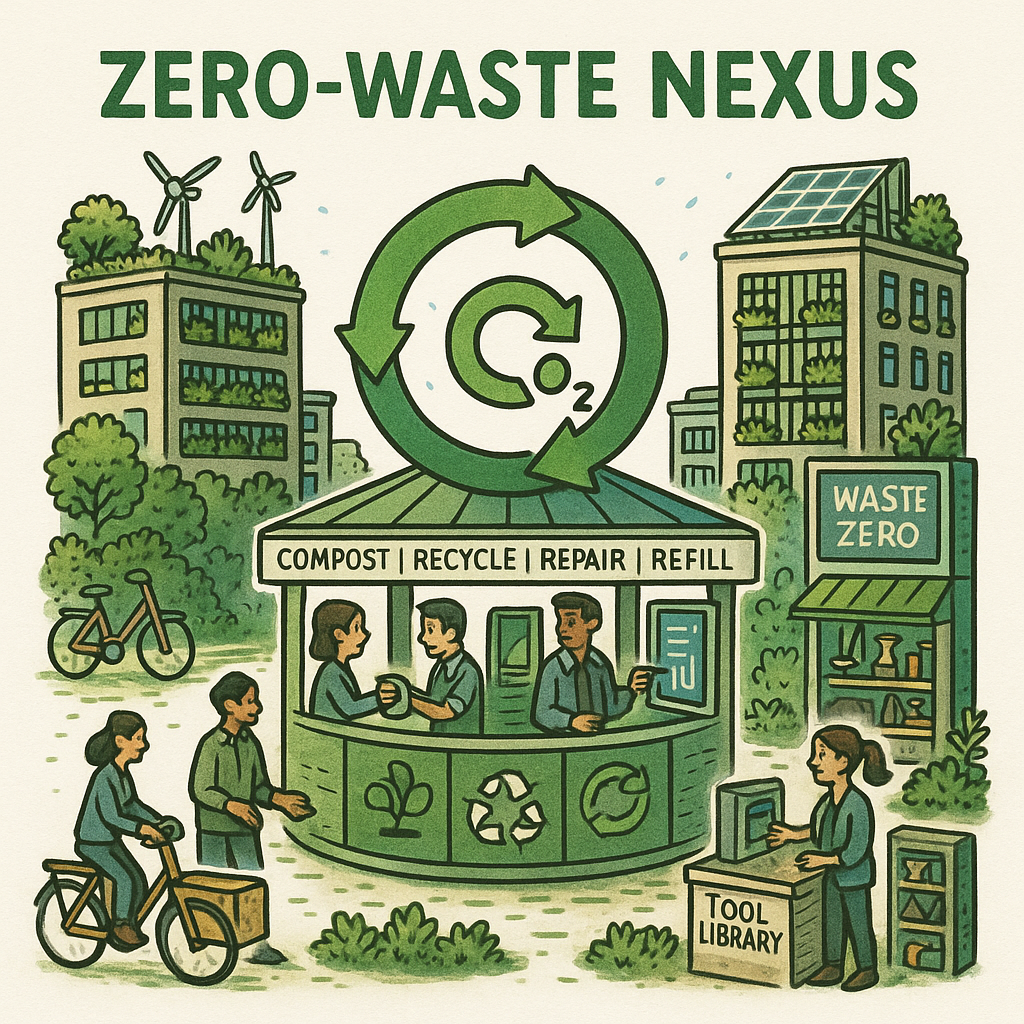
5 Best Practice Examples
- Start with an Energy Baseline: Leading companies always begin by quantifying their current energy use and emissions, enabling informed decisions and clear metrics for progress.
- Integrate Green Power into Procurement: Sustainability-aligned procurement policies ensure that renewable energy and low-carbon technologies are built into every purchase decision and vendor engagement.
- Use On-Site Renewable Installations: Installing solar panels, heat pumps, or small wind turbines directly at operational sites reduces grid dependence and demonstrates visible commitment to green energy.
- Engage Employees in Green Initiatives: Green champions, staff training, and incentive programs increase awareness and drive employee-led sustainability improvements across departments.
- Track and Report with ESG Dashboards: Transparent tracking of KPIs and energy savings through digital dashboards builds trust with investors, regulators, and the public.
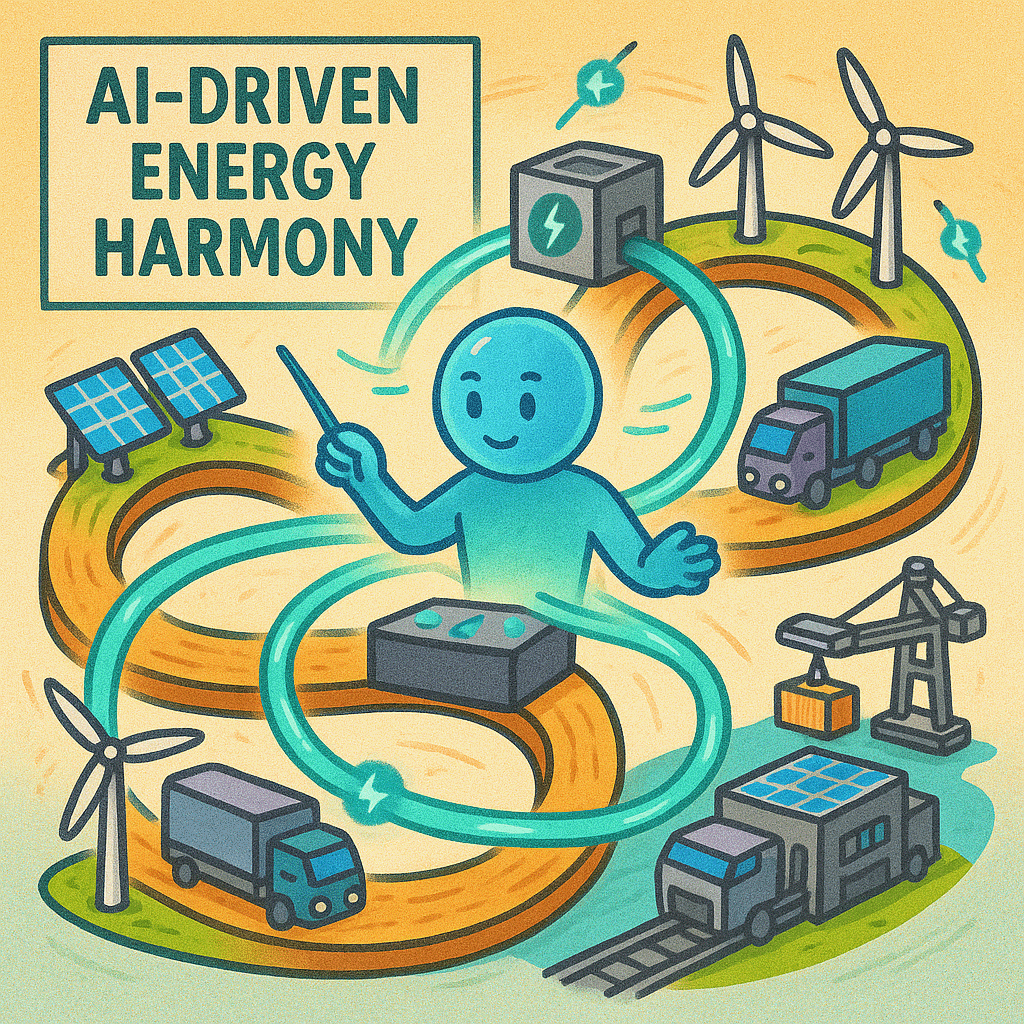
5 Leading Practice Examples
- Adopt Circular Energy Models: Some frontrunners use waste heat recovery or biomass from operations to create energy loops—achieving near-zero waste and localized sustainability.
- Develop Green Power Innovation Labs: High-performing organizations establish in-house innovation hubs or partner with universities to explore cutting-edge technologies in solar, hydrogen, and smart grids.
- Integrate AI in Energy Management: AI is used to predict energy demand, optimize storage usage, and automate smart grid adjustments for maximum efficiency and stability.
- Scale through Community Power Models: Top performers go beyond corporate walls—co-investing in regional renewable grids or co-owned solar farms with municipalities or neighboring businesses.
- Link Green Power to Financial Instruments: Advanced organizations issue green bonds or sustainability-linked loans tied to renewable energy performance and emissions reduction targets.
Most Common Artefacts
The Most Common Artefacts
To successfully implement Green Power strategies, organizations need more than just vision—they need the right tools. Artefacts serve as structured templates, visual models, and strategic guides that help teams turn ideas into actionable plans. These artefacts enable alignment across roles, clarify goals, map out processes, and identify improvement areas.
In the context of sustainability innovation, they support consistent execution, accelerate decision-making, and ensure traceability of impact. This section highlights the most commonly used artefacts in Green Power initiatives and explains how each contributes to achieving measurable sustainability outcomes.
| Artefact | Description | How it Can Be Used for Sustainability Innovation |
|---|---|---|
| Green Power Strategy Canvas | A one-page visual tool that outlines the critical aspects of a Green Power initiative, including objectives, stakeholders, pain points, value proposition, and success measures. | Helps align business, technical, and sustainability objectives, enabling faster ideation, prioritization, and communication of Green Power strategies across departments. |
| Green Power (Energy) Value Chain Artefact | A structured map illustrating the flow of activities, stakeholders, and capabilities involved in producing and managing green energy within an organization. | Identifies key leverage points to improve performance, reduce emissions, and integrate sustainability into every stage of the energy value chain. |
| Stakeholder Map | A visualization tool used to identify, categorize, and understand the stakeholders involved in or affected by Green Power projects. | Ensures all relevant voices are considered in the planning and execution phases, improving collaboration and increasing project success. |
| Role Map | This artefact defines and links the roles involved in Green Power initiatives, including internal departments and external partners. | Clarifies responsibilities, avoids duplication, and supports organizational readiness for implementing and scaling green energy solutions. |
| Capability Map | A diagram showing the core and supporting capabilities required to implement and manage Green Power across the organization. | Identifies capability gaps, enables capability building, and supports strategic planning and investment decisions aligned with green energy goals. |
| Flow Map | This artefact visualizes how tasks, information, costs, and revenues flow between different components of the Green Power initiative. | Reveals inefficiencies and improvement areas, supporting better resource allocation, financial planning, and sustainable operations. |
Overview of the most common artefacts used with Green Power.
These artefacts provide organizations with a practical toolkit for planning, executing, and scaling Green Power initiatives. Each map or canvas helps simplify complex systems, foster collaboration, and ensure sustainability is embedded into strategy and operations.
When used together, they support a structured, innovation-driven approach to renewable energy integration—transforming sustainability from a goal into an actionable and measurable reality.
Conclusion
Green Power is no longer a futuristic concept—it is an urgent, viable, and necessary solution for a planet facing accelerating climate change and energy challenges. By leveraging renewable sources like solar, wind, hydro, biomass, and geothermal, organizations can drastically reduce emissions, enhance energy security, and future-proof their operations. But the transition requires more than just switching power sources—it demands a strategic framework, clear business case, cross-functional collaboration, and a commitment to continuous innovation.
Throughout this chapter, we have explored the core components of Green Power, the powerful reasons behind its adoption, a practical implementation roadmap, common pitfalls to avoid, and real-world practices from outperformers. With the right artefacts and mindset, any organization—regardless of size or industry—can lead the charge toward a more sustainable, resilient, and economically sound future. The time to act is now. Let’s power the future—green.