

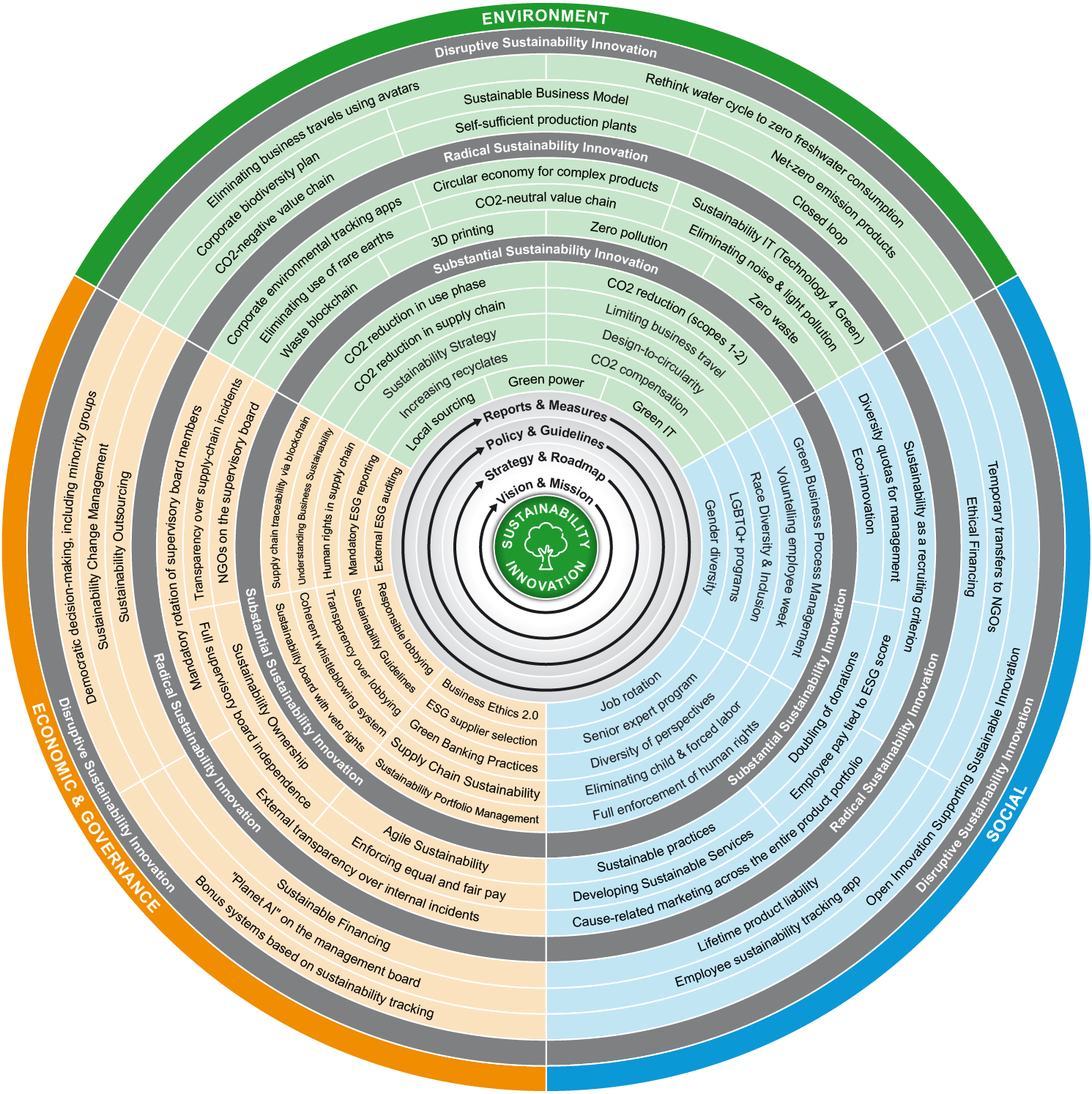
What is Sustainability Outsourcing?
Sustainability Outsourcing is a strategic approach where organizations extend their environmental and social responsibilities to external partners and suppliers. It integrates sustainability principles—such as ethical governance, resource efficiency, and social responsibility—into outsourced operations. Unlike traditional outsourcing focused mainly on cost, this approach aligns business performance with sustainable development.
It enables companies to reduce emissions, enhance transparency, and access specialized expertise while ensuring that every partnership contributes to broader ESG goals. By combining performance with purpose, Sustainability Outsourcing transforms outsourcing into a driver of innovation, resilience, and long-term value. It positions organizations not just to operate efficiently, but to act responsibly within an interconnected and sustainable global economy.
Main Components
The 8 Main Components of Sustainability Outsourcing
Sustainability Outsourcing is built on eight interconnected components that translate sustainability goals into measurable actions. Together, they help organizations reduce environmental impact, strengthen social responsibility, and ensure operational transparency across the entire value chain.
These components provide the foundation for managing outsourced activities in a consistent, traceable, and performance-driven way—aligning suppliers, partners, and internal teams under one sustainability framework.
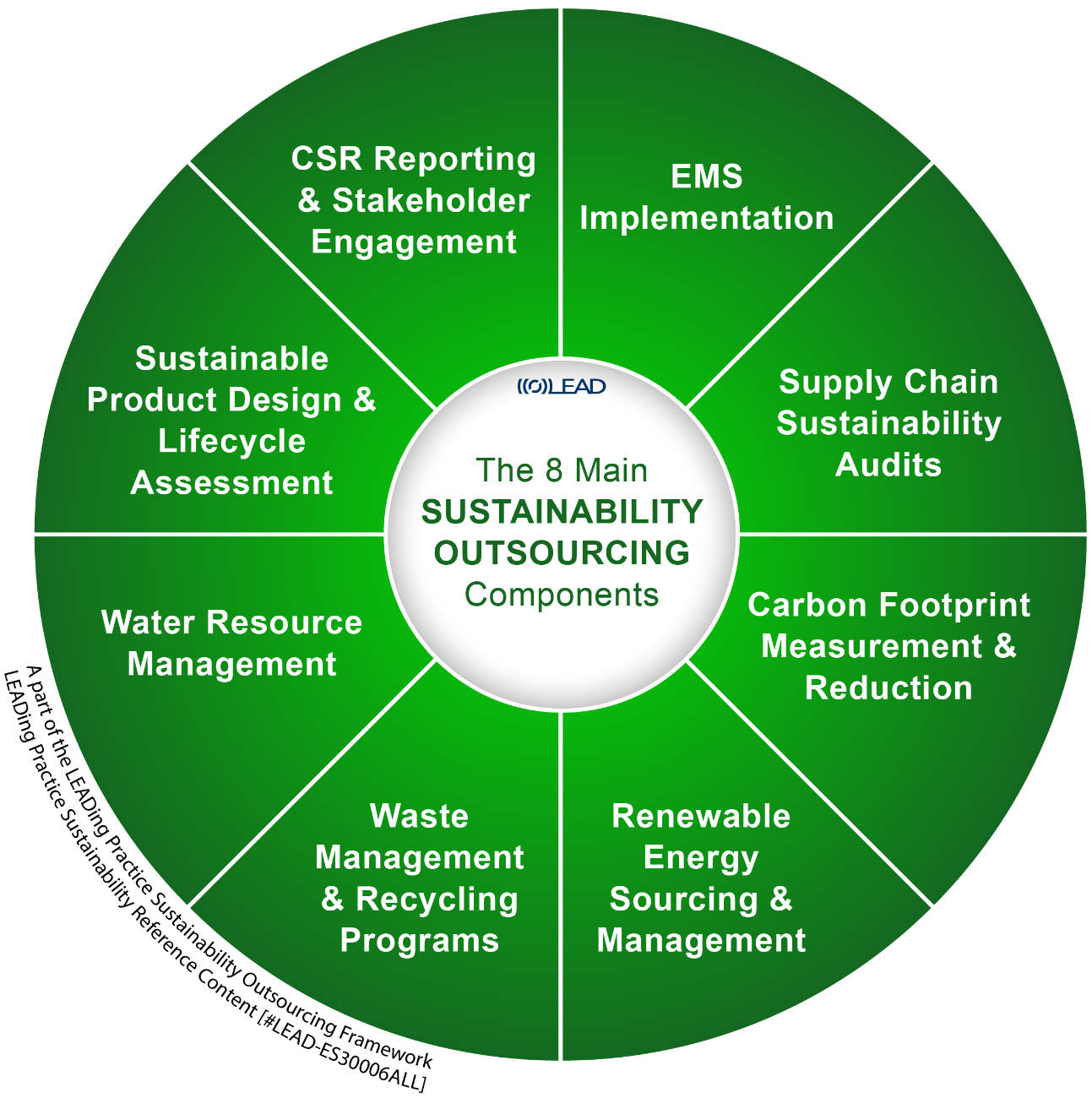
Below are the eight main components of Sustainability Outsourcing, reflecting both structural patterns and actionable insights for organizations:
By combining external expertise with structured processes, organizations can accelerate their sustainability efforts, maintain compliance, and enhance transparency. Together, these elements drive accountability, innovation, and long-term value—positioning Sustainability Outsourcing as a key enabler of responsible growth and competitive advantage.
These eight components form the foundation of Sustainability Outsourcing, turning sustainability goals into measurable and scalable actions across value chains. They ensure that environmental, ethical, and social responsibilities become integral to every outsourced activity.
Why This Is Relevant
Why is Sustainability Outsourcing so Relevant?
Sustainability Outsourcing has become increasingly relevant as organizations face mounting environmental, social, and governance (ESG) demands. Global supply chains are more interconnected than ever, and the expectations for transparency, ethical sourcing, and measurable sustainability performance have intensified. Many organizations now recognize that achieving meaningful sustainability progress requires expertise, data, and technology that often lie beyond their internal capabilities. Outsourcing sustainability-related functions allows companies to access specialized knowledge, innovative tools, and proven frameworks that accelerate transformation.
It also ensures they remain compliant with rapidly evolving environmental regulations and international reporting standards. Beyond compliance, Sustainability Outsourcing enables businesses to meet stakeholder expectations, enhance credibility, and align their operations with global sustainability goals. Its relevance lies in its ability to convert sustainability from a strategic aspiration into an operational reality. By collaborating with specialized partners, organizations can integrate sustainability into everyday decisions, strengthen accountability across supply chains, and maintain competitive advantage in a world where responsible business practices are now a fundamental expectation.
Business/Value Case
The Business/Value Case for Sustainability Outsourcing
Sustainability Outsourcing delivers clear business value by combining operational efficiency with environmental and social impact. Organizations increasingly recognize that sustainability is not just a moral choice but a strategic advantage. By outsourcing specific sustainability functions, they can accelerate progress toward ESG goals, access global expertise, and improve overall performance while controlling costs.
This approach transforms sustainability from a compliance exercise into a value-creating driver of innovation, efficiency, and stakeholder trust. Below are ten benefits and advantages that define the business case for Sustainability Outsourcing.
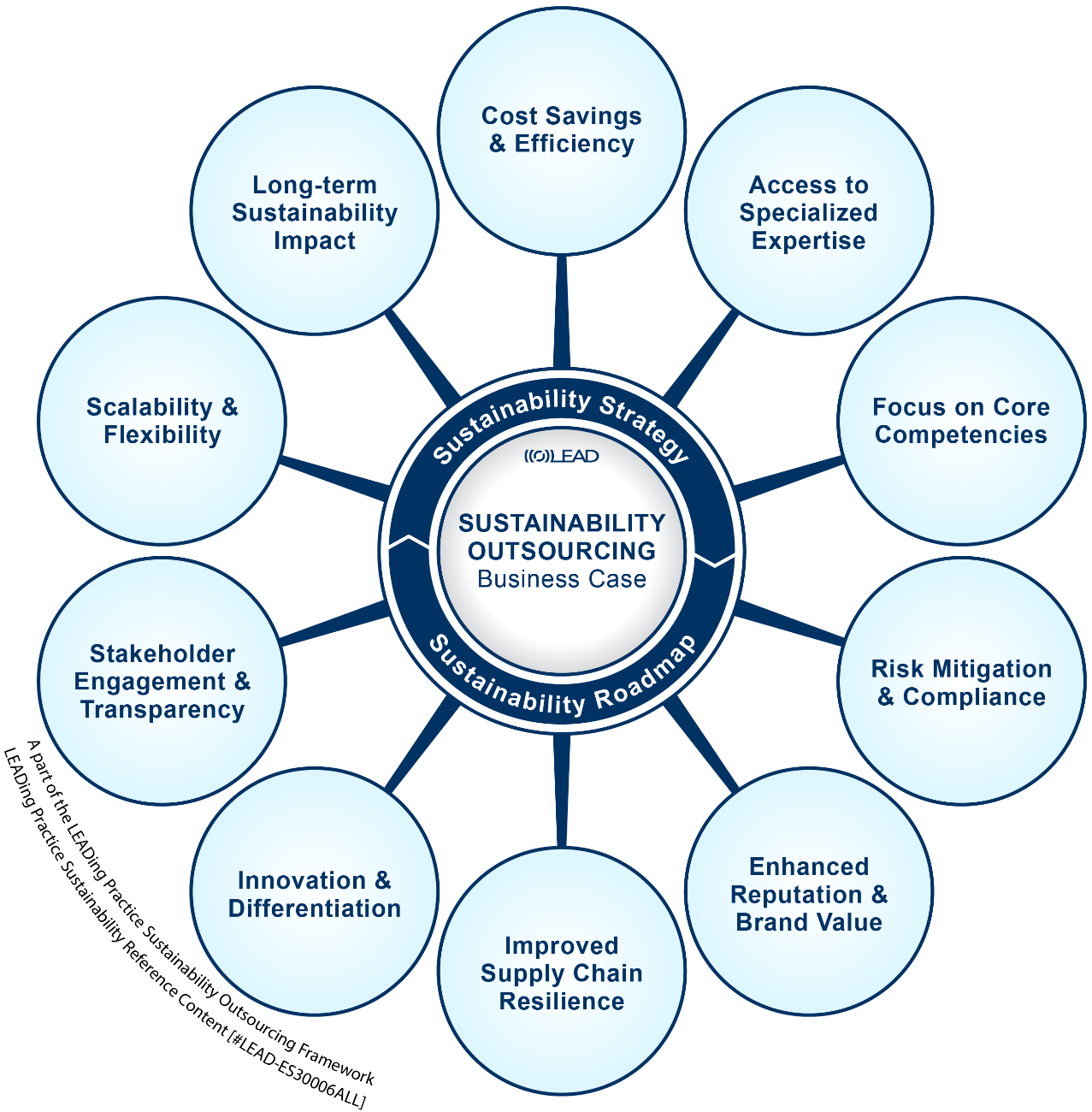
Below are ten key benefits that highlight why this approach is essential for modern organizations:
Sustainability Outsourcing turns responsibility into measurable business value. It helps organizations access specialized expertise, reduce costs, and strengthen resilience while embedding ESG principles into daily operations.
By linking financial performance with purpose, it enhances transparency, innovation, and brand trust. Ultimately, Sustainability Outsourcing empowers companies to operate efficiently, act responsibly, and create long-term sustainable value.
How-To-Guide
How-To-Guide: The Sustainability Outsourcing Framework
The Sustainability Outsourcing Framework provides organizations with a structured and standardized approach to building sustainability into outsourced activities. It helps integrate the business case, strategic goals, and operational execution into a single roadmap. Through this framework, companies can plan what to do, when and where to act, how to perform each step, and who is responsible.
This method brings clarity, accountability, and coordination across functions, ensuring sustainability initiatives move from concept to measurable outcomes efficiently. By following these ten steps, organizations can design, implement, and continuously improve their sustainability outsourcing programs.
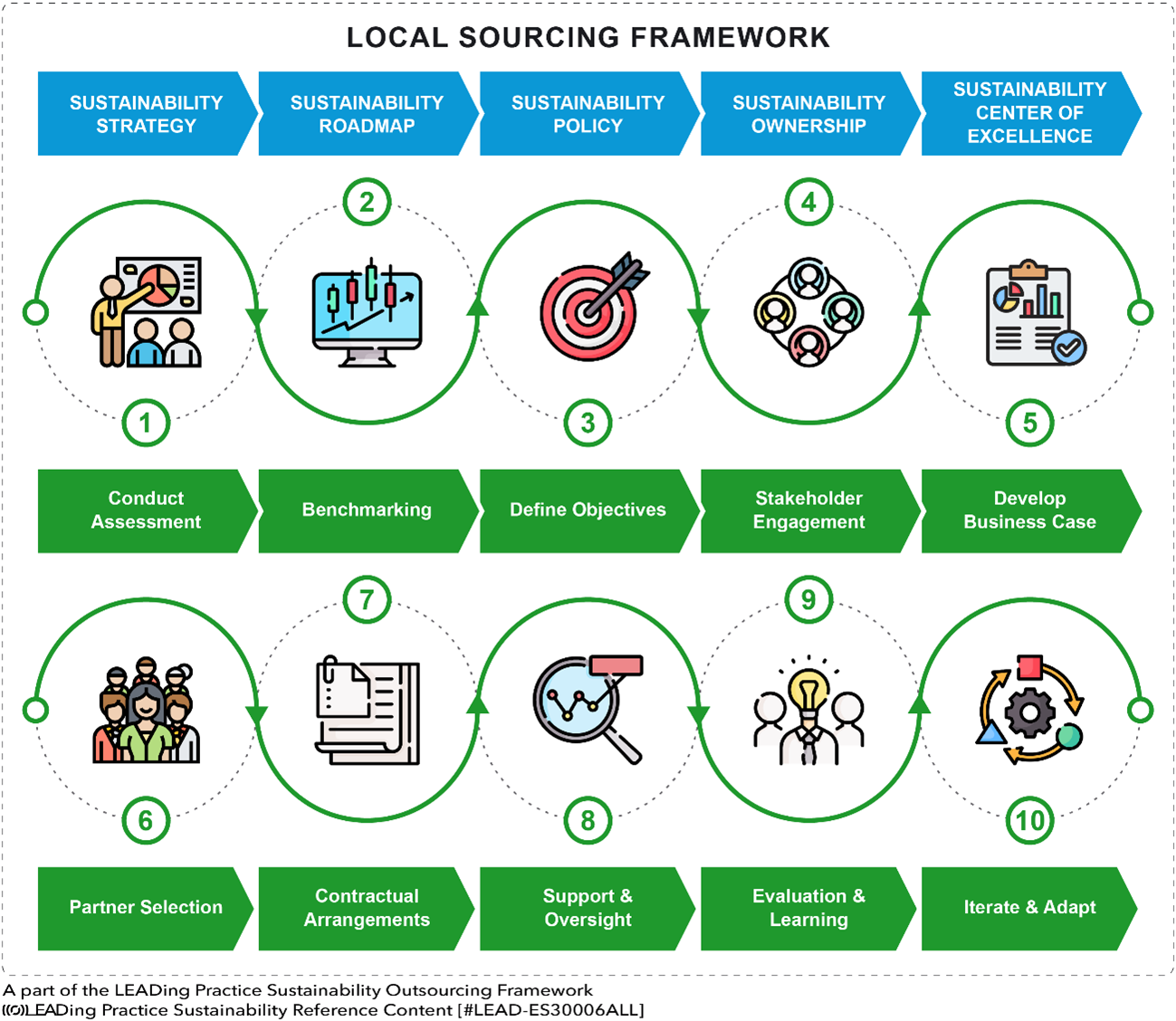
The 10-Step Way Forward:
The Sustainability Outsourcing Framework turns sustainability goals into structured, achievable outcomes. It aligns strategy, governance, and collaboration, ensuring environmental and social objectives progress alongside business efficiency.
By fostering accountability and continuous improvement between organizations and partners, it builds transparency, trust, and long-term impact. This framework makes sustainability a core business discipline—driving responsible growth, innovation, and measurable value.
Contact Us
Wanna learn more ? Want to improve your company ?
Projects that require our help ?
Don't waste more time, contact us !
Most Common Pitfalls
The Most Common Pitfalls and Challenges
While Sustainability Outsourcing offers significant benefits, many organizations face recurring pitfalls that undermine progress. These challenges often arise from poor alignment, weak governance, or inadequate partner oversight.
Understanding and avoiding these traps helps ensure sustainable outcomes, accountability, and trust throughout the outsourcing process. The following examples highlight the most frequent Antipatterns and Worst Practices that limit success in sustainability outsourcing initiatives.
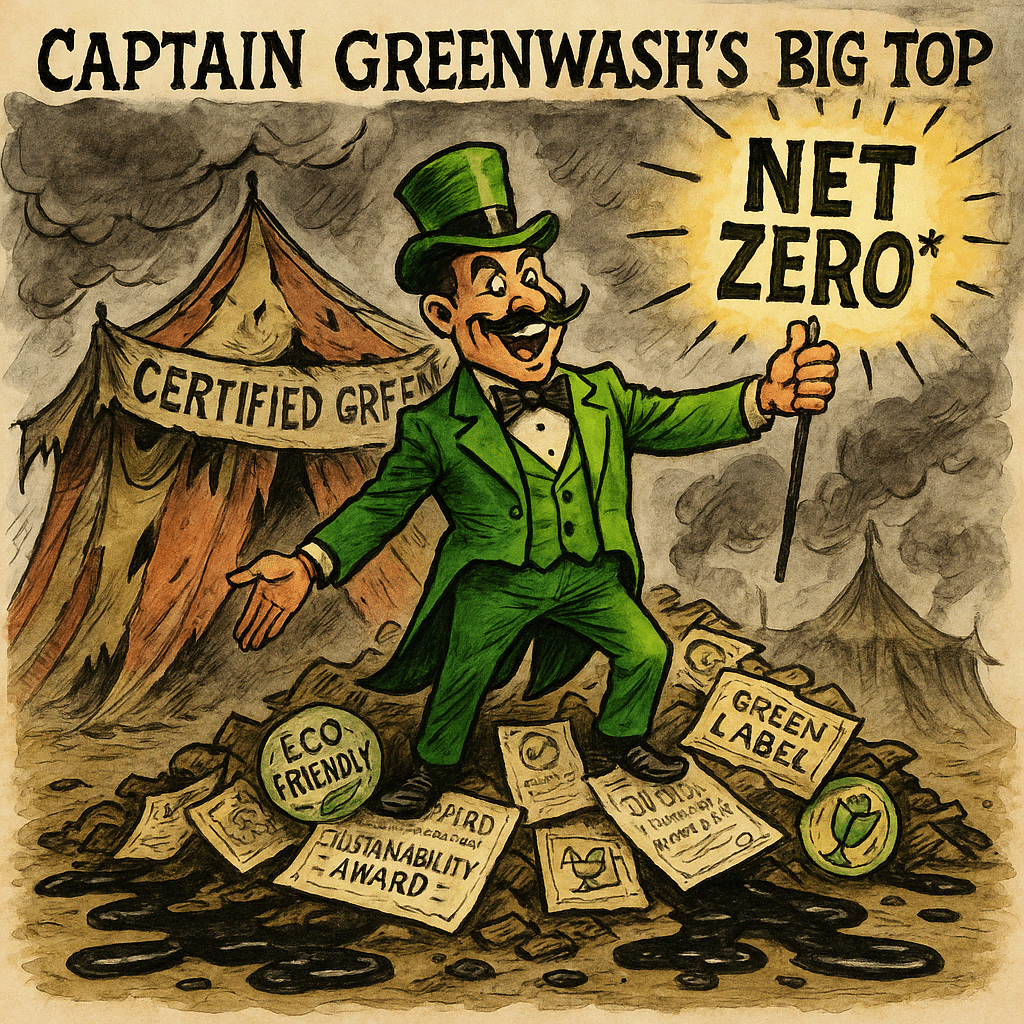
5 Antipattern Examples
- Tokenism: Treating sustainability as a branding exercise without real impact, outsourcing minimal initiatives for appearance rather than transformation.
- Scope Creep: Expanding project scope beyond capacity, resulting in inefficiency and diluted sustainability outcomes.
- Vendor Lock-in: Relying on one supplier, creating dependency that limits flexibility and innovation.
- Lack of Integration: Operating sustainability outsourcing in isolation from broader corporate strategy and culture.
- Weak Stakeholder Engagement: Neglecting input from key stakeholders, leading to resistance and loss of credibility.

5 Worst Practice Examples
- Greenwashing: Misrepresenting environmental performance through misleading claims or unverified results.
- Short-Term Cost Focus: Choosing the cheapest provider rather than the most responsible, compromising long-term sustainability.
- Insufficient Due Diligence: Failing to assess suppliers’ environmental or social practices before contracting.
- Fragmented Management: Managing outsourcing without cross-functional coordination, creating inefficiencies and oversight gaps.
- Lack of Accountability: Setting vague sustainability goals without metrics or monitoring, resulting in unmeasurable progress.
Lessons Learned
Learning from the Outperformers: Lessons Learned
Organizations that excel in Sustainability Outsourcing—known as “Outperformers”—demonstrate that success depends on integration, collaboration, and accountability. They view sustainability not as a compliance task but as a strategic enabler that strengthens business value.
These leaders set clear expectations for partners, measure progress transparently, and continuously innovate. By studying their approach, other organizations can replicate proven methods and avoid early mistakes. Below are key Best Practices and Leading Practices observed among top performers in sustainability outsourcing worldwide.
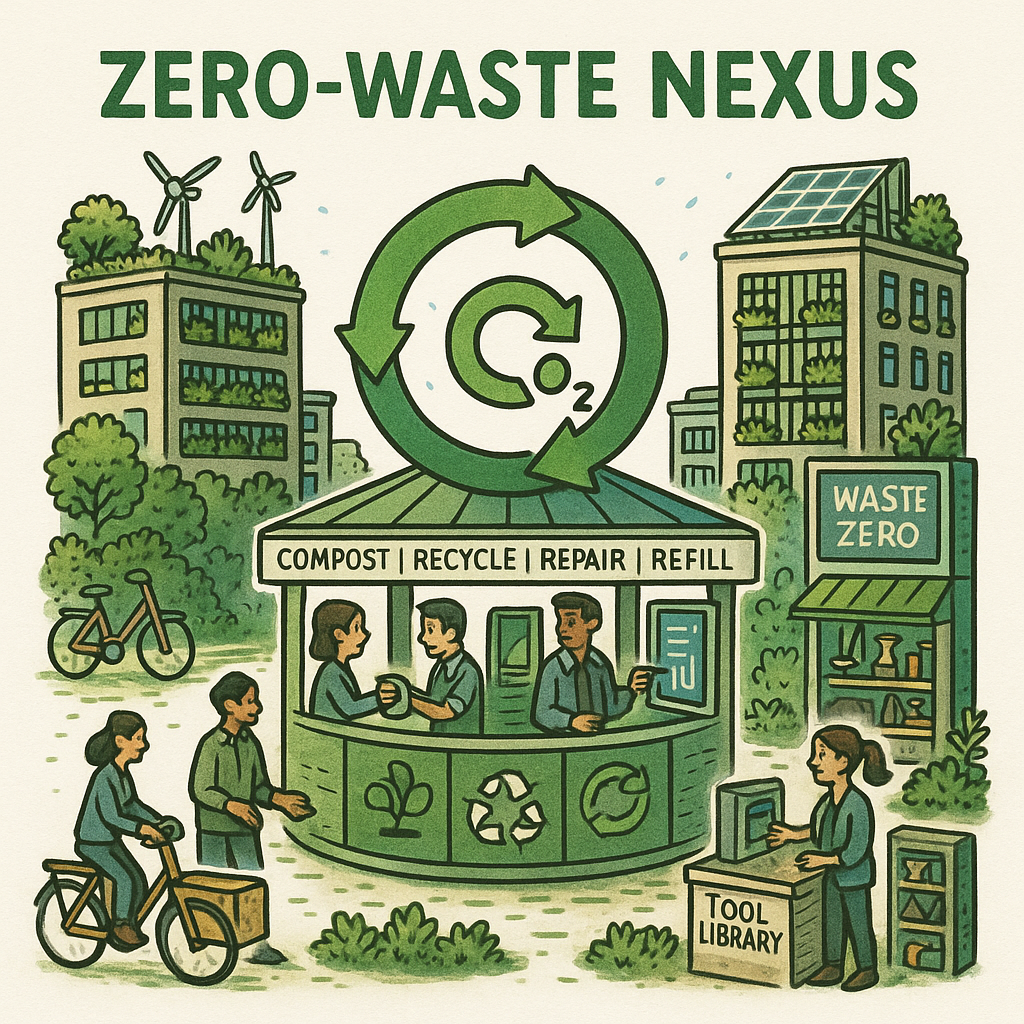
5 Best Practice Examples
- Strategic Alignment: Embed sustainability outsourcing objectives directly within corporate strategy and performance goals.
- Partnership Collaboration: Build trusted, long-term partnerships that encourage shared innovation and accountability.
- Transparency and Reporting: Use open data sharing, verified reports, and dashboards to build trust.
- Continuous Improvement: Regularly review and refine sustainability outsourcing processes to adapt and innovate.
- Risk and Compliance Management: Proactively identify, monitor, and address social and environmental risks across all outsourced functions.
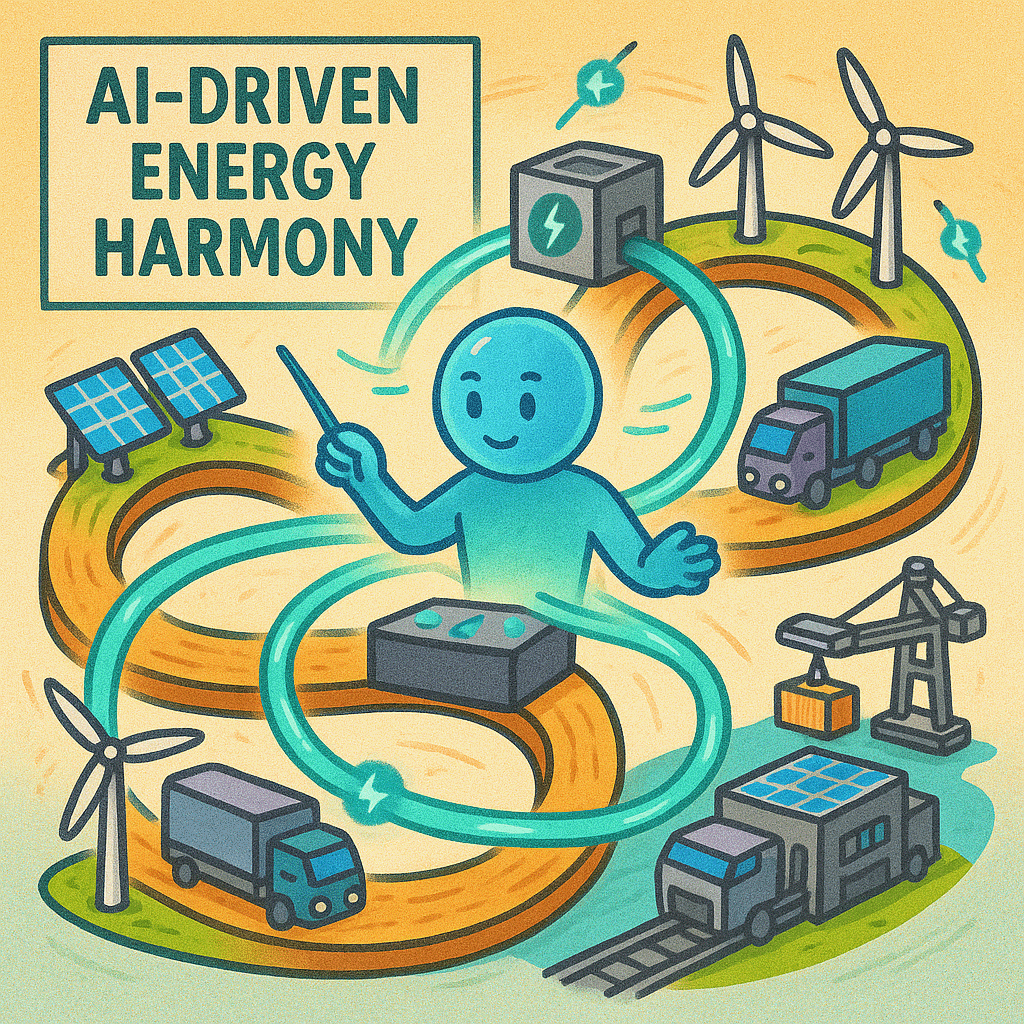
5 Leading Practice Examples
- Circular Economy Integration: Embed circularity principles—reuse, recycling, and regeneration—into outsourced operations.
- Regenerative Sourcing: Partner with suppliers that actively restore ecosystems and promote biodiversity.
- Inclusive Procurement: Work with diverse and equitable suppliers to promote social inclusion and local development.
- Technology-Enabled Transparency: Use digital platforms and blockchain to trace sustainability data across global value chains.
- Cross-Sector Collaboration: Collaborate with governments, NGOs, and academia to co-create scalable sustainability solutions.
Most Common Artefacts
The Most Common Artefacts
Sustainability Outsourcing depends on well-defined artefacts that guide, measure, and communicate sustainable performance across outsourced operations. These tools ensure structure, accountability, and innovation by linking sustainability objectives to operational execution.
Each artefact supports a specific aspect of managing, tracking, and improving sustainability outcomes, enabling organizations to transform commitments into action. Together, they form a practical toolbox for embedding sustainability thinking into partnerships, supply chains, and business processes.
| Artefact | Description | How it Can Be Used for Sustainability Innovation |
|---|---|---|
| Sustainability Policy Document | Defines the organization’s sustainability vision, commitments, and principles for responsible outsourcing. | Aligns outsourcing decisions with overall sustainability strategy and provides a consistent foundation for innovation and performance evaluation. |
| Code of Conduct for Suppliers | Specifies ethical, labor, and environmental standards that suppliers must uphold. | Drives responsible supplier behavior and encourages innovation in ethical and sustainable business practices. |
| Sustainability Assessment Frameworks | Standardized tools for evaluating sustainability performance across outsourced functions. | Enables data-based comparison, improvement tracking, and evidence-driven sustainability enhancement. |
| Environmental Impact Reports | Detailed analyses of environmental impacts, including energy use, waste, and carbon emissions. | Provides transparency and insight for developing targeted improvements and new green initiatives. |
| Social Responsibility Audits | Assess working conditions, labor rights, and community engagement practices of outsourcing partners. | Ensures fair and inclusive practices that contribute to long-term social sustainability. |
| Green Procurement Guidelines | Outlines sustainability criteria for purchasing and supplier selection. | Encourages suppliers to develop environmentally friendly materials, products, and services aligned with innovation goals. |
| Supply Chain Traceability Reports | Provide end-to-end visibility from sourcing to delivery. | Ensures transparency and helps identify opportunities for efficiency and ethical sourcing. |
| Renewable Energy Certificates | Verify that outsourced operations use energy from renewable sources. | Demonstrates leadership in transitioning to low-carbon energy systems and innovative clean-energy sourcing. |
| Sustainable Packaging Standards | Define criteria for eco-friendly, recyclable, or compostable packaging in outsourced production. | Supports creative packaging redesigns that reduce waste and environmental impact. |
| Stakeholder Engagement Plans | Outline how the organization interacts with internal and external stakeholders on sustainability topics. | Integrates diverse perspectives and fosters collaborative sustainability problem-solving. |
| Life Cycle Analysis (LCA) Reports | Assess environmental impact across a product’s entire life—from sourcing to disposal. | Guides sustainable design and helps prioritize impactful innovation opportunities. |
| Training Materials on Sustainable Practices | Educational content for employees and suppliers on sustainable behaviors and systems. | Builds organizational capacity to identify, implement, and scale sustainability innovations effectively. |
Overview of the most common artefacts used with Sustainability Outsourcing.
The artefacts of Sustainability Outsourcing turn strategy into action. They provide the structure, transparency, and accountability needed to manage sustainability across complex partnerships.
Each artefact—from policies and audits to training and life cycle reports—helps translate commitments into measurable results. Together, they enable organizations to scale sustainable practices, strengthen credibility, and achieve lasting impact across the value chain.
Conclusion
Sustainability Outsourcing is more than an operational model—it’s a catalyst for transformation. By extending sustainability commitments beyond internal boundaries, organizations unlock the collective power of their suppliers, partners, and communities. It turns responsibility into measurable action and connects environmental, social, and economic performance into one coherent system. This approach enables companies to embed sustainability directly into how they work, buy, and deliver value.
It ensures that every outsourced activity—whether in energy, logistics, design, or data—supports a broader purpose: long-term resilience and shared prosperity. The organizations that adopt this mindset are not only more adaptive but also more trusted and competitive in a world defined by transparency and accountability. To succeed, leaders must combine strategy, structure, and culture—supported by clear frameworks, strong partnerships, and the artefacts that make sustainability tangible. Those who act now will shape a future where efficiency and ethics coexist, and where sustainability outsourcing becomes a cornerstone of responsible growth.