

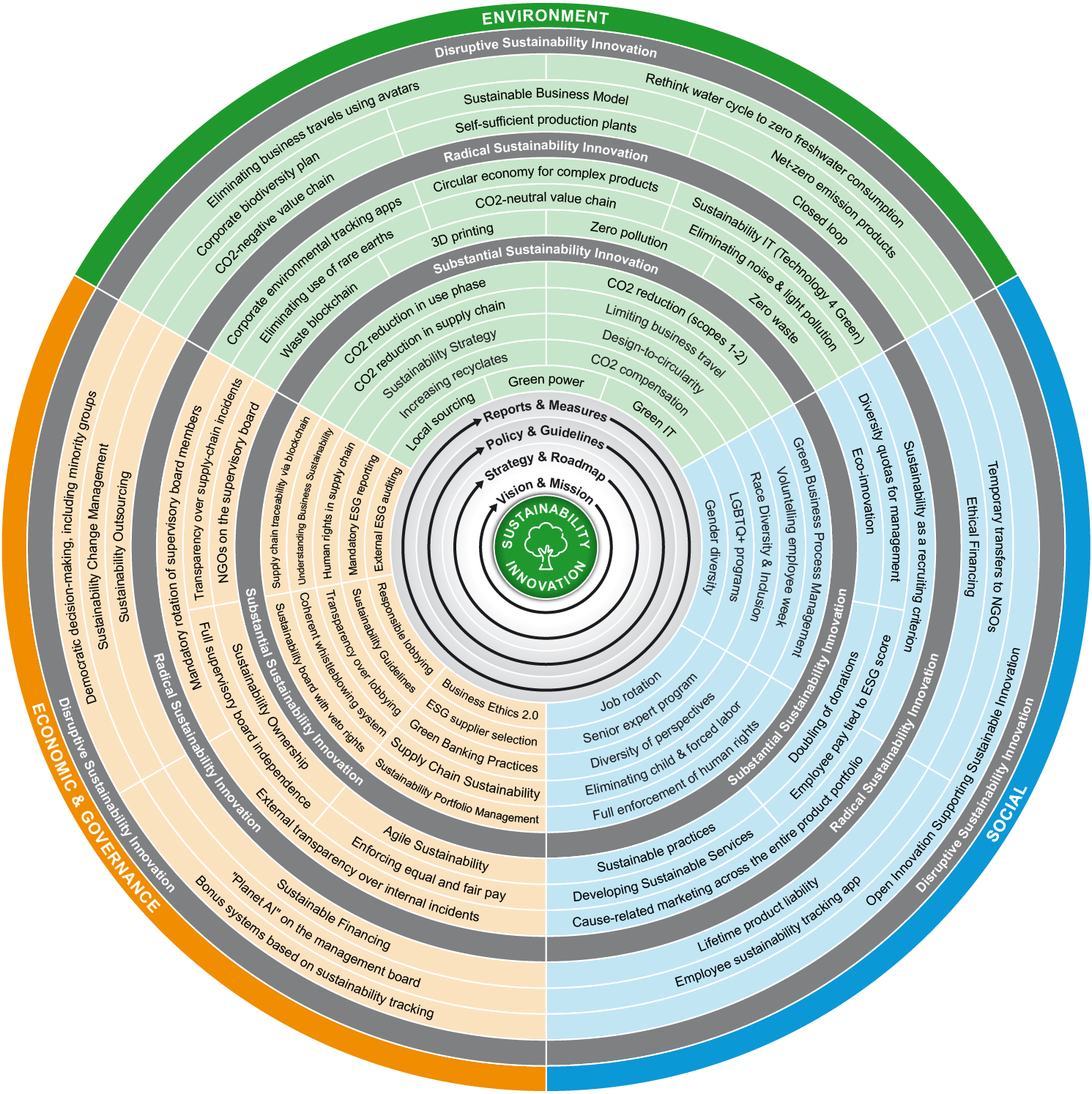
What is A Roadmap for Execution?
A Roadmap for Execution is a structured approach that transforms strategic intent into concrete, measurable results. While strategies set the vision and goals, execution determines whether these ambitions will actually materialize. A roadmap provides the essential bridge between the “what” and the “how,” ensuring that ideas and strategies do not remain theoretical but are translated into coordinated actions. It acts as both a guiding framework and a practical tool: guiding because it aligns stakeholders, resources, and activities toward a shared objective, and practical because it breaks large ambitions into manageable steps with clear timelines, responsibilities, and checkpoints.
By following a roadmap for execution, organizations can reduce uncertainty, anticipate risks, allocate resources wisely, and track progress effectively. In today’s complex business and sustainability landscapes, execution excellence is no longer optional — it is the key differentiator between organizations that thrive and those that struggle. A Roadmap for Execution provides clarity, consistency, and discipline, helping leaders and teams deliver on commitments, build trust with stakeholders, and achieve meaningful impact.
Main Components
The 8 Main Components of A Roadmap for Execution
A Roadmap for Execution is only as strong as the components that structure it. To move from vision to results, organizations must rely on a set of interconnected elements that provide clarity, discipline, and adaptability. These components ensure that execution is not left to chance, but is instead guided by deliberate planning, engagement, and continuous improvement.
Each one contributes to turning strategy into tangible outcomes, while also safeguarding against common pitfalls such as misalignment, resource bottlenecks, or lack of accountability. Together, they form the backbone of any effective execution process, offering leaders and teams a practical framework to stay on track and deliver sustained results.

Below are the eight main components of A Roadmap for Execution, reflecting both structural patterns and actionable insights for organizations:
A Roadmap for Execution thrives on the integration of these eight components. Each plays a distinct role — from defining vision and aligning stakeholders to monitoring performance and fostering improvement.
Together, they create a structured, resilient, and adaptable system that ensures execution delivers real results. By embedding these elements, organizations can navigate complexity, mitigate risks, and sustain long-term impact while staying true to their strategic objectives.
Why This Is Relevant
Why is A Roadmap for Execution so Relevant?
In today’s fast-changing business and sustainability environment, organizations are under constant pressure to deliver results quickly while adapting to shifting priorities and external challenges. Strategies alone are not enough — execution is where real value is created. A Roadmap for Execution is relevant because it provides the structured discipline needed to close the gap between intention and outcome. Without such a framework, even the most well-crafted strategies risk stalling due to misalignment, resource mismanagement, or lack of accountability. Its relevance also stems from its ability to integrate diverse perspectives and functions into a single, unified plan.
By aligning vision, resources, and stakeholders, a roadmap ensures that organizations move in the same direction with clarity and purpose. It makes complex initiatives manageable by breaking them into clear steps, while providing the tools to anticipate risks, measure progress, and refine approaches along the way. Equally important, a Roadmap for Execution fosters trust. Stakeholders — whether executives, employees, customers, or investors — gain confidence in an organization’s ability to deliver on its promises. This credibility enhances reputation, builds resilience, and supports long-term success. In essence, a roadmap for execution is not just a planning instrument; it is a vital enabler of sustained performance, innovation, and impact.
Business/Value Case
The Business/Value Case for A Roadmap for Execution
In every organization, the difference between success and failure often lies not in the quality of the strategy but in the ability to execute it effectively. A Roadmap for Execution provides the missing link by ensuring that strategic intent is translated into clear, actionable steps. Its business case is compelling: without structured execution, even the most innovative strategies risk underperformance, wasted resources, or missed opportunities.
By embedding a roadmap into daily operations, organizations can create alignment between vision and action, anticipate and manage risks, and allocate resources with greater precision. The result is a structured environment where accountability, transparency, and adaptability thrive, delivering value not only to leadership but to employees, investors, customers, and society at large.
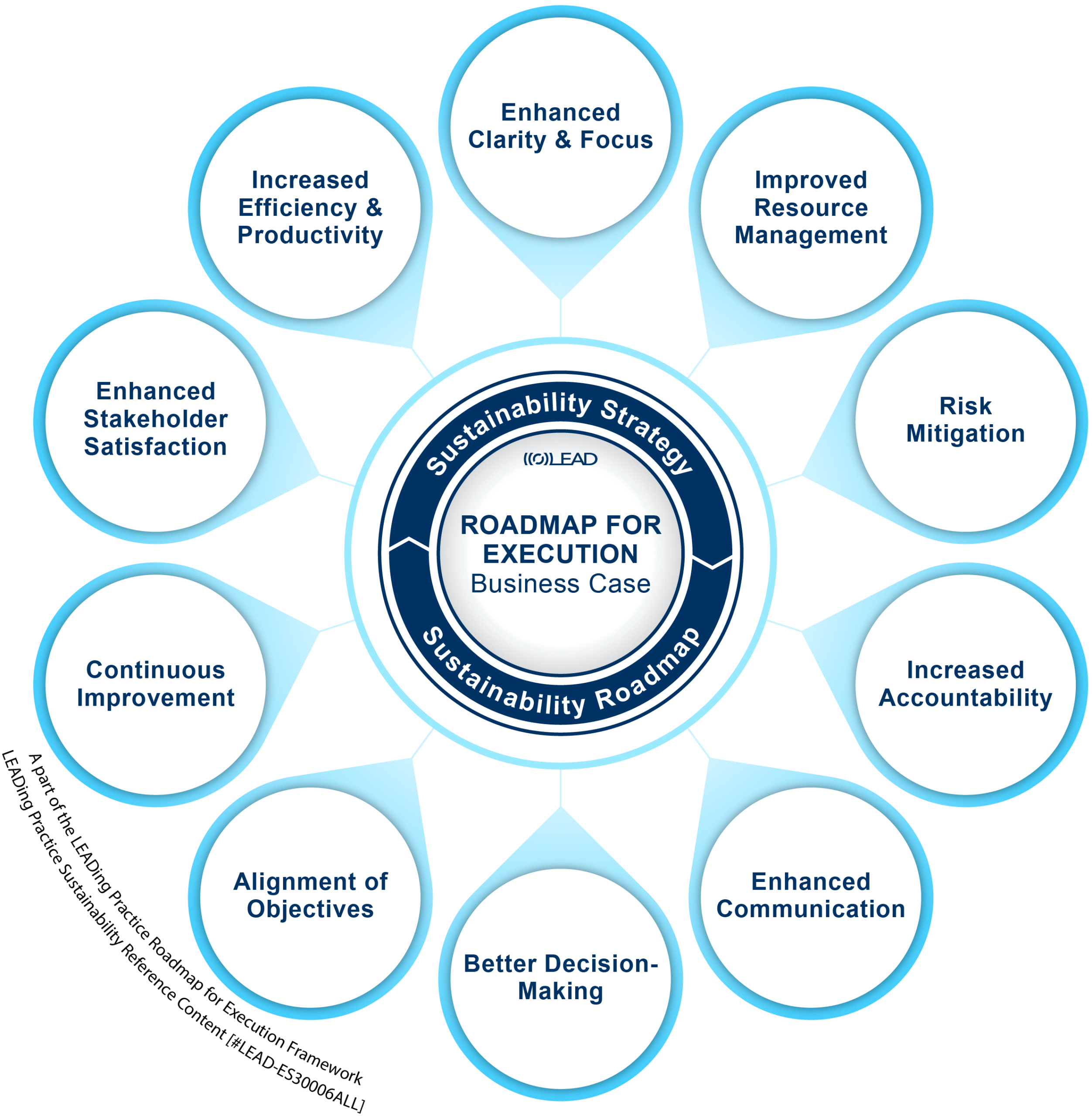
Below are ten key benefits that highlight why this approach is essential for modern organizations:
The value of a Roadmap for Execution is far-reaching. It clarifies direction for leaders, empowers managers with structured frameworks, and supports teams in achieving their objectives with confidence. By reducing uncertainty and ensuring alignment across all stakeholders, it builds trust and credibility while driving productivity and efficiency. More importantly, it creates a culture of continuous improvement and accountability that strengthens long-term resilience.
In a world where complexity and change are constant, the business case for a roadmap is undeniable: it provides the foundation for sustainable growth, strategic agility, and stakeholder satisfaction. Organizations that adopt this approach position themselves not only to meet today’s challenges but to thrive in the opportunities of tomorrow.
How-To-Guide
How-To-Guide: The Roadmap for Execution Framework
A Roadmap for Execution Framework enables organizations to transform strategy into tangible results through a structured and disciplined approach. Instead of leaving execution to chance, it provides a systematic path that incorporates the business case, the 8 main components, and a clear set of steps. This framework builds confidence among executives, managers, and team members by ensuring that everyone knows their roles, responsibilities, and timelines.
Its strength lies in standardization — creating a repeatable model that can be adapted across projects and initiatives. For leaders, it provides reassurance that strategies are being implemented effectively; for project managers, it offers clarity and structure; and for teams, it gives purpose and accountability. Ultimately, it ensures that strategy is not just written down but acted upon, delivering consistent and measurable impact.
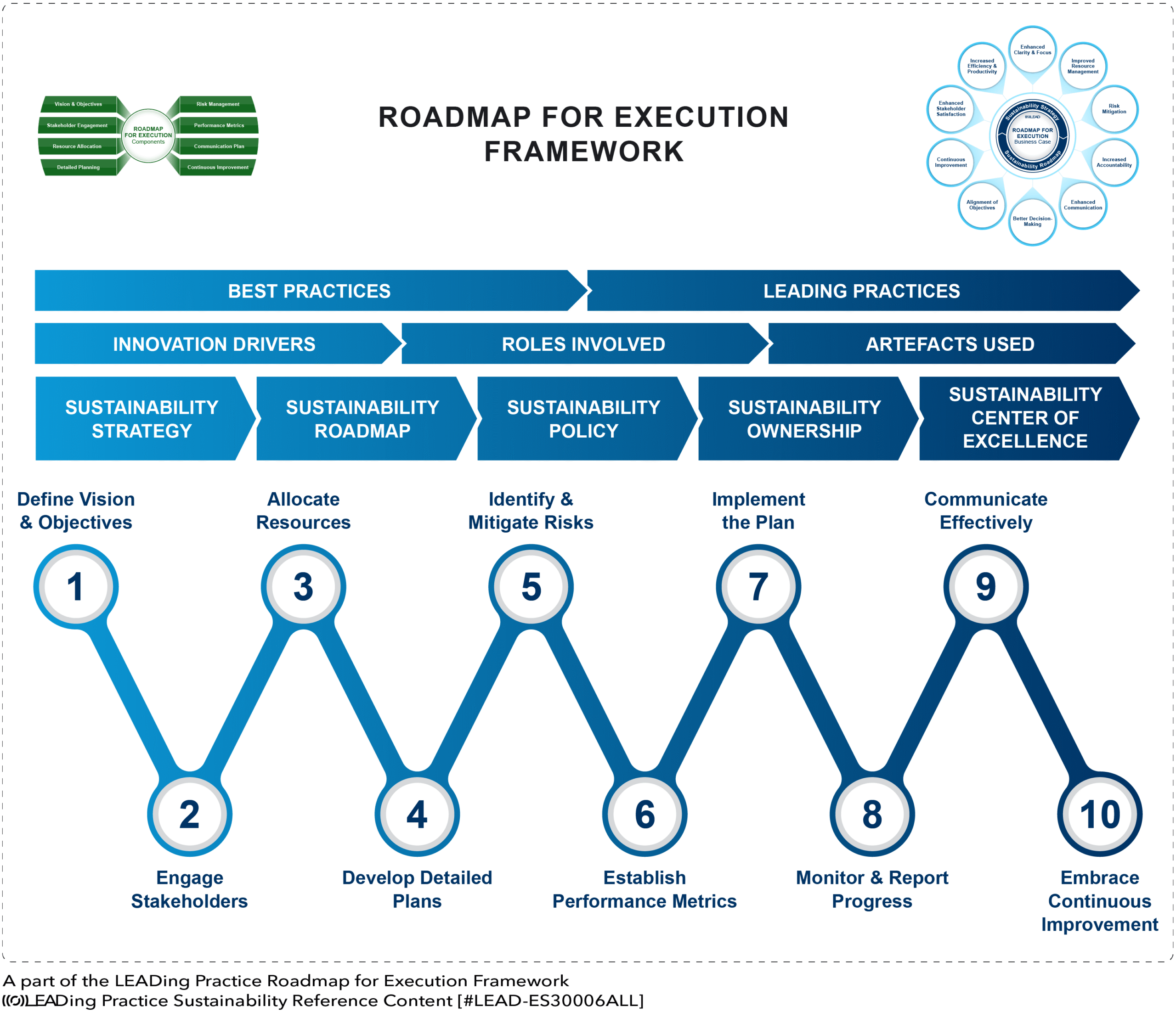
The 10-Step Way Forward:
The A Roadmap for Execution Framework provides a step-by-step guide that transforms strategy into reality. By clearly defining roles, tasks, and timelines, it minimizes uncertainty and maximizes impact.
Its value lies in its repeatable and adaptable structure, which ensures that every project is aligned with organizational goals, managed effectively, and continuously improved. With this framework, organizations can act faster, deliver more reliably, and sustain long-term success.
Contact Us
Wanna learn more ? Want to improve your company ?
Projects that require our help ?
Don't waste more time, contact us !
Most Common Pitfalls
The Most Common Pitfalls and Challenges
Even with a clear framework, many organizations struggle with execution because of recurring pitfalls and challenges. These obstacles often appear in two forms: antipatterns — flawed behaviors or approaches that undermine execution, and worst practices — consistent but ineffective actions that reduce impact and value.
Recognizing them in advance is essential to prevent derailment and to keep projects aligned with strategic goals. By learning from these common mistakes, organizations can create stronger roadmaps that are realistic, resilient, and better positioned to succeed.
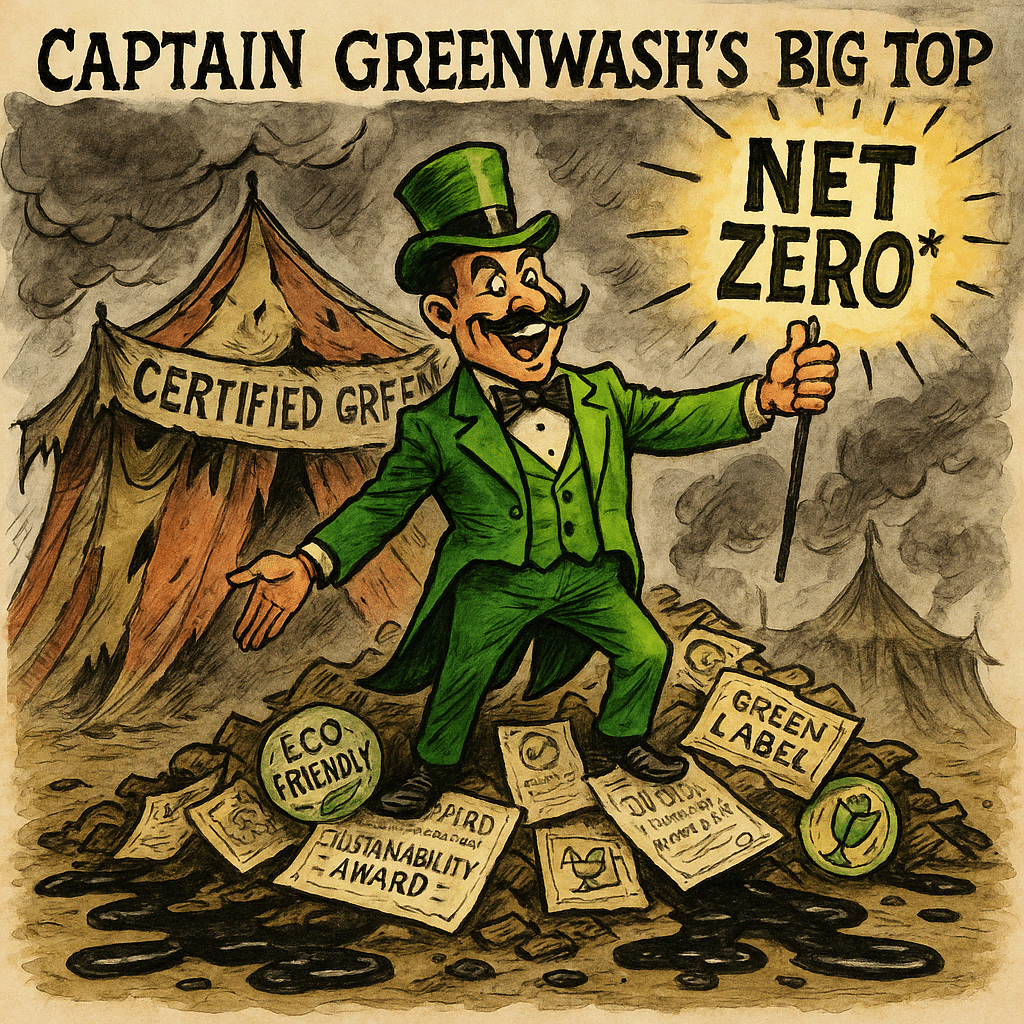
5 Antipattern Examples
- Overplanning without Action: Spending excessive time detailing plans while execution stalls, leaving goals unrealized.
- One-Way Communication: Leaders broadcast updates but fail to create feedback loops, silencing valuable team insights.
- Isolated Execution Teams: Project teams operate in silos, disconnected from broader organizational objectives.
- Reactive Resource Allocation: Resources are reassigned only after issues arise, causing delays and frustration.
- Unrealistic Timelines: Deadlines are set for ambition, not feasibility, resulting in rushed and poor-quality outcomes.

5 Worst Practice Examples
- Ignoring Stakeholder Input: Dismissing stakeholder needs leads to resistance, misalignment, and failure to gain long-term support.
- Skipping Risk Management: Proceeding without identifying risks creates vulnerability to disruptions that could have been mitigated.
- Measuring Activity, Not Impact: Tracking only tasks completed rather than outcomes achieved gives a false sense of progress.
- Poor Change Management: Neglecting to prepare people for change generates confusion, resistance, and decreased morale.
- Failure to Learn from Mistakes: Not conducting post-project reviews means repeating the same errors in future initiatives.
Lessons Learned
Learning from the Outperformers: Lessons Learned
Organizations that consistently succeed in execution stand apart because they apply practices that go beyond the basics. These outperformers understand that execution is not only about delivering tasks but also about building a culture of alignment, adaptability, and continuous learning.
Their success comes from embedding proven best practices and pioneering leading practices that inspire new standards. Together, these lessons provide valuable guidance for any organization seeking to strengthen its roadmap for execution and deliver sustainable results.
5 Best Practice Examples
- Align Strategy and Execution: Ensure that all initiatives directly support organizational goals, creating coherence between vision and daily activities.
- Engage Stakeholders Early: Involve key stakeholders from the start, building trust and ensuring their expectations shape the roadmap.
- Set Clear Milestones: Break large goals into smaller, measurable checkpoints to track progress effectively.
- Embed Risk Awareness: Make risk management part of everyday planning rather than a separate activity.
- Foster Transparent Communication: Maintain open, consistent communication channels that connect leadership, teams, and stakeholders.

5 Leading Practice Examples
- Diversity-Linked Incentives: Tying executive bonuses to diversity targets drives accountability and cultural change.
- Inclusive Innovation Labs: Creating cross-cultural teams to co-design sustainable products and services accelerates creativity.
- Global-Local Integration: Balancing global standards with local cultural adaptations ensures strategies are both scalable and context-sensitive.
- Intersectionality Focus: Addressing overlapping identities—such as race, gender, and class—creates solutions that tackle systemic inequities.
- External Advocacy: Outperformers influence industry standards and policies, positioning themselves as champions of fairness and sustainability beyond their organizations.
Most Common Artefacts
The Most Common Artefacts
Every execution framework produces tangible outputs that act as anchors for progress and alignment. These artefacts are more than documents or templates; they are living tools that capture knowledge, structure collaboration, and ensure consistency across projects. A Roadmap for Execution relies heavily on such artefacts to translate ideas into actions, giving stakeholders a common reference point to guide decisions and track results.
They help bridge gaps between strategy and practice by making goals visible, processes transparent, and responsibilities clear. When designed with sustainability in mind, artefacts become even more powerful — they not only guide execution but also embed environmental and social responsibility into the heart of organizational performance.
| Artefact | Description | How it Can Be Used for Sustainability Innovation |
|---|---|---|
| Vision Statement | Defines the overarching purpose and long-term aspirations of the initiative. | Anchors projects to a higher purpose, ensuring that sustainability values guide decision-making and execution. |
| Stakeholder Map | Illustrates all parties impacted by the project, their roles, and their influence. | Ensures diverse voices are considered, enabling more inclusive and equitable sustainability solutions. |
| Resource Allocation Chart | Details the distribution of financial, human, and technological resources. | Highlights opportunities to prioritize sustainable resources and technologies in project execution. |
| Risk Register | Captures identified risks, their likelihood, and mitigation plans. | Identifies sustainability-related risks (e.g., regulatory, environmental) and ensures proactive mitigation. |
| KPI Dashboard | Monitors progress through key performance indicators and measurable outcomes. | Tracks not only business performance but also environmental and social impact metrics. |
| Lessons Learned Document | Summarizes insights and feedback from completed projects. | Embeds continuous learning, encouraging organizations to refine sustainability practices in future roadmaps. |
Overview of the most common artefacts used with A Roadmap for Execution.
Artefacts are indispensable for sustaining momentum and clarity throughout the execution journey. They make strategy visible, transform abstract concepts into actionable frameworks, and provide the evidence needed to measure success and refine practices. Beyond serving as project documentation, they foster alignment among diverse stakeholders and create opportunities for innovation.
By adapting artefacts to incorporate sustainability goals, organizations ensure that each project contributes to broader societal and environmental outcomes, not just financial or operational ones. In this way, artefacts become catalysts of long-term value — enabling organizations to execute with purpose, learn continuously, and evolve responsibly in a world where sustainability and resilience are essential.
Conclusion
A Roadmap for Execution transforms strategy into reality by providing clarity, structure, and discipline. It ensures that ambitious visions do not remain on paper but are translated into tangible results that benefit both organizations and stakeholders. Through its eight main components, ten clear benefits, and a step-by-step framework, it addresses the core challenges of execution: alignment, accountability, and adaptability. Its value extends beyond efficiency and performance. By engaging stakeholders, anticipating risks, and fostering continuous improvement, the roadmap builds resilience and credibility.
The artefacts created along the way capture knowledge and provide tools for innovation, particularly when sustainability is embedded as a guiding principle. Ultimately, a Roadmap for Execution is more than a framework — it is a commitment to deliver. It empowers leaders to inspire confidence, equips managers with the tools to coordinate effectively, and gives teams a clear path to follow. In doing so, it enables organizations to achieve meaningful impact and sustained success in an increasingly complex and fast-changing world.