

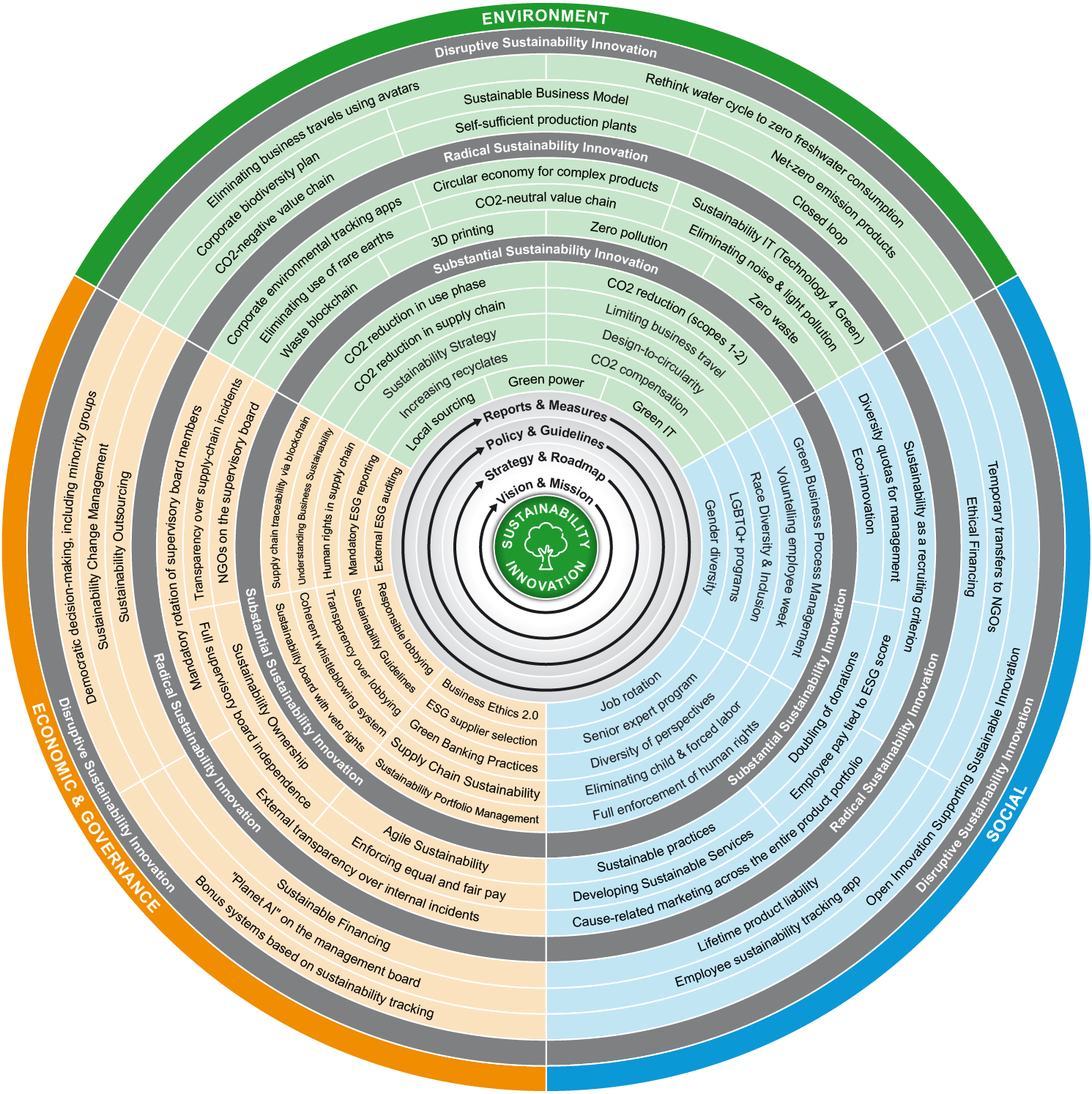
What is Agile Concepts Applied to Sustainability?
Agile Concepts Applied to Sustainability is the practice of transferring the principles, values, and methods of Agile—originally created for software development—into the field of sustainability. It emphasizes adaptability, collaboration, transparency, and continuous improvement, making sustainability initiatives more responsive to change and more impactful in practice. Instead of relying on rigid, long-term plans, organizations use iterative cycles to test, learn, and improve their sustainability strategies.
Agile approaches allow cross-functional teams to engage stakeholders, identify quick wins, and scale successful practices. This mindset shifts sustainability from being a static compliance activity to a dynamic, value-creating process that evolves with external changes such as market demands, new regulations, and emerging environmental and social challenges. By applying Agile principles to sustainability, organizations are empowered to innovate, measure progress, and adapt rapidly, creating a more resilient path toward long-term ecological and social goals while aligning with business objectives.
Main Components
The 8 Main Components of Agile Concepts Applied to Sustainability
Applying Agile principles to sustainability requires more than simply transferring methods—it demands a structured framework that supports flexibility, collaboration, and accountability. Organizations face fast-moving environmental, social, and regulatory changes that traditional linear planning struggles to address. Agile fills this gap by introducing shorter cycles, feedback loops, and transparency, ensuring that sustainability efforts evolve with context.
These components act as pillars that guide organizations in embedding agility into sustainability, making strategies not only adaptable but also scalable across teams, departments, and ecosystems. Together, they create a balanced approach where sustainability is treated as a dynamic capability, continuously refined to deliver long-term impact while addressing urgent challenges in the short term.

Below are the eight main components of Agile Concepts Applied to Sustainability, reflecting both structural patterns and actionable insights for organizations:
These eight components are the building blocks of applying Agile to sustainability in a meaningful way. Each one ensures that organizations can remain flexible without losing strategic direction, balancing long-term ambition with short-term action. Together, they establish a framework that transforms sustainability into an adaptive, collaborative, and transparent practice.
Organizations that embrace these components create not only resilient operations but also the capacity to innovate continuously, respond rapidly, and engage stakeholders with confidence. In a world defined by constant change, these elements provide the structure and agility needed to ensure sustainability strategies remain relevant, impactful, and future-ready.
Why This Is Relevant
Why is Agile Concepts Applied to Sustainability so Relevant?
In today’s complex and rapidly shifting business environment, sustainability challenges are evolving faster than traditional strategies can keep up with. Climate risks, resource scarcity, shifting regulations, and rising stakeholder expectations mean that static, long-term sustainability plans often become outdated before they can deliver results. Agile Concepts Applied to Sustainability provide a solution by enabling organizations to respond quickly and effectively to these dynamic conditions. Agile brings flexibility, transparency, and collaboration into sustainability, ensuring organizations can adapt to change while still moving toward long-term goals. It also aligns sustainability initiatives with business priorities, ensuring that investments create both ecological and economic value.
This adaptability helps organizations remain resilient, capture opportunities in emerging sustainable markets, and avoid risks tied to outdated practices. By applying Agile, sustainability becomes an ongoing cycle of learning, innovation, and improvement, rather than a one-time compliance effort. Ultimately, Agile Concepts Applied to Sustainability are highly relevant because they transform sustainability into a proactive, value-driven practice that matches the pace of global change, keeping organizations competitive, resilient, and socially responsible.
Business/Value Case
The Business/Value Case for Agile Concepts Applied to Sustainability
Applying Agile principles to sustainability requires more than simply transferring methods—it demands a structured framework that supports flexibility, collaboration, and accountability. Organizations face fast-moving environmental, social, and regulatory changes that traditional linear planning struggles to address. Agile fills this gap by introducing shorter cycles, feedback loops, and transparency, ensuring that sustainability efforts evolve with context.
These components act as pillars that guide organizations in embedding agility into sustainability, making strategies not only adaptable but also scalable across teams, departments, and ecosystems. Together, they create a balanced approach where sustainability is treated as a dynamic capability, continuously refined to deliver long-term impact while addressing urgent challenges in the short term.
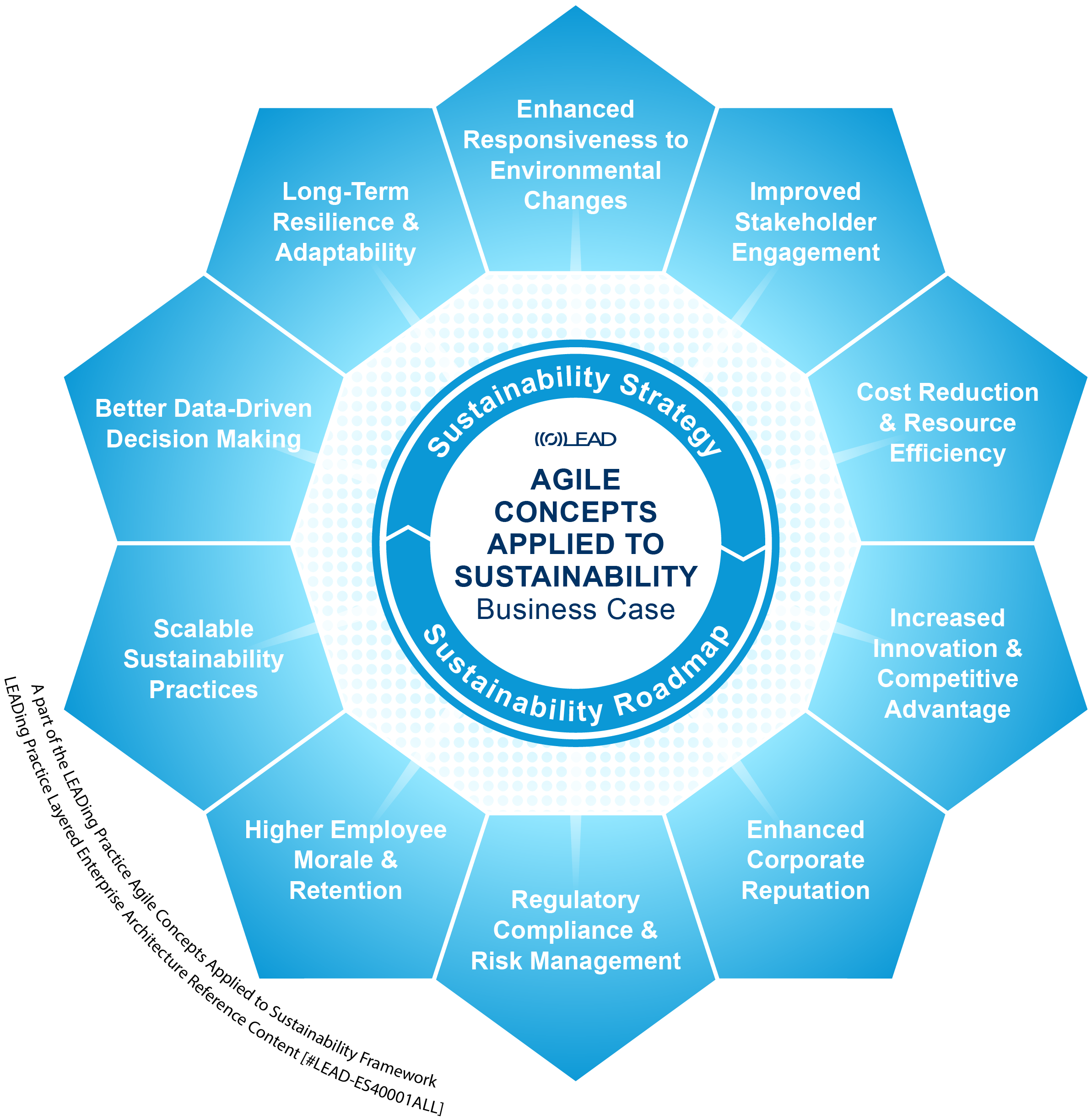
Below are ten key benefits that highlight why this approach is essential for modern organizations:
The benefits of Agile Concepts Applied to Sustainability extend far beyond operational efficiency—they fundamentally reshape how organizations compete, innovate, and create impact. From building resilience and reducing costs to enhancing reputation and opening new markets, Agile transforms sustainability from a static obligation into a dynamic driver of long-term value. Outperforming organizations demonstrate that agility ensures sustainability strategies remain relevant in volatile environments, while also attracting talent, investors, and loyal customers.
By combining measurable outcomes with continuous learning, Agile empowers organizations to scale their impact across all levels of the business. The result is a stronger market position, greater stakeholder trust, and the ability to shape a sustainable future that aligns business success with environmental and social responsibility.
How-To-Guide
How-To-Guide: The Agile Concepts Applied to Sustainability Framework
Adopting Agile Concepts Applied to Sustainability means building a structured yet flexible framework that integrates agility into every part of the sustainability journey. This framework helps organizations set ambitious goals, engage diverse stakeholders, and measure performance through iterative cycles that can adapt as conditions change. Unlike static roadmaps, it evolves continuously, ensuring relevance in a fast-changing world.
The approach combines business case logic with agile execution, creating a common language for leadership, employees, and stakeholders. Most importantly, it provides a standardized way of working that accelerates results, reduces risk, and ensures accountability. By following these 10 steps, organizations can embed agility into sustainability practices and achieve both short-term wins and long-term transformation.

The 10-Step Way Forward:
The Agile Concepts Applied to Sustainability Framework enables organizations to turn sustainability ambition into practical, measurable action. By combining vision-setting, leadership commitment, and stakeholder involvement with iterative cycles of learning, innovation, and reporting, organizations gain a fast, adaptive way forward.
This framework standardizes how sustainability is implemented, ensuring accountability while fostering flexibility. It supports leaders, employees, and partners in working collaboratively toward ecological and business goals. With its 10 steps, it provides a proven roadmap for delivering short-term results while driving long-term transformation and resilience.
Contact Us
Wanna learn more ? Want to improve your company ?
Projects that require our help ?
Don't waste more time, contact us !
Most Common Pitfalls
The Most Common Pitfalls and Challenges
Adopting Agile Concepts Applied to Sustainability can deliver impressive results, but it also brings risks if applied incorrectly. Organizations sometimes fall into traps where they copy Agile rituals without embracing its values, or they underestimate the cultural shift required to make Agile truly effective. Other times, sustainability initiatives are rushed into short sprints without alignment to long-term goals, creating fragmented efforts.
To avoid wasted resources and disillusioned teams, it is crucial to be aware of the most common antipatterns and worst practices when combining Agile with sustainability. Recognizing these pitfalls early helps organizations stay focused, build resilience, and ensure that agility enhances — rather than undermines — sustainability outcomes.
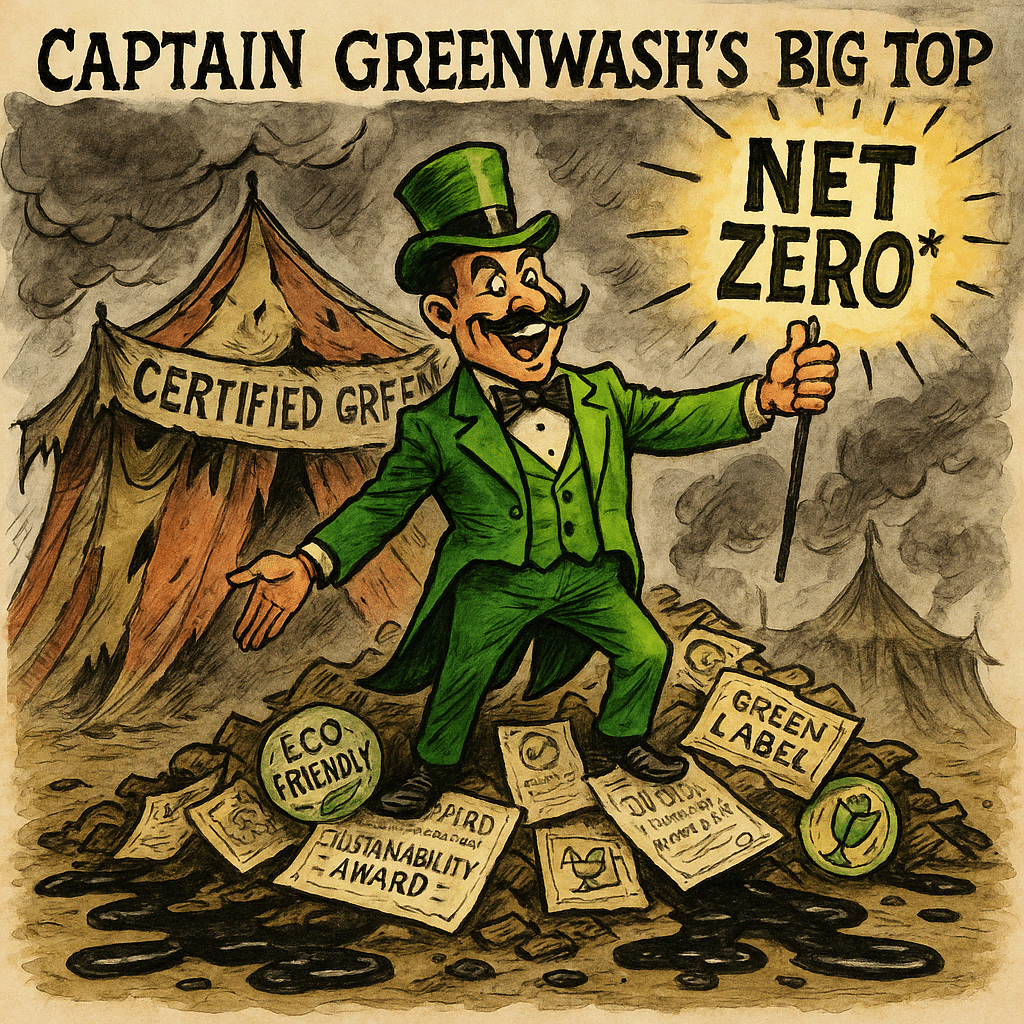
5 Antipattern Examples
- Agile in Name Only: Using Agile terminology without adopting real iterative practices creates confusion and false progress.
- Sustainability as a Side Project: Treating sustainability as separate from core business functions isolates impact.
- Endless Backlogs: Allowing sustainability tasks to accumulate without prioritization leads to stalled initiatives.
- Lack of Stakeholder Voice: Ignoring external stakeholders contradicts Agile’s collaborative foundation.
- Overemphasis on Speed: Pushing for quick wins while neglecting long-term sustainability undermines credibility.
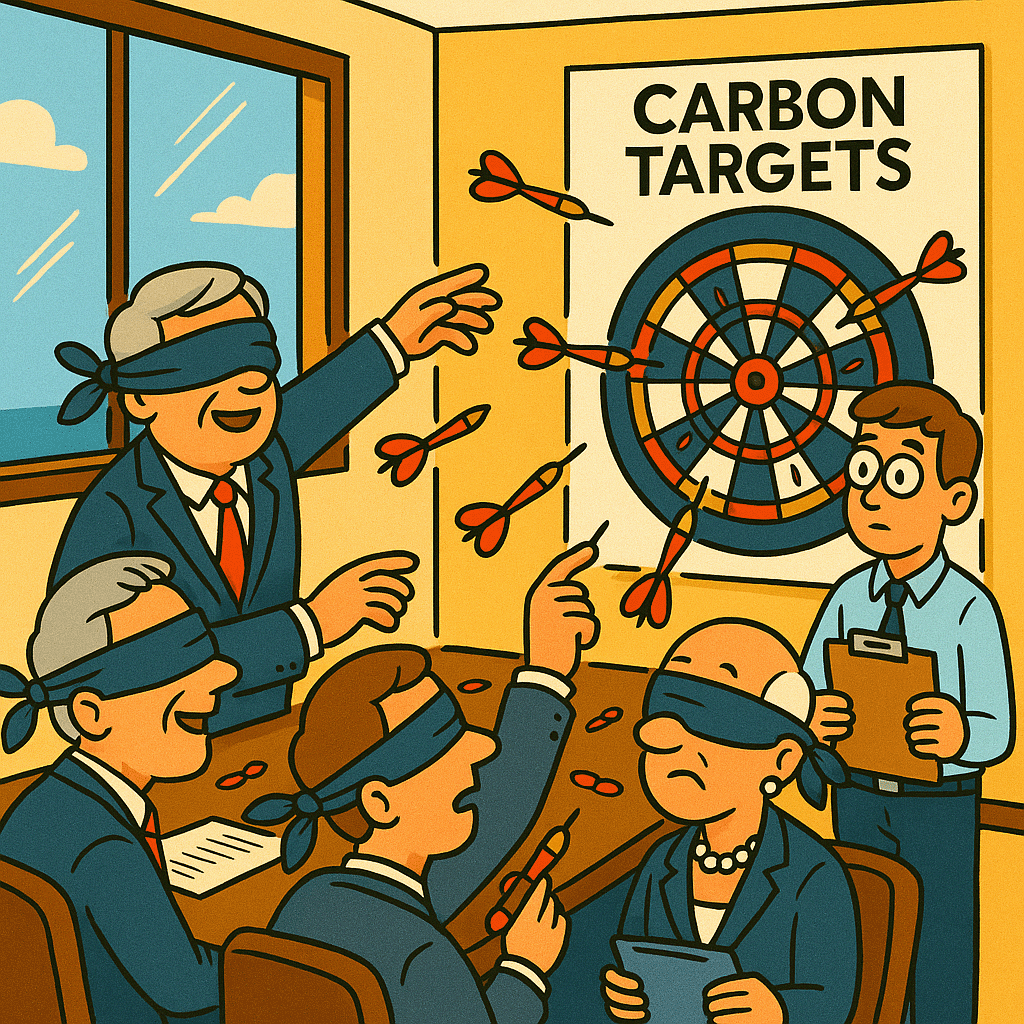
5 Worst Practice Examples
- Greenwashing with Agile Labels: Rebranding unsustainable practices as “agile sustainability” misleads stakeholders and erodes trust.
- Siloed Agile Teams: Keeping sustainability initiatives confined to one department prevents cross-functional learning and broad adoption.
- No Clear Metrics: Running Agile cycles without sustainability KPIs makes progress invisible and decisions arbitrary.
- Copy-Paste Agile Playbooks: Importing Agile tools from IT without adapting to sustainability contexts creates friction and failure.
- Neglecting Leadership Alignment: Without visible executive buy-in, Agile sustainability efforts lack authority and quickly lose momentum.
Lessons Learned
Learning from the Outperformers: Lessons Learned
Organizations that successfully combine Agile with sustainability show that it is not just about adopting new tools, but about reshaping culture, leadership, and collaboration. These outperformers use agility to bridge strategy and execution, accelerating sustainability innovation while embedding long-term thinking into short cycles. Their lessons demonstrate that when Agile is applied thoughtfully, it enables both resilience and transformation. Below are examples of best practices (widely used and proven) and leading practices (pioneering approaches that set new standards). The outperformers in Agile sustainability teach us that success lies in integration and iteration.
Best practices such as embedding sustainability in backlogs or engaging stakeholders regularly create a strong foundation. Leading practices go further, experimenting with adaptive portfolio management, ecosystem labs, and incentive alignment to push sustainability beyond compliance into innovation. By learning from these pioneers, organizations can avoid common pitfalls and adopt proven methods that transform sustainability into an agile, resilient, and forward-looking capability.
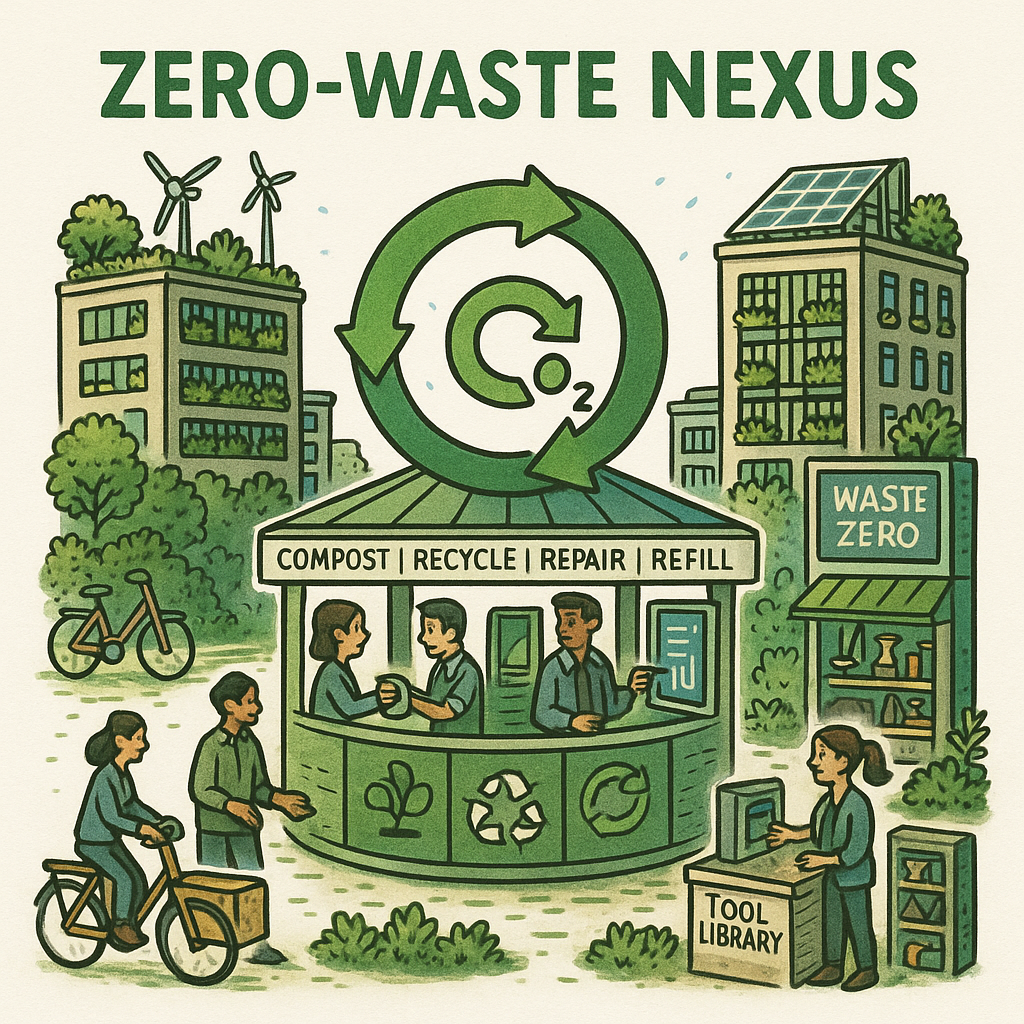
5 Best Practice Examples
- Start Small, Scale Fast: Pilot sustainability initiatives with Agile sprints, then scale proven solutions across business units.
- Embed Sustainability in Backlogs: Include sustainability priorities in every team’s backlog to ensure they become part of daily operations.
- Regular Stakeholder Reviews: Involve employees, customers, and partners in review cycles to keep goals relevant and transparent.
- Dedicated Agile-Sustainability Roles: Appoint sustainability champions within Agile teams to align vision and execution.
- Use Data-Driven Dashboards: Provide real-time visibility of progress with transparent KPIs shared across the organization.
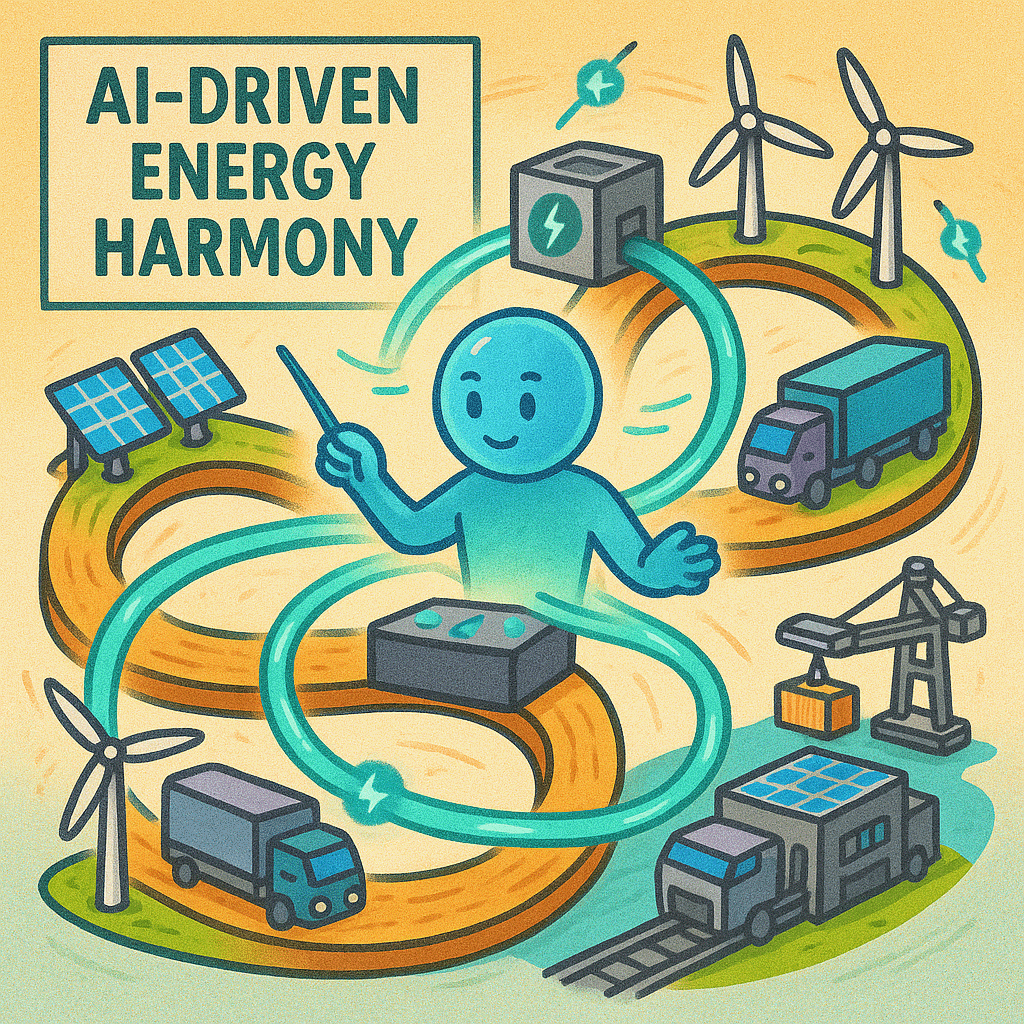
5 Leading Practice Examples
- Adaptive Portfolio Management: Align Agile sustainability projects with long-term goals using dynamic portfolio reviews, ensuring strategic fit and resource optimization.
- Circular Economy Sprint Models: Apply Agile iterations to redesign business models around reuse, recycling, and circular value creation.
- Ecosystem Collaboration Labs: Set up multi-stakeholder Agile labs where suppliers, NGOs, and customers co-create sustainable solutions.
- Agile-Linked Incentives: Tie executive and employee performance incentives directly to sustainability outcomes achieved through Agile projects.
- Continuous Scenario Testing: Use Agile sprints to explore future scenarios, stress-testing sustainability strategies under changing environmental and regulatory conditions.
Most Common Artefacts
The Most Common Artefacts
The integration of Agile Concepts into sustainability represents a transformative step for organizations seeking to thrive in a complex, fast-changing world. Traditional sustainability strategies, while valuable, often fall short because they are static and unable to adapt quickly enough to emerging challenges such as climate risks, shifting regulations, or evolving stakeholder expectations.
Agile fills this gap by bringing adaptability, collaboration, and transparency into the heart of sustainability practice. It enables teams to respond to uncertainty with confidence, transform ambitious visions into practical actions, and scale successes across the organization. More importantly, Agile turns sustainability into an evolving journey rather than a fixed destination, ensuring organizations remain resilient, innovative, and aligned with global sustainability imperatives.
| Artefact | Description | How it Can Be Used for Sustainability Innovation |
|---|---|---|
| Sustainability Roadmaps and Backlogs | Structured lists and timelines of sustainability initiatives, tasks, and milestones. | Provide a clear pathway for prioritizing initiatives, balancing immediate actions with long-term sustainability transformations. |
| User Stories for Sustainability | Agile-style user stories tailored to sustainability challenges and stakeholder needs. | Translate abstract sustainability goals into specific, human-centered tasks that teams can act on in iterations. |
| Sustainability Metrics and KPIs | Quantitative measures aligned with environmental, social, and governance (ESG) objectives. | Track progress, assess impact, and create accountability while aligning outcomes with global standards like the SDGs. |
| Sustainability Feedback Loops | Structured mechanisms for collecting input and learning during iterations. | Ensure continuous improvement by integrating feedback from employees, communities, and stakeholders into evolving sustainability practices. |
| Collaboration Boards and Walls | Visual boards (digital or physical) showing sustainability tasks and progress. | Enhance transparency, improve teamwork, and make sustainability work visible across the organization. |
| Sustainability Story Maps | Narrative tools mapping the journey of sustainability initiatives. | Provide a big-picture view of initiatives, showing dependencies and aligning teams on shared sustainability goals. |
| Sustainability Reports and Documentation | Formal outputs that summarize sustainability progress, results, and lessons. | Communicate achievements to stakeholders, ensure compliance, and build credibility with investors, regulators, and the public. |
Overview of the most common artefacts used with Agile Concepts Applied to Sustainability.
Agile Concepts Applied to Sustainability is not simply a methodology—it is a mindset and cultural shift that redefines how organizations create value for business, people, and the planet. Ultimately, this approach positions sustainability as a living capability—adaptive, measurable, and deeply embedded in decision-making. Organizations that embrace Agile will not only meet today’s challenges but also shape tomorrow’s opportunities, driving a sustainable transformation that benefits all stakeholders.
By combining iterative planning, stakeholder co-creation, rapid experimentation, and transparent reporting, organizations gain the flexibility needed to innovate while staying accountable. Outperformers show that when agility and sustainability are combined, they produce lasting impact, building stronger reputations, securing investment, and future-proofing operations.
Conclusion
Agile Concepts Applied to Sustainability represents a powerful shift in how organizations approach ecological and social responsibility. Instead of relying on rigid, linear strategies, Agile introduces adaptability, collaboration, and transparency to the sustainability journey. Ultimately, Agile Concepts Applied to Sustainability is more than a method—it is a mindset that transforms sustainability from a compliance-driven activity into a living, evolving practice that creates shared value for business, people, and the planet.
It empowers organizations to turn ambitious visions into practical actions through iterative cycles, ensuring they remain relevant in the face of changing regulations, markets, and stakeholder expectations. By leveraging agile components such as backlogs, user stories, feedback loops, and sustainability dashboards, companies can continuously learn and improve while building resilience. Outperformers show that the combination of agile practices with sustainability goals not only strengthens competitiveness but also accelerates innovation and stakeholder trust.