
What is Increasing Recyclates?
Increasing recyclates refers to the systematic effort of enhancing both the quantity and quality of materials that are collected, processed, and re-introduced into production cycles as secondary raw materials. Rather than disposing of waste after one use, recyclates transform post-consumer and post-industrial materials into valuable resources that feed back into manufacturing systems. The concept lies at the heart of a circular economy, in which waste is viewed as input for new value creation. Recyclates include materials such as regrind, agglomerate, and regranulate, derived from the recycling of plastics, paper, glass, metal, or electronic waste. By increasing recyclates, organizations reduce dependence on virgin raw materials, conserve energy, and lower greenhouse-gas emissions.
It connects environmental responsibility with economic efficiency—driving innovation, meeting regulatory requirements, and fostering trust among environmentally conscious consumers. In practice, increasing recyclates means optimizing every step of the recycling process: collection, sorting, cleaning, re-processing, and manufacturing of new products. This also requires behavioral change—from how households separate waste to how companies design packaging, select suppliers, and manage production waste. It is both a technical and a cultural transformation, empowering societies and organizations to close material loops and create a more sustainable future.
Main Components
The 8 Main Components of Increasing Recyclates
Increasing recyclates is not just about collecting waste; it is about establishing a structured, interconnected system that ensures materials maintain value throughout their lifecycle. This system integrates technology, people, processes, and governance to create measurable environmental and economic results. To move from isolated recycling actions to a mature, circular recycling framework, organizations need to develop capabilities across several key areas.
Each component supports the others, creating a continuous improvement loop where materials, knowledge, and innovation circulate efficiently. Together, these components form the foundation for an effective and scalable recyclate strategy that works both at household and organizational levels and aligns with sustainability goals and compliance requirements.
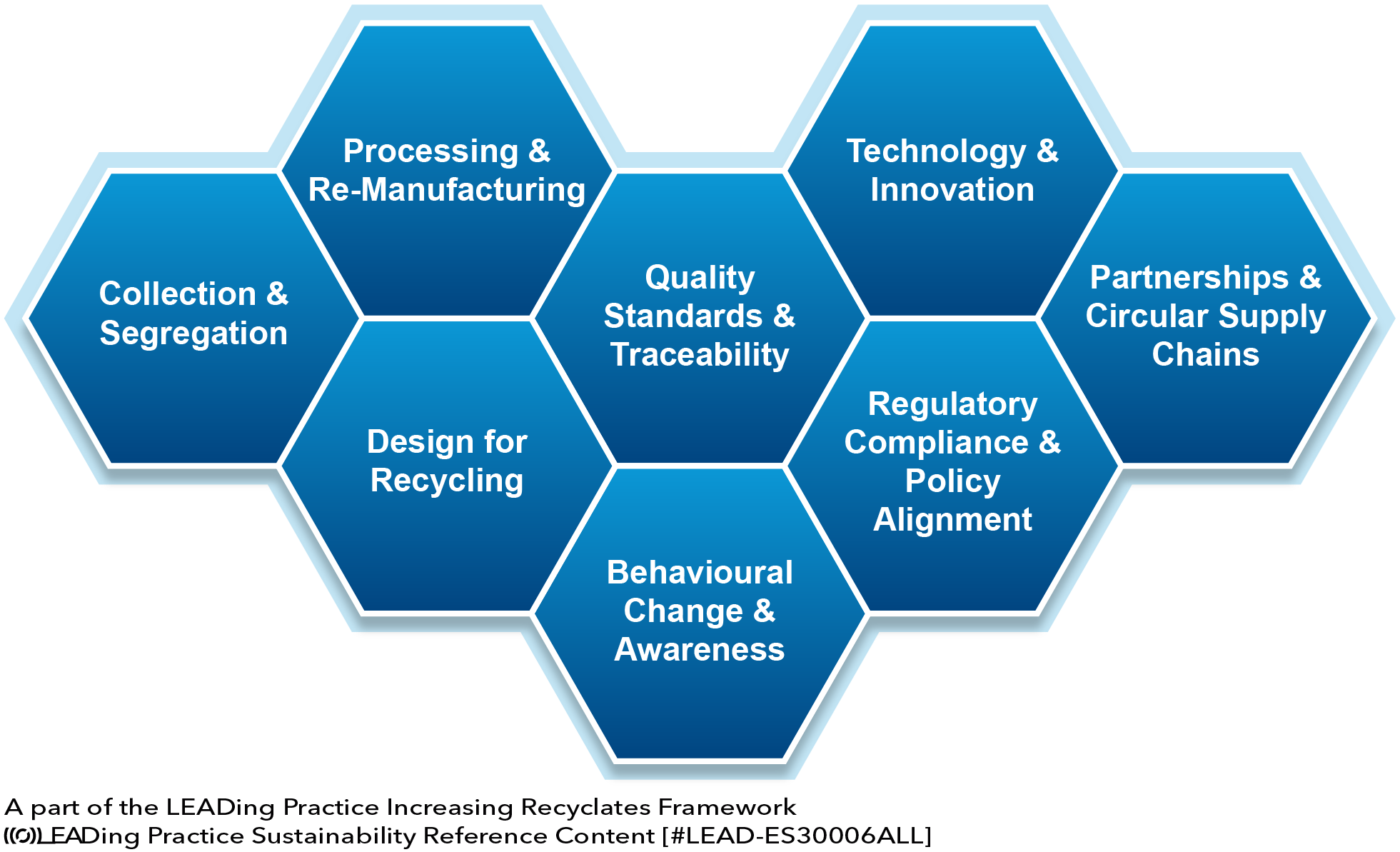
Below are the eight main components of Increasing Recyclates, reflecting both structural patterns and actionable insights for organizations:
Increasing recyclates requires an integrated approach that connects design, collection, processing, and collaboration within a regulated framework. By addressing each of these eight components, organizations can establish circular systems that optimize resource use, reduce waste, and increase operational efficiency.
The synergy between education, innovation, and policy is essential for scaling up recycling outcomes. Together, these components provide a roadmap for transforming recyclates from waste management initiatives into powerful sustainability levers that deliver measurable impact—environmentally, socially, and economically.
Why This Is Relevant
Why is Increasing Recyclates so Relevant?
In today’s global economy, the demand for raw materials continues to rise while the availability of natural resources declines. This imbalance drives both environmental degradation and economic instability. Increasing recyclates addresses these dual challenges by transforming waste into valuable input materials that reduce pressure on ecosystems and supply chains. It supports the circular economy principle of keeping materials in use for as long as possible and directly contributes to climate action by lowering energy consumption and carbon emissions. From a societal perspective, increasing recyclates promotes environmental responsibility and shared accountability. For governments, it aligns with policy commitments such as the EU Green Deal and the UN Sustainable Development Goals.
For companies, it offers cost efficiency, brand differentiation, and regulatory compliance. For citizens, it creates the opportunity to participate in sustainability through everyday actions. Ultimately, increasing recyclates is relevant because it bridges economic value creation and environmental preservation. It helps industries decouple growth from resource depletion, turning waste into an asset. As consumers increasingly favor sustainable brands, organizations that actively incorporate recyclates gain reputational advantages, strengthen stakeholder trust, and future-proof their operations against regulatory and market shifts. In short, increasing recyclates is not just an environmental necessity—it is a strategic imperative for sustainable competitiveness.
Business/Value Case
The Business/Value Case for Increasing Recyclates
Increasing recyclates delivers a strong business and societal value proposition. It enhances operational efficiency, reduces costs, and strengthens brand reputation while addressing global environmental challenges. As resources become scarcer and regulations tighten, organizations that embed recycling principles into their strategies gain a measurable competitive edge. The benefits extend beyond environmental outcomes: they also encompass financial performance, innovation, and stakeholder engagement.
By integrating recyclates into operations and product design, companies align with customer expectations, policy goals, and investor demands for sustainability transparency. Below are ten of the most impactful benefits and advantages that demonstrate why increasing recyclates creates tangible value for businesses, consumers, governments, and society as a whole.
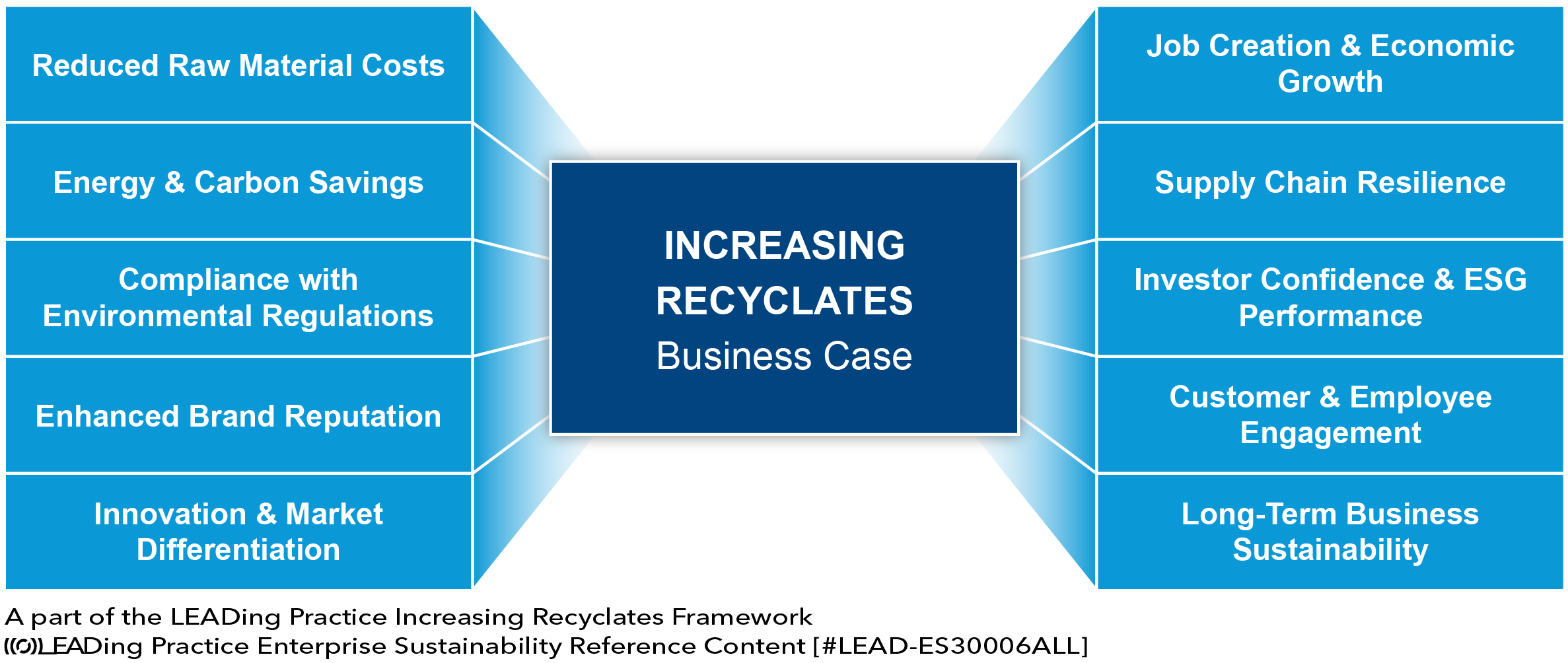
Below are ten key benefits that highlight why this approach is essential for modern organizations:
The business case for increasing recyclates is both strategic and operational. It links environmental stewardship with measurable cost savings, resilience, and innovation. By rethinking waste as a value stream, organizations can create circular systems that sustain long-term growth while fulfilling regulatory and societal expectations.
This transition requires leadership commitment, collaboration across supply chains, and transparent communication to stakeholders. Ultimately, increasing recyclates strengthens competitive advantage, reduces risk, and reinforces trust — making it one of the most compelling sustainability investments for any organization striving to thrive in the circular economy.
How-To-Guide
How-To-Guide: The Increasing Recyclates Framework
The Increasing Recyclates Framework provides a structured and standardized approach for organizations seeking to expand recycling maturity, enhance efficiency, and ensure measurable sustainability impact. It helps teams coordinate every stage—from waste generation to recyclate reuse—within a repeatable, well-governed framework. The framework embeds the Business Case as an integrated part of its design, ensuring each action contributes to both environmental and economic objectives.
By following a clear 10-step process, organizations can establish accountability, align roles, and scale results faster. This framework benefits all roles involved—from executives defining sustainability strategy, to engineers managing materials, to facility teams executing recycling operations. Its structured nature ensures consistency, transparency, and improvement across projects and locations—turning sustainability into a disciplined business capability rather than an ad hoc initiative.
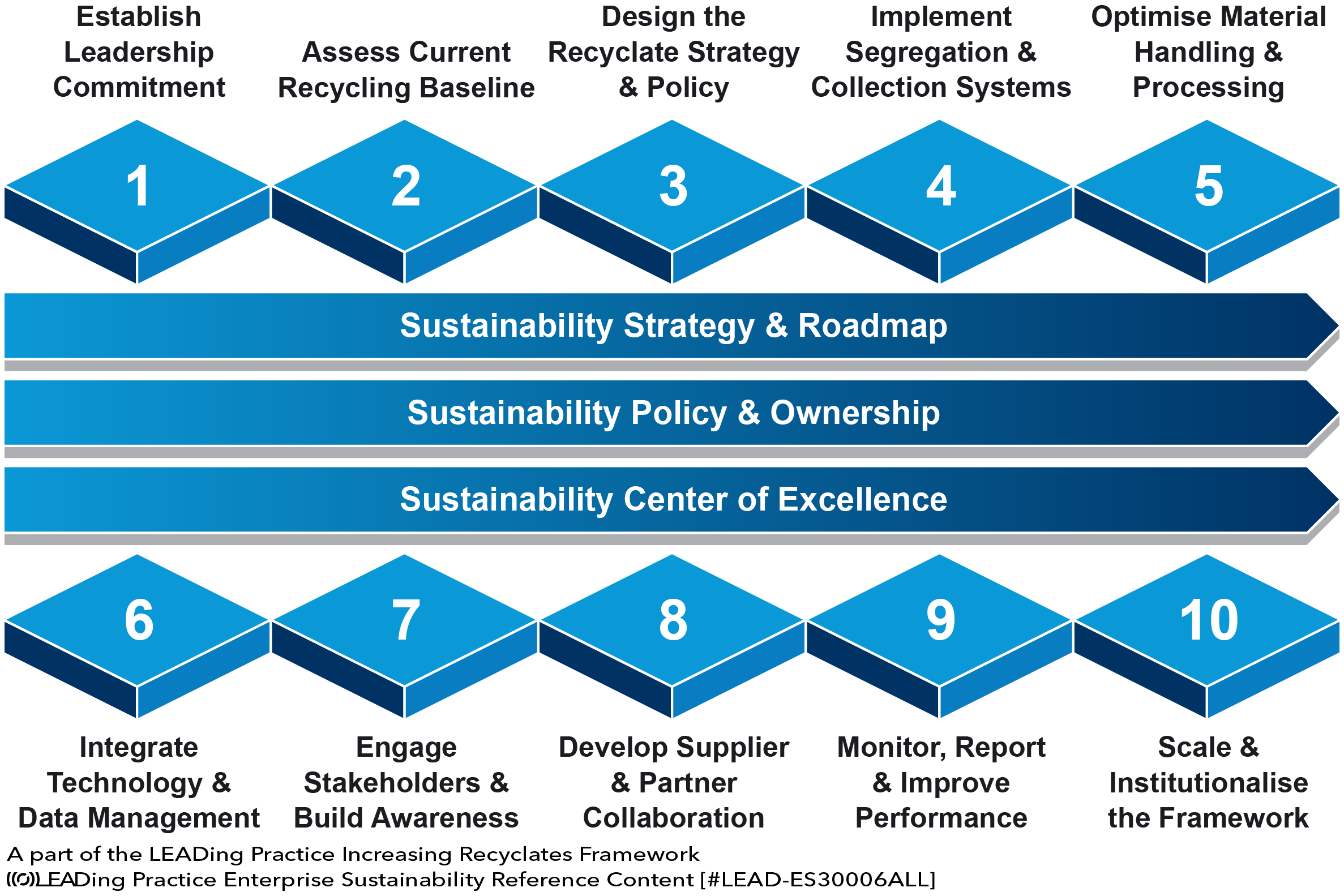
The 10-Step Way Forward:
The Increasing Recyclates Framework turns sustainability goals into structured, measurable action. It ensures every function knows its role, timelines, and outcomes. Ultimately, it empowers organizations to start and scale their recyclates initiatives quickly, effectively, and with lasting impact.
By integrating leadership, technology, and continuous improvement, organizations move from fragmented recycling efforts to enterprise-wide, circular resource management. The framework accelerates execution, builds accountability, and delivers visible environmental and financial results.
Contact Us
Wanna learn more ? Want to improve your company ?
Projects that require our help ?
Don't waste more time, contact us !
Most Common Pitfalls
The Most Common Pitfalls and Challenges
Even well-intentioned recycling initiatives often fail to deliver consistent or measurable outcomes. This typically happens when organizations treat recycling as an isolated compliance task instead of a continuous improvement system. Increasing recyclates requires not just technical efficiency but also behavioral consistency, governance, and cross-functional alignment. When these elements are missing, the same mistakes reoccur—creating waste in processes meant to eliminate it. Below are the most frequent antipatterns and worst practices that undermine success when working to increase recyclates across homes, industries, and organizations.
The biggest challenges in increasing recyclates are rarely about technology—they’re about mindset, governance, and execution. Antipatterns arise from neglecting accountability or integration, while worst practices destroy recyclate value through poor handling and design. Overcoming these pitfalls requires leadership ownership, education, and consistent monitoring. When recycling becomes part of the organization’s DNA, rather than a checkbox exercise, the results become visible in both environmental impact and operational efficiency.
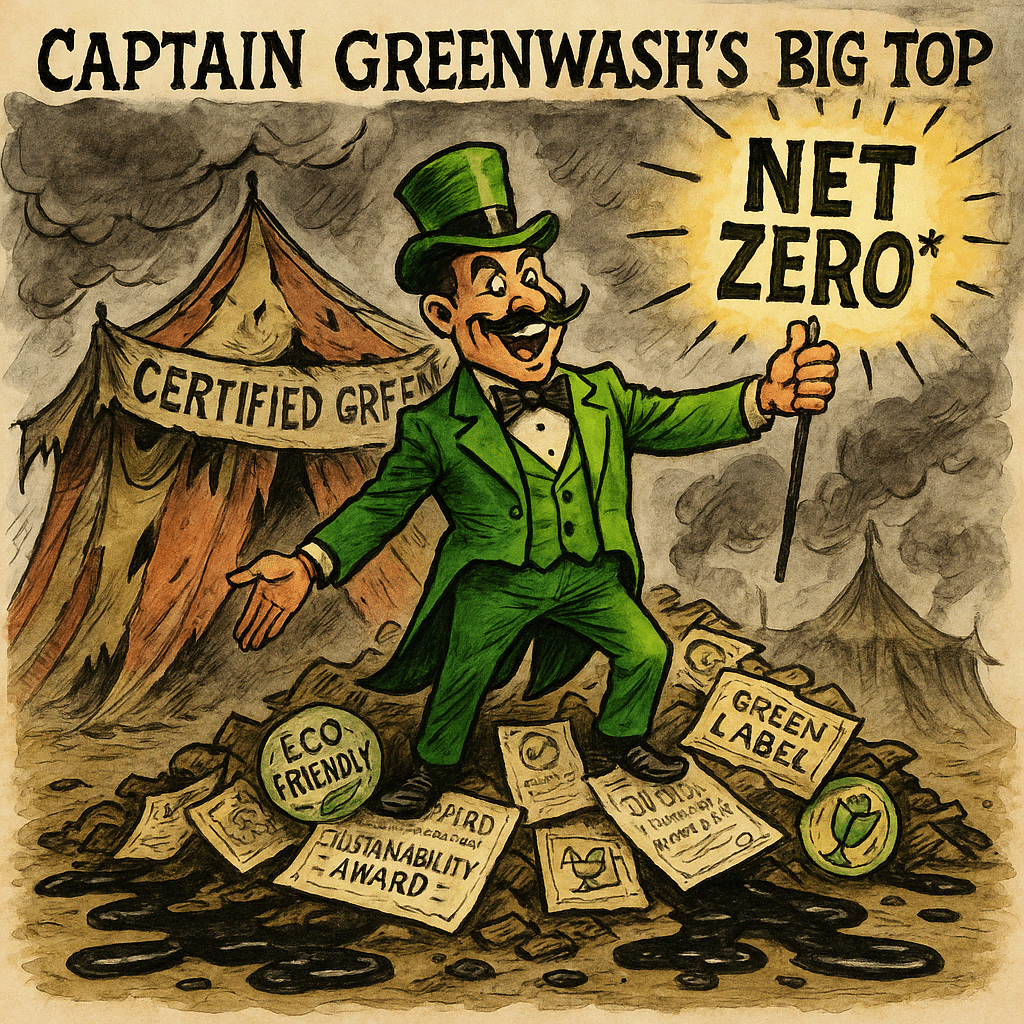
5 Antipattern Examples
- The “One-Off Project” Mindset: Recycling is launched as a short-term initiative without integrating it into long-term sustainability strategy or performance indicators.
- Unclear Ownership: No defined accountability for recycling targets—departments assume others are responsible, resulting in fragmented and inconsistent progress.
- Collection Without Education: Bins and systems are in place, but employees and citizens lack guidance on what and how to recycle effectively.
- Focusing Only on Post-Use Recycling: Organizations neglect product design or supplier collaboration, missing upstream opportunities for easier recycling and material recovery.
- Data Without Insight: Recycling metrics are tracked but not analyzed, leading to no action or improvement from collected data.
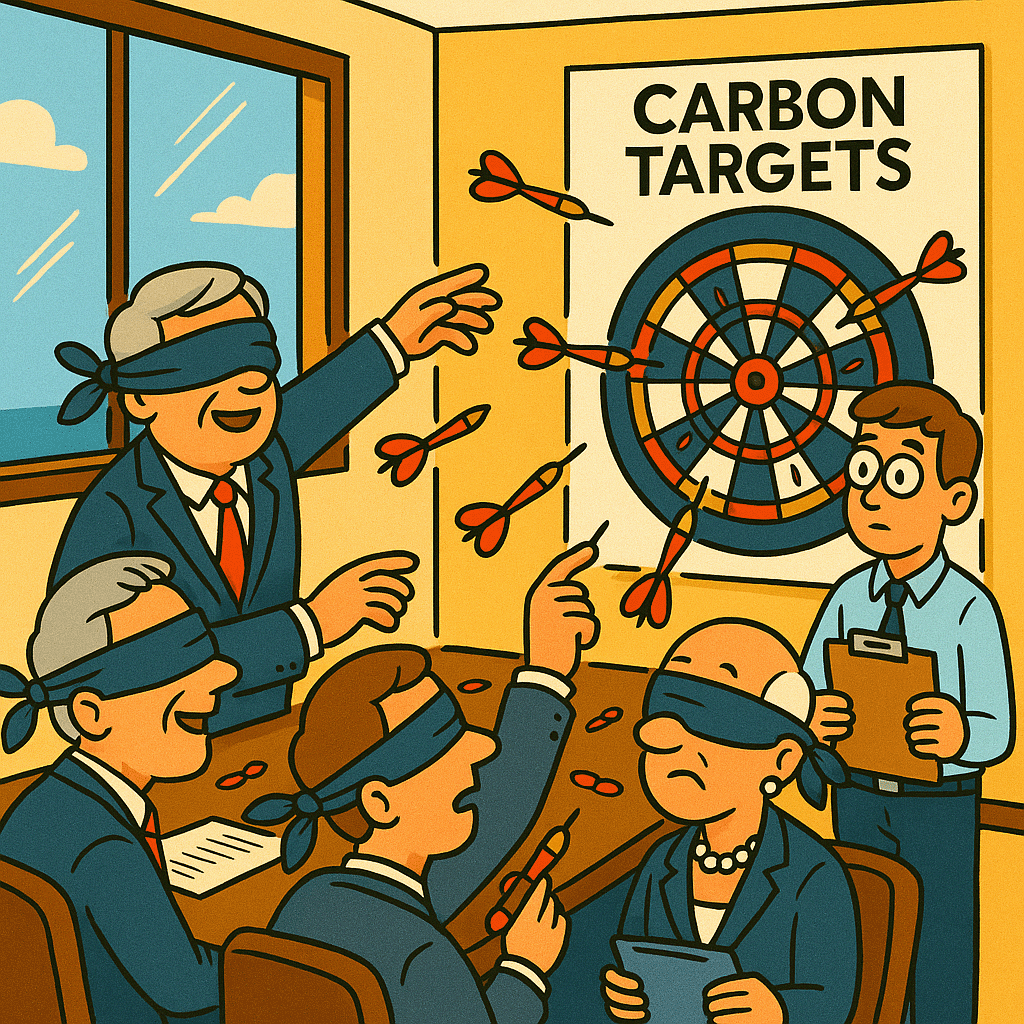
5 Worst Practice Examples
- Mixing Contaminated Waste Streams: Combining different materials in one container destroys recyclate quality, increases sorting costs, and reduces overall recovery efficiency.
- Ignoring Local Regulations: Non-compliance with regional recycling rules results in penalties and damages organizational credibility with stakeholders and regulators.
- Using Non-Recyclable Packaging: Selecting mixed or laminated materials that cannot be processed through recycling systems cancels out circular design efforts.
- Underinvesting in Technology: Failing to adopt modern sorting, tracking, and quality-control tools limits recyclate value and scalability of recycling processes.
- No Feedback or Continuous Improvement Loop: Recycling programs stagnate because there’s no systematic review, feedback, or refinement—leading to repeated mistakes and declining engagement.
Lessons Learned
Learning from the Outperformers: Lessons Learned
Organizations that outperform in recycling share one key trait: they treat increasing recyclates as an integrated business discipline, not a side initiative. These outperformers have learned to embed circular thinking into design, operations, and leadership decision-making. Their success stories demonstrate that effective recycling maturity depends on collaboration, innovation, and transparency. By learning from these best and leading practices, organizations can accelerate their own transformation and move from compliance-based efforts to performance-driven sustainability strategies.
Outperformers show that increasing recyclates succeeds when it becomes a core capability—supported by education, data, and design. Best practices ensure consistent quality and participation, while leading practices push boundaries through innovation and collaboration. The key lesson: recycling excellence grows from structure, strategy, and shared ownership. When organizations learn from the leaders, they move beyond compliance toward real sustainability leadership—turning recyclates into a continuous source of environmental and business value.
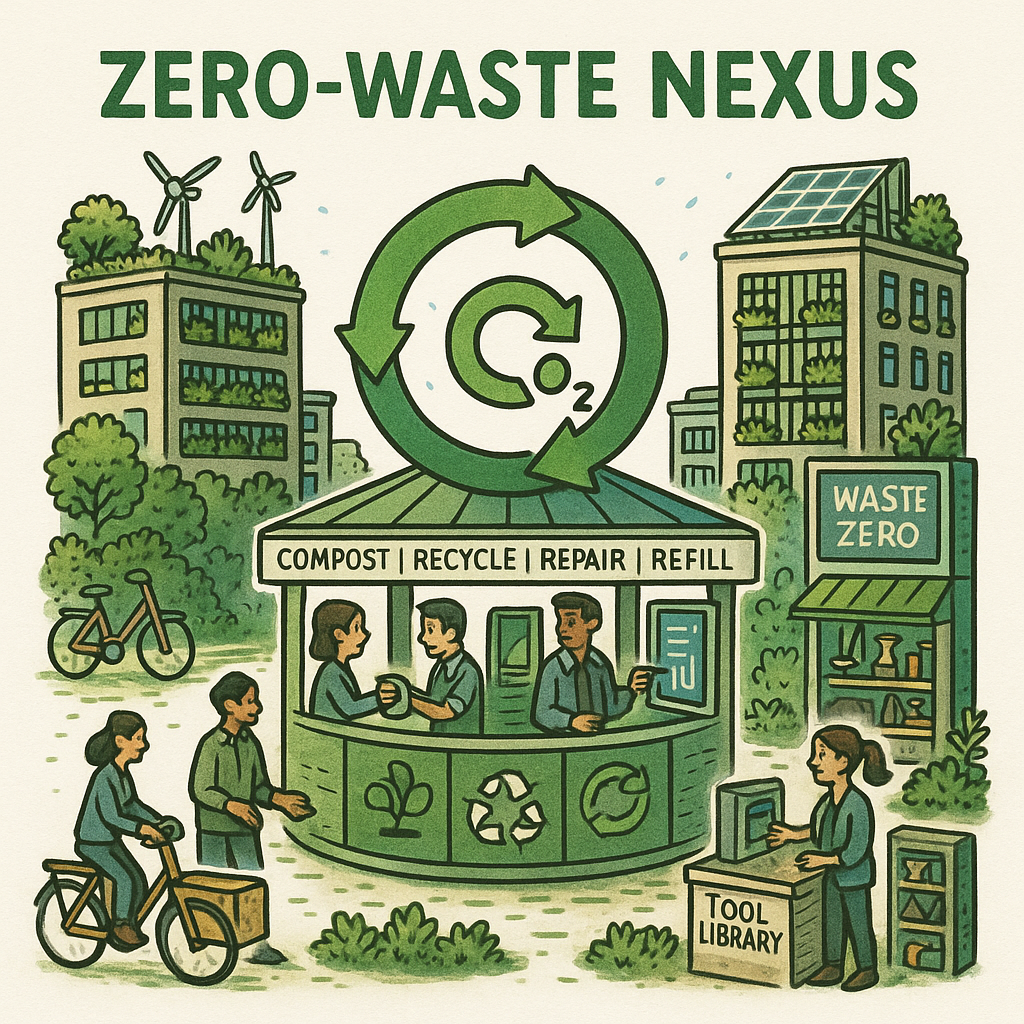
5 Best Practice Examples
- Standardized Recycling Procedures: Establishing harmonized collection, labeling, and sorting protocols across all sites ensures consistency and measurable recyclate quality.
- Recycling Education Programs: Training employees, suppliers, and customers on recycling procedures fosters shared responsibility and long-term behavioral change.
- Supplier Collaboration: Working directly with suppliers to specify recyclable materials reduces waste at the source and improves recyclate purity downstream.
- Transparent Performance Reporting: Publicly communicating recycling metrics builds credibility and motivates continuous improvement among internal and external stakeholders.
- Incentivizing Employee Participation: Rewarding teams for innovation and recycling performance increases engagement, ownership, and creative solutions.
5 Leading Practice Examples
- Circular Design Integration: Embedding recyclability into product and packaging design ensures that materials remain recoverable, extending lifecycle value across industries.
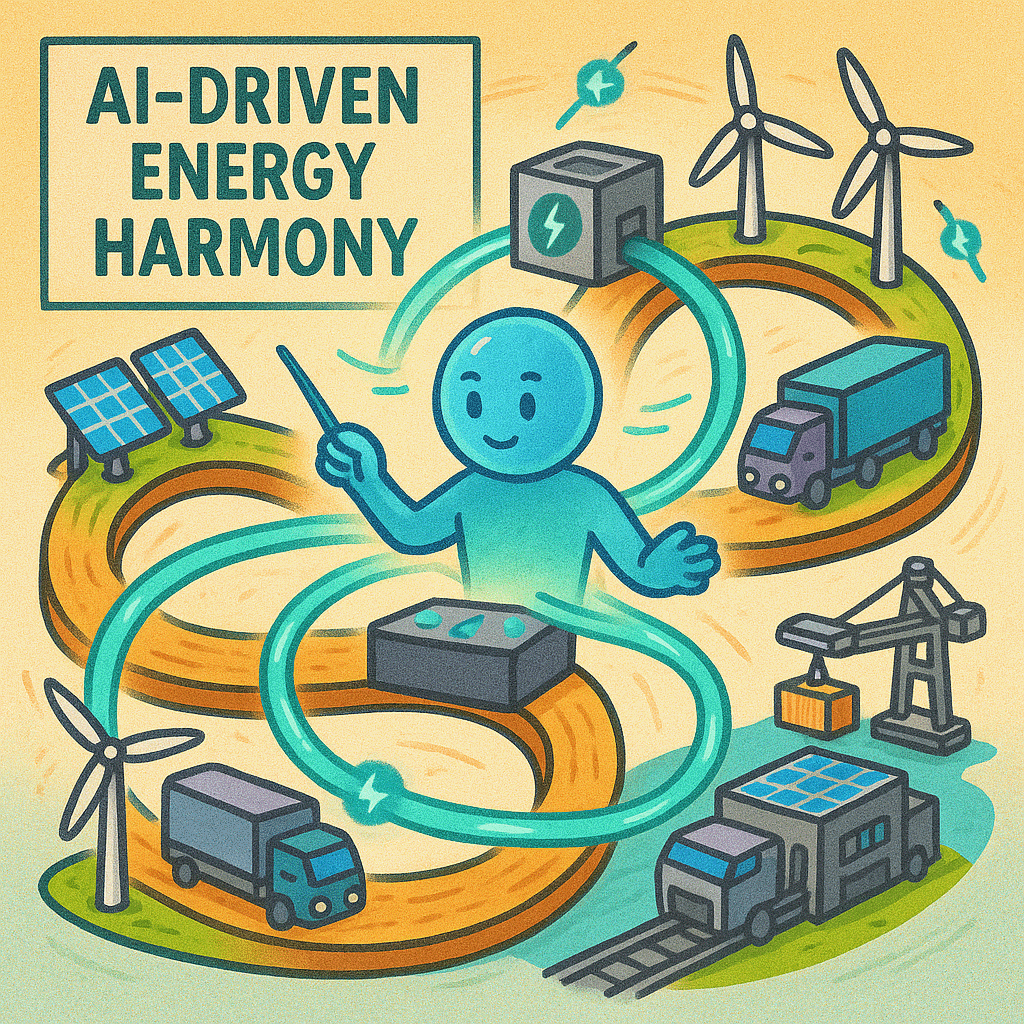
- Data-Driven Recycling Optimization: Using AI and real-time analytics to monitor recyclate flow enables proactive decision-making and predictive maintenance in recycling systems.
- Closed-Loop Partnerships: Creating partnerships where recyclates from one company feed into another’s production creates symbiotic circular value chains.
- Recycling Maturity Assessments: Regularly evaluating recycling performance through maturity models identifies capability gaps and prioritizes improvement initiatives.
- Global Framework Replication: Scaling proven recyclate frameworks globally ensures consistency, accelerates impact, and fosters cross-regional knowledge exchange and learning.
Most Common Artefacts
The Most Common Artefacts
Artefacts are the foundational instruments that transform sustainability theory into practical, repeatable action. In the context of increasing recyclates, they serve as blueprints for understanding how materials, processes, and stakeholders interact across the recycling ecosystem. Each artefact represents a structured way of capturing critical information—ranging from stakeholder engagement and process design to communication maturity and performance tracking. When applied collectively, these tools allow organizations to visualize their entire recyclate system, uncover inefficiencies, and design interventions based on data and evidence rather than assumption.
By using standardized artefacts, teams can ensure that recycling initiatives are aligned across departments, projects, and geographies. Artefacts not only make sustainability measurable but also replicable—turning what was once a fragmented activity into a systematic and scalable approach. Below are some of the most commonly used artefacts that support innovation, traceability, and improvement within the practice of increasing recyclates.
| Artefact | Description | How it Can Be Used for Sustainability Innovation |
|---|---|---|
| Stakeholder Map | Identifies all key players involved in recycling efforts, including suppliers, customers, municipalities, and employees. | Helps organizations understand influence, responsibility, and collaboration potential—essential for building inclusive circular ecosystems. |
| Role Map | Outlines the roles and responsibilities across departments and partner organizations involved in recyclate management. | Clarifies accountability, ensures alignment, and prevents overlap—critical for embedding recycling into daily operations. |
| Process Map | Visualizes each step of the recyclate flow, from waste generation to reprocessing and reuse. | Enables process optimization and highlights inefficiencies, improving material recovery rates and operational performance. |
| Recycling Communications Capability Development Artefact | Framework that defines maturity levels and competencies for communicating recycling goals and performance. | Enhances stakeholder engagement and transparency, ensuring alignment between messaging, behavior, and sustainability outcomes. |
| Material Flow Diagram | Illustrates the pathways and quantities of recyclable materials within production and logistics networks. | Supports evidence-based decision-making, showing where material value can be retained or improved. |
| Sustainability Maturity Assessment Template | Evaluates the organization’s current recycling maturity level against best practices and identifies improvement areas. | Helps organizations benchmark progress, prioritize initiatives, and set realistic targets for increasing recyclates. |
| Circular Economy Business Model Canvas | Adapts the traditional business model canvas to include recyclate integration and circular value loops. | Facilitates strategic alignment between recycling initiatives and broader sustainability-driven business models. |
| Performance Dashboard | Digital visualization of key performance indicators (KPIs) such as recyclate rates, contamination levels, and cost savings. | Provides real-time data for tracking progress, improving decisions, and demonstrating sustainability ROI to leadership. |
Overview of the most common artefacts used with Increasing recyclates.
By adopting and customizing these artefacts, organizations can build a clear line of sight from strategy to execution. They enable better communication across teams, standardize methods for tracking impact, and provide evidence to support sustainability reporting and certification. Ultimately, artefacts transform complex recycling challenges into manageable frameworks, empowering teams to accelerate circular innovation. In doing so, they turn the vision of increasing recyclates into a living, operational system—transparent, measurable, and continuously improving.
Artefacts are more than documentation tools—they are catalysts that drive organizational learning, innovation, and consistency. Each artefact contributes a unique perspective: some map processes, others define accountability, and others measure progress. Together, they create a holistic view of the recycling ecosystem, revealing how resources move, where inefficiencies exist, and how systems can evolve.
Conclusion
Increasing recyclates is one of the most impactful actions organizations and individuals can take to drive the circular economy forward. It transforms waste from a liability into a resource, directly reducing carbon emissions, conserving natural materials, and building resilience in supply chains. Beyond environmental benefits, it also supports regulatory compliance, brand credibility, and cost optimization—proving that sustainability and profitability can coexist. As we have seen throughout this chapter, success depends on a comprehensive framework: clear leadership commitment, consistent education, data-driven execution, and strong collaboration across partners and stakeholders.
The most successful organizations embed recycling into their culture, design products for recyclability from the start, and use standardized artefacts to measure and continuously improve. The path forward is both a challenge and an opportunity. By increasing recyclates, we are not merely managing waste—we are redesigning how value circulates in our economies. Every recycled material represents a step closer to decoupling growth from resource depletion. Whether in households, factories, or boardrooms, the collective adoption of recyclate-driven practices will define the next frontier of sustainable innovation. Through consistent action, we can build systems that regenerate instead of exhaust—and ensure that circularity becomes the new standard for progress.