

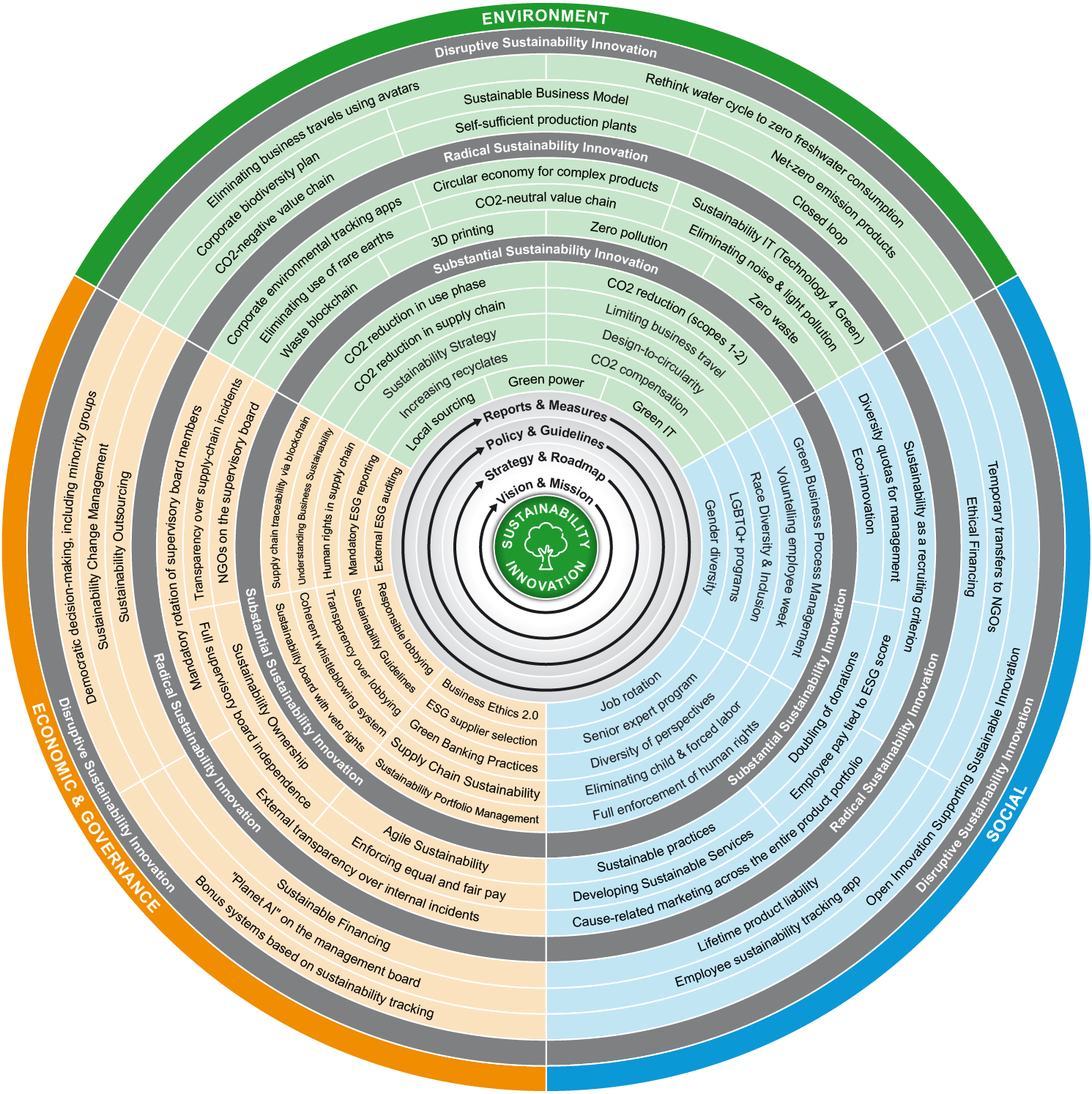
What is Mandatory ESG Reporting?
Mandatory ESG Reporting is the legally required disclosure of an organization’s environmental, social, and governance performance. It standardizes how companies measure, manage, and communicate sustainability impacts and risks so stakeholders—investors, regulators, employees, customers, and communities—can make informed judgments about corporate behavior and long-term value creation. Unlike purely voluntary sustainability reports, mandatory regimes formalize scope, metrics, and assurance expectations to curb selective disclosure and greenwashing while embedding transparency into corporate reporting. Who must report and what gets reported depend on jurisdiction. In the EU, the Corporate Sustainability Reporting Directive (CSRD) brings ~50,000 companies—EU and certain large non-EU firms—into scope, requires a sustainability statement in the management report, and phases in obligations from financial years 2024–2028.
CSRD also entrenches “double materiality,” assessing both a company’s impacts on people and planet and how sustainability issues affect the company. Disclosure typically spans E, S, and G topics and must align with defined standards (e.g., ESRS under CSRD). In the EU context, reporting connects to the Taxonomy Regulation’s six environmental objectives (such as climate mitigation, circular economy, and biodiversity), using consolidated company values (revenue, OPEX, CAPEX) to judge alignment and guide strategic action. The result is sustainability information treated on par with financials and used to drive accountability, comparability, and better decisions
Main Components
The 8 Main Components of Mandatory ESG Reporting
Mandatory ESG Reporting is built on a set of structured components that define its scope and ensure consistency across industries and jurisdictions. These components work together to make ESG disclosure not just a regulatory requirement but also a reliable tool for decision-making, risk management, and value creation. They cover environmental, social, and governance areas while also integrating materiality, assurance, and strategic alignment.
By breaking down reporting into these eight areas, organizations can ensure they address the full spectrum of stakeholder expectations and regulatory requirements. Each component plays a unique role in reinforcing transparency and accountability, helping businesses to shift from compliance-driven disclosure to a performance-driven approach that supports sustainable transformation and long-term resilience.
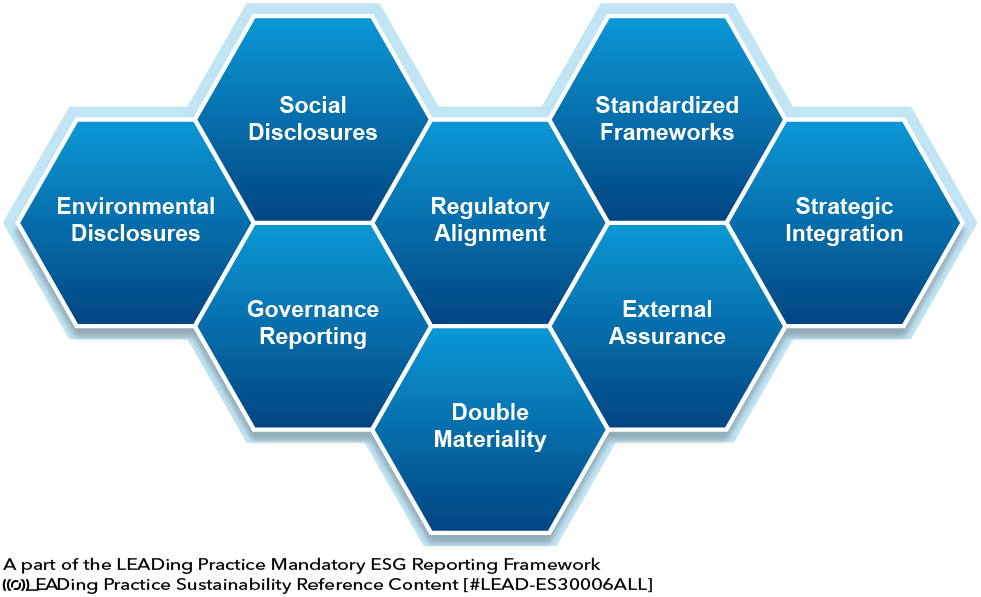
Below are the eight main components of Mandatory ESG Reporting, reflecting both structural patterns and actionable insights for organizations:
The eight components of Mandatory ESG Reporting provide a comprehensive foundation for transparent and accountable disclosure. They go beyond simple compliance, covering environmental and social responsibility, governance integrity, alignment with regulations, and assurance of data quality. Together, they ensure companies produce reports that are credible, comparable, and meaningful for regulators, investors, employees, and society.
When ESG reporting is approached through these eight elements, it transforms into a powerful driver of strategy, risk management, and innovation. This structured approach not only strengthens trust but also supports businesses in creating sustainable long-term value while addressing global sustainability challenges.
Why This Is Relevant
Why is Mandatory ESG Reporting so Relevant?
Mandatory ESG Reporting has become increasingly relevant because it reshapes how organizations are held accountable for their impact on society and the environment. For decades, sustainability information was often voluntary and inconsistent, leaving gaps that fueled greenwashing and eroded stakeholder trust. Today, mandatory frameworks ensure transparency, comparability, and credibility by requiring standardized disclosure across environmental, social, and governance dimensions. This shift matters because businesses are no longer judged solely on financial returns but also on how responsibly they operate.
Regulators demand greater oversight, investors need reliable data to assess risks and opportunities, and employees and customers expect companies to act ethically and sustainably. By embedding ESG factors into corporate reporting, organizations are compelled to link strategy, risk management, and performance in a way that builds resilience and long-term value. In an era of climate change, social inequalities, and governance challenges, mandatory ESG reporting is not just a regulatory obligation—it is a central driver of competitiveness, trust, and legitimacy in global markets.
Business/Value Case
The Business/Value Case for Mandatory ESG Reporting
The business case for mandatory ESG reporting extends well beyond regulatory compliance. It is a strategic enabler that strengthens transparency, competitiveness, and stakeholder trust. By systematically disclosing environmental, social, and governance performance, organizations not only meet legal requirements but also unlock long-term value. Investors, regulators, customers, and employees increasingly expect credible information to evaluate risk and reward.
When ESG data is transparent and comparable, it enhances decision-making, builds accountability, and provides clarity on how businesses manage sustainability challenges. Moreover, the integration of ESG reporting into corporate governance and strategy helps companies to future-proof operations, attract capital, and secure a social license to operate. Below are ten major benefits and advantages that demonstrate why mandatory ESG reporting is a vital business practice.

Below are ten key benefits that highlight why this approach is essential for modern organizations:
Mandatory ESG reporting delivers tangible business benefits by creating transparency, managing risks, and strengthening relationships with all key stakeholders. These ten benefits illustrate how ESG reporting serves as both a regulatory safeguard and a competitive advantage, helping organizations remain resilient and relevant in rapidly changing global markets.
Far from being only a compliance burden, it offers opportunities for innovation, operational efficiency, and long-term value creation. By demonstrating accountability and aligning sustainability with strategy, companies can attract investment, build customer and employee trust, and position themselves as leaders in an increasingly sustainability-driven economy.
How-To-Guide
How-To-Guide: The Mandatory ESG Reporting Framework
The Mandatory ESG Reporting Framework offers organizations a structured roadmap for implementing sustainability disclosures in a consistent and effective way. It combines the business case for ESG reporting with practical steps that guide companies from preparation to publication. By following this framework, organizations ensure reporting is not just about compliance but also about embedding sustainability into decision-making and strategy.
It provides clarity on roles, tasks, and timelines, while aligning data collection with global standards and regulatory expectations. The framework also emphasizes credibility and stakeholder engagement, ensuring that ESG reporting builds trust, reduces risks, and supports innovation. This structured approach transforms mandatory reporting into a process that strengthens both accountability and long-term value creation.
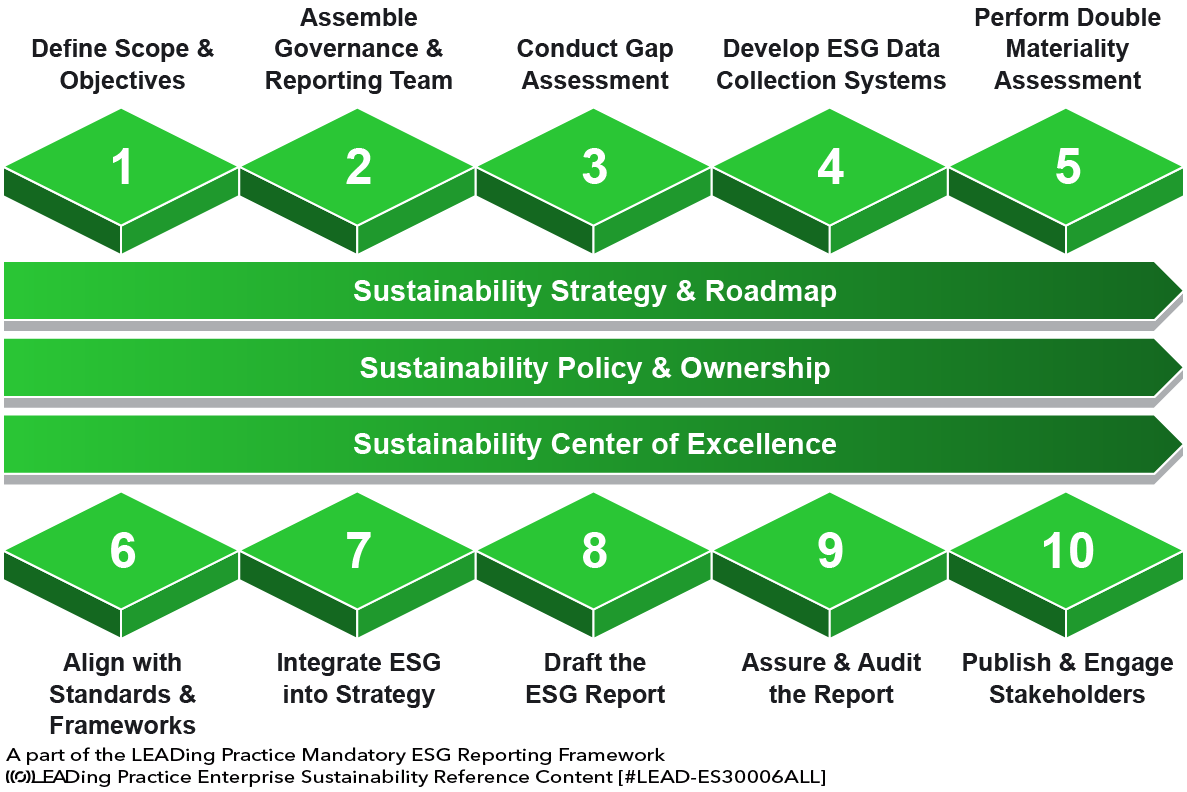
The 10-Step Way Forward:
The Mandatory ESG Reporting Framework provides organizations with a clear path from planning to publication. By following the ten steps, companies transform ESG disclosure into a value-creating process rather than a compliance burden. Each stage ensures that reporting is reliable, comparable, and strategically useful, while aligning sustainability data with business goals and regulatory requirements.
The framework helps organizations build credibility, reduce risks, and foster trust with key stakeholders. For those beginning their ESG reporting journey, this structured approach accelerates implementation, supports continuous improvement, and ensures sustainability reporting strengthens long-term competitiveness and resilience.
Contact Us
Wanna learn more ? Want to improve your company ?
Projects that require our help ?
Don't waste more time, contact us !
Most Common Pitfalls
The Most Common Pitfalls and Challenges
While mandatory ESG reporting creates valuable opportunities for transparency and accountability, many organizations struggle with its implementation. The challenges often arise when companies approach reporting as a compliance exercise rather than as a driver of strategy and transformation.
Antipatterns and worst practices reflect missteps that weaken credibility, increase costs, or erode trust among stakeholders. Recognizing these pitfalls is the first step toward building a robust reporting process that delivers both compliance and long-term business value.

5 Antipattern Examples
- Box-Ticking Mentality: Focusing only on filling in required fields without linking ESG data to actual strategy, leading to superficial disclosures and missed opportunities.
- Fragmented Ownership: Assigning reporting tasks to isolated teams without cross-functional collaboration, resulting in inconsistent data and weak organizational accountability.
- Reactive Reporting: Treating ESG reporting as a one-off annual task instead of embedding it into ongoing performance management and decision-making.
- Overreliance on Templates: Copying from external frameworks without customizing to company context, producing generic reports that lack relevance for stakeholders.
- Ignoring Stakeholder Input: Failing to engage employees, investors, and communities during reporting, resulting in disclosures that miss key concerns or credibility.

5 Worst Practice Examples
- Greenwashing Claims: Exaggerating sustainability achievements or omitting negative impacts, damaging credibility when discrepancies are uncovered by regulators or watchdogs.
- Poor Data Quality: Collecting incomplete or inaccurate ESG data, undermining trust and exposing the company to compliance risks.
- No External Assurance: Skipping independent audits of ESG disclosures, which reduces reliability and invites stakeholder skepticism.
- Delayed Reporting: Publishing reports late or inconsistently, signaling weak governance and lack of seriousness toward sustainability obligations.
- Neglecting Double Materiality: Overlooking how business impacts society and how ESG factors affect performance, leading to incomplete and misleading disclosures.
Lessons Learned
Learning from the Outperformers: Lessons Learned
Outperformers in ESG reporting treat it as more than a regulatory requirement—they use it to drive innovation, strengthen trust, and create measurable value. By analyzing leading organizations, we can identify best practices that deliver reliable compliance and leading practices that transform reporting into a source of competitive advantage.
These lessons provide guidance for organizations seeking to mature their ESG reporting approach and ensure sustainability disclosures serve as tools for strategy, accountability, and long-term business transformation.
5 Best Practice Examples
- Clear Governance Structures: Defining roles and responsibilities across departments ensures consistency, accountability, and efficient execution of reporting tasks.
- Integration with Financial Reporting: Aligning ESG and financial disclosures demonstrates sustainability is embedded into business performance, not treated as separate.
- Regular Data Monitoring: Tracking ESG indicators continuously, not only annually, improves accuracy and enables early corrective action.
- Stakeholder Engagement: Engaging investors, employees, and communities during reporting strengthens credibility and ensures disclosures address material concerns.
- Use of Recognized Standards: Adopting GRI, SASB, or TCFD frameworks ensures comparability and alignment with international expectations.

5 Leading Practice Examples
- Double Materiality as Strategy Driver: Using materiality assessments to shape business strategy, not just reporting priorities, aligning corporate direction with sustainability risks and opportunities.
- Board-Level ESG Oversight: Assigning ESG performance directly to board committees ensures sustainability is a governance priority with executive accountability.
- Digital ESG Platforms: Deploying advanced digital tools for data collection and visualization enhances accuracy, transparency, and efficiency in reporting processes.
- Linking ESG to Incentives: Tying executive pay and employee bonuses to ESG performance fosters accountability and cultural alignment with sustainability goals.
- Embedding ESG in Innovation: Using ESG insights to shape new business models, products, and services transforms reporting into a catalyst for long-term growth.
Most Common Artefacts
The Most Common Artefacts
Mandatory ESG reporting generates several key artefacts that serve as tangible outputs of the reporting process. These artefacts are more than just compliance documents; they act as tools that inform decision-making, improve transparency, and support sustainability innovation.
By making ESG data accessible and actionable, organizations can ensure their reporting contributes to both accountability and long-term value creation. Below are some of the most common artefacts, with descriptions and how they can be used to drive sustainability innovation.
| Artefact | Description | How it Can Be Used for Sustainability Innovation |
|---|---|---|
| Sustainability Report | A comprehensive disclosure of ESG performance. | Provides baseline data to identify areas for innovation in operations, supply chains, and products. |
| Corporate Sustainability Statement | A standardized section within annual management reports. | Ensures integration of ESG into corporate governance and strategic planning. |
| Materiality Matrix | Visual mapping of issues most relevant to stakeholders and the business. | Guides prioritization of innovation projects that balance social, environmental, and financial outcomes. |
| ESG Scorecards and KPIs | Dashboards that track performance against defined sustainability indicators. | Enables continuous monitoring and improvement, helping leaders steer resources toward impactful initiatives. |
| Assurance Reports | Independent audits validating ESG data accuracy. | Builds trust with stakeholders and highlights gaps that inspire process and technology improvements. |
| Stakeholder Engagement Reports | Summaries of consultations with investors, employees, communities, and regulators. | Brings external perspectives into the innovation pipeline, aligning company actions with stakeholder needs. |
| EU Taxonomy Alignment Report | Assessment of business activities against EU sustainability objectives. | Identifies opportunities to redesign activities for climate neutrality and circular economy alignment. |
Overview of the most common artefacts used with Mandatory ESG Reporting.
The artefacts produced through mandatory ESG reporting serve as valuable resources that extend well beyond compliance. Properly used, these tools transform reporting outputs into catalysts for sustainable growth, ensuring companies remain credible, accountable, and innovative in meeting evolving global challenges.
They provide structured insights into environmental, social, and governance performance, highlight improvement areas, and inspire innovation initiatives. By leveraging these artefacts—such as sustainability reports, materiality matrices, and assurance reviews—organizations can embed sustainability into decision-making and strategy.
Conclusion
Mandatory ESG Reporting has become a defining feature of modern corporate accountability. It ensures that companies disclose not only financial outcomes but also the environmental, social, and governance impacts of their activities. This shift from voluntary to mandatory frameworks reflects the urgency of global challenges such as climate change, inequality, and governance failures. By following structured components, applying recognized standards, and embedding ESG into strategy, organizations move beyond compliance to create lasting value. The benefits are clear: improved transparency, stronger stakeholder trust, enhanced resilience, and a foundation for innovation.
Outperformers show that ESG reporting, when embraced fully, becomes a driver of competitiveness and transformation. With artefacts such as sustainability reports, scorecards, and assurance reviews, businesses gain the tools to innovate while staying accountable. Ultimately, mandatory ESG reporting is more than a legal obligation—it is a catalyst for change. Companies that treat it as an opportunity, not a burden, position themselves as leaders in a sustainability-driven global economy.