

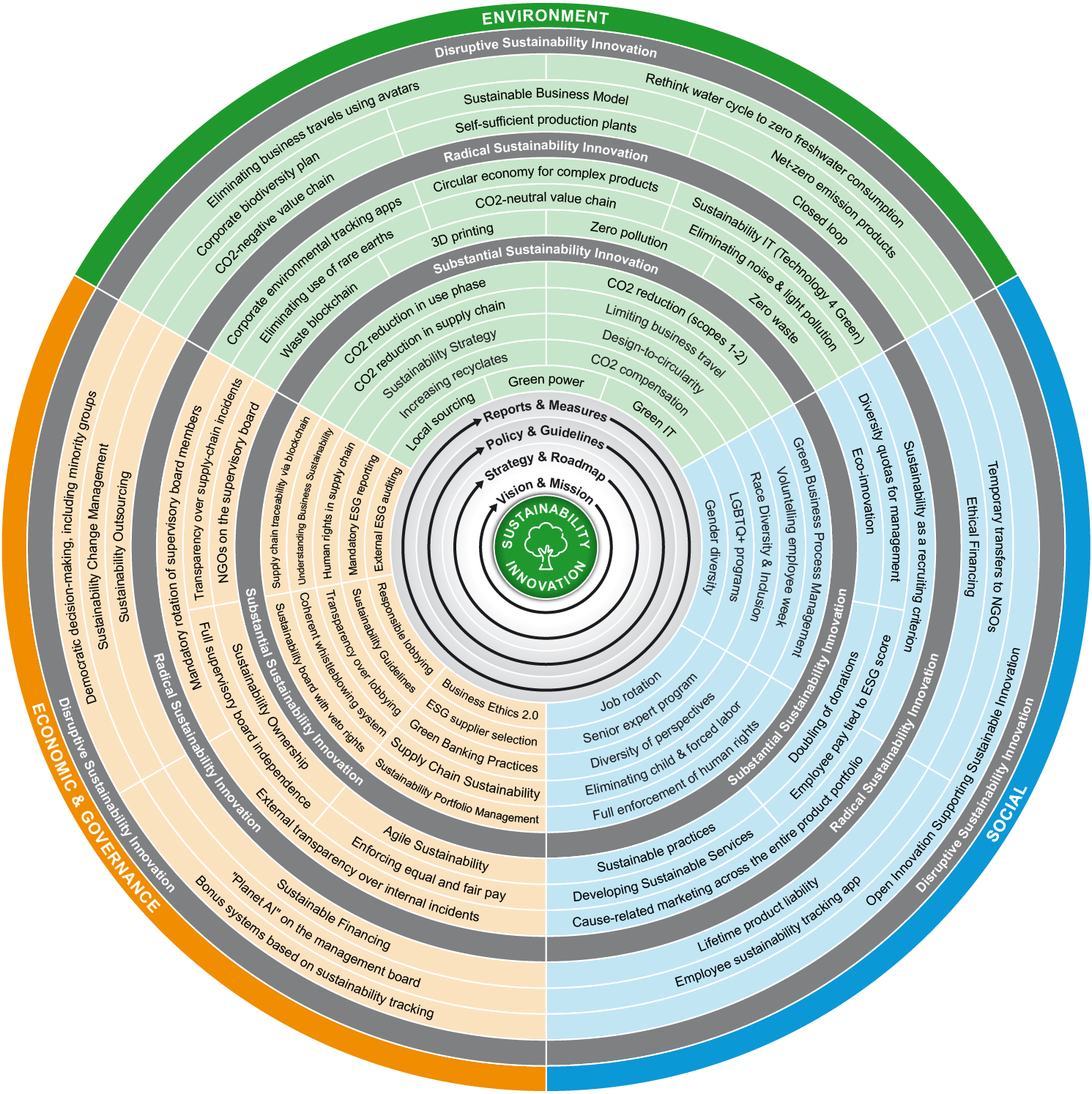
What is Maturity Analysis?
Maturity Analysis is the process of understanding how far an organization has come on its journey toward embedding sustainability into its strategy, operations, and culture. It is more than a checklist of environmental and social activities; it is a structured assessment of how sustainability is integrated into decision-making, leadership, and value creation. By mapping current practices against defined levels of maturity, organizations can identify both strengths and gaps.
This provides clarity on where they stand today, what the next steps should be, and how to align sustainability with long-term business objectives. Ultimately, Maturity Analysis offers a roadmap for progress, enabling organizations to make informed decisions, demonstrate accountability, and accelerate their transition toward a more sustainable and resilient future.
Main Components
The 8 Main Components of Maturity Analysis
Achieving Maturity Analysis requires a holistic perspective that looks beyond isolated initiatives and examines how sustainability is built into the entire organization. To gain clarity, it is necessary to identify the critical areas where progress can be measured and strengthened. These components span governance, culture, operations, and external relationships, providing a full-spectrum view of maturity.
Each one represents a dimension of how sustainability becomes part of the organizational DNA, shaping both current practices and future ambitions. By examining these components, organizations can benchmark their maturity level, highlight areas for improvement, and design actionable strategies that support long-term value creation and sustainable growth.

Below are the eight main components of Maturity Analysis, reflecting both structural patterns and actionable insights for organizations:
Maturity Analysis cannot be achieved in isolation; it requires progress across all these dimensions. By addressing each component holistically, businesses can accelerate maturity, strengthen resilience, and demonstrate leadership in driving meaningful environmental and social impact.
Each component provides a different lens to assess current practices and reveal opportunities for improvement. Together, they enable organizations to embed sustainability into their DNA, creating a balance between strategy, operations, innovation, and collaboration.
Why This Is Relevant
Why is Maturity Analysis so Relevant?
Maturity Analysis is becoming a critical lens for organizations in today’s shifting business and societal landscape. Increasingly, companies are judged not only by their financial performance but also by their ability to address environmental, social, and governance challenges in a structured and credible way. Assessing maturity provides clarity on where organizations stand, creates a roadmap for progress, and ensures accountability toward stakeholders who demand measurable results.
It also enables companies to future-proof their operations, align with regulatory and investor expectations, and build resilience against uncertainty. Beyond compliance, Maturity Analysis highlights opportunities for innovation, operational efficiency, and competitive differentiation. Ultimately, its relevance lies in bridging purpose with performance — helping organizations deliver value for both business and society in a transparent, accountable, and future-oriented manner.
Business/Value Case
The Business/Value Case for Maturity Analysis
Understanding the business value of Maturity Analysis is essential for gaining organizational buy-in and securing investment in long-term initiatives. Beyond environmental stewardship, Maturity Analysis delivers tangible advantages that affect competitiveness, profitability, and resilience. Organizations that measure and strengthen their maturity can reduce risks, attract capital, and inspire trust from stakeholders across the value chain.
For employees, it builds engagement and purpose; for customers, it creates confidence in responsible practices; and for investors, it demonstrates resilience and opportunity. By making Maturity Analysis part of strategy and culture, organizations can translate commitments into measurable value. The following ten benefits illustrate why embedding maturity assessments is a cornerstone for achieving both business success and meaningful impact.
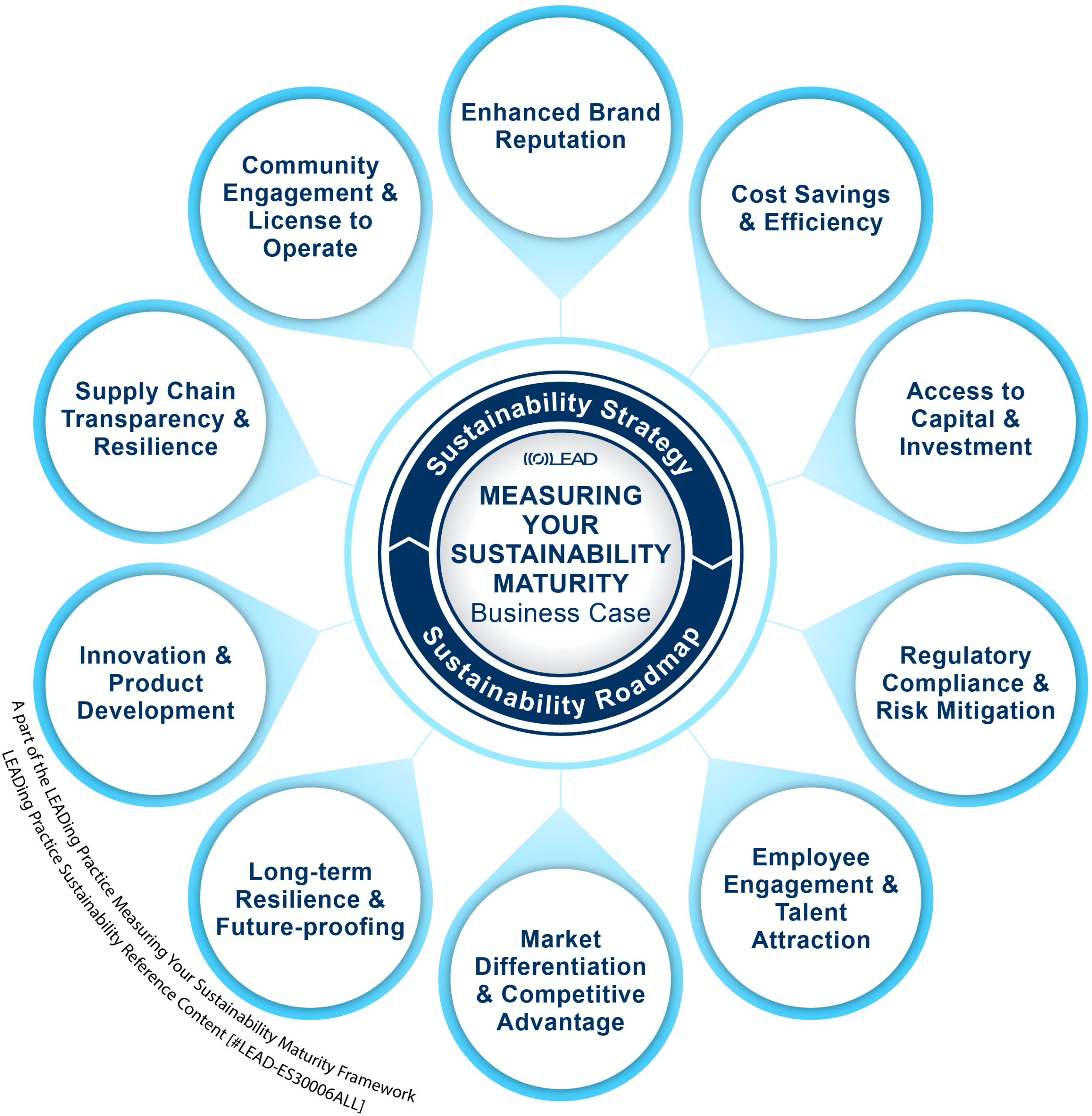
Below are ten key benefits that highlight why this approach is essential for modern organizations:
Maturity Analysis strengthens business performance across financial, operational, reputational, and strategic dimensions. By demonstrating measurable progress, organizations earn stakeholder confidence, build resilience, and unlock new opportunities. The business case extends beyond risk mitigation or compliance — it positions sustainability as a driver of growth, innovation, and long-term competitiveness. Companies that invest in maturing their sustainability practices are better equipped to navigate market shifts, attract top talent, and create enduring stakeholder trust.
This alignment of sustainability with strategy ensures that organizations remain relevant in an era of increasing transparency and accountability. Ultimately, embedding Maturity Analysisis not only about safeguarding the future; it is about actively shaping it, turning sustainability into a source of differentiation, innovation, and enduring value.
How-To-Guide
How-To-Guide: The Maturity Analysis Framework
The Maturity Analysis Framework provides organizations with a structured, step-by-step approach to embed sustainability into every dimension of operations. Unlike isolated initiatives, the framework connects strategy, governance, and performance with measurable actions. It includes building a compelling business case, aligning leadership, and engaging stakeholders across functions. By following a standardized roadmap, organizations establish accountability, ensure efficient resource allocation, and strengthen collaboration.
Each step offers guidance on what to do, when to act, how to implement, and which roles to involve. This clarity enables organizations to track progress, minimize risks, and accelerate results. By adopting the framework, leaders and teams can transform sustainability from abstract goals into practical, organization-wide action — ensuring resilience, transparency, and measurable impact in a fast-changing business environment.

The 10-Step Way Forward:
The Maturity Analysis Framework enables organizations to transform sustainability ambitions into structured execution. By following a clear 10-step roadmap, companies can align leadership, engage stakeholders, and deliver measurable outcomes. The framework supports accountability, risk mitigation, and resilience while encouraging innovation and collaboration.
With continuous monitoring and adaptation, it ensures sustainability goals remain relevant and effective in a dynamic environment. Organizations adopting this framework can accelerate their maturity journey, demonstrate leadership, and achieve long-term impact with confidence and credibility.
Contact Us
Wanna learn more ? Want to improve your company ?
Projects that require our help ?
Don't waste more time, contact us !
Most Common Pitfalls
The Most Common Pitfalls and Challenges
Maturity Analysis requires structured commitment and consistency, yet many organizations struggle with recurring mistakes that slow progress or undermine credibility. Identifying both helps organizations design strategies that are more resilient, transparent, and effective, ensuring sustainability is not just a stated ambition but an integrated business reality.
Recognizing these pitfalls early allows businesses to avoid repeating patterns of inefficiency and wasted effort. Equally important is understanding worst practices — actions that actively damage reputation, disengage stakeholders, or lock organizations into unsustainable paths.
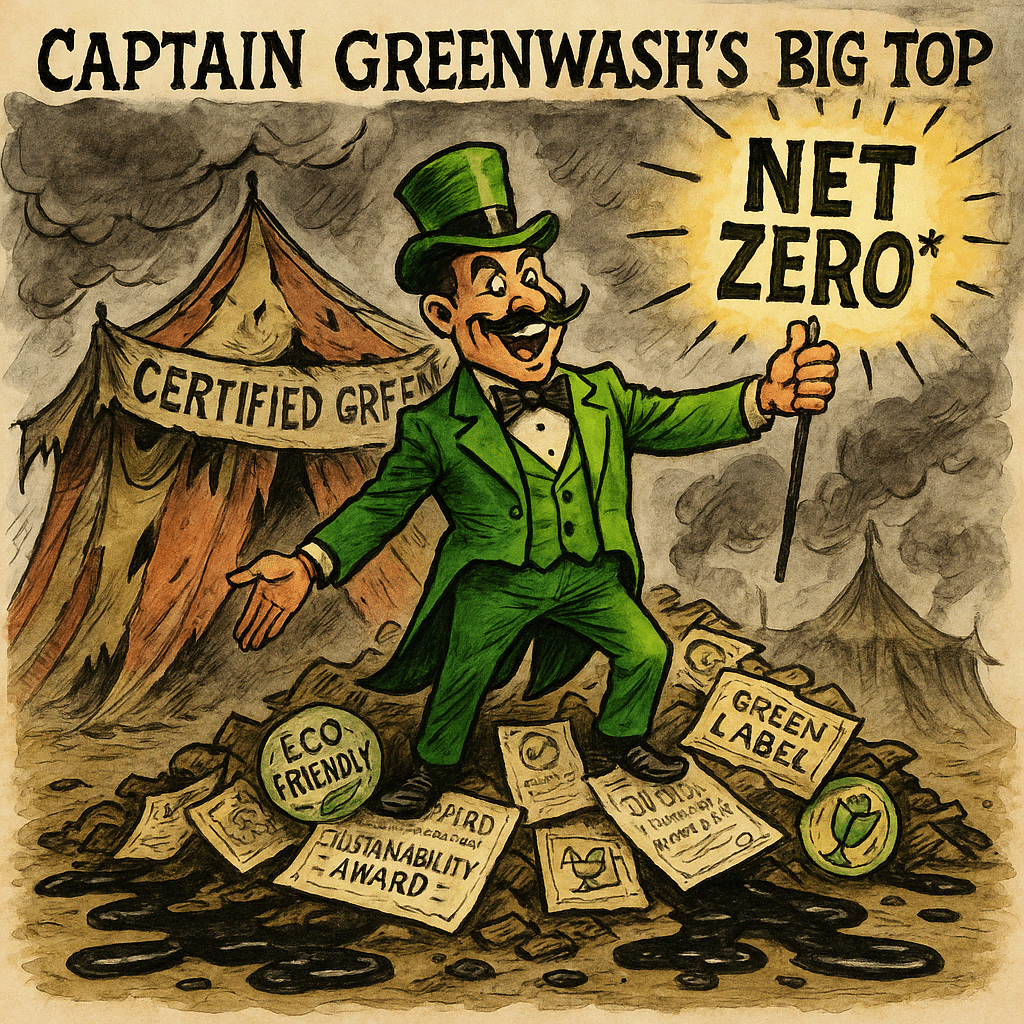
5 Antipattern Examples
- Tick-box Compliance: Treating sustainability as a reporting exercise rather than embedding it into strategy, leaving organizations unprepared for future challenges and expectations.
- Siloed Efforts: Allowing departments to run independent sustainability projects without alignment, resulting in duplicated work, wasted resources, and inconsistent impact measurement.
- Short-term Focus: Prioritizing immediate results or PR wins over long-term sustainability goals, undermining strategic progress and stakeholder trust.
- Underestimating Stakeholder Input: Ignoring employees, customers, or communities when shaping sustainability goals, leading to disengagement and ineffective initiatives.
- Inconsistent Metrics: Using unclear or shifting KPIs that prevent accurate benchmarking, making it impossible to track maturity progress or demonstrate accountability.

5 Worst Practice Examples
- Greenwashing Initiatives: Promoting sustainability claims without substantiated actions, eroding credibility with customers, regulators, and investors.
- Neglecting Risk Management: Overlooking ESG risks in decision-making, leaving organizations vulnerable to disruptions, reputational crises, or regulatory penalties.
- Failure to Invest in Data Systems: Relying on outdated or fragmented data, preventing accurate measurement, reporting, and informed decision-making.
- Leadership Disengagement: Executives failing to champion sustainability, signaling to employees and stakeholders that it is not a true organizational priority.
- Ignoring Supply Chain Impacts: Focusing only on internal operations while neglecting supplier practices, creating blind spots in risk exposure and sustainability performance.
Lessons Learned
Learning from the Outperformers: Lessons Learned
Organizations that excel in Maturity Analysis demonstrate how structured approaches, innovative practices, and strong leadership create long-term advantage. Their best practices illustrate how to embed sustainability effectively; their leading practices show how to turn maturity into innovation, resilience, and market differentiation.
By studying their methods, others can learn which strategies truly drive measurable outcomes. Outperformers consistently integrate sustainability into governance, operations, and culture, while also setting ambitious standards that influence their industries.
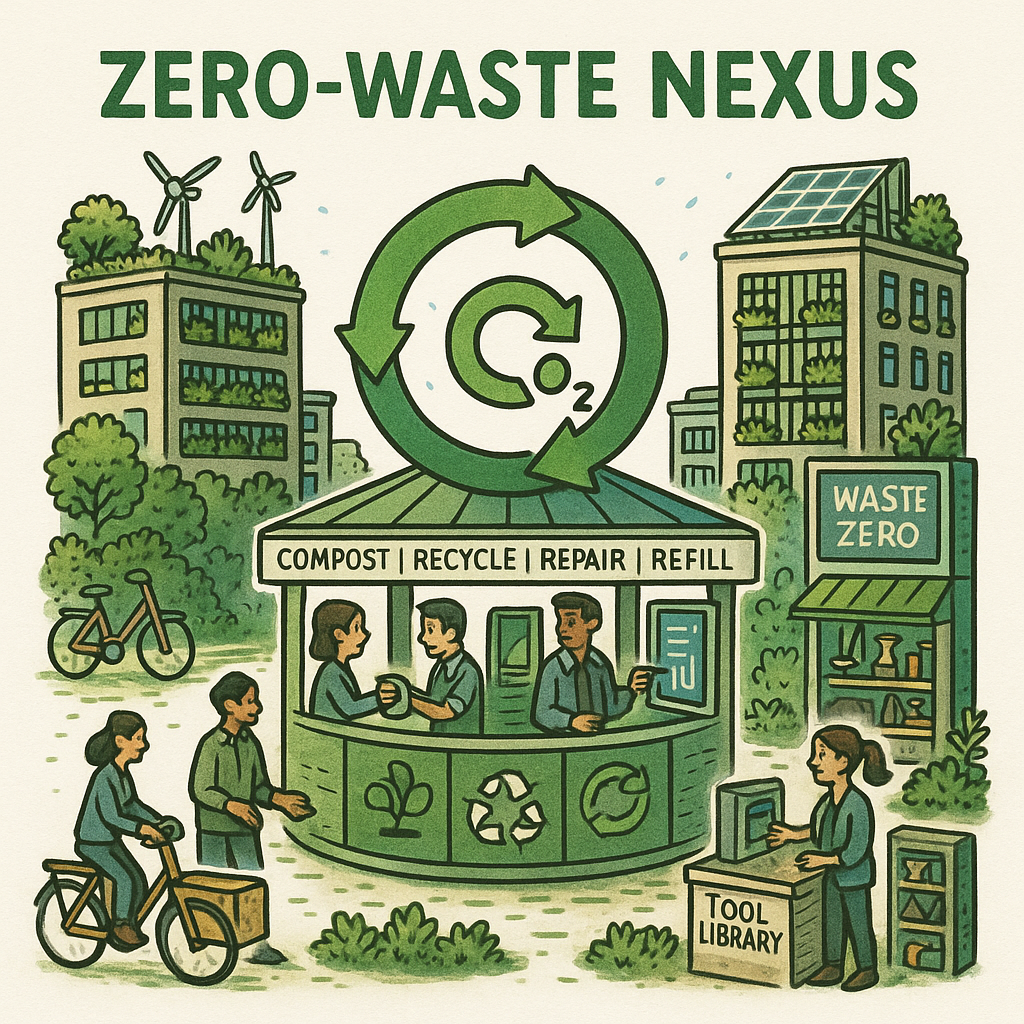
5 Best Practice Examples
- Executive Commitment: Strong leadership support ensures sustainability remains a top priority and part of corporate strategy.
- Clear KPIs: Organizations track progress with transparent, measurable indicators aligned to business objectives.
- Stakeholder Dialogue: Regular engagement with employees, customers, and investors builds trust and shared ownership of sustainability goals.
- Cross-Functional Integration: Sustainability is embedded across all departments, avoiding silos and aligning efforts.
- Regular Benchmarking: Performance is compared against peers and standards, ensuring accountability and continuous improvement.

5 Leading Practice Examples
- Embedding Circular Economy Models: Outperformers redesign products, services, and processes for circularity, reducing waste and creating long-term resource efficiency.
- Data-Driven Innovation: Advanced analytics, AI, and IoT tools are applied to predict risks, identify opportunities, and accelerate progress toward sustainability targets.
- Ecosystem Partnerships: Leaders collaborate with NGOs, governments, and industry peers to shape policy, co-develop innovations, and drive systemic change.
- Integrated Reporting: Sustainability data is embedded into corporate reporting, blending financial and non-financial performance to create transparency for stakeholders.
- Culture of Continuous Improvement: Outperformers cultivate sustainability as part of organizational culture, empowering employees to experiment, innovate, and drive ongoing transformation.
Most Common Artefacts
The Most Common Artefacts
When organizations assess and advance their sustainability maturity, they rely on practical artefacts that serve as essential tools for structure, transparency, and decision-making. These artefacts provide the evidence base needed to evaluate progress, identify gaps, and communicate impact across internal and external stakeholders. They also enable alignment by ensuring everyone works with the same data, metrics, and strategic roadmaps.
Beyond their practical role, artefacts are powerful enablers of innovation, helping organizations test new approaches, integrate emerging technologies, and design solutions that accelerate sustainability goals. By capturing performance and embedding accountability, these tools transform ambition into measurable action and make sustainability maturity tangible, repeatable, and scalable across the organization.
| Artefact | Description | How it Can Be Used for Sustainability Innovation |
|---|---|---|
| Maturity Analysis Assessment Framework | A structured model outlining stages of maturity across governance, operations, and culture. | Helps organizations identify gaps and opportunities, enabling new strategies, technologies, and business models that accelerate progress toward advanced maturity. |
| Baseline Sustainability Report | A comprehensive snapshot of energy use, emissions, social practices, and governance structures. | Provides data to design targeted improvement projects, pilot innovations, and benchmark against industry peers. |
| Stakeholder Engagement Matrix | A mapping tool that identifies key stakeholders, their expectations, and influence. | Encourages co-creation of solutions with stakeholders, driving innovation through collaboration and shared responsibility. |
| Sustainability KPIs Dashboard | A digital tool for tracking progress on environmental, social, and governance indicators. | Enables real-time monitoring, experimentation with new metrics, and early identification of sustainability trends and opportunities. |
| Risk and Opportunity Register | A record of ESG-related risks and opportunities across the organization. | Encourages proactive mitigation and inspires new approaches to resilience, resource efficiency, and sustainable business models. |
| Sustainability Roadmap | A timeline of milestones, initiatives, and projects aligned with maturity goals. | Helps organizations prioritize pilot projects, test emerging technologies, and scale solutions effectively. |
| Integrated Reporting Template | A standardized structure combining financial and sustainability performance. | Strengthens transparency and encourages new ways of embedding sustainability into value creation and corporate strategy. |
Overview of the most common artefacts used with Maturity Analysis.
Artefacts transform sustainability maturity from an abstract concept into an actionable journey that drives impact and innovation. They provide clarity on where organizations stand, enable measurable reporting, and highlight opportunities for improvement. More importantly, they become catalysts for creativity, allowing companies to experiment with new technologies, rethink business models, and co-create with stakeholders.
By embedding artefacts into their sustainability frameworks, organizations ensure consistency, accountability, and a stronger foundation for decision-making. They also gain the agility to adapt as expectations, regulations, and market conditions evolve. Ultimately, artefacts are not only measurement tools but also innovation drivers — empowering organizations to advance their sustainability maturity while creating long-term value for business, society, and the environment.
Conclusion
Maturity Analysis is far more than a diagnostic exercise; it is a catalyst for long-term transformation. By understanding where an organization stands today and charting the path forward, maturity assessments provide clarity, accountability, and direction. The process builds trust with stakeholders, supports resilience against external pressures, and enables innovation in products, processes, and partnerships.
When combined with strong leadership and clear artefacts, Maturity Analysis becomes a driver of growth and differentiation, not just compliance. Organizations that embrace it move beyond incremental improvements to embed sustainability into their core DNA. In doing so, they strengthen their competitive position while delivering meaningful environmental and social value — a powerful alignment of purpose and performance that defines true leadership in today’s world.