

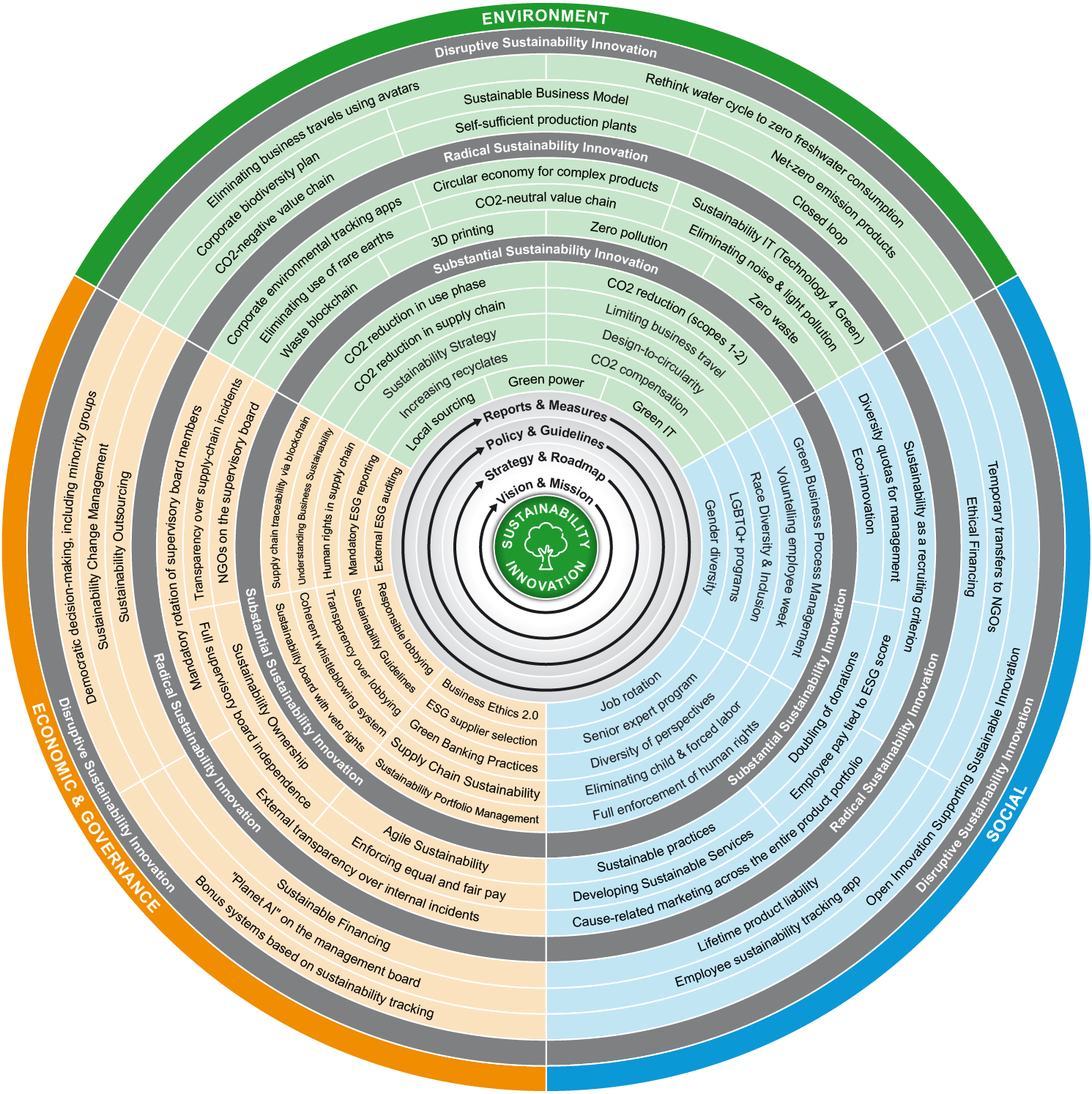
What is Radical Sustainability Innovation Strategy?
Radical Sustainability Innovation Strategy is an ambitious approach that pushes beyond incremental environmental improvements to reimagine how organizations create value for both business and society. Unlike traditional sustainability strategies that often focus on compliance and efficiency, radical strategies drive transformation across products, services, operations, and business models. The aim is to deliver breakthrough innovations that tackle urgent global challenges, such as climate change, resource scarcity, and social inequality, while ensuring long-term business resilience and competitiveness.
This strategy requires organizations to align visionary leadership with structured execution. It brings together stakeholders, encourages experimentation, and leverages cutting-edge technologies to achieve measurable, systemic change. By embedding sustainability into the heart of business strategy, companies not only meet rising stakeholder expectations but also unlock new opportunities for growth and impact. In short, Radical Sustainability Innovation Strategy is about moving from “doing less harm” to “creating lasting positive change” at scale.
Main Components
The 8 Main Components of Radical Sustainability Innovation Strategy
Developing a Radical Sustainability Innovation Strategy is not about small adjustments or compliance-focused initiatives — it is about a fundamental rethinking of how organizations operate, innovate, and create value. To succeed, businesses need to integrate sustainability into the very core of their strategy, from leadership and culture to products, processes, and performance measurement.
Eight essential components form the backbone of such a strategy. Together, they ensure that sustainability is not an isolated program but a continuous, organization-wide transformation that enables resilience, growth, and positive societal impact.
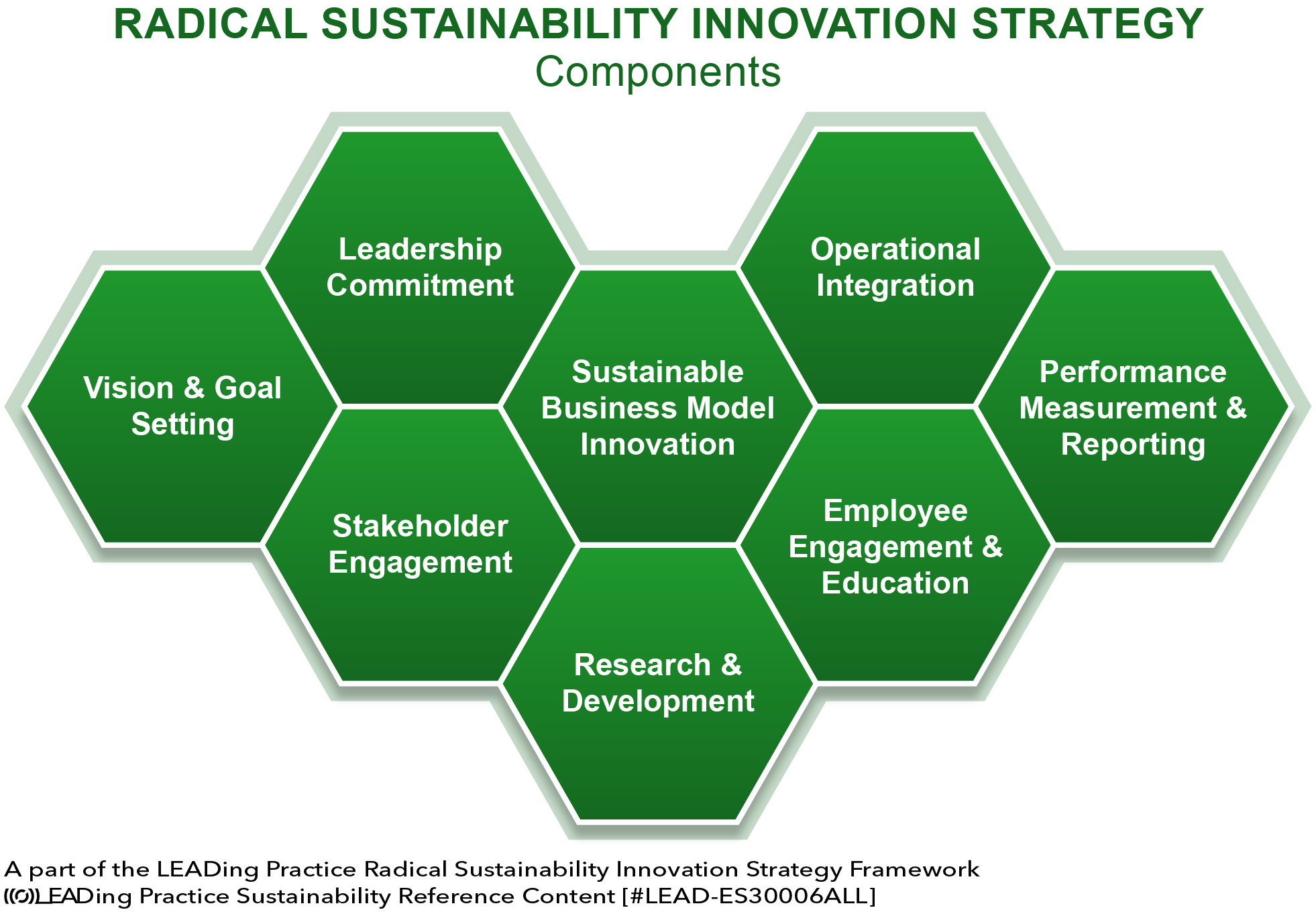
Below are the eight main components of Radical Sustainability Innovation Strategy, reflecting both structural patterns and actionable insights for organizations:
The eight components of Radical Sustainability Innovation Strategy form a cohesive framework for change. Vision and leadership define ambition, while engagement, innovation, and integration ensure progress. Research and employee involvement spark creativity, and robust performance measurement guarantees accountability.
When connected, these elements allow organizations to move beyond incrementalism and achieve systemic, positive impact. Together, they transform sustainability into a driver of competitiveness, resilience, and lasting value creation for both business and society.
Why This Is Relevant
Why is Radical Sustainability Innovation Strategy so Relevant?
In today’s volatile business landscape, incremental improvements are no longer enough to address the scale of global environmental and social challenges. Organizations are under mounting pressure from regulators, investors, consumers, and communities to move beyond surface-level sustainability initiatives. Radical Sustainability Innovation Strategy is relevant because it provides a structured and transformative pathway to respond to these pressures while seizing new opportunities. By embedding sustainability deeply into core business practices, companies gain more than compliance — they achieve long-term resilience, competitive advantage, and stakeholder trust. This relevance extends across industries and sectors. Whether it is climate change, biodiversity loss, supply chain instability, or shifting consumer expectations, businesses face risks that require bold innovation.
At the same time, sustainability is opening doors to new markets, investment opportunities, and customer segments. Companies that embrace radical strategies are not only protecting their operations but also shaping the markets of the future. Radical Sustainability Innovation Strategy is relevant because it addresses today’s urgent risks while creating tomorrow’s opportunities. It strengthens reputation, secures investment, attracts talent, and builds trust with stakeholders. Most importantly, it drives innovation that reshapes industries and delivers meaningful environmental and social impact. In an era where incrementalism is no longer enough, organizations that embrace radical sustainability position themselves not only to survive but to thrive in a future defined by resilience, competitiveness, and shared value creation.
Business/Value Case
The Business/Value Case for Radical Sustainability Innovation Strategy
A Radical Sustainability Innovation Strategy is not only a moral or environmental imperative; it is also a compelling business case. Organizations that adopt this approach unlock opportunities for cost savings, innovation, market growth, and stakeholder trust. Unlike traditional approaches that treat sustainability as an add-on, radical strategies embed it directly into the business model, ensuring it becomes a driver of long-term value creation.
The benefits extend across multiple stakeholders — from investors and customers to employees and communities. Companies that pursue radical sustainability build stronger reputations, attract capital, and secure competitive advantage in a rapidly changing world. The following ten benefits and advantages highlight the value organizations can expect when they commit to a radical approach.

Below are ten key benefits that highlight why this approach is essential for modern organizations:
The business case for Radical Sustainability Innovation Strategy is robust and multifaceted. It delivers stronger reputations, lower costs, and improved regulatory resilience, while attracting talent and investors. Beyond financial value, it fosters deeper customer relationships, strengthens supply chains, and opens access to new markets.
Perhaps most importantly, it drives meaningful environmental and social impact. By aligning business success with global needs, organizations adopting radical sustainability secure long-term competitiveness and create shared value for all stakeholders.
How-To-Guide
How-To-Guide: The Radical Sustainability Innovation Strategy Framework
The Radical Sustainability Innovation Strategy Framework gives organizations a structured way to transform ambition into action. Rather than approaching sustainability through isolated projects, it provides a step-by-step process to integrate radical sustainability into every part of the organization. This framework combines vision, leadership, stakeholder engagement, and innovation with practical implementation and accountability. It not only shows what needs to be done, but also when, where, how, and by whom.
By following these ten steps, organizations move from defining ambitious sustainability goals to embedding them in business models, operations, and culture. The framework also integrates the business case for sustainability, ensuring that financial and strategic benefits are visible to stakeholders. Most importantly, it provides consistency, alignment, and speed — enabling organizations to execute change in a systematic and coordinated way that benefits leadership, employees, partners, and communities.
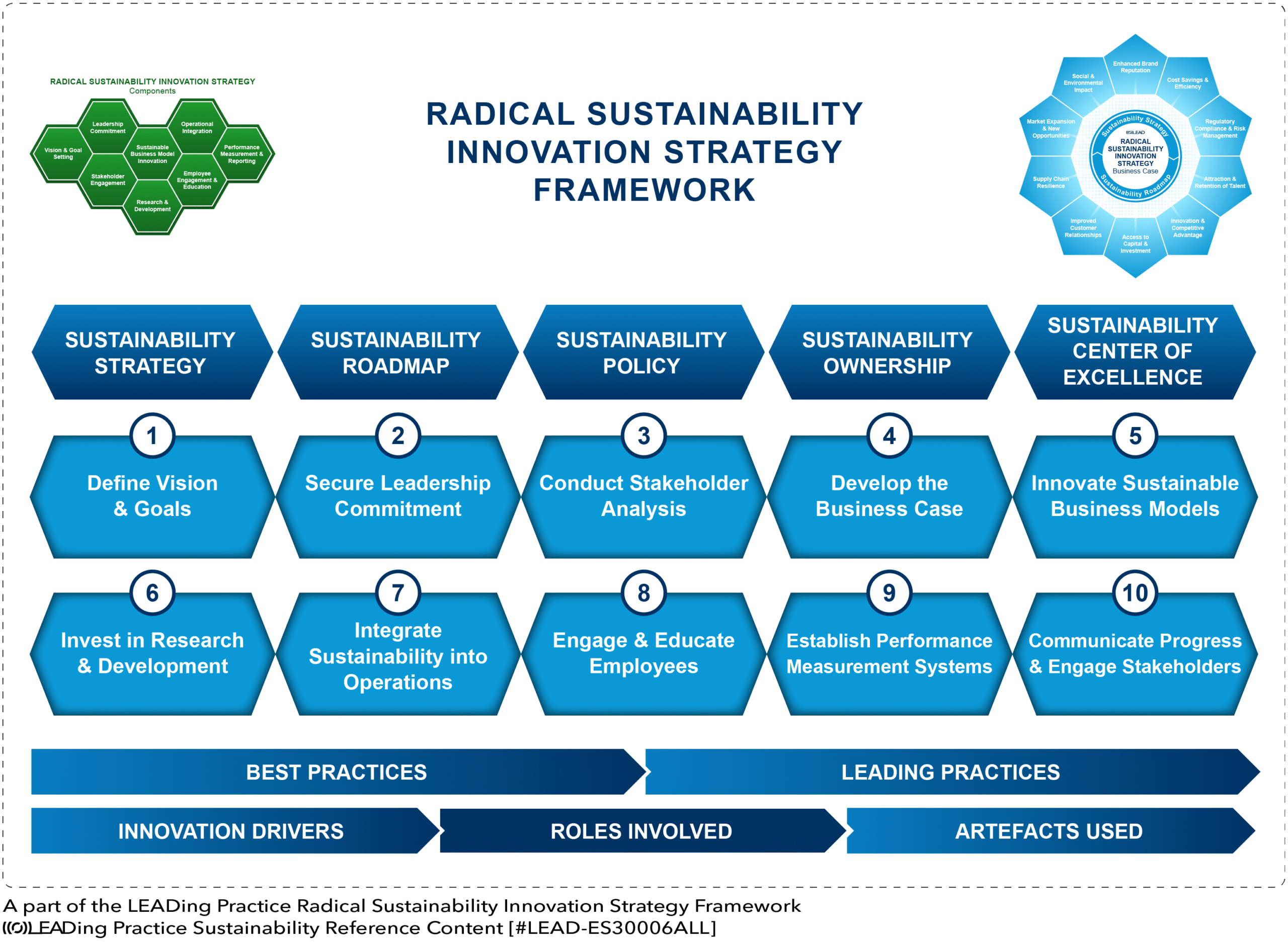
The 10-Step Way Forward:
The Radical Sustainability Innovation Strategy Framework provides organizations with a clear roadmap to embed radical sustainability into strategy, operations, and culture. Most importantly, it empowers businesses to align financial value with societal and environmental progress — ensuring that radical sustainability is not just a vision, but an executable strategy for long-term success.
It ensures that vision and leadership translate into innovation, stakeholder engagement, and measurable impact. By following this 10-step process, organizations avoid fragmented initiatives and gain a structured approach that accelerates results.
Contact Us
Wanna learn more ? Want to improve your company ?
Projects that require our help ?
Don't waste more time, contact us !
Most Common Pitfalls
The Most Common Pitfalls and Challenges
Radical Sustainability Innovation Strategy promises transformative impact, but many organizations stumble when moving from vision to execution. The challenges usually arise not from a lack of ambition, but from repeating patterns of behavior and decision-making that undermine progress. Companies may misjudge the scale of change, underestimate cultural barriers, or fail to align sustainability goals with business realities. Others may reduce sustainability to compliance, treating it as a box-ticking exercise instead of a long-term value driver.
These pitfalls often appear when leadership commitment is shallow, when stakeholders are only superficially engaged, or when sustainability efforts are confined to isolated teams. At the same time, worst practices—such as poor measurement, ignoring supply chain impacts, or resisting external trends—can damage credibility and waste valuable resources. By identifying these recurring mistakes, organizations gain the foresight to design strategies that are bold, integrated, and resilient. The following list highlights five common antipatterns and five worst practices that should be carefully avoided.

5 Antipattern Examples
- Incremental Mindset: Focusing only on small improvements instead of bold transformations delays real impact and weakens competitiveness.
- Leadership in Name Only: Leaders endorse sustainability but fail to back it with resources, active involvement, or visible commitment.
- Short-Term Focus: Strategies prioritize immediate financial results, neglecting the long-term sustainability transformation needed for resilience.
- Token Stakeholder Engagement: Engagement is superficial, with limited dialogue and no real co-creation of solutions.
- Siloed Implementation: Sustainability remains in one department, preventing company-wide adoption and cultural change.

5 Worst Practice Examples
- Reactive Compliance Approach: Organizations only act when forced by regulations, missing opportunities for innovation and losing stakeholder trust.
- Underestimating Change Management: Failing to prepare employees for new practices creates resistance, confusion, and slowed implementation across the organization.
- Neglecting Supply Chain Sustainability: Overlooking sustainability in procurement and logistics leads to reputational risks, operational disruptions, and loss of customer confidence.
- Poor Measurement and Reporting: Lack of clear KPIs or transparent reporting makes it impossible to track progress, demonstrate value, or hold leaders accountable.
- Ignoring External Trends: Companies that fail to anticipate technological, social, or regulatory changes quickly lose relevance and competitive edge.
Lessons Learned
Learning from the Outperformers: Lessons Learned
Organizations that excel in Radical Sustainability Innovation Strategy demonstrate not only bold ambition but also disciplined execution. These outperformers embed sustainability in their business DNA, turning it into a competitive advantage rather than a cost. Their success lies in combining vision with practical action, aligning what they should do with what they want to do and what they can do. Outperformers anticipate change, invest in innovation, and create ecosystems that amplify their impact. Learning from these examples provides invaluable guidance for others aiming to achieve lasting transformation.
Outperformers in Radical Sustainability Innovation Strategy show that success requires more than commitment — it requires transformation. Best practices demonstrate the importance of integration, transparency, and culture, while leading practices highlight bold innovation, collaboration, and future readiness. Together, they provide a blueprint for organizations to move beyond compliance, turning sustainability into a source of resilience, growth, and shared value. By learning from the leaders, companies can accelerate their own journey toward radical sustainability.
5 Best Practice Examples
- Embed Sustainability into Core Strategy: Outperformers make sustainability a central business driver, not a side initiative. It shapes decision-making, product development, and market positioning.
- Set Bold, Science-Based Targets: They define ambitious goals aligned with global standards, ensuring strategies are credible, measurable, and future-proof.
- Foster a Culture of Innovation: By empowering employees and encouraging experimentation, they build a workforce engaged in co-creating sustainable solutions.
- Prioritize Transparency and Reporting: They measure performance with clear KPIs and communicate progress openly, building trust with investors, customers, and communities.
- Collaborate Across Ecosystems: Partnerships with suppliers, NGOs, startups, and regulators accelerate progress and expand innovation opportunities.
5 Leading Practice Examples
- Business Model Transformation: Leaders radically reimagine business models using circular principles, shifting from ownership to service, or redesigning value chains for sustainability.
- Cross-Industry Collaboration: They go beyond their sector, creating alliances that tackle systemic issues like carbon reduction or waste elimination at scale.
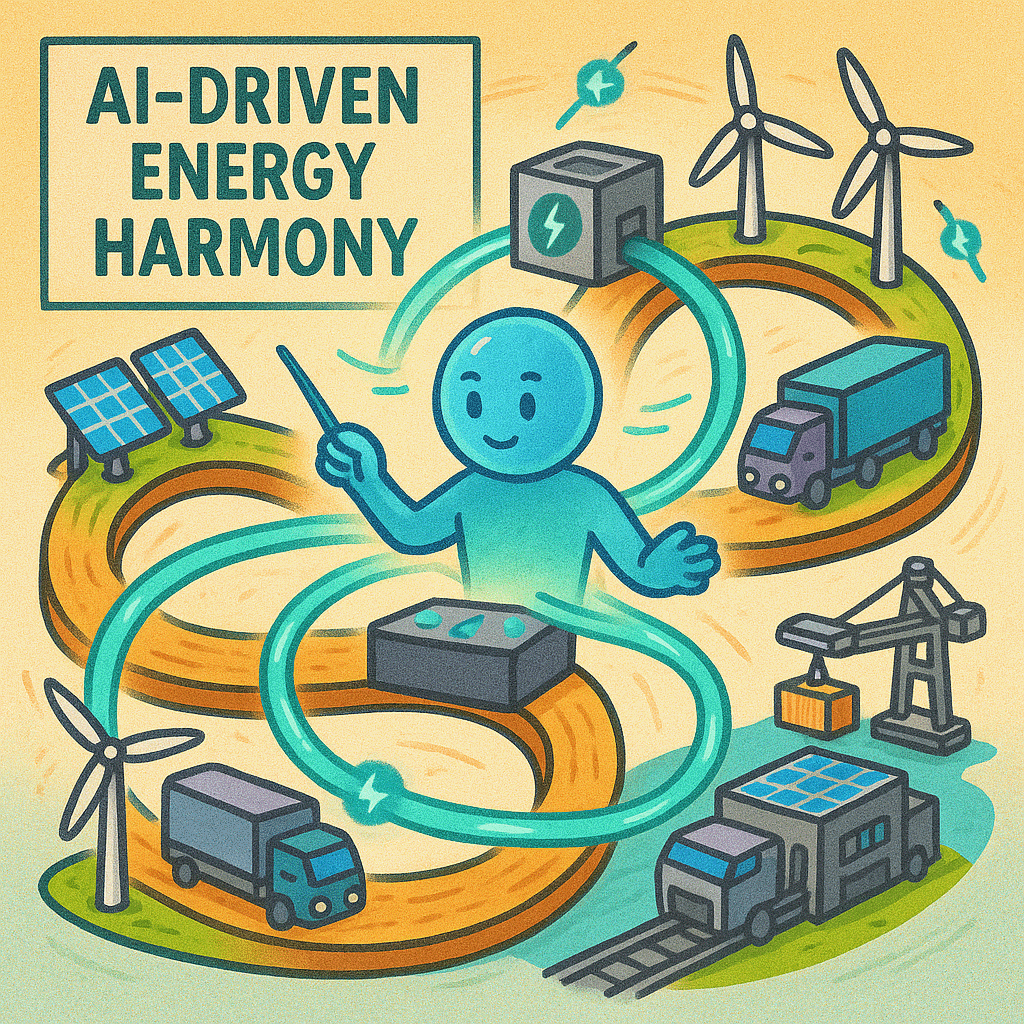
- Leveraging Advanced Technologies: Digital tools, AI, and biotechnology are used to create smarter, more efficient, and sustainable processes and products.
- Proactive Scenario Planning: Outperformers prepare for multiple futures through scenario planning, ensuring resilience and agility in uncertain environments.
- Shared Value Creation: They design strategies where business growth directly generates positive societal and environmental outcomes, creating value for all stakeholders.
Most Common Artefacts
The Most Common Artefacts
Artefacts are the practical outputs that translate bold sustainability ambitions into tangible results. They are not just documents or tools but essential enablers that help organizations plan, communicate, and measure their Radical Sustainability Innovation Strategy. By capturing vision, stakeholder insights, business model shifts, and performance data, artefacts provide a shared language and structure across the organization.
They ensure that sustainability is embedded in daily decision-making and aligned with long-term goals. When used effectively, these artefacts become the backbone of transformation, supporting leaders, employees, and partners in driving innovation that delivers lasting impact.
| Artefact | Description | How it Can Be Used for Sustainability Innovation |
|---|---|---|
| Sustainability Vision Statement | A concise declaration of the organization’s sustainability ambition and long-term goals. | Inspires alignment across stakeholders and guides the design of breakthrough projects and business models. |
| Stakeholder Map | A visual overview of key stakeholders, their influence, and their interests. | Helps identify collaboration opportunities and co-creation partners for sustainable solutions. |
| Sustainability Business Model Canvas | A modified business model framework integrating sustainability into value creation, delivery, and capture. | Enables redesign of products, services, and revenue models around circular economy and long-term resilience. |
| Scenario Planning Models | Tools that explore different future contexts and sustainability challenges. | Prepares organizations for uncertainty, ensuring flexibility and proactive decision-making. |
| Sustainability KPI Dashboard | A dashboard of metrics covering environmental, social, and governance performance. | Tracks progress, identifies improvement areas, and supports data-driven strategy refinement. |
| Sustainability R&D Roadmap | A plan outlining priority areas for sustainable technology and process development. | Directs investment into breakthrough areas such as renewable energy, green chemistry, or bio-based solutions. |
| Employee Engagement Toolkit | Training materials, awareness campaigns, and gamification tools for workforce involvement. | Builds a culture of sustainability by empowering employees to generate and act on innovative ideas. |
| Sustainability Reporting Framework | Structured reporting aligned with standards such as GRI or SASB. | Creates transparency, builds trust, and motivates continuous improvement through accountability. |
Overview of the most common artefacts used with Radical Sustainability Innovation Strategy.
The role of artefacts in Radical Sustainability Innovation Strategy cannot be overstated. They give organizations clarity, alignment, and accountability, transforming strategy from theory into practice. Tools such as vision statements, stakeholder maps, and KPI dashboards create a foundation for innovation, while business model canvases and R&D roadmaps enable organizations to explore new opportunities with confidence.
Employee engagement toolkits and reporting frameworks, in turn, help build trust and a culture of ownership. Together, these artefacts provide the guidance and evidence needed to stay on course, demonstrate progress, and inspire stakeholders. By systematically applying them, organizations accelerate their sustainability journey and strengthen their ability to lead meaningful change.
Conclusion
Radical Sustainability Innovation Strategy represents a shift from incremental improvements to transformative action. It calls on organizations to embed sustainability into their very core — vision, leadership, culture, operations, and business models. By doing so, companies not only reduce risks but also open new opportunities for innovation, growth, and resilience. The eight main components show how ambition and structure can work together, while the business case makes clear that sustainability is as much about value creation as it is about responsibility.
The framework provides a practical roadmap, and lessons from outperformers prove that leadership, collaboration, and boldness drive success. Artefacts and tools help translate vision into practice, ensuring accountability and measurable progress. Ultimately, Radical Sustainability Innovation Strategy enables organizations to lead in shaping markets, solving global challenges, and creating shared value for business and society. It is no longer a question of if companies should act, but how quickly they can embrace radical sustainability to secure their future.